
Signs of Stress: Recognizing Athlete Anxiety Symptoms


Are you an athlete pushing your limits, but feeling overwhelmed by unseen pressures? At Mind Care Guide, we understand the unique challenges you face. This isn't just about physical performance; it's about nurturing your mental well-being. Are you experiencing subtle shifts in your mood, performance, or sleep? Our guide, " Signs of Stress: Recognizing Athlete Anxiety Symptoms," delves into understanding and addressing athlete anxiety stress symptoms relief. Discover the often-overlooked signs and learn practical strategies to regain control and rediscover your joy in the game. Curious to learn more about how to identify and manage these pressures? Let's begin.
Signs of Stress: Recognizing Athlete Anxiety Symptoms
- Understanding Athlete Anxiety and Stress
- Identifying the Signs of Athlete Anxiety Stress Symptoms
- Distinguishing Between Normal Pre-Competition Nerves and Athlete Anxiety Disorder
- Specific Anxiety Triggers for Athletes
- Seeking Athlete Anxiety Stress Symptoms Relief: When to Get Help
- Strategies for Managing Athlete Anxiety and Stress
- Preventing Athlete Anxiety: Proactive Measures
- Conclusion: Promoting Mental Well-being in Athletes
-
Frequently Asked Questions
- What are some common athlete anxiety stress symptoms that I should be aware of?
- How can I differentiate between normal pre-competition jitters and problematic athlete anxiety?
- What resources are available to athletes struggling with anxiety and stress?
- What are some effective strategies for stress relief that athletes can use to manage their anxiety symptoms?
- Why is it important to recognize athlete anxiety symptoms early on?
- Final Reflection: The Unseen Opponent: Understanding and Addressing Athlete Anxiety
- Unleash Your Peak Performance: Conquer Athlete Anxiety
Understanding Athlete Anxiety and Stress
The Unique Pressures Faced by Athletes
Athletes operate under a distinct set of pressures that can significantly impact their mental well-being. Beyond the general stresses of life, they face intense scrutiny on their physical performance, often in highly public arenas. This includes the pressure to consistently perform at peak levels, meet expectations from coaches, teammates, family, and fans, and navigate the competitive landscape where outcomes are often binary – winning or losing. For many, their identity and future prospects, such as scholarships or professional careers, are tied directly to their athletic success, creating an immense psychological burden.
Furthermore, the demanding schedule of training, travel, and competition leaves limited time for rest, recovery, and engagement in other aspects of life. This can lead to isolation from non-athletic friends and family, exacerbating feelings of stress and anxiety. The constant physical demands also bring the ever-present risk of injury, which can be a profound source of worry, threatening their ability to compete and potentially derailing their careers or goals. These interwoven factors create a complex environment where athlete anxiety and stress symptoms can readily manifest.
The Impact of Stress on Athletic Performance
Stress, particularly chronic or unmanaged stress, can have a detrimental effect on an athlete's ability to perform. Physiologically, stress triggers the body's fight-or-flight response, leading to increased heart rate, muscle tension, and altered breathing patterns. While a moderate level of arousal can be beneficial for performance (often referred to as 'eustress'), excessive stress or distress can impair fine motor skills, coordination, and reaction time. Studies have shown that athletes experiencing high levels of stress are more prone to making errors during critical moments in competition.
Psychologically, stress can lead to difficulty focusing, increased distractibility, and negative self-talk, all of which undermine concentration and confidence. An athlete overwhelmed by stress might ruminate on potential negative outcomes or past failures, diverting mental energy away from executing their skills effectively. This reduced mental capacity can slow decision-making and impair strategic thinking. Ultimately, the cumulative effect of unchecked athlete anxiety stress symptoms can lead to a significant decline in performance, burnout, and even withdrawal from the sport altogether.
Identifying the Signs of Athlete Anxiety Stress Symptoms
Recognizing the signs of stress and anxiety in athletes is crucial for providing timely support and seeking effective athlete anxiety stress symptoms relief. These symptoms can manifest across physical, psychological, and behavioral domains, often interacting with each other. It's important to note that some signs might overlap with general fatigue or training soreness, making careful observation and understanding of the athlete's baseline crucial.
Physical Symptoms of Anxiety in Athletes
Anxiety often has pronounced physical manifestations in athletes, sometimes mimicking or exacerbating physical training effects. These symptoms are the body's physiological response to perceived threats or excessive pressure.
Muscle Tension and Soreness
Persistent muscle tension, particularly in the neck, shoulders, and back, is a common physical sign of anxiety. Athletes might complain of unexplained soreness or stiffness that doesn't seem directly related to their training load. This chronic tension can increase the risk of actual muscle strains and injuries, creating a vicious cycle of anxiety and physical discomfort.
Sleep Disturbances and Fatigue
Difficulty falling asleep, staying asleep, or experiencing restless sleep are significant indicators of anxiety. An athlete experiencing stress might lie awake worrying about performance or upcoming events. This lack of restorative sleep leads to chronic fatigue, impacting recovery, training quality, and overall energy levels during competition, further contributing to feelings of stress.
Gastrointestinal Issues
Stress and anxiety have a strong connection to the digestive system. Athletes may experience symptoms like nausea, stomach cramps, diarrhea, or loss of appetite before or after training and competition. These issues can affect nutrient absorption and energy availability, compounding the physical toll of anxiety.
Increased Heart Rate and Sweating
While a natural response to physical exertion, an elevated resting heart rate or excessive sweating disproportionate to the activity level can be a sign of anxiety. Athletes might notice their heart pounding before an event, even during warm-ups, or experience clammy hands and cold sweats, indicative of their nervous system being in overdrive.
Psychological Symptoms of Anxiety in Athletes
The internal experience of anxiety in athletes involves a range of cognitive and emotional challenges that can disrupt their mental state and focus.
Excessive Worry and Fear
A hallmark of anxiety is persistent and often uncontrollable worry. Athletes might excessively worry about making mistakes, disappointing others, getting injured, or the outcome of an event, even when objectively well-prepared. This fear can be disproportionate to the actual threat, consuming their thoughts and making it difficult to enjoy or focus on their sport.
Difficulty Concentrating
Anxiety significantly impairs an athlete's ability to focus. Their minds might race with anxious thoughts, making it hard to pay attention to coaching instructions, strategy discussions, or even the task at hand during training or competition. This lack of concentration leads to errors in execution and poor decision-making.
Irritability and Mood Swings
Increased irritability, frustration, and unpredictable mood swings can be signs that an athlete is struggling with underlying anxiety and stress. They might snap at teammates or coaches, become easily frustrated by minor setbacks, or display uncharacteristic emotional reactivity, reflecting their internal turmoil.
Fear of Failure and Negative Self-Talk
An intense fear of failure is a pervasive psychological symptom in athletes experiencing anxiety. This fear often manifests as harsh self-criticism and negative self-talk, where the athlete constantly doubts their abilities, anticipates failure, and minimizes their achievements. This internal narrative erodes confidence and motivation.
Behavioral Symptoms of Anxiety in Athletes
Anxiety also manifests in observable behaviors, often reflecting the athlete's attempts to cope with or avoid their internal distress.
Changes in Eating Habits
Stress and anxiety can lead to significant changes in eating patterns. Some athletes might lose their appetite or skip meals due, while others might turn to emotional eating, consuming large amounts of comfort food. These changes can affect their physical conditioning, energy levels, and overall health.
Social Withdrawal and Isolation
Anxiety can cause athletes to withdraw from social interactions. They might avoid team gatherings, spend less time with friends and family, or isolate themselves, perhaps feeling misunderstood or embarrassed by their struggles. This isolation removes them from potential support systems.
Avoidance of Training or Competition
In severe cases, anxiety can lead an athlete to avoid the very activities that trigger their stress. This might involve skipping practices, feigning minor injuries to avoid competition, or even contemplating quitting the sport altogether. This avoidance provides temporary relief but prevents them from addressing the root cause of their anxiety.
Increased Reliance on Coping Mechanisms (e.g., substance use)
Some athletes may turn to unhealthy coping mechanisms to numb or escape from their anxiety. This can include increased consumption of alcohol or drugs, excessive gaming, or other compulsive behaviors. While offering temporary distraction, these methods are detrimental long-term and prevent the athlete from developing healthy strategies for athlete anxiety stress symptoms relief.
Distinguishing Between Normal Pre-Competition Nerves and Athlete Anxiety Disorder

It's natural for athletes to experience some level of nervousness or excitement before competition. This 'pre-competition nerves' is often characterized by a feeling of anticipation, increased energy, and focused arousal, which can actually enhance performance. It is typically temporary and subsides once the competition begins or shortly thereafter, often being perceived as manageable and even enjoyable adrenaline.
Athlete Anxiety Disorder, however, involves symptoms that are more intense, persistent, and debilitating than normal nerves. The symptoms significantly impair the athlete's ability to function, both within their sport and in other areas of life. The distress is substantial and not easily controlled, leading to avoidance or significant suffering when facing the anxiety trigger. Recognizing this distinction is a key step towards seeking appropriate athlete anxiety stress symptoms relief.
Recognizing the Intensity and Duration of Symptoms
Normal pre-competition nerves are usually acute, peaking just before the event and diminishing once performance is underway. The physical sensations like butterflies in the stomach or increased heart rate are typically mild to moderate and don't disrupt the athlete's ability to execute skills or strategy. In contrast, athlete anxiety symptoms associated with a disorder are often severe, potentially starting days or weeks before an event, and may persist long after it's over. The physical symptoms can be overwhelming, leading to panic-like sensations, while the psychological distress is constant and intrusive, not limited to the competitive moment.
For instance, an athlete with normal nerves might feel a surge of energy before a race, converting it into a strong start. An athlete with an anxiety disorder might experience such intense nausea and shaking that they struggle to even stand on the starting line, or their worry about the outcome consumes them for days leading up to the event, disrupting sleep and focus constantly. The duration and intensity are key differentiators; anxiety disorder symptoms significantly exceed what is typical or manageable for most athletes.
Assessing the Impact on Daily Life and Performance
Normal pre-competition nerves are generally confined to the context of sport and do not spill over significantly into other areas of life. An athlete might be nervous before a game, but they can still attend classes, socialize, and maintain their routines without major disruption. Their performance might even be enhanced by the heightened arousal.
Athlete anxiety disorder, on the other hand, has a pervasive negative impact. The anxiety and stress symptoms aren't limited to competition day; they can affect training, recovery, sleep, academic performance, social relationships, and overall mood. The athlete might dread practices, struggle to maintain focus during drills, or find it difficult to interact positively with teammates.
Crucially, the anxiety consistently hinders performance rather than enhancing it, leading to poorer outcomes, increased errors, and a diminished capacity to perform skills they have mastered in practice. When anxiety becomes a significant barrier to both athletic participation and general well-being, it indicates a need for professional support for athlete anxiety stress symptoms relief.
Specific Anxiety Triggers for Athletes
Athletes face a variety of specific situations and pressures that can act as triggers for anxiety. Identifying these triggers is a vital part of understanding an athlete's stress and developing effective strategies for athlete anxiety stress symptoms relief.
Performance Anxiety and Fear of Competition
Perhaps the most common trigger is the pressure to perform and the fear associated with competition. This involves intense worry about not meeting expectations, making mistakes, losing, or not living up to their own potential or the expectations of others. The high-stakes nature of competitive sports, where outcomes are often public and heavily scrutinized, amplifies this fear.
For example, a gymnast might experience severe anxiety about falling off the beam during a routine in front of judges and a crowd, even if they consistently perform the skill flawlessly in practice. This fear can become so overwhelming that it interferes with their ability to execute the routine, leading to the very outcome they dread. The pressure to "be perfect" or "win at all costs" fuels this performance anxiety.
Injury Concerns and Recovery Stress
The fear of injury is a significant source of anxiety for athletes. The possibility of being sidelined, losing fitness, missing key events, or facing a difficult rehabilitation process can be terrifying. Even minor aches and pains can trigger worry about potential severity and impact on their career.
Moreover, the recovery process itself after an injury can be incredibly stressful. Athletes may feel anxious about whether they will fully recover, regain their previous level of performance, or re-injure themselves. The isolation from their team during recovery and the pressure to return quickly can also heighten anxiety levels. An athlete recovering from an ACL tear might feel immense pressure to return for the next season, constantly worrying during physical therapy if they are progressing fast enough or if their knee feels "right," leading to anxiety about the return-to-play process.
Pressure from Coaches, Parents, and Teammates
External expectations from significant figures in an athlete's life can be powerful anxiety triggers. Coaches might exert pressure through demanding training regimens, high performance standards, or critical feedback. Parents, while often well-intentioned, can create stress through unrealistic expectations, excessive focus on winning, or living vicariously through their child's success.
Teammates can also contribute to anxiety through competition for playing time, social dynamics, or negative interactions. A young athlete might feel intense pressure from a coach to secure a scholarship, leading to constant worry about every practice performance. Similarly, a high school athlete might feel suffocated by parental pressure to win every game, making each competition an overwhelming burden rather than an enjoyable challenge.
Body Image Issues and Weight Management
In many sports, there are specific physical requirements or aesthetic standards that can trigger body image issues and anxiety related to weight management. Sports like gymnastics, wrestling, swimming, and distance running often place a strong emphasis on body composition, which can lead athletes to develop unhealthy relationships with food and their bodies.
Athletes may feel intense pressure to maintain a certain weight or body fat percentage, leading to disordered eating patterns, excessive exercise, and constant worry about their physical appearance. A wrestler constantly cutting weight to meet a specific class might experience significant anxiety around meal times and weigh-ins, impacting their mental and physical health beyond the immediate competition. This pressure is often compounded by the public nature of their bodies and performance.
Seeking Athlete Anxiety Stress Symptoms Relief: When to Get Help
Recognizing the signs of athlete anxiety is the first step; the next crucial step is knowing when and how to seek professional help for effective athlete anxiety stress symptoms relief. While self-care strategies are valuable, persistent or severe symptoms require expert intervention.
The Importance of Early Intervention
Addressing athlete anxiety symptoms early can prevent them from escalating into more severe mental health conditions or leading to burnout, injury, or withdrawal from the sport. Just as an athlete wouldn't ignore a persistent physical injury, they should not ignore persistent psychological distress. Early intervention allows for the identification of triggers, development of coping strategies, and prevention of the negative spiral that unchecked anxiety can create.
For instance, catching early signs of performance anxiety in a young athlete might involve teaching them simple breathing techniques and reframing thoughts, potentially preventing years of struggle and negative experiences in their sport. Waiting until the anxiety is so severe that they cannot compete means a more complex and potentially longer path to recovery and athlete anxiety stress symptoms relief. Addressing symptoms promptly can preserve an athlete's passion for their sport and protect their overall well-being.
Types of Mental Health Professionals Who Can Help
Several types of mental health professionals are equipped to provide athlete anxiety stress symptoms relief. A licensed therapist or counselor can offer talk therapy (psychotherapy) to explore the root causes of anxiety and develop coping strategies. A sports psychologist specializes in the mental aspects of athletic performance and can help athletes manage performance anxiety, build mental toughness, and cope with sport-specific stressors.
In some cases, particularly if anxiety is severe or accompanied by other conditions, a psychiatrist may be involved. Psychiatrists are medical doctors who can diagnose mental health conditions and prescribe medication if necessary, often working in conjunction with a therapist or sports psychologist. Seeking a professional with experience working with athletes can be particularly beneficial, as they understand the unique context and pressures of the athletic environment.
Treatment Options for Athlete Anxiety Relief: Therapy and Medication
The primary treatment for athlete anxiety typically involves psychotherapy. Cognitive Behavioral Therapy (CBT) is a common and effective approach that helps athletes identify and challenge negative thought patterns and behaviors associated with anxiety. Acceptance and Commitment Therapy (ACT) can also be helpful in teaching athletes to accept difficult thoughts and feelings while committing to actions aligned with their values. These therapies provide athletes with practical tools to manage their anxiety in real-time.
In certain situations, medication may be considered as part of a comprehensive treatment plan, especially when anxiety is severe or significantly impacts daily functioning. Antidepressants (such as SSRIs) or anti-anxiety medications may be prescribed to help regulate brain chemistry and reduce symptom intensity. Medication is often used in conjunction with therapy and under the careful supervision of a psychiatrist or physician, aiming to provide sufficient relief for the athlete to engage effectively in psychological treatment and coping strategies.
Strategies for Managing Athlete Anxiety and Stress
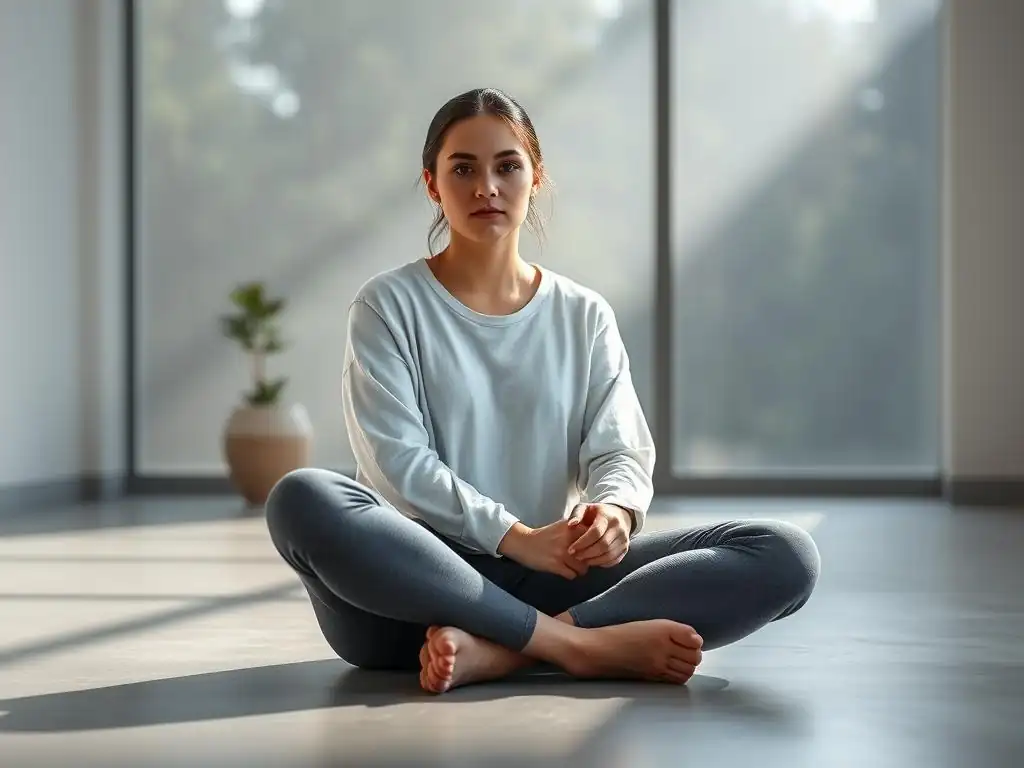
Beyond professional help, athletes can adopt various strategies to actively manage their anxiety and stress symptoms. These techniques empower athletes to build resilience and maintain mental well-being alongside their physical training.
Self-Care Techniques for Athletes
Incorporating regular self-care practices is fundamental for managing stress and anxiety. These techniques help athletes regulate their nervous system, quiet anxious thoughts, and promote relaxation.
Mindfulness and Meditation for Athletes
Mindfulness involves paying attention to the present moment without judgment. For athletes, this can mean focusing on the sensations of their body during training, the feel of the ball, or the sounds of the environment during competition. Regular meditation practice, even for a few minutes daily, can train the mind to reduce rumination and increase emotional regulation, providing a mental buffer against stress and enhancing focus during performance.
Breathing Exercises for Anxiety
Simple breathing techniques can quickly calm the nervous system and reduce physical symptoms of anxiety like rapid heart rate and shortness of breath. Techniques such as diaphragmatic breathing (deep belly breathing) can be practiced anywhere – before a competition, during a timeout, or when feeling overwhelmed. Learning to control their breath gives athletes a tangible tool to regain composure under pressure and find immediate athlete anxiety stress symptoms relief.
Progressive Muscle Relaxation Techniques
This technique involves tensing and then slowly releasing different muscle groups in the body. By systematically releasing tension, athletes become more aware of the physical manifestations of stress in their bodies and learn how to consciously relax their muscles. Practicing this regularly can help reduce chronic muscle tension associated with anxiety and improve sleep quality.
Building a Supportive Environment for Athletes
The environment surrounding an athlete plays a critical role in their mental well-being. Supportive relationships with coaches, teammates, and family can significantly buffer stress and anxiety.
The Role of Coaches in Reducing Athlete Stress
Coaches are in a unique position to influence an athlete's stress levels. By fostering a positive team culture, emphasizing effort and process over outcome, providing constructive feedback, and being approachable, coaches can create a safer environment. Recognizing signs of distress and knowing when to refer an athlete to mental health resources is also a crucial responsibility for coaches aiming to mitigate athlete anxiety stress symptoms.
The Importance of Team Support and Communication
A strong sense of camaraderie and open communication among teammates provides a vital support network. Athletes who feel connected to their teammates are less likely to feel isolated by their struggles. Encouraging peer support, active listening, and creating opportunities for athletes to share their experiences can build resilience and reduce the burden of individual anxiety. Knowing they aren't alone in facing pressure can be incredibly validating.
Lifestyle Modifications to Reduce Athlete Stress Symptoms
Certain lifestyle choices can either exacerbate or alleviate stress and anxiety. Athletes can make conscious decisions to support their mental and physical health through daily habits.
Proper Nutrition and Hydration for Athletes
Maintaining balanced nutrition and adequate hydration is essential for both physical performance and mental health. Erratic eating patterns or dehydration can negatively impact mood, energy levels, and cognitive function, making athletes more susceptible to stress and anxiety. Fueling the body properly provides the stable energy and nutrients needed to manage the demands of training and competition.
Adequate Sleep and Rest
Prioritizing sufficient, quality sleep is non-negotiable for recovery and mental well-being. Chronic sleep deprivation significantly increases stress levels and impairs emotional regulation. Athletes should aim for 7-9 hours of sleep per night and incorporate rest days into their training schedule to allow for physical and mental recovery, helping to reduce the accumulation of athlete anxiety stress symptoms.
Preventing Athlete Anxiety: Proactive Measures
Prevention is always better than cure. Athletes and those supporting them can take proactive steps to build resilience and reduce the likelihood of developing significant anxiety and stress symptoms.
Developing Coping Mechanisms for Stress
Teaching athletes healthy coping mechanisms before they are in the throes of severe anxiety equips them with essential life skills. This includes stress management techniques like journaling, spending time in nature, engaging in hobbies outside of sport, and learning to set boundaries. Developing a diverse toolkit of coping strategies allows athletes to navigate challenges effectively when they arise.
For instance, an athlete might learn that listening to music before a game helps them relax, or that talking through their worries with a trusted mentor provides perspective. These learned responses become automatic ways to manage pressure, reducing the intensity and duration of potential athlete anxiety stress symptoms.
Building Resilience and Mental Toughness
Resilience is the ability to bounce back from adversity. Mental toughness involves maintaining focus and determination under pressure. These qualities can be developed through challenging but manageable training experiences, learning from failures, and building a strong sense of self-efficacy – the belief in one's ability to succeed. Encouraging athletes to step outside their comfort zones in a supportive environment helps them build confidence in their ability to handle stress.
This might involve practicing skills under simulated game pressure, reflecting constructively on losses rather than dwelling on them, or setting incremental goals that build confidence with each achievement. These experiences teach athletes that they can cope with difficulty, reducing the fear that fuels much of performance-related anxiety.
Setting Realistic Goals and Expectations
Unrealistic goals and excessive expectations, whether internal or external, are major drivers of athlete anxiety. Helping athletes set challenging but attainable goals based on their effort and process, rather than solely on winning, can reduce pressure. Educating athletes, parents, and coaches about the importance of celebrating effort, learning, and personal growth alongside outcomes fosters a healthier mindset.
For example, instead of setting a goal solely as "Win the championship," an athlete might also focus on process goals like "Maintain composure during tough moments" or "Execute my pre-game routine consistently." This shifts focus away from uncontrollable outcomes towards controllable actions, providing a greater sense of control and reducing anxiety related to external validation.
Conclusion: Promoting Mental Well-being in Athletes
Recognizing the signs of athlete anxiety stress symptoms is a critical first step towards supporting the mental well-being of athletes. The unique pressures of sports can lead to significant stress, manifesting in physical, psychological, and behavioral ways. Distinguishing between normal pre-competition nerves and more serious anxiety is essential for determining the need for intervention. Athletes face specific triggers, including performance pressure, injury concerns, and external expectations.
Effective athlete anxiety stress symptoms relief often requires a multi-faceted approach, combining professional help such as therapy or, in some cases, medication, with proactive self-care strategies like mindfulness, breathing exercises, and lifestyle modifications. Building a supportive environment through positive coaching and team communication is also vital. Ultimately, fostering resilience, developing coping mechanisms, and setting realistic expectations are key preventive measures. Prioritizing mental health is not just about addressing problems; it's about empowering athletes to thrive both in their sport and in life.
Frequently Asked Questions
What are some common athlete anxiety stress symptoms that I should be aware of?
Common symptoms include difficulty sleeping, loss of appetite, and increased irritability. Athletes may also experience muscle tension or stomach problems.
How can I differentiate between normal pre-competition jitters and problematic athlete anxiety?
Normal jitters are usually temporary and don't significantly impair performance. Problematic anxiety, on the other hand, is persistent, intense, and can negatively impact both performance and overall well-being. It requires focused stress relief strategies.
What resources are available to athletes struggling with anxiety and stress?
The Mind Care Guide offers information and support resources. Also, many sports organizations and universities provide access to mental health professionals and counseling services.
What are some effective strategies for stress relief that athletes can use to manage their anxiety symptoms?
Techniques like mindfulness meditation, deep breathing exercises, and regular physical activity outside of their sport can be very helpful. Getting sufficient rest and a healthy diet are also key.
Why is it important to recognize athlete anxiety symptoms early on?
Early recognition allows for prompt intervention, preventing the anxiety from escalating and potentially harming an athlete's performance, mental health, and overall well-being. Addressing it early leads to better long-term outcomes.
Final Reflection: The Unseen Opponent: Understanding and Addressing Athlete Anxiety
The relentless pursuit of peak performance often overlooks a crucial adversary: athlete anxiety. This silent pressure cooker can significantly impact athletic success, mental well-being, and even physical health. Ignoring the signs can lead to burnout, injury, and a diminished love for the game.
The pervasive nature of anxiety within the athletic world is deeply concerning. It's not simply a matter of nerves before a big game; it's a complex interplay of physical, mental, and emotional factors that can significantly shape an athlete's journey. The greatest battles are fought within ourselves.
This quote, while often attributed to various sources, rings profoundly true for athletes grappling with anxiety. The internal struggle can be as challenging, if not more so, than any external competition. My own experiences researching this topic have underscored the importance of open communication and destigmatization surrounding mental health in sports.
Now, it's your turn. Take a moment to reflect on your own experiences, or those of athletes you know. Are you recognizing the signs of anxiety in yourself or others? Remember, seeking help is a sign of strength, not weakness. Reach out to a coach, therapist, or trusted friend. Prioritize your mental well-being, and remember that your mental health is just as important as your physical health. By acknowledging and addressing athlete anxiety, we can pave the way for a healthier, more fulfilling athletic experience for all.
Unleash Your Peak Performance: Conquer Athlete Anxiety
Thanks for taking the time to learn about recognizing the signs of stress and anxiety in athletes! We hope this article equipped you with valuable insights to support your well-being or the well-being of those you coach. Now, let's put that knowledge into action:
- Prioritize self-care: Identify one small, manageable self-care practice you can integrate into your daily routine – whether it's deep breathing, a short walk, or listening to calming music. This is your key to building resilience.
- Share this with your team: Discuss the signs of anxiety with your teammates or athletes you coach, fostering a supportive and understanding environment. Open conversations can make a big difference.
- Explore mindfulness techniques: Consider dedicating just 5 minutes daily to mindfulness exercises. Even a short practice can significantly reduce stress levels.
Ready to take control of your mental game and achieve peak performance? What's one small step you'll take today to prioritize your mental health?