
Online Therapy for Phobias: Which Services Offer Specialized Treatment?

Welcome to Mind Care Guide, your trusted companion on the journey to mental well-being.
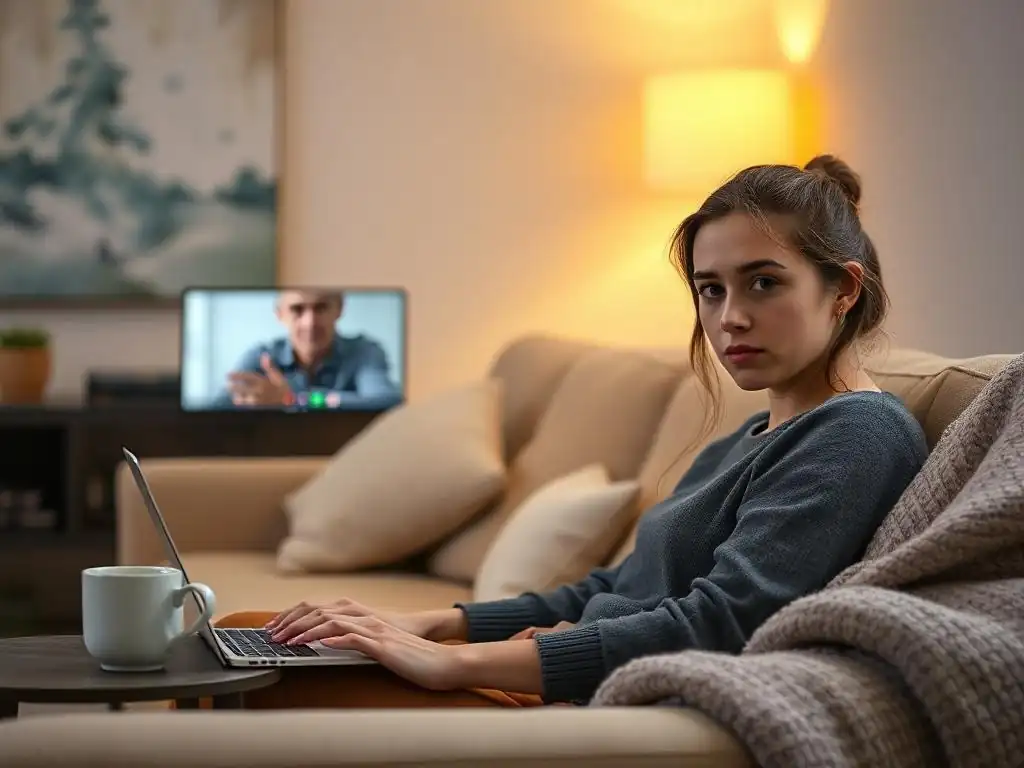
Feeling hesitant about seeking help for your phobias? You're not alone. Many share similar concerns, especially when considering online options. This article dives deep into Online Therapy for Phobias, specifically focusing on which services offer specialized treatment. Discover how the right platform can help you overcome your fears from the comfort of your own space, and let's explore the possibilities together. Are you ready to take the first step?
Online Therapy for Phobias: Which Services Offer Specialized Treatment?
- Finding Effective Online Phobia Treatment: A Mind Care Guide
- Why Choose Online Therapy for Phobias? Benefits & Considerations
-
Comparing Online Therapy Platforms for Phobia Treatment: Features & Specializations
- Brightside Health: Personalized Mental Healthcare with Phobia Treatment
- Teladoc: Integrated Virtual Care with Mental Health Services
- Doctor on Demand: Comprehensive Care Including Anxiety and Phobias
- MDLive: Affordable and Convenient Mental Health Support
- Anxiety Resource Center: Specializing in Anxiety Disorders and Phobias
- Key Treatment Approaches Used in Online Phobia Therapy
- Case Studies: Real People, Real Results with Online Phobia Treatment
- Choosing the Right Online Therapy Service for Your Phobia: A Step-by-Step Guide
- Maximizing the Effectiveness of Your Online Phobia Treatment
-
Frequently Asked Questions
- What types of phobias can be effectively treated with online therapy?
- How does online therapy for phobias differ from in-person treatment?
- Are online therapy platforms secure and confidential for phobia treatment?
- How do I find an online therapist specifically trained in treating phobias?
- What are the potential benefits of using online therapy for phobia treatment compared to traditional methods?
- Final Reflection: Confronting Fears, Finding Freedom Online
- Conquer Your Fears: Take the Next Step Towards a Fear-Free Life
Finding Effective Online Phobia Treatment: A Mind Care Guide
Navigating the landscape of mental health care can feel daunting, especially when seeking specialized support for specific conditions like phobias. Phobias are intense, irrational fears of specific objects, situations, or activities that can significantly impact daily life. Fortunately, the rise of telehealth has opened new avenues for accessing effective online therapy phobia treatment. This guide from Mind Care Guide explores how virtual platforms offer specialized care and helps you understand which services might be the right fit for addressing your fears.
The accessibility and convenience of receiving care from the comfort of your home have made online therapy a viable and often preferred option for many. Unlike traditional in-person sessions, online platforms can reduce barriers related to geography, scheduling, and even the anxiety associated with leaving home when dealing with a phobia like agoraphobia. As we delve into the specifics, we'll compare various services and treatment approaches to empower you with the knowledge needed to make an informed decision about pursuing online therapy phobia treatment.
Why Choose Online Therapy for Phobias? Benefits & Considerations
Opting for virtual care offers several distinct advantages when tackling phobias. The digital format removes many traditional obstacles, making therapy more accessible and less intimidating for individuals struggling with significant fears. Exploring online therapy phobia treatment means considering how these benefits align with your personal needs and circumstances.
Beyond convenience, online platforms often provide a wider selection of therapists than might be available locally, increasing the chances of finding a professional specifically experienced in treating your particular phobia. This expanded access to specialized care is a major draw for those seeking targeted and effective treatment approaches delivered through online therapy phobia treatment.
Accessibility and Convenience of Virtual Phobia Treatment
One of the most compelling reasons to consider online therapy phobia treatment is its unparalleled accessibility. Individuals living in rural areas with limited access to mental health specialists or those with mobility issues can connect with licensed therapists from anywhere with an internet connection. This removes geographical barriers that often prevent people from receiving necessary care.
Furthermore, the flexibility of scheduling virtual sessions can be a significant benefit. Many platforms offer appointments outside of traditional business hours, making it easier to fit therapy into busy schedules. For someone managing a phobia, the ability to attend sessions without commuting or navigating potentially triggering environments can reduce pre-therapy anxiety, allowing them to engage more fully in the therapeutic process. Studies indicate that convenience is a primary driver for the adoption of telehealth services, with many users reporting saved time and reduced stress compared to in-person visits.
Overcoming Stigma: The Discretion of Online Phobia Counseling
The private nature of online therapy phobia treatment can play a crucial role in helping individuals overcome the stigma sometimes associated with seeking mental health support. Attending therapy sessions from home ensures complete discretion; there's no waiting room, no need to explain your whereabouts, and the process is entirely confidential within the privacy of your chosen space.
This level of privacy can make it easier for someone who feels embarrassed or ashamed of their phobia to take the first step towards treatment. Knowing that their journey towards managing their fear is a private matter can lower the psychological barrier to entry. Many individuals report feeling more comfortable opening up about their deepest fears and anxieties when in a familiar, secure environment, which enhances the therapeutic alliance and the effectiveness of the online therapy phobia treatment.
Considerations Before Starting Online Phobia Therapy
While the benefits are numerous, it's important to consider certain factors before committing to online therapy phobia treatment. Not all phobias or individuals are suitable for a purely virtual format. For instance, severe cases requiring intensive in-person exposure therapy might need supplemental or alternative approaches.
It's also essential to ensure you have a private, quiet space where you can attend sessions without interruption and a reliable internet connection. Technology issues can disrupt the flow of therapy and be frustrating. Furthermore, understanding how your insurance covers online mental health services is critical, as coverage varies widely. Many platforms offer different pricing structures, including subscription models or per-session fees, so clarifying costs upfront is vital for a sustainable online therapy phobia treatment plan.
Comparing Online Therapy Platforms for Phobia Treatment: Features & Specializations

Selecting the right platform for online therapy phobia treatment requires understanding their specific offerings, therapist specializations, and cost structures. While many platforms offer general mental health support, some may have a stronger focus or a larger network of therapists with experience in treating anxiety disorders and specific phobias.
Below, we compare several popular online therapy services, highlighting aspects relevant to individuals seeking specialized care for phobias. Keep in mind that therapist availability and specific expertise can vary within each platform's network.
Brightside Health: Personalized Mental Healthcare with Phobia Treatment
- Overview: Brightside Health provides personalized mental healthcare, combining psychiatric medication management with therapy. They focus on evidence-based treatments for depression, anxiety, and related conditions. Their approach often involves matching users with a dedicated therapist and, if needed, a prescriber.
- Phobia Specialization: While not exclusively a phobia-focused service, Brightside's therapists are trained in treating anxiety disorders, which encompass phobias. Users can often find therapists experienced in Cognitive Behavioral Therapy (CBT) and other techniques effective for phobia management within their network. Finding a therapist with specific phobia experience requires searching within their pool.
- Pricing and Plans: Brightside offers different plans, often separating therapy and medication management or combining them. Therapy plans typically involve weekly video sessions and unlimited messaging. Costs vary depending on the plan chosen, with combined plans generally being more expensive. Many users report plans starting in the range of $299-$349 per month, though this can change. They often work with insurance providers.
Teladoc: Integrated Virtual Care with Mental Health Services
- Overview: Teladoc is a large telehealth provider offering a wide range of medical services, including mental health. Users can connect with licensed therapists, psychologists, and psychiatrists via phone or video. It's often available as a benefit through employers or health insurance plans.
- Phobia Specialization: Teladoc has a broad network of mental health professionals capable of treating various conditions, including anxiety and phobias. Finding a therapist specializing in specific phobias (like arachnophobia or social phobia) requires searching their provider profiles or requesting a match based on your needs. Their therapists commonly use modalities like CBT and other anxiety-reducing techniques.
- Pricing and Plans: Pricing with Teladoc often depends heavily on your insurance plan. Without insurance, therapy sessions can cost around $99-$129 per session, while psychiatric visits may be significantly higher. Many users access Teladoc through employer-sponsored plans, where costs per session might be a low co-pay or even free.
Doctor on Demand: Comprehensive Care Including Anxiety and Phobias
- Overview: Doctor on Demand offers immediate and scheduled virtual visits with doctors, therapists, and psychiatrists. Similar to Teladoc, it provides a range of medical and mental health services. It emphasizes quick access to care.
- Phobia Specialization: Doctor on Demand's mental health providers are equipped to treat a variety of conditions, including anxiety disorders and phobias. They offer therapists trained in CBT and other evidence-based methods used in online therapy phobia treatment. Users can browse therapist profiles to find someone whose expertise aligns with their specific phobia.
- Pricing and Plans: Like Teladoc, pricing varies based on insurance coverage. Without insurance, therapy sessions typically range from $129 to $179 for a 50-minute session, depending on the therapist's level (e.g., psychologist vs. licensed clinical social worker). Psychiatric visits are more costly. Many major employers and health plans partner with Doctor on Demand, potentially reducing out-of-pocket costs significantly.
MDLive: Affordable and Convenient Mental Health Support
- Overview: MDLive provides 24/7 access to doctors and therapists via secure video, phone, or mobile app. They offer urgent care, dermatology, and mental health services, focusing on affordability and convenience.
- Phobia Specialization: MDLive's network includes licensed therapists and psychiatrists who treat anxiety disorders, depression, stress, and other mental health concerns, including phobias. Users can search for providers based on their clinical interests and specialties to find someone experienced in online therapy phobia treatment. Common approaches like CBT are available.
- Pricing and Plans: MDLive is known for being potentially more affordable than some other platforms, especially for therapy sessions. Therapy sessions typically cost around $108 without insurance, though this can vary slightly. Psychiatric visits are priced separately and are higher. Like other major telehealth providers, MDLive partners with many insurance plans and employers, which can substantially lower costs for users.
Anxiety Resource Center: Specializing in Anxiety Disorders and Phobias
- Overview: The Anxiety & Depression Association of America (ADAA) and similar organizations often list resources and online directories that can help individuals find therapists specializing in anxiety disorders, including phobias. While not a single platform like the others, such centers or directories act as crucial resources for locating specialized online therapy phobia treatment.
- Phobia Specialization: Resources like the ADAA's "Find a Therapist" directory allow users to filter for therapists who specialize in specific anxiety disorders and treatment modalities known to be effective for phobias, such as Exposure and Response Prevention (ERP) or CBT. This is a direct route to finding highly specialized care.
- Pricing and Plans: Pricing is not standardized as it depends entirely on the individual therapist or practice found through the resource. Costs will vary based on the therapist's location, experience, fee structure, and whether they accept your insurance. Sessions could range from $75 to $250+ without insurance, similar to traditional therapy costs.
Key Treatment Approaches Used in Online Phobia Therapy
Effective online therapy phobia treatment typically employs evidence-based therapeutic techniques adapted for the virtual environment. These methods aim to help individuals understand their fears, challenge irrational thoughts, and gradually confront the feared object or situation in a safe, controlled manner.
The success of online therapy phobia treatment often hinges on the therapist's skill in delivering these techniques virtually and the patient's willingness to engage actively in the process, including completing 'homework' assignments between sessions.
Cognitive Behavioral Therapy (CBT) for Phobias Online
- Explanation: Cognitive Behavioral Therapy (CBT) is a widely used and highly effective approach for treating phobias. It works by helping individuals identify and challenge the negative thought patterns (cognitions) and behaviors associated with their fear. In online therapy phobia treatment using CBT, a therapist helps the patient understand how their thoughts about the feared object or situation influence their feelings and actions. The goal is to replace irrational fears with more realistic and balanced perspectives and develop healthier coping mechanisms. This involves structured sessions, often with specific exercises and homework assignments between meetings.
- Example: Consider someone with a phobia of public speaking (glossophobia). Online CBT sessions might involve identifying the core fear (e.g., "I will forget my words and everyone will laugh"), examining the evidence for and against this thought, and developing more balanced thoughts (e.g., "It's okay to pause or make a mistake; most people are understanding"). The therapist might guide them through relaxation techniques and gradually expose them to public speaking scenarios, perhaps starting with practicing in front of a mirror, then a friend online, and eventually a small group, all facilitated and processed within the virtual therapy sessions.
Exposure Therapy Online: Controlled and Safe Confrontation
- Explanation: Exposure therapy is considered one of the most effective treatments for phobias. It involves gradually exposing the individual to the feared object or situation in a controlled and safe environment, without the presence of danger, allowing them to learn that their fear response is unwarranted and will eventually decrease. In online therapy phobia treatment, exposure can be done using imagination (imaginal exposure), viewing images or videos (in vivo exposure using technology), or even simulated scenarios. The therapist guides the process, managing anxiety levels and preventing avoidance behaviors.
- Example: For someone with a severe fear of spiders (arachnophobia), online exposure therapy might begin with the therapist showing a cartoon image of a spider on screen. As anxiety decreases, they might progress to looking at photographs of spiders, then watching videos of spiders, perhaps even interacting with a realistic virtual reality spider simulation if the platform allows (though this is less common). The goal is to stay with the exposure until the anxiety naturally subsides, demonstrating that the feared outcome doesn't occur. This systematic process helps the brain "unlearn" the fear response.
- Explanation: Mindfulness involves paying attention to the present moment without judgment. While not a standalone treatment for phobias like CBT or exposure therapy, mindfulness techniques are often integrated into online therapy phobia treatment to help individuals manage the intense anxiety that accompanies their fear. Learning to observe anxious thoughts and physical sensations without getting overwhelmed by them can reduce the distress caused by phobic triggers. Techniques include meditation, deep breathing exercises, and body scans, which can be guided by a therapist during or between online sessions.
- Example: When faced with a trigger – perhaps seeing a dog for someone with cynophobia – instead of immediately fleeing or panicking, a person trained in mindfulness might pause. They would observe the physical sensations (fast heartbeat, shallow breathing) and thoughts ("I need to run! It's going to bite me!") without reacting automatically. They might use a guided breathing exercise learned in online therapy to calm their nervous system, acknowledging the fear without letting it control their actions. This practice builds tolerance for discomfort and reduces the power of the phobic response over time, complementing other online therapy phobia treatment methods.
Case Studies: Real People, Real Results with Online Phobia Treatment

Hearing about others' experiences can provide valuable insight into the potential effectiveness of online therapy phobia treatment. While these examples are illustrative and based on common therapeutic outcomes, they reflect the types of positive changes individuals can experience through virtual care.
These brief case studies highlight how different platforms and approaches can be utilized to address specific phobias and improve quality of life.
Sarah M.: Overcoming a Fear of Flying with Brightside Health
Sarah, a 35-year-old marketing executive, had a severe fear of flying (aviophobia) that was impacting her career opportunities and ability to visit family abroad. She decided to try online therapy phobia treatment through Brightside Health. She was matched with a therapist who specialized in anxiety disorders and utilized CBT and elements of exposure therapy adapted for the virtual setting.
Over several months of weekly 50-minute video sessions and regular messaging, Sarah worked with her therapist to identify the root causes of her fear – primarily a fear of crashing and losing control. They systematically challenged these irrational thoughts and practiced coping strategies. The therapist guided Sarah through imaginal exposure exercises, vividly picturing herself at the airport, boarding the plane, and experiencing turbulence while practicing relaxation techniques.
After about four months of consistent online therapy phobia treatment, Sarah felt ready to book a short flight. She successfully completed the trip, experiencing significant anxiety but managing it using the skills learned in therapy. She reported feeling empowered and optimistic about future travel, a goal that had seemed impossible just months before.
David, a 22-year-old college student, struggled with severe social anxiety, a type of phobia that made interactions in classes, social gatherings, and even simple tasks like ordering coffee incredibly difficult. He sought online therapy phobia treatment through his university's health plan, which offered access to Teladoc. He connected with a licensed professional counselor experienced in treating social anxiety using CBT.
Their sessions focused on identifying David's feared social situations and the negative thoughts associated with them (e.g., "Everyone is judging me," "I'll say something stupid"). The therapist helped David develop a hierarchy of feared situations and gradually introduced exposure exercises within the virtual environment. This started with simple tasks like practicing initiating conversations with the therapist, then role-playing phone calls, and eventually, David was encouraged to practice brief interactions in real life, discussing his experiences and anxiety levels during his online sessions.
After six months of consistent online therapy phobia treatment, David reported a significant reduction in his social anxiety symptoms. He felt more confident participating in group discussions and even attended a small social gathering, attributing his progress to the structured approach and support received through his virtual therapy sessions.
Choosing the Right Online Therapy Service for Your Phobia: A Step-by-Step Guide
Selecting the ideal platform for online therapy phobia treatment is a personal process that requires careful consideration. Not all services are created equal, and finding the right fit can significantly impact the success of your treatment journey.
Use this step-by-step guide to navigate your options and make an informed decision about where to seek online therapy phobia treatment.
Identifying Your Specific Phobia and Treatment Needs
Before exploring platforms, take time to clearly identify the specific phobia or phobias you are struggling with. Is it a fear of heights, enclosed spaces, social situations, or something else? Reflect on how significantly this fear impacts your daily life and what your goals are for therapy.
Consider what kind of support you feel you need. Are you looking for intensive, short-term treatment focused on exposure, or do you prefer a more general approach like CBT that also addresses underlying thought patterns? Understanding your specific needs will help you narrow down platforms that offer therapists specializing in your particular phobia and preferred treatment methods for online therapy phobia treatment.
Researching Therapists and Their Specializations
Once you have a clearer picture of your needs, research platforms based on the availability of therapists who specialize in anxiety disorders and, ideally, your specific phobia. Most platforms allow you to browse therapist profiles, view their credentials, experience, and areas of specialization.
Look for therapists who list phobias, anxiety disorders, CBT, or Exposure Therapy as their areas of expertise. Some platforms might make it easier to filter for these specializations than others. Don't hesitate to check if platforms offer introductory calls or messaging to ask potential therapists about their experience with online therapy phobia treatment for your specific fear.
Considering Cost and Insurance Coverage for Online Phobia Therapy
Cost is a significant factor for many when choosing online therapy phobia treatment. Research the pricing models of different platforms – are they subscription-based, per-session, or do they offer packages? Understand exactly what is included in the cost, such as session duration, frequency, and access to messaging.
Crucially, verify if the platform accepts your health insurance. Coverage for telehealth and mental health services varies widely. Contact your insurance provider directly to understand your benefits, including co-pays, deductibles, and any limitations on the type of provider or platform. Many platforms also offer ways to check your insurance coverage on their website.
Reading Reviews and Testimonials from Other Users
Gathering insights from other users can provide valuable perspectives on the quality of a platform and the effectiveness of their online therapy phobia treatment. Look for reviews on reputable third-party websites, forums, or within the platform's own testimonial sections.
Pay attention to comments regarding the ease of use of the platform, the responsiveness of customer support, the quality of the therapist match, and reported outcomes for anxiety or phobia treatment. While individual experiences vary, a pattern of positive or negative feedback can help you make a more informed decision.
Maximizing the Effectiveness of Your Online Phobia Treatment
Starting online therapy phobia treatment is a significant step, but its success depends largely on your active engagement and commitment to the process. Therapy is a collaborative effort, and your participation outside of scheduled sessions is just as important as the time spent with your therapist.
Here are some key strategies to help you get the most out of your virtual phobia therapy experience.
Active Participation and Commitment to Therapy
Effective online therapy phobia treatment requires you to be an active participant, not just a passive recipient. This means attending all scheduled sessions on time, being open and honest with your therapist about your feelings, fears, and experiences, and actively engaging in discussions.
It also involves being committed to the process even when it feels challenging, such as during exposure exercises. Regularly communicating with your therapist, asking questions, and providing feedback on what feels helpful or difficult will allow them to tailor the treatment more effectively to your needs.
Practicing Coping Mechanisms and Relaxation Techniques.
Your therapist will likely teach you various coping mechanisms and relaxation techniques to manage the anxiety associated with your phobia, such as deep breathing, progressive muscle relaxation, or mindfulness exercises. Consistently practicing these techniques outside of therapy sessions is crucial for reinforcing what you learn and building your ability to manage anxiety in real-life situations.
Think of these practices as building a muscle; the more you use them, the stronger they become. Integrating these skills into your daily routine, especially when you anticipate encountering a trigger, can significantly enhance the effectiveness of your online therapy phobia treatment and help you regain control over your fear responses.
Frequently Asked Questions
What types of phobias can be effectively treated with online therapy?
Online therapy can be effective for a wide range of phobias, including specific phobias (like fear of spiders or heights), social anxiety disorder (social phobia), and even some aspects of agoraphobia. The key is finding a therapist specializing in exposure therapy or CBT.
How does online therapy for phobias differ from in-person treatment?
The core principles of treatment, such as exposure therapy and cognitive restructuring, remain the same. The main difference is the delivery method, using video calls, messaging, or other digital tools, which can provide greater convenience and accessibility.
Are online therapy platforms secure and confidential for phobia treatment?
Reputable online therapy platforms prioritize security and confidentiality by using encryption technology and adhering to HIPAA regulations (or equivalent in other countries). It's crucial to research and choose a platform with a strong privacy policy.
How do I find an online therapist specifically trained in treating phobias?
Look for online therapy platforms that allow you to filter therapists by specialty and experience. Search for therapists with expertise in anxiety disorders, phobias, exposure therapy, or Cognitive Behavioral Therapy (CBT).
What are the potential benefits of using online therapy for phobia treatment compared to traditional methods?
Online therapy offers increased accessibility (especially for those in remote areas or with mobility issues), greater convenience (fitting therapy into busy schedules), and potentially reduced cost compared to traditional in-person therapy.
Final Reflection: Confronting Fears, Finding Freedom Online
The accessibility of online therapy is revolutionizing how we approach mental health challenges, particularly phobias. No longer are specialized treatments limited by geographical location or financial constraints; the digital world offers a lifeline to individuals seeking relief from debilitating fears. This accessibility is not just a convenience; it's a fundamental shift in how we can support mental well-being on a global scale.
The impact of online phobia treatment extends beyond individual healing; it's reshaping our understanding of mental health support itself. The stigma surrounding mental illness is slowly eroding as more people openly discuss their experiences and seek help through readily available online platforms. This increased visibility fosters a more compassionate and understanding society. The greatest barrier to mental health is the silence surrounding it.
This quote underscores the importance of the work being done to make mental health services, including specialized phobia treatment, more accessible and less stigmatized.
Now, consider your own anxieties. What fears hold you back? This article has explored the landscape of online therapy for phobias, but the journey to overcoming fear is deeply personal. Take the next step. Research the services mentioned, reach out for a consultation, and begin your path toward a life less burdened by fear. Your courage to confront your anxieties is a testament to your strength, and the resources are now more available than ever before.
Conquer Your Fears: Take the Next Step Towards a Fear-Free Life
Thanks for taking the time to explore online therapy options for phobias! We hope you found the information valuable and empowering. Now, it’s time to turn knowledge into action. Ready to start feeling more confident and in control?
- Schedule a consultation: Many online therapy platforms offer free initial consultations. This is the perfect way to find a therapist specializing in your specific phobia and discuss your treatment plan. This is your most important first step.
- Explore different therapeutic approaches: Research the various methods mentioned in the article (e.g., Cognitive Behavioral Therapy, Exposure Therapy) to find what resonates best with you. Consider writing down your questions for your consultation.
- Share this article with someone who might benefit: Helping others is a powerful way to support your own journey. Spreading awareness can make a real difference.
Ready to bravely face your fears and embark on this transformative journey? What's the one small step you'll take today to begin conquering your phobia?