
Rewiring the Brain: Neurobiological Effects of Childhood Trauma

Welcome to Mind Care Guide.
We understand that navigating the complexities of mental well-being can feel overwhelming. Are you ready to understand how early experiences shape who you are today? This guide delves into the profound impact of childhood trauma brain rewiring 🧠, shedding light on the neurobiological effects and offering pathways toward healing and resilience. Explore the fascinating science behind trauma's imprint and discover hope for a brighter, more balanced future. Let's begin this journey together.
Rewiring the Brain: Neurobiological Effects of Childhood Trauma 🧠
- Understanding Childhood Trauma and Brain Development
- Childhood Trauma Brain Rewiring: The Neurobiological Mechanisms
- Long-Term Effects of Childhood Trauma on Brain Function
- Resilience and Recovery: Rewiring the Brain After Trauma
- Supporting Children Affected by Trauma: Practical Strategies
- Conclusion: Hope for Healing and Rewiring After Childhood Trauma
-
Frequently Asked Questions
- What is the primary focus of brain rewiring in the context of childhood trauma?
- How does childhood trauma impact the brain's development?
- What are some therapeutic approaches used to rewire the brain after childhood trauma?
- What role does self-care play in the process of brain rewiring after trauma?
- How long does it typically take to rewire the brain after experiencing childhood trauma?
- Final Reflection: The Enduring Power of Neuroplasticity in Healing from Childhood Trauma
- Unlock Your Brain's Potential: Steps to Healing and Growth
Understanding Childhood Trauma and Brain Development
Defining Childhood Trauma: A Foundation for Understanding Its Impact
Childhood trauma encompasses a range of adverse experiences that occur during the critical developmental period of childhood and adolescence, typically before the age of 18. These experiences can include physical, sexual, or emotional abuse, neglect, witnessing violence, experiencing household dysfunction (like parental substance abuse or mental illness), or losing a caregiver.
The defining characteristic is that these events are overwhelming and exceed a child's capacity to cope, leading to significant distress and potential long-lasting effects. The Substance Abuse and Mental Health Services Administration (SAMHSA) defines trauma as resulting from an event, series of events, or set of circumstances that is experienced by an individual as physically or emotionally harmful or life-threatening and that has lasting adverse effects on the individual's functioning and mental, physical, social, emotional, or spiritual well-being.
Understanding childhood trauma is crucial because it's not just about the event itself, but the impact it has on the developing child's brain and body. Unlike a single stressful event in adulthood, chronic or complex trauma in childhood occurs during a period of rapid brain growth and organization.
This means the adverse experiences can directly interfere with the typical trajectory of neural development, potentially leading to altered brain architecture and function. The Adverse Childhood Experiences (ACE) Study, a foundational research project, demonstrated a strong link between these early adverse experiences and a wide range of health and social problems in adulthood, highlighting the profound and lasting consequences of trauma on overall well-being.
The Developing Brain: A Vulnerable Landscape
The brain undergoes remarkable development during childhood and adolescence, a period characterized by rapid growth, synapse formation, and pruning. Key regions mature at different rates, with the lower, more primitive areas responsible for survival and emotion developing earlier than the higher cortical areas responsible for complex thought and regulation. This developmental sequence makes the young brain particularly sensitive to environmental influences, both positive and negative. Experiences shape the brain's structure and function through a process called neuroplasticity, where neural pathways are strengthened or weakened based on usage.
This inherent neuroplasticity, while enabling learning and adaptation, also makes the developing brain highly vulnerable to the effects of trauma. Chronic stress and fear experienced during critical periods can disrupt the delicate balance of neurochemical signals and hormonal regulation necessary for healthy development. Instead of building pathways for secure attachment and exploration, the brain may prioritize pathways associated with threat detection and survival. This early disruption can lay the groundwork for difficulties in emotional regulation, cognitive function, and social interaction later in life, illustrating the profound impact of early experiences on the brain's fundamental organization.
How Early Experiences Shape Neural Pathways
Early experiences, especially repetitive or intense ones like childhood trauma, fundamentally shape the neural pathways in a child's brain. The brain is constantly adapting to its environment, and in a threatening or unpredictable environment, it prioritizes developing circuits related to survival. For instance, the pathways involved in the fight-or-flight response become highly sensitized and reactive.
This is mediated by the stress response system, particularly the hypothalamic-pituitary-adrenal (HPA) axis, which becomes dysregulated under chronic stress. High levels of stress hormones like cortisol can impair the growth of neurons in areas like the hippocampus, critical for memory and learning, while potentially increasing activity in the amygdala, the brain's fear center.
Conversely, nurturing and predictable environments promote the development of pathways associated with safety, attachment, and higher-level cognitive function. Positive interactions stimulate the release of neurochemicals like oxytocin, which fosters bonding and reduces stress. Secure attachments help a child learn to regulate their emotions and develop a sense of safety in the world.
When these positive experiences are lacking or are overshadowed by trauma, the brain's architecture is literally wired differently. This early childhood trauma brain rewiring towards a state of heightened alert and reactivity can persist into adulthood, influencing everything from how a person responds to stress to their capacity for healthy relationships.
Childhood Trauma Brain Rewiring: The Neurobiological Mechanisms
The Impact of Trauma on Brain Structures: A Closer Look
Childhood trauma doesn't just affect a child emotionally; it physically alters the structure and function of key brain regions. Research using neuroimaging techniques like MRI has shown distinct differences in the brains of individuals with a history of early trauma compared to those without. These changes are not uniform but tend to concentrate in areas critical for processing threat, memory, and emotion. Understanding these structural changes is key to comprehending the long-term challenges faced by trauma survivors and exploring how childhood trauma brain rewiring can occur through intervention.
For example, studies have observed alterations in the size and activity of the amygdala, hippocampus, and prefrontal cortex. These regions form a critical network involved in assessing threats, storing memories, and regulating emotional and behavioral responses. Chronic activation of the stress response system during development appears to be a major driver of these structural changes. The resulting neurobiological profile often involves a hyperactive threat detection system coupled with impaired regulatory capacities, contributing significantly to the symptoms seen in trauma-related disorders.
The Amygdala: Heightened Fear Response and Hypervigilance
The amygdala, a small, almond-shaped structure deep within the brain, is central to processing emotions, particularly fear. In individuals exposed to childhood trauma, the amygdala often becomes hyper-responsive. This means it's more easily triggered and reacts more intensely to perceived threats, even those that are minor or non-existent in reality. This heightened activity contributes to the state of hypervigilance commonly seen in trauma survivors, where they are constantly scanning their environment for danger, leading to chronic anxiety and difficulty feeling safe.
Studies have sometimes shown increased amygdala volume or density in individuals with PTSD stemming from childhood trauma, though findings can vary depending on the type and timing of trauma. Regardless of volume changes, functional imaging consistently shows exaggerated amygdala responses to fear-related stimuli. This overactive "smoke detector" in the brain means that everyday situations can trigger intense fear or panic, as the brain is wired to react as if it's still in a dangerous environment, a direct consequence of childhood trauma brain rewiring.
The Hippocampus: Impaired Memory and Cognitive Function
The hippocampus, another structure located near the amygdala, is critical for forming and retrieving explicit memories (memories of facts and events) and for spatial navigation. It also plays a crucial role in regulating the stress response by signaling the HPA axis to shut down after a threat has passed. Chronic stress and high cortisol levels associated with childhood trauma can damage hippocampal neurons and inhibit neurogenesis (the birth of new neurons) in this region.
Research consistently shows reduced hippocampal volume in adults with a history of childhood trauma, particularly those diagnosed with PTSD or severe depression. This structural change is linked to functional impairments, including difficulties with memory formation, retrieval, and concentration. Trauma survivors may struggle to remember specific details of events (both traumatic and non-traumatic) or organize their experiences chronologically. This hippocampal dysfunction contributes to the cognitive difficulties and memory problems often reported by individuals who experienced early adversity.
The Prefrontal Cortex: Difficulties with Emotional Regulation and Executive Function
The prefrontal cortex (PFC), located at the front of the brain, is the brain's executive control center. It's involved in complex cognitive functions such as decision-making, planning, impulse control, emotional regulation, and social behavior. Unlike the amygdala and hippocampus, which develop earlier, the PFC matures slowly throughout adolescence and into early adulthood. This prolonged developmental trajectory makes it particularly susceptible to disruption by early trauma.
Childhood trauma can impair the development and connectivity of the PFC, especially its connections with the amygdala and other limbic areas. A less developed or less active PFC means reduced capacity for top-down control over emotional responses. This makes it harder for individuals to regulate intense emotions like anger or fear, resist impulses, and make sound decisions. The resulting difficulties in emotional regulation and executive function are hallmarks of many mental health conditions linked to childhood trauma, highlighting how profound childhood trauma brain rewiring can impact higher-level cognitive abilities.
Neurotransmitters and Trauma: A Cascade of Effects
Beyond structural changes, childhood trauma profoundly impacts the brain's neurochemistry, altering the balance and function of key neurotransmitters. These chemical messengers are essential for communication between neurons and regulate everything from mood and motivation to stress response and sleep. The chronic stress of trauma disrupts the delicate equilibrium of these systems, contributing to a wide range of psychological and physiological symptoms.
The dysregulation of neurotransmitters like cortisol, dopamine, and serotonin is a significant part of the neurobiological legacy of childhood trauma. These changes are not temporary; they can lead to long-lasting alterations in brain function, influencing susceptibility to mental health disorders and impacting overall well-being throughout life. Understanding this neurochemical cascade is vital for developing effective therapeutic interventions that can help restore balance and facilitate healing and childhood trauma brain rewiring.
Cortisol and the Stress Response System
The HPA axis is the body's central stress response system, culminating in the release of cortisol, a primary stress hormone. In a healthy system, cortisol levels rise during stress to mobilize resources and then return to baseline once the threat passes. However, chronic or severe childhood trauma can lead to a persistent dysregulation of the HPA axis. This can manifest as either hyper-reactivity (exaggerated cortisol response to stress) or hypo-reactivity (blunted cortisol response, particularly in complex trauma), depending on the timing and nature of the trauma.
Chronic exposure to high cortisol levels can be toxic to brain cells, particularly in the hippocampus, as mentioned earlier. Conversely, a blunted cortisol response can impair the body's ability to effectively manage stress, leaving individuals feeling overwhelmed by even minor challenges. This chronic dysregulation of the stress hormones is a core mechanism by which childhood trauma brain rewiring occurs, shifting the system towards a state of chronic stress activation or impaired stress recovery, contributing to conditions like anxiety disorders and PTSD.
Dopamine and Motivation: Altered Reward Pathways
Dopamine is a neurotransmitter crucial for the brain's reward and motivation system, pleasure, and motor control. Childhood trauma can disrupt dopamine pathways, particularly those connecting the ventral tegmental area (VTA) to the nucleus accumbens and prefrontal cortex. This disruption can lead to altered sensitivity to rewards and pleasure, making it difficult for individuals to experience joy or feel motivated by positive experiences.
This altered dopamine system is thought to contribute to the higher rates of substance abuse and addictive behaviors seen in adults with a history of childhood trauma. They may seek intense stimulation or substances to compensate for a blunted reward system or to self-medicate emotional pain. The disruption of these crucial pathways is another facet of how childhood trauma brain rewiring can impact fundamental aspects of behavior and motivation.
Serotonin and Mood Regulation: Increased Risk of Mental Health Issues
Serotonin is a neurotransmitter widely known for its role in regulating mood, sleep, appetite, and social behavior. Dysfunction in the serotonin system is strongly implicated in mood disorders like depression and anxiety. Childhood trauma has been linked to alterations in serotonin production, transport, and receptor function.
Studies suggest that early life stress can impact the development of serotonin neurons and their connections, leading to a less efficient system for regulating mood. This neurochemical change increases vulnerability to developing depression, anxiety disorders, and other mental health challenges later in life. The impact on serotonin pathways is a significant piece of the puzzle in understanding the neurobiological basis for the increased risk of psychiatric disorders following childhood trauma.
Long-Term Effects of Childhood Trauma on Brain Function
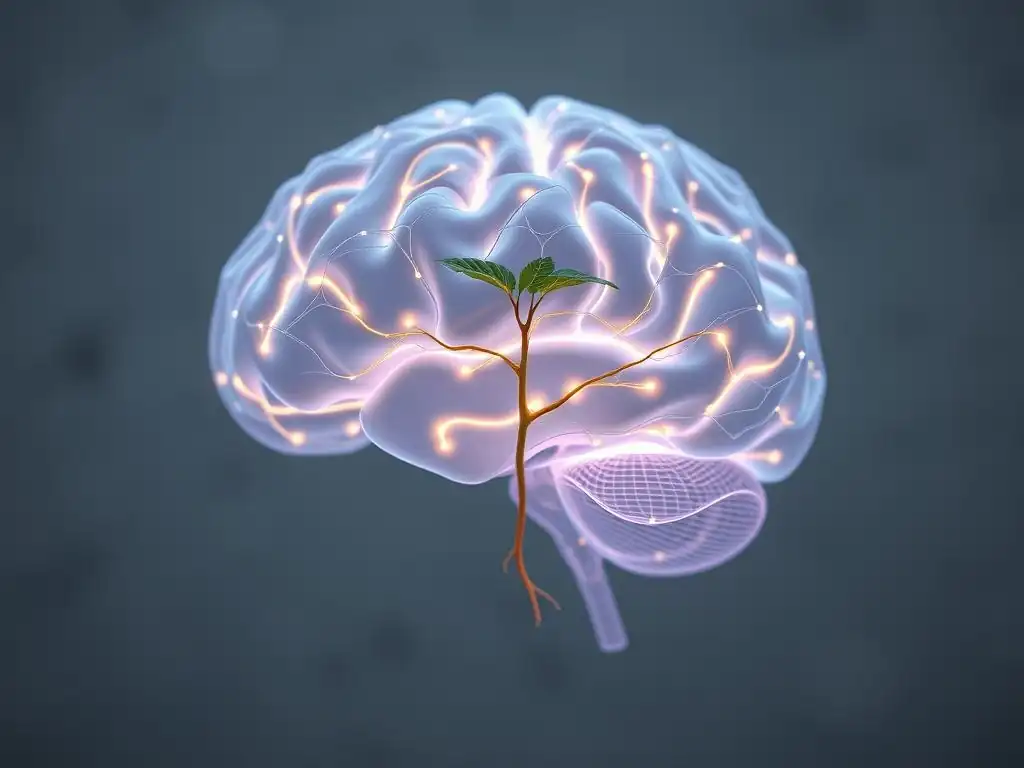
The neurobiological changes induced by childhood trauma have profound and lasting effects on brain function, influencing cognitive abilities, emotional regulation, and behavior throughout life. While the brain retains some capacity for change, the early wiring patterns established by trauma can create enduring vulnerabilities. These long-term effects are not simply psychological; they are rooted in the altered structure and function of the brain itself.
The consequences of childhood trauma brain rewiring manifest in various ways, impacting diverse aspects of an individual's life, from their ability to learn and work to their capacity for forming healthy relationships. Recognizing these long-term effects is essential for providing appropriate support and intervention, aiming to mitigate the impact of early adversity and promote healing.
Cognitive Impairments: Attention, Memory, and Learning Challenges
Individuals with a history of childhood trauma often experience significant cognitive difficulties. As discussed, trauma can impair the hippocampus, leading to problems with explicit memory formation and retrieval. This can manifest as difficulty recalling specific events, poor performance on memory tasks, or struggling with academic learning that relies on memorization and recall.
Furthermore, trauma's impact on the prefrontal cortex can result in difficulties with attention, concentration, and executive functions like planning and problem-solving. The hypervigilance stemming from an overactive amygdala can also make it hard to focus on non-threat-related information, diverting cognitive resources towards scanning the environment for danger. These cognitive impairments can affect academic performance, professional success, and daily functioning.
Emotional Dysregulation: Anxiety, Depression, and PTSD
Perhaps the most widely recognized long-term effects of childhood trauma are emotional dysregulation and an increased risk of mental health disorders. The altered balance between the amygdala and the prefrontal cortex makes it challenging to manage intense emotions. Individuals may experience frequent mood swings, difficulty calming down once upset, or react disproportionately to stressful situations.
Childhood trauma is a major risk factor for developing anxiety disorders, depression, and post-traumatic stress disorder (PTSD) in adulthood. For instance, individuals with four or more ACEs are significantly more likely to develop depression than those with none. The persistent state of hyperarousal, intrusive memories, avoidance behaviors, and negative alterations in mood and cognition characteristic of PTSD are direct consequences of the neurobiological changes, including childhood trauma brain rewiring, that occur in response to early adversity.
Behavioral Problems: Aggression, Impulsivity, and Substance Abuse
The difficulties with emotional regulation and impulse control stemming from PFC dysfunction can contribute to a range of behavioral problems. Individuals may exhibit increased aggression, difficulty managing anger, or engage in impulsive risk-taking behaviors. The altered dopamine system, as mentioned, increases vulnerability to substance abuse disorders as a coping mechanism or an attempt to self-medicate underlying distress.
These behavioral issues can lead to difficulties in interpersonal relationships, legal problems, and challenges maintaining stable employment. Understanding these behaviors through a trauma-informed lens, recognizing them as potential adaptations to a threatening early environment and consequences of childhood trauma brain rewiring, is crucial for providing effective support rather than simply labeling them as deliberate defiance or moral failing.
The Role of Epigenetics in Transgenerational Trauma
The effects of childhood trauma may extend beyond the individual through epigenetic mechanisms. Epigenetics refers to changes in gene expression that don't involve alterations to the underlying DNA sequence but can be influenced by environmental factors like stress and trauma. These epigenetic "tags" can affect how genes are read and translated into proteins, influencing brain development and function.
Research, particularly in animal models but increasingly in human studies, suggests that the epigenetic changes induced by trauma can be passed down to subsequent generations, influencing their stress reactivity and vulnerability to mental health issues. For example, studies on the descendants of Holocaust survivors have explored potential epigenetic markers related to stress response genes. While this field is still evolving, it suggests that the neurobiological legacy of childhood trauma, potentially including aspects of childhood trauma brain rewiring, might be transmitted across generations, highlighting the profound and far-reaching impact of early adversity.
Resilience and Recovery: Rewiring the Brain After Trauma
Despite the significant neurobiological impact of childhood trauma, the brain is remarkably resilient and capable of change throughout life. This capacity, known as neuroplasticity, offers hope for healing and recovery. While the early rewiring in response to trauma creates vulnerabilities, targeted interventions and supportive environments can promote positive structural and functional changes, essentially facilitating a different kind of childhood trauma brain rewiring – one focused on healing and adaptation.
Recovery is not about erasing the past but about building new, healthier neural pathways that allow individuals to better regulate emotions, process memories, and function effectively. This process requires time, effort, and often professional support, leveraging the brain's inherent ability to adapt and reorganize itself in response to new, positive experiences.
Neuroplasticity: The Brain's Capacity for Change
Neuroplasticity is the biological basis for learning and recovery. It refers to the brain's ability to reorganize itself by forming new neural connections throughout life. This can involve creating new neurons (neurogenesis), strengthening existing synapses, or forming entirely new circuits. While neuroplasticity is most pronounced in early childhood, it continues throughout adulthood, albeit at a slower pace.
This inherent capacity means that even after significant childhood trauma brain rewiring towards a state of hyperarousal and vulnerability, the brain can still adapt in response to new experiences, therapies, and supportive relationships. Engaging in activities that promote positive brain changes, such as learning new skills, mindfulness practices, exercise, and therapeutic interventions, can help build resilience and facilitate the development of healthier neural networks.
Therapeutic Interventions for Brain Rewiring
Evidence-based therapeutic interventions are specifically designed to address the neurobiological consequences of trauma and promote positive brain changes. These therapies work by providing new corrective experiences that challenge the trauma-induced wiring patterns and facilitate the formation of healthier pathways. They help individuals process traumatic memories in a safe environment, develop coping skills, and regulate their emotional responses.
The goal of trauma-informed therapy is not just symptom reduction but also facilitating a form of therapeutic childhood trauma brain rewiring that helps integrate traumatic experiences, reduce amygdala hyper-reactivity, enhance PFC control, and improve HPA axis regulation. These approaches recognize that the brain and body have been impacted by trauma and incorporate techniques that address both cognitive and physiological responses.
Trauma-Focused Cognitive Behavioral Therapy (TF-CBT)
Trauma-Focused Cognitive Behavioral Therapy (TF-CBT) is a highly effective, evidence-based treatment designed for children and adolescents who have experienced trauma. It typically involves both the child and their caregiver. TF-CBT helps children process traumatic memories through gradual exposure techniques, develop coping skills for managing distressing thoughts and feelings, and correct distorted beliefs about the trauma.
TF-CBT works by helping the child and caregiver build skills in areas often impaired by trauma, such as affect regulation, cognitive processing, and safety planning. By systematically addressing traumatic memories in a safe and controlled manner, the therapy helps to desensitize the child's fear response (reducing amygdala reactivity) and integrate the memory into a coherent narrative (involving the hippocampus and PFC). Studies have shown TF-CBT can lead to significant reductions in PTSD symptoms, depression, and anxiety, indicative of positive changes in brain function.
Eye Movement Desensitization and Reprocessing (EMDR)
Eye Movement Desensitization and Reprocessing (EMDR) is another therapeutic approach used to treat trauma survivors. It involves recalling distressing traumatic memories while simultaneously engaging in bilateral stimulation, such as following a therapist's finger with the eyes or tapping. The exact mechanisms are still researched, but it's thought that this process helps the brain reprocess the traumatic memory, integrating it into adaptive memory networks.
EMDR aims to reduce the vividness and emotional intensity of traumatic memories, making them less distressing. It is believed to work by facilitating communication between different brain regions involved in memory and emotion processing, potentially mimicking processes that occur during REM sleep. By allowing the brain to reprocess the trauma, EMDR can help reduce the hyperarousal and emotional distress associated with the traumatic memory, contributing to functional childhood trauma brain rewiring.
Somatic Experiencing
Somatic Experiencing (SE) is a body-oriented therapeutic approach developed by Peter Levine. It focuses on the physiological sensations associated with trauma, recognizing that trauma can become "stuck" in the body. SE helps individuals track bodily sensations, release stored trauma energy, and complete the body's natural stress response cycle that may have been interrupted during the traumatic event.
SE does not require the individual to heavily focus on the narrative details of the trauma but rather on the felt sense in the body. By gently guiding individuals to notice and tolerate bodily sensations associated with fight, flight, or freeze responses, SE helps regulate the nervous system. This process aims to restore the body's natural capacity to self-regulate and move out of the chronic state of alert or shutdown that can result from trauma, addressing the physiological aspects of childhood trauma brain rewiring.
The Importance of a Safe and Supportive Environment
Beyond formal therapy, a safe, stable, and supportive environment is paramount for healing and promoting positive childhood trauma brain rewiring. Consistent, nurturing relationships with caregivers, family members, and other trusted adults provide a sense of security that counteracts the fear and unpredictability of past trauma. These relationships offer corrective experiences that help rebuild a sense of safety and trust.
A supportive environment also involves predictability, clear boundaries, and opportunities for positive experiences and skill-building. Feeling safe allows the brain to shift resources away from constant threat detection towards growth, learning, and connection. Schools, communities, and social support networks that adopt trauma-informed practices contribute significantly to creating the conditions necessary for survivors to heal and thrive, reinforcing the positive changes initiated through therapy.
Supporting Children Affected by Trauma: Practical Strategies

Supporting children affected by trauma requires a trauma-informed approach that recognizes the potential impact of adverse experiences on development and behavior. It's about creating environments where children feel safe, understood, and supported in their healing journey. This involves recognizing the signs of trauma, responding empathetically, and implementing strategies that promote security and regulation.
Practical strategies can be implemented in various settings, including homes, schools, and community programs. The goal is to buffer the effects of trauma, promote resilience, and facilitate positive childhood trauma brain rewiring by providing consistent care and opportunities for healthy development.
Recognizing the Signs of Trauma in Children
Recognizing the signs of trauma in children can be challenging, as they can manifest differently depending on the child's age, the type of trauma, and individual factors. Signs might include changes in behavior (aggression, withdrawal, risk-taking), emotional difficulties (anxiety, depression, excessive fear, difficulty regulating emotions), physical complaints (headaches, stomachaches with no medical cause), sleep disturbances, difficulty concentrating, or regression to earlier behaviors (bedwetting, thumb-sucking).
Younger children might show increased clinginess, fear of separation, or repetitive play that re-enacts aspects of the trauma. Older children and adolescents might exhibit academic problems, substance use, self-harming behaviors, or difficulties in relationships. It's important to remember that these behaviors are often coping mechanisms or expressions of distress resulting from the trauma's impact on the brain and nervous system, not intentional misbehavior.
Creating a Trauma-Informed Environment at Home and School
Creating a trauma-informed environment means shifting the focus from "What's wrong with you?" to "What happened to you?" It involves understanding that behaviors may be trauma responses and responding with empathy and support rather than punishment. In a trauma-informed home or school, predictability, consistency, and clear expectations are prioritized to create a sense of safety.
Strategies include establishing routines, providing calm spaces for children to regulate their emotions, teaching coping skills, and fostering positive relationships. Educators and caregivers should be trained in trauma-informed practices to understand how trauma affects learning and behavior and how to respond in ways that support the child's healing and capacity for positive childhood trauma brain rewiring. This might involve flexible approaches to discipline, academic support tailored to cognitive challenges, and opportunities for positive social interaction.
Building Secure Attachments and Promoting Healthy Relationships
Secure attachments are fundamental to a child's development and are particularly crucial for children who have experienced trauma. A secure attachment with a primary caregiver provides a sense of safety and a buffer against stress, helping the child learn to trust and regulate their emotions. Trauma can disrupt attachment, making it difficult for children to form secure bonds.
Promoting healthy relationships involves providing consistent, responsive, and nurturing interactions. For children with attachment difficulties, this might require specific interventions like Attachment-Based Therapy. Encouraging positive peer relationships and connections with other supportive adults (teachers, mentors) also provides valuable opportunities for social-emotional learning and reinforces positive neural pathways related to connection and safety, aiding in the process of childhood trauma brain rewiring.
Seeking Professional Help: When and Where to Find Support
Seeking professional help is a sign of strength and is often necessary for addressing the complex neurobiological and psychological effects of childhood trauma. If a child is exhibiting persistent signs of distress, behavioral problems, or difficulty functioning after a traumatic experience, consulting a mental health professional is crucial.
Qualified professionals, such as child psychologists, psychiatrists, social workers, or licensed therapists specializing in child trauma, can conduct comprehensive assessments and provide evidence-based treatments like TF-CBT, EMDR, or SE. Finding a therapist with experience in trauma-informed care is essential. Resources like the SAMHSA National Helpline or local mental health service directories can help connect families with appropriate support and services. Early intervention significantly improves outcomes and supports the brain's capacity for healing and positive childhood trauma brain rewiring.
Conclusion: Hope for Healing and Rewiring After Childhood Trauma
The Power of Early Intervention and Support
The journey of healing after childhood trauma is complex, but it is possible. Understanding the neurobiological effects of trauma on the brain, including the ways childhood trauma brain rewiring can occur in response to adverse experiences, is the first step. This knowledge empowers us to recognize that the challenges faced by survivors are often rooted in biological changes, validating their experiences and guiding effective interventions.
The power of early intervention and consistent support cannot be overstated. Providing safe environments, nurturing relationships, and access to evidence-based therapies early in a child's life can significantly mitigate the long-term impact of trauma. It capitalizes on the brain's greater plasticity in younger years, making positive childhood trauma brain rewiring more accessible. Even in adulthood, however, significant healing and change are possible.
Understanding the Brain's Capacity for Resilience and Growth
The brain's inherent capacity for neuroplasticity offers a powerful message of hope. It means that the brain is not permanently fixed by trauma. Through new experiences, learning, and therapeutic work, individuals can build new neural pathways, strengthen regulatory circuits, and reduce the dominance of trauma-related responses. This understanding shifts the focus from a narrative of permanent damage to one of resilience and potential for growth.
Recovery is a process of actively engaging the brain's capacity for change. It involves challenging trauma-induced beliefs and behaviors, developing new coping skills, and fostering a sense of safety and connection. Recognizing that the brain can heal and adapt provides a foundation for optimism and motivates engagement in the therapeutic work necessary for recovery.
Moving Forward: A Path Towards Healing and Well-being
Moving forward after childhood trauma involves a commitment to healing and well-being. It requires patience, self-compassion, and often, the support of others. While the scars of trauma may remain, their power to dictate present and future well-being can be significantly diminished. By addressing the neurobiological legacy of trauma through therapy, creating supportive environments, and practicing self-care, individuals can embark on a path towards recovery.
The concept of childhood trauma brain rewiring highlights both the profound impact of early adversity and the incredible potential for change. It underscores the importance of a trauma-informed society that understands, validates, and supports survivors. With the right knowledge, resources, and compassionate care, individuals can navigate the challenges posed by past trauma and build fulfilling lives, demonstrating the remarkable resilience of the human spirit and the brain.
Frequently Asked Questions
What is the primary focus of brain rewiring in the context of childhood trauma?
The focus is on neuroplasticity, the brain's ability to reorganize itself by forming new neural connections throughout life, specifically to mitigate the effects of trauma.
How does childhood trauma impact the brain's development?
Childhood trauma can disrupt normal brain development, particularly in areas like the amygdala (fear response), hippocampus (memory), and prefrontal cortex (executive functions), leading to long-term mental health challenges.
What are some therapeutic approaches used to rewire the brain after childhood trauma?
Therapies like EMDR (Eye Movement Desensitization and Reprocessing), Cognitive Behavioral Therapy (CBT), and Neurofeedback are often used to help individuals process traumatic memories and develop healthier coping mechanisms, supporting brain rewiring.
What role does self-care play in the process of brain rewiring after trauma?
Self-care practices such as mindfulness, exercise, and healthy eating can positively influence brain function and resilience, supporting the brain's capacity for neural plasticity and recovery from trauma.
How long does it typically take to rewire the brain after experiencing childhood trauma?
There is no set timeline, as it's a highly individual process. The duration depends on factors like the severity of the trauma, access to effective therapy, and the individual's commitment to the healing process.
Final Reflection: The Enduring Power of Neuroplasticity in Healing from Childhood Trauma
The impact of childhood trauma extends far beyond childhood itself; its effects ripple through the neurobiological landscape, shaping the adult brain and influencing behavior in profound ways. Understanding this intricate connection is not merely an academic pursuit; it's a crucial step towards fostering empathy, developing effective interventions, and ultimately, empowering individuals to heal and thrive.
The ongoing exploration of childhood trauma's neurobiological consequences has illuminated the remarkable capacity of the brain for change – neuroplasticity. This understanding shifts the narrative from one of irreversible damage to one of hope and resilience. The brain is not static; it is constantly changing and adapting in response to experience.
This inherent plasticity offers a powerful message: healing is possible, even after profound adversity. The journey may be challenging, but the brain's ability to rewire itself provides a tangible pathway towards recovery and a more fulfilling life.
Now, consider your own experiences and relationships. How might this knowledge inform your interactions with others, particularly those who have experienced trauma? Take a moment to reflect on the power of empathy and understanding in fostering healing. Seek out resources, support networks, and professional guidance if you or someone you know is struggling with the lasting effects of childhood trauma. Remember, you are not alone, and the journey towards healing is a testament to the incredible resilience of the human spirit and the remarkable power of the brain to reshape itself.
Unlock Your Brain's Potential: Steps to Healing and Growth
Thanks for taking the time to explore the neurobiological impact of childhood trauma. You've now gained valuable insights into your brain's incredible resilience and capacity for healing. Let's turn this knowledge into action!
- Prioritize self-compassion: Begin incorporating daily practices that nurture your emotional well-being. This could be anything from mindful meditation to engaging in a favorite hobby. This is your primary action – focusing on self-care is crucial.
- Connect with others: Share this article with someone who might benefit from understanding the impact of trauma – a friend, family member, or even a therapist. Starting a conversation can be incredibly powerful.
- Explore further resources: Delve deeper into the science of neuroplasticity. Research different therapeutic approaches or find a supportive community online.
What small step will you take today to begin your journey towards healing and growth?