
Emerging Technologies in Remote Mental Healthcare: What's Next?

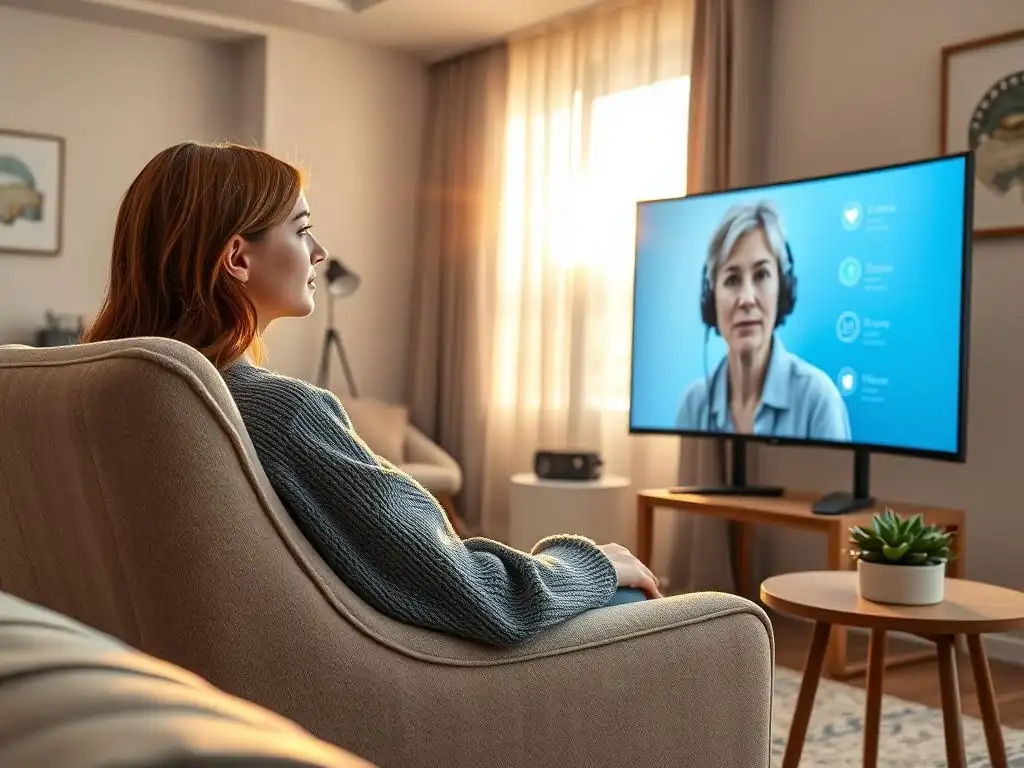
Welcome to Mind Care Guide, a sanctuary for your well-being.
Feeling overwhelmed navigating the evolving landscape of mental healthcare? We understand. In today's world, access to support is more crucial than ever, and innovative solutions are emerging to meet that need. Dive into this month's exploration of teletherapy tech integration benefits and discover how these advancements are revolutionizing remote mental healthcare, offering hope and accessibility to those who need it most. Ready to explore the future of mental well-being and find out what's next?
Emerging Technologies in Remote Mental Healthcare: What's Next?
- Introduction: The Evolution of Teletherapy and Mental Health Tech
- Key Technologies Transforming Remote Mental Healthcare
-
Benefits of Teletherapy Tech Integration for Patients and Providers
- Increased Accessibility and Convenience for Mental Healthcare Seekers
- Reduced Costs and Improved Affordability of Mental Health Services
- Enhanced Engagement and Adherence to Treatment Plans
- Improved Outcomes through Personalized and Data-Driven Therapies
- Streamlined Workflows and Enhanced Efficiency for Mental Health Professionals
- Challenges and Opportunities in Implementing Emerging Technologies
- The Future of Remote Mental Healthcare: Trends and Predictions
- Conclusion: Embracing Innovation for a More Accessible and Effective Mental Healthcare System
-
Frequently Asked Questions
- What are the primary emerging technologies being integrated into teletherapy?
- How can teletherapy tech integration benefits improve patient outcomes?
- What are some of the challenges associated with adopting new technologies in remote mental healthcare?
- Does teletherapy tech integration benefits help reduce the stigma associated with mental health treatment?
- What resources are available to help mental health professionals learn about and implement these emerging technologies?
- Final Reflection: The Evolving Landscape of Teletherapy and its Promise
- Unlock Your Mental Wellbeing: Embrace the Future of Care
Introduction: The Evolution of Teletherapy and Mental Health Tech
The Growing Need for Remote Mental Healthcare Solutions
Access to mental healthcare remains a significant challenge for millions globally. Barriers such as geographical distance, transportation issues, scheduling conflicts, and the persistent stigma associated with seeking help often prevent individuals from receiving the support they need. This disparity is particularly acute in rural and underserved areas, where the ratio of mental health professionals to the population is drastically lower than in urban centers. The demand for accessible, flexible, and confidential mental health services has surged, amplified by recent global events that have normalized remote interactions.
Furthermore, the traditional model of in-person therapy, while effective, cannot meet the scale of the current mental health crisis. Waiting lists for appointments can stretch for weeks or months, and the cost of regular sessions can be prohibitive for many. This unmet need underscores the critical imperative to explore and implement innovative solutions that can bridge these gaps, making mental healthcare more readily available to everyone, regardless of their location or circumstances. Remote solutions, enabled by technology, offer a promising pathway to expanding reach and improving timely access.
Teletherapy Tech Integration Benefits: A New Era of Accessibility
The integration of technology into teletherapy has ushered in a transformative era, offering substantial teletherapy tech integration benefits for both individuals seeking care and the professionals providing it. For patients, the primary advantage is unparalleled accessibility. They can connect with therapists from the comfort and privacy of their own homes, eliminating travel time and costs, reducing anxiety about visiting an office, and making it easier to fit sessions into busy schedules. This flexibility significantly lowers barriers to entry, encouraging more people to seek and maintain treatment.
Beyond mere access, the teletherapy tech integration benefits extend to enhanced engagement and continuity of care. Features like secure messaging, digital diaries, and symptom tracking tools allow for more consistent interaction and monitoring between sessions. Providers gain tools that can improve workflow efficiency, expand their reach beyond local geographical limits, and potentially reduce overhead costs. The ability to leverage digital platforms also opens doors for collecting valuable data that can inform treatment strategies and contribute to a better understanding of mental health conditions and interventions on a larger scale.
Key Technologies Transforming Remote Mental Healthcare
Artificial Intelligence (AI) in Mental Health: Enhancing Diagnosis and Treatment
Artificial intelligence is rapidly becoming a powerful tool in the mental health landscape, offering innovative ways to support both clinicians and patients. AI algorithms can analyze vast amounts of data, including text, voice patterns, and behavioral indicators, to identify potential mental health concerns with a speed and scale impossible for human analysis alone.
This capability is being explored for early detection, risk assessment, and even initial screening for conditions like depression, anxiety, or PTSD. While AI is not intended to replace human clinicians, it can serve as a valuable adjunct, providing data-driven insights that can inform clinical judgment and personalize treatment approaches.
The application of AI extends to enhancing therapeutic interventions themselves. AI-powered tools can assist therapists by providing relevant information, suggesting potential therapeutic strategies based on patient data, or even automating certain administrative tasks, freeing up clinicians' time for direct patient care. Predictive analytics, a subset of AI, holds promise for identifying patients who might be at risk of relapse or who are not responding well to a particular treatment, allowing for timely intervention adjustments. The goal is to create a more responsive, efficient, and personalized mental healthcare system.
AI-Powered Chatbots for Preliminary Assessments and Support
AI-powered chatbots are emerging as a first line of digital support, capable of engaging users in conversational interactions to provide preliminary mental health assessments or offer immediate, low-level support. These chatbots can use natural language processing to understand user input and respond with relevant information about mental health conditions, coping strategies, or resources. Some are designed to follow structured protocols based on therapeutic techniques like Cognitive Behavioral Therapy (CBT), offering guided exercises or mood tracking features between therapy sessions.
While chatbots cannot replicate the empathy and complex understanding of a human therapist, they offer accessibility and anonymity that can be appealing to individuals who are hesitant to seek traditional help immediately. They are available 24/7, providing support during moments of distress. Their role is typically seen as supplemental – helping users identify potential issues, learn basic self-help techniques, or bridge the gap until they can connect with a human professional.
Predictive Analytics for Personalized Mental Health Plans
Predictive analytics leverages machine learning algorithms to analyze patterns in patient data – such as mood tracking entries, sleep data from wearables, communication patterns, or past treatment responses – to forecast future outcomes or identify individual risk factors. By identifying which patients might benefit most from a specific intervention or which are at higher risk of dropping out or experiencing a crisis, clinicians can proactively tailor treatment plans.
For example, predictive models might analyze data to suggest that a patient showing decreased activity levels and increased negative self-talk is at heightened risk of a depressive episode, prompting the therapist to schedule an earlier check-in or adjust medication. This data-driven approach allows for a move towards more personalized and precision mental healthcare, potentially improving treatment effectiveness and preventing adverse events.
Ethical Considerations and Limitations of AI in Mental Healthcare
Despite the potential, the use of AI in mental healthcare raises significant ethical concerns. Bias in the data used to train AI models can lead to unfair or inaccurate assessments for certain demographic groups. Ensuring patient data privacy and security is paramount, given the sensitive nature of mental health information. There are also questions about the transparency and interpretability of AI decisions – often referred to as the "black box" problem – making it difficult to understand why an AI made a particular assessment or prediction.
Furthermore, AI lacks the capacity for genuine empathy, therapeutic alliance, and nuanced understanding that are critical components of effective therapy. AI tools should be implemented cautiously, with clear guidelines on their appropriate use, limitations, and oversight by qualified human professionals. Addressing these ethical challenges and building trust in AI systems is crucial for their responsible integration into mental healthcare.
Virtual Reality (VR) and Augmented Reality (AR) for Immersive Therapy
Virtual Reality (VR) and Augmented Reality (AR), collectively often referred to as Extended Reality (XR), offer immersive experiences that are proving valuable in therapeutic settings, particularly in remote mental healthcare. VR creates entirely simulated environments, allowing patients to confront fears or practice skills in a controlled, safe space. AR overlays digital information onto the real world, offering potential for in-the-moment support or therapeutic exercises integrated into daily life.
These technologies can make abstract therapeutic concepts more concrete and experiential. For instance, someone learning mindfulness might use an AR app to guide them through a walking meditation, with prompts appearing on their phone screen based on their location. The ability to simulate specific scenarios that are difficult or impossible to replicate in a therapist's office makes VR and AR powerful tools for exposure therapy and skills training, extending the reach and effectiveness of remote interventions.
VR for Exposure Therapy and Trauma Processing
VR has shown significant promise in exposure therapy, particularly for phobias, anxiety disorders, and PTSD. It allows patients to be gradually exposed to triggering stimuli or situations in a safe, controlled, and repeatable virtual environment. For example, someone with a fear of heights can experience standing on a virtual balcony, or a veteran with PTSD can navigate a simulated environment related to their trauma, all while guided by a therapist.
This controlled exposure helps patients process fear responses and build coping mechanisms without the risks or practical difficulties of real-world exposure. Therapists can adjust the intensity of the virtual environment in real-time, tailoring the experience to the patient's progress and tolerance. Research indicates that VR exposure therapy can be as effective as traditional in-vivo exposure for certain conditions, offering a more accessible option via teletherapy platforms.
AR Applications for Daily Mental Health Management
Augmented Reality (AR) applications for mental health are less focused on recreating immersive environments and more on integrating therapeutic support into a user's daily life. AR apps can provide in-the-moment interventions, such as guided breathing exercises overlaid onto the user's view of their surroundings, or interactive journaling prompts that appear as virtual objects in their physical space.
These applications can serve as tools for managing anxiety, stress, or practicing coping skills throughout the day, reinforcing lessons learned in teletherapy sessions. While still an emerging area, AR holds potential for creating more engaging and context-aware mental health support that users can access whenever and wherever they need it.
The Future of VR/AR in Addressing Anxiety and Depression
Looking ahead, VR and AR are expected to play an even larger role in addressing common conditions like anxiety and depression. VR environments could be designed to help individuals practice social skills in simulated social gatherings, or to create calming, immersive experiences for stress reduction. AR could be used to gamify mood tracking or provide real-time prompts for challenging negative thoughts based on a user's location or activity.
As the technology becomes more affordable and accessible, VR/AR integration into teletherapy platforms could offer highly engaging and personalized therapeutic experiences, potentially improving treatment adherence and outcomes for a wider range of mental health challenges.
Wearable Technology and Biometric Monitoring for Mental Well-being
Wearable devices, such as smartwatches and fitness trackers, are increasingly incorporating sensors capable of monitoring physiological data relevant to mental well-being. These devices can track metrics like heart rate variability (HRV), sleep patterns, activity levels, and even skin conductance, which can be indicators of stress or anxiety. This passive data collection provides a continuous stream of information about a patient's physiological state outside of therapy sessions.
Integrating this biometric data into teletherapy allows clinicians to gain deeper insights into a patient's daily life and stress responses. For instance, consistently poor sleep patterns or elevated resting heart rate could signal worsening anxiety or depression. This objective data can complement subjective self-reports, providing a more comprehensive picture of the patient's mental and physical health and helping to inform treatment decisions.
Tracking Stress Levels and Sleep Patterns through Wearables
Wearables offer a convenient way for individuals to track personal indicators of stress and sleep quality over time. Many devices provide users with daily summaries of their stress levels based on metrics like HRV and resting heart rate, and detailed analysis of their sleep stages and duration. This data can help individuals become more aware of triggers for stress or factors affecting their sleep, which are often intertwined with mental health.
For individuals managing anxiety or depression, tracking these patterns can be a valuable self-monitoring tool, helping them identify trends and understand the impact of lifestyle choices or therapeutic interventions on their well-being.
Using Biometric Data to Inform Teletherapy Sessions
The data collected by wearables can be shared with therapists (with patient consent) to provide objective context for teletherapy sessions. A patient might report feeling less stressed, but their wearable data showing persistently high stress indicators could prompt a deeper discussion about underlying factors or coping strategies. Conversely, objective improvements in sleep or HRV could validate the effectiveness of treatment interventions.
This data-driven approach allows therapists to have a more informed conversation, tailor interventions based on real-world physiological responses, and track progress more concretely. It adds another layer of information to the therapeutic process, enhancing the potential teletherapy tech integration benefits by making care more data-informed.
Privacy and Security Concerns with Wearable Mental Health Tech
The collection of continuous biometric and activity data through wearables raises significant privacy and security concerns. This data is highly personal and sensitive, potentially revealing information about a user's emotional state, sleep habits, and daily routines. Ensuring this data is securely stored, transmitted, and only accessible to authorized individuals is paramount.
Users need to be fully informed about what data is being collected, how it is being used, and who has access to it. Clear consent mechanisms and robust data protection policies are essential to build trust and ensure that the use of wearable technology in mental health is conducted ethically and responsibly.
The Role of Blockchain in Securing Mental Health Data
Blockchain technology, best known for its role in cryptocurrencies, offers a decentralized and immutable ledger system that has potential applications for enhancing data security and privacy in mental healthcare. Its core principle involves recording transactions (or data entries) across a network of computers, making it extremely difficult to alter or tamper with past records without detection.
In the context of sensitive mental health information shared within teletherapy platforms or across different healthcare providers, blockchain could offer a robust layer of security and transparency. It could provide a secure, tamper-proof record of patient data, access logs, and consent, potentially addressing some of the most critical concerns around digital health records.
Enhancing Data Privacy and Security in Teletherapy
One of the primary applications of blockchain in mental healthcare is to enhance the privacy and security of patient data. Instead of storing sensitive records in a single, centralized database (which can be a target for cyberattacks), patient data could potentially be encrypted and stored in a decentralized manner across a blockchain network. Access to this data could be managed through cryptographic keys, giving patients more control over who can view their information.
This approach could significantly reduce the risk of data breaches and unauthorized access, providing a more secure environment for the confidential information shared during teletherapy sessions and stored in digital health records.
Improving Data Interoperability and Sharing Among Providers
Blockchain's ability to create a shared, yet secure and controlled, ledger could improve data interoperability between different mental health providers or even between mental and physical healthcare systems. By using blockchain to manage access permissions and create a secure trail of data sharing, it could become easier for patients to authorize the secure transfer of their relevant mental health history between clinicians or services.
This could lead to more coordinated and integrated care, allowing providers to have a more complete picture of a patient's health journey, while maintaining strict controls over data access and ensuring patient consent is recorded transparently.
Blockchain Applications for Patient Empowerment and Control
Beyond security, blockchain technology has the potential to empower patients by giving them more direct control over their own health data. Through blockchain-based systems, patients could potentially manage permissions for who can access their mental health records, view logs of when their data was accessed, and even monetize their anonymized data for research purposes if they choose.
This shift towards patient-controlled data management aligns with principles of autonomy and could build greater trust in digital mental healthcare systems. While still largely in the conceptual or early pilot phase for mental health, the potential teletherapy tech integration benefits in terms of data security and patient empowerment are significant.
Benefits of Teletherapy Tech Integration for Patients and Providers

Increased Accessibility and Convenience for Mental Healthcare Seekers
The most immediate and impactful of the teletherapy tech integration benefits is the dramatic increase in accessibility and convenience for individuals seeking mental healthcare. Geographical barriers are significantly reduced, allowing people in rural or underserved areas to connect with specialists located anywhere. For those with mobility issues, chronic illnesses, or social anxiety, attending sessions from home removes significant hurdles.
The flexibility of scheduling is another major advantage. Patients can often find appointments that fit their work or family commitments more easily than with fixed office hours. This ease of access encourages individuals who might otherwise delay or forgo treatment to seek help promptly, addressing mental health concerns before they escalate.
Reduced Costs and Improved Affordability of Mental Health Services
Implementing teletherapy and leveraging technology can contribute to making mental healthcare more affordable for both providers and, consequently, patients. Providers using remote models can potentially reduce overhead costs associated with maintaining physical office space. These savings can sometimes translate into lower session fees, making therapy more accessible to individuals with limited financial resources.
Furthermore, teletherapy eliminates associated costs for patients, such as transportation, parking, or taking time off work for travel. While insurance coverage for teletherapy is still evolving in some regions, the trend is towards greater parity with in-person care, enhancing the financial teletherapy tech integration benefits for patients.
Enhanced Engagement and Adherence to Treatment Plans
Technology can play a crucial role in keeping patients engaged in their treatment and improving adherence to therapeutic plans. Features like automated appointment reminders, secure messaging for between-session support, digital mood tracking tools, and access to supplementary resources (like guided meditations or psychoeducational materials) provided through a platform can help patients feel more connected to their therapist and more actively involved in their recovery journey.
Consistent engagement and better adherence to homework or recommended practices between sessions are known to improve therapeutic outcomes. The convenience and continuous support offered by integrated technology contribute significantly to these positive effects.
Improved Outcomes through Personalized and Data-Driven Therapies
The integration of emerging technologies enables a move towards more personalized and data-driven approaches to mental healthcare, ultimately leading to improved outcomes. AI and predictive analytics can help tailor interventions to individual needs, while wearable data provides objective insights into a patient's progress and challenges. VR/AR allows for highly specific and experiential therapeutic exercises.
By combining clinical expertise with insights derived from technology-collected data, therapists can refine treatment strategies, identify what is working (or not working) more quickly, and adapt interventions to the patient's unique responses and circumstances. This personalized approach has the potential to make therapy more effective and efficient.
Streamlined Workflows and Enhanced Efficiency for Mental Health Professionals
Mental health professionals also experience significant teletherapy tech integration benefits in terms of streamlined workflows and enhanced efficiency. Digital platforms can automate administrative tasks such as scheduling, billing, and record-keeping. Secure messaging allows for asynchronous communication, managing patient queries more effectively.
Access to integrated data from wearables or AI tools can provide therapists with valuable information ahead of sessions, allowing them to use session time more effectively for direct therapeutic work. These efficiencies can reduce administrative burden, prevent burnout, and allow clinicians to focus more energy on providing high-quality care to a larger number of patients.
Challenges and Opportunities in Implementing Emerging Technologies
Addressing the Digital Divide and Ensuring Equitable Access
One of the significant challenges in implementing emerging technologies in remote mental healthcare is the digital divide. Not everyone has reliable internet access, affordable devices (like smartphones or computers), or the digital literacy required to effectively use teletherapy platforms or mental health apps. This can exacerbate existing health inequities, potentially leaving behind those who could benefit most from remote care, such as low-income populations, the elderly, or individuals in areas with poor infrastructure.
Addressing this requires concerted efforts to improve digital infrastructure in underserved areas, provide resources or subsidies for devices and internet access, and develop user-friendly interfaces and digital literacy training programs. Ensuring equitable access is crucial to realizing the full potential of teletherapy tech integration benefits for the entire population.
Overcoming Regulatory and Reimbursement Hurdles
The rapid pace of technological advancement in mental health often outstrips the development of appropriate regulatory frameworks and reimbursement policies. There can be uncertainty around licensing requirements for clinicians providing teletherapy across state or national borders, data privacy regulations for new technologies like AI or blockchain, and standards for validating the effectiveness and safety of digital tools.
Furthermore, consistent and adequate reimbursement for teletherapy services and the use of integrated technologies by insurance providers remains a hurdle in many areas. Advocacy, policy changes, and collaboration between technology developers, clinicians, and policymakers are needed to create a supportive environment that facilitates the responsible adoption of these innovations.
Building Trust and Ensuring Data Privacy and Security
Building and maintaining trust among patients and providers is paramount when integrating new technologies into sensitive mental healthcare. Concerns about data privacy breaches, how personal information is used, and the security of digital platforms are significant barriers to adoption. Patients need assurance that their confidential information is protected with the highest standards of security, especially when using emerging technologies like wearables or AI that collect vast amounts of data.
Developers and providers must prioritize robust cybersecurity measures, transparency in data handling practices, clear consent processes, and compliance with relevant privacy regulations (like HIPAA in the US or GDPR in Europe). Open communication about the benefits and risks of technology use is essential for fostering trust.
Training and Education for Mental Health Professionals

The effective integration of new technologies into clinical practice requires that mental health professionals are adequately trained and educated on their use. Clinicians need to understand how to operate teletherapy platforms, interpret data from wearables or AI tools, evaluate the efficacy and safety of digital interventions, and address ethical considerations related to technology use.
Current training programs may not fully cover these areas. Investing in continuing education, developing specialized training modules, and creating resources for clinicians to learn about and evaluate emerging technologies are essential steps to ensure that these tools are used competently and effectively to enhance patient care.
Facilitating Technology Adoption Among Clinicians
Beyond training, facilitating the actual adoption of new technologies among clinicians can be a challenge. Factors such as resistance to change, lack of technical support, concerns about the clinical validity of digital tools, and the perceived burden of learning new systems can slow down integration.
Providing user-friendly interfaces, offering accessible technical support, demonstrating the evidence base for technology-assisted interventions, and involving clinicians in the design and implementation process can help overcome these barriers. Highlighting the teletherapy tech integration benefits, such as improved efficiency and enhanced patient outcomes, can also motivate adoption.
The Future of Remote Mental Healthcare: Trends and Predictions
The Rise of Personalized and Precision Mental Healthcare
The future of remote mental healthcare is likely to be characterized by a significant move towards personalized and precision care, heavily enabled by technology. Leveraging data from wearables, AI analysis, and patient input, treatments will become increasingly tailored to an individual's specific needs, responses, and even genetic predispositions.
This means interventions could be adjusted in real-time based on objective data indicators, and therapeutic approaches could be selected based on predictive models suggesting higher likelihood of success for a particular patient profile. This level of personalization, delivered remotely, promises more effective and efficient treatment pathways.
Integration of Mental Healthcare with Physical Healthcare
Another key trend is the deeper integration of mental healthcare with physical healthcare, facilitated by interconnected digital health platforms. Recognizing the strong link between mental and physical well-being, future systems will likely allow for seamless sharing of relevant health data (with patient consent) between mental health professionals and primary care physicians.
This holistic approach can lead to better identification and management of co-occurring conditions, improved overall health outcomes, and a more coordinated healthcare experience for patients. Telehealth platforms are ideally positioned to bridge the historical divide between these two branches of healthcare.
Expansion of Teletherapy Services to Underserved Populations
While challenges remain, the future holds the promise of expanding teletherapy services to populations that have historically been underserved. Continued efforts to address the digital divide, develop culturally sensitive digital interventions, and implement supportive policies can make remote mental healthcare a viable option for individuals in rural areas, low-income communities, ethnic minorities, and other vulnerable groups.
Technology can lower barriers related to stigma and access, potentially democratizing access to quality mental health support on a global scale.
Impact of Extended Reality (XR) on Mental Health Treatment
Extended Reality (XR), encompassing VR and AR, is poised to have a transformative impact on mental health treatment. As the technology becomes more sophisticated and affordable, it will likely be integrated into a wider range of therapeutic applications beyond exposure therapy.
We may see XR used for social skills training, empathy building, pain management related to mental health conditions, or creating calming virtual spaces for relaxation and mindfulness. XR offers immersive and engaging ways to deliver therapy, potentially increasing patient motivation and providing novel therapeutic experiences remotely.
Conclusion: Embracing Innovation for a More Accessible and Effective Mental Healthcare System
The Importance of Responsible Technology Adoption
The integration of emerging technologies into remote mental healthcare offers tremendous potential to increase accessibility, enhance the effectiveness of treatment, and improve the efficiency of service delivery. However, unlocking these teletherapy tech integration benefits requires careful and responsible adoption. This means prioritizing patient privacy and data security, addressing ethical considerations related to AI and data use, and ensuring that technology implementation does not exacerbate existing health inequities.
Technology should be viewed as a tool to augment, not replace, human connection and clinical expertise. A focus on evidence-based practices and rigorous evaluation of new digital interventions is crucial to ensure that technology genuinely improves care quality.
Fostering Collaboration Between Tech Developers and Mental Health Professionals
To navigate the complexities and maximize the positive impact of technology in mental health, close collaboration between technology developers and mental health professionals is essential. Developers need clinical expertise to build tools that are not only technologically sound but also clinically relevant, user-friendly, and aligned with therapeutic principles. Clinicians, in turn, need to understand the capabilities and limitations of technology and be empowered to integrate it effectively into their practice.
This partnership can drive innovation that is truly responsive to the needs of patients and providers, leading to a future where remote mental healthcare is more accessible, equitable, and effective for everyone who needs it.
Frequently Asked Questions
What are the primary emerging technologies being integrated into teletherapy?
The primary emerging technologies include AI-powered chatbots for preliminary assessments, VR/AR for immersive therapy experiences, and wearable sensors for real-time data collection. These aim to enhance access and personalization.
How can teletherapy tech integration benefits improve patient outcomes?
Teletherapy tech integration benefits can improve patient outcomes through increased engagement with interactive tools, personalized treatment plans based on data analysis, and improved accessibility to care, especially in remote areas.
What are some of the challenges associated with adopting new technologies in remote mental healthcare?
Challenges include digital literacy barriers for some patients, concerns about data privacy and security, and the need for adequate training for therapists to effectively utilize these new tools.
Does teletherapy tech integration benefits help reduce the stigma associated with mental health treatment?
Yes, teletherapy tech integration benefits can help reduce stigma by offering discreet and convenient access to mental healthcare services, potentially encouraging more individuals to seek help without fear of judgment.
What resources are available to help mental health professionals learn about and implement these emerging technologies?
Mind Care Guide and other platforms offer online courses, webinars, and workshops focusing on teletherapy tech integration benefits, alongside research articles and case studies demonstrating best practices and outcomes.
Final Reflection: The Evolving Landscape of Teletherapy and its Promise
The seamless integration of technology into mental healthcare is no longer a futuristic concept; it's the present reality reshaping how we access and deliver vital mental health services. This shift, driven by necessity and innovation, offers unprecedented opportunities to bridge geographical barriers, increase accessibility, and personalize treatment plans, ultimately improving mental wellbeing on a global scale. The benefits are undeniable, and the momentum is only accelerating.
The impact of teletherapy technology extends far beyond simple convenience. It's fundamentally altering the cultural landscape of mental health, dismantling stigmas associated with seeking help and fostering a more open and accepting dialogue around mental wellbeing. The greatest barrier to mental health care is not the lack of access, but the lack of awareness and acceptance.
This quote highlights the crucial role technology plays in normalizing mental health discussions and making professional support readily available to those who might otherwise hesitate to seek it. The increased accessibility fostered by teletherapy technology is a powerful catalyst for positive change.
Consider the potential within your reach. You now have the power to actively participate in shaping the future of mental healthcare. Embrace the advancements in teletherapy technology, advocate for its wider adoption, and encourage those around you to explore the benefits of accessible and personalized mental health support. By understanding and utilizing these tools, we can collectively build a future where mental wellbeing is prioritized, accessible, and celebrated for all.
Unlock Your Mental Wellbeing: Embrace the Future of Care
Thanks for exploring the exciting world of emerging technologies in remote mental healthcare with us! We hope you gained valuable insights into the innovative tools shaping the future of mental wellbeing. Now it's time to take action and embrace these advancements.
- Schedule a consultation with a telehealth provider: This is your first step towards accessing convenient and effective mental healthcare from the comfort of your home.
- Share this article with someone who could benefit: Let's spread awareness about the incredible potential of remote mental health solutions.
- Explore online resources and apps: Discover the plethora of innovative tools available to support your mental health journey.
So, what innovative technology are you most excited to explore to enhance your mental wellbeing? Let's discuss in the comments!