
The Family Fabric: Understanding the Role of Family in Refugee Healing

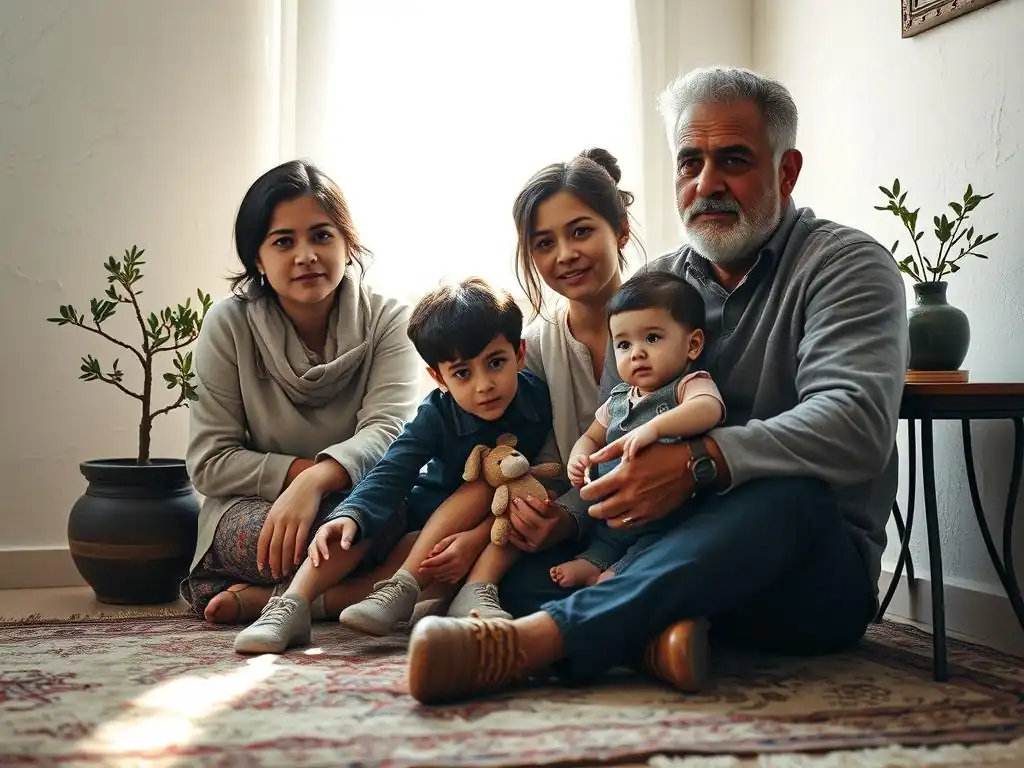
Welcome to Mind Care Guide.
Navigating the complexities of mental well-being can feel overwhelming, especially after experiencing profound upheaval. Are you seeking ways to support a refugee family's journey toward healing? Our latest article, "The Family Fabric: Understanding the Role of Family in Refugee Healing," delves into the crucial role of family refugee healing support. Discover how fostering connection and understanding can be a powerful catalyst for recovery and resilience. Intrigued? Let's explore the path to healing together...
The Unique Challenges Faced by Refugee Families Experiencing Trauma
Refugee families often face a complex layering of traumatic experiences that differ significantly from individual trauma. Before displacement, they may have endured conflict, persecution, or natural disasters, witnessing violence or loss. The perilous journey itself frequently adds further trauma, involving exploitation, injury, or separation. Upon arrival in a host country, the trauma doesn't necessarily end; families grapple with the stressors of resettlement, including navigating unfamiliar systems, language barriers, discrimination, and the profound grief of leaving behind everything they knew.
Studies examining refugee populations have consistently shown elevated rates of mental health conditions compared to host communities. For instance, estimates suggest that symptoms of Post-Traumatic Stress Disorder (PTSD) and depression can be five to ten times higher among refugees. This cumulative burden of pre-, peri-, and post-migration stressors creates a unique and overwhelming challenge for the family unit, impacting every member and requiring comprehensive family refugee healing support.
Compounding these direct traumatic experiences are the systemic challenges inherent in the refugee process. Families often face uncertainty about their legal status, struggle to find adequate housing and employment, and may experience social isolation. Children may have interrupted education, while parents might lose their professional status and identity. These external pressures amplify the internal distress caused by trauma.
For example, a father who was a respected professional in his home country might find himself unable to work or relegated to low-wage labor, impacting his sense of self-worth and his role within the family. This loss of status and persistent stress can strain family relationships and make it harder for the family to mobilize its internal resources for healing. Effective family refugee healing support must acknowledge and address this multifaceted burden, recognizing that trauma is not just an individual experience but a shared family ordeal embedded within broader societal challenges.
How Trauma Affects Family Dynamics and Relationships
Trauma can profoundly alter the internal landscape of a family, disrupting communication patterns, roles, and emotional connections. Survivors, both adults and children, may exhibit symptoms like emotional numbing, irritability, withdrawal, or difficulty expressing affection. These symptoms can create distance between family members.
Parents struggling with PTSD or depression may find it challenging to provide consistent emotional support or structure for their children, impacting parenting capacity. A study focusing on refugee parents indicated that those experiencing higher levels of trauma symptoms reported more difficulty with positive parenting practices. This can lead to children feeling neglected or confused by their parents' unpredictable behavior.
Furthermore, trauma can lead to role reversals, where children might take on adult responsibilities, such as acting as interpreters or navigating bureaucracy, often before they are emotionally ready. This can strain the parent-child relationship and rob children of their childhood. Conflict within the family may increase as members cope with stress in different ways, sometimes leading to misunderstandings or blaming. For example, one family member might want to talk about their experiences, while another might prefer to avoid the topic entirely, creating tension.
The erosion of trust, both within the family and towards the outside world, is another significant impact. Trauma can make it difficult to feel safe, even within the family home, which is meant to be a sanctuary. Addressing these complex dynamics is crucial for successful family refugee healing support, requiring interventions that help families rebuild trust, improve communication, and restore healthy roles.
The Importance of Culturally Sensitive Approaches to Family Support
Providing effective family refugee healing support is impossible without deeply integrating cultural sensitivity into every aspect of the process. Mental health, trauma, and family roles are understood and expressed differently across cultures. What might be considered a symptom of distress in one culture could be a normal coping mechanism or a sign of spiritual struggle in another.
Imposing Western therapeutic models without adaptation can be ineffective or even harmful, leading to misunderstandings, mistrust, and disengagement. For instance, some cultures may view discussing personal problems with outsiders as taboo, preferring to rely on family or community elders. Approaching a family directly with a request for individual therapy might be met with resistance or confusion.
Culturally sensitive care involves understanding a family's background, values, beliefs about health and illness, and traditional coping strategies. It requires using interpreters proficient in mental health terminology, employing bicultural staff, and adapting therapeutic techniques to align with cultural norms. For example, interventions that involve the whole family or community might be more appropriate in cultures where collective well-being is prioritized over individual expression.
Building trust is paramount, and this often involves demonstrating respect for cultural practices and hierarchies within the family. A program designed for Somali refugee families, for instance, might integrate religious leaders or community elders into the support process, acknowledging their respected role. Recognizing and honoring a family's cultural identity is not just about showing respect; it is fundamental to creating a safe space where genuine healing can occur and is a cornerstone of effective family refugee healing support.
Family Cohesion and Resilience: Building a Strong Foundation
Despite the immense challenges, refugee families often possess remarkable strengths and resilience. A strong sense of family cohesion – the emotional bonding and mutual support among family members – is a powerful protective factor against the negative impacts of trauma and displacement. When family members feel connected, supported, and understood by one another, they are better equipped to cope with external stressors.
Research on refugee populations consistently highlights that higher levels of reported family cohesion are associated with better mental health outcomes and improved adjustment to resettlement. For example, one study found that among Vietnamese refugees, strong family ties and mutual obligations were key factors in their successful adaptation.
Family cohesion manifests in various ways: through shared activities, open communication (even about difficult topics), mutual caregiving, and a collective approach to problem-solving. When faced with challenges like discrimination or economic hardship, a cohesive family unit can draw on its internal resources to support each other, share burdens, and find solutions together. This collective resilience is built on a foundation of shared history, cultural values, and a commitment to the well-being of the group.
Programs aimed at enhancing family refugee healing support often focus on strengthening these existing bonds, recognizing that the family itself is a primary source of support and a key agent in the healing process. By nurturing this inherent strength, families can better navigate the complexities of their new lives while processing past traumas.
The Role of Family in Providing Emotional Support and Stability
The family unit serves as a vital source of emotional support and stability for refugees navigating the uncertainties of displacement and resettlement. In the absence of familiar social networks and community structures, family members become the primary providers of comfort, validation, and a sense of security. Within the family, individuals can share their fears, anxieties, and traumatic memories in a relatively safe and trusting environment.
This internal sharing, while sometimes challenging, is crucial for processing experiences and reducing feelings of isolation. A parent's calm presence, a sibling's understanding ear, or an elder's comforting words can offer significant solace amidst chaos.
This emotional support is particularly critical for children and adolescents, who rely heavily on their caregivers for a sense of safety and predictability. Even when parents are struggling with their own trauma, their efforts to maintain routines, express affection, and provide reassurance contribute significantly to their children's emotional well-being. The family unit acts as a buffer against the external stressors of resettlement, providing a consistent anchor in a sea of change.
For example, knowing that family members are there to listen or help with practical tasks can reduce the overwhelming feeling of facing challenges alone. Effective family refugee healing support interventions recognize and leverage this inherent capacity for mutual support, helping families strengthen their ability to provide this crucial emotional scaffolding for one another.
Maintaining Cultural Identity and Traditions within the Family Unit
For refugee families, maintaining cultural identity and traditions within the family unit is intrinsically linked to psychological well-being and continuity. Displacement often means losing connection to one's cultural community, language, and familiar customs. The family becomes the primary – and sometimes only – space where cultural heritage can be preserved and transmitted, particularly to younger generations born or raised in the host country. Practices such as speaking the native language at home, celebrating traditional holidays, cooking traditional foods, and sharing stories and history connect family members to their roots and provide a sense of continuity amidst profound disruption.
Preserving cultural identity within the family helps maintain a sense of self and belonging, counteracting feelings of alienation and marginalization that can arise during resettlement. It provides a framework for understanding the world, navigating new challenges, and maintaining intergenerational connections. Children, in particular, benefit from learning about their heritage, which can foster a strong bicultural identity rather than feeling caught between two worlds.
A study involving Syrian refugee youth noted that engagement in cultural activities within the family was associated with higher reported levels of self-esteem and lower rates of depression. Family refugee healing support that encourages and facilitates the maintenance of cultural traditions acknowledges the importance of identity in the healing process and empowers families to draw strength from their heritage.
Strengthening Family Communication and Problem-Solving Skills
Trauma and resettlement stressors can severely strain a family's ability to communicate effectively and solve problems collaboratively. Difficulties expressing emotions related to trauma, language barriers (especially between generations), and increased stress can lead to misunderstandings, conflict, and avoidance of crucial issues. Strengthening these skills is a key component of effective family refugee healing support. Interventions such as family therapy or structured psychoeducation programs can provide families with tools to improve communication. These programs often teach active listening, assertive communication, and techniques for expressing difficult feelings in a constructive manner.
For example, a family therapy approach might help family members understand how trauma symptoms manifest and affect behavior, allowing for more empathy and less blame. They can learn to identify problems together, brainstorm solutions, and make decisions collaboratively, rather than resorting to conflict or withdrawal.
A program specifically designed for Congolese refugee families focused on communication skills reported significant improvements in how families discussed daily challenges and resolved disagreements after participating in facilitated group sessions. By equipping families with better communication and problem-solving skills, family refugee healing support empowers them to navigate current and future challenges more effectively, fostering a sense of agency and reducing reliance on external interventions for every difficulty.
Promoting Intergenerational Understanding and Connection
One significant challenge for refugee families in resettlement is the differing pace of acculturation between generations. Children and adolescents often learn the new language and culture more quickly than their parents, leading to a generational gap in understanding and communication. Parents may struggle to maintain their authority or connect with their children's experiences in the new society, while youth may feel embarrassed by their parents' difficulties or resentful of perceived restrictions. This can create conflict and distance within the family, hindering the process of family refugee healing support.
Promoting intergenerational understanding involves creating opportunities for family members to bridge this gap. This can include facilitated family dialogues where members can share their experiences and perspectives in a safe space, perhaps with the help of a cultural mediator. Programs that engage families in shared activities that blend traditional and new cultural elements can also be effective.
For example, a workshop where parents teach traditional cooking while children share aspects of local youth culture can foster mutual respect and connection. Initiatives focusing on intergenerational storytelling, where elders share their history and experiences, can also strengthen bonds and transmit cultural knowledge. By addressing the unique challenges of intergenerational dynamics, family refugee healing support helps families maintain strong connections across age groups, which is vital for overall family well-being and cultural continuity.
Addressing Parental Stress and Promoting Child Well-being
The mental health and well-being of parents are inextricably linked to the well-being of their children, particularly in the context of trauma and displacement. Parents who are overwhelmed by their own trauma symptoms, stress, and resettlement challenges may struggle to provide the consistent, nurturing care that children need to heal and thrive. High levels of parental stress can manifest as irritability, withdrawal, difficulty managing emotions, and impaired judgment, all of which can negatively impact parenting practices and the parent-child relationship. Research has shown a correlation between parental trauma symptoms and increased behavioral or emotional difficulties in refugee children.
Effective family refugee healing support must therefore include components that specifically address parental stress and enhance parenting capacity. This can involve providing individual or group therapy for parents to process their trauma, offering psychoeducation on the impacts of trauma and stress, and teaching positive parenting strategies adapted to the resettlement context. Parent support groups offer a valuable space for sharing experiences and mutual support.
By helping parents manage their own distress and build their coping skills, these interventions indirectly but significantly promote child well-being. For instance, a program for Syrian refugee mothers focusing on stress management and positive discipline techniques reported a reported decrease in maternal stress levels and an improvement in child behavior outcomes within participating families. Supporting the parents is a fundamental pathway to supporting the entire family unit.
Accessing Mental Health Services Tailored to Refugee Needs
Despite the high prevalence of trauma and mental health needs among refugee families, accessing appropriate services remains a significant challenge. Barriers include language difficulties, lack of awareness about available services, cultural stigma surrounding mental health issues, practical obstacles like transportation and childcare, and a severe shortage of culturally competent mental health professionals.
Even when services are available, they may not be tailored to the specific needs of refugee families, such as understanding the complex interplay of pre-migration trauma and post-migration stress, or the impact on family dynamics. Estimates suggest that a substantial majority of refugees with significant mental health needs do not receive formal support, with some reports indicating access rates below 20%.
Addressing these barriers requires intentional effort to make services truly accessible and appropriate. This includes providing services free of charge or on a sliding scale, offering services in community settings rather than solely in clinical environments, and actively employing interpreters and bicultural staff who understand the cultural context of the families they serve. Mental health professionals need specialized training in trauma-informed care and cultural humility to work effectively with refugee populations.
Furthermore, services should ideally be family-centered, recognizing that the family unit is the primary context for healing. Developing and funding such tailored mental health services is a critical component of effective family refugee healing support infrastructure.
Connecting with Cultural and Community Organizations
Beyond formal mental health services, cultural and community organizations play an indispensable role in providing family refugee healing support. These grassroots groups, often led by members of the refugee community themselves, offer a sense of belonging, practical assistance, and social support that formal services cannot replicate. They serve as vital hubs for connection, cultural preservation, and mutual aid. Examples include ethnic community centers, faith-based organizations, mutual support groups, and cultural associations. These organizations understand the unique challenges faced by their community members and can offer support in a culturally resonant and accessible manner.
Participation in community organizations can help refugee families combat social isolation, which is a significant stressor in resettlement. They provide opportunities to connect with others who share similar experiences, language, and cultural background, fostering a sense of solidarity and shared identity. These groups often organize cultural events, language classes, and workshops on navigating life in the new country.
They may also provide practical support such as help with housing applications, job searching, or accessing social services. Research indicates that refugees actively involved in community networks report higher levels of social support, reduced feelings of loneliness, and improved overall well-being. Integrating formal support systems with the resources and trust held by community organizations is crucial for holistic family refugee healing support.
Resettlement presents a myriad of practical challenges that directly impact the family unit and can exacerbate trauma-related stress. Finding safe and affordable housing, securing stable employment, enrolling children in school, learning a new language, and understanding complex legal and social systems are significant hurdles. These challenges require energy, resilience, and effective problem-solving – resources that may be depleted by the experience of trauma. The stress of navigating these systems can lead to frustration, conflict within the family, and feelings of inadequacy, particularly for parents who feel unable to provide for their families in the ways they did before displacement.
Successful navigation of resettlement challenges is often a collaborative family effort, but it can also highlight existing vulnerabilities. For example, differing language proficiency among family members can shift power dynamics, or difficulties finding work can lead to financial strain and marital tension. Comprehensive family refugee healing support recognizes that addressing these practical stressors is integral to mental health.
Support services that assist families with practical tasks, provide information about local resources, offer language training, and facilitate access to education and employment opportunities contribute directly to the family's stability and sense of control. Empowering families to effectively navigate the resettlement process strengthens their overall resilience and capacity for healing.
Understanding the Principles of Trauma-Informed Family Support
Trauma-informed care is an approach that recognizes the widespread impact of trauma and understands potential paths for recovery, integrating this knowledge into policies, procedures, and practices. For family refugee healing support, this means shifting from asking "What's wrong with you?" to "What happened to you?"
and understanding how trauma might be influencing current behaviors and family dynamics. Key principles include safety (physical and emotional), trustworthiness (maintaining clear expectations and boundaries), peer support (connecting with others who have similar experiences), collaboration and mutuality (partnering with families in decision-making), empowerment, voice, and choice (supporting families' autonomy), and cultural, historical, and gender issues (recognizing and addressing biases and stereotypes).
Applying these principles in a family context means creating a therapeutic environment where every family member feels safe to share their experiences without fear of judgment or re-traumatization. It involves being transparent about the support process, building trust through consistent and reliable interactions, and actively involving families in setting goals and choosing interventions. For example, a trauma-informed approach would avoid practices that could feel coercive or controlling and would prioritize giving families options and respecting their decisions.
It also recognizes that trauma experiences can differ based on gender or cultural background and addresses these nuances with sensitivity. Embracing these principles is foundational to providing effective and ethical family refugee healing support.
Creating Safe and Supportive Environments for Healing
Creating safe and supportive environments is paramount for family refugee healing support. Safety goes beyond physical security; it encompasses emotional and psychological safety. For families who have experienced unpredictable violence and loss, feeling safe within a therapeutic or support setting is the first step towards being able to engage in the difficult work of healing. This involves ensuring the physical space is welcoming and non-threatening, but more importantly, that interactions are characterized by respect, predictability, and non-judgment. Providers must be mindful of potential triggers and avoid anything that could inadvertently re-traumatize family members.
A supportive environment fosters trust and encourages open communication. This means actively listening to families' stories, validating their experiences and feelings, and demonstrating empathy. It involves patience and understanding, recognizing that healing is not linear and that families may need time to build trust.
For example, a support worker might spend initial sessions simply building rapport, offering practical assistance, and getting to know the family before introducing more direct trauma-focused interventions. Creating this kind of environment requires consistent training for staff in trauma-informed approaches and cultural humility. When refugee families feel truly safe and supported, they are more likely to engage with services, share their experiences, and utilize the resources available for family refugee healing support.
Recognizing and Addressing Secondary Trauma in Family Members
Trauma's ripple effects extend beyond the individual who directly experienced the event, significantly impacting family members who witness the survivor's distress or hear their traumatic narratives. This phenomenon is known as secondary trauma or vicarious trauma. Partners, children, or other caregivers within the family can experience symptoms similar to PTSD, such as anxiety, difficulty sleeping, irritability, or emotional exhaustion, simply by being exposed to the trauma indirectly. For example, a child who constantly witnesses a parent's nightmares or panic attacks may develop their own fear and anxiety, even if they did not directly experience the original trauma.
Addressing secondary trauma is a critical, often overlooked, aspect of family refugee healing support. It requires recognizing that all family members may need support, not just the identified survivor. Interventions should include psychoeducation for families about secondary trauma, helping them understand that their reactions are normal responses to abnormal circumstances.
Support might involve individual therapy for family members experiencing significant secondary trauma symptoms, support groups for caregivers of trauma survivors, or teaching coping strategies and self-care techniques. By acknowledging and actively addressing the impact of trauma on all family members, support systems can promote the well-being of the entire unit and strengthen their collective capacity for healing.
Case Studies: Examples of Successful Family Refugee Healing Initiatives
Family Therapy Addressing PTSD in a Syrian Refugee Family
Consider the illustrative case of the Al-Ahmad family, Syrian refugees resettled in Europe. The parents, Fatima and Omar, both exhibited symptoms of PTSD following bombardment and the difficult journey, including nightmares, hypervigilance, and emotional numbing. Their two children, 8-year-old Layla and 12-year-old Karim, showed increased anxiety, withdrawal (Layla), and behavioral problems at school (Karim).
Communication within the family had broken down, with Fatima and Omar struggling to provide emotional support, and the children feeling scared and confused by their parents' distress. A culturally adapted family therapy program was introduced, utilizing an Arabic-speaking therapist familiar with Syrian culture. The therapy focused on psychoeducation about trauma and its impact on the brain and behavior, helping the family understand their reactions.
Through joint and separate sessions, family members learned techniques for managing anxiety and flashbacks. They practiced communication skills to express their feelings about their experiences and current stressors in a safe environment. The therapist helped Fatima and Omar understand how their trauma symptoms were affecting their parenting and supported them in re-establishing routines and providing predictable care for their children. Layla and Karim were given age-appropriate ways to express their fears and were taught coping mechanisms.
After 18 sessions over approximately six months, the family reported significant improvements. Parental PTSD symptoms, measured by a standardized scale, showed an average reported reduction of 40%. Layla's anxiety decreased, and Karim's school reported improved behavior and academic engagement. The family reported feeling more connected, communicating more openly, and feeling better equipped to face resettlement challenges, illustrating the power of targeted family refugee healing support.
Community-Based Program Supporting Eritrean Refugee Families Through Cultural Preservation
Consider another illustrative example: a community-based initiative for Eritrean refugee families in North America. Many families struggled with social isolation, intergenerational conflict due to differing acculturation rates, and a sense of loss of cultural identity. The program, run by members of the Eritrean diaspora community with support from local service providers, focused on cultural preservation and community building as a pathway to healing.
Activities included weekly Ge'ez language classes for youth, traditional cooking workshops led by elders, cultural dance and music sessions, and facilitated intergenerational dialogues about the challenges and strengths of navigating life between two cultures. Regular community meals and celebrations of Eritrean holidays provided a space for social connection and mutual support.
The program actively involved elders, parents, and youth in planning and participation, fostering a sense of shared ownership and purpose. Surveys conducted after one year of the program indicated high levels of participation, with over 70% of registered families attending at least one activity per month. Participants reported feeling more connected to their community and culture, which they described as a source of strength.
Parents reported improved relationships with their children, attributing it to increased shared activities and better understanding of their children's experiences. Youth reported higher confidence in their cultural identity and reduced feelings of being "different." While not a clinical intervention, this program demonstrates how community-led, culturally focused initiatives can provide essential family refugee healing support by strengthening social networks, preserving identity, and bridging generational gaps, contributing significantly to overall well-being and successful integration.
Addressing Specific Challenges in Family Refugee Healing
Supporting Families Separated by Conflict or Displacement
One of the most agonizing experiences for refugee families is separation due to conflict or displacement. Family members may be left behind, lost during the journey, or separated upon arrival in different host countries. The trauma of separation is compounded by uncertainty about the safety and well-being of loved ones, the inability to provide support from afar, and the complex, often protracted, processes of family reunification.
Families remaining behind face their own unique set of dangers and hardships. Those who are resettled live with constant grief, anxiety, and the burden of trying to locate and potentially reunite with missing members. The emotional toll of this separation can be immense, impacting mental health and making it difficult to focus on healing from other traumas.
Supporting separated families requires specialized interventions. This includes providing accurate information about family tracing services (like those offered by the Red Cross/Crescent), offering emotional support to cope with uncertainty and grief, and assisting with the complex legal and administrative procedures involved in family reunification. Support groups specifically for separated families can provide a vital space for sharing experiences and mutual support.
Therapeutic interventions may focus on processing the trauma of separation and loss while maintaining hope and resilience. Recognizing that the longing for reunification is a central part of their experience is key to providing effective family refugee healing support for these families.
Dealing with Grief and Loss within the Family Context
Refugee families experience multiple layers of grief and loss that go far beyond the death of loved ones, although this is often a significant component. They grieve the loss of their home, community, culture, language, social status, possessions, and a predictable future. This complex, disenfranchised grief – grief that is not openly acknowledged or publicly supported – can be challenging to process, especially when compounded by ongoing stressors.
Within families, different members may experience and express grief in varied ways, sometimes leading to misunderstandings or conflict. Children, for example, may express grief through behavioral changes rather than verbalizing their feelings.
Providing family refugee healing support around grief and loss involves creating safe spaces for families to mourn together and individually. This includes validating the legitimacy of their multiple losses and understanding that grief is a natural, albeit painful, response. Support can involve facilitating culturally appropriate mourning rituals, using narrative approaches to help families tell the stories of what they have lost, and teaching coping strategies for managing intense emotions.
Family therapy can help members understand each other's grieving processes and support one another. Recognizing that grief is an ongoing process, not something to be "overcome," is essential for providing compassionate and effective support.
Addressing Domestic Violence and Family Conflict
Trauma, stress, and the pressures of resettlement can unfortunately exacerbate existing vulnerabilities within families and contribute to increased domestic violence and family conflict. Financial strain, loss of traditional roles, cultural clashes between generations or partners, and the emotional burden of trauma can create a volatile environment. Survivors of trauma may also exhibit behaviors that strain relationships, such as irritability, withdrawal, or difficulty with emotional regulation. While not all refugee families experience this, it is a significant concern that requires sensitive and specialized intervention within the scope of family refugee healing support.
Addressing domestic violence and family conflict in refugee populations requires a delicate approach that prioritizes safety while being culturally sensitive. This involves providing confidential and accessible support services for survivors, including safe housing options where needed. Interventions must acknowledge the impact of trauma and stress without excusing abusive behavior.
Culturally adapted counseling or therapy can help families develop healthier communication patterns and conflict resolution skills. It is crucial to work in collaboration with community leaders and organizations to address these issues in a way that respects cultural norms while upholding the safety and rights of all family members. Providing resources and support specifically targeted at preventing and addressing domestic violence is a critical, though challenging, aspect of comprehensive family refugee healing support.
The Long-Term Benefits of Family-Centered Refugee Support
Promoting Mental and Emotional Well-being for All Family Members
Investing in family-centered refugee healing support yields significant long-term benefits for the mental and emotional well-being of every individual within the family unit. When families receive support that strengthens their internal bonds, improves communication, and helps them process shared and individual traumas, the positive effects cascade.
Parents who receive support are better equipped to manage their own mental health challenges, which in turn improves their ability to provide stable and nurturing care for their children. Children who grow up in families with stronger coping mechanisms and better emotional regulation are more likely to experience reduced anxiety, depression, and behavioral problems.
Furthermore, addressing trauma within the family context reduces the likelihood of intergenerational transmission of trauma – where the effects of trauma are passed down from parents to children. By fostering a safe environment for healing and open communication about experiences, families can break cycles of distress. A family-centered approach recognizes that the health of the family is a key determinant of individual health.
When families are supported in healing together, the overall level of mental and emotional distress within the unit decreases, leading to improved quality of life and resilience for everyone. This holistic approach is fundamental to long-term well-being.
Fostering Resilience and Self-Sufficiency
Effective family refugee healing support is not just about addressing past trauma; it is fundamentally about building resilience and fostering self-sufficiency for the future. By strengthening family cohesion, improving coping skills, and connecting families with resources, these initiatives empower families to navigate challenges independently. A resilient family unit is better equipped to handle ongoing stressors related to resettlement, such as financial difficulties, discrimination, or health issues, without becoming overwhelmed. They have developed internal resources – strong relationships, effective communication, shared problem-solving skills – that allow them to bounce back from adversity.
Moreover, support that helps families access education, employment, and navigate social systems contributes directly to their self-sufficiency. When families feel capable of providing for themselves and accessing the resources they need, their sense of agency and control increases, which is vital for mental well-being after experiences of powerlessness. Programs that involve families in setting their own goals and actively participating in the support process further foster this sense of empowerment. By building both internal family strengths and external connections, family refugee healing support helps families become self-sufficient agents in their own recovery and integration journey.
Contributing to Successful Integration and Community Building
The long-term success of refugee families is intrinsically linked to their integration into their new communities, and strong, healthy families are better positioned to achieve this. Families who have received effective family refugee healing support are more likely to have the emotional capacity and practical skills to engage positively with their new environment. Reduced trauma symptoms and improved family functioning make it easier for parents to participate in community activities, volunteer, and form relationships with neighbors. Children from well-supported families are more likely to succeed in school and build friendships with peers from diverse backgrounds.
Furthermore, resilient refugee families contribute to the social fabric of their new communities. They bring diverse cultural perspectives, skills, and experiences. When families feel safe, supported, and connected, they are more likely to become active members of their community, contributing to local initiatives and fostering cross-cultural understanding. Successful integration is a two-way process, and healthy refugee families are key partners in building inclusive and vibrant communities. Therefore, investing in family refugee healing support has benefits that extend beyond the individual family, contributing to the overall well-being and social cohesion of the host society.
Conclusion: Empowering Families for a Brighter Future
The Ongoing Need for Comprehensive Family Support
The journey of healing for refugee families is a marathon, not a sprint. The impact of trauma and displacement is profound and long-lasting, requiring sustained and comprehensive family refugee healing support. While initial emergency aid and resettlement assistance are crucial, ongoing support for mental health and family well-being is essential for successful long-term adaptation and healing. The challenges of integration, potential discrimination, and the lingering effects of trauma mean that families may need access to support services for years after arrival. Discontinuing support prematurely can leave families vulnerable and undermine the progress they have made.
Comprehensive support means addressing the interconnected needs of the family – mental, emotional, social, and practical. It requires a range of services, from specialized trauma therapy and mental health counseling to practical assistance with housing and employment, and community-based programs that foster social connection and cultural preservation. This support must be accessible, affordable, culturally sensitive, and delivered by trained professionals and community members. Recognizing the ongoing nature of the healing process and committing to sustained investment in family refugee healing support is vital for ensuring the well-being of refugee families and their successful integration.
The Future of Family-Centered Refugee Mental Health Care
The field of family-centered refugee mental health care is evolving, with increasing recognition of the importance of holistic and culturally responsive approaches. Future directions include greater integration of mental health support into primary healthcare settings, making services more accessible and less stigmatizing. There is also growing interest in leveraging technology, such as telehealth services, to reach families in remote areas or overcome transportation barriers. Peer support models, where individuals with lived experience provide support to others, are proving to be highly effective and culturally relevant.
Another key trend is the development of manualized, yet adaptable, family-based interventions specifically designed for refugee populations, often incorporating cultural elements and delivered by bicultural therapists or trained community workers. There is also a stronger emphasis on prevention and early intervention, identifying and supporting families at high risk before crises occur. The future of family refugee healing support lies in innovative, collaborative models that are co-designed with refugee communities themselves, ensuring that services are truly responsive to their needs, strengths, and cultural contexts.
Promoting Advocacy and Awareness for Refugee Family Needs
Finally, promoting advocacy and awareness for the specific needs of refugee families is crucial for ensuring they receive the support they deserve. This involves educating policymakers, service providers, and the general public about the unique challenges faced by refugee families and the critical role of family refugee healing support. Advocacy efforts can push for increased funding for mental health services tailored to refugees, policies that facilitate family reunification, and initiatives that combat discrimination and promote social inclusion.
Raising awareness helps reduce the stigma associated with seeking mental health support within refugee communities and among host populations. It highlights the resilience and strengths of refugee families and underscores the fact that supporting their healing is not just a humanitarian imperative but also an investment in the well-being and future of the entire community. By advocating for their needs and promoting greater understanding, we can help ensure that refugee families have the opportunity to heal, thrive, and build brighter futures for themselves and their children.
- The Unique Challenges Faced by Refugee Families Experiencing Trauma
- How Trauma Affects Family Dynamics and Relationships
- The Importance of Culturally Sensitive Approaches to Family Support
- Family Cohesion and Resilience: Building a Strong Foundation
- The Role of Family in Providing Emotional Support and Stability
- Maintaining Cultural Identity and Traditions within the Family Unit
- Strengthening Family Communication and Problem-Solving Skills
- Promoting Intergenerational Understanding and Connection
- Addressing Parental Stress and Promoting Child Well-being
- Accessing Mental Health Services Tailored to Refugee Needs
- Connecting with Cultural and Community Organizations
- Navigating the Challenges of Resettlement as a Family
- Understanding the Principles of Trauma-Informed Family Support
- Creating Safe and Supportive Environments for Healing
- Recognizing and Addressing Secondary Trauma in Family Members
- Case Studies: Examples of Successful Family Refugee Healing Initiatives
- Addressing Specific Challenges in Family Refugee Healing
- The Long-Term Benefits of Family-Centered Refugee Support
- Conclusion: Empowering Families for a Brighter Future
- How crucial is family support in the refugee healing process?
- What are some common challenges refugee families face that impact healing?
- What specific types of support can family members provide to a refugee loved one?
- Where can refugee families find additional resources beyond family support?
- How can Mind Care Guide contribute to family refugee healing support?
Frequently Asked Questions
How crucial is family support in the refugee healing process?
Family support is absolutely vital. It provides a sense of stability and belonging, crucial for coping with trauma and displacement. Families offer a vital network for emotional and practical assistance.
What are some common challenges refugee families face that impact healing?
Challenges include language barriers, cultural differences, and economic hardship. Additionally, past trauma and separation from loved ones can significantly hinder the healing process.
What specific types of support can family members provide to a refugee loved one?
Family can offer emotional validation, a safe space to share experiences, and assistance with daily tasks. Practical support, like help with resettlement and navigating new systems, is also crucial.
Where can refugee families find additional resources beyond family support?
Organizations like Mind Care Guide offer information and resources on mental well-being. Local community centers and refugee support organizations provide specialized assistance and services.
How can Mind Care Guide contribute to family refugee healing support?
Mind Care Guide provides access to educational materials and mental health resources tailored to refugees. It also connects families with qualified professionals specializing in trauma-informed care and family therapy.
Final Reflection: Weaving Resilience: The Enduring Power of Family in Refugee Healing
The unwavering strength of familial bonds remains a crucial, often overlooked, element in the successful integration and healing of refugees. The challenges faced by displaced individuals are immense, but the support system provided by family, even in fractured or geographically dispersed forms, proves to be a powerful resilience factor that significantly impacts their long-term well-being.
The impact of family on refugee healing extends far beyond basic needs; it shapes identity, fosters a sense of belonging, and provides the emotional scaffolding necessary to navigate trauma and rebuild lives. It's a constant reminder that even amidst chaos and displacement, the core of human connection remains a vital source of strength. The family is the first and most important school of humanity.
– This quote, while not specifically about refugees, perfectly encapsulates the fundamental role of family in shaping individuals and providing the foundation for navigating life's complexities, especially in the face of adversity.
Now, consider your own relationships. How have your family connections shaped your resilience? What support systems do you rely on, and how might you extend that support to others facing similar challenges? Let the stories shared in this article inspire you to actively seek out ways to strengthen the family fabric within your own community, offering a hand to those who need it most. By recognizing and supporting the vital role of family in refugee healing, we can collectively build a more compassionate and supportive world.
Unweave the Strength: Empower Refugee Families
Thanks for joining us on this journey into understanding the vital role family plays in refugee healing. We hope you gained valuable insights into the resilience and challenges faced by these families. Now, let's turn this understanding into action:
- Share this article: Spread awareness and empathy by sharing this piece with your network. Let's build a community of support.
- Learn more about local refugee support organizations: Find out how you can directly contribute your time or resources to aid families in your community. This could be volunteering, donating, or simply raising awareness among your friends and family.
- Reflect on your own family connections: Consider how the strength of family bonds can impact resilience in the face of adversity. What can you do to nurture your own family ties?
What small act of support can you commit to today to help build stronger, more resilient refugee families?