
Navigating Depression: Top Guided CBT Apps to Support Your Journey


Welcome to Mind Care Guide, a space dedicated to nurturing your mental well-being. Feeling overwhelmed by depression can leave you searching for effective support. This article explores a powerful tool – CBT apps for depression. Could these apps offer a guided path toward relief and recovery? Dive in to discover the top-rated options and begin your journey towards a brighter tomorrow.
Navigating Depression: Top Guided CBT Apps to Support Your Journey
- Understanding Depression and the Power of CBT Apps
-
Top CBT Apps for Depression: A Comparative Guide
- Headspace: Meditation & Mindfulness for Depressive Symptoms (Focus: Mindfulness-Based CBT)
- Moodfit: Personalized CBT for Depression Management (Focus: Comprehensive CBT Toolkit)
- Woebot: Your AI-Powered CBT Companion (Focus: Conversational CBT Therapy)
- Happify: Gamified CBT for a More Positive Outlook (Focus: Positive Psychology and CBT)
- CBT Thought Record Diary: Identifying and Challenging Negative Thoughts (Focus: Core CBT Techniques)
-
Choosing the Right CBT App for Your Needs: Key Considerations
- Identifying Your Specific Needs and Goals in Depression Management
- Evaluating App Features: What's Important to You? (e.g., Mood Tracking, Guided Exercises, Community Support)
- Free Trials and App Demos: Testing Before Committing
- Reading Reviews and Testimonials: Learning from Others' Experiences with Depression Apps
- Maximizing the Benefits of CBT Apps for Depression
- Beyond Apps: Additional Resources for Depression Support
-
Frequently Asked Questions
- What are CBT apps and how can they help with depression?
- Are CBT apps effective for everyone struggling with depression?
- How do I choose the right CBT app for my needs?
- What are some key features to look for in a good CBT app for depression?
- Can CBT apps completely replace traditional therapy for depression?
- Final Reflection: Finding Light Through the Digital Landscape
- Unlock Your Inner Strength: Take the Next Step Towards Well-being
Understanding Depression and the Power of CBT Apps
What is Depression? Recognizing Symptoms and Seeking Help
Depression is a complex mood disorder that goes beyond feeling sad. It's characterized by persistent feelings of sadness, loss of interest, and a range of emotional and physical problems. Common symptoms can include changes in sleep patterns (either insomnia or excessive sleeping), shifts in appetite leading to weight loss or gain, fatigue, difficulty concentrating, feelings of worthlessness or excessive guilt, and in severe cases, thoughts of death or suicide.
According to the World Health Organization (WHO), depression is a leading cause of disability worldwide, affecting hundreds of millions of people globally. Recognizing these symptoms is the critical first step towards recovery.
Seeking professional help is paramount when experiencing symptoms of depression. A healthcare provider or mental health professional can provide an accurate diagnosis and recommend appropriate treatment options, which may include therapy, medication, or a combination of approaches. While professional guidance is essential, many individuals also seek complementary tools to support their journey. This is where resources like guided CBT apps for depression can play a significant role, offering accessible support and practical strategies for managing symptoms between therapy sessions or as an initial step for those exploring options.
The Role of Cognitive Behavioral Therapy (CBT) in Managing Depression
Cognitive Behavioral Therapy (CBT) is a widely-used and evidence-based psychotherapy approach that is highly effective for treating depression. The core principle of CBT is that our thoughts, feelings, and behaviors are interconnected, and negative thought patterns can lead to emotional distress and unhelpful behaviors. CBT helps individuals identify and challenge these negative or irrational thought patterns (cognitive distortions) that contribute to feelings of hopelessness and despair. By recognizing and restructuring these thoughts, individuals can develop more balanced perspectives, leading to improvements in mood and behavior.
A typical course of CBT involves working collaboratively with a therapist to learn specific skills and techniques. These include identifying automatic negative thoughts, evaluating the evidence for and against these thoughts, and replacing them with more realistic and positive alternatives. Behavioral components often involve scheduling activities that bring pleasure or a sense of accomplishment, even when motivation is low.
Research, including numerous meta-analyses, consistently shows that CBT is effective in reducing depressive symptoms, often comparable to the effects of antidepressant medication for mild to moderate depression. This therapeutic approach provides tangible tools that empower individuals to become their own therapists, managing their depression long-term.
Why Choose CBT Apps for Depression? Benefits and Accessibility
CBT apps for depression offer several compelling benefits that make them an increasingly popular tool for mental wellness. One of the primary advantages is accessibility. These apps provide support and CBT techniques anytime, anywhere, fitting into busy schedules more easily than traditional therapy appointments. They can be particularly valuable for individuals living in remote areas, those with mobility issues, or anyone facing barriers to accessing in-person mental health services, such as cost or long waiting lists. Many CBT apps for depression offer a lower-cost alternative or supplement to traditional therapy.
Furthermore, CBT apps for depression often provide structured, guided programs that break down CBT principles into manageable lessons and exercises. This can help users learn key skills like thought challenging, behavioral activation, and mindfulness at their own pace. Many apps also include mood tracking features, allowing users to monitor their progress and identify patterns in their thoughts, feelings, and behaviors. While they are not a substitute for professional therapy, these digital tools offer a convenient, private, and often engaging way to practice CBT skills, reinforce concepts learned in therapy, and provide support during difficult moments.
Top CBT Apps for Depression: A Comparative Guide
Headspace: Meditation & Mindfulness for Depressive Symptoms (Focus: Mindfulness-Based CBT)
Headspace is primarily known for its extensive library of guided meditations and mindfulness exercises, which aligns well with mindfulness-based cognitive therapy (MBCT), a form of CBT that incorporates mindfulness practices. For individuals dealing with depression, Headspace offers specific meditation series focused on topics like coping with sadness, navigating anxiety, and building resilience. The app's soothing interface and calming voice guidance aim to help users cultivate present-moment awareness, which can help detach from ruminative negative thought patterns often associated with depression.
Beyond core meditation, Headspace includes features like sleep casts (stories and sounds to aid sleep), mindful movement exercises, and short, SOS meditations for moments of crisis. While not a traditional step-by-step CBT program like some other apps, its focus on mindfulness provides a strong foundation for emotional regulation and cognitive defusion – the ability to observe thoughts without getting caught up in them. The app's content is developed with clinical advisors, ensuring the techniques are grounded in therapeutic principles.
Features of Headspace for Depression Relief
Headspace offers a variety of features relevant to managing depressive symptoms. These include guided meditation courses specifically designed for stress, anxiety, and sadness, ranging in length from a few minutes to longer sessions. The app provides "mindful moments" reminders throughout the day to encourage brief periods of presence. It also features sleep-specific content, which is crucial given the prevalence of sleep disturbances in depression. Additionally, guided exercises on topics like self-compassion and dealing with difficult emotions are valuable for building emotional resilience.
The app's interface is user-friendly and aesthetically pleasing, making the practice of mindfulness feel accessible rather than daunting. While it doesn't offer thought records or traditional cognitive restructuring exercises found in pure CBT apps for depression, its strength lies in teaching users how to observe their thoughts and feelings without judgment, a key component of MBCT that can reduce the impact of negative self-talk. The content is structured into various levels, making it suitable for both beginners and experienced meditators.
Pricing and Subscription Options
Headspace operates on a subscription model. Users can typically access a limited selection of content with a free trial or a basic free version. Full access to the entire library of meditations, courses, sleep content, and mindful movement requires a paid subscription. As of recent information, monthly subscription costs often range around $12.99 to $14.99 USD, while an annual subscription offers significant savings, potentially costing around $69.99 to $99.99 USD per year, depending on promotional offers.
Student and family plans are sometimes available, offering discounted rates. The app frequently offers extended free trials (e.g., 7 or 14 days) or promotional periods (e.g., 30-60 days) through partnerships, allowing potential users to explore the premium features extensively before committing to a paid plan. While the upfront annual cost is higher, the per-month cost is considerably lower than the monthly option, making the annual plan more economical for long-term use.
Pros and Cons of Using Headspace for Depression
- Pros:
- High-quality, extensive library of guided meditations and mindfulness content.
- Specific content tailored for stress, anxiety, and difficult emotions relevant to depression.
- User-friendly and visually appealing interface.
- Backed by clinical advisors and some research on its effectiveness for stress and anxiety reduction.
- Offers valuable sleep support content.
- Cons:
- Primarily focused on mindfulness, not a comprehensive, traditional CBT program with thought records and behavioral activation explicitly labeled as such.
- Requires a paid subscription for full access, which can be a barrier for some users.
- May not be sufficient for individuals who need structured cognitive restructuring exercises.
Moodfit: Personalized CBT for Depression Management (Focus: Comprehensive CBT Toolkit)
Moodfit positions itself as a comprehensive mental fitness app, utilizing principles of CBT and other evidence-based approaches to help users manage their mood, particularly symptoms of depression and anxiety. It provides a range of tools designed to help users understand what influences their mood and gives them exercises to improve it. The app offers a more structured approach to traditional CBT techniques compared to mindfulness-focused apps, incorporating elements like thought challenging, gratitude practice, and tracking factors that impact mood.
The app's strength lies in its personalized approach. Upon signing up, users often answer questions about their current mood and challenges, which helps the app suggest relevant tools and content. It encourages users to track their mood daily, log their thoughts, practice gratitude, and engage in behavioral activation by setting and completing activities. This holistic approach aims to address multiple facets of depression management within a single platform, making it a robust tool for applying CBT principles in daily life.
Moodfit's Key Features: Mood Tracking, CBT Exercises, and Goal Setting
Moodfit offers a suite of features central to CBT for depression. Its mood tracking allows users to rate their mood and identify potential triggers or influences by logging activities, sleep, exercise, and other factors. The app includes guided exercises for cognitive restructuring (identifying and challenging negative thoughts), breathing techniques, and gratitude practice. A key feature is the "Thought Record," allowing users to systematically analyze upsetting thoughts, identify cognitive distortions, and reframe them – a cornerstone of CBT.
The app also supports behavioral activation by enabling users to set goals for activities they want to accomplish and track their completion. Educational content explains the principles behind these techniques and why they are effective for managing depression. This combination of tracking, guided exercises, and educational resources provides a structured way for users to understand and apply CBT principles to improve their mental well-being over time.
Moodfit Pricing Plans: Free vs. Premium
Moodfit offers a tiered pricing structure, providing access to some core features for free while reserving more advanced or extensive content for premium subscribers. The free version typically includes basic mood tracking and perhaps a limited selection of exercises or educational content. This allows users to get a feel for the app and its approach before committing financially.
The premium subscription unlocks the full range of features, including unlimited access to all exercises, detailed insights from tracking data, and potentially more personalized content. Premium plans often cost around $9.99 to $14.99 USD per month, or a discounted rate for an annual subscription, possibly in the range of $59.99 to $89.99 USD per year. The free tier is useful for basic tracking, but the premium version provides the depth needed to fully engage with the CBT tools for depression management.
Why Moodfit Might Be Right for You: Strengths and Weaknesses
- Strengths:
- Offers a comprehensive suite of CBT tools, including thought records and behavioral activation.
- Strong emphasis on personalized tracking and identifying mood influencers.
- Provides educational content explaining the techniques.
- A free version allows users to try key features.
- Useful for applying CBT principles learned in therapy or as a standalone tool for learning.
- Weaknesses:
- The user interface might feel less polished or engaging compared to some other apps.
- Some users might find the amount of tracking required to be overwhelming initially.
- Full access to all tools requires a paid subscription.
Woebot: Your AI-Powered CBT Companion (Focus: Conversational CBT Therapy)
Woebot takes a unique approach to delivering CBT for depression by functioning as an AI-powered chatbot. Users interact with Woebot through conversational text messages, discussing how they are feeling, learning about mental health concepts, and practicing CBT techniques. This conversational format aims to create a feeling of support and accessibility, making it less intimidating for some users to engage with mental wellness tools. Woebot is available 24/7, offering support whenever a user needs it.
The AI guides users through exercises based on CBT, Dialectical Behavior Therapy (DBT), and interpersonal psychotherapy. For depression, Woebot might initiate conversations about identifying negative thought patterns, challenge cognitive distortions through guided questioning, or suggest behavioral activation techniques like scheduling enjoyable activities. The interaction is designed to be empathetic and non-judgmental, providing a safe space for users to explore their feelings and learn coping strategies.
How Woebot Uses AI to Deliver CBT for Depression
Woebot uses natural language processing and machine learning to understand user input and respond with relevant therapeutic content. When a user expresses feeling down, Woebot can guide them through a structured CBT exercise, such as a thought record, by asking a series of questions about the situation, their feelings, and their thoughts. The AI doesn't replace a human therapist but acts as a tool to deliver evidence-based techniques in an interactive format.
The AI is programmed to recognize common cognitive distortions and gently challenge them, prompting users to consider alternative perspectives. For example, if a user expresses feeling like a failure, Woebot might ask for specific evidence supporting that thought and then evidence against it, facilitating cognitive restructuring. This conversational, step-by-step approach makes complex CBT techniques feel more approachable and less like reading a textbook.
Woebot's Cost and Accessibility
One of the significant advantages of Woebot is its accessibility. It is often available for free, making it a highly accessible CBT app for depression for many users. This free access removes a major financial barrier that can prevent people from seeking mental health support. Woebot is available as a mobile app on both iOS and Android platforms, making it easy to access from a smartphone or tablet.
While the core conversational CBT features are typically free, Woebot Labs, the company behind the app, may explore premium features or services in the future. However, its current model provides substantial value by offering free access to evidence-based mental health tools, aligning with a mission to make support widely available. This free access makes Woebot a particularly attractive option for individuals seeking low-cost or no-cost CBT apps for depression.
Woebot Review: Advantages and Disadvantages
- Advantages:
- Highly accessible and often free, removing financial barriers.
- Conversational AI format is engaging and available 24/7.
- Delivers evidence-based techniques from CBT, DBT, and other modalities.
- Can feel less intimidating than talking to a person for some users.
- Provides a safe, non-judgmental space to explore feelings.
- Disadvantages:
- Cannot replicate the empathy, nuance, and clinical judgment of a human therapist.
- Interaction is limited to text; no audio or video features.
- May not be suitable for individuals with severe depression or those needing crisis intervention.
- Relies on user engagement with the chat format, which may not appeal to everyone.
Happify: Gamified CBT for a More Positive Outlook (Focus: Positive Psychology and CBT)
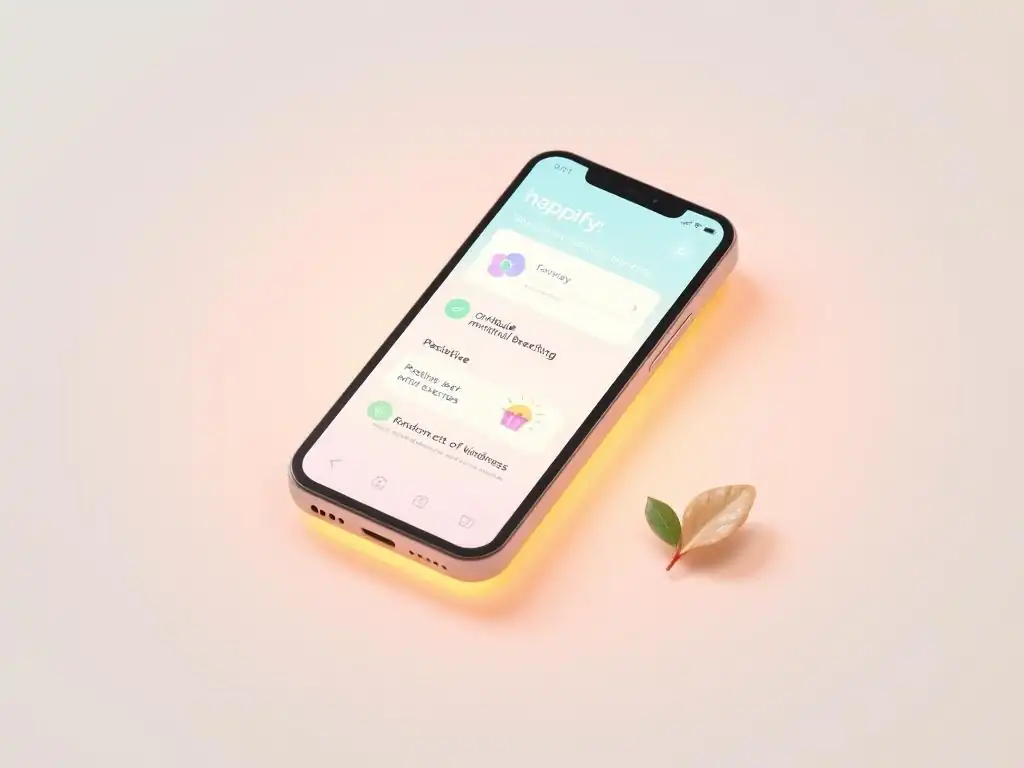
Happify takes a unique, gamified approach to mental well-being, blending principles of positive psychology, CBT, and mindfulness. Instead of traditional lessons or exercises, Happify presents science-based activities and games designed to build skills for overcoming negative thoughts, coping with stress, and building resilience. The app focuses on cultivating positive emotions and habits, which can be particularly helpful for individuals experiencing the emotional flatness or negativity associated with depression.
The app's activities are grouped into "Tracks" targeting specific goals, such as conquering negative thoughts, building self-confidence, or coping better with stress. Within each track, users engage with various games, quizzes, and guided exercises that apply therapeutic principles in a fun, interactive way. This gamification aims to increase user engagement and motivation, making the process of improving mental well-being feel less like work and more like play.
Happify's Engaging Activities and Games for Mood Improvement
Happify offers a diverse range of activities designed to apply principles of CBT and positive psychology. Examples include games where users identify and challenge negative thoughts (similar to cognitive restructuring), activities focused on practicing gratitude, exercises for savoring positive experiences, and guided meditations. One popular activity might involve sorting positive and negative words quickly to train the brain towards more positive associations.
The app tracks progress through scores and levels, providing visual feedback on skill development. Activities are often short, making them easy to fit into a busy schedule. By focusing on building positive emotions and thought patterns, Happify complements the more deficit-focused approach of traditional CBT by actively cultivating well-being alongside addressing symptoms of depression.
Happify's Subscription Model and Free Trial
Happify follows a freemium model. Users can access a limited number of activities and tracks for free, allowing them to experience the app's unique approach and see if it resonates with them. This free tier provides a good introduction to the gamified format and some core exercises.
To unlock the full library of tracks and activities, users need to subscribe to Happify Plus. Premium subscription costs can vary but often fall in the range of $11.99 to $14.99 USD per month, or a discounted annual rate, potentially around $69.99 to $99.99 USD per year. They also occasionally offer lifetime subscriptions. A free trial of Happify Plus is often available, allowing users to explore the premium content before subscribing.
Is Happify Effective for Depression? A Balanced Perspective
Happify's approach, while less conventional than pure CBT apps for depression, is grounded in principles shown to improve mood and well-being. Studies conducted by Happify and some independent research suggest that regular use can lead to reductions in symptoms of anxiety and depression and increases in positive emotions. For instance, one study published by the company reported that 86% of users who used the app regularly (at least 4 times a week for 8 weeks) reported feeling happier.
However, its gamified nature and focus on positive psychology mean it may not provide the same depth of structured cognitive restructuring or behavioral activation exercises found in more traditional CBT apps. It might be most effective as a supplementary tool, particularly for individuals who struggle with motivation or prefer a more engaging, less clinical approach. It is likely most beneficial for mild to moderate depression or as a tool to maintain well-being after more intensive treatment.
CBT Thought Record Diary: Identifying and Challenging Negative Thoughts (Focus: Core CBT Techniques)
The CBT Thought Record Diary app (and similar apps with this focus) zeroes in on a fundamental technique in cognitive behavioral therapy: the thought record. This type of app is less about broad mental wellness and more about providing a dedicated tool for users to practice cognitive restructuring consistently. It guides users through the process of documenting upsetting situations, identifying the automatic negative thoughts that arise, noting the emotions and physical sensations associated with those thoughts, and then critically evaluating the evidence for and against the thoughts before identifying a more balanced or realistic perspective.
These apps are often designed for individuals already familiar with CBT principles, perhaps through therapy, or those who want a focused tool to apply this specific technique diligently. They serve as digital diaries specifically structured around the CBT thought record framework, making the process systematic and easier to track over time. Unlike comprehensive platforms, their strength lies in their simplicity and dedication to this core CBT exercise, which is highly effective for challenging the negative thought patterns characteristic of depression.
Key Features: Thought Records, Cognitive Restructuring, and Mood Tracking
The primary feature of a CBT Thought Record Diary app is the guided template for completing thought records. Users are prompted step-by-step to describe the situation, list their feelings (e.g., sadness, anxiety, anger) and rate their intensity, identify the specific automatic negative thoughts that occurred, and note related physical sensations. The app then guides them through the process of identifying cognitive distortions (e.g., all-or-nothing thinking, catastrophizing) present in their thoughts.
Crucially, the app provides sections to challenge the negative thoughts by listing evidence that supports the thought and, more importantly, evidence that contradicts it. Finally, users are guided to come up with a more balanced or alternative thought and rate the intensity of their feelings after challenging the original thought. Many such apps also include basic mood tracking to see how completing thought records correlates with changes in emotional intensity over time. Some may offer summaries or charts of frequently occurring negative thoughts or distortions.
Pricing and Accessibility
Many basic CBT Thought Record Diary apps are available for free, offering the core thought record functionality without charge. These free versions are often sufficient for users who primarily need a digital template for this exercise. This makes the fundamental practice of cognitive restructuring highly accessible.
More advanced versions or alternative apps focusing on thought records might offer premium features for a fee. These could include cloud syncing, more detailed analytics on thought patterns, integration with other health data, or additional CBT exercises beyond the thought record. Premium access, if offered, might range from a one-time purchase of a few dollars to a low monthly or annual subscription, typically less expensive than comprehensive CBT apps for depression, perhaps ranging from $1.99 to $5.99 per month or $10 to $30 per year.
Pros and Cons: Simplicity vs. Comprehensive Features
- Pros:
- Highly focused on a core, evidence-based CBT technique (thought records).
- Often free or very low cost, making it highly accessible.
- Simple interface focused on the task at hand.
- Excellent for individuals familiar with CBT who need a structured tool for practice.
- Helps users systematically identify and challenge negative thought patterns.
- Cons:
- Lacks the breadth of features found in comprehensive CBT apps (e.g., behavioral activation guidance, extensive educational content, community features).
- May require users to already understand the basics of thought records or be used in conjunction with therapy.
- Can feel repetitive if not combined with other techniques or support.
- User interface might be basic compared to more polished apps.
Choosing the Right CBT App for Your Needs: Key Considerations
Choosing the right CBT app for depression is a personal process, as what works well for one person may not be the best fit for another. It's important to consider your specific goals, preferences, and the severity of your depression when making a decision. Think about what you hope to gain from using an app – are you looking for help identifying negative thoughts, building positive habits, needing support between therapy sessions, or exploring CBT techniques for the first time? Understanding your needs is the first step in finding a tool that will genuinely support your mental wellness journey.
Consider the different approaches each app takes. Some are comprehensive toolkits, others focus on specific techniques like mindfulness or thought records, and some use unique formats like AI chatbots or gamification. Reflect on which style you are most likely to engage with consistently. An app is only effective if you use it regularly, so finding one that fits your personality and habits is crucial. Also, consider the technical requirements and user interface – is it easy to navigate? Is the design appealing to you?
Identifying Your Specific Needs and Goals in Depression Management
Before downloading any app, take some time to clarify what aspects of depression you want to address with a digital tool. Are you struggling most with persistent negative thoughts? Do you need help finding motivation to engage in activities? Is poor sleep a major issue? Are you looking for ways to practice skills learned in therapy? Your answers will help you narrow down the options. For example, if thought challenging is your priority, a dedicated thought record app might be ideal. If behavioral activation is key, look for apps that help you set and track activity goals.
Setting clear, realistic goals for using a CBT app for depression can also increase your chances of success. Instead of a vague goal like "feel better," aim for something specific, like "complete one thought record exercise three times a week" or "use the behavioral activation planner daily to schedule one enjoyable activity." Knowing your needs and goals will help you evaluate which app's features and focus align best with what you are trying to achieve in managing your depression.
Evaluating App Features: What's Important to You? (e.g., Mood Tracking, Guided Exercises, Community Support)
Different CBT apps for depression offer varying sets of features. Make a list of features that are important to you.
- Do you want detailed mood tracking with analysis?
- Are guided audio or video exercises preferred over text-based ones?
- Is access to structured thought record templates essential?
- Do you need tools for setting and tracking behavioral goals?
- Are you interested in mindfulness or meditation content?
- Is a community forum or peer support feature important (though less common in strictly CBT apps)?
- Do you need educational content explaining CBT principles?
- Is offline access necessary?
Consider which of these features are 'must-haves' and which are 'nice-to-haves'. For instance, if you are already working with a therapist on thought challenging, a simple thought record app might be enough to supplement your work. If you are exploring CBT on your own, a more comprehensive app with educational content and various exercise types might be better.
Free Trials and App Demos: Testing Before Committing
Most reputable CBT apps for depression offer either a free version with limited features or a free trial period (e.g., 7, 14, or 30 days) for their premium content. This is a crucial step in the selection process. Do not commit to a long-term subscription without trying the app first. Download a few apps that seem promising based on their descriptions and your identified needs.
Use the free trial or free version to explore the interface, try out the core exercises, and see how you feel using the app. Is it intuitive? Is the content easy to understand? Do you find yourself actually wanting to use it? A trial period allows you to assess the user experience and determine if the app's approach is a good fit for you before investing any money. This is particularly important given the variety in styles, from gamified to conversational to structured exercises.
Reading Reviews and Testimonials: Learning from Others' Experiences with Depression Apps
Before making a final decision, take the time to read reviews and testimonials from other users, particularly those who have used the app for depression management. Look at reviews on app stores, reputable mental health websites, and forums. Pay attention to comments about:
- The effectiveness of the app's tools for managing symptoms.
- The user-friendliness of the interface.
- Reliability and technical glitches.
- Customer support responsiveness (if applicable).
- The value for money, especially for paid subscriptions.
While individual experiences vary, recurring themes in reviews can provide valuable insights into an app's strengths and weaknesses. Look for reviews that specifically mention using the app for depression rather than just general stress or anxiety. This can give you a better sense of how well the CBT tools for depression within that specific app are perceived by users with similar challenges.
Maximizing the Benefits of CBT Apps for Depression

Simply downloading a CBT app for depression is not enough to see significant improvement in your mental well-being. Like any therapeutic tool, its effectiveness depends largely on how consistently and intentionally you use it. Integrating the app into your daily routine and actively engaging with its features are key steps to maximizing its potential benefits. Think of the app as a workout plan for your mind – regular practice yields the best results.
Consistency is often more important than the duration of each session. Even spending just 5-10 minutes daily or a few times a week practicing a CBT technique like thought challenging or using a guided meditation can make a difference over time. Find a time and place where you can focus without distractions, whether it's first thing in the morning, during a lunch break, or before bed. Making it a habit increases the likelihood that you'll stick with it and gain skills to better manage your depression.
Integrating CBT Apps into Your Daily Routine
Making a CBT app for depression a regular part of your day requires conscious effort, especially when motivation is low, which is common with depression. Try linking app usage to an existing habit. For example, if you have coffee every morning, open the app and complete a quick exercise while you sip your coffee. If you unwind in the evening, spend 10 minutes with a guided meditation or filling out a thought record. Scheduling app time in your calendar can also help create structure and reminders.
Start small to build momentum. Don't feel pressured to use every feature or spend hours on the app daily. Choose one or two exercises or tracking features that seem most relevant to your current needs and focus on using those consistently for a week. Once that feels manageable, you can gradually add more. The goal is to build a sustainable practice that fits into your life, rather than an overwhelming task that adds to your stress.
Combining CBT Apps with Traditional Therapy and Medication (if applicable)
CBT apps for depression are powerful tools, but they are generally intended to supplement, not replace, professional mental health care. If you are seeing a therapist or psychiatrist, discuss your intention to use a CBT app with them. They can offer guidance on which apps might be most beneficial for you and how to integrate app usage with your therapy goals or medication regimen.
Using an app alongside therapy can be incredibly effective. You can practice skills learned in sessions between appointments, reinforcing new ways of thinking and behaving. Sharing your progress from the app (like mood tracking data or completed thought records, if the app allows export or summary) with your therapist can also provide valuable insights for your sessions. Apps can help bridge the gap between therapy sessions, providing support and structure throughout the week.
Tracking Your Progress and Adjusting Your Approach
Most CBT apps for depression offer some form of progress tracking, whether it's through mood charts, completion streaks for exercises, or summaries of thought patterns. Regularly reviewing this data can be motivating and provide valuable insights into what techniques are helping and what might not be working as well. Seeing a visual representation of your mood changes over time or recognizing patterns in your negative thoughts can reinforce the benefits of using the app and help you understand your depression better.
Based on your tracking and how you feel, don't hesitate to adjust how you use the app. If a particular type of exercise isn't resonating, try another. If you're finding thought records overwhelming, start with simpler mood tracking. If you've mastered one skill, move on to exploring another feature. Be flexible and experiment to find the most effective way to use the app for your specific needs at any given time. Your journey with depression management is dynamic, and your tools should be too.
Seeking Professional Guidance When Needed: CBT Apps as a Supplement, Not a Replacement
It's crucial to reiterate that while CBT apps for depression offer valuable support and tools, they are not a substitute for professional medical or mental health care. If you are experiencing severe symptoms of depression, including thoughts of self-harm or suicide, it is essential to seek immediate help from a crisis hotline, emergency room, or mental health professional. Apps are designed for support and skill-building, not crisis intervention.
Even for mild to moderate depression, consulting with a therapist or doctor is highly recommended. They can provide a diagnosis, create a comprehensive treatment plan, and offer personalized support that no app can fully replicate. Think of CBT apps for depression as powerful allies in your recovery journey, providing convenient access to techniques and tracking tools that complement professional guidance. They empower you to practice skills actively, but they don't replace the deep, personalized support of a human professional.
Beyond Apps: Additional Resources for Depression Support
While exploring CBT apps for depression is a great step, it's helpful to be aware of the broader ecosystem of support available. Managing depression often involves a multi-faceted approach, and combining different resources can provide a stronger safety net and more comprehensive care. Digital tools are just one piece of the puzzle; human connection and professional services remain cornerstones of effective depression treatment.
Understanding the range of available resources ensures that you have options for different needs and situations. Whether you need immediate crisis support, ongoing therapy, peer connection, or simply more information, knowing where to turn is empowering. Building a personal support network that includes digital tools, professional help, and community connections can significantly enhance your ability to navigate the challenges of depression.
Online Therapy Platforms Offering CBT (e.g., Talkspace, BetterHelp)
For individuals seeking the flexibility of digital support combined with the expertise of a licensed therapist, online therapy platforms are a significant resource. Services like Talkspace and BetterHelp connect users with licensed mental health professionals (therapists, counselors, psychologists, and sometimes psychiatrists) via text, audio, or video messaging. Many therapists on these platforms specialize in CBT and can provide guided therapy sessions tailored to your specific needs related to depression.
These platforms offer a level of personalized support and clinical expertise that CBT apps for depression cannot provide. A therapist can conduct assessments, develop individualized treatment plans, explore complex issues in depth, and provide crisis support if needed (though policies vary). While generally more expensive than self-guided CBT apps, online therapy is often more affordable and convenient than traditional in-person therapy, making it a valuable option for many.
Support Groups and Communities for Depression
Connecting with others who understand what you're going through can be incredibly validating and supportive when dealing with depression. Support groups, whether in-person or online, provide a safe space to share experiences, feelings, and coping strategies with peers. Organizations like the Depression and Bipolar Support Alliance (DBSA) or the National Alliance on Mental Illness (NAMI) offer directories of support groups.
Online communities and forums dedicated to depression can also provide a sense of connection and reduce feelings of isolation. While these are not substitutes for professional help, peer support can offer emotional validation, practical tips from lived experience, and a reminder that you are not alone in your struggles. Many CBT apps for depression do not include community features, making external support groups a valuable addition.
Crisis Hotlines and Mental Health Resources
For immediate help during a mental health crisis, such as experiencing suicidal thoughts or plans, it is absolutely critical to reach out to a crisis hotline or emergency service. These resources are staffed by trained professionals who can provide immediate support and connect you with necessary help. Examples include the National Suicide Prevention Lifeline (available 24/7), crisis text lines, or local emergency services.
Having the numbers for these resources readily available is a vital part of any mental health safety plan, especially for those managing depression. While CBT apps for depression provide tools for symptom management, they are not equipped to handle acute crises. Knowing how and when to access crisis support is paramount for safety and well-being. Local mental health authorities or national organizations can also provide information on accessing emergency services and community mental health resources.
Frequently Asked Questions
What are CBT apps and how can they help with depression?
CBT apps are digital tools that deliver Cognitive Behavioral Therapy (CBT) techniques. They help by guiding users through exercises to identify and change negative thought patterns and behaviors associated with depression.
Are CBT apps effective for everyone struggling with depression?
While CBT apps can be a valuable tool, their effectiveness varies from person to person. They're often most effective when used in conjunction with traditional therapy and/or medication, as advised by a mental health professional.
How do I choose the right CBT app for my needs?
Consider factors like the app's features, user reviews, cost, and focus. Look for apps that offer guided programs, mood tracking, and evidence-based CBT techniques. It's also useful to see if they offer a free trial.
What are some key features to look for in a good CBT app for depression?
Look for features like mood tracking, thought records, behavioral activation exercises, mindfulness exercises, and personalized recommendations. A user-friendly interface and access to support resources are also beneficial.
Can CBT apps completely replace traditional therapy for depression?
CBT apps are not a replacement for traditional therapy. They can be a helpful supplement, but for severe depression, professional guidance from a therapist or psychiatrist is crucial for effective treatment and support.
Final Reflection: Finding Light Through the Digital Landscape
The pervasive nature of depression demands innovative solutions, and the rise of accessible, guided CBT apps offers a beacon of hope in navigating this challenging landscape. These tools, once a niche offering, are now becoming increasingly vital in supplementing traditional therapeutic approaches and providing crucial support to individuals seeking help. Their accessibility and affordability are democratizing mental healthcare, making it easier than ever before to take proactive steps towards recovery.
The impact of these apps extends beyond individual users; they represent a significant shift in how we approach mental wellness. They are fostering a more open and accepting conversation around mental health, reducing the stigma associated with seeking help. This normalization is crucial for encouraging individuals to prioritize their well-being and seek support when needed. The greatest barrier to mental health care is not the lack of resources, but the lack of access.
This statement rings true, and these apps are actively working to bridge that gap, offering a pathway to care for those who may otherwise struggle to find it.
You, the reader, now hold the power to actively shape your mental health journey. Consider the information presented in this article as a starting point, a tool to empower you to explore the options available and find the app that best suits your needs and preferences. Don't hesitate to reach out for professional help alongside using these apps; they are meant to complement, not replace, professional care. Embrace this opportunity to invest in your well-being – your journey towards a brighter future begins with a single step, a single download, a single act of self-care.
Unlock Your Inner Strength: Take the Next Step Towards Well-being
Thanks for taking the time to explore practical ways to navigate depression. We hope this guide equipped you with valuable insights and resources. Now it's time to turn knowledge into action!
- Prioritize your mental health: Download one of the CBT apps mentioned in the article and dedicate just 15 minutes a day to guided exercises. This is your first step toward positive change.
- Share this article with a friend or family member who might find it helpful. Supporting each other is crucial in overcoming challenges.
- Consider joining an online support group—a community can provide invaluable encouragement and understanding.
What small step will you take today to nurture your mental well-being?