
Stroke Recovery: Inspiring Examples of Brain Plasticity's Power

Welcome to Mind Care Guide, a sanctuary for understanding and nurturing your mental well-being.
Are you or someone you know navigating the challenging path of stroke recovery? It's easy to feel overwhelmed, but there's hope. Discover how the incredible power of brain plasticity techniques can unlock new possibilities for healing and adaptation. Read on to learn about inspiring examples and actionable strategies that can make a real difference. Let's explore the science and find the path forward, together.
Stroke Recovery: Inspiring Examples of Brain Plasticity's Power
- Understanding Stroke and the Potential for Recovery Through Brain Plasticity
-
Inspiring Stroke Recovery Stories: Showcasing the Power of Brain Plasticity
- Case Study 1: Regaining Motor Skills After a Stroke Through Intensive Therapy
- Case Study 2: Speech Recovery After Stroke: The Power of Constraint-Induced Language Therapy (CILT)
- Case Study 3: Overcoming Hemiparesis Through Adaptive Sports and Community Integration
- Case Study 4: Recovering Cognitive Function After Stroke Through Targeted Memory Training
-
Stroke Recovery Brain Plasticity Techniques: Practical Approaches
- Constraint-Induced Movement Therapy (CIMT) for Upper Limb Recovery
- Mirror Therapy for Stroke Rehabilitation: Harnessing Visual Feedback
- Task-Specific Training: Relearning Everyday Activities
- Electrical Stimulation for Enhanced Motor Function After Stroke
- Virtual Reality (VR) Rehabilitation: Immersive Therapy for Brain Plasticity
-
Optimizing Brain Plasticity for Stroke Recovery: Lifestyle and Environmental Factors
- The Importance of Nutrition for Brain Health and Recovery After Stroke
- Exercise and Physical Activity: Promoting Neurogenesis and Brain Plasticity
- Sleep Hygiene and its Impact on Brain Plasticity After a Stroke
- Cognitive Stimulation and Mental Exercises for Stroke Patients
- Social Engagement and its Role in Stroke Recovery and Brain Plasticity
-
The Future of Stroke Rehabilitation: Advancements in Brain Plasticity Research
- Non-Invasive Brain Stimulation Techniques (NIBS): TMS and tDCS for Stroke Recovery
- Neurofeedback for Stroke Rehabilitation: Learning to Control Brain Activity
- Emerging Therapies and Technologies for Enhancing Brain Plasticity After Stroke
- The Potential of Biomarkers in Predicting and Monitoring Stroke Recovery
- Maximizing Your Potential for Stroke Recovery
-
Frequently Asked Questions
- What is brain plasticity and how does it relate to stroke recovery?
- What are some examples of brain plasticity techniques used in stroke recovery?
- How long does it take to see improvements using brain plasticity techniques after a stroke?
- Are brain plasticity techniques effective for all stroke survivors?
- Where can I find more information and resources about stroke recovery and brain plasticity?
- Final Reflection: Harnessing the Brain's Incredible Power of Renewal
- Unlock Your Brain's Potential: Start Your Recovery Journey Today!
Understanding Stroke and the Potential for Recovery Through Brain Plasticity
What is a Stroke and How Does it Affect the Brain?
A stroke occurs when the blood supply to part of your brain is interrupted or reduced, preventing brain tissue from getting oxygen and nutrients. This lack of blood flow can cause brain cells to die within minutes. There are two main types of stroke: ischemic stroke, caused by a blocked artery, and hemorrhagic stroke, caused by a ruptured blood vessel.
The effects of a stroke depend on the area of the brain affected and the extent of the damage. Common impairments include difficulty with movement (paralysis or weakness), speech and language problems (aphasia), sensory changes, cognitive deficits (memory, thinking, problem-solving), and emotional changes.
The brain is an incredibly complex organ, and damage from a stroke can disrupt intricate neural networks responsible for various functions. For instance, damage to the left hemisphere often impacts language and logical thinking, while damage to the right hemisphere can affect spatial awareness and creativity. Motor control is typically managed by the motor cortex, and damage here can lead to weakness or paralysis on the opposite side of the body.
Understanding which brain regions are affected is crucial for predicting potential deficits and tailoring stroke recovery brain plasticity techniques during rehabilitation. While some initial recovery happens naturally as swelling subsides, significant long-term recovery relies heavily on the brain's ability to adapt.
The Role of Neuroplasticity in Stroke Rehabilitation
Neuroplasticity, often referred to as brain plasticity, is the brain's remarkable ability to reorganize itself by forming new neural connections throughout life. It allows neurons to compensate for injury and disease and adjust their activities in response to new situations or changes in their environment.
In the context of stroke recovery, neuroplasticity is the fundamental mechanism that enables the brain to rewire itself, allowing undamaged parts of the brain to take over functions previously performed by the damaged areas. This process involves changes at the cellular level, such as the growth of new synapses, and at the network level, where entire brain regions can reorganize their roles.
Rehabilitation therapies are designed to harness this innate ability of the brain. By providing targeted, repetitive stimulation and engaging the patient in specific tasks, therapists help guide the brain's rewiring process. For example, practicing reaching for an object repeatedly can help strengthen existing neural pathways or create new ones connecting the brain's motor planning areas to the muscles in the arm.
The intensity, repetition, and specificity of the rehabilitation exercises are critical factors in promoting effective neuroplastic changes. Without engaging in these activities, the brain's capacity for plastic change after a stroke may not be fully utilized, limiting the potential for recovery.
Why Brain Plasticity is Key to Recovering Function After a Stroke
Brain plasticity is not just a possibility; it is the foundation of functional recovery after a stroke. When a stroke damages a part of the brain, the surrounding healthy tissue and even distant brain areas can begin to change. Existing neural pathways may be strengthened, new connections (synapses) can form between neurons, and in some cases, the brain can even generate new neurons (neurogenesis), particularly in areas like the hippocampus. This biological flexibility allows the brain to compensate for the loss of function in the damaged region.
Effective stroke rehabilitation is essentially a process of guided brain plasticity. By challenging the brain with specific tasks – whether it's attempting to move a weakened limb, practicing speaking, or working on memory exercises – we stimulate the neural activity needed to drive these plastic changes.
For instance, if the part of the motor cortex controlling hand movement is damaged, other areas of the motor cortex, or even regions outside the motor cortex, can, over time and with intensive practice, begin to take over some of that control. This is why active participation in therapy and consistent practice are far more effective than passive approaches; they provide the brain with the necessary "training" signal to reorganize itself.
Inspiring Stroke Recovery Stories: Showcasing the Power of Brain Plasticity
Case Study 1: Regaining Motor Skills After a Stroke Through Intensive Therapy
Consider the case of a stroke survivor who experienced significant weakness and limited use of their right arm and hand following an ischemic stroke affecting the left motor cortex. Initially, they could barely lift their arm. Traditional therapy yielded slow progress. However, they were enrolled in an intensive program utilizing Constraint-Induced Movement Therapy (CIMT), a key stroke recovery brain plasticity technique. This involved restraining the unaffected left arm for several hours a day, forcing the patient to use their weakened right arm for various functional tasks like dressing, eating, and picking up objects.
Over several weeks of daily, intensive practice (often 6 hours a day), coupled with behavioral techniques to encourage use, this individual showed remarkable improvement. While full pre-stroke function might not be achieved, they regained enough control to perform essential daily activities independently, such as holding a fork, buttoning a shirt, and writing legible notes. This significant return of function was directly attributable to the intense, forced use promoting neuroplastic changes in the brain areas controlling the right arm, demonstrating how focused effort can rewire motor pathways after a stroke.
Case Study 2: Speech Recovery After Stroke: The Power of Constraint-Induced Language Therapy (CILT)
A common consequence of left-hemisphere stroke is aphasia, a disorder affecting the ability to understand or express language. Imagine a patient who, after a stroke, struggled significantly with finding words and forming sentences, making communication frustrating. Traditional speech therapy helped but progress was slow. They then participated in a program using Constraint-Induced Language Therapy (CILT), a linguistic adaptation of CIMT and a powerful stroke recovery brain plasticity technique for language deficits.
In CILT, the patient is "constrained" from using non-verbal communication methods (like gesturing) and is actively encouraged, sometimes even required, to use verbal language to achieve communicative goals in structured therapy sessions and everyday interactions. Through intensive practice (often 3-4 hours daily) involving specific language tasks like describing pictures or objects, engaging in structured conversations, and answering questions using full sentences, this patient saw substantial improvement in their ability to retrieve words and construct grammatically correct phrases.
This therapy stimulated neuroplastic changes in language-related brain areas, including potential recruitment of homologous areas in the right hemisphere, significantly improving their functional communication.
Case Study 3: Overcoming Hemiparesis Through Adaptive Sports and Community Integration
Many stroke survivors face hemiparesis, weakness on one side of the body. One inspiring example is a survivor with left-sided weakness who, after initial physical therapy, plateaued in a clinical setting. Recognizing the need for continued challenge and motivation, they joined an adaptive sports program focused on activities like adaptive cycling and rowing. These activities required coordinated use of both sides of the body, even if the weaker side needed assistance or modification initially.
Participating in these sports provided repetitive, goal-oriented movements that challenged the affected side in a functional and engaging way. The social aspect of the group also provided motivation and a sense of community, reducing isolation which can hinder recovery. While requiring significant effort, the consistent practice in a stimulating environment drove further neuroplastic adaptation. Over time, this individual saw improvements in balance, strength, and coordination on their left side, allowing them to participate more fully in daily life and recreational activities, demonstrating the long-term impact of integrating physical activity and social engagement into stroke recovery.
Case Study 4: Recovering Cognitive Function After Stroke Through Targeted Memory Training
Cognitive deficits, including memory problems, attention issues, and difficulties with executive functions, are common after a stroke. Consider a patient who struggled significantly with short-term memory and planning after a stroke, impacting their ability to manage daily tasks like remembering appointments or medication. Traditional cognitive therapy provided foundational strategies, but targeted, intensive training was needed.
This patient engaged in a personalized cognitive rehabilitation program that included specific memory exercises, such as using mnemonic devices, practicing recall of lists and schedules, and utilizing external aids like calendars and reminder apps. The program also incorporated tasks designed to improve attention and planning, such as sequencing multi-step activities or managing simulated real-life scenarios.
Through consistent, challenging practice (often 1-2 hours daily), the patient's ability to retain new information and organize their day improved noticeably. This targeted approach, focusing on specific cognitive deficits, stimulated neuroplastic changes in relevant brain networks, highlighting that stroke recovery brain plasticity techniques aren't limited to motor or language skills but extend to cognitive function as well.
Stroke Recovery Brain Plasticity Techniques: Practical Approaches

Constraint-Induced Movement Therapy (CIMT) for Upper Limb Recovery
Constraint-Induced Movement Therapy (CIMT) is a widely used and evidence-based stroke recovery brain plasticity technique specifically targeting upper limb weakness (hemiparesis). The core principle is to "force" the use of the affected limb by restricting the use of the unaffected, stronger limb, typically with a mitt or sling, for a significant portion of the day (often 6-8 hours). This constraint is combined with intensive, repetitive task-specific training of the affected limb for several hours daily, often over a concentrated period of 2-3 weeks.
The intense and repetitive use of the weakened limb drives neuroplastic changes by strengthening existing neural pathways and potentially recruiting new brain areas to control movement. Research has consistently shown that CIMT can lead to clinically significant improvements in the function and real-world use of the affected arm and hand in patients with some residual movement ability. While challenging, the forced use overcomes the learned non-use phenomenon, where patients avoid using the weaker limb, further embedding the deficit.
Mirror Therapy for Stroke Rehabilitation: Harnessing Visual Feedback
Mirror therapy is an innovative and accessible stroke recovery brain plasticity technique that utilizes visual illusion to stimulate movement and reduce pain or swelling in the affected limb. It involves placing a mirror beside the affected limb, positioned so that the reflection of the unaffected limb is superimposed over the view of the affected limb. The patient then performs movements with their unaffected limb while watching its reflection in the mirror, which creates the illusion that the affected limb is moving normally.
This visual feedback tricks the brain into perceiving movement and sensation in the affected limb, even if it is not moving. This process is believed to activate motor and sensory areas in the brain that correspond to the affected limb, potentially promoting neuroplastic changes and helping to reorganize neural pathways. Studies suggest mirror therapy can improve motor function, reduce pain (like complex regional pain syndrome), and decrease swelling in the affected hand or arm, making it a valuable adjunct to other rehabilitation methods.
Task-Specific Training: Relearning Everyday Activities
Task-specific training is a fundamental stroke recovery brain plasticity technique that involves practicing real-life, functional activities that are meaningful to the patient. Instead of just performing isolated movements, patients repeatedly practice specific tasks they want to regain the ability to do, such as buttoning a shirt, picking up a cup, walking on different surfaces, or writing their name. This approach emphasizes the importance of practicing movements in the context in which they will be used.
The rationale behind task-specific training is that the brain learns and reorganizes most effectively when engaged in goal-directed, functional activities. Repeating a specific task helps to strengthen the neural circuits required for that particular action. For example, practicing the complex sequence of movements needed to tie a shoelace provides more relevant neural stimulation for that skill than simply doing generic finger exercises. This technique is highly adaptable to individual needs and goals, making it a cornerstone of most stroke rehabilitation programs.
Electrical Stimulation for Enhanced Motor Function After Stroke
Electrical stimulation is a technique that uses electrical currents to activate nerves or muscles, often employed as a stroke recovery brain plasticity technique to improve motor function. Surface electrodes are placed on the skin over specific muscles or nerves in the affected limb. Low-level electrical pulses are delivered, causing the muscles to contract. This can be used to prevent muscle atrophy, reduce spasticity, or, more importantly, to facilitate voluntary movement.
When electrical stimulation is paired with attempted voluntary movement by the patient (neuromuscular electrical stimulation - NMES), it can enhance the signal from the brain to the muscle. This paired activity provides a stronger input to the brain, reinforcing the neural pathways being used for the attempted movement. This type of therapy is believed to promote neuroplasticity by strengthening the connections between the brain and the muscles, helping patients regain better control and coordination of their affected limbs.
Virtual Reality (VR) Rehabilitation: Immersive Therapy for Brain Plasticity
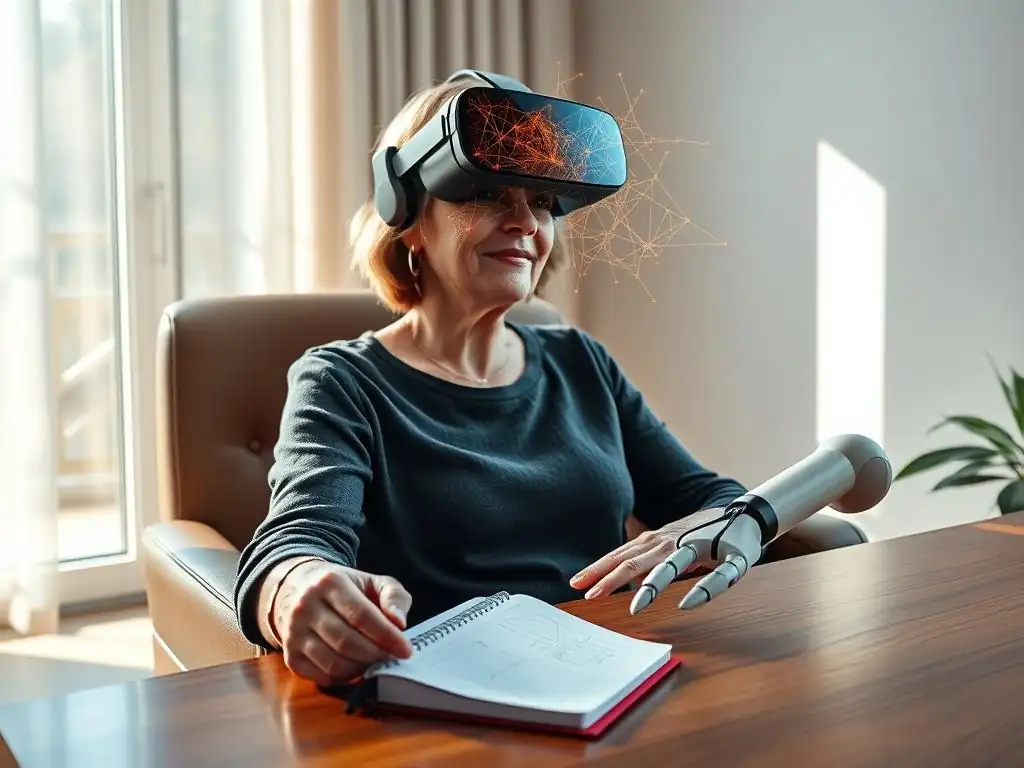
Virtual Reality (VR) rehabilitation is an increasingly popular and engaging stroke recovery brain plasticity technique that uses immersive digital environments to provide therapeutic exercises. Patients wear VR headsets and interact with virtual worlds using their affected limbs. These programs can simulate real-life tasks, create engaging games that require specific movements, or provide scenarios for practicing balance and coordination.
VR offers several advantages: it can make repetitive exercises more motivating and enjoyable, provide real-time feedback on performance, allow for the safe practice of challenging tasks (like navigating obstacles), and easily adjust the difficulty level. The immersive nature of VR can capture a patient's attention, potentially leading to higher intensity practice. This engaging, interactive approach provides rich sensory and motor input that can stimulate neuroplastic changes in the brain, helping to improve motor skills, balance, and cognitive functions in stroke survivors.
Optimizing Brain Plasticity for Stroke Recovery: Lifestyle and Environmental Factors
The Importance of Nutrition for Brain Health and Recovery After Stroke
Proper nutrition plays a vital role in supporting brain health and optimizing the conditions for neuroplasticity during stroke recovery. The brain requires a steady supply of essential nutrients to repair damaged tissue, support the growth of new neurons and synapses, and maintain overall function. A diet rich in fruits, vegetables, whole grains, lean proteins, and healthy fats (like omega-3 fatty acids found in fish) provides the building blocks and energy needed for these processes.
Specific nutrients are particularly beneficial. Omega-3 fatty acids are crucial components of brain cell membranes and have anti-inflammatory properties. Antioxidants found in colorful fruits and vegetables help protect brain cells from further damage. Adequate hydration is also essential for optimal brain function. Conversely, diets high in saturated fats, sugar, and processed foods can contribute to inflammation and oxidative stress, potentially hindering the brain's ability to heal and reorganize.
Exercise and Physical Activity: Promoting Neurogenesis and Brain Plasticity
Regular physical activity is a powerful driver of neuroplasticity and is indispensable for stroke recovery. Beyond improving physical strength and cardiovascular health, exercise has profound effects on the brain itself. Aerobic exercise, in particular, has been shown in studies to promote neurogenesis (the birth of new neurons) in certain brain regions, such as the hippocampus, which is involved in memory. It also increases the production of growth factors, such as Brain-Derived Neurotrophic Factor (BDNF), which act like fertilizer for the brain, supporting the survival of existing neurons and encouraging the growth of new synapses.
Engaging in tailored physical therapy and incorporating regular exercise into one's routine improves motor function by reinforcing motor pathways through repetitive movement – a direct stroke recovery brain plasticity technique. Even moderate activity, consistent with the individual's ability, can enhance cognitive function, mood, and overall quality of life. Finding safe and enjoyable ways to stay active, whether it's walking, cycling, or participating in adaptive sports, is crucial for long-term recovery and maximizing the brain's potential for ongoing change.
Sleep Hygiene and its Impact on Brain Plasticity After a Stroke
Quality sleep is not merely rest; it is an active state crucial for brain health, learning, and memory consolidation, all of which are essential for stroke recovery and neuroplasticity. During sleep, the brain processes information acquired during the day, strengthens neural connections, and clears metabolic waste products. Poor sleep can impair cognitive function, reduce concentration, and negatively impact mood, all of which can hinder rehabilitation progress.
Establishing good sleep hygiene – maintaining a consistent sleep schedule, creating a relaxing bedtime routine, ensuring a dark and quiet sleep environment, and avoiding stimulants before bed – can significantly improve sleep quality. Addressing sleep disorders common after stroke, such as sleep apnea, is also critical. Prioritizing sufficient, restful sleep supports the brain's ability to undergo plastic changes, consolidate new motor skills and information learned during therapy, and optimize recovery outcomes.
Cognitive Stimulation and Mental Exercises for Stroke Patients
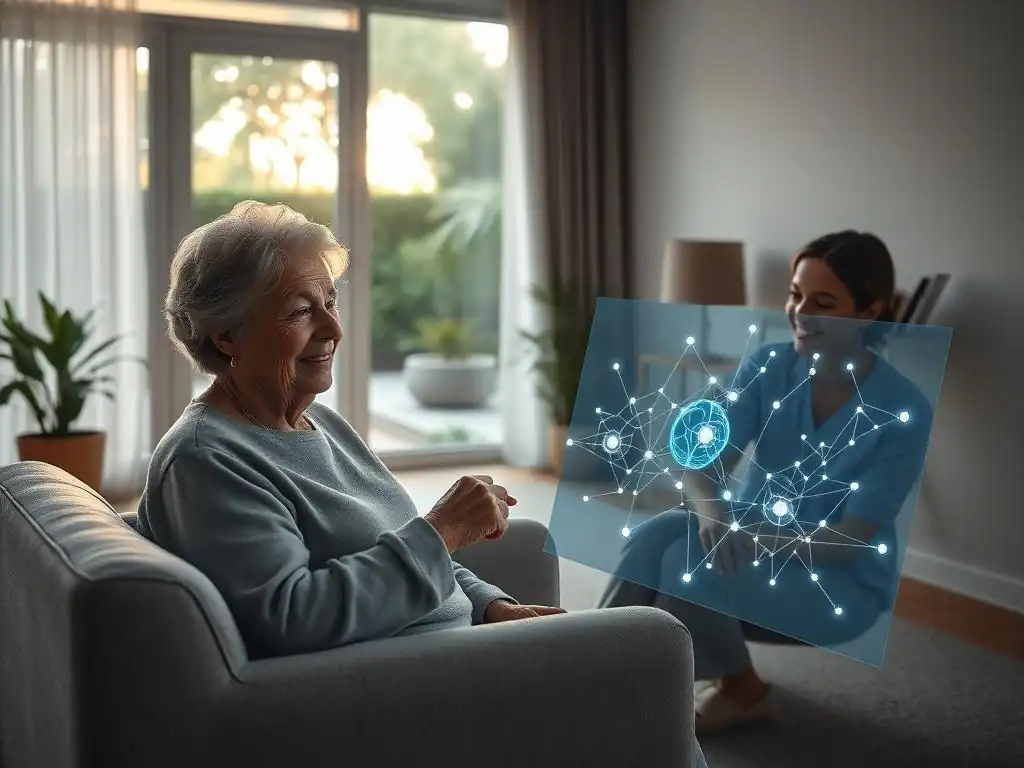
Engaging in mentally stimulating activities is just as important as physical exercise for promoting brain plasticity after a stroke, especially for recovering cognitive function. This can include reading, puzzles, games, learning new skills (within the individual's capacity), or using cognitive rehabilitation software. These activities challenge the brain's networks involved in memory, attention, problem-solving, and language.
Targeted cognitive exercises, often guided by a speech or occupational therapist, focus on specific deficits identified during assessment. For example, someone with attention issues might practice tasks requiring sustained focus, while someone with memory problems might work on recall strategies. Consistent engagement in challenging yet achievable mental tasks helps to strengthen existing neural pathways and create new ones, supporting the reorganization of cognitive functions through stroke recovery brain plasticity techniques.
Social interaction and community engagement play a significant, though often underestimated, role in stroke recovery and fostering brain plasticity. Isolation and depression are common after stroke and can negatively impact motivation, cognitive function, and overall recovery progress. Engaging with others provides emotional support, reduces stress, and offers opportunities for cognitive and linguistic stimulation.
Participating in support groups, spending time with family and friends, or engaging in community activities can provide valuable practice for communication skills, cognitive processing (following conversations, remembering names), and emotional regulation. These interactions provide meaningful context for using recovered skills and adapting to new challenges. The positive emotions associated with social connection can also influence the brain's neurochemical environment in ways that are conducive to plastic change and overall well-being.
The Future of Stroke Rehabilitation: Advancements in Brain Plasticity Research
Non-Invasive Brain Stimulation Techniques (NIBS): TMS and tDCS for Stroke Recovery
Non-Invasive Brain Stimulation (NIBS) techniques, such as Transcranial Magnetic Stimulation (TMS) and Transcranial Direct Current Stimulation (tDCS), represent exciting advancements in augmenting stroke recovery brain plasticity. These techniques deliver electrical or magnetic pulses to specific areas of the scalp to modulate the activity of underlying brain regions. The goal is to either excite underactive areas or inhibit overactive areas, helping to rebalance neural activity in the post-stroke brain and facilitate rehabilitation.
TMS uses magnetic pulses to induce electrical currents in targeted brain regions, while tDCS uses weak direct electrical currents delivered through electrodes on the scalp. Both methods are typically used in conjunction with conventional therapies (like physical or occupational therapy) to potentially enhance the effects of practice and learning. Research is ongoing to determine the optimal parameters, timing, and patient profiles for these techniques, but initial findings suggest they hold promise for improving motor, language, and cognitive recovery after stroke by priming the brain for plastic change.
Neurofeedback for Stroke Rehabilitation: Learning to Control Brain Activity
Neurofeedback is a technique that allows individuals to learn to modify their own brain activity. In the context of stroke rehabilitation, this often involves using electroencephalography (EEG) to measure brainwaves from specific areas. This brainwave activity is then displayed to the patient in real-time, often as a visual or auditory signal (e.g., a bar that goes up or down, or a sound that changes pitch). The patient is then coached to change their brain activity in a desired direction (e.g., increase activity in motor planning areas) by trying out different mental strategies.
By providing immediate feedback on their brain state, neurofeedback helps patients become more aware of their neural activity and learn to regulate it. This conscious control over brain activity is believed to promote neuroplastic changes that support functional recovery. While still a developing area, research is exploring neurofeedback's potential to improve motor control, attention, and other functions impaired by stroke by directly training the brain to adopt more optimal patterns of activity.
Emerging Therapies and Technologies for Enhancing Brain Plasticity After Stroke
Beyond NIBS and neurofeedback, a range of other emerging therapies and technologies are being explored to further enhance brain plasticity and stroke recovery. These include robotic-assisted therapy, which provides high-intensity, repetitive, and precise movement training; telerehabilitation, which uses technology to deliver therapy remotely, increasing access; and the use of pharmacotherapies or biological agents aimed at directly promoting neurogenesis or synaptogenesis.
Genetic research is also beginning to identify factors that may influence an individual's capacity for neuroplasticity and recovery. Combining these advanced technologies and potential biological interventions with traditional stroke recovery brain plasticity techniques holds the promise of developing even more effective and personalized rehabilitation strategies in the future. The goal is to create an optimal environment within the brain and provide the most potent stimuli to maximize recovery potential.
The Potential of Biomarkers in Predicting and Monitoring Stroke Recovery
The ability to predict how much a person might recover after a stroke and monitor their progress at a biological level is a key area of research. Biomarkers – measurable indicators of biological processes – are being investigated for this purpose. These could include genetic markers that influence neuroplasticity, levels of growth factors (like BDNF) in the blood, or specific patterns observed on brain imaging techniques (like fMRI or diffusion tensor imaging) that indicate the health and connectivity of neural pathways.
Identifying reliable biomarkers could help clinicians personalize rehabilitation plans from the outset, setting more accurate expectations and tailoring the intensity and type of therapy. For example, a biomarker suggesting high neuroplastic potential might indicate a patient would benefit most from intensive, challenging therapies. Monitoring these biomarkers over time could also provide objective evidence of the brain's response to therapy and ongoing plastic changes, helping to guide adjustments to the rehabilitation program.
Maximizing Your Potential for Stroke Recovery
Setting Realistic Goals and Expectations for Stroke Recovery
Setting realistic goals is a crucial first step in the stroke recovery journey. While brain plasticity offers significant potential for improvement, recovery is often a long and challenging process, and full pre-stroke function is not always achievable. Working with your rehabilitation team (physical therapists, occupational therapists, speech-language pathologists, physicians) to establish clear, achievable, and meaningful goals is essential. These goals should be specific, measurable, attainable, relevant, and time-bound (SMART).
Understanding that recovery is not linear – there will be plateaus and sometimes setbacks – helps manage expectations and prevents discouragement. Celebrating small victories along the way is vital for maintaining motivation. Having realistic expectations doesn't diminish the power of stroke recovery brain plasticity techniques; rather, it grounds the process in reality, allowing for focused effort on attainable improvements that significantly enhance independence and quality of life.
Building a Support System: Connecting with Other Stroke Survivors and Caregivers
A strong support system is invaluable during stroke recovery. Connecting with family, friends, and fellow stroke survivors provides emotional support, reduces feelings of isolation, and offers practical advice and shared experiences. Caregivers also benefit greatly from support networks, as their role can be demanding. Support groups, both in-person and online, offer a safe space to share challenges, celebrate progress, and learn from others navigating similar paths.
Hearing inspiring stories from other stroke survivors who have utilized stroke recovery brain plasticity techniques and achieved significant recovery can be incredibly motivating. Sharing your own struggles and successes can also be therapeutic. Building this community network provides a sense of belonging and reminds you that you are not alone in this journey, fostering resilience and perseverance.
The Importance of Patience and Perseverance in the Stroke Recovery Journey
Stroke recovery is often described as a marathon, not a sprint. It requires immense patience and unwavering perseverance. Neuroplastic change takes time; the brain needs repeated exposure and practice over extended periods to rewire effectively. There will be days when progress feels slow or non-existent, which can be incredibly frustrating.
Maintaining commitment to your therapy program and daily practice, even when motivation wanes, is critical. Remember that every small effort contributes to the cumulative effect of neuroplasticity. Focusing on consistency, celebrating incremental improvements, and reminding yourself of your long-term goals can help sustain perseverance through the inevitable challenges. Embracing the journey with patience allows the brain the time it needs to heal and reorganize.
Navigating the healthcare system after a stroke can be complex. Understanding the different types of therapy available, accessing qualified rehabilitation professionals, and coordinating care between multiple providers requires effort. Advocating for your needs and actively participating in treatment planning are essential.
Numerous resources are available for stroke survivors and their families, including national stroke associations, local support groups, and online communities. These resources can provide information about stroke recovery brain plasticity techniques, help locate rehabilitation facilities, offer guidance on insurance coverage, and provide emotional support. Proactively seeking out and utilizing these resources can significantly impact the quality and extent of recovery achieved.
Frequently Asked Questions
What is brain plasticity and how does it relate to stroke recovery?
Brain plasticity, also known as neuroplasticity, is the brain's ability to reorganize itself by forming new neural connections throughout life. After a stroke, this natural adaptation allows the brain to compensate for damaged areas, improving function.
What are some examples of brain plasticity techniques used in stroke recovery?
Common techniques include constraint-induced movement therapy (CIMT), task-specific training, and mirror therapy. These methods aim to stimulate new neural pathways and encourage the brain to rewire itself after a stroke.
How long does it take to see improvements using brain plasticity techniques after a stroke?
The timeline varies greatly depending on the severity of the stroke, the individual's overall health, and the consistency of therapy. Some individuals may see improvements within weeks, while others may require months of intensive rehabilitation.
Are brain plasticity techniques effective for all stroke survivors?
While brain plasticity offers hope for many, its effectiveness can vary. Factors like age, stroke location, and pre-existing conditions can influence the extent of recovery. Early intervention tends to yield better results.
Where can I find more information and resources about stroke recovery and brain plasticity?
The Mind Care Guide website is a great resource, offering information, support, and resources for stroke survivors and their families. Consult with healthcare professionals for personalized guidance and treatment options.
Final Reflection: Harnessing the Brain's Incredible Power of Renewal
The remarkable capacity of the brain to reorganize itself after a stroke—a testament to its inherent plasticity—is not just a scientific marvel, but a beacon of hope for millions. Understanding and leveraging this power is crucial, not only for improving recovery outcomes but also for fundamentally shifting our perspective on the limitations of brain injury. The inspiring stories shared throughout this article highlight the potential for significant functional recovery, even after devastating neurological events.
The journey of stroke recovery is profoundly personal, a testament to the resilience of the human spirit and the unwavering dedication of both patients and their support systems. Witnessing the transformative power of neuroplasticity techniques, from targeted therapies to lifestyle changes, has deeply impacted my understanding of the brain's adaptability. The brain is like a muscle. The more you use it, the stronger it gets.
This simple yet profound statement encapsulates the essence of stroke recovery and the importance of consistent, tailored rehabilitation. The ongoing research and innovative therapies discussed underscore the ever-evolving landscape of stroke care, offering renewed hope for future breakthroughs.
Now, consider your own life. What seemingly insurmountable challenges have you faced? How can the principles of neuroplasticity—the brain's ability to adapt and rewire itself—inspire you to overcome obstacles, both large and small? Embrace the potential within you, for the brain's capacity for change is a powerful force, capable of driving remarkable recovery and personal growth. Let the stories of resilience shared in this article serve as a catalyst for your own journey of self-discovery and empowerment. The power to heal and thrive is within you.
Unlock Your Brain's Potential: Start Your Recovery Journey Today!
Thanks for taking the time to explore the incredible power of brain plasticity and its role in stroke recovery. You've learned about inspiring examples and the possibilities ahead. Now, let's turn that knowledge into action.
- Begin your personalized recovery plan: Identify one small, achievable goal related to your recovery (e.g., increasing walking distance, practicing a specific movement, engaging in a creative hobby) and dedicate just 15 minutes a day to it.
- Share your story (or a takeaway you found particularly inspiring): Inspire others by sharing your insights or favorite examples from this article on social media. Use the hashtag #StrokeRecoveryWins.
- Connect with our community: Join our supportive forum (we'll add a link in the comments! ), where you can find encouragement, tips, and resources from others on their own stroke recovery journeys.
What small step will you take today to unlock your brain's amazing potential and celebrate your progress?