
Your Brain on Antidepressants: How Medications Target Neurochemicals

Welcome to Mind Care Guide, a safe space for exploring the intricate landscape of mental well-being. Feeling overwhelmed by the prospect of navigating antidepressant medication? You're not alone. Many grapple with understanding the potential impact of these medications. This week, we delve into antidepressant medication side effects, offering clear, compassionate guidance to help you make informed decisions about your mental health journey. Curious about what to expect? Let's explore together.
Your Brain on Antidepressants: How Medications Target Neurochemicals
- Understanding Antidepressants and Brain Chemistry
- How Antidepressants Work: Targeting Specific Neurochemicals
- Antidepressant Medication Side Effects: A Comprehensive Guide
- Long-Term Effects of Antidepressant Use
- Antidepressants and the Individual: Personalized Treatment Approaches
- The Future of Antidepressant Research: New Targets and Approaches
- Conclusion: Empowering Informed Decisions About Antidepressants
-
Frequently Asked Questions
- What are the most common side effects associated with antidepressant medication?
- How do antidepressants actually work in the brain?
- Are antidepressant side effects always permanent?
- What should I do if I experience severe or intolerable side effects from my antidepressant?
- Is it possible to prevent or minimize antidepressant medication side effects?
- Final Reflection: Understanding the Mind's Chemistry and Our Choices
- Unlock Your Brain's Potential: Next Steps to Understanding Antidepressants
Understanding Antidepressants and Brain Chemistry
Introduction to Antidepressants: A Mind Care Guide Overview
Antidepressants are a class of medications primarily used to treat mood disorders such as major depressive disorder and various anxiety disorders. They are not a cure, but rather a tool that can help manage symptoms, often making it easier for individuals to engage in therapy and other beneficial lifestyle changes. The goal is typically to alleviate debilitating symptoms like persistent sadness, loss of interest, fatigue, and anxiety, allowing individuals to regain function and improve their quality of life.
These medications work by affecting specific chemical messengers in the brain, known as neurotransmitters. While the exact cause of mood disorders is complex and not fully understood, imbalances or dysregulation in these neurotransmitter systems are believed to play a significant role.
Antidepressants aim to restore a more balanced chemical environment in the brain, which in turn can help regulate mood, sleep, appetite, and other functions often disrupted by these conditions. They are a cornerstone of treatment for many, often prescribed after careful evaluation by a healthcare professional who considers the individual's specific symptoms, medical history, and potential for antidepressant medication side effects.
The Role of Neurotransmitters in Mood Regulation
Key Neurotransmitters Involved: Serotonin, Norepinephrine, Dopamine
Neurotransmitters are endogenous chemicals that transmit signals across a synapse from one neuron (nerve cell) to another target neuron. Several neurotransmitters are implicated in the regulation of mood, emotion, sleep, appetite, and cognitive functions. Among the most studied in relation to mood disorders are serotonin, norepinephrine, and dopamine.
Serotonin is often associated with feelings of well-being and happiness, but it also plays crucial roles in sleep, appetite, digestion, learning ability, and memory. Norepinephrine is involved in the body's "fight or flight" response, influencing alertness, arousal, attention, and stress responses. Dopamine is key to the brain's reward system, motivation, pleasure, and motor control. These chemicals don't act in isolation; they interact in complex ways throughout the brain.
How Imbalances Contribute to Mood Disorders
The hypothesis linking neurotransmitter imbalances to mood disorders suggests that insufficient levels or impaired signaling of these chemicals can lead to symptoms of depression and anxiety. For instance, lower levels of serotonin have been associated with feelings of sadness and anxiety, while disruptions in norepinephrine and dopamine pathways can contribute to fatigue, lack of motivation, and difficulty concentrating often seen in depression.
It's important to understand that this is not a simple "chemical deficiency" model. The relationship is much more intricate, involving how neurons respond to these chemicals, the number and sensitivity of receptors, and the overall complex circuitry of the brain. Antidepressants aim to modulate these systems to improve signaling, rather than simply "adding" more chemicals. Research continues to explore the precise ways these imbalances manifest and how they are influenced by genetic, environmental, and psychological factors.
How Antidepressants Work: Targeting Specific Neurochemicals
Selective Serotonin Reuptake Inhibitors (SSRIs): Mechanisms of Action
Selective Serotonin Reuptake Inhibitors (SSRIs) are the most commonly prescribed type of antidepressant medication. Their primary mechanism of action involves blocking the reabsorption (reuptake) of serotonin by the neurons that released it. Normally, after serotonin transmits a signal across the synapse, it is quickly taken back up by the sending neuron.
By inhibiting this reuptake process, SSRIs increase the concentration of serotonin in the synaptic cleft – the space between neurons. This increased availability of serotonin allows it to bind to receptors on the receiving neuron for a longer duration, potentially enhancing neurotransmission in pathways believed to regulate mood. The therapeutic effects of SSRIs typically take several weeks to become apparent, suggesting that the benefits involve more than just an immediate increase in serotonin levels; they likely involve adaptive changes in brain circuitry over time.
SSRIs and Serotonin Levels in the Brain
SSRIs work specifically on the serotonin transporter protein. By binding to this protein, they prevent it from efficiently clearing serotonin from the synapse. While the immediate effect is an increase in synaptic serotonin, the brain's response is dynamic. Over time, there can be changes in the sensitivity and number of serotonin receptors, as well as downstream effects on gene expression and neuroplasticity. This process is thought to contribute to the delayed onset of clinical improvement seen with these medications.
For example, studies have shown that with chronic SSRI treatment, there can be a desensitization of certain serotonin autoreceptors (receptors on the sending neuron that regulate its own serotonin release), leading to further increases in serotonin release. This complex cascade of events highlights that the impact of SSRIs extends beyond simply increasing serotonin availability; it involves a recalibration of serotonin signaling pathways, which is why patience is required when starting this type of antidepressant medication.
Common SSRI Medications: Fluoxetine, Sertraline, Paroxetine
Several SSRIs are widely prescribed, each with slightly different chemical structures, pharmacokinetic profiles (how the body absorbs, distributes, metabolizes, and excretes the drug), and potential for antidepressant medication side effects. Fluoxetine (Prozac) was one of the first SSRIs and is known for its longer half-life compared to others in the class. This means it stays in the body longer, which can be beneficial for adherence but may also mean side effects persist longer if they occur.
Sertraline (Zoloft) is another frequently prescribed SSRI, often favored for its relatively lower potential for drug interactions compared to some other antidepressants. Paroxetine (Paxil) has a shorter half-life and is sometimes associated with a higher incidence of certain side effects, such as sedation and weight gain, as well as a greater risk of discontinuation symptoms if stopped abruptly. The choice of a specific SSRI depends on individual factors, including the target symptoms, potential interactions with other medications, and the likelihood of experiencing specific antidepressant medication side effects.
Serotonin-Norepinephrine Reuptake Inhibitors (SNRIs): Dual Action
Serotonin-Norepinephrine Reuptake Inhibitors (SNRIs) represent another major class of antidepressants. As their name suggests, they work by inhibiting the reuptake of two key neurotransmitters: serotonin and norepinephrine. Similar to SSRIs, they block the transporter proteins responsible for clearing these neurotransmitters from the synaptic cleft, leading to increased concentrations of both serotonin and norepinephrine available to bind to receptors on receiving neurons.
The dual action of SNRIs is thought to be beneficial for certain types of depression, particularly those involving symptoms related to low energy, fatigue, and difficulty concentrating, which may be more strongly linked to norepinephrine deficiency. They are also often effective in treating anxiety disorders and certain chronic pain conditions, which are sometimes co-occurring with depression and may involve dysregulation of these neurotransmitter systems.
SNRIs and the Regulation of Serotonin and Norepinephrine
SNRIs target both the serotonin transporter (SERT) and the norepinephrine transporter (NET). Different SNRIs have varying degrees of potency for inhibiting the reuptake of each neurotransmitter. For example, some SNRIs may have a stronger effect on serotonin reuptake at lower doses and only significantly affect norepinephrine reuptake at higher doses, while others have a more balanced effect across dose ranges.
This dual mechanism provides a broader impact on neurotransmitter systems compared to SSRIs. The increased availability of both serotonin and norepinephrine in the synapse is believed to modulate neural circuits involved in mood, stress response, and vigilance. While effective for many, the broader action also means that the profile of antidepressant medication side effects can differ slightly from SSRIs, sometimes including effects related to norepinephrine increase, such as increased heart rate or blood pressure.
SNRI Medications: Venlafaxine, Duloxetine, Desvenlafaxine
Commonly prescribed SNRI medications include venlafaxine (Effexor), duloxetine (Cymbalta), and desvenlafaxine (Pristiq). Venlafaxine is notable for its dose-dependent effects; at lower doses, it primarily acts like an SSRI, while at higher doses, its norepinephrine reuptake inhibition becomes more significant. It is used for major depressive disorder, generalized anxiety disorder, panic disorder, and social anxiety disorder.
Duloxetine is approved for major depressive disorder, generalized anxiety disorder, fibromyalgia, chronic musculoskeletal pain, and diabetic peripheral neuropathic pain, highlighting the SNRI class's utility beyond mood alone. Desvenlafaxine is the active metabolite of venlafaxine and is also used for major depressive disorder. When considering these options, healthcare providers weigh their efficacy for specific symptoms against their potential for antidepressant medication side effects, such as nausea, dizziness, and increases in blood pressure or heart rate.
Tricyclic Antidepressants (TCAs): A Broader Approach
Tricyclic Antidepressants (TCAs) are an older class of antidepressants, named for their distinctive three-ring chemical structure. They primarily work by inhibiting the reuptake of both serotonin and norepinephrine, similar to SNRIs. However, TCAs also have significant effects on other neurotransmitter systems, including blocking receptors for acetylcholine, histamine, and alpha-adrenergic receptors.
This broader pharmacological profile means that while TCAs can be very effective for severe depression, they are also associated with a wider range of antidepressant medication side effects compared to newer classes like SSRIs and SNRIs. Due to their less favorable side effect profile and potential for toxicity in overdose, TCAs are generally not the first-line treatment for depression anymore, but they remain valuable options for individuals who do not respond to newer medications or for treating specific conditions like certain types of chronic pain or migraine prevention.
How TCAs Affect Multiple Neurotransmitters
TCAs block the reuptake pumps for serotonin and norepinephrine, increasing their concentrations in the synapse. However, their affinity for other receptors contributes significantly to their side effect burden. Blocking muscarinic acetylcholine receptors can lead to anticholinergic effects like dry mouth, blurred vision, constipation, and urinary retention. Blocking histamine H1 receptors can cause sedation and weight gain. Blocking alpha-1 adrenergic receptors can result in dizziness and orthostatic hypotension (a drop in blood pressure upon standing).
This multi-target action explains why TCAs can be potent but also challenging to tolerate for some patients. The balance between therapeutic effects on serotonin and norepinephrine and off-target effects on other receptors is a key factor in their use. Prescribing TCAs requires careful consideration of a patient's overall health, potential drug interactions, and a thorough discussion of the potential antidepressant medication side effects.
TCA Medications: Amitriptyline, Nortriptyline, Imipramine
Examples of commonly used TCAs include amitriptyline (Elavil), nortriptyline (Pamelor), and imipramine (Tofranil). Amitriptyline is often prescribed for its sedative properties and is frequently used off-label for nerve pain and migraine prophylaxis, in addition to depression. Nortriptyline is a metabolite of amitriptyline and is sometimes considered slightly better tolerated, particularly regarding orthostatic hypotension.
Imipramine was one of the first TCAs developed and is used for depression and sometimes for panic disorder or childhood enuresis (bedwetting). Due to the significant potential for antidepressant medication side effects, particularly anticholinergic effects, cardiac conduction abnormalities, and sedation, these medications are typically started at low doses and titrated slowly. Monitoring is often required, especially for cardiac effects in vulnerable patients.
Monoamine Oxidase Inhibitors (MAOIs): Inhibiting Enzyme Activity
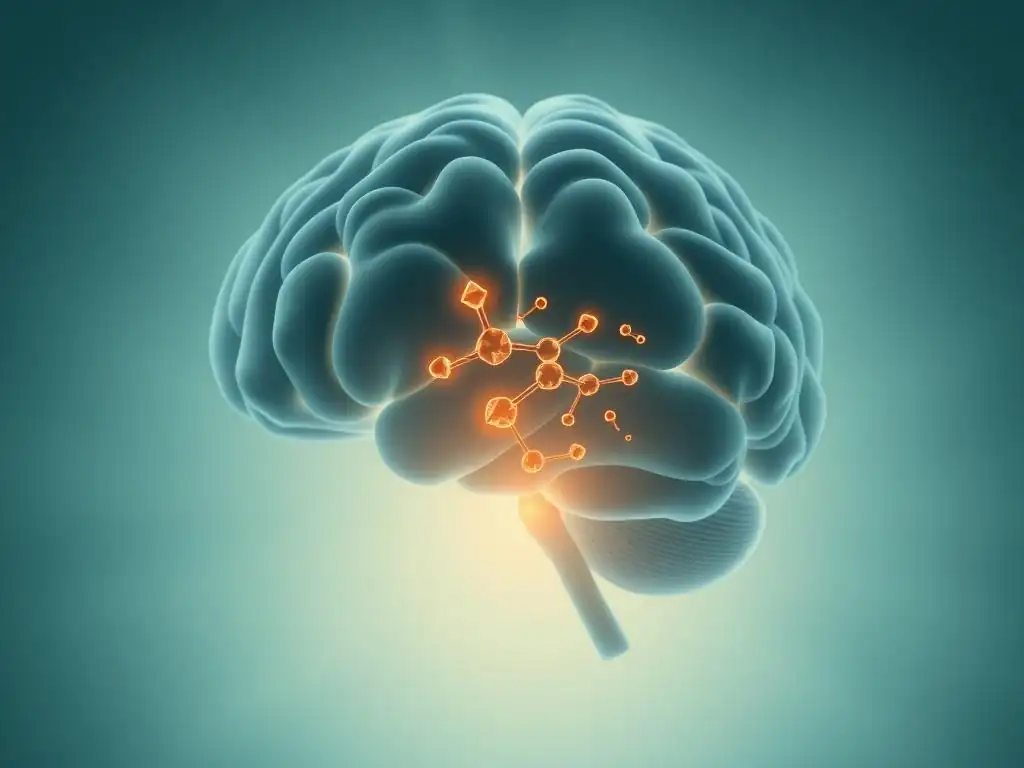
Monoamine Oxidase Inhibitors (MAOIs) are another older class of antidepressants. Their mechanism of action is distinct from reuptake inhibitors. MAOIs work by inhibiting the activity of the enzyme monoamine oxidase (MAO). MAO is responsible for breaking down neurotransmitters like serotonin, norepinephrine, and dopamine in the brain and gut.
By inhibiting MAO, these medications prevent the metabolic breakdown of these monoamine neurotransmitters, leading to increased levels available in the synaptic cleft and within the neurons themselves. MAOIs are generally reserved for cases of atypical depression or severe depression that have not responded to other antidepressant classes due to their potential for serious drug and food interactions.
MAOIs and the Prevention of Neurotransmitter Breakdown
There are two types of MAO enzymes: MAO-A and MAO-B. MAO-A primarily metabolizes serotonin, norepinephrine, and tyramine (a substance found in certain foods). MAO-B primarily metabolizes dopamine and other trace amines. Most MAOIs used as antidepressants inhibit both MAO-A and MAO-B non-selectively and irreversibly, meaning the enzyme activity is restored only after the body produces new enzyme, which can take up to two weeks after stopping the medication.
This broad inhibition leads to a significant increase in the levels of multiple neurotransmitters. While this can be very effective in treating depression, it also underlies the major safety concerns associated with MAOIs. The inhibition of MAO-A in the gut prevents the breakdown of dietary tyramine, which can lead to dangerously high blood pressure (hypertensive crisis) if foods rich in tyramine are consumed. This necessitates strict dietary restrictions.
MAOI Medications: Phenelzine, Tranylcypromine, Isocarboxazid
Commonly prescribed MAOI medications include phenelzine (Nardil), tranylcypromine (Parnate), and isocarboxazid (Marplan). These are considered irreversible, non-selective MAOIs. Selegiline (Emsam) is a newer MAOI available as a skin patch; at lower doses, the patch selectively inhibits MAO-B and bypasses gut metabolism, reducing the dietary restrictions compared to oral forms.
Given the risk of hypertensive crisis from tyramine-rich foods (aged cheeses, cured meats, fermented products, tap beer) and potentially fatal interactions with many other medications (including over-the-counter cold remedies, other antidepressants, stimulants), MAOIs require careful patient selection and strict adherence to dietary and medication precautions. The potential for serious antidepressant medication side effects and interactions means they are typically managed by psychiatrists experienced in their use.
Atypical Antidepressants: Unique Mechanisms
Atypical antidepressants are a diverse group of medications that do not fit neatly into the other established classes like SSRIs, SNRIs, TCAs, or MAOIs. They have unique mechanisms of action, targeting different neurotransmitter systems or acting on receptors in distinct ways. This variety provides alternative options for individuals who may not respond to or tolerate the more common antidepressant classes.
Their unique profiles mean they can offer different benefits and have different patterns of antidepressant medication side effects. For instance, some atypical antidepressants may be preferred if certain side effects (like sexual dysfunction, common with SSRIs) are particularly problematic, or if specific symptoms (like low motivation or sleep disturbances) are prominent.
Examples of Atypical Antidepressants: Bupropion, Mirtazapine, Trazodone
Examples of atypical antidepressants include bupropion (Wellbutrin), mirtazapine (Remeron), and trazodone (Desyrel). Bupropion primarily inhibits the reuptake of norepinephrine and dopamine. It is often used for major depressive disorder and is also approved for smoking cessation. It is less likely to cause weight gain or sexual dysfunction compared to SSRIs/SNRIs but carries a higher risk of seizures, particularly at higher doses or in individuals with a history of seizures or eating disorders.
Mirtazapine works by blocking specific adrenergic and serotonin receptors (specifically alpha-2 adrenergic autoreceptors, 5-HT2 and 5-HT3 receptors). This leads to increased release of norepinephrine and serotonin. It is known for its sedative properties, especially at lower doses, and can increase appetite, leading to weight gain, which might be desirable for some depressed patients but a significant antidepressant medication side effect for others. Trazodone is primarily a serotonin reuptake inhibitor and a serotonin receptor antagonist; at lower doses, it is commonly used off-label to treat insomnia due to its sedating effects, while higher doses are needed for antidepressant effects.
How Atypical Antidepressants Differ from Other Classes
The key difference lies in their specific pharmacological targets. While SSRIs focus solely on serotonin reuptake and SNRIs on serotonin and norepinephrine reuptake, atypical antidepressants have varied mechanisms. Bupropion's focus on dopamine and norepinephrine sets it apart, offering an alternative for those not responding to serotonergic agents. Mirtazapine's action on blocking specific receptors rather than just inhibiting reuptake provides a different way to modulate neurotransmitter activity.
This diversity in mechanisms allows for more tailored treatment approaches. A clinician can choose an atypical antidepressant based on a patient's specific symptom profile, co-occurring conditions (like insomnia, weight loss, or need for smoking cessation support), and sensitivity to particular antidepressant medication side effects associated with other classes. For example, if severe nausea is a problem with an SSRI, an atypical might be better tolerated, although it will likely have its own unique set of potential side effects.
Antidepressant Medication Side Effects: A Comprehensive Guide
Common Side Effects of Antidepressants
Starting any antidepressant medication can come with potential side effects, which vary significantly depending on the specific drug, dose, and individual physiology. While many side effects are mild and temporary, occurring mainly during the first few weeks of treatment, others can be more persistent or bothersome. It is crucial for patients to be aware of potential antidepressant medication side effects and discuss them openly with their healthcare provider.
Understanding what to expect can help manage anxiety about new symptoms and ensure that any concerning effects are promptly addressed. Not everyone experiences side effects, and their severity can range widely. Often, the benefits of improved mood and reduced anxiety outweigh the discomfort caused by mild side effects, but managing these effects is a key part of successful treatment adherence.
Gastrointestinal Issues: Nausea, Diarrhea
Gastrointestinal upset, including nausea and diarrhea, is among the most frequently reported antidepressant medication side effects, particularly with SSRIs and SNRIs. These symptoms often begin within the first week or two of starting the medication and tend to subside as the body adjusts. For instance, nausea is reported by approximately 10-25% of patients starting an SSRI like sertraline.
Strategies to minimize these effects include taking the medication with food or splitting the dose if appropriate (as advised by a doctor). While usually temporary, persistent or severe gastrointestinal issues should be reported to a healthcare provider, as they might indicate a need for dose adjustment or switching to a different medication.
Sexual Dysfunction: Reduced Libido, Erectile Dysfunction
Sexual dysfunction is a common and often distressing antidepressant medication side effect across several classes, including SSRIs, SNRIs, and some TCAs. Symptoms can include decreased libido (sex drive), difficulty achieving orgasm (anorgasmia), erectile dysfunction in men, and delayed ejaculation. The reported incidence varies widely but can affect a significant proportion of patients, potentially ranging from 30% to over 70% depending on the specific medication and study population.
This side effect can significantly impact a person's quality of life and relationship, sometimes leading to discontinuation of medication. Discussions with a doctor about managing this side effect are important. Options may include waiting to see if it improves over time, reducing the dose, switching to an antidepressant less likely to cause sexual side effects (like bupropion or mirtazapine), or adding another medication to counteract this specific effect.
Sleep Disturbances: Insomnia, Drowsiness
Antidepressants can affect sleep patterns in different ways. Some medications, particularly activating ones like fluoxetine or bupropion, may cause insomnia or increased anxiety, especially when first starting. Conversely, others like paroxetine, mirtazapine, or older TCAs are more likely to cause drowsiness or sedation. For instance, sedation is reported in about 20-30% of patients taking paroxetine.
The timing of the dose can sometimes help manage these antidepressant medication side effects; taking a sedating antidepressant in the evening might aid sleep, while taking an activating one in the morning might reduce nighttime wakefulness. If sleep disturbances persist and are bothersome, discussing them with a doctor is essential, as adjustments can often be made.
Weight Changes: Gain or Loss
Changes in weight are another potential antidepressant medication side effect, though the effect varies greatly between individuals and medications. Some antidepressants, such as paroxetine, mirtazapine, and TCAs, are more commonly associated with weight gain. Mirtazapine, for example, can increase appetite significantly for some individuals.
Other antidepressants, like fluoxetine or bupropion, are sometimes associated with initial weight loss or are considered weight-neutral. Moderate weight gain, often defined as a gain of 5-7% of initial body weight, can occur in a subset of patients on long-term antidepressant therapy. Monitoring weight and discussing significant changes or concerns with a healthcare provider are important aspects of managing antidepressant medication side effects.
Other Potential Side Effects: Dry Mouth, Blurred Vision, Dizziness
Beyond the most common issues, antidepressants can cause a variety of other antidepressant medication side effects. Dry mouth is a frequent complaint, particularly with TCAs due to their anticholinergic effects, but can also occur with other classes. Blurred vision is another potential anticholinergic side effect of TCAs.
Dizziness can occur with many antidepressants, especially when standing up quickly, due to effects on blood pressure regulation (more common with TCAs and SNRIs). Headaches are also possible, often transient in the initial weeks. While usually less severe than the issues mentioned above, these effects can still be bothersome and should be reported to your doctor, especially if they are persistent or interfere with daily activities.
Managing Antidepressant Side Effects
Experiencing antidepressant medication side effects can be challenging, but in many cases, they are manageable. Open and honest communication with your healthcare provider is the most critical step in navigating these issues. Do not stop taking your medication or change the dose without consulting your doctor, as this can lead to withdrawal symptoms or a return of your original symptoms.
Your doctor can help assess whether a symptom is indeed a side effect of the medication, how severe it is, and what steps can be taken. Often, simple adjustments or strategies can make a significant difference in tolerability. The goal is to find the treatment that provides the most benefit with the fewest disruptive side effects.
Strategies for Minimizing Discomfort
Several strategies can help minimize the discomfort caused by antidepressant medication side effects. For initial nausea, taking the medication with food is often effective. If drowsiness is an issue, taking the dose at bedtime might help. Conversely, if the medication is activating and causes insomnia, taking it in the morning might be better. For dry mouth, sugar-free candies or gum can provide relief.
Lifestyle adjustments can also play a role. Maintaining a healthy diet and engaging in regular physical activity can help manage potential weight changes and may improve overall well-being, potentially mitigating some side effects like fatigue. Patience is also key, as many initial side effects improve or disappear within a few weeks as the body adjusts to the medication.
When to Contact Your Doctor About Side Effects
It is important to contact your doctor about any antidepressant medication side effects that are severe, persistent, or significantly impacting your quality of life. You should also contact your doctor immediately if you experience any new or worsening symptoms, particularly changes in mood, agitation, restlessness, panic attacks, insomnia, irritability, hostility, impulsivity, severe restlessness (akathisia), or suicidal thoughts or behavior. While rare, these can be serious and require urgent evaluation.
Any signs of an allergic reaction (rash, itching, swelling, difficulty breathing), a hypertensive crisis (severe headache, blurred vision, chest pain, shortness of breath) particularly with MAOIs, or serotonin syndrome (agitation, hallucinations, rapid heartbeat, fever, sweating, muscle stiffness, twitching, loss of coordination, nausea, vomiting, diarrhea) require immediate medical attention. Don't hesitate to reach out to your healthcare team with any concerns about your medication or antidepressant medication side effects.
Long-Term Effects of Antidepressant Use
Potential Benefits of Long-Term Antidepressant Therapy
For many individuals with chronic or recurrent mood disorders, long-term antidepressant therapy offers significant benefits. Continuing medication beyond the initial acute phase of treatment can substantially reduce the risk of relapse. Studies have shown that for individuals who have experienced multiple episodes of depression, maintenance treatment with antidepressants can decrease the likelihood of recurrence by 50% or more compared to stopping medication.
Long-term use can help maintain the stability achieved during acute treatment, allowing individuals to sustain improvements in mood, functioning, and overall quality of life. For conditions like generalized anxiety disorder or obsessive-compulsive disorder, continuous treatment can keep symptoms at bay, preventing significant impairment. The decision for long-term therapy is typically made in consultation with a healthcare provider, weighing the benefits of sustained remission against potential risks and antidepressant medication side effects associated with extended use.
Risks Associated with Long-Term Use
While generally considered safe for long-term use under medical supervision, there are potential risks and considerations associated with taking antidepressants for extended periods. Some antidepressant medication side effects, such as sexual dysfunction or weight changes, may persist for as long as the medication is taken and can impact long-term well-being.
There is ongoing research into other potential long-term effects, although findings are often complex and require further study. For example, some studies have explored potential links between long-term antidepressant use and bone density, although results are mixed and the clinical significance is not fully established for most individuals. The primary risks often relate to managing persistent antidepressant medication side effects and the potential for discontinuation syndrome if the medication is stopped.
Discontinuation Syndrome: Understanding Withdrawal Symptoms
Antidepressant discontinuation syndrome is a set of symptoms that can occur when stopping or significantly reducing the dose of an antidepressant, particularly after it has been taken for at least four to six weeks. It is not considered addiction, as it does not involve drug-seeking behavior or craving associated with substance dependence. Instead, it is believed to be the brain's temporary adjustment to the sudden absence of the medication's effects on neurotransmitter levels.
Symptoms can vary in severity and type depending on the specific antidepressant (those with shorter half-lives, like paroxetine or venlafaxine, are often associated with more pronounced symptoms) and the individual. Common symptoms can include dizziness, nausea, fatigue, headache, flu-like symptoms, sensory disturbances (such as "brain zaps" or electric-shock sensations), vivid dreams, irritability, and anxiety. These symptoms typically begin within a few days of stopping the medication and can last for one to two weeks or sometimes longer.
How to Safely Discontinue Antidepressants
To minimize the risk and severity of discontinuation syndrome, antidepressants should always be tapered off gradually under the supervision of a healthcare provider. The doctor will create a personalized tapering schedule based on the specific medication, the dose being taken, the duration of treatment, and the individual's history of side effects or previous withdrawal experiences.
A common approach involves slowly reducing the dose over several weeks to months, allowing the brain time to adjust. For example, a typical taper might involve reducing the dose by 25-50% every 1-2 weeks. Attempting to stop "cold turkey" or tapering too quickly significantly increases the likelihood of experiencing uncomfortable discontinuation symptoms. If symptoms occur during the taper, the dose might be temporarily increased slightly before continuing the slower reduction. Patience and close communication with your doctor are essential for a safe and successful discontinuation process.
Antidepressants and the Individual: Personalized Treatment Approaches
Factors Influencing Antidepressant Effectiveness
Finding the right antidepressant medication is often a process of trial and error because many factors influence how an individual responds to a particular drug. These factors include genetic makeup, lifestyle, the presence of co-occurring medical or psychiatric conditions, and individual metabolic differences. What works well for one person may not work for another, and the pattern of antidepressant medication side effects can also vary significantly.
Understanding these influencing factors helps healthcare providers make more informed decisions when selecting an initial treatment and managing subsequent steps. It underscores the importance of treating the individual, not just the diagnosis, and recognizing that antidepressant therapy is most effective when integrated into a comprehensive care plan.
Genetics, Lifestyle, and Co-occurring Conditions
Genetic variations can influence how the body processes (metabolizes) certain medications, affecting how much of the drug is available in the bloodstream and potentially impacting both efficacy and the likelihood of antidepressant medication side effects. For instance, variations in liver enzymes like CYP2D6 can affect the metabolism of many antidepressants. Pharmacogenomic testing is an emerging tool that can provide insights into these genetic factors, though its role in routine clinical practice is still evolving.
Lifestyle factors such as sleep patterns, diet, exercise, and substance use can also impact treatment response. For example, poor sleep or high stress levels can exacerbate symptoms and potentially interfere with medication effectiveness. Co-occurring conditions like anxiety disorders, substance use disorders, or chronic medical illnesses can complicate treatment and influence the choice of antidepressant, as some medications may be more suitable for managing overlapping symptoms or may interact with medications for other conditions.
Working with Your Doctor to Find the Right Medication
Finding the most effective antidepressant with the fewest antidepressant medication side effects is a collaborative process between you and your healthcare provider. It typically begins with a thorough evaluation of your symptoms, medical history, and any previous experience with mental health treatments. Your doctor will consider factors like the specific type and severity of your mood disorder, potential drug interactions, cost, and your personal preferences regarding potential side effects.
Once a medication is prescribed, regular follow-up appointments are crucial. These visits allow your doctor to monitor your response to the medication, assess for any antidepressant medication side effects, and make necessary dose adjustments. Be open and honest about how you are feeling, any changes in your symptoms, and any side effects you are experiencing, no matter how minor they seem. This feedback is vital for optimizing your treatment plan.
Alternative and Complementary Therapies for Mood Disorders
Antidepressant medication is just one component of a comprehensive approach to managing mood disorders. Many individuals benefit significantly from incorporating alternative and complementary therapies alongside or even instead of medication, depending on the severity of their condition and clinical guidance. Psychotherapy, such as Cognitive Behavioral Therapy (CBT) or Interpersonal Therapy (IPT), is highly effective for depression and anxiety, providing coping strategies and addressing underlying issues.
Lifestyle interventions like regular exercise have demonstrated antidepressant effects and can also help manage some antidepressant medication side effects, such as weight gain or fatigue. Mindfulness practices, light therapy (for seasonal affective disorder), and maintaining strong social connections are also valuable tools. For many, the most effective strategy involves a combination of medication, therapy, and healthy lifestyle choices, tailored to their individual needs and circumstances.
The Future of Antidepressant Research: New Targets and Approaches
Emerging Research in Neuropsychopharmacology
The field of neuropsychopharmacology continues to evolve, with researchers exploring new targets and mechanisms for treating mood disorders. While current antidepressants primarily focus on monoamine neurotransmitters (serotonin, norepinephrine, dopamine), emerging research is investigating other systems, such as the glutamate system. The rapid antidepressant effects observed with ketamine, which acts on glutamate receptors (specifically NMDA receptors), have opened new avenues of research into fast-acting treatments for severe depression, although its use is currently limited to controlled clinical settings due to potential risks and side effects.
Other areas of investigation include the role of neuroinflammation, the gut-brain axis, and the potential therapeutic use of psychedelic compounds (like psilocybin) in carefully controlled and supervised medical environments. These explorations aim to develop medications that are more effective, faster-acting, and potentially have different or fewer antidepressant medication side effects than current options.
Personalized Medicine and Antidepressant Treatment
The concept of personalized medicine is increasingly influencing antidepressant treatment research. The goal is to move away from a trial-and-error approach and use individual characteristics to predict which medication is most likely to be effective and well-tolerated. As mentioned earlier, pharmacogenomic testing is one aspect of this, analyzing genetic variations that might influence drug metabolism or receptor sensitivity.
Beyond genetics, researchers are exploring biomarkers (like specific proteins or patterns of brain activity) and using machine learning to analyze vast datasets of patient information. The hope is that by integrating genetic data, clinical history, symptom profiles, and potentially even neuroimaging data, clinicians will one day be able to select the optimal antidepressant for an individual patient from the outset, minimizing the time spent on ineffective treatments and reducing exposure to unnecessary antidepressant medication side effects.
Conclusion: Empowering Informed Decisions About Antidepressants
Understanding how antidepressants work, the different types available, and the potential for antidepressant medication side effects is crucial for anyone considering or currently using these medications. While they target specific neurochemicals in the brain to help regulate mood, they are not a simple fix and can affect individuals differently. Being informed empowers you to have productive conversations with your healthcare provider and actively participate in your treatment decisions.
Remember that antidepressant medication side effects are common, but often manageable. Open communication with your doctor about any side effects or concerns is essential for adjusting your treatment plan and ensuring your comfort and safety. Antidepressants are a valuable tool for many, but they are most effective when used as part of a holistic approach to mental well-being that may include therapy, lifestyle changes, and strong support systems.
Seeking Professional Guidance for Mental Well-being
Navigating mental health challenges requires professional support. If you are experiencing symptoms of a mood disorder or have questions about antidepressants, including potential antidepressant medication side effects, reach out to a qualified healthcare provider, such as a primary care physician, psychiatrist, or licensed mental health professional. They can provide an accurate diagnosis, discuss all available treatment options (medication, therapy, or a combination), and help you develop a personalized plan that addresses your specific needs and goals for mental well-being. Do not self-medicate or make changes to your prescribed medication without consulting a professional.
Frequently Asked Questions
What are the most common side effects associated with antidepressant medication?
The most common side effects include nausea, weight gain, and sexual dysfunction. These effects vary depending on the specific antidepressant and individual. It's crucial to discuss any concerns with your doctor.
How do antidepressants actually work in the brain?
Antidepressants primarily work by influencing the levels of neurotransmitters in the brain, such as serotonin, norepinephrine, and dopamine. They aim to restore balance and improve mood regulation.
Are antidepressant side effects always permanent?
No, many antidepressant side effects are temporary and diminish over time as the body adjusts to the medication. However, some side effects can be persistent for certain individuals.
What should I do if I experience severe or intolerable side effects from my antidepressant?
Immediately contact your doctor or psychiatrist. They can adjust your dosage, switch you to a different medication, or offer strategies to manage the side effects effectively.
Is it possible to prevent or minimize antidepressant medication side effects?
While not always preventable, side effects can sometimes be minimized through gradual dose increases, lifestyle adjustments like diet and exercise, and open communication with your healthcare provider about your experience and concerns.
Final Reflection: Understanding the Mind's Chemistry and Our Choices
The impact of antidepressant medication extends far beyond the alleviation of symptoms; it represents a profound intervention in the intricate chemistry of the human brain. Understanding this complex interplay between neurochemicals and mental well-being is crucial, especially given the widespread use of these medications and the diverse range of individual responses. The potential for both benefit and side effects necessitates a nuanced approach to treatment and a commitment to informed decision-making.
The journey of exploring the effects of antidepressants on the brain has highlighted the delicate balance within our neurological systems and the profound influence this balance has on our emotional and cognitive lives. The sheer complexity of the brain's neurochemical pathways underscores the importance of personalized treatment plans and ongoing monitoring. The brain is the most complex organ in the known universe. Understanding its intricacies is a lifelong pursuit.
This quote perfectly encapsulates the ongoing challenge and the vital need for continued research and open dialogue surrounding antidepressant use.
You, the reader, are now equipped with a deeper understanding of how antidepressants work and the potential side effects associated with them. This knowledge empowers you to engage in more informed conversations with your healthcare provider, fostering a collaborative approach to mental health treatment. Take the time to reflect on the information presented, and remember that your well-being is paramount. Don't hesitate to seek professional guidance to navigate the complexities of mental health and find the path that best supports your individual needs and journey to wellness.
Unlock Your Brain's Potential: Next Steps to Understanding Antidepressants
Thanks for taking the time to explore the fascinating world of antidepressants and their impact on neurochemicals! We hope you gained a clearer understanding of how these medications work. Now, let's take the next steps:
- Prioritize a conversation with your doctor or psychiatrist: This is the most crucial step to determine if antidepressants are right for you and to discuss potential treatment options tailored to your specific needs.
- Share this article with a friend or family member who might benefit: Open dialogue about mental health is crucial, and sharing knowledge can make a real difference.
- Explore MindCareGuide.org for additional resources on mental health and well-being: We have a wealth of information to help you on your journey towards better mental health.
Have you considered how this new understanding of neurochemicals might affect your approach to managing your mental well-being?