
Gifts That Encourage Hobbies and Joy: Rekindling Passions for Busy Caregivers

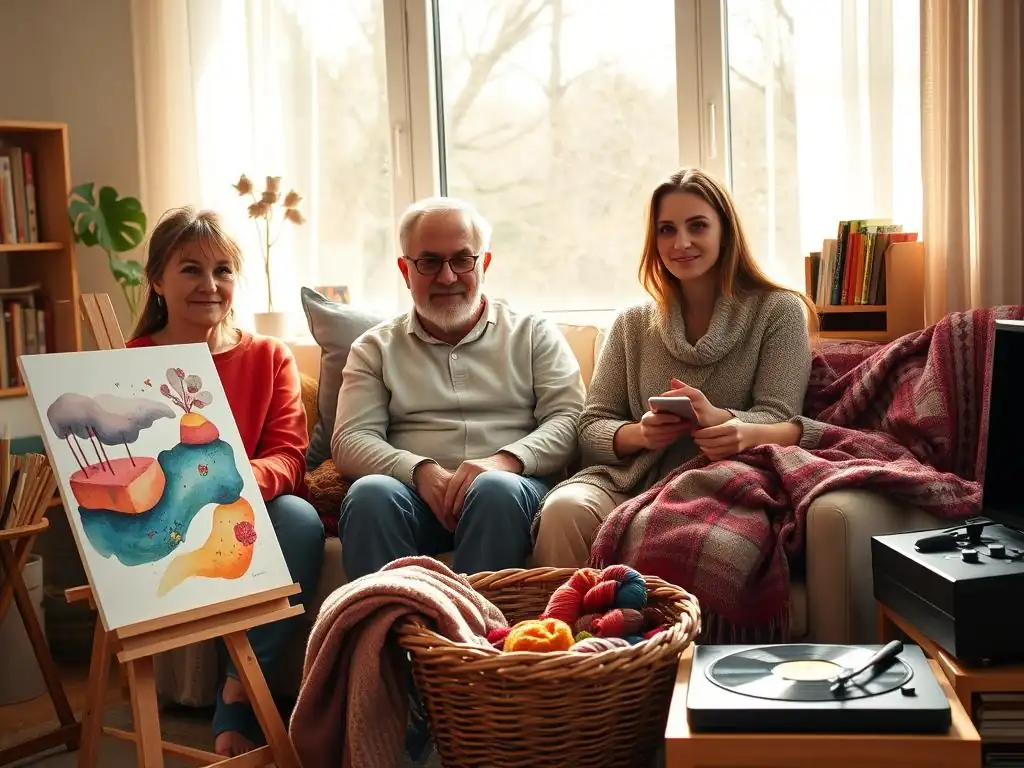
Welcome to Mind Care Guide, a sanctuary dedicated to nurturing your mental well-being. We understand the unique pressures caregivers face, often leaving little time for personal passions. Feeling drained and depleted? You're not alone. That's why we're exploring how hobbies boost caregiver mental health. Discover how small, thoughtful gifts can reignite joy and provide much-needed respite. Ready to rediscover the power of personal pursuits? Let's begin.
Gifts That Encourage Hobbies and Joy: Rekindling Passions for Busy Caregivers
- Hobbies Boost Caregiver Mental Health: Why They Matter
-
Gift Ideas to Ignite Caregiver Passions and Reduce Stress
- Gifts for the Creative Caregiver: Unleashing Artistic Expression
- Gifts for the Nature-Loving Caregiver: Bringing the Outdoors In
- Gifts for the Relaxation and Mindfulness-Focused Caregiver: Finding Moments of Peace
- Gifts for the Learning and Intellectual Stimulation-Seeking Caregiver: Keeping the Mind Active
- Choosing the Right Hobby-Encouraging Gift: Tailoring to Individual Needs
- Maximizing the Impact of Your Gift: Encouraging Participation and Support
- Real-Life Examples: Hobbies Making a Difference in Caregivers' Lives
- Beyond Gifts: Supporting Caregiver Well-being through Hobbies
- Conclusion: Investing in Caregiver Hobbies is Investing in Their Mental Health
-
Frequently Asked Questions
- What are some specific hobbies that can benefit caregiver mental health?
- How can hobbies help prevent caregiver burnout?
- Why is it important for caregivers to prioritize their own hobbies?
- What are some practical ways to encourage a caregiver to pursue hobbies, even with limited time?
- Where can caregivers find resources and support to explore new hobbies and connect with others?
- Final Reflection: Cultivating Joy: The Unexpected Power of Hobbies for Caregivers
- Ignite Their Spark: Fuel Their Passions Today!
Hobbies Boost Caregiver Mental Health: Why They Matter
The Stress of Caregiving: Impact on Mental Well-being
Caregiving is an incredibly demanding role, often involving round-the-clock responsibilities that can lead to significant physical and emotional exhaustion. Many caregivers report feeling overwhelmed, isolated, and constantly under pressure. Studies and surveys consistently show high rates of stress, anxiety, and depression among individuals caring for loved ones, particularly those with chronic or progressive illnesses. For instance, some research suggests that a substantial percentage, perhaps around 40% to 70%, of family caregivers experience clinically significant symptoms of depression. This constant state of high alert and emotional drain can erode a person's sense of self and well-being.
The relentless nature of caregiving often leaves little to no time for personal pursuits or self-care. Caregivers may find themselves neglecting their own health, social connections, and interests because the needs of the care recipient take precedence. This prolonged period of stress without adequate coping mechanisms or outlets can have serious long-term consequences for the caregiver's mental and physical health. Recognizing and addressing this profound impact is the crucial first step in supporting those who dedicate themselves to caring for others.
The Power of Hobbies: Reducing Stress and Improving Mood
Engaging in hobbies offers a powerful antidote to the chronic stress experienced by caregivers. Hobbies provide a much-needed escape, allowing the mind to focus on something enjoyable and separate from caregiving duties. The act of dedicating time to a personal interest, whether it's painting, gardening, or reading, can lower cortisol levels, the body's primary stress hormone. This physiological response contributes directly to a feeling of calm and relaxation, counteracting the body's fight-or-flight response often triggered by caregiving pressures.
Furthermore, hobbies contribute significantly to improving mood and fostering positive emotions. Participating in an activity one enjoys activates the brain's reward pathways, releasing dopamine and other feel-good neurotransmitters. This can help combat feelings of sadness, hopelessness, and apathy often associated with caregiver burnout. By offering moments of joy, accomplishment, and distraction, hobbies boost caregiver mental health and provide essential emotional resilience. It's not just about filling time; it's about actively cultivating moments of happiness and peace in a challenging routine.
How Hobbies Help Caregivers Reclaim Their Identity
One of the most insidious effects of intensive caregiving is the gradual loss of personal identity. The caregiver role can become so consuming that it eclipses other aspects of a person's life – their profession, their interests, their social roles outside of caregiving. Caregivers may begin to feel defined solely by their responsibilities, losing touch with who they were before caregiving became their primary focus. This erosion of self can lead to feelings of resentment, isolation, and a profound sense of emptiness.
Hobbies offer a vital pathway back to selfhood. They provide a space where the caregiver is not defined by their caregiving tasks but by their skills, creativity, curiosity, or passion.
Whether it's mastering a new pottery technique, identifying a rare bird, or completing a complex puzzle, these activities reinforce a sense of competence and personal achievement that is independent of the care recipient's needs. Reconnecting with or discovering new hobbies helps caregivers remember and embrace the unique individuals they are, distinct from their caregiving role, proving that engaging in hobbies boost caregiver mental health by restoring a sense of self and purpose.
Gift Ideas to Ignite Caregiver Passions and Reduce Stress
Gifts for the Creative Caregiver: Unleashing Artistic Expression
For caregivers with a creative inclination, gifts that facilitate artistic expression can be incredibly therapeutic. Engaging in art allows for non-verbal communication of feelings, provides a distraction from worries, and offers a tangible sense of accomplishment. These activities can range from simple drawing to more complex crafts, providing a flexible outlet depending on the caregiver's available time and energy levels.
Creative hobbies like painting, pottery, or writing can serve as powerful stress relievers. They invite the caregiver to enter a flow state, where concentration on the activity makes the outside world fade away for a while. This mental break is invaluable. Furthermore, completing an artistic project, no matter how small, provides a positive reinforcement and boosts self-esteem, contributing significantly to overall well-being.
Watercolor Painting Set for Beginners: A Relaxing and Accessible Art Form
A quality watercolor painting set designed for beginners can be a wonderful gift. Watercolor is known for its fluid and often unpredictable nature, which can be both relaxing and meditative. A good set would include a palette of basic colors, a few brushes of different sizes, watercolor paper, and perhaps a simple instructional guide. The accessibility of watercolor – requiring just water, paint, and paper – makes it easy to set up and pack away, ideal for a busy caregiver who might only have short bursts of free time.
The act of mixing colors and watching them blend on paper can be incredibly calming. It requires focus but in a gentle, non-demanding way. This hobby allows for experimentation and expression without the pressure of perfection, making it a low-stress entry into the world of art. It's a gift that encourages quiet contemplation and creative exploration, directly supporting mental well-being.
Pottery Starter Kit: A Tactile and Engaging Creative Outlet
A pottery starter kit focused on hand-building techniques (like pinch pots or coil building, which don't require a wheel) offers a tactile and grounding experience. Kits often include air-dry clay, sculpting tools, and perhaps some paints or glazes suitable for the clay type. Working with clay is inherently sensory, engaging the hands and providing a physical outlet for stress.
Shaping clay can be deeply therapeutic, offering a sense of control and creation. It's an activity that requires presence and focus, helping to anchor the caregiver in the moment. The tangible result – a small bowl, a figure, or a decorative object – provides a lasting reminder of time spent on self-care and creativity. This type of gift encourages a connection with materials and the satisfaction of bringing something new into being.
Adult Coloring Books and High-Quality Colored Pencils: A Simple and Meditative Activity
Adult coloring books with intricate designs, paired with a set of high-quality colored pencils or gel pens, offer a simple yet highly effective way to practice mindfulness and reduce stress. Unlike childhood coloring, these books often feature complex patterns that require focus and attention to detail, which can draw the caregiver into a meditative state. The smooth application of good quality pencils enhances the sensory pleasure of the activity.
Coloring is accessible to almost anyone, regardless of artistic skill. It requires minimal setup and can be done almost anywhere, making it perfect for short breaks. The repetitive motion of coloring within lines can be soothing, and the process of choosing and applying colors engages the creative part of the brain without the pressure of generating original ideas. This hobby is a gentle way to encourage relaxation and mental quietude.
Gifts for the Nature-Loving Caregiver: Bringing the Outdoors In
For caregivers who find solace and energy in nature but may have limited opportunities to spend time outdoors, gifts that bring elements of the natural world into their home can be profoundly beneficial. Connecting with nature, even indirectly, has been shown to reduce stress, improve mood, and increase feelings of vitality. These gifts aim to provide that connection within the confines of their caregiving environment.
Incorporating nature into daily life, even through small actions like tending a plant or observing birds from a window, can have significant positive impacts on mental health. These activities offer a sense of growth, renewal, and connection to something larger than oneself. They provide moments of peace and beauty amidst a potentially demanding and sterile routine, reinforcing how hobbies boost caregiver mental health by connecting them to the calming power of the natural world.
Indoor Plant Subscription Box: Bringing Nature's Beauty Indoors
An indoor plant subscription box can provide a continuous source of joy and a gentle responsibility. Many services curate easy-to-care-for plants suitable for indoor environments, delivering a new one periodically. The act of caring for a living thing – watering, pruning, watching it grow – can be very rewarding and provide a sense of purpose outside of caregiving duties.
Greenery in living spaces has been linked to reduced stress and improved concentration. Having plants to nurture offers a quiet, calming activity and brings the visual and air-purifying benefits of nature indoors. It's a gift that keeps giving, providing ongoing opportunities for small moments of connection with the natural world and the satisfaction of helping something thrive.
High-Quality Binoculars for Birdwatching: Observing Wildlife Up Close
For a caregiver who enjoys birds or wildlife, a pair of high-quality binoculars can open up a world of observation right outside their window. Birdwatching is a hobby that can be pursued from a porch, balcony, or even just looking out a window, making it highly accessible for someone who cannot easily leave the house. A good pair of binoculars makes distant details clear, enhancing the experience and making identification easier.
Observing birds and other wildlife provides a connection to the dynamic natural world and can be a source of wonder and distraction. It encourages mindfulness, requiring quiet observation and patience. Learning to identify different species adds an element of intellectual engagement. This hobby offers peaceful moments of observation and discovery, providing a mental break from the intensity of caregiving.
Gardening Tool Set with Ergonomic Handles: Making Gardening More Accessible
If the caregiver has access to a small garden space, patio, or even just containers, a set of high-quality, ergonomically designed gardening tools can make this hobby more comfortable and accessible. Ergonomic tools are designed to reduce strain on hands and wrists, which is particularly helpful if the caregiver also has physical demands related to their role or has age-related limitations. The set could include trowels, cultivators, and pruners.
Gardening is a deeply rewarding activity that combines physical activity with connection to nature. The process of planting, tending, and harvesting (even just herbs or a few flowers) provides a sense of accomplishment and anchors the caregiver in the cycle of growth and life. Having tools that are comfortable to use removes a potential barrier to engaging in this beneficial hobby, allowing them to more easily experience how hobbies boost caregiver mental health through connection with the earth.
Gifts for the Relaxation and Mindfulness-Focused Caregiver: Finding Moments of Peace
Caregiving environments can often be noisy, chaotic, and emotionally draining. Gifts that specifically promote relaxation, mindfulness, and the creation of personal space for quiet reflection are invaluable. These gifts aim to provide tools and resources for the caregiver to find moments of peace and mental respite amidst the demands of their day.
Prioritizing relaxation and mindfulness is not a luxury but a necessity for caregivers' long-term well-being. These practices help regulate the nervous system, reduce feelings of being overwhelmed, and improve emotional regulation. Providing tools that make these practices easier to access can make a significant difference in a caregiver's ability to cope and maintain their mental health.
Noise-Canceling Headphones: Creating a Sanctuary of Silence
In a busy household, finding quiet can be challenging. High-quality noise-canceling headphones offer the caregiver the ability to create a personal sanctuary of silence, even for short periods. They can be used while reading, listening to calming music or a podcast, or simply sitting in quiet reflection. This allows the caregiver to tune out the sounds of the environment and find a moment of peace.
Having the ability to control their auditory environment provides a sense of agency and can significantly reduce sensory overload, a common issue for caregivers. Whether used for listening or simply for quiet, noise-canceling headphones provide a physical barrier that helps the caregiver mentally step away from the demands around them, facilitating relaxation and mental recovery.
Subscription to a Guided Sleep Meditation Service: Promoting Restful Sleep
Sleep disruption is a frequent problem for caregivers due to stress, worry, and nighttime care duties. A subscription to a guided sleep meditation app or service can provide valuable tools for winding down and improving sleep quality. These services offer a variety of meditations, soundscapes, and bedtime stories designed to relax the mind and body and ease the transition into sleep.
Access to guided relaxation techniques can empower the caregiver to actively work on improving their rest, which is fundamental to maintaining mental and physical health. Regular use can help quiet racing thoughts and reduce anxiety that might interfere with sleep. This gift directly addresses a critical area of caregiver well-being, offering a practical tool for achieving more restful nights.
Shiatsu Neck and Shoulder Massager: Relieving Tension and Promoting Relaxation
Caregiving often involves physical strain, leading to tension in the neck, shoulders, and back. A portable Shiatsu neck and shoulder massager can provide on-demand physical relief and promote relaxation. These devices use rotating nodes to mimic the action of a Shiatsu massage, targeting common areas of tension. They are easy to use while sitting and can provide quick relief in just 10-15 minutes.
Physical tension is often a manifestation of stress. Relieving this tension can have a positive impact on mental state, reducing irritability and promoting a sense of ease. Having access to a personal massager allows the caregiver to address physical discomfort whenever they need to, providing a tangible form of self-care and relaxation without needing to leave the house or schedule an appointment.
Gifts for the Learning and Intellectual Stimulation-Seeking Caregiver: Keeping the Mind Active
Caregiving can sometimes feel mentally monotonous or isolating, particularly if the care recipient's condition limits complex interaction. For caregivers who thrive on learning and intellectual engagement, gifts that stimulate the mind can provide a vital sense of purpose and connection to the wider world. These gifts offer opportunities for mental challenge, discovery, and growth.
Keeping the mind active through learning or problem-solving can help maintain cognitive function and combat feelings of stagnation. It provides a different kind of mental engagement than the problem-solving required in caregiving tasks. Pursuing intellectual hobbies can be deeply satisfying and contribute to a sense of personal growth and competence, further demonstrating how hobbies boost caregiver mental health by nurturing intellectual vitality.
Language Learning Software (e.g., Duolingo Plus): Engaging the Mind and Expanding Horizons
A subscription to premium language learning software like Duolingo Plus offers an engaging and accessible way for a caregiver to learn a new language at their own pace. These platforms use gamification and short lessons, making it easy to fit learning into small pockets of free time. Learning a language stimulates cognitive function, improves memory, and opens up new cultural perspectives.
Engaging in a challenging intellectual task like language learning can provide a sense of accomplishment and progress that might be hard to find in the often static or declining situation of caregiving. It offers a connection to a different culture and community (even if only online) and provides a goal-oriented activity focused purely on the caregiver's personal growth and interest.
Subscription to a Documentary Streaming Service: Exploring New Ideas and Perspectives
A subscription to a streaming service specializing in documentaries (like CuriosityStream or certain tiers of other services) can provide a rich source of intellectual stimulation and exposure to new ideas. Documentaries cover a vast range of topics, from science and history to art and culture, allowing the caregiver to explore subjects they are curious about without leaving home.
Watching documentaries offers a passive yet engaging way to learn and broaden one's perspective. It provides a connection to the world outside of the immediate caregiving environment and can spark interest in new areas. It's a simple way to incorporate learning and intellectual exploration into a busy schedule, offering mental escape and enrichment during downtime.
Jigsaw Puzzles with Challenging Designs: Providing Mental Stimulation and Relaxation
High-quality jigsaw puzzles, particularly those with complex or artistic designs and a significant number of pieces (e.g., 1000+), offer a compelling blend of mental stimulation and relaxation. Working on a puzzle requires focus, spatial reasoning, and problem-solving skills, keeping the mind sharp. The repetitive nature of searching for pieces and fitting them together can also be surprisingly meditative.
Setting up a puzzle on a dedicated surface allows the caregiver to work on it intermittently, whenever a few free minutes arise. The process of seeing the image come together provides a clear sense of progress and eventual completion, offering a satisfying achievement. It's a quiet, absorbing hobby that provides a mental workout and a sense of calm concentration, contributing positively to mental well-being.
Choosing the Right Hobby-Encouraging Gift: Tailoring to Individual Needs
Considering the Caregiver's Interests and Abilities
Selecting the perfect hobby-encouraging gift requires thoughtful consideration of the individual caregiver's existing interests, personality, and physical/cognitive abilities. A gift is most likely to be used and appreciated if it aligns with something the caregiver already enjoys or has expressed curiosity about in the past. Think about what they used to do before caregiving became so demanding, or what they talk about wanting to try.
It's also crucial to consider any physical limitations or cognitive changes the caregiver might be experiencing, perhaps due to age, stress, or their own health. A gift that requires fine motor skills might not be suitable if they have arthritis, for example, or a hobby requiring complex planning might be overwhelming if they are experiencing significant fatigue or cognitive fog. Tailoring the gift ensures it is not another source of frustration but genuinely a source of joy and relaxation.
Assessing Time Constraints and Energy Levels
The reality of caregiving is that free time is often fragmented and energy levels can be unpredictable. The ideal hobby gift should be something that can be engaged with in short bursts of time (e.g., 15-30 minutes) and doesn't require extensive setup or cleanup. Hobbies that demand long, uninterrupted periods or significant physical exertion might be impractical for many caregivers.
Consider hobbies that are flexible and can be picked up and put down easily. This might mean a portable craft, an app-based learning tool, or an activity that can be done from a comfortable chair. The goal is to provide an outlet that fits into the actual rhythm of their life, not an aspirational ideal. A gift that respects their limited time and fluctuating energy is far more likely to be used and thus effectively help hobbies boost caregiver mental health.
Prioritizing Gifts that Promote Relaxation and Stress Reduction
While any hobby can potentially be enjoyable, for a busy and stressed caregiver, prioritizing gifts that explicitly promote relaxation and stress reduction is particularly beneficial. Look for activities known for their calming effects, their ability to induce a flow state, or those that provide a sense of peace and escape. The primary goal of this type of gift is to counteract the negative impacts of caregiving stress.
Gifts focused on mindfulness, creativity for pleasure rather than performance, connection with nature, or gentle physical activity tend to be excellent choices. These activities offer a respite from worry and provide tools for self-soothing and emotional regulation. By choosing gifts with this focus, you are directly investing in the caregiver's mental health and providing them with resources to navigate their challenging role more effectively.
Maximizing the Impact of Your Gift: Encouraging Participation and Support
Presenting the Gift with Encouragement and Understanding
Giving a hobby-related gift is more than just handing over an item; it's an act of recognition and support for the caregiver's need for personal time and well-being. When presenting the gift, express your understanding of how demanding their role is and emphasize that this gift is specifically for them, for their enjoyment and relaxation. Frame it not as another task, but as permission and encouragement to prioritize their own joy.
Accompany the gift with words that validate their efforts and highlight the importance of self-care. Phrases like, "I know how much you do for [care recipient's name], and you deserve some time just for yourself," or "I thought this might bring you some peace and enjoyment," can make a significant difference. This empathetic approach helps the caregiver feel seen and valued, making them more likely to embrace the gift and the hobby it represents.
Offering to Help with Setup or Learning a New Skill
Getting started with a new hobby can sometimes feel daunting, especially when time and energy are scarce. Offer practical assistance with setting up the gift (like assembling an easel or organizing art supplies) or offer to learn the basic steps of the hobby with them. This shared experience can make the initial hurdle feel less intimidating and can even create a valuable opportunity for connection.
Your offer of help demonstrates genuine support beyond the initial gift. It shows you are willing to invest your own time to help them carve out space for their interests. This practical assistance can remove barriers to starting the hobby and make it easier for the caregiver to integrate it into their routine, reinforcing how hobbies boost caregiver mental health when supported by their network.
Providing Ongoing Support and Encouragement to Pursue the Hobby
The impact of the gift extends far beyond the moment it's opened. Ongoing encouragement is vital. Periodically check in with the caregiver about how they are enjoying their hobby. Ask about their progress, admire their creations, or simply express continued support for them taking time for themselves. Avoid asking "Are you using the gift?" in a way that feels like scrutiny; instead, ask open-ended questions like, "Have you had any moments for yourself this week?" or "How has [hobby] been going?"
This consistent support reinforces the message that their well-being is important. It can help combat feelings of guilt they might have about taking time away from caregiving. Knowing that someone cares about their personal interests and encourages them to pursue joy provides a powerful external motivation. This sustained encouragement helps ensure that the hobby becomes a regular part of their self-care routine, solidifying the long-term benefits of how hobbies boost caregiver mental health.
Real-Life Examples: Hobbies Making a Difference in Caregivers' Lives
Case Study 1: Maria and the Therapeutic Benefits of Knitting
Maria, a full-time caregiver for her elderly mother with dementia, found her days consumed by routine and responsibility. She felt increasingly isolated and stressed. A friend gifted her a simple knitting kit with soft yarn and large needles. Initially, Maria doubted she'd have time, but she started keeping the small project next to her mother's chair. She discovered that even knitting just a few rows during quiet moments provided a surprising sense of calm.
The repetitive motion of knitting became a form of moving meditation for Maria. It gave her hands something to do while her mind could briefly rest or process emotions. She found that focusing on the stitches helped quiet her anxious thoughts. Over several months, she completed a small scarf, a tangible reminder of moments she had dedicated to herself. This small hobby became a vital coping mechanism, providing regular doses of peace and a sense of accomplishment outside her caregiving tasks. Maria found that knitting significantly helped hobbies boost caregiver mental health for her, reducing her overall stress levels.
Case Study 2: David Finding Stress Relief Through Woodworking
David cared for his wife after she suffered a stroke, a role that required significant physical assistance and emotional support. He missed the hands-on work he used to do before retiring. His children converted a small corner of his garage into a simple woodworking space and gifted him a basic set of hand tools and some project guides for beginners. David started with simple tasks like sanding and joining small pieces of wood.
Woodworking offered David a physical and mental escape. The focus required for precise cuts and smooth finishes pulled him away from the worries of his wife's recovery. He found immense satisfaction in transforming raw wood into functional or beautiful objects. The workshop became his sanctuary, a place where he could concentrate on a different kind of challenge. This hobby provided not only stress relief but also a renewed sense of capability and purpose, distinct from his caregiving role.
Case Study 3: Sarah Rediscovering Joy with Creative Writing
Sarah cared for her teenage son with a chronic illness, navigating frequent hospital visits and complex medical schedules. She had always loved writing but hadn't put pen to paper in years. For her birthday, her sister gave her a beautiful journal and a set of quality pens, suggesting she try writing just for herself, without any pressure. Sarah started by jotting down thoughts or short observations during quiet evenings.
What began as simple journaling evolved into writing short stories and poems. Sarah found that putting her feelings and experiences into words was incredibly cathartic. Creating fictional worlds provided a much-needed escape from the realities of her daily life. The act of crafting sentences and exploring different narratives allowed her to tap into a part of herself that felt dormant. This hobby helped her process emotions, express creativity, and rediscover a source of joy that was entirely her own, powerfully demonstrating how hobbies boost caregiver mental health by facilitating self-expression and emotional processing.
Beyond Gifts: Supporting Caregiver Well-being through Hobbies
Respite Care: Making Time for Hobbies a Reality
While a hobby-encouraging gift is a wonderful start, the most significant barrier for many caregivers is simply finding the time to engage in these activities. Respite care, which provides temporary relief for the primary caregiver, is often essential to make pursuing a hobby feasible. This could involve a family member stepping in, hiring a professional caregiver for a few hours, or utilizing adult day programs.
Providing respite care, or contributing towards its cost, is perhaps the most impactful way to support a caregiver's ability to engage in hobbies. Knowing that their loved one is safely cared for frees the caregiver mentally and physically to step away and dedicate uninterrupted time to their chosen activity. Without dedicated time, even the most perfect gift may remain unused. Advocating for and facilitating access to respite care is a crucial component in ensuring hobbies boost caregiver mental health effectively.
Joining Support Groups: Sharing Experiences and Finding Motivation
Connecting with other caregivers in support groups can provide emotional validation, practical advice, and a sense of community. Within these groups, caregivers often share strategies for coping with stress, including how they manage to incorporate personal time and hobbies into their lives. Hearing from peers who successfully balance caregiving with personal interests can be incredibly motivating.
Support groups can offer a safe space to discuss the challenges of finding time for self-care and hobbies. Group members can share tips on time management, finding resources, and overcoming guilt. This shared experience and mutual encouragement can empower caregivers to prioritize their well-being and actively pursue activities that bring them joy and reduce stress.
Self-Care Strategies: Integrating Hobbies into a Daily Routine
Ultimately, integrating hobbies into life as a caregiver requires intentional self-care strategies. This involves recognizing the importance of personal time, setting boundaries where possible, and actively scheduling moments for hobbies, even if they are brief. It's about shifting the mindset from hobbies being a luxury to being a necessity for maintaining one's capacity to care.
Encouraging caregivers to identify small, manageable ways to weave their hobby into their day is key. This might mean keeping materials readily accessible, dedicating a specific 15-minute block each day, or combining the hobby with another activity (like listening to an audiobook while doing a craft). Developing these strategies helps make hobbies a sustainable part of their routine, ensuring that hobbies boost caregiver mental health not just occasionally, but consistently over time.
Conclusion: Investing in Caregiver Hobbies is Investing in Their Mental Health
Emphasizing the Importance of Hobbies for Caregiver Mental Well-being
The journey of caregiving is undoubtedly challenging, marked by significant demands and potential for burnout. It is crucial to recognize that the well-being of the caregiver is just as important as that of the care recipient. Hobbies are not merely frivolous pastimes; they are powerful tools for stress reduction, emotional regulation, and maintaining a sense of personal identity. They provide essential mental and emotional respite.
Understanding that hobbies boost caregiver mental health is the first step towards providing meaningful support. These activities offer a vital counterbalance to the pressures of caregiving, providing moments of joy, relaxation, and accomplishment. They help caregivers reconnect with themselves and find pockets of peace in their demanding lives.
Encouraging Readers to Choose Gifts that Promote Joy and Passion
When considering how to support a caregiver in your life, think beyond practical items related to caregiving tasks. A gift that encourages a hobby or rekindles a past passion can be profoundly impactful. By carefully selecting a gift that aligns with their interests and abilities, you are giving the caregiver permission and the means to prioritize their own happiness and mental health.
Whether it's through creative expression, connection with nature, moments of quiet relaxation, or intellectual stimulation, choose a gift that speaks to the caregiver's unique spirit. The act of giving such a gift sends a powerful message: "I see you, I value you, and your well-being matters." This validation itself can be incredibly uplifting.
Highlighting the Long-Term Benefits of Supporting Caregiver Hobbies
Investing in a caregiver's ability to pursue hobbies yields long-term benefits for everyone involved. A caregiver who is less stressed, more emotionally resilient, and maintains a sense of self is better equipped to provide care sustainably and compassionately. Supporting their hobbies contributes to their overall quality of life and helps prevent burnout.
By providing gifts and ongoing support that facilitate engagement in personal interests, we help ensure that hobbies boost caregiver mental health effectively over time. This ultimately strengthens the caregiving relationship and promotes a healthier, more balanced life for the caregiver. It is an investment in their joy, their resilience, and their capacity to continue their invaluable work.
Frequently Asked Questions
What are some specific hobbies that can benefit caregiver mental health?
Hobbies like gardening, painting, and reading provide caregivers with a much-needed escape, reducing stress and promoting relaxation. They offer a sense of accomplishment and joy, boosting overall well-being.
How can hobbies help prevent caregiver burnout?
Engaging in hobbies helps caregivers recharge their emotional batteries by providing a break from the demands of caregiving. This dedicated time for personal enjoyment is crucial for preventing exhaustion and maintaining mental health.
Why is it important for caregivers to prioritize their own hobbies?
Caregivers often neglect their own needs, leading to increased stress and potential mental health issues. Prioritizing hobbies allows them to maintain a sense of self and prevents them from becoming completely overwhelmed by caregiving responsibilities.
What are some practical ways to encourage a caregiver to pursue hobbies, even with limited time?
Offer respite care to provide dedicated hobby time, or suggest hobbies that can be done in short bursts, like daily journaling or listening to audiobooks. Gift certificates for classes or materials can also be a great motivator.
Where can caregivers find resources and support to explore new hobbies and connect with others?
Many community centers and online platforms offer hobby-related workshops and groups. Support groups can also connect caregivers with others who share similar interests, fostering a sense of community and shared experience.
Final Reflection: Cultivating Joy: The Unexpected Power of Hobbies for Caregivers
The relentless demands of caregiving often overshadow personal needs, leaving caregivers depleted and struggling. This article has explored the vital role hobbies play in not only rekindling personal passions but also significantly boosting mental and emotional well-being. The simple act of dedicating time to a cherished activity can be a powerful antidote to caregiver burnout, offering a much-needed respite from the pressures of daily life.
The impact of hobbies on the caregiver experience extends far beyond simple relaxation; it's a profound shift in perspective. It's about reclaiming a sense of self, fostering creativity, and nurturing a sense of accomplishment that transcends the often-demanding nature of caregiving. This renewed sense of self-worth is crucial for sustainable caregiving. As the renowned author, Brené Brown, wisely stated: Vulnerability is not weakness; it's our greatest measure of courage.
Embracing hobbies, even amidst challenging circumstances, demonstrates this courage, allowing caregivers to be vulnerable with themselves and prioritize their own well-being.
Now, consider your own life. What sparks joy within you? What activity, however small, could provide a sanctuary from the stresses of your day? I urge you to rediscover or cultivate a hobby – a gift you deserve. Don't let the demands of caregiving eclipse your own needs. Embrace the power of play, the joy of creation, and the restorative strength found in pursuing passions. Your well-being is not a luxury; it's a necessity, and nurturing your hobbies is a vital step towards a healthier, happier, and more sustainable caregiving journey.
Ignite Their Spark: Fuel Their Passions Today!
Thanks for taking the time to explore ways to support the caregivers in your life through the gift of renewed joy and passion. We hope you found some inspiring ideas!
Ready to make a difference? Here's how:
- Prioritize one hobby-boosting gift: Choose the suggestion that best resonates with the caregiver's interests and schedule, and watch their enthusiasm grow.
- Share this article: Let others know about the power of thoughtful gifting – spread the joy! Someone else might need these ideas too.
- Unleash your own creativity: What passion project could you revisit or rediscover to better your own well-being?
So, what small step will you take today to help reignite a passion – theirs or your own?