
Beyond Talk Therapy: Exploring Alternative Treatments for Generalized Anxiety Disorder

Welcome to Mind Care Guide, your sanctuary for navigating the complexities of mental well-being. Feeling overwhelmed by anxiety? You're not alone. We understand the challenges, and we're here to illuminate paths less traveled. This article delves into alternative treatments for anxiety disorder, offering a beacon of hope beyond conventional therapies. Are you ready to discover new possibilities for managing your anxiety and reclaiming inner peace? Let's explore together...
-
Beyond Talk Therapy: Exploring Alternative Treatments for Generalized Anxiety Disorder (GAD)
- Understanding Generalized Anxiety Disorder (GAD) and the Need for Diverse Treatment Options
- Alternative and Complementary Therapies for Anxiety Relief
- Nutritional Strategies for Anxiety Management
- Herbal Remedies and Supplements for Anxiety
- Acupuncture and Acupressure for Anxiety
- Neurofeedback for Anxiety: Retraining the Brain
- Art and Music Therapy for Emotional Regulation
- Integrating Alternative Therapies into Your Anxiety Treatment Plan
- Evidence-Based Considerations for Alternative Anxiety Treatments
- Finding Qualified Practitioners of Alternative Therapies
- Conclusion: Empowering Yourself with a Range of Anxiety Treatment Options.
-
Frequently Asked Questions
- What are some alternative treatments for Generalized Anxiety Disorder (GAD) beyond traditional talk therapy?
- How can mindfulness meditation help with anxiety?
- Is yoga an effective treatment for anxiety, and how does it work?
- What is the scientific evidence supporting alternative treatments for anxiety?
- Are there any risks associated with trying alternative treatments for anxiety?
- Final Reflection: Reimagining Anxiety Relief: Beyond the Expected
- Unlock Your Calm: Take Control of Your Anxiety Today
Beyond Talk Therapy: Exploring Alternative Treatments for Generalized Anxiety Disorder (GAD)
Understanding Generalized Anxiety Disorder (GAD) and the Need for Diverse Treatment Options
Generalized Anxiety Disorder (GAD) is characterized by persistent and excessive worry about various aspects of life, often disproportionate to the actual likelihood or impact of the feared event. This chronic worry can significantly impair daily functioning, affecting work, relationships, and overall quality of life.
While traditional treatments like psychotherapy, particularly Cognitive Behavioral Therapy (CBT), and medication are cornerstones of GAD management and have demonstrated efficacy in numerous studies (e.g., studies often show CBT reducing anxiety symptoms by 40-60% in many individuals), they may not be effective or accessible for everyone. Some individuals experience limited relief, encounter side effects from medication, or prefer to explore non-pharmacological or complementary approaches.
Recognizing the diverse needs and preferences of individuals living with GAD highlights the growing interest in exploring a broader spectrum of therapeutic options. The search for effective alternative treatments for anxiety disorder is driven by the desire for approaches that address the condition from multiple angles – mind, body, and spirit. This includes therapies that might complement traditional methods or serve as standalone options for those seeking different paths to managing their symptoms. Exploring these diverse avenues can empower individuals to build a personalized treatment plan that resonates with their unique circumstances and promotes sustainable well-being.
Alternative and Complementary Therapies for Anxiety Relief
Mindfulness-Based Interventions for Anxiety
Mindfulness involves focusing one's awareness on the present moment, non-judgmentally. Practices like mindfulness meditation and body scans have shown promise in helping individuals with GAD reduce worry and manage anxiety symptoms. Research indicates that regular mindfulness practice can alter brain structures related to stress and anxiety, such as the amygdala. Studies, including meta-analyses, often report moderate effect sizes for mindfulness-based stress reduction (MBSR) and mindfulness-based cognitive therapy (MBCT) in reducing anxiety, with some studies showing reductions in anxiety scores comparable to or exceeding those seen with some pharmacological interventions in certain populations.
Implementing mindfulness requires consistent effort. Even just 10-15 minutes of daily practice can begin to cultivate a greater capacity to observe anxious thoughts without becoming overwhelmed by them. Techniques range from formal sitting meditation to informal practices integrated into daily activities, such as mindful eating or walking. The goal is not to eliminate anxious thoughts but to change the relationship one has with them, fostering a sense of calm and acceptance that can significantly alleviate the distress associated with chronic worry, making it a valuable component of alternative treatments for anxiety disorder.
The Power of Exercise and Physical Activity in Reducing Anxiety
Regular physical activity is a potent tool for managing anxiety. Exercise releases endorphins, natural mood elevators, and helps regulate neurotransmitters like serotonin and norepinephrine, which are often implicated in mood and anxiety disorders. Furthermore, engaging in physical activity can provide a distraction from worries, reduce muscle tension associated with anxiety, and improve sleep patterns, all of which contribute to better anxiety management.
The benefits of exercise are well-documented. Studies have shown that even moderate-intensity exercise, such as brisk walking for 30 minutes most days of the week, can lead to significant reductions in anxiety symptoms. Some research suggests that aerobic exercise can be as effective as medication or psychotherapy for some individuals with mild to moderate anxiety. Consistency is key; incorporating exercise into a regular routine helps maintain its positive effects on mood and stress levels, offering a practical and accessible alternative treatment for anxiety disorder.
Nutritional Strategies for Anxiety Management
The Gut-Brain Connection and Anxiety
Emerging research highlights the intricate connection between the gut and the brain, often referred to as the gut-brain axis. The gut microbiome, the vast community of microorganisms residing in the digestive tract, plays a crucial role in this communication. An imbalance in the gut microbiome (dysbiosis) has been linked to various mental health conditions, including anxiety and depression. The gut produces a significant portion of the body's neurotransmitters, including serotonin, which influences mood and anxiety.
Focusing on a nutrient-dense diet rich in whole foods, fiber, fermented foods (like yogurt or kefir), and probiotics can help support a healthy gut microbiome. Reducing intake of processed foods, sugar, and unhealthy fats may also positively impact gut health and, consequently, mood. While dietary changes alone may not cure GAD, optimizing gut health through nutrition can be a powerful complementary strategy, supporting the body's natural ability to regulate mood and stress responses and serving as a foundational element among alternative treatments for anxiety disorder.
Herbal Remedies and Supplements for Anxiety
Exploring the Evidence Behind Herbal Treatments
Many individuals explore herbal remedies and dietary supplements as alternative treatments for anxiety disorder. Popular options include Kava, Valerian, Passionflower, and Chamomile. Some herbs, like Kava, have been studied for their potential anxiolytic (anxiety-reducing) effects, with some clinical trials suggesting benefits for mild to moderate anxiety, although concerns about liver toxicity exist with long-term or high-dose use. Valerian is often used for sleep disturbances associated with anxiety, and Chamomile is traditionally used for its calming properties.
It is crucial to approach herbal remedies and supplements with caution and informed decision-making. The quality and potency of these products can vary widely, and they can interact with medications. While some studies show modest benefits for certain herbs or supplements (e.g., Omega-3 fatty acids, L-theanine, Magnesium) in reducing anxiety symptoms in some individuals, the evidence is often less robust than for conventional treatments. Always consult a healthcare professional before starting any herbal supplement regimen, especially if you are taking other medications or have underlying health conditions.
Acupuncture and Acupressure for Anxiety
How Acupuncture May Help Regulate the Nervous System
Acupuncture, a practice rooted in traditional Chinese medicine, involves inserting thin needles into specific points on the body. The theory suggests that this stimulates energy flow (Qi) and helps restore balance. From a Western perspective, acupuncture may work by stimulating nerves, muscles, and connective tissue, potentially influencing the release of endorphins and affecting brain activity related to stress and pain.
Studies on acupuncture for anxiety have yielded mixed results, but some research indicates that it may help reduce anxiety symptoms, possibly by modulating the body's stress response and regulating the sympathetic nervous system. A meta-analysis published in 2018, for example, reviewed multiple studies and concluded that acupuncture appears to be effective for anxiety disorders, though more high-quality research is needed. Acupressure, which uses finger pressure instead of needles, offers a non-invasive alternative based on similar principles and can be taught for self-application.
Neurofeedback for Anxiety: Retraining the Brain
Understanding Neurofeedback Techniques
Neurofeedback, also known as EEG biofeedback, is a type of biofeedback that measures brainwave activity and provides real-time feedback to the individual. The goal is to train individuals to alter their brainwave patterns to improve self-regulation. For anxiety, neurofeedback often focuses on increasing alpha waves (associated with relaxation) or decreasing beta waves (associated with alertness and sometimes anxiety).
During a neurofeedback session, electrodes are placed on the scalp to monitor brain activity. This activity is displayed on a screen, often in the form of a game or video, which the individual learns to control using only their thoughts and focus. For example, the screen might brighten or a video might play smoothly when the desired brainwave pattern is produced.
Over multiple sessions (often 20-40 are recommended), the brain is believed to learn to maintain more balanced activity patterns, potentially leading to a reduction in anxiety symptoms. While still considered an emerging field for GAD, some studies and clinical reports suggest it can be a beneficial alternative treatment for anxiety disorder for some individuals, particularly those who haven't responded well to other therapies.
Art and Music Therapy for Emotional Regulation
Expressive Arts as a Coping Mechanism for Anxiety
Art therapy and music therapy are forms of expressive therapy that use creative processes to help individuals explore emotions, reduce stress, and improve self-awareness. They provide non-verbal avenues for expression, which can be particularly helpful for individuals who struggle to articulate their feelings verbally. Engaging in creative activities can be calming and provide a sense of control and accomplishment.
In art therapy, creating visual art (drawing, painting, sculpting) can help externalize anxious feelings and provide insight into underlying concerns. Music therapy might involve listening to, playing, or composing music to evoke specific moods, process emotions, or practice relaxation techniques. These therapies can help individuals develop coping mechanisms, reduce physiological signs of stress (like heart rate), and build resilience against anxiety triggers. They offer creative and engaging alternative treatments for anxiety disorder that focus on emotional processing and self-expression.
Integrating Alternative Therapies into Your Anxiety Treatment Plan
Consulting with a Healthcare Professional
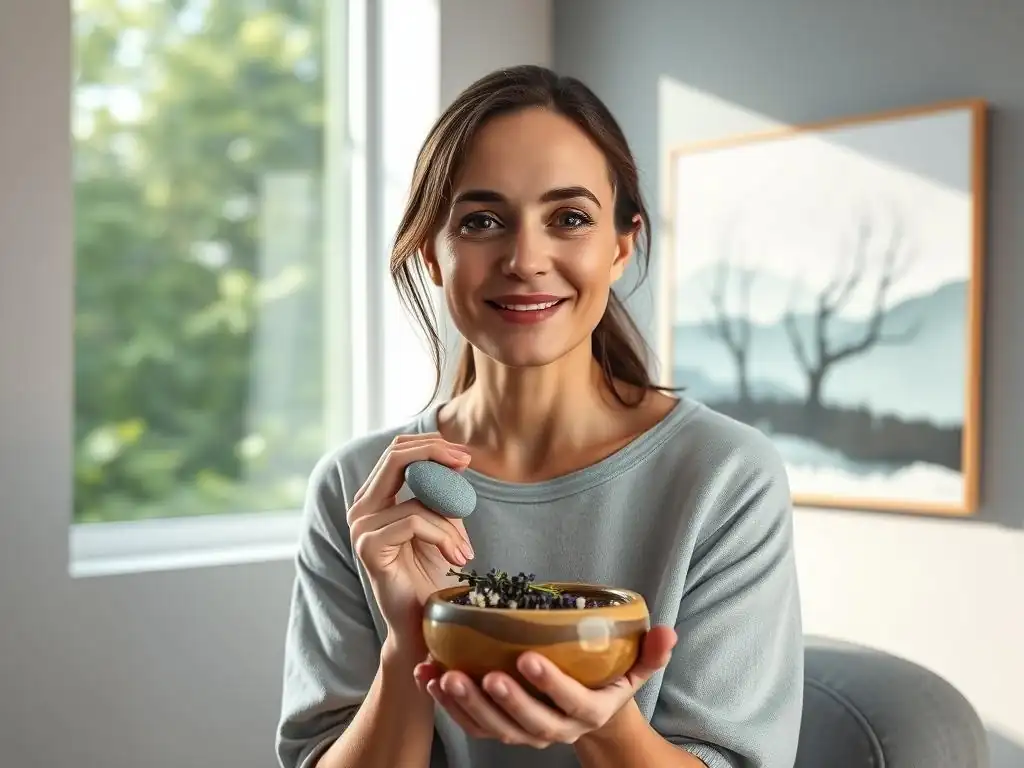
Embarking on the path of exploring alternative treatments for anxiety disorder should always begin with a conversation with your primary healthcare provider or a mental health professional. They can help you understand the potential benefits and risks of different therapies in the context of your specific health history, current medications, and overall anxiety severity. A professional can also help rule out any underlying medical conditions that might be contributing to anxiety symptoms.
Discussing your interest in alternative approaches ensures that any new therapy complements your existing treatment plan and doesn't interfere with medications or other ongoing therapies. They can provide guidance on which alternative options might be most suitable for your needs and help you make informed decisions based on available evidence and clinical experience. This collaborative approach is essential for building a safe and effective treatment strategy.
Creating a Holistic Approach to Anxiety Management
Effective anxiety management often involves a holistic approach that addresses various aspects of well-being. Integrating alternative treatments for anxiety disorder with traditional therapies can create a comprehensive plan tailored to your individual needs. This might involve combining psychotherapy sessions with regular exercise, incorporating mindfulness practices into your daily routine, making dietary adjustments, and potentially exploring specific complementary therapies like acupuncture or neurofeedback under professional guidance.
A holistic plan recognizes that anxiety is influenced by a complex interplay of biological, psychological, and social factors. By drawing from a range of evidence-informed strategies – from cognitive restructuring learned in CBT to the stress-reducing benefits of yoga or meditation – individuals can build a robust toolkit for managing their GAD symptoms and improving their overall quality of life. The goal is to empower you with multiple strategies to navigate challenges and foster resilience.
Evidence-Based Considerations for Alternative Anxiety Treatments
Research Support for Different Alternative Therapies
When considering alternative treatments for anxiety disorder, it's important to evaluate the available research evidence. While some alternative therapies have a growing body of support, others have limited or inconclusive data. For example, mindfulness-based interventions and exercise have substantial research backing their effectiveness for anxiety reduction, often showing moderate to strong effect sizes in clinical trials and meta-analyses.
Other therapies, such as specific herbal remedies or neurofeedback for GAD, have promising preliminary research but often require more large-scale, rigorous studies to confirm their efficacy and establish optimal protocols. Acupuncture has shown some positive results in studies, but the quality of evidence can vary. Nutritional strategies for anxiety are supported by research on the gut-brain axis, but specific dietary recommendations or supplements for GAD treatment are still areas of active investigation. Understanding the level of evidence behind each alternative therapy helps in making informed choices and managing expectations.
Finding Qualified Practitioners of Alternative Therapies
Resources for Locating Alternative Therapy Providers
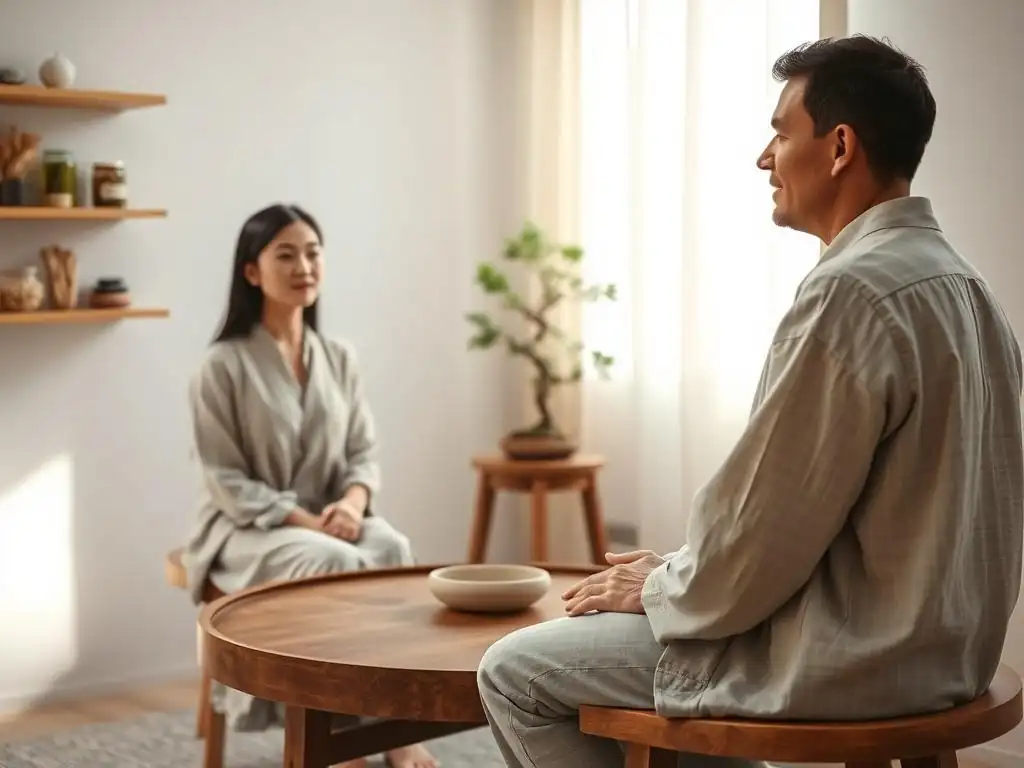
Finding qualified and reputable practitioners is crucial when exploring alternative treatments for anxiety disorder. Certification and licensing requirements vary significantly depending on the therapy and the location. For instance, licensed acupuncturists undergo extensive training and certification processes. Registered dietitians or nutritionists can provide evidence-based dietary guidance.
Resources for locating practitioners can include professional organizations specific to the therapy (e.g., associations for mindfulness teachers, acupuncture boards, biofeedback certification bodies), online directories of mental health professionals who incorporate alternative methods, and referrals from your primary healthcare provider or therapist. When researching a practitioner, inquire about their training, credentials, experience treating anxiety, and approach to care to ensure they are a good fit for your needs.
Conclusion: Empowering Yourself with a Range of Anxiety Treatment Options.
Living with Generalized Anxiety Disorder can be challenging, but it's important to remember that effective management is possible. While traditional therapies like talk therapy and medication are vital tools, exploring alternative treatments for anxiety disorder offers a broader spectrum of options that can complement conventional approaches or provide new avenues for relief. From evidence-backed practices like mindfulness and exercise to promising therapies like acupuncture and neurofeedback, a wealth of resources exists beyond the traditional scope.
Empowering yourself means actively participating in your treatment journey, researching different options, consulting with healthcare professionals, and building a personalized plan that integrates strategies that resonate with you. By adopting a holistic perspective and being open to exploring a range of therapeutic modalities, you can enhance your ability to manage worry, reduce distress, and cultivate a greater sense of peace and well-being in your life.
Frequently Asked Questions
What are some alternative treatments for Generalized Anxiety Disorder (GAD) beyond traditional talk therapy?
Beyond talk therapy, alternative treatments for GAD can include practices like mindfulness meditation, yoga, and acupuncture. These aim to reduce anxiety symptoms through different mechanisms.
How can mindfulness meditation help with anxiety?
Mindfulness meditation helps by focusing on the present moment, reducing overthinking and worry. This practice can calm the nervous system and promote a sense of peace.
Is yoga an effective treatment for anxiety, and how does it work?
Yoga can be effective by combining physical postures, breathing exercises, and meditation. This combination helps to reduce stress hormones and increase relaxation.
What is the scientific evidence supporting alternative treatments for anxiety?
While research is ongoing, some studies suggest that these alternative treatments can reduce anxiety symptoms. However, they should be used in conjunction with or after consulting a healthcare professional.
Are there any risks associated with trying alternative treatments for anxiety?
Generally, these treatments are considered safe, but it's important to discuss them with your doctor. Some techniques may not be suitable for everyone, and interactions with medications are possible.
Final Reflection: Reimagining Anxiety Relief: Beyond the Expected
The limitations of traditional talk therapy for Generalized Anxiety Disorder (GAD) are becoming increasingly apparent, highlighting the urgent need for a more holistic and personalized approach to treatment. The sheer number of individuals struggling with GAD, coupled with the often-incomplete success of conventional methods, underscores the critical importance of exploring and embracing alternative treatments. This isn't about replacing established therapies, but rather augmenting them with strategies that address the multifaceted nature of anxiety.
The exploration of alternative treatments for anxiety, from mindfulness practices to nutritional interventions and even neurofeedback, reveals a fascinating tapestry of interconnected approaches. Each offers a unique pathway to managing symptoms and fostering long-term well-being. The journey towards mental wellness is deeply personal, and what works for one individual may not work for another. This diversity of options is empowering, allowing individuals to actively participate in shaping their own recovery. The cure for boredom is curiosity. There is no cure for curiosity.
– Dorothy Parker. This quote resonates deeply; the curiosity to explore beyond the familiar is crucial in finding the right path to managing anxiety.
Consider the possibilities. You have the power to actively seek out what resonates with you, to experiment with different techniques, and to build a personalized toolkit for managing your anxiety. Don't be afraid to challenge conventional wisdom and explore the uncharted territories of holistic wellness. Embrace the journey, celebrate small victories, and remember that finding the right path to managing your anxiety is a testament to your strength and resilience. Begin your exploration today.
Unlock Your Calm: Take Control of Your Anxiety Today
Thanks for taking the time to explore alternative approaches to managing generalized anxiety disorder. We hope you found valuable insights and new perspectives on your journey to well-being. Now, it's time to put that knowledge into action!
- Prioritize one self-care technique: From the article, choose the anxiety-reducing strategy that resonated most with you and commit to practicing it daily for a week. This could be mindfulness meditation, regular exercise, or a specific dietary change. Consistency is key!
- Share your experiences: Connect with others who understand by sharing your experience (or your chosen self-care technique) on our social media channels. Let's build a supportive community!
- Explore further resources: Dive deeper into the topic by researching the specific technique you chose. Find additional articles, books, or videos related to it.
What small step will you take today to cultivate a calmer, more resilient you?