
Apps for Busy Professionals: Quick Digital Breaks for Workplace Wellness and Stress Relief


Welcome to Mind Care Guide, your sanctuary for navigating the complexities of mental well-being. Feeling overwhelmed in the fast-paced professional world? You're not alone. Discover our curated selection of stress relief apps professionals are using to reclaim their peace of mind and boost workplace wellness. Curious how technology can provide quick, effective digital breaks? Let's explore the tools that can help you thrive.
- Stress Relief Apps for Professionals: Quick Digital Breaks for Workplace Wellness
- Top Stress Relief Apps for Professionals: A Curated List
- How to Choose the Right Stress Relief App for Your Needs
- Maximizing the Benefits of Stress Relief Apps in the Workplace
- The Future of Mental Wellness: Technology and Professional Support
-
Frequently Asked Questions
- What are the main benefits of using stress relief apps for professionals?
- How can stress relief apps specifically address workplace stress?
- Are stress relief apps effective for long-term mental well-being, or are they only a temporary fix?
- What features should professionals look for when choosing a stress relief app?
- Are stress relief apps a replacement for professional mental health support?
- Final Reflection: Reclaiming Your Wellbeing in the Digital Age
- Unleash Your Inner Zen: Recharge & Refocus
Stress Relief Apps for Professionals: Quick Digital Breaks for Workplace Wellness
The High-Stress Reality of Professional Life
The demands of modern professional life often involve long hours, tight deadlines, constant connectivity, and significant pressure to perform. For many busy professionals, the line between work and personal time has blurred, leading to persistent feelings of overwhelm and burnout. A survey by Deloitte in 2022 found that 77% of respondents reported experiencing burnout at their current job, with 42% saying they felt burned out "always" or "very often."
This pervasive stress isn't limited to specific industries; it's a widespread challenge affecting individuals across finance, tech, healthcare, law, and many other sectors. The sheer volume of information, the speed of communication, and the expectation of being constantly available contribute significantly to this elevated stress level.
Furthermore, the competitive nature of many professional environments can exacerbate stress. The pressure to constantly upskill, network, and exceed expectations can feel relentless. This environment often leaves little room for pause or recovery during the workday. Professionals frequently eat lunch at their desks, skip breaks, and continue working long after traditional hours, all of which prevent the natural unwinding and stress reduction necessary for sustained well-being. Finding effective, accessible ways to mitigate this daily grind is crucial, and this is where digital tools like stress relief apps professionals can turn to become invaluable.
The Impact of Workplace Stress on Mental Health
Chronic workplace stress has profound and well-documented impacts on mental health. It is a significant contributor to anxiety disorders, depression, and burnout. Studies have shown that high-stress jobs can increase the risk of developing depression by 50%.
The constant state of alert triggered by stress can lead to difficulty sleeping, impaired concentration, irritability, and feelings of hopelessness. For busy professionals, these symptoms can directly affect job performance, decision-making abilities, and relationships with colleagues and family. The mental toll extends beyond emotional distress, often manifesting as physical symptoms like headaches, muscle tension, and digestive issues, creating a vicious cycle where physical discomfort adds to mental strain.
Moreover, unmanaged workplace stress can lead to reduced job satisfaction and increased absenteeism or presenteeism (being at work but not fully productive). The World Health Organization estimates that depression and anxiety disorders cost the global economy billions of dollars each year in lost productivity. Addressing this impact requires proactive strategies for mental wellness. While comprehensive solutions involve organizational changes, individual coping mechanisms are also vital. Incorporating tools that offer quick, accessible ways to de-stress throughout the day is a practical step individuals can take to protect their mental well-being against the relentless pressures of professional life.
Benefits of Using Stress Relief Apps for Mental Wellness
Stress relief apps offer busy professionals a convenient and discreet way to incorporate moments of calm and mindfulness into their hectic schedules. Unlike traditional methods that might require dedicated time away from the desk or office, these digital tools are available instantly on a smartphone or computer, allowing for short, impactful breaks. A two-minute breathing exercise or a five-minute guided meditation can be accessed between meetings, during a commute, or even while waiting for a large file to download. This accessibility is key for professionals who feel they have no extra time to spare.
The benefits extend beyond mere convenience. Many stress relief apps professionals use provide structured programs and exercises based on proven techniques like mindfulness, cognitive behavioral therapy (CBT) principles, and breathing exercises. They can help users develop skills to better manage their reactions to stress, improve focus, and cultivate a more positive outlook.
For example, regular use of a mindfulness app has been shown in some studies to reduce self-reported stress levels by over 30% within a few weeks. These apps also offer features like sleep aids, mood tracking, and journaling prompts, addressing various aspects of mental well-being in one platform. They empower individuals to take small, consistent steps towards better mental health management amidst the demands of their professional lives.
Top Stress Relief Apps for Professionals: A Curated List
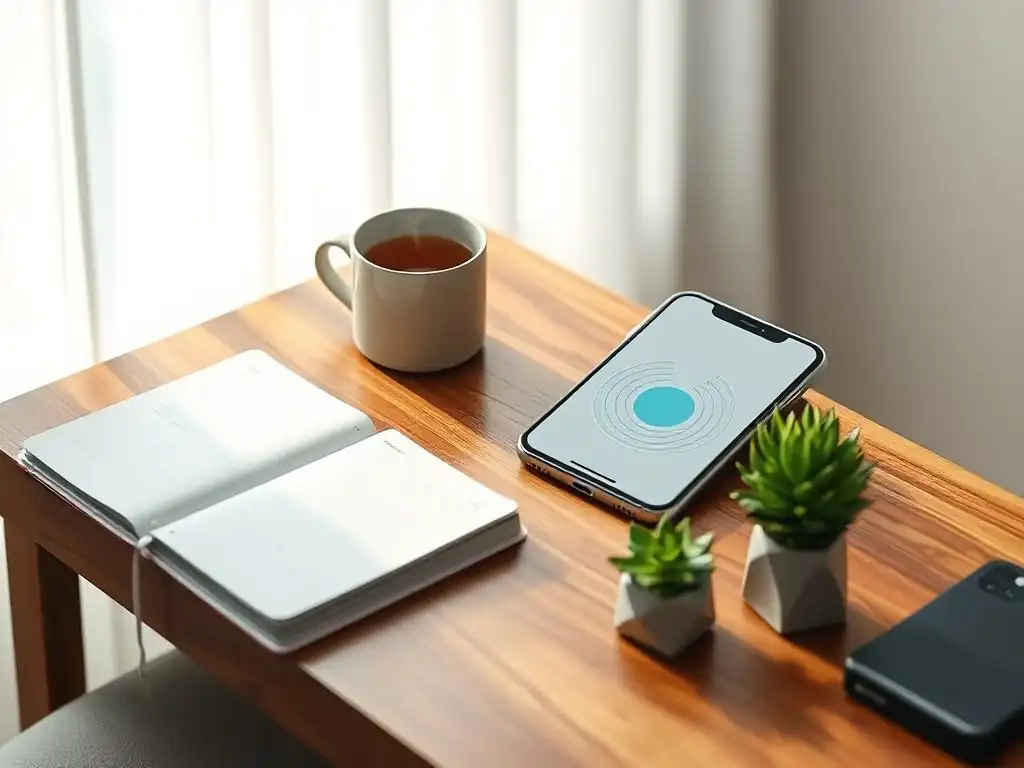
App 1: Calm - Guided Meditations for Work
Calm is one of the most popular stress relief apps professionals and individuals worldwide turn to for relaxation and mindfulness. It offers a vast library of content designed to help users meditate, sleep better, and relax. Its specific sections for "Calm at Work" make it particularly relevant for the professional environment. The app is known for its soothing interface and high-quality audio content, making it a pleasant escape even for a few minutes.
The app's effectiveness lies in its diverse offerings, catering to different needs throughout the workday. Whether you need a short, unguided meditation during a lunch break or a guided session to prepare for a stressful presentation, Calm provides options. Its focus on accessibility and ease of use makes it a go-to choice for many navigating demanding careers.
Key Features of Calm
- Guided Meditations: A wide range of sessions varying in length (from 3 to 30+ minutes) focusing on topics like stress reduction, focus, anxiety, and gratitude.
- Sleep Stories: Bedtime stories narrated by calm voices, designed to help users fall asleep.
- Breathing Programs: Guided exercises to help regulate breathing and calm the nervous system.
- Music: Curated playlists for focus, relaxation, and sleep.
- Masterclasses: Audio programs on mindfulness, stress, and other mental wellness topics taught by experts.
- Calm at Work Section: Specific programs and meditations tailored for workplace challenges, like managing difficult conversations or taking a mid-day break.
Benefits of Using Calm for Stress Reduction
Using Calm regularly can lead to significant reductions in perceived stress and anxiety levels. The guided meditations help professionals cultivate mindfulness, allowing them to observe their thoughts and feelings without judgment, which is crucial for managing stress responses. Short breathing exercises available on the app can provide immediate relief during moments of acute stress or panic. The sleep stories and music can improve sleep quality, which is foundational for overall mental and physical health, essential for maintaining performance in a demanding job.
Moreover, the ability to access these tools quickly allows professionals to integrate micro-breaks throughout their day, preventing stress from accumulating to overwhelming levels. A study published in the Journal of Medical Internet Research in 2019 found that using a mindfulness app like Calm for just 10 minutes a day significantly reduced perceived stress among university students over eight weeks. While not specific to professionals, the mechanism of action is similar, suggesting comparable benefits for individuals in high-pressure work environments seeking stress relief apps professionals recommend.
Target Audience: Executives and Managers
Calm is particularly well-suited for executives and managers who often face high levels of responsibility, complex decision-making, and frequent interactions requiring emotional regulation. The app's professional design and comprehensive content align well with the needs of leaders looking for sophisticated yet easy-to-use tools for personal well-being. The "Calm at Work" features are directly applicable to their daily challenges. The focus on improving focus and reducing reactivity is highly beneficial for leadership roles.
Furthermore, the flexibility of session lengths means that even the busiest executive can find a few minutes for a quick meditation or breathing exercise between meetings. The discreet nature of using an app on a phone also allows for private moments of de-stressing in the office or during business travel. For leaders setting an example, incorporating such a tool can also subtly promote a culture of mental wellness within their teams.
App 2: Headspace - Quick Mindfulness Exercises at Your Desk
Headspace is another leading mindfulness and meditation app that has gained popularity among professionals seeking stress relief. Known for its friendly, animated interface and clear, guided instructions, Headspace makes mindfulness accessible even to complete beginners. It offers a wide array of exercises focusing on various aspects of life, including work and performance.
The app's approach is grounded in making mindfulness a simple, daily habit. Its short, guided sessions are perfect for busy individuals who can spare just a few minutes. The emphasis on building consistency helps users develop lasting skills for managing stress and improving focus, making it a valuable addition to the toolkit of stress relief apps professionals might use.
Key Features of Headspace
- Guided Meditations: Sessions covering topics like stress, anxiety, focus, and sleep, available in varying lengths.
- Mindfulness Exercises: Quick techniques for specific situations, such as mindful walking, commuting, or eating.
- Focus Music: Ambient soundscapes and curated music to aid concentration during work.
- Sleep Aids: Sleepcasts (audio experiences combining narration and sound) and sleep music.
- Move Mode: Guided workouts and mindful movement sessions.
- SOS Sessions: Quick exercises for moments of crisis or feeling overwhelmed.
Benefits of Using Headspace for Mindfulness
Regular use of Headspace helps professionals cultivate mindfulness, which involves paying attention to the present moment without judgment. This skill is incredibly beneficial in the workplace for reducing reactivity to stressful situations and improving the ability to focus on tasks. Even short, 3-minute "SOS" sessions can help ground a professional during a moment of panic or frustration. The app's emphasis on consistency encourages users to build a daily practice, leading to cumulative benefits in stress management over time.
Numerous studies have explored the efficacy of Headspace. For instance, a study published in the Journal of Occupational Health Psychology in 2018 found that using Headspace for just 10 days led to a significant reduction in stress among employees. Participants reported feeling less overwhelmed and more able to cope with workplace demands. This evidence supports Headspace's utility as one of the effective stress relief apps professionals can integrate into their day.
Target Audience: Software Engineers and IT Professionals
Headspace's clear, structured approach and emphasis on focus make it highly suitable for software engineers and IT professionals. These roles often involve intense periods of concentration, problem-solving, and managing complex systems, which can be mentally taxing and stressful. The app's guided focus meditations and ambient music can help block out distractions and maintain concentration during coding or system administration tasks.
The logical, step-by-step nature of Headspace's instruction may also resonate well with individuals in technical fields. The availability of quick, accessible exercises means they can easily fit a mindfulness break into their workflow, perhaps between coding sprints or during system updates. For those who spend long hours in front of screens, a brief guided exercise can provide a much-needed mental reset.
App 3: Breathwrk - Breathing Techniques for Anxiety Relief
Breathwrk is an app focused specifically on the power of breathing exercises for managing stress and anxiety. It offers a wide variety of guided breathing techniques, each designed for a different purpose – from calming down quickly to boosting energy or preparing for sleep. The app provides visual and audio cues to guide users through each inhale, hold, and exhale, making complex techniques easy to follow.
The simplicity and directness of Breathwrk are its strengths. Focusing solely on breathing allows for deep dives into this fundamental, yet often overlooked, tool for stress management. For professionals experiencing physical symptoms of stress, such as shallow breathing or chest tightness, Breathwrk offers immediate, physiological relief. It stands out among stress relief apps professionals might use by honing in on this single, powerful technique.
Key Features of Breathwrk
- Extensive Library of Exercises: Hundreds of guided breathing patterns for various goals (calm, focus, energy, sleep, etc. ).
- Visual and Audio Guides: Clear prompts to help users follow the specific timing of each breath cycle.
- Customizable Sessions: Ability to adjust the duration and intensity of exercises.
- Progress Tracking: Monitor consistency and improvement over time.
- Emergency Exercises: Quick techniques designed for immediate anxiety relief.
Benefits of Using Breathwrk for Anxiety Management
Breathing exercises are scientifically proven to activate the body's relaxation response, counteracting the fight-or-flight mode triggered by stress and anxiety. Using Breathwrk allows professionals to quickly access techniques like diaphragmatic breathing or box breathing, which can slow heart rate, lower blood pressure, and reduce the physical symptoms of anxiety. A study published in Frontiers in Psychology in 2020 highlighted that just a few minutes of paced breathing can significantly reduce subjective anxiety and physiological arousal.
For someone feeling overwhelmed before a big meeting or experiencing panic during a stressful project, a 2-minute breathing session with Breathwrk can provide rapid relief and help regain composure. The app makes it easy to learn and practice these powerful techniques consistently. By providing immediate physiological regulation, Breathwrk offers a distinct benefit within the landscape of stress relief apps professionals might integrate into their coping strategies.
Target Audience: Healthcare Professionals
Healthcare professionals, such as doctors, nurses, and therapists, operate in incredibly high-stress environments, often facing life-or-death situations, long shifts, and emotional burnout. Breathwrk is exceptionally well-suited for this group due to its focus on quick, potent physiological stress reduction. A healthcare worker might only have a few minutes between patients or during a short break to de-stress.
Breathing exercises can be performed anywhere, discreetly, making them ideal for the demanding and often unpredictable schedules of healthcare settings. The ability to rapidly calm the nervous system is essential for maintaining focus, making critical decisions, and preventing emotional exhaustion in a profession where constant composure is required. Breathwrk provides a powerful, on-the-go tool for managing the acute stress inherent in healthcare roles.
App 4: Noisly - Relaxing Sounds and Ambient Noise for Focus
Noisly takes a different approach to stress relief by focusing on creating ideal sound environments for concentration and relaxation. Instead of guided exercises, it offers a vast library of ambient sounds that users can mix and match to create their perfect soundscape. This ranges from nature sounds like rain or forest ambiance to white noise, brown noise, and even office or cafe sounds.
For professionals working in distracting environments or those who find silence unsettling, Noisly provides a way to create a personal auditory bubble. This can help mask disruptive noises, improve focus, and induce a state of calm conducive to productive work or relaxation. It's a unique offering among stress relief apps professionals might use, focusing on environmental control through sound.
Key Features of Noisly
- Extensive Sound Library: Hundreds of high-quality ambient sounds across categories like nature, animals, weather, noise, and music.
- Sound Mixing: Ability to combine multiple sounds and adjust the volume of each to create custom soundscapes.
- Offline Mode: Access downloaded sounds without an internet connection.
- Timers: Set sessions for focus or sleep.
- Curated Mixes: Pre-set combinations for specific goals like focus, relaxation, or sleep.
Benefits of Using Noisly for Improved Concentration
Distractions are a major source of stress and reduced productivity in the workplace. Noisly helps professionals mitigate this by providing background noise that can mask sudden sounds or create a consistent, non-distracting auditory environment. For instance, using white noise or nature sounds can help filter out office chatter or street noise, allowing the user to concentrate better on their tasks. Improved focus naturally leads to reduced stress related to deadlines and task completion.
Beyond masking distractions, certain ambient sounds, like nature sounds, have been shown to have a calming effect on the nervous system. Creating a relaxing soundscape can lower stress levels passively while working. A study published in the Journal of Environmental Psychology in 2017 found that exposure to natural sounds led to a decrease in physiological stress markers. While Noisly provides digital versions, the principle of creating a calming auditory environment holds true, offering a unique form of stress relief professionals can benefit from.
Target Audience: Writers and Content Creators
Writers, content creators, graphic designers, and others in roles requiring sustained creative or focused work are ideal users for Noisly. These professions often require deep concentration and can be easily disrupted by external noise or internal distractions. Creating a specific sound environment can help trigger a state of flow and maintain focus for extended periods.
The ability to customize sound mixes allows individuals to tailor their auditory environment precisely to their preferences and the demands of their task. Some might find rain sounds perfect for writing, while others prefer the consistent hum of brown noise for editing. Noisly provides the flexibility needed for professionals whose work relies heavily on sustained, creative or technical concentration, making it a valuable tool among stress relief apps professionals in these fields might adopt.
App 5: Reflectly - Gratitude Journaling for Positive Thinking
Reflectly is an AI-powered journaling app that focuses on helping users reflect on their thoughts and feelings, particularly through the lens of gratitude and positive psychology. It prompts users with questions and provides insights based on their entries, encouraging a more mindful and positive perspective. While not a traditional meditation or breathing app, journaling is a proven method for stress reduction and emotional processing.
By guiding users to focus on positive aspects of their day and explore their emotions in a structured way, Reflectly helps professionals gain perspective, reduce rumination on stressors, and cultivate resilience. It offers a different, introspective approach within the category of stress relief apps professionals might find beneficial.
Key Features of Reflectly
- AI-Powered Prompts: Intelligent questions and prompts to guide journaling entries.
- Mood Tracking: Track daily mood and identify patterns.
- Gratitude Focus: Encourages reflection on things to be grateful for.
- Personalized Insights: Provides summaries and observations based on entries.
- Secure Storage: Private and secure place to record thoughts.
Benefits of Using Reflectly for Emotional Well-being
Journaling, especially with a focus on gratitude and positive reflection, has been shown to significantly reduce stress, improve mood, and increase overall well-being. Writing down thoughts can help professionals process stressful events, gain clarity on challenges, and reduce the mental load of keeping everything in their heads. Reflectly's guided prompts make it easier to start journaling, even for those who feel they don't know where to begin.
Focusing on gratitude, a core element of Reflectly, shifts attention away from stressors and towards positive experiences, however small. Research published in the Journal of Personality and Social Psychology in 2003 found that individuals who regularly practiced gratitude journaling reported higher levels of positive emotions and optimism. By encouraging this practice, Reflectly helps professionals build emotional resilience and maintain a more balanced perspective amidst workplace pressures. It offers a powerful tool for managing the emotional fallout of stress, complementing other stress relief apps professionals might use for immediate relaxation.
Target Audience: Marketing and Sales Professionals
Marketing and sales roles often involve high-pressure targets, constant communication, rejection, and the need to maintain a positive and resilient attitude despite setbacks. Reflectly is particularly well-suited for these professionals as it helps process emotions, learn from experiences, and cultivate a positive mindset essential for success and well-being in these fields.
The app's focus on gratitude and positive reflection can help counteract the negativity that can arise from dealing with difficult clients or missed targets. Journaling provides a private space to vent frustrations and then pivot towards focusing on successes and lessons learned. For professionals whose performance is closely tied to their attitude and resilience, Reflectly offers a structured way to nurture the emotional strength required, making it a valuable addition to their suite of stress relief apps professionals in these sectors might find helpful.
How to Choose the Right Stress Relief App for Your Needs

Selecting the right stress relief app from the myriad options available can feel overwhelming. The best app for you depends entirely on your individual needs, preferences, and the specific ways stress manifests in your life. Taking a thoughtful approach to choosing is crucial to ensure the app becomes a helpful tool rather than another source of decision fatigue. Consider this a process of finding the digital companion best suited to support your workplace wellness journey.
It's important to remember that no single app is a magic bullet. The most effective approach often involves trying a few different options and seeing which one resonates most with your personality and lifestyle. Many apps offer free trials or limited free versions, allowing you to test the waters before committing to a subscription. Think about the moments in your day when you feel most stressed and consider which type of app might offer the most practical help in those specific situations.
Identifying Your Specific Stress Triggers
Understanding what causes you stress and how you typically react to it is the first critical step in choosing an app. Do you experience acute anxiety before presentations? Do you struggle with maintaining focus amidst distractions? Does stress primarily affect your sleep? Or do you find yourself ruminating on negative interactions long after they've happened? Different apps are designed to address different facets of stress.
For instance, if public speaking anxiety is a major trigger, an app like Breathwrk that offers quick calming techniques might be most beneficial. If your stress leads to difficulty concentrating on tasks, an app like Noisly that helps create a focused auditory environment could be ideal. If you struggle with processing difficult emotions or maintaining a positive outlook after setbacks, a journaling app like Reflectly might be the best fit. Pinpointing your primary stress points helps narrow down the type of stress relief apps professionals like you might need.
Considering App Features and Functionality
Once you have an idea of the type of stress you want to address, evaluate the specific features offered by potential apps. Look beyond the basic description and explore the depth and variety of their content. Does a meditation app offer short sessions suitable for a quick break, or are most sessions long? Does a breathing app have a wide range of exercises, or just a few? Is the interface intuitive and easy to navigate, especially when you're feeling stressed?
Think about how you would realistically use the app during your workday. Do you need something that can be used discreetly with headphones? Do you need offline access? Is progress tracking important to you? Some apps offer integration with wearable devices, which might be a factor for some professionals. Consider the quality of the audio or visuals if that's important for your experience. The functionality should align with your practical needs and preferences for using stress relief apps professionals count on.
Evaluating User Reviews and Ratings
Before committing to an app, take the time to read user reviews and check ratings on app stores. Pay attention to reviews from other professionals or individuals who seem to have similar lifestyles or stress challenges to yours. Look for comments on the app's effectiveness, ease of use, reliability, and customer support. While individual experiences vary, recurring themes in reviews can provide valuable insights into an app's strengths and weaknesses.
Consider both positive and negative feedback. Are there common complaints about bugs, subscription costs, or the quality of content? Do users consistently praise specific features or the overall impact on their stress levels? Aggregated ratings (like 4.5 stars out of 5) provide a quick benchmark, but reading detailed comments offers a richer understanding of the user experience. This step is crucial for vetting stress relief apps professionals are considering.
Testing Free Trials and Demos
Most reputable stress relief apps professionals might consider offer a free trial period or a limited free version. Always take advantage of these. A demo is the best way to get a feel for the app's interface, content, and overall user experience without any financial commitment. Use the app during typical stressful moments in your workday to see how it fits into your routine and whether it provides the desired relief.
During the trial, explore different features. Try a short meditation, a breathing exercise, or a journaling prompt. See how easy it is to access content quickly when you need it most. Does the app feel like a chore to use, or does it genuinely feel supportive? Testing allows you to personally evaluate the app's effectiveness and usability in your specific context before deciding if it's the right investment for your mental wellness. This hands-on approach is key to finding the best stress relief apps professionals can rely on.
Maximizing the Benefits of Stress Relief Apps in the Workplace
Simply downloading a stress relief app isn't enough; consistent and mindful use is key to reaping its full benefits. For busy professionals, integrating these tools effectively requires intentionality and strategy. It's about making mental wellness a non-negotiable part of the workday, just like checking emails or attending meetings. Maximizing the positive impact of stress relief apps professionals use involves more than just occasional interaction; it requires incorporating them into the fabric of your daily professional life.
Think of your app as a personal coach or a quick escape button available whenever you need it. The goal is not to add another task to your list, but to use the app as a tool to enhance your ability to handle existing tasks with greater ease and less stress. This means being proactive about using the app before stress becomes overwhelming, as well as reactive during moments of tension.
Integrating App Use into Your Daily Routine
The most effective way to benefit from stress relief apps professionals utilize is to make their use a regular habit. This could mean scheduling short breaks specifically for using the app, perhaps 5-10 minutes mid-morning and mid-afternoon. Alternatively, you could tie app use to existing triggers, like using a breathing exercise app before every important meeting or listening to focus sounds whenever you sit down for a deep work session.
Consider using the app during your commute to transition between home and work mindsets. Many professionals find using a meditation or breathing app on public transport or even while sitting in traffic helps them arrive at work feeling calmer. Similarly, using a sleep story or relaxing soundscape app before bed can help unwind after a stressful day. Consistency, even in short bursts, is more impactful than infrequent, long sessions. A daily 5-minute practice is far more beneficial than a one-hour session once a month.
Setting Realistic Goals and Expectations
It's important to have realistic expectations about what stress relief apps professionals use can achieve. They are powerful tools for managing stress and improving coping skills, but they won't eliminate stress entirely, nor are they a substitute for professional help if you are dealing with significant mental health challenges. Set achievable goals for app usage, such as "use the breathing app for 3 minutes during my lunch break daily" or "listen to focus sounds for the first hour of my workday."
Avoid aiming for perfection or feeling discouraged if you miss a day. The goal is progress, not perfection. Recognize that some days will be more stressful than others, and your ability to use the app might vary. Be patient with yourself and with the process. The benefits of mindfulness and stress management techniques often accumulate over time. Don't expect radical transformation overnight, but trust that consistent small efforts will lead to noticeable improvements in your ability to handle workplace pressures.
Combining App Use with Other Wellness Practices
Stress relief apps professionals use are most effective when part of a broader approach to mental and physical wellness. They should complement, not replace, other healthy habits. This includes getting sufficient sleep (aiming for 7-9 hours per night), maintaining a balanced diet, incorporating regular physical activity into your week, and nurturing social connections.
Consider how your app use fits into this larger picture. Could using a sleep aid app from your phone help you establish a better bedtime routine? Could a quick breathing session give you the energy or calm needed to fit in a workout after work? Could a mindfulness exercise help you be more present and engaged during social interactions? Integrating app use with these foundational wellness practices creates a synergistic effect, leading to more robust stress management and overall well-being.
Avoiding Over-Reliance on Apps for Stress Management
While stress relief apps professionals can be incredibly helpful, it's crucial to avoid becoming overly reliant on them as the only coping mechanism. They are tools to support your innate capacity for resilience, not external crutches that replace internal skills. The goal should be to learn techniques (like mindful breathing or body scanning) through the app that you can eventually utilize even without the app open.
Furthermore, if you are experiencing severe or persistent stress, anxiety, or depression, stress relief apps are not a substitute for professional mental health support from a therapist or counselor. Apps can be a valuable adjunct to therapy, providing tools to practice techniques learned in sessions, but they cannot diagnose or treat complex mental health conditions. Be mindful of your needs and seek professional help when necessary; use apps as part of a comprehensive strategy, not as your sole solution for navigating the pressures of professional life.
The Future of Mental Wellness: Technology and Professional Support
The landscape of mental wellness support is rapidly evolving, with technology playing an increasingly significant role. Stress relief apps professionals use today are just one piece of a larger puzzle that includes teletherapy platforms, AI-driven mental health tools, and integrated wellness programs. The future points towards a more personalized, accessible, and integrated approach to managing stress and promoting mental health, particularly in high-demand environments like the professional workplace.
As technology advances, we can expect these digital tools to become even more sophisticated, offering tailored interventions based on user data and preferences. The convergence of technology with traditional therapeutic practices holds immense promise for making mental wellness support more widely available and effective for busy individuals who may face barriers to accessing traditional care.
The Role of AI in Personalized Stress Relief
Artificial intelligence is poised to revolutionize stress relief apps professionals might use in the future. AI can analyze user patterns, mood tracking data, and interaction styles to offer highly personalized recommendations for exercises, content, and timing. Instead of a generic library, an AI-powered app could learn that a user typically feels stressed before Monday morning meetings and proactively suggest a specific breathing exercise at that time.
AI can also power more sophisticated conversational interfaces, providing supportive interactions that feel personalized, though distinct from human therapy. Imagine an app that uses AI to help you process a stressful work interaction by guiding you through reflective questions, similar to a brief coaching session. While privacy and ethical considerations are paramount, the potential for AI to deliver more timely, relevant, and effective stress relief interventions is significant.
Combining Apps with Traditional Therapy and Counseling
Increasingly, mental health professionals are recognizing the value of integrating digital tools into traditional therapy. Stress relief apps professionals use can serve as valuable complements to counseling sessions. A therapist might recommend specific in-app exercises for a client to practice between sessions, reinforcing skills learned in therapy, such as cognitive restructuring or mindfulness.
This blended care model allows individuals to receive the depth and personalized support of human interaction while using apps for daily practice, tracking, and accessing resources on demand. For busy professionals, this combination offers flexibility, making it easier to maintain progress between appointments and providing immediate tools during moments of stress. The future will likely see tighter integration between therapy platforms and wellness apps, creating a more seamless and effective mental health support system.
Promoting a Culture of Mental Wellness in the Workplace
Ultimately, the most impactful change will come from workplaces themselves embracing and promoting mental wellness. While stress relief apps professionals use are powerful individual tools, their effectiveness is amplified when the organizational culture supports mental health. This includes encouraging employees to take breaks, providing resources and information about mental health support (including apps), and fostering an environment where discussing stress and seeking help is destigmatized.
Companies can play a role by raising awareness about the benefits of stress relief apps, perhaps even offering subsidized access to premium versions. Leadership modeling healthy behaviors, like taking short breaks or mentioning the use of wellness tools, can also encourage employees to prioritize their mental health. Creating a culture where well-being is valued alongside productivity is crucial for reducing chronic workplace stress and ensuring that professionals can not only cope but thrive.
Frequently Asked Questions
What are the main benefits of using stress relief apps for professionals?
Stress relief apps offer quick and accessible mental wellness tools, helping professionals manage stress through guided meditations, breathing exercises, and mindfulness techniques. They promote improved focus and reduced anxiety throughout the workday.
How can stress relief apps specifically address workplace stress?
These apps provide on-demand strategies for managing stressful situations at work, such as deadlines or difficult conversations. They offer portable relaxation techniques to de-escalate stress quickly.
Are stress relief apps effective for long-term mental well-being, or are they only a temporary fix?
While providing immediate relief, consistent use of stress relief apps can cultivate lasting mindfulness habits and enhance coping mechanisms. They are a valuable tool for proactive mental wellness when integrated into a broader self-care routine.
What features should professionals look for when choosing a stress relief app?
Prioritize apps with features like guided meditations, breathing exercises, and mood tracking to personalize your experience. Look for apps with short, accessible sessions suitable for busy schedules.
Are stress relief apps a replacement for professional mental health support?
No, stress relief apps are not a substitute for professional help. They are a supplementary tool. If you're experiencing persistent or severe mental health challenges, seeking guidance from a qualified therapist or counselor is crucial.
Final Reflection: Reclaiming Your Wellbeing in the Digital Age
The relentless pace of modern professional life demands a conscious effort towards wellbeing, and readily available digital tools can be powerful allies in this fight against burnout. The apps explored in this article offer a crucial lifeline, providing accessible moments of calm and rejuvenation amidst the chaos of demanding schedules. These aren't mere distractions; they are strategic interventions designed to enhance productivity and overall quality of life.
The impact of chronic stress on professionals is undeniable, permeating not only the workplace but also personal relationships and overall mental health. The normalization of "always-on" culture has created a pervasive sense of urgency, often at the expense of self-care. The price of neglecting your mental health is far greater than the price of taking care of it.
This quote underscores the importance of prioritizing mental wellbeing, and the apps discussed here offer a practical pathway to achieve that. They represent a shift in perspective, acknowledging the need for integration of self-care into the very fabric of professional life, rather than viewing it as a luxury.
Now, consider your own daily routine. Where can you integrate even five minutes of mindful breathing, a quick meditation, or a calming soundscape? You deserve these moments of respite. Don't let the demands of your career overshadow the importance of your mental and emotional health. Explore the apps highlighted in this article, experiment with different techniques, and discover the tools that best resonate with you. Your wellbeing is not a luxury; it's the foundation upon which a fulfilling and successful life is built. Invest in it.
Unleash Your Inner Zen: Recharge & Refocus
Thanks for taking the time to explore practical ways to manage stress and boost your well-being amidst a busy professional life! We hope you discovered some helpful strategies in this article. Now it's time to put them into action.
- Prioritize one app: Choose the app that resonates most with you from the list and dedicate just 5 minutes today to exploring its features. This small step can make a big difference!
- Share your discovery: Tell a colleague or friend about an app you found helpful – spreading the word about workplace wellness can be incredibly rewarding.
- Experiment and adjust: Try different apps or techniques over the next week and see what works best for your unique needs and schedule. Remember, finding the right tools is a journey, not a destination.
What's one small step you'll take today to prioritize your well-being at work?