
Where to Turn: Essential Resources for Parents of Anxious Children


Welcome to Mind Care Guide, a compassionate space dedicated to nurturing mental well-being. Feeling lost and overwhelmed while trying to support your anxious child? You're not alone. In this guide, we'll explore essential resources for parents of anxious children, offering practical support and guidance. Curious about where to begin? Let's unravel the path to understanding and empowerment together...
Where to Turn: Essential Resources for Parents of Anxious Children
- Understanding Anxiety in Children: A Parent's Guide
- Key Resources for Supporting Anxious Children
- Practical Strategies for Parents of Anxious Children
- Navigating the School System: Advocating for Your Anxious Child
- Building Resilience in Anxious Children: Long-Term Strategies
- Additional Resources for Parents: Anxiety Relief and Self-Care
-
Frequently Asked Questions
- What are some common signs of anxiety in children that parents should look out for?
- Where can parents find Anxious children parent support resources offering practical advice and coping strategies?
- What types of professional help are available for children struggling with anxiety?
- How can parents create a supportive home environment to help their anxious child feel safe and secure?
- What are some online communities or forums where parents of anxious children can connect and share experiences?
- Final Reflection: Navigating the Labyrinth of Childhood Anxiety
- Unlock Your Child's Calm: Practical Steps to Support Their Anxiety
Understanding Anxiety in Children: A Parent's Guide
Recognizing the Signs of Anxiety in Your Child
Identifying anxiety in children can be challenging because it often manifests differently than in adults. While some children might express their worries verbally, others exhibit physical symptoms or behavioral changes. Common physical signs can include frequent stomachaches, headaches, difficulty sleeping, or feeling restless. These symptoms might increase before school, social events, or other situations that trigger their anxiety. For instance, a child might complain of a stomachache every Monday morning before school, which subsides once they are home.
Behavioral signs can be particularly telling. An anxious child might become excessively clingy, avoid situations they previously enjoyed, have frequent tantrums or meltdowns, or struggle with separation from parents. They might also seek constant reassurance or become overly perfectionistic, fearing making mistakes. Understanding these varied expressions is crucial for parents seeking appropriate anxious children parent support resources and identifying when professional help might be needed. Observing consistent patterns in these behaviors and physical complaints is a key step in recognizing potential anxiety issues.
Differentiating Normal Childhood Worries from Anxiety Disorders
It's perfectly normal for children to experience worries as they grow and encounter new situations. A young child might fear monsters under the bed, a school-aged child might worry about a test, or a teenager might feel nervous before a presentation. These are typically transient fears that don't significantly disrupt daily life. The key difference between normal worry and an anxiety disorder lies in the intensity, duration, frequency, and impact on the child's ability to function in various settings, such as home, school, or social environments.
Anxiety becomes a disorder when it is persistent, overwhelming, and interferes with daily activities. For example, a child with an anxiety disorder might refuse to go to school due to excessive worry about separation or performance, avoid all social interactions for fear of judgment, or be consumed by intrusive thoughts that they cannot shake off. While normal worries might cause temporary discomfort, clinical anxiety causes significant distress and impairment. Recognizing this distinction is vital for parents seeking effective anxious children parent support resources tailored to the severity of their child's struggles.
The Impact of Anxiety on Children's Development and Well-being
Persistent anxiety can significantly impact a child's development across multiple domains. Academically, it can lead to difficulty concentrating, avoidance of challenging tasks, and reluctance to participate in class, potentially affecting performance and learning. Socially, anxiety can hinder a child's ability to form and maintain friendships, participate in group activities, or navigate social situations, leading to isolation and feelings of loneliness. Approximately one in eight children experiences an anxiety disorder, and if left untreated, these issues can persist into adulthood.
Beyond academic and social challenges, untreated anxiety can affect a child's physical health and overall emotional well-being. Chronic stress from anxiety can contribute to sleep disturbances, weakened immune systems, and other physical ailments. Emotionally, children may experience low self-esteem, irritability, or even depression. Accessing anxious children parent support resources, including therapy and support groups, early on can mitigate these long-term impacts, helping children develop healthier coping mechanisms and build resilience for the future.
Key Resources for Supporting Anxious Children
Online Resources for Anxiety Support for Parents and Kids
Reputable Websites Offering Information and Tools for Managing Child Anxiety
The internet offers a wealth of information, and several reputable websites provide valuable anxious children parent support resources. These sites often feature articles explaining various anxiety disorders, tips for parents on how to respond to anxious behaviors, and strategies for teaching children coping skills. Many also offer free guides, webinars, or toolkits. When exploring online resources, it's important to stick to websites from established mental health organizations, universities, or government health bodies to ensure the information is accurate and evidence-based.
For example, organizations dedicated to child mental health frequently publish content specifically designed for parents navigating their child's anxiety. These resources might include printable worksheets for children to identify feelings, guides on implementing exposure therapy at home in a gentle way, or forums where parents can connect. Utilizing these online anxious children parent support resources can be a convenient first step for parents seeking to understand their child's condition better and learn practical ways to help them manage their fears.
Anxiety & Depression Association of America (ADAA)
The Anxiety & Depression Association of America (ADAA) is a prominent example of a reputable organization providing extensive anxious children parent support resources. Their website features a dedicated section on child and adolescent anxiety, offering articles on specific conditions like Separation Anxiety Disorder, Social Anxiety, and Generalized Anxiety Disorder. They provide guidance on finding treatment, understanding therapy types like Cognitive Behavioral Therapy (CBT), and offer tips for parents on supporting their child.
ADAA's resources are grounded in scientific research and clinical expertise. They also list support groups and offer a therapist finder tool, although accessing specific professionals might require further local searches. Exploring the ADAA website is a valuable step for parents looking for reliable information and connections to professional help, forming a crucial part of the anxious children parent support resources landscape available online.
Books and Workbooks for Anxious Children and Their Parents
Recommended Reading for Understanding and Coping with Anxiety
Books and workbooks offer a structured way for both parents and children to learn about anxiety and develop coping strategies. For parents, reading about anxiety can provide deeper insights into their child's experience, normalize their struggles, and offer practical guidance on how to respond effectively. Books aimed at children often use age-appropriate language and engaging illustrations to explain anxiety, helping kids understand their feelings and learn techniques to manage them, such as relaxation or challenging anxious thoughts.
There are numerous titles available covering different age groups and specific types of anxiety. Many of these books are based on therapeutic principles, such as CBT, and are recommended by mental health professionals as valuable anxious children parent support resources. Workbooks often include activities, exercises, and journal prompts that children can complete, making the learning process interactive and personal. Parents can work through these books with their children, fostering connection and shared understanding.
"What to Do When You Worry Too Much: A Kid's Guide to Overcoming Anxiety" by Dawn Huebner
A widely recommended workbook for children aged 6-12 is "What to Do When You Worry Too Much: A Kid's Guide to Overcoming Anxiety" by Dawn Huebner. This book uses simple language and engaging illustrations to explain anxiety in a way children can understand. It introduces concepts like the "Worry Monster" and provides step-by-step instructions on techniques derived from CBT, such as identifying worry thoughts, challenging them, and practicing relaxation.
The workbook format encourages children to actively participate in learning and practicing coping skills through exercises and journaling. Parents often find this book helpful as it provides concrete tools they can use to support their child's efforts to manage anxiety. It serves as an excellent example of written anxious children parent support resources that empower both the child and the parent in the journey of overcoming anxiety.
Local Support Groups and Mental Health Professionals
Finding Child Psychologists and Therapists Specializing in Anxiety
Connecting with a qualified mental health professional is often a critical step in supporting an anxious child, especially when anxiety is significantly impacting their life. Child psychologists, therapists, and counselors specializing in pediatric anxiety disorders are trained to diagnose the specific type of anxiety and provide evidence-based treatments like Cognitive Behavioral Therapy (CBT), Exposure and Response Prevention (ERP), or play therapy. These professionals can assess the severity of the anxiety, identify triggers, and develop a personalized treatment plan.
Finding a suitable therapist might involve referrals from a pediatrician, searching online directories of mental health professionals, or contacting local mental health clinics. It's beneficial to ask about their experience treating childhood anxiety and their therapeutic approach. A therapist can also equip parents with strategies and techniques to use at home, acting as invaluable anxious children parent support resources and guiding the whole family system in managing the child's anxiety.
Connecting with Parent Support Groups in Your Community
Parent support groups offer a unique form of anxious children parent support resources by connecting caregivers who are facing similar challenges. These groups provide a safe space to share experiences, exchange practical tips, and receive emotional validation from others who truly understand the daily struggles of raising an anxious child. Hearing from other parents who have navigated similar situations can reduce feelings of isolation and offer hope and practical strategies.
Support groups can be found through local mental health organizations, community centers, hospitals, or online platforms focused on specific conditions. Some groups are led by mental health professionals, offering educational content alongside peer support. Participating in such a group can be incredibly empowering for parents, providing a network of understanding and shared wisdom that complements professional interventions and other anxious children parent support resources.
Practical Strategies for Parents of Anxious Children
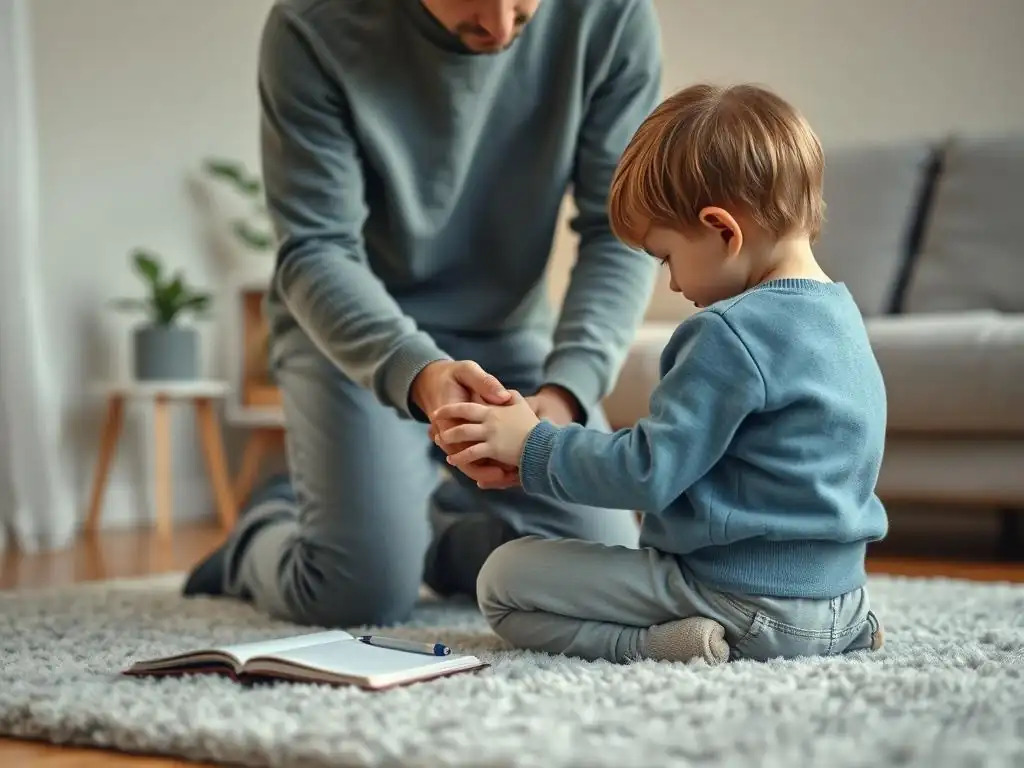
Creating a Supportive and Understanding Home Environment
A supportive home environment is fundamental for helping a child manage anxiety. This involves validating their feelings without enabling avoidance. Let your child know you understand they are scared or worried, but gently encourage them to face their fears in small, manageable steps. Avoid dismissing their anxiety or constantly reassuring them that "there's nothing to worry about," as this can inadvertently invalidate their feelings. Instead, focus on acknowledging their distress and expressing confidence in their ability to cope.
Consistency and predictability in routines can also provide a sense of safety for anxious children. Establishing clear expectations and daily schedules can reduce uncertainty, which often fuels anxiety. Celebrate small victories when your child confronts a fear, no matter how small. Positive reinforcement for brave behavior is much more effective than focusing on anxious avoidance. Building this kind of environment is a crucial practical anxious children parent support resource implemented within the home.
Communication Techniques for Addressing Children's Anxiety
Effective communication is key when talking to an anxious child. Use calm, clear language and listen actively without interruption. When they express a worry, instead of immediately offering solutions or minimizing the fear, try saying something like, "I hear you're feeling really worried about that," to show empathy. Encourage them to describe their feelings and thoughts without judgment. Help them label their emotions, which can give them a sense of control.
Teach them to externalize the anxiety – viewing it as a "worry bug" or "tricky brain" rather than an inherent part of themselves. This separation can make it easier for them to challenge the anxious thoughts. Practice problem-solving together for realistic concerns, but for irrational fears, focus on gradually facing the fear and managing the feeling. These communication strategies are vital anxious children parent support resources that parents can use daily.
Teaching Coping Mechanisms: Relaxation and Mindfulness Exercises
Equipping children with coping mechanisms provides them with tools to manage anxiety independently. Simple techniques like deep breathing can be taught even to young children – imagine blowing up a balloon or smelling a flower and blowing out a candle. Progressive muscle relaxation, where they tense and release different muscle groups, can also help them recognize and release physical tension associated with anxiety.
Mindfulness exercises, such as paying attention to their five senses or guided meditations designed for children, can help ground them in the present moment, pulling their focus away from anxious thoughts about the past or future. Practicing these skills regularly, not just when they are anxious, helps them become automatic responses. Learning and practicing these techniques together can be a powerful anxious children parent support resource for the whole family.
Working with Teachers and School Counselors to Support Your Child
The school environment can be a significant source of anxiety for many children. Collaborating closely with your child's teachers and the school counselor is essential. Schedule meetings to discuss your child's specific anxieties, how they manifest in the classroom (e.g., difficulty speaking up, reluctance to go to recess, perfectionism about assignments), and what triggers seem most problematic. Share strategies that work for your child at home.
Teachers and counselors can implement classroom-based supports, such as providing a safe space for the child to go when feeling overwhelmed, adjusting assignments, or facilitating positive peer interactions. They are valuable anxious children parent support resources within the educational setting. Open communication ensures consistency between home and school approaches and helps create a more supportive learning environment tailored to your child's needs.
Developing a School-Based Anxiety Management Plan
For children whose anxiety significantly impacts their school functioning, developing a formal school-based plan can be beneficial. This might involve a 504 Plan or an Individualized Education Program (IEP), depending on the severity of the anxiety and its impact on learning. These plans outline specific accommodations and supports the school will provide, such as permission to leave the classroom briefly, extended time on tests, modified assignments, or access to the school counselor during the day.
Working with the school psychologist or special education team is necessary to develop these plans. The plan should clearly state the child's needs related to anxiety and the specific services or accommodations required. Having a documented plan ensures that school staff are aware of the child's challenges and committed to implementing agreed-upon supports. This formal approach is a significant anxious children parent support resource for navigating the educational system effectively.
Understanding Your Child's Rights and Available Accommodations
Parents should be aware of their child's rights within the educational system, particularly regarding mental health challenges that affect learning. In many countries, legislation exists to ensure children with disabilities, including mental health conditions like anxiety, receive necessary support and accommodations to access education. Understanding these rights empowers parents to advocate effectively for their child.
Knowledge about available accommodations – such as preferential seating to reduce social anxiety, modified workload to manage perfectionism, or a signal system with the teacher for when they feel overwhelmed – is crucial. Parents can research their local educational laws and policies or consult with the school counselor or an educational advocate. Armed with this knowledge, parents can confidently request and help implement the anxious children parent support resources and accommodations their child needs to thrive in school.
Building Resilience in Anxious Children: Long-Term Strategies

Fostering Independence and Self-Confidence
Building resilience in anxious children involves fostering their independence and self-confidence, often by encouraging them to face fears gradually and celebrating their efforts. Avoid doing everything for your child to shield them from anxiety; this can reinforce the idea that they are incapable. Instead, break down challenging tasks into smaller, manageable steps and support them as they attempt each step independently. For example, if they fear sleeping alone, start with you sitting by their bed, then move further away each night.
Praise their bravery and effort ("You were so brave trying that!") rather than just the outcome. Help them identify their strengths and positive qualities. Encourage participation in activities they enjoy, which can provide opportunities for success and build self-esteem. Empowering children to tackle challenges, even with support, is a fundamental part of equipping them with long-term anxious children parent support resources from within.
Promoting Healthy Habits: Sleep, Diet, and Exercise
Healthy lifestyle habits play a significant role in managing anxiety and building overall resilience. Ensuring your child gets enough quality sleep is crucial, as sleep deprivation can exacerbate anxiety symptoms. Establish a consistent bedtime routine and create a calming sleep environment. A balanced diet, limiting sugar and caffeine, can also help regulate mood and energy levels, reducing physical symptoms that can trigger anxiety.
Regular physical activity is a powerful stress reliever and mood booster. Encourage your child to find activities they enjoy, whether it's playing outdoors, participating in sports, dancing, or simply going for walks. Incorporating these healthy habits into daily life provides a strong foundation for managing anxiety long-term and serves as important, often overlooked, anxious children parent support resources.
Seeking Professional Help: When and How to Get Further Support for Child Anxiety
Knowing when and how to seek professional help is a critical long-term strategy for managing childhood anxiety. If your child's anxiety is persistent, intense, interfering with daily life (school, social activities, sleep), or causing significant distress, it's time to consult a professional. A pediatrician is often the first point of contact and can rule out any underlying medical conditions, offer initial guidance, or provide referrals to mental health specialists.
When seeking professional help, look for therapists specializing in child and adolescent anxiety and evidence-based treatments like CBT or ERP. Don't hesitate to ask questions about their experience, approach, and what treatment might involve. Therapy provides children with coping skills and helps them understand their anxiety, while also offering parents valuable anxious children parent support resources and guidance on how to best support their child's journey towards managing anxiety effectively.
Additional Resources for Parents: Anxiety Relief and Self-Care
Managing Parental Stress and Anxiety
Supporting an anxious child can be emotionally demanding and stressful for parents. It's vital for parents to manage their own stress and anxiety, not only for their own well-being but also because parental stress can sometimes inadvertently heighten a child's anxiety. Recognizing your own signs of stress and implementing strategies to cope are essential. This might include mindfulness, exercise, ensuring adequate sleep, or engaging in hobbies.
Seeking support for yourself is not selfish; it makes you a more effective caregiver. Consider talking to a therapist or counselor about your own feelings and challenges. Learning healthy coping mechanisms yourself sets a positive example for your child and strengthens your capacity to provide the necessary anxious children parent support resources. Taking care of your mental health is a crucial component of supporting your child's mental health.
Building a Support Network for Yourself
Isolation can make the challenges of parenting an anxious child feel overwhelming. Building a strong support network is incredibly beneficial. Connect with other parents, whether through formal support groups (like those mentioned earlier) or informal networks of friends and family who understand or are willing to listen. Sharing your experiences can reduce feelings of loneliness and provide practical advice and emotional support.
Don't be afraid to lean on trusted individuals or ask for help when you need it. This network can provide a much-needed break, offer a different perspective, or simply be a listening ear. Your personal support system is a vital part of the anxious children parent support resources available to you as a parent, helping you navigate the journey with greater strength and resilience.
National Parent Helpline
For parents in the United States seeking immediate support or guidance, the National Parent Helpline is a valuable anxious children parent support resource. It offers emotional support and guidance to parents and caregivers. While not specifically focused on anxiety, it provides a listening ear and can help parents process their feelings, navigate challenges, and connect with local resources.
Accessing helplines or similar services in your region can provide a confidential space to discuss your struggles and receive compassionate support. These services understand the pressures of parenting and can offer a lifeline when you feel overwhelmed. Knowing that such anxious children parent support resources are available, even for the parent's own well-being, is a crucial piece of the overall support system.
Frequently Asked Questions
What are some common signs of anxiety in children that parents should look out for?
Common signs include excessive worry, difficulty sleeping, and physical symptoms like stomachaches or headaches. It's important to consult with a professional for a proper diagnosis.
Where can parents find Anxious children parent support resources offering practical advice and coping strategies?
Mind Care Guide and other online platforms often provide articles, guides, and downloadable resources tailored for parents. Look for local support groups and workshops focusing on anxiety management.
What types of professional help are available for children struggling with anxiety?
Options include therapy (like CBT), medication (if prescribed by a doctor), and behavioral interventions. Early intervention is key to helping children manage their anxiety.
How can parents create a supportive home environment to help their anxious child feel safe and secure?
Establish consistent routines, practice active listening, and encourage open communication about feelings. Avoid reinforcing anxious behaviors and promote healthy coping mechanisms.
Many online forums and social media groups offer a space for parents to connect, share advice, and find emotional support. Be sure to choose reputable sources and verify information before implementing advice.
The struggle to support a child grappling with anxiety is a pervasive and deeply personal journey, one that affects millions of families today. This reality underscores the critical need for readily accessible and effective resources, a need that only intensifies as we better understand the complexities of childhood anxiety and its far-reaching consequences. The information presented in this article serves as a starting point, a roadmap to navigate the often overwhelming landscape of available support.
The impact of childhood anxiety extends far beyond the individual child; it ripples outwards, affecting family dynamics, educational experiences, and ultimately, the child's overall well-being. This journey has profoundly shaped my understanding of the resilience and strength found within families facing adversity. The most important thing a father can do for his children is to love their mother.
– Theodore Hesburgh. While not directly about anxiety, this quote highlights the foundational importance of family unity and support, a crucial element in navigating the challenges of raising an anxious child. The resources highlighted in this article aim to bolster that unity and provide the tools necessary to foster a supportive and understanding environment.
Now, I invite you to reflect on your own experiences and the resources available to you. Consider what resonates most deeply from this article, and how you can proactively utilize these tools to support your child, or perhaps a child in your life, who is struggling with anxiety. Remember, seeking help is a sign of strength, not weakness. Take the first step, explore the resources provided, and embark on a journey of understanding and empowerment. Your commitment to your child's well-being is the most powerful resource of all.
Unlock Your Child's Calm: Practical Steps to Support Their Anxiety
Thanks for taking the time to learn more about supporting your child's anxiety. We hope this article provided valuable insights and tools. Now, let's put that knowledge into action!
- Prioritize one calming activity from the article: Choose just one technique (deep breathing, mindfulness exercise, etc.) and practice it with your child today. Even a few minutes can make a difference.
- Explore additional resources: Dive deeper into the topic by searching Mind Care Guide for related articles on anxiety management techniques or child development.
- Share your experiences: What calming strategies have you found most effective? Share your tips and insights in the comments below – your experience could help other parents!
Ready to take the first step toward a calmer, more confident child? What small change will you implement today to help them manage their anxiety?