
Isolation After Service: Combating Loneliness in Veterans

Welcome to Mind Care Guide, a sanctuary for your mental well-being.
Feeling alone after service is a common struggle, but you're not alone. This article delves into vital Veteran loneliness support resources, offering a lifeline to reconnect and rebuild. Discover actionable strategies and supportive communities designed to ease the burden of isolation and foster a renewed sense of belonging. Ready to explore pathways to connection and reclaim your well-being?
Isolation After Service: Combating Loneliness in Veterans
- Understanding Veteran Loneliness: A Critical Mental Health Challenge
- Identifying the Root Causes of Veteran Isolation
- Recognizing the Signs and Symptoms of Loneliness in Veterans
- Veteran Loneliness Support Resources: A Comprehensive Guide
- Strategies for Combating Loneliness and Promoting Social Connection
- Building a Supportive Community for Veterans: What You Can Do
- The Future of Veteran Loneliness Support: Innovation and Advocacy
- Finding Veteran Loneliness Support Resources Near You: A Local Guide
-
Frequently Asked Questions
- What are the primary factors contributing to veteran loneliness after transitioning out of military service?
- Why is addressing veteran loneliness so crucial for overall well-being?
- What types of veteran loneliness support resources are typically available?
- How can family members and friends best support a veteran experiencing loneliness?
- Where can veterans find reliable veteran loneliness support resources within their communities?
- Final Reflection: Finding Connection After the Uniform
- Rediscover Connection: Your Next Steps to Thrive
Understanding Veteran Loneliness: A Critical Mental Health Challenge
The Unique Challenges of Transitioning from Military to Civilian Life
Transitioning from the structured, high-stakes environment of military service back into civilian life presents a complex array of challenges that can profoundly impact a veteran's social and emotional well-being. Military life is characterized by a strong sense of purpose, clear hierarchy, and deep bonds forged through shared experiences and often, shared adversity. Service members are part of a tight-knit community where roles are defined, and mutual reliance is essential.
This stark contrast with the often individualistic and less structured civilian world can leave veterans feeling adrift and disconnected. The loss of this ingrained sense of belonging and the difficulty in translating military skills and experiences to civilian contexts can lead to feelings of isolation and a struggle to find a new identity outside of their service.
Furthermore, the cultural differences between military and civilian populations can create barriers to social reintegration. Military communication is often direct and hierarchical, while civilian communication can be more nuanced and less explicit. Veterans may find it challenging to navigate these social dynamics, leading to misunderstandings or feelings of being misunderstood.
The shared language, inside jokes, and cultural references common among service members are often absent in civilian interactions, making it harder to build rapport and feel connected. These subtle yet significant differences can contribute significantly to the sense of being an outsider, making it difficult for veterans to establish new social networks and access veteran loneliness support resources.
Prevalence of Loneliness Among Veterans: Statistics and Impact
Loneliness and social isolation are significant concerns within the veteran community, often exceeding rates seen in the general population. Studies and surveys consistently highlight this issue. For instance, research has suggested that a substantial percentage of veterans report feeling lonely, with some studies indicating that over half of veterans aged 18-30 experience loneliness more frequently than their non-veteran peers. While precise recent national figures can fluctuate, the consistent finding across various reports is that veterans, particularly younger veterans and those who have recently transitioned, are at elevated risk for social isolation.
The impact of this pervasive loneliness is far-reaching, affecting both mental and physical health. Chronic loneliness in veterans is strongly associated with increased rates of depression, anxiety, and even higher rates of suicide ideation compared to their connected counterparts. It can exacerbate existing mental health conditions like PTSD and contribute to the development of new ones.
Physically, loneliness has been linked to increased stress hormones, inflammation, and a higher risk of cardiovascular problems. Addressing veteran loneliness is not merely about improving social life; it is a critical component of comprehensive veteran mental health and well-being, necessitating accessible veteran loneliness support resources.
Post-Traumatic Stress Disorder (PTSD) and other trauma-related conditions are prevalent among veterans and are deeply intertwined with social isolation. The very nature of trauma can make social interaction challenging. Symptoms like hypervigilance can make veterans feel unsafe or on edge in social settings, while avoidance behaviors, a core symptom of PTSD, often lead to withdrawal from friends, family, and public activities. Intrusive thoughts and nightmares can make it difficult to be present during social interactions, and emotional numbing can hinder the ability to connect with others on an emotional level.
Moreover, the experiences that lead to trauma in service can be difficult to talk about with civilians who lack similar experiences. This difficulty in sharing can create a chasm between veterans and their civilian peers, leading to feelings of being misunderstood or alienated.
Veterans may fear judgment or re-traumatization when discussing their experiences, opting instead to keep to themselves. This self-imposed or trauma-driven isolation further exacerbates feelings of loneliness and makes it harder for veterans to seek help or utilize available veteran loneliness support resources, creating a vicious cycle where trauma fuels isolation, and isolation makes healing from trauma more difficult.
Identifying the Root Causes of Veteran Isolation
Loss of Camaraderie and Unit Cohesion After Military Service
One of the most profound losses veterans experience upon leaving the military is the dismantling of the intense camaraderie and unit cohesion that defined their service. Military units are built on shared purpose, mutual trust, and a sense of collective identity. Service members rely on each other implicitly, often in life-or-death situations, forging bonds that are deeper and more immediate than many civilian relationships. This constant proximity, shared mission, and reliance create an unparalleled sense of belonging.
Upon transition, this foundational social structure disappears. Veterans are no longer part of a team where their role is clear and their presence is essential to the group's function. Finding civilian equivalents to this level of cohesion and shared purpose is incredibly difficult.
The absence of daily interaction with fellow service members who truly understand their experiences can lead to a significant void, leaving veterans feeling disconnected from their closest ties and struggling to build new ones. This loss is a primary driver of the isolation many veterans face, underscoring the need for veteran loneliness support resources that help bridge this gap.
The cultural shift from military to civilian life involves navigating vastly different social norms and expectations. Military culture is often characterized by directness, a clear chain of command, and a focus on group needs over individual desires. Civilian culture, in contrast, can be more indirect, less hierarchical, and places a greater emphasis on individual expression and diverse social cues. Veterans may find the ambiguity of civilian social interactions confusing or frustrating. For example, the level of personal space, acceptable topics of conversation, or even basic communication styles can differ significantly.
Veterans may struggle with small talk, interpreting non-verbal cues, or feeling comfortable in large, unstructured social gatherings. They might miss the straightforward communication of the military or find civilian concerns trivial compared to their past experiences. These challenges in social navigation can lead to awkward interactions, misunderstandings, and a reluctance to engage in social situations altogether, reinforcing feelings of isolation. Providing training or support focused on civilian social skills can be a valuable component of veteran loneliness support resources.
Physical and mental health conditions acquired or exacerbated during service significantly impact a veteran's ability and desire to engage socially. Chronic pain, mobility issues, traumatic brain injury (TBI), PTSD, depression, and anxiety can all serve as barriers to social connection. A veteran dealing with chronic pain might be unable to participate in activities they once enjoyed or find it difficult to sit comfortably in social settings for extended periods. Mobility limitations can restrict access to public spaces and social events.
Mental health conditions like severe anxiety or depression can make leaving the house feel overwhelming, while PTSD symptoms like hypervigilance or irritability can make interactions stressful for both the veteran and those around them. These conditions not only reduce opportunities for social engagement but can also lead to a decrease in self-esteem and an increased fear of judgment, further pushing veterans towards isolation. Comprehensive veteran loneliness support resources must therefore include accessible healthcare and mental health services that address these underlying conditions.
Financial Strain and Housing Instability as Isolation Factors
Financial difficulties and housing instability are practical stressors that can severely limit a veteran's ability to maintain social connections and access support. Struggling to find stable employment or facing financial insecurity can reduce discretionary income needed for social activities, transportation, or even basic communication tools like a cell phone or internet access. The stress of financial strain itself can also be consuming, leaving little emotional energy for nurturing relationships.
Furthermore, housing instability or homelessness is a critical barrier to social reintegration. Without a stable address, veterans lose a base from which to connect with community resources, receive mail, or invite others over. The focus shifts entirely to survival, making social connection a luxury they cannot afford. Addressing these basic needs through housing assistance, employment support, and financial counseling is a fundamental step in providing effective veteran loneliness support resources. Approximately 33,000 veterans were estimated to be homeless in the U.S. in 2022, highlighting the scale of this challenge and its direct impact on social isolation.
Recognizing the Signs and Symptoms of Loneliness in Veterans
Emotional Indicators: Depression, Anxiety, and Irritability
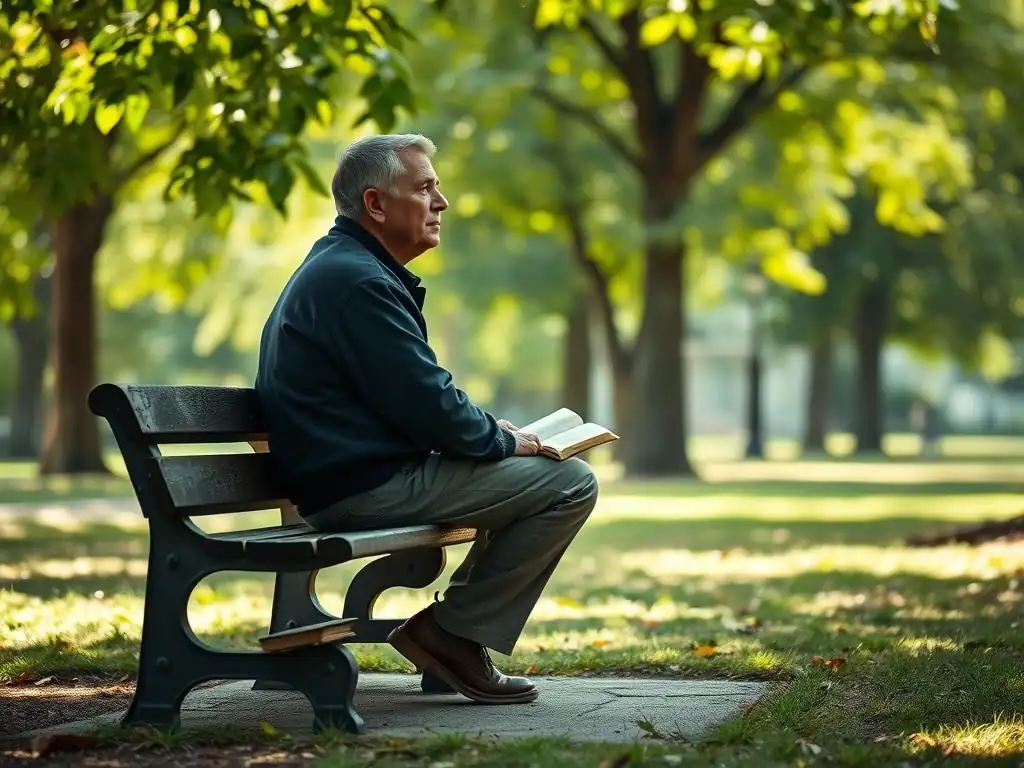
Loneliness in veterans often manifests through a range of emotional symptoms that can be difficult to distinguish from other mental health challenges but are frequently rooted in social disconnection. Persistent feelings of sadness, hopelessness, and a loss of interest in activities previously enjoyed are common indicators of depression linked to isolation. Veterans experiencing loneliness may also exhibit heightened anxiety, feeling restless, worried, or on edge, particularly in social situations they might feel pressured to navigate.
Another frequent emotional sign is increased irritability or a shorter temper. The emotional toll of isolation can make veterans more easily frustrated, impatient, and prone to snapping at others, further damaging potential social connections. They might express feelings of emptiness, a lack of purpose, or a sense that no one truly understands them. These emotional shifts are crucial signals that a veteran may be struggling with loneliness and could benefit from veteran loneliness support resources. Observing changes in mood and emotional reactivity is key to early identification.
Behavioral Changes: Withdrawal, Substance Abuse, and Neglect
Behavioral changes are often visible signs that a veteran is withdrawing due to loneliness and isolation. A noticeable decrease in social activity is a primary indicator – cancelling plans, avoiding gatherings, spending excessive amounts of time alone, or showing little interest in leaving the house. This withdrawal can extend to neglecting personal hygiene, household responsibilities, or even professional obligations.
Substance abuse is another alarming behavioral change often linked to loneliness in veterans. Alcohol or drug use may increase as a coping mechanism to numb the pain of isolation or to self-medicate underlying anxiety and depression. This can create a destructive cycle, as substance abuse further damages relationships and makes social connection more difficult. Recognizing these behavioral shifts is vital for intervening and guiding veterans toward appropriate veteran loneliness support resources.
Physical Manifestations: Sleep Disturbances and Health Problems
The stress and emotional toll of chronic loneliness can also manifest physically in veterans. Sleep disturbances are very common, including difficulty falling asleep, staying asleep, or experiencing restless sleep. Poor sleep quality exacerbates stress and can worsen both physical and mental health symptoms.
Furthermore, chronic loneliness has been associated with a decline in overall physical health. Veterans experiencing isolation may neglect their health, skip medical appointments, or engage in unhealthy eating habits. The physiological stress response triggered by loneliness can contribute to or worsen conditions like high blood pressure, cardiovascular issues, and a weakened immune system. While these physical symptoms can have various causes, when seen in conjunction with emotional and behavioral changes, they can point towards loneliness as a significant contributing factor, highlighting the need for holistic veteran loneliness support resources that address both mind and body.
Veteran Loneliness Support Resources: A Comprehensive Guide
Department of Veterans Affairs (VA) Programs and Services
The Department of Veterans Affairs (VA) is the primary federal provider of veteran loneliness support resources and mental healthcare. The VA offers a wide array of services aimed at supporting veterans' overall well-being, including addressing loneliness and isolation. These services include individual and group therapy specifically designed for veterans, often focusing on trauma, transition, and social skills. The VA provides access to psychiatrists, psychologists, social workers, and counselors who understand the unique challenges veterans face.
Beyond clinical mental health care, the VA offers programs intended to promote social engagement and community reintegration. These can include recreational therapy, vocational rehabilitation services that help veterans find purpose through work, and various support groups. The VA also administers benefits like housing assistance and financial support, which, as discussed earlier, are critical foundational elements for reducing isolation caused by instability. Accessing these services typically begins with enrolling in VA healthcare, which can be done online or at a local VA facility.
Community-Based Outpatient Clinics (CBOCs) and Mental Health Care
To improve access to care, especially for veterans living in rural or underserved areas, the VA operates a network of Community-Based Outpatient Clinics (CBOCs). These clinics offer a range of primary care and often mental health services closer to where veterans live. Many CBOCs provide counseling, therapy, and support groups, making it easier for veterans to receive regular care without traveling long distances to a major VA medical center.
CBOCs play a vital role in delivering veteran loneliness support resources by providing accessible mental health services that can address underlying conditions contributing to isolation. They also serve as local points of contact where veterans can learn about other VA programs and connect with VA staff who can guide them to relevant resources. The availability of mental health professionals within these local clinics helps to destigmatize seeking help and provides a more convenient entry point into the VA system for veterans struggling with social disconnection.
Non-Profit Organizations Offering Veteran Loneliness Support
Wounded Warrior Project and Its Programs
The Wounded Warrior Project (WWP) is a prominent non-profit organization dedicated to serving post-9/11 veterans and their families. WWP offers a comprehensive suite of programs designed to empower veterans and foster connections, directly addressing the issue of loneliness. Their programs include mental health and wellness services, physical health and wellness activities, and career and benefits counseling.
Crucially, WWP places a strong emphasis on social engagement and peer support. They organize numerous events and activities, such as adaptive sports, outdoor recreation, workshops, and social gatherings, specifically designed to bring veterans together in supportive environments. These activities help veterans rebuild camaraderie, develop new social networks, and participate in meaningful shared experiences. WWP's focus on holistic support makes it a significant provider of veteran loneliness support resources outside the federal system.
Team Rubicon and Its Outreach Initiatives
Team Rubicon is another impactful non-profit that provides veteran loneliness support resources by engaging veterans in meaningful community service. The organization unites the skills and experiences of military veterans with first responders and civilian volunteers to respond to disasters and humanitarian crises. By deploying veterans on disaster relief missions, Team Rubicon gives them a renewed sense of purpose, mission, and belonging that often replicates the camaraderie they experienced in the military.
Participation in Team Rubicon missions helps veterans combat isolation by placing them in high-functioning teams working towards a common goal. It provides opportunities for skill utilization, leadership, and the formation of strong bonds with fellow veterans and volunteers. Beyond disaster response, Team Rubicon fosters a strong community through training events, social gatherings, and local service projects, all contributing to combating veteran isolation by keeping them connected and actively engaged in their communities.
The Power of Veteran-to-Veteran Connections
Peer support groups leverage the unique power of connection between individuals who share similar life experiences. For veterans, connecting with other veterans who understand the specific challenges of military service and transition can be incredibly validating and therapeutic. In these settings, veterans can share their stories, struggles, and triumphs without feeling the need to explain or justify their experiences to someone who hasn't walked in their shoes.
This shared understanding fosters a safe and empathetic environment where veterans can build trust, reduce feelings of isolation, and realize they are not alone in their struggles with loneliness or other issues. Peer support can complement traditional therapy or serve as a primary source of connection and veteran loneliness support resources. It provides a sense of community and belonging that is often missing after leaving the military, helping veterans rebuild their social foundation.
Finding and Joining Peer Support Networks
Numerous avenues exist for veterans seeking peer support networks. The VA offers peer support programs and connects veterans with peer specialists who have lived experience. Many non-profit organizations, like WWP, also facilitate peer connections through their programs and events. Additionally, independent veteran service organizations and community centers often host peer support meetings.
Finding a suitable group might involve exploring local VA facilities, searching online databases of veteran organizations, or asking for recommendations from healthcare providers or fellow veterans. Some groups are structured and led by trained facilitators, while others are more informal gatherings. The key is finding a group where a veteran feels comfortable sharing and connecting with others, providing a vital source of veteran loneliness support resources.
Actively working to rebuild social networks is a crucial step in combating veteran loneliness. This can involve reaching out to former military colleagues, reconnecting with family members and civilian friends, or intentionally seeking out new social connections. It's important to start small and focus on quality over quantity. Simply scheduling regular phone calls, meeting for coffee, or joining a small group activity can make a significant difference.
Strengthening existing relationships involves investing time and effort into those connections that are already present. This might mean being more open about feelings, actively listening to others, and being present during interactions. Family members and friends can be invaluable sources of veteran loneliness support resources if veterans allow themselves to lean on them. Setting realistic goals for social engagement and celebrating small successes can help veterans overcome the inertia of isolation.
Engaging in Meaningful Activities and Hobbies
Finding or rediscovering meaningful activities and hobbies is another effective strategy for promoting social connection and combating loneliness. Participating in activities aligned with personal interests provides opportunities to meet like-minded individuals and engage in shared experiences. This could involve joining a sports league, volunteering for a cause, taking a class, joining a book club, or engaging in creative pursuits like art or music.
Meaningful activities provide a sense of purpose and structure, which can be particularly beneficial for veterans who miss the mission-oriented nature of military life. When these activities are pursued in a group setting, they naturally facilitate social interaction and the formation of new friendships. Engaging in fulfilling hobbies can also improve overall mood and well-being, making veterans feel more capable and willing to connect with others and access veteran loneliness support resources.
Utilizing Technology to Stay Connected: Online Communities and Telehealth
Technology offers valuable tools for veterans seeking to stay connected, especially for those who may have physical limitations, live in rural areas, or feel more comfortable interacting online initially. Online veteran communities, forums, and social media groups provide platforms for veterans to connect with peers who understand their experiences, share advice, and offer mutual support. These online spaces can serve as a stepping stone to in-person interactions or as a primary source of connection.
Telehealth services, including telemental health appointments with therapists and counselors, are increasingly available through the VA and private providers. These services remove barriers like distance and transportation, making it easier for veterans to access professional mental health support that can address the root causes and symptoms of loneliness. Utilizing technology wisely can be a powerful component of a veteran's strategy to access veteran loneliness support resources and maintain social ties.
Seeking Professional Mental Health Treatment for Underlying Issues
For many veterans, loneliness is intertwined with or exacerbated by underlying mental health conditions such as depression, anxiety, or PTSD. Addressing these conditions through professional treatment is essential for effectively combating isolation. Therapy, such as Cognitive Behavioral Therapy (CBT) or trauma-focused therapies, can help veterans process past experiences, develop coping mechanisms for difficult emotions, and challenge negative thought patterns that contribute to withdrawal.
Medication may also be a necessary component of treatment for some conditions. Mental health professionals can also work with veterans on developing social skills, managing anxiety in social situations, and setting goals for reintegration. Seeking professional help through the VA or other providers is a brave and critical step in accessing comprehensive veteran loneliness support resources and building a foundation for lasting social connection.
Building a Supportive Community for Veterans: What You Can Do
Raising Awareness About Veteran Loneliness and Its Impact
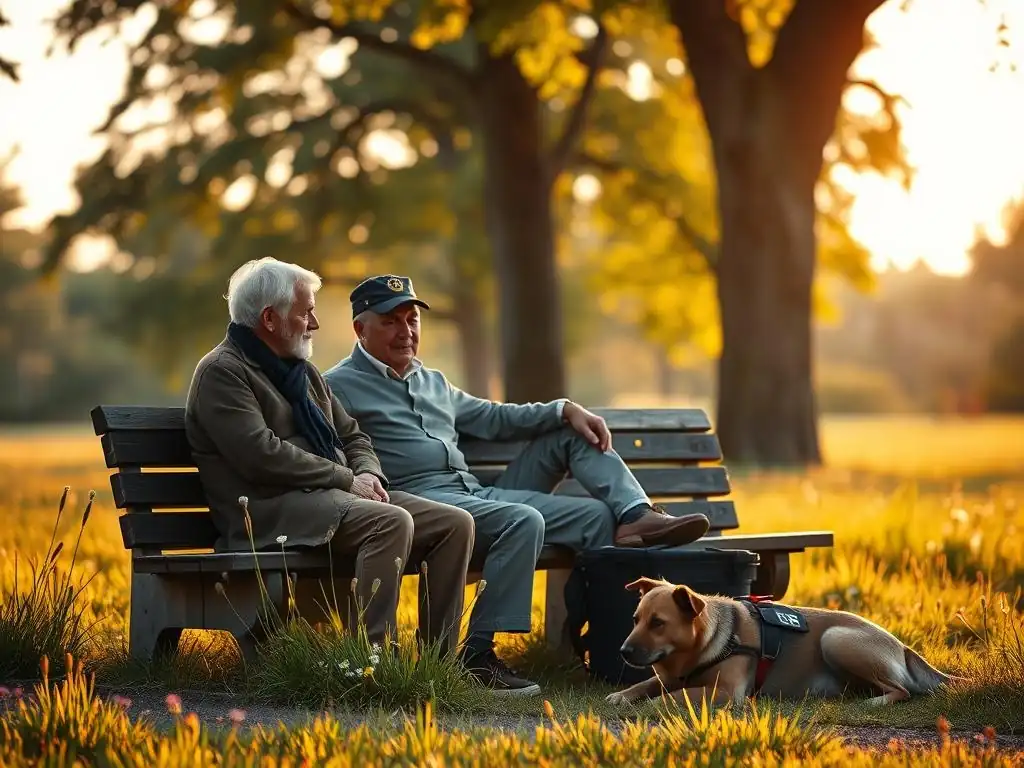
Educating the public about the unique challenges veterans face, particularly the prevalence and impact of loneliness and social isolation, is a vital step in building a supportive community. Many civilians are unaware of the difficulties veterans encounter during transition or the depth of the bonds lost upon leaving service. Raising awareness helps foster empathy and understanding.
This can be done through sharing information on social media, writing articles (like this one), hosting community events, or simply having conversations with friends and family. By understanding the issue, communities can become more attuned to the signs of veteran isolation and more motivated to offer support and connect veterans with veteran loneliness support resources. Reducing the stigma associated with seeking help is also a crucial part of this awareness effort.
Volunteering and Mentoring Opportunities for Veterans
Direct engagement through volunteering and mentoring provides tangible veteran loneliness support resources and fosters meaningful connections. Community members can volunteer with veteran service organizations, assist with veteran-focused events, or offer practical help like transportation or assistance with errands for veterans who are isolated.
Mentoring programs, where civilians or other veterans are paired with transitioning service members or veterans struggling with isolation, offer invaluable one-on-one support. A mentor can provide guidance, share experiences, help navigate civilian life, and simply offer consistent social interaction and companionship. These personal connections can be incredibly powerful in combating loneliness and helping veterans feel valued and connected to their community.
Creating Inclusive and Welcoming Environments for Veterans in the Community
Creating community spaces and groups that are explicitly inclusive and welcoming to veterans is essential. This means recognizing and respecting the unique experiences and culture of veterans. Simple actions like using inclusive language, acknowledging military service respectfully, and being patient and understanding if a veteran seems uncomfortable in social settings can make a big difference.
Businesses, community centers, faith-based organizations, and social clubs can actively work to create environments where veterans feel safe, understood, and accepted. Organizing veteran-specific events or ensuring that general community activities are veteran-friendly are important steps. These efforts help integrate veterans into the broader community fabric, providing natural opportunities for social connection and reinforcing that they are valued members of society, deserving of accessible veteran loneliness support resources.
The Future of Veteran Loneliness Support: Innovation and Advocacy
Emerging Technologies and Telehealth Solutions
The future of veteran loneliness support resources will increasingly leverage emerging technologies and expand telehealth solutions. Innovations in virtual reality (VR) are being explored to help veterans process trauma in safe environments, which can indirectly reduce avoidance behaviors that contribute to isolation. VR is also being used to create virtual social spaces where veterans can connect and interact in simulated environments.
Telehealth is expected to become even more integrated into veteran care, offering not just remote therapy but potentially virtual support groups and online platforms specifically designed to facilitate veteran-to-veteran connections. Mobile applications focused on mental health, social networking for veterans, and tools for managing stress and anxiety remotely will also play a larger role in providing accessible, flexible veteran loneliness support resources. The goal is to overcome geographical barriers and provide support in ways that are convenient and comfortable for veterans.
Policy Recommendations for Improving Veteran Mental Health Services
Advocacy for policy changes is critical to improving veteran loneliness support resources at a systemic level. Policy recommendations often focus on increasing funding for veteran mental health services, expanding eligibility for VA care, and reducing administrative barriers that make it difficult for veterans to access support. There is also a push for policies that promote earlier intervention, perhaps even before a service member transitions out of the military.
Policies that support veteran employment, housing stability, and access to education are also vital, as these factors significantly impact social well-being. Furthermore, advocating for better collaboration between the VA, non-profit organizations, and community resources can create a more seamless network of veteran loneliness support resources. Policy changes must prioritize mental health parity and ensure that addressing loneliness is recognized as a core component of veteran care.
Continued Research and Education on Veteran Loneliness
Ongoing research is essential to deepening our understanding of the complex factors contributing to veteran loneliness and identifying the most effective interventions. Studies exploring the specific demographics most at risk, the long-term health consequences of veteran isolation, and the efficacy of different types of veteran loneliness support resources are crucial. Research can inform the development of evidence-based programs and policies.
Simultaneously, continued education for healthcare providers, community leaders, employers, and the general public about veteran loneliness is necessary. Ensuring that those who interact with veterans are equipped to recognize the signs of isolation and know how to connect veterans with appropriate support is vital. Education helps combat stigma and builds a more informed and capable support network around veterans, ensuring that veteran loneliness support resources are not only available but also accessible and utilized effectively.
Finding Veteran Loneliness Support Resources Near You: A Local Guide
Locating Resources Through the VA Facility Locator
One of the most direct ways for veterans to find veteran loneliness support resources locally is by utilizing the VA Facility Locator tool. Available on the VA website, this online tool allows veterans to search for VA medical centers, community-based outpatient clinics (CBOCs), Vet Centers, and other VA facilities by zip code or location. Each facility's listing typically includes contact information, hours of operation, and a list of services provided, including mental health services, social work, and specific programs aimed at community reintegration or peer support.
Using the locator is the first step in connecting with federal veteran loneliness support resources. Veterans can call or visit their nearest facility to speak with staff who can provide information about available programs, eligibility, and how to enroll in care. VA staff are trained to help veterans navigate the system and connect them with the most appropriate services for their needs, including referrals to local non-VA resources when necessary.
Local Veteran Service Organizations
Beyond the VA system, numerous local veteran service organizations (VSOs) operate within communities across the country and serve as valuable veteran loneliness support resources. Organizations such as the Veterans of Foreign Wars (VFW), the American Legion, Disabled American Veterans (DAV), and many smaller, local-specific groups have posts or chapters in towns and cities. These organizations often provide a social hub for veterans, offering opportunities for connection through regular meetings, events, and community service activities.
Local VSOs can also assist veterans with navigating benefits, finding employment, and accessing local support services. They are often deeply embedded in the community and can connect veterans with local resources that may not be specifically veteran-focused but can still help combat isolation, such as community centers, volunteer opportunities, or hobby groups. Visiting a local VSO post or contacting them by phone is an excellent way to discover veteran loneliness support resources available right in a veteran's neighborhood.
Frequently Asked Questions
What are the primary factors contributing to veteran loneliness after transitioning out of military service?
The transition often involves a loss of camaraderie and structure. This, combined with potential mental health challenges like PTSD, can significantly increase feelings of isolation.
Why is addressing veteran loneliness so crucial for overall well-being?
Loneliness can lead to a decline in both mental and physical health. It's also linked to increased risks of suicide and substance abuse among veterans.
What types of veteran loneliness support resources are typically available?
Resources range from peer support groups and counseling services to recreational activities and assistance with reintegration into civilian life.
How can family members and friends best support a veteran experiencing loneliness?
Active listening, encouraging social connections, and helping them access professional resources are all vital steps. Patience and understanding are also key.
Where can veterans find reliable veteran loneliness support resources within their communities?
Organizations like the VA, local veteran centers, and non-profit organizations often offer support and connection opportunities tailored to veterans.
Final Reflection: Finding Connection After the Uniform
The invisible wounds of war often manifest not on the battlefield, but in the quiet solitude of civilian life. Veteran loneliness is a pervasive and devastating reality, impacting far more than just individual well-being; it undermines the strength and resilience of our entire community. This article has explored the multifaceted nature of this challenge, highlighting the unique struggles veterans face transitioning back to civilian life and the crucial need for readily available and effective support resources.
The pervasive sense of isolation described by so many veterans deeply resonated with me throughout the research process. It's a stark reminder that the fight for mental and emotional well-being continues long after the uniform is hung up. The hardest battle I ever fought wasn't in Iraq, it was coming home and feeling completely alone.
- This anonymous quote, shared countless times across veteran forums, encapsulates the silent suffering that many endure. Understanding the systemic and individual factors contributing to this loneliness is the first step towards building a stronger support network.
You, the reader, now hold the knowledge to make a difference. Whether you are a veteran grappling with isolation, a family member seeking to understand and support a loved one, or a concerned citizen wanting to contribute to a more supportive community, take action. Research the resources mentioned in this article, reach out to a veteran's organization, or simply offer a listening ear to a veteran you know. Let's collectively work to ensure that no veteran has to face the battle against loneliness alone. Your empathy and action can be a lifeline.
Rediscover Connection: Your Next Steps to Thrive
Thanks for taking the time to explore the challenges of isolation faced by veterans. We hope this article provided valuable insights and resources to understand and combat loneliness. Now, let's turn those insights into action:
- Reach out to a fellow veteran: Schedule a coffee date, a phone call, or even a virtual chat with a comrade. Connecting with someone who understands your experiences is incredibly powerful.
- Share this article: Spread awareness and encourage others to check in on the veterans in their lives. A simple share can make a world of difference.
- Explore local veteran support groups: Many communities offer support networks tailored to veterans' needs. Look for opportunities to connect with others facing similar challenges.
What small step will you take today to build a stronger support network?