
Creative Expression: An Outlet for Trauma Healing


Welcome to Mind Care Guide.
Feeling overwhelmed by the echoes of trauma? You're not alone. We understand the profound impact these experiences can have. This space is dedicated to offering compassionate guidance and practical tools to navigate your healing journey. In this article, we delve into the powerful creative expression trauma healing benefits, exploring how unlocking your artistic potential can be a vital step towards reclaiming your well-being. Discover how your unique voice can become your most potent healing ally. Read on to learn more…
Creative Expression: An Outlet for Trauma Healing
- Introduction: Understanding Trauma and the Need for Healing
- What is Creative Expression and How Does it Aid Trauma Recovery?
- Creative Expression Trauma Healing Benefits: Exploring the Advantages
-
Types of Creative Expression for Trauma Survivors
- Art Therapy: Painting, Drawing, and Sculpting for Healing
- Music Therapy: Using Sound and Rhythm to Process Trauma
- Writing and Journaling: Exploring Thoughts and Feelings Through Words
- Dance and Movement Therapy: Releasing Trauma Through Physical Expression
- Drama Therapy: Role-Playing and Storytelling for Emotional Processing
- Getting Started with Creative Expression for Trauma Healing
- Case Studies: Real-Life Examples of Creative Expression Aiding Trauma Recovery
- Overcoming Challenges in Creative Expression and Trauma Work
- Integrating Creative Expression with Other Trauma Recovery Strategies
- Conclusion: Embracing Creative Expression for a Path to Healing
-
Frequently Asked Questions
- What exactly is creative expression in the context of trauma healing?
- How does creative expression help with trauma healing?
- What are some examples of creative expression techniques that can be used for trauma healing?
- What are the potential benefits of using creative expression for trauma healing?
- Is creative expression a replacement for traditional therapy when dealing with trauma healing?
- Final Reflection: Unlocking the Healing Power of Creativity
- Unleash Your Inner Artist: Heal Through Creative Expression
Introduction: Understanding Trauma and the Need for Healing
Trauma is a profound psychological and emotional response to an event or series of events that are deeply distressing or disturbing. It can result from a wide range of experiences, including natural disasters, accidents, violence, abuse, or loss. The impact of trauma is not limited to the immediate aftermath; it can have lasting effects on an individual's mental health, emotional regulation, and overall well-being, often requiring dedicated pathways like creative expression for trauma healing.
Healing from trauma is a complex, non-linear journey. It involves processing difficult memories, managing intense emotions, and rebuilding a sense of safety and control. While traditional therapeutic approaches like psychotherapy and medication are cornerstones of trauma recovery, many individuals find that complementary modalities offer unique avenues for healing and self-discovery.
The Impact of Trauma on Mental and Emotional Well-being
Trauma can significantly alter an individual's perception of themselves, others, and the world around them. It often manifests as persistent feelings of anxiety, fear, shame, or guilt. Sleep disturbances, difficulty concentrating, irritability, and hypervigilance are also common symptoms. The emotional toll can be immense, leading to feelings of numbness, detachment, or overwhelming sadness.
Furthermore, trauma can disrupt the ability to regulate emotions effectively. Survivors may experience intense mood swings, sudden outbursts of anger, or difficulty managing stress. This dysregulation can strain relationships, interfere with daily functioning, and perpetuate a cycle of distress. Addressing these deep-seated impacts is crucial for recovery, and exploring the creative expression trauma healing benefits offers a powerful way to work through these challenges.
Why Traditional Therapies May Not Always Be Enough
Traditional talk therapies, such as Cognitive Behavioral Therapy (CBT) or Eye Movement Desensitization and Reprocessing (EMDR), are highly effective for many trauma survivors. They provide structured frameworks for processing traumatic memories, challenging negative thought patterns, and developing coping skills. However, trauma is not solely a cognitive experience; it is deeply embedded in the body and emotions, often in ways that are difficult to articulate verbally.
For some individuals, particularly those whose trauma occurred in early childhood or involved non-verbal experiences, finding words to describe their pain can be incredibly challenging or even re-traumatizing. This is where alternative approaches become invaluable. Creative expression offers a non-verbal language, allowing individuals to access and process emotions and memories that may be inaccessible through speech alone, thereby unlocking unique creative expression trauma healing benefits.
Introducing Creative Expression as a Complementary Healing Modality
Creative expression encompasses a wide range of activities, from painting and sculpting to writing, music, dance, and drama. It provides a safe and indirect way for individuals to explore their inner world, process difficult experiences, and communicate what cannot be said. As a complementary modality, it works alongside traditional therapies, enriching the healing process.
Engaging in creative activities can help survivors connect with their emotions, externalize their pain, and gain new perspectives on their trauma. It is not about creating "good" art but about the process itself – the act of making, moving, or sounding. This process can be deeply therapeutic, offering a sense of release, insight, and eventually, leading to significant creative expression trauma healing benefits.
What is Creative Expression and How Does it Aid Trauma Recovery?
Creative expression, in the context of trauma healing, refers to the use of artistic mediums and activities as a means of self-discovery, emotional processing, and communication. It moves beyond the idea of producing a finished product and focuses instead on the therapeutic process of engaging with materials, sounds, movements, or words. This can include visual arts like drawing or collage, performing arts like dance or theatre, literary arts like poetry or journaling, and musical activities like playing an instrument or singing.
The core principle is that creativity provides a non-threatening way to explore complex internal states. Trauma often leaves individuals feeling fragmented or disconnected from themselves. Creative expression offers a path to integration, helping survivors piece together their experiences and emotions in a tangible form. It allows for the externalization of internal chaos, making overwhelming feelings more manageable.
Defining Creative Expression: Beyond Traditional Art Forms
When we talk about creative expression, it's important to understand its broad scope. While traditional art forms like painting or sculpture are included, the definition extends much further. It encompasses any activity that allows an individual to express thoughts, feelings, or experiences in a non-literal, imaginative way. This could be anything from improvisational movement to crafting, photography, or even cooking as a form of mindful, expressive activity.
The key element is the intention to express oneself, rather than to create a masterpiece. For a trauma survivor, simply choosing colors, making a mark on a page, or moving their body in a certain way can be a profound act of self-expression and agency. It's about giving form to the formless, making the invisible visible, and processing the unspeakable through symbolic means. This broad definition highlights the accessibility of creative expression trauma healing benefits for people with diverse interests and abilities.
The Neuroscience Behind Creative Expression and Trauma Processing
Research in neuroscience is shedding light on why creative expression is so effective in trauma healing. Trauma can impact various brain regions, including the amygdala (involved in processing emotions like fear) and the prefrontal cortex (involved in executive functions and regulation). During a traumatic event, the brain's narrative processing centers can shut down, leaving fragmented sensory and emotional memories stored in the limbic system.
Creative activities, particularly those involving rhythmic elements like drumming or dance, or focused attention like drawing, can help regulate the nervous system. Engaging the hands and body in creative tasks can activate different brain pathways, potentially helping to integrate fragmented traumatic memories. For example, studies using fMRI scans have shown that creating art can decrease activity in the amygdala and increase connectivity in brain networks related to self-monitoring and emotional regulation, underscoring the physical basis for creative expression trauma healing benefits.
How Creative Expression Helps Release Trapped Emotions
Trauma can cause emotions to become "stuck" or suppressed within the body and mind. Survivors might avoid feeling certain emotions because they are too intense or associated with the traumatic event. This suppression can lead to physical tension, chronic pain, and psychological distress. Creative expression provides a safe container for these difficult emotions to surface and be processed.
Through painting, one might externalize feelings of anger using bold, chaotic strokes. Through dance, one might release tension held in the body. Through writing, one might explore feelings of grief or fear in a narrative that provides distance and perspective. The act of creating allows these trapped emotions to be acknowledged, expressed, and ultimately, released in a controlled and non-threatening way, offering a tangible pathway to experiencing creative expression trauma healing benefits.
Creative Expression Trauma Healing Benefits: Exploring the Advantages
Engaging in creative activities offers a multitude of advantages for individuals navigating the complexities of trauma recovery. These benefits extend beyond simply feeling better in the moment; they contribute to long-term resilience, emotional well-being, and a renewed sense of self. The creative expression trauma healing benefits are cumulative, strengthening over time with consistent practice.
These advantages stem from the unique ways creative processes interact with the effects of trauma. By providing non-verbal outlets and engaging different parts of the brain and body, creative expression can address aspects of trauma that are resistant to purely cognitive or verbal approaches. Exploring these benefits can motivate survivors to incorporate creative practices into their healing journey.
Reduced Anxiety and Stress Through Artistic Outlets
Anxiety and stress are pervasive symptoms for trauma survivors. The nervous system can remain in a state of heightened alert, making relaxation difficult. Engaging in creative activities has been shown to activate the parasympathetic nervous system, counteracting the "fight or flight" response. For instance, studies on art therapy participants have demonstrated a significant reduction in cortisol levels, the body's primary stress hormone, often by 15-20% after just a short session.
The focused attention required for many creative tasks, such as intricate drawing or playing a musical instrument, can also act as a form of mindfulness, anchoring the individual in the present moment and providing a temporary respite from intrusive thoughts and worries. This meditative quality is a key component of the creative expression trauma healing benefits related to stress reduction.
Improved Emotional Regulation and Self-Soothing
Trauma often impairs the ability to regulate intense emotions. Creative expression provides tools for managing emotional surges. When feelings become overwhelming, expressing them through art, music, or movement can externalize them, making them feel less all-consuming. A survivor might paint their anger instead of acting on it, or write about their sadness instead of becoming paralyzed by it.
Furthermore, the process of creation itself can be inherently soothing. Repetitive actions like knitting, drumming, or even the rhythm of writing can be grounding. Learning to use creative expression as a coping mechanism builds a sense of self-efficacy and provides a healthy alternative to maladaptive coping strategies, significantly enhancing the creative expression trauma healing benefits related to emotional stability.
Enhanced Self-Awareness and Understanding of Traumatic Experiences
Creative expression can illuminate aspects of traumatic experiences that are difficult to access consciously. Through symbolic representation, metaphor, and narrative exploration, survivors can gain new insights into their trauma, their reactions, and their personal strengths. A drawing might reveal a hidden fear, a poem might articulate a complex feeling of loss, or a movement sequence might express a sense of being trapped.
This process of externalization and reflection fosters increased self-awareness. By seeing their internal world represented outside themselves, survivors can begin to make sense of their experiences, understand their triggers, and identify patterns of thought or behavior related to the trauma. This deeper understanding is a crucial step towards integration and recovery, highlighting the profound creative expression trauma healing benefits for insight.
Fostering a Sense of Empowerment and Control
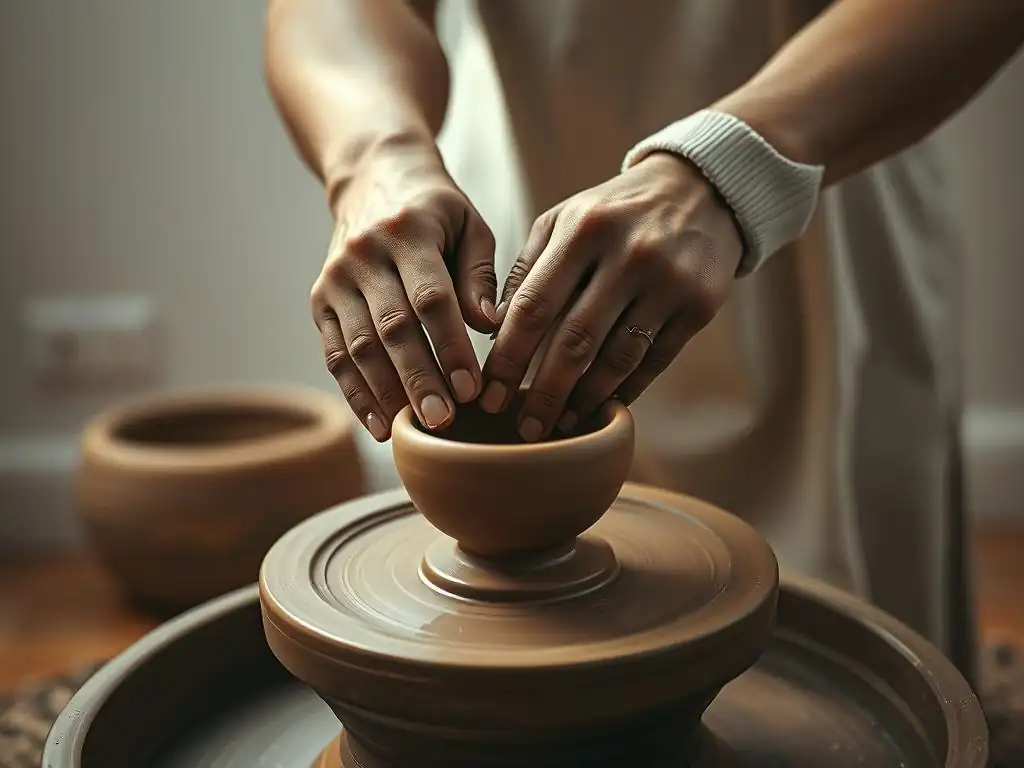
Trauma often strips individuals of their sense of control and agency. The traumatic event itself is typically overwhelming and unavoidable. Engaging in creative expression is an act of reclaiming control. The survivor makes choices – about color, form, sound, movement, or words. They decide what to create, how to create it, and when they are finished.
This sense of agency, even in a simple creative task, can be incredibly empowering. It demonstrates that the survivor has the capacity to act, to make choices, and to shape something out of their experience. This contrasts sharply with the powerlessness felt during trauma, reinforcing the creative expression trauma healing benefits related to reclaiming personal power.
Building Resilience and Coping Mechanisms for Trauma Survivors
Regular engagement with creative expression helps survivors build resilience – the ability to bounce back from adversity. By providing healthy outlets for stress and emotion, fostering self-awareness, and enhancing a sense of control, creative practices equip individuals with robust coping mechanisms. They learn to tolerate difficult feelings, express themselves constructively, and find comfort and strength within their own creative capacity.
These skills are not just useful for processing past trauma but are invaluable for navigating future challenges. Creative expression becomes a reliable tool for self-care and emotional maintenance, contributing to long-term mental well-being. Developing these lasting coping strategies is among the most significant creative expression trauma healing benefits.
Types of Creative Expression for Trauma Survivors
The beauty of creative expression lies in its diversity. There is no single "right" way to be creative in healing. Different modalities resonate with different people, and exploring various options is encouraged. The key is to find forms of expression that feel safe, accessible, and meaningful to the individual survivor.
Many of these creative approaches can be pursued independently, while others are often facilitated by trained therapists who specialize in specific modalities like art therapy or music therapy. Understanding the range of options available can help survivors choose paths that align with their preferences and needs, making the exploration of creative expression trauma healing benefits more targeted and effective.
Art Therapy: Painting, Drawing, and Sculpting for Healing
Art therapy is a distinct therapeutic discipline that uses the creative process of making art to improve a person’s physical, mental, and emotional well-being. Unlike a recreational art class, art therapy involves a therapeutic relationship and the guidance of a trained art therapist who can help interpret the artwork and the process within the context of the survivor's trauma history.
Participants might use paint, clay, markers, collage materials, or other media to express feelings, memories, or experiences that are difficult to verbalize. For instance, a survivor might use dark, heavy lines to represent feelings of being trapped, or vibrant colors to depict hope. The artwork itself becomes a tangible representation of internal states, facilitating dialogue and insight. Research has shown art therapy can lead to a reduction in PTSD symptoms in veterans, with some studies indicating a decrease in symptom severity scores by over 30% after a series of sessions.
Music Therapy: Using Sound and Rhythm to Process Trauma
Music therapy utilizes the power of music to address physical, emotional, cognitive, and social needs. In trauma recovery, it can involve listening to music, playing instruments, singing, writing songs, or exploring rhythm and sound. Music has a direct line to the emotional centers of the brain and can bypass cognitive defenses.
Rhythmic activities, such as drumming, can be particularly effective in regulating the nervous system and releasing tension held in the body. Creating or listening to music can also help survivors connect with and express a wide range of emotions, from grief to joy. For example, co-writing a song about a traumatic experience can provide distance and a sense of mastery over the narrative. Studies suggest music therapy can reduce anxiety in trauma survivors by approximately 25%.
Writing and Journaling: Exploring Thoughts and Feelings Through Words
Writing, whether through journaling, poetry, storytelling, or free writing, offers a powerful way to process thoughts and feelings related to trauma. Putting experiences into words can help organize chaotic thoughts, create a coherent narrative, and provide a sense of distance from overwhelming emotions. Journaling, in particular, offers a private and accessible space for unfiltered expression.
Expressive writing exercises, where individuals write about a traumatic event for a set period, have been shown to reduce symptoms of depression and anxiety. For example, research by James Pennebaker found that writing about traumatic experiences for 15-20 minutes over three to four days can lead to long-term improvements in physical and psychological health outcomes. Poetry or metaphor can help survivors explore complex feelings indirectly, making them feel less threatening.
Dance and Movement Therapy: Releasing Trauma Through Physical Expression
Dance/movement therapy is based on the principle that the body and mind are interconnected. Trauma is often stored in the body as tension, posture patterns, or restricted movement. Dance and movement therapy uses movement to facilitate emotional, cognitive, physical, and social integration. It's not about performing specific dance steps but about exploring spontaneous movement and its relationship to internal states.
Through guided or free movement, survivors can release physical tension, express emotions non-verbally, and reclaim a sense of ownership and safety in their bodies, which may have felt violated or unsafe due to trauma. For instance, exploring movements related to feeling "stuck" or "free" can be deeply therapeutic. Clinical reports suggest significant reductions in body tension and improved body image among participants.
Drama Therapy: Role-Playing and Storytelling for Emotional Processing
Drama therapy uses theatrical techniques – such as role-playing, improvisation, storytelling, and puppetry – to help individuals explore and resolve personal and interpersonal problems. In trauma recovery, it provides a safe space to re-enact or symbolically represent aspects of the traumatic experience or its aftermath, but from a position of safety and control.
By taking on different roles (e.g., the survivor, a supportive figure, or even an inanimate object related to the trauma), individuals can gain new perspectives, practice different responses, and externalize internal conflicts. Storytelling can help create a coherent narrative out of fragmented memories, fostering a sense of integration. For example, using puppets to represent different parts of the self can make discussing difficult feelings more accessible.
Getting Started with Creative Expression for Trauma Healing
Embarking on a journey of creative expression for trauma healing can feel daunting, especially if you don't consider yourself "artistic" or if the idea of exploring difficult emotions feels overwhelming. However, the process is more about showing up and being willing to explore than about producing polished work. Starting small and prioritizing safety and self-compassion are key.
There are many ways to begin incorporating creative expression into your healing process, whether independently or with professional guidance. Remembering that this is a tool for healing, not a test of artistic skill, can help alleviate pressure and open the door to its many benefits.
Creating a Safe and Supportive Environment for Creative Exploration
Safety is paramount in trauma recovery. When engaging in creative expression, it's essential to create a physical and emotional space where you feel secure. This might mean choosing a quiet room where you won't be interrupted, working at a time when you feel relatively stable, or having a calming object or resource nearby.
Emotionally, it means approaching the process with self-compassion and without judgment. There's no right or wrong way to express yourself. If a particular activity feels overwhelming, it's okay to stop and try something different or take a break. Working with a therapist can help establish emotional safety within the creative process, providing support if difficult emotions arise.
Finding a Qualified Therapist or Facilitator
While independent creative exploration can be beneficial, working with a qualified therapist specializing in creative arts therapies (like registered art therapists, music therapists, or dance/movement therapists) offers significant advantages, particularly when processing trauma. These professionals are trained to guide you safely through the process, help you understand what emerges from your creative work, and integrate it into your overall recovery plan.
They can provide structured exercises tailored to your specific needs, help manage emotional triggers that might arise during creative work, and offer interpretations and insights that you might not arrive at on your own. Seeking professional guidance is especially important if your trauma is complex or if you experience significant distress when engaging with creative activities.
Starting Small: Simple Exercises to Begin Your Creative Journey
You don't need a dedicated studio or expensive supplies to start. Begin with simple, accessible activities. Here are a few ideas:
- Mindful Coloring: Use coloring books or create your own patterns. Focus on the sensation of the crayon or pencil on the paper.
- Free Writing: Set a timer for 5-10 minutes and write continuously about whatever comes to mind, without censoring yourself.
- Playlist Creation: Create a playlist of songs that match different moods you experience or that help you feel calm or energized.
- Movement Exploration: Put on some music and simply move your body in any way that feels comfortable and expressive for a few minutes.
- Collage: Use old magazines or newspapers to cut out images or words that resonate with your feelings and arrange them on paper.
- [ ] Choose one simple activity to try this week.
- [ ] Dedicate a specific time slot (even 15 minutes) for creative exploration.
- [ ] Focus on the process, not the outcome.
- [ ] Practice self-compassion throughout the activity.
The Importance of Self-Compassion and Patience
Healing from trauma takes time, and the journey with creative expression is no different. There will be days when creativity flows easily and feels cathartic, and days when it feels blocked or brings up difficult emotions. Approaching yourself with self-compassion is vital. Recognize that you are engaging in brave work.
Be patient with the process and with yourself. Don't expect immediate breakthroughs or instant relief. Creative expression is a tool for ongoing exploration and healing. Celebrate small moments of insight or release, and remember that showing up for yourself creatively is a significant act of self-care and resilience. The creative expression trauma healing benefits unfold gradually, requiring consistent effort and kindness towards oneself.
Case Studies: Real-Life Examples of Creative Expression Aiding Trauma Recovery

While protecting individual privacy is paramount, the transformative power of creative expression in trauma healing is widely documented in therapeutic practice and aggregated research. These illustrative examples, drawn from common therapeutic outcomes and general case patterns, highlight how different creative modalities have supported survivors on their path to recovery.
Consider the case of 'Maria', a survivor of complex childhood trauma. Traditional talk therapy helped her understand her experiences intellectually, but she struggled to access and process the deep-seated feelings of shame and fear held in her body. Through regular dance/movement therapy sessions, Maria began to explore restrictive movement patterns that mirrored her feelings of being trapped.
Over time, as she experimented with freer, more expansive movements, she reported a significant reduction in chronic physical tension and a newfound sense of safety and agency within her own body. This illustrates the creative expression trauma healing benefits related to embodied processing.
Another example is 'David', a veteran struggling with PTSD symptoms, including intrusive thoughts and emotional numbness. David initially resisted art therapy, believing he had no artistic talent. His therapist encouraged him to simply make marks on paper to express his internal chaos. He started using dark, aggressive strokes. Gradually, his artwork evolved, incorporating more color and form as he processed his experiences. He found that externalizing the chaos on paper made his intrusive thoughts feel less overwhelming and gave him a sense of control over the internal landscape, demonstrating the creative expression trauma healing benefits for externalization and control.
'Sarah', who experienced a significant loss, found solace and insight through journaling and poetry. She struggled to talk about the depth of her grief, but writing allowed her to pour out her emotions privately. Through crafting poems that used metaphor to describe her pain, she gained distance and perspective, making the grief feel more manageable. The process of shaping her experiences into words helped her create a narrative around her loss and find moments of unexpected beauty amidst the pain, highlighting the creative expression trauma healing benefits of narrative creation and emotional processing through language.
These examples, while generalized, reflect the real-world impact reported by countless individuals and therapists. They show that regardless of the specific trauma or the chosen creative modality, creative expression offers a unique and powerful avenue for processing difficult experiences, releasing trapped emotions, and fostering resilience.
Overcoming Challenges in Creative Expression and Trauma Work
While the creative expression trauma healing benefits are significant, engaging in this work is not always easy. The process of exploring difficult emotions and memories can bring up challenges. It's important to anticipate potential obstacles and develop strategies for navigating them safely and effectively.
Understanding that challenges are a normal part of the healing process can help survivors persist. With patience, self-compassion, and appropriate support, these hurdles can be overcome, allowing the individual to continue experiencing the transformative power of creative expression.
Addressing Resistance and Fear of Vulnerability
Many survivors experience resistance when starting creative work, often stemming from a fear of what might emerge or a feeling of being vulnerable. This resistance can manifest as procrastination, feeling blocked creatively, or dismissing the process as silly or unimportant. Fear of vulnerability is understandable, as creative expression often involves exposing one's inner world.
Strategies to address this include starting with low-stakes activities that feel less exposing (like abstract art or free movement), working in a safe therapeutic setting, and reminding yourself that the creative work is for you, not for judgment by others. Acknowledging the fear directly and gently encouraging yourself to try, even for a short time, can help break through resistance.
Managing Triggering Content and Emotional Overload
Engaging with creative expression can sometimes bring up traumatic memories or intense emotions, leading to feeling triggered or emotionally overwhelmed. This is a potential risk when exploring trauma, and it's crucial to have strategies in place to manage it safely.
Working with a trauma-informed therapist is highly recommended, as they can help you stay within your "window of tolerance" – the emotional zone where you can process feelings without becoming overwhelmed or shut down. Techniques like grounding exercises (e.g., focusing on your breath or the sensations in your body), having a pre-planned coping strategy (like listening to calming music or talking to a supportive friend), and knowing it's okay to stop the creative activity and take a break are essential for managing potential triggers.
Seeking Professional Support When Needed
While independent creative exploration can be therapeutic, professional support is invaluable, especially when dealing with complex trauma or if you find yourself consistently struggling with intense emotional reactions during creative work. A therapist can provide a safe container, help you process what emerges from your creative expression, and integrate it into your overall healing journey.
They can also help differentiate between difficult but productive emotional release and re-traumatization. If you feel stuck, overwhelmed, or unsafe during your creative process, reaching out to a therapist, counselor, or creative arts therapist is a sign of strength and a crucial step in ensuring your healing journey remains safe and effective.
Integrating Creative Expression with Other Trauma Recovery Strategies
Creative expression is rarely a standalone solution for trauma healing; it is most powerful when integrated into a comprehensive recovery plan. Combining creative work with other therapeutic modalities and self-care practices can create a synergistic effect, addressing the multifaceted nature of trauma.
A holistic approach acknowledges that trauma impacts the mind, body, and spirit. By utilizing a range of strategies, survivors can build a robust foundation for healing and long-term well-being, maximizing the creative expression trauma healing benefits within a broader context.
Combining Creative Expression with Talk Therapy
Talk therapy provides a crucial space for cognitive processing, narrative building, and skill development. Combining this with creative expression can deepen the therapeutic work. For example, artwork created in an art therapy session can be brought to a talk therapy session to facilitate discussion about feelings or memories that are hard to put into words. Conversely, insights gained in talk therapy might be explored through creative means.
This integration allows survivors to move between verbal and non-verbal processing, accessing different layers of their experience. It can make talk therapy more accessible for those who struggle with verbal expression and provide context and understanding for the emotions and images that emerge in creative work.
Utilizing Creative Expression Alongside Medication
For some trauma survivors, medication may be a necessary component of their treatment plan to manage symptoms like severe anxiety, depression, or sleep disturbances. Creative expression can complement medication by addressing the underlying emotional and psychological impacts of trauma that medication alone cannot resolve.
Medication can help stabilize mood and reduce the intensity of symptoms, making it easier for survivors to engage in therapeutic activities, including creative expression. In turn, creative work can help individuals process the root causes of their distress, express feelings that medication might dampen, and build coping skills that contribute to long-term stability and reduced reliance on medication over time.
The Importance of a Holistic Approach to Trauma Healing
A holistic approach considers all aspects of a person's well-being: physical health, mental health, emotional processing, social connections, and spiritual or existential concerns. Integrating creative expression with other strategies like mindfulness, yoga or gentle exercise, healthy nutrition, sufficient sleep, and building supportive relationships creates a comprehensive healing ecosystem.
By addressing the impact of trauma on multiple levels, survivors can foster resilience, regain a sense of wholeness, and build a life beyond their trauma. Creative expression serves as a vital thread throughout this holistic tapestry, providing a consistent outlet for self-discovery, emotional processing, and finding meaning. This integrated approach amplifies the creative expression trauma healing benefits, leading to more profound and sustainable recovery.
Conclusion: Embracing Creative Expression for a Path to Healing
Trauma can leave deep wounds, but healing is possible. Creative expression offers a powerful, accessible, and deeply personal pathway for processing pain, releasing trapped emotions, and reclaiming a sense of self. The creative expression trauma healing benefits are extensive, ranging from reduced anxiety and improved emotional regulation to enhanced self-awareness and empowerment.
Whether through painting, music, writing, movement, or drama, engaging in creative activities provides a non-verbal language to explore the complexities of trauma. It allows survivors to externalize their internal world, gain new perspectives, and build resilience. While challenges may arise, approaching the process with self-compassion, patience, and appropriate support can help navigate them safely.
Creative Expression as a Powerful Tool for Trauma Recovery
Creative expression is more than just a hobby; it is a therapeutic tool that can reach parts of the brain and experience that traditional verbal therapies may not access as readily. It provides a safe container for difficult emotions, helps regulate the nervous system, and fosters a sense of agency and control that is often lost in trauma. Its power lies in the process of making, moving, or sounding – the act of bringing the internal world into tangible form.
The evidence, both anecdotal and from emerging research, points to the significant creative expression trauma healing benefits. It is a valid and valuable component of a comprehensive trauma recovery plan, capable of facilitating profound shifts in perspective and emotional well-being.
Empowering Yourself Through Artistic Exploration
Choosing to engage in creative expression is an act of self-empowerment. It is a declaration that you are actively participating in your own healing journey. You are taking control of your narrative, finding your voice (even if it's through color or movement rather than words), and giving form to your experiences.
This process of artistic exploration helps rebuild a sense of self that may have been fragmented by trauma. It allows you to discover inner strengths, resilience, and creative capacities you may not have known you possessed. The act of creation itself is a powerful antidote to the powerlessness of trauma.
Finding Hope and Healing Through Creative Outlets
Ultimately, creative expression offers a path towards finding hope and healing. It provides a way to move through the pain, process the past, and envision a future. Through creative outlets, survivors can find moments of joy, connection, and beauty amidst the challenges of recovery.
Embracing creative expression is an invitation to explore your inner landscape with curiosity and compassion. It is a journey of self-discovery that can lead to profound healing, integration, and a renewed sense of possibility. By harnessing the creative expression trauma healing benefits, survivors can build a life filled with meaning, resilience, and well-being.
Frequently Asked Questions
What exactly is creative expression in the context of trauma healing?
Creative expression refers to using various artistic mediums like painting, writing, music, or dance to process and express traumatic experiences. It's a non-verbal way to access and release emotions that might be difficult to articulate.
How does creative expression help with trauma healing?
It provides a safe and non-threatening outlet for expressing difficult emotions and memories. This can lead to emotional regulation and a sense of empowerment in reclaiming one's narrative.
What are some examples of creative expression techniques that can be used for trauma healing?
Examples include journaling, painting abstract representations of feelings, writing poetry or short stories, and engaging in movement-based therapies like dance or yoga. These techniques help individuals process and release pent-up emotions.
What are the potential benefits of using creative expression for trauma healing?
The potential benefits include reduced anxiety and depression, improved emotional regulation, increased self-awareness, and a stronger sense of self. Creative expression can also foster resilience and coping mechanisms.
Is creative expression a replacement for traditional therapy when dealing with trauma healing?
No, creative expression is often best used as a complementary therapy alongside traditional approaches like talk therapy or medication. It provides an additional avenue for emotional processing and healing, not a replacement for professional guidance.
Final Reflection: Unlocking the Healing Power of Creativity
The profound connection between creative expression and trauma healing is not merely a theoretical concept; it's a vital lifeline for individuals navigating the complexities of their past. The ability to translate pain, fear, and even joy into tangible forms—be it through painting, writing, music, or dance—offers a powerful pathway towards healing and self-discovery. This process allows for the processing of difficult emotions in a safe and controlled environment, fostering resilience and growth.
The ongoing influence of creative expression in trauma recovery is undeniable. It provides a non-verbal language for those who struggle to articulate their experiences, offering a sense of agency and control often lost during traumatic events. Art enables us to find ourselves and lose ourselves at the same time.
- Thomas Merton. This quote perfectly encapsulates the dual nature of creative expression in trauma healing: it allows for both self-exploration and a release from the confines of trauma's grip. The creative process itself becomes a form of self-care, a way to reclaim one's narrative and rebuild a sense of self.
Consider the power you hold within yourself. You possess the innate capacity to create, to transform, and to heal. Don't underestimate the potential of creative expression in your own journey. Whether you pick up a paintbrush, start journaling, strum a guitar, or simply allow yourself to move freely to music, explore the avenues that resonate with you. Embrace the process, allow yourself to be vulnerable, and discover the transformative power of your own creative spirit. Your healing journey is unique, and your creative voice is your most powerful tool.
Unleash Your Inner Artist: Heal Through Creative Expression
Thanks for taking the time to explore the powerful connection between creative expression and trauma healing! We hope you gained valuable insights into how art can become a tool for self-discovery and recovery. Now it's time to put those insights into action.
- Begin your creative journey today: Start with a small, manageable project—even 15 minutes of drawing, writing, or playing music can make a difference. Let your emotions flow freely onto the page or canvas.
- Share your experience (if you feel comfortable): Connect with others who are using creative expression for healing. Sharing your journey can be incredibly empowering and supportive.
- Explore new creative avenues: Step outside your comfort zone and try a new art form you've always been curious about. You might discover a surprising new path to healing and self-expression.
What unique creative outlet will you explore to unlock your inner artist and begin your healing journey?