
Beyond Bath Bombs: Unique SelfCare Gifts That Truly Support Caregiver WellBeing


Welcome to Mind Care Guide, a sanctuary for your mental well-being.
Feeling the weight of caregiving? We understand. It's easy to get lost in looking after others, often at the expense of your own needs. This month, we're diving deep into a crucial aspect of caregiver support – Selfcare gifts caregiver wellbeing. Forget the generic presents; we're uncovering unique and thoughtful ways to nourish your mind and soul, specifically tailored for the incredible work you do. Are you ready to discover gifts that truly make a difference?
Beyond Bath Bombs: Unique Self-Care Gifts That Truly Support Caregiver Well-Being
- Understanding the Importance of Self-Care for Caregivers: A Mind Care Guide Perspective
-
Top Self-Care Gift Ideas to Support Caregiver Mental Health
- 1. Weighted Blankets: The Ultimate Comfort Gift for Caregiver Stress Relief
- 2. Mindfulness and Meditation Apps: Gifts of Calm for Overwhelmed Caregivers
- 3. Subscription Boxes Tailored for Caregiver Self-Care: A Gift That Keeps Giving
- 4. Noise-Cancelling Headphones: A Sanctuary of Silence for Stressed Caregivers
- 5. Ergonomic Office Supplies: Supporting Physical and Mental Wellbeing for Caregivers Working From Home
- 6. Essential Oil Diffusers and Aromatherapy Sets: Soothing Scents for Caregiver Stress Reduction
- Finding the Perfect Self-Care Gifts for Caregivers: Tailoring to Individual Needs
- Maximizing the Impact of Your Self-Care Gift: Encouraging Consistent Use
- Conclusion: Supporting Caregivers Through Thoughtful Self-Care Gifts and Resources
-
Frequently Asked Questions
- What are some alternative self-care gifts beyond typical items like bath bombs that benefit caregiver wellbeing?
- How can self-care gifts contribute to a caregiver's mental health and prevent burnout?
- How do I choose a self-care gift that is tailored to the specific needs and preferences of a caregiver?
- What resources are available to help caregivers prioritize their own wellbeing and find self-care strategies?
- Why is prioritizing caregiver wellbeing through self-care gifts so important?
- Final Reflection: Embracing Holistic Care for Caregivers
- Unveil Your Caregiver's Oasis: Gift Ideas for True Wellbeing
Understanding the Importance of Self-Care for Caregivers: A Mind Care Guide Perspective
Why Caregiver Wellbeing Matters: Addressing Burnout and Compassion Fatigue
Caregivers dedicate immense physical and emotional energy to supporting others, often at the expense of their own needs. This relentless commitment can lead to significant stress, manifesting as burnout and compassion fatigue. Studies indicate that a substantial percentage of family caregivers, perhaps around 40-70% depending on the care recipient's condition, experience symptoms of depression. This highlights a critical need to prioritize caregiver wellbeing, not just for their own health, but for the sustainability and quality of the care they provide. Without adequate self-care, caregivers risk exhaustion, reduced patience, and a diminished capacity to offer empathetic support.
The consequences of neglecting caregiver mental health are far-reaching. Chronic stress can weaken the immune system, exacerbate existing health conditions, and lead to sleep deprivation. Furthermore, compassion fatigue can erode a caregiver's sense of fulfillment and connection to the person they are caring for, turning a labor of love into a draining obligation. Recognizing these risks underscores the importance of providing meaningful support, and thoughtful selfcare gifts caregiver wellbeing are a practical way to demonstrate this recognition and encourage vital rest and rejuvenation.
The Limitations of Traditional Self-Care Gifts: Moving Beyond Bath Bombs
When people think of self-care gifts, images often conjure up luxurious items like bath bombs, scented candles, or fancy lotions. While these items can offer moments of relaxation, they often fall short of addressing the deeper, more persistent stressors faced by caregivers. A ten-minute bath, while pleasant, doesn't alleviate the chronic anxiety associated with managing complex medical needs or the physical strain of daily tasks. These traditional gifts, while well-intentioned, can sometimes feel like temporary fixes rather than tools that genuinely support long-term mental and physical health.
Caregivers need gifts that offer more than superficial pampering; they need resources and tools that can be integrated into their demanding routines to provide sustained relief and support. Gifts that promote better sleep, offer mental respite, reduce physical discomfort, or create moments of genuine peace are far more impactful. The goal should be to provide selfcare gifts caregiver wellbeing that contribute meaningfully to stress reduction, emotional regulation, and physical comfort, acknowledging the unique challenges they navigate daily.
Top Self-Care Gift Ideas to Support Caregiver Mental Health
1. Weighted Blankets: The Ultimate Comfort Gift for Caregiver Stress Relief
Weighted blankets offer a form of deep pressure stimulation, which can mimic the feeling of being held or hugged. This sensation has been shown in some research to help reduce cortisol (the stress hormone) levels and increase serotonin and melatonin, hormones that promote relaxation and sleep. For a caregiver whose nervous system is often on high alert, a weighted blanket can provide a much-needed sense of calm and security. They are particularly beneficial during periods of intense stress or difficulty falling asleep.
Choosing the right weight is key; experts generally recommend a blanket that is approximately 10-12% of the user's body weight. While this might seem heavy, the pressure is evenly distributed, creating a soothing effect rather than discomfort. A good weighted blanket is an investment in tangible stress relief, making it a powerful selfcare gift for caregiver wellbeing.
Features of a High-Quality Weighted Blanket for Caregivers: Gravity Blanket Example
High-quality weighted blankets, like those offered by Gravity Blanket, typically feature a thoughtful construction designed for comfort and durability. Key features include a layered design that evenly distributes the weight, often using fine-grade glass beads or plastic pellets contained within small quilted pockets. This pocketed structure prevents the weight from shifting or pooling, ensuring consistent pressure across the body.
Furthermore, premium blankets often come with a soft, removable, and washable duvet cover, made from materials like microfiber fleece, cotton, or cooling fabrics. This adds a layer of hygiene and allows the user to customize the feel. A blanket around 15-20 pounds is common for an average adult, providing significant deep pressure stimulation beneficial for reducing anxiety and promoting relaxation for stressed caregivers.
Price and Where to Buy: Affiliate Link Opportunities for Weighted Blankets
Weighted blankets vary significantly in price, generally ranging from approximately $50 for smaller or less premium options to over $200 for high-quality, larger, or specialized models like those from Gravity Blanket. Factors influencing price include size, weight, fill material, cover material, and brand reputation. Entry-level blankets might use plastic pellets and simpler stitching, while more expensive ones often feature glass beads and reinforced quilting for better weight distribution and longevity.
These blankets are widely available through various online retailers and specialized bedding stores. While I cannot provide specific links, searching for "weighted blankets" on major e-commerce platforms or directly visiting brand websites is the common way to find them. Prices can also fluctuate based on sales events, so comparison shopping is often beneficial when looking for the best value selfcare gifts caregiver wellbeing.
Unique Benefits for Caregivers: Improved Sleep and Reduced Anxiety
The primary benefits of weighted blankets for caregivers center on their ability to significantly improve sleep quality and reduce anxiety levels. Many caregivers struggle with insomnia or fragmented sleep due to stress, worry, and irregular schedules. The deep pressure stimulation provided by a weighted blanket can help calm the nervous system, making it easier to fall asleep faster and stay asleep longer. Users often report feeling more rested and less agitated after incorporating a weighted blanket into their nightly routine.
Beyond sleep, the soothing pressure can provide immediate relief during moments of heightened anxiety or overwhelm. A caregiver could use the blanket during a short break, while reading, or simply sitting to feel grounded and calm. This tangible tool for managing stress is far more impactful than many temporary self-care items, offering a consistent source of comfort that directly supports caregiver mental health and physical restoration.
2. Mindfulness and Meditation Apps: Gifts of Calm for Overwhelmed Caregivers
In the demanding life of a caregiver, finding even a few minutes for quiet reflection can be challenging. Mindfulness and meditation apps offer accessible tools to cultivate moments of calm and mental clarity, even in brief intervals. These apps provide guided meditations, breathing exercises, soothing sounds, and sleep stories that can help reduce stress, improve focus, and promote emotional regulation. They are portable and available on demand, fitting into unpredictable schedules much better than scheduled classes or retreats.
Giving a subscription to a premium mindfulness app is giving the gift of accessible peace. It empowers caregivers to practice self-compassion and mental resilience whenever and wherever they can snatch a moment. This type of selfcare gift directly addresses the mental load and emotional strain common in caregiving, providing practical strategies for managing stress and enhancing overall caregiver wellbeing.
Headspace vs. Calm: A Comparison for Caregiver Mindfulness
Headspace and Calm are two leading meditation apps, each offering slightly different approaches that might appeal to different caregivers. Headspace often uses friendly animations and a more structured, progressive course approach to meditation, making it ideal for beginners or those who prefer a clear path. It offers guided sessions on topics like stress, sleep, focus, and anxiety, often in short durations (5-10 minutes), which is perfect for busy caregivers.
Calm, on the other hand, is well-known for its vast library of sleep stories (often narrated by celebrities), calming music, and nature soundscapes, alongside guided meditations. Its interface is often perceived as more serene and less structured than Headspace. Both apps provide daily meditation sessions and specific programs for stress reduction and sleep improvement, offering valuable resources for supporting caregiver self-care and mental health. The choice between them might come down to personal preference for style and content library.
Subscription Costs and Trial Offers: Promoting App Affiliates
Mindfulness app subscriptions typically operate on a monthly or annual basis, offering different price points. Monthly subscriptions for popular apps like Headspace or Calm often range from $10 to $15. Annual subscriptions usually offer a discount compared to the monthly rate, often costing between $70 and $100 per year. Some apps may also offer lifetime subscriptions for a higher one-time fee, perhaps in the range of $300-$400.
Many mindfulness apps provide free trial periods, typically 7 to 14 days, allowing users to explore the premium features before committing to a subscription. Some also offer limited free content perpetually. While I cannot provide direct links, information on pricing and trial offers is readily available on the apps' official websites or within the app stores (Apple App Store, Google Play Store). Gifting an annual subscription is a thoughtful way to provide a full year of accessible support for caregiver wellbeing.
How Mindfulness Apps Benefit Caregivers: Real-Life Examples & Testimonials
Mindfulness apps offer tangible benefits by providing accessible tools to manage stress and emotional reactivity. Consider Sarah, a caregiver for her mother with dementia. She uses a meditation app for 10 minutes each morning before her mother wakes up. She reports that this short practice helps her start the day feeling more centered and less overwhelmed by the unpredictable challenges ahead. Another caregiver, Mark, uses the sleep stories feature nightly; he found it significantly reduced the time it took him to fall asleep, allowing him to get much-needed rest after long days.
- User Testimonial Snippet: "Before using a meditation app, my anxiety felt constant. Now, even five minutes helps me pause, breathe, and feel more in control. It's a small thing, but it makes a huge difference in my day-to-day stress."
- Benefit Summary:
- Reduces feelings of stress and anxiety.
- Improves sleep quality and duration.
- Enhances emotional regulation.
- Increases moments of presence and calm.
These examples highlight how incorporating brief mindfulness practices via apps can directly support caregiver mental health and resilience, making them excellent selfcare gifts caregiver wellbeing.
3. Subscription Boxes Tailored for Caregiver Self-Care: A Gift That Keeps Giving
Subscription boxes curated specifically for self-care or relaxation offer a delightful surprise each month, providing a consistent reminder for the caregiver to take a moment for themselves. Unlike a single gift, a subscription box delivers a variety of items designed to promote wellbeing over time. This curated selection eliminates the need for the caregiver to research and purchase individual self-care products, saving precious time and energy. It's a recurring gesture of support that can brighten their month and encourage a habit of prioritizing their needs.
These boxes often include a mix of items such as aromatherapy products, journals, healthy snacks, small pampering items, motivational tools, or access to digital resources. Receiving a new box periodically serves as a pleasant interruption to the caregiving routine, providing fresh tools and inspiration for self-care. This makes subscription boxes a thoughtful and practical form of selfcare gifts caregiver wellbeing, offering ongoing support.
TheraBox Review: Focusing on Relaxation and Stress Reduction
TheraBox is a popular subscription box specifically designed around self-care and relaxation, often curated by therapists. Each box typically contains 1 research-inspired therapeutic activity to boost happiness and 6-8 self-care wellness goodies from categories like aromatherapy, natural skincare, stress-reducing activities, and unique lifestyle products. The focus is heavily on items that promote mental and emotional wellbeing, making it highly relevant for caregiver support.
For instance, a TheraBox might include a guided journal for processing emotions, a calming essential oil blend, a soothing face mask, a healthy snack bar, and a small craft kit or stress ball. The inclusion of a therapeutic activity, such as prompts for gratitude journaling or mindfulness exercises, adds an intentional layer focused on mental health techniques, differentiating it from purely beauty-focused boxes and making it a strong contender for selfcare gifts caregiver wellbeing.
Pricing Tiers and Contents: Highlighting the Value Proposition
TheraBox offers several subscription options, typically including a monthly plan, a 3-month prepaid plan, a 6-month prepaid plan, and a 12-month prepaid plan. The monthly cost generally ranges from $35 to $45 per box, with discounts offered for longer prepaid commitments. For example, a 6-month plan might bring the per-box cost closer to the lower end of that range.
Each box contains items with a combined retail value often cited as exceeding $100-$150, offering significant value compared to the subscription cost. This value proposition is attractive, providing a diverse array of high-quality self-care items for a relatively modest monthly investment. The convenience of having these items selected and delivered makes it a practical gift for busy caregivers, ensuring they receive a variety of products designed to support their mental and physical wellbeing.
Why Subscription Boxes are Ideal for Caregivers: Convenience and Variety
Subscription boxes are particularly well-suited as selfcare gifts for caregivers due to their inherent convenience and the variety they offer. Caregivers often have limited time for shopping, browsing, or even deciding what self-care items they might need. A subscription box eliminates this burden, delivering carefully selected products directly to their door on a regular schedule. This automation ensures that self-care items are consistently available without requiring effort from the caregiver.
The diverse contents of each box also allow caregivers to experiment with different self-care methods and products they might not have discovered on their own. One month might introduce them to aromatherapy, while the next might provide tools for journaling or relaxation exercises. This variety keeps the gift engaging and provides multiple avenues for stress relief and personal care, making it a dynamic way to support ongoing caregiver wellbeing.
4. Noise-Cancelling Headphones: A Sanctuary of Silence for Stressed Caregivers
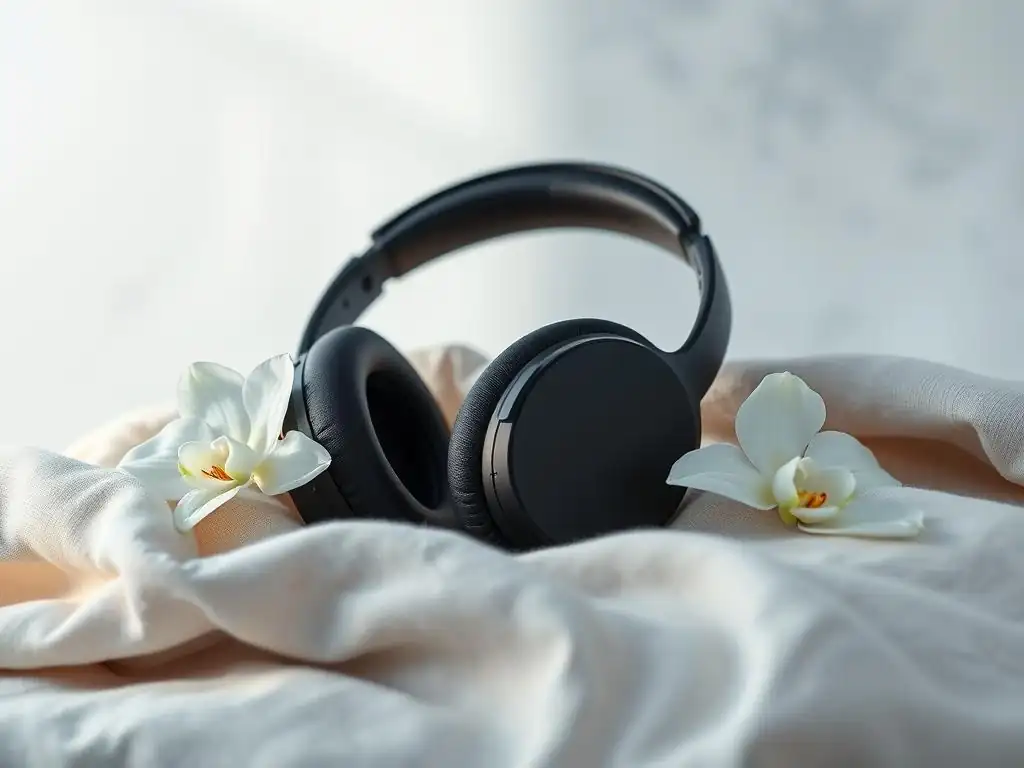
For caregivers, finding quiet moments can be incredibly difficult. Noise-cancelling headphones offer a portable sanctuary, allowing them to create pockets of peace amidst potentially chaotic or noisy environments. Whether it's blocking out household sounds, medical equipment beeps, or neighborhood noise, these headphones provide a crucial barrier that can help reduce sensory overload and improve focus. This is not just about listening to music; it's about reclaiming control over their auditory environment to find calm.
Providing noise-cancelling headphones as a selfcare gift is giving the caregiver the ability to step back, even physically present, and mentally decompress. They can be used during short breaks, while trying to focus on a task, or simply to enjoy a few minutes of silence. This practical tool directly contributes to reducing stress and enhancing caregiver wellbeing by providing a personal retreat space.
Bose QuietComfort 45 vs. Sony WH-1000XM5: Noise-Cancelling Headphone Comparison
When considering high-quality noise-cancelling headphones, models like the Bose QuietComfort 45 and the Sony WH-1000XM5 are top contenders, each offering excellent performance. The Bose QC45 are renowned for their exceptional comfort and strong, consistent noise cancellation across a wide range of frequencies, making them great for blocking out general ambient noise. They typically offer around 24 hours of battery life on a single charge.
The Sony WH-1000XM5 headphones are often praised for their slightly superior noise cancellation in blocking specific sounds like voices, their excellent audio quality, and advanced features like adaptive noise control that adjusts based on the user's activity. They usually boast a slightly longer battery life, often up to 30 hours. Both models offer plush earcups and adjustable headbands for comfortable extended wear, crucial for a caregiver who might wear them for significant periods. Choosing between them often comes down to subtle preferences in comfort, sound profile, and specific noise-cancellation strengths.
Price and Availability: Directing Traffic to Retailers via Affiliate Links
Premium noise-cancelling headphones from brands like Bose and Sony represent a significant investment, typically ranging from $200 to $400 or more, depending on the specific model and generation. Newer flagship models like the Sony WH-1000XM5 or Bose QuietComfort 45 usually sit at the higher end of this spectrum. There are also mid-range options available from various brands that offer good noise cancellation for slightly less, perhaps in the $100-$200 range.
These headphones are widely available at major electronics retailers, department stores with electronics sections, and numerous online marketplaces. While I cannot provide specific links, searching for the model names on popular retail websites will show current pricing and availability. Prices can fluctuate, particularly around holiday seasons or sales events. Investing in a quality pair is investing in a caregiver's peace of mind, making them valuable selfcare gifts caregiver wellbeing.
Benefits of Noise-Cancelling Headphones for Caregiver Wellbeing: Improved Focus and Reduced Sensory Overload
The benefits of noise-cancelling headphones for caregivers extend significantly beyond just enjoying music. A primary advantage is the reduction of sensory overload, a common issue for those constantly exposed to beeps, alarms, requests, and general household noise. By dampening these sounds, the headphones create a quieter mental space, helping to reduce anxiety and irritability. This can be especially helpful for caregivers of individuals with complex medical needs or behavioral challenges.
Furthermore, the ability to create a quiet zone dramatically improves focus. Caregivers often need to concentrate on tasks like managing medications, scheduling appointments, or handling finances amidst distractions. Wearing noise-cancelling headphones, even without playing audio, can help them concentrate better, reducing errors and the stress associated with feeling scattered. This dual benefit of reducing overload and improving focus makes them an incredibly practical and supportive selfcare gift for caregiver wellbeing.
5. Ergonomic Office Supplies: Supporting Physical and Mental Wellbeing for Caregivers Working From Home
Many caregivers also manage responsibilities that involve sitting for extended periods, whether it's administrative tasks related to care, working remotely, or even just spending time alongside the person they care for. Poor posture and uncomfortable seating can lead to significant physical pain, including back pain, neck strain, and headaches. These physical discomforts not only add to their stress but can also impede their ability to provide care and negatively impact their mood and energy levels.
Investing in ergonomic office supplies, particularly a supportive chair, keyboard, or mouse, is a practical way to support a caregiver's physical health, which is inextricably linked to their mental wellbeing. Reducing physical pain frees up mental energy and allows them to focus on their responsibilities without the added burden of discomfort. This type of functional gift is a tangible expression of care for the caregiver's own body and mind, contributing significantly to their overall wellbeing.
The Importance of Ergonomics for Caregiver Physical Health
Ergonomics focuses on designing and arranging workspaces to fit the user, promoting comfort, efficiency, and health. For caregivers who may spend hours assisting with tasks, managing paperwork, or working from a home office setup, proper ergonomics is crucial. Poor posture resulting from ill-suited furniture can lead to chronic musculoskeletal disorders. Reports suggest that back pain, for instance, affects a large percentage of adults working from home, a category many caregivers fall into.
Providing ergonomic support helps prevent these common ailments. A chair that supports the natural curve of the spine, a keyboard that reduces wrist strain, or a monitor at the correct height can make a significant difference in a caregiver's daily comfort. Addressing physical strain through ergonomic gifts is a proactive step towards preventing burnout and ensuring the caregiver has the physical capacity to sustain their role while maintaining their own health. This practical approach to selfcare gifts caregiver wellbeing is often overlooked but highly valuable.
Best Ergonomic Office Chairs for Caregivers : Herman Miller Aeron Recommendation
When discussing top-tier ergonomic chairs, the Herman Miller Aeron is frequently cited as a benchmark for quality and design, making it an aspirational yet highly effective gift for a caregiver who spends significant time seated. While it represents a substantial investment, its design focuses on providing comprehensive support that can make a dramatic difference in comfort and posture over long periods. The Aeron features a unique mesh material that distributes weight evenly and allows for airflow, preventing heat buildup.
Key ergonomic features of the Aeron include adjustable lumbar support that conforms to the spine, adjustable armrests, and a reclining mechanism that supports natural movement. These features allow the user to customize the chair to their specific body shape and needs, promoting healthy posture and reducing pressure points. While other ergonomic chairs are available at various price points, the Aeron is often highlighted for its durability and effectiveness in preventing the physical discomfort that can undermine caregiver wellbeing.
How Ergonomic Products Can Improve Caregiver Wellbeing: Reducing Pain and Improving Productivity
The impact of ergonomic products on caregiver wellbeing is both physical and psychological. Physically, reducing strain on the back, neck, wrists, and shoulders directly alleviates pain and discomfort that can be distracting and draining. Freedom from constant aches allows caregivers to feel more comfortable and less physically stressed throughout the day. This reduction in physical burden can also lead to improved sleep quality, as they are less likely to be kept awake by pain.
Psychologically, being free from physical pain improves mood and reduces irritability. When a caregiver is comfortable, they can focus better on their tasks, whether care-related or personal, leading to increased productivity and a sense of accomplishment. This combination of reduced physical pain and improved mental clarity significantly enhances their overall quality of life and capacity for self-care, making ergonomic items highly impactful selfcare gifts caregiver wellbeing.
6. Essential Oil Diffusers and Aromatherapy Sets: Soothing Scents for Caregiver Stress Reduction
Aromatherapy utilizes the therapeutic properties of essential oils extracted from plants to promote physical and emotional wellbeing. For caregivers, incorporating aromatherapy into their environment can create a calming atmosphere that helps reduce stress, alleviate anxiety, and even improve sleep. Diffusers disperse essential oils into the air, filling a room with soothing scents that can subtly but effectively shift mood and promote relaxation. This is a simple yet powerful way to transform a living space into a more tranquil retreat.
Giving an essential oil diffuser and a selection of high-quality oils is providing the caregiver with a tool to easily access moments of sensory calm throughout their day. They can use it during a short break, while reading, or in the evening to wind down. It's a gift that encourages creating a peaceful ambiance, directly supporting caregiver mental health and providing a gentle form of self-care.
Choosing the Right Essential Oils for Stress and Anxiety Relief: Lavender, Chamomile, and Frankincense
When selecting essential oils for a caregiver focused on stress and anxiety relief, certain oils are particularly renowned for their calming properties. Lavender is perhaps the most well-known, widely used for its ability to promote relaxation and improve sleep. Its gentle floral scent is often associated with tranquility.
Chamomile (Roman or German) essential oil is another excellent choice, known for its soothing and calming effects, often used to help reduce feelings of restlessness and worry. Frankincense essential oil, with its earthy, woody aroma, is traditionally used in meditative practices and is believed to help promote feelings of peace and groundedness, which can be very beneficial for an overwhelmed caregiver. Including a small selection of these specific oils alongside a diffuser ensures the caregiver has immediate access to proven stress-reducing scents.
Vitruvi Stone Diffuser Review: Features and Benefits for Caregiver Relaxation
The Vitruvi Stone Diffuser is a popular choice known for its aesthetic appeal and functionality, making it a beautiful as well as practical selfcare gift. Unlike basic plastic diffusers, the Vitruvi features a handcrafted ceramic cover that looks more like a piece of home decor than an electronic gadget, allowing it to blend seamlessly into any room. It uses ultrasonic technology to diffuse essential oils, creating a fine mist without heat, preserving the therapeutic properties of the oils.
The Vitruvi diffuser typically offers different time settings, such as continuous mist for 3 hours or intermittent mist (30 seconds on, 30 seconds off) for up to 7.5 hours. It also often includes an optional LED light feature. Its quiet operation is a significant benefit for caregivers who need peace. The combination of elegant design and effective, silent diffusion makes the Vitruvi Stone Diffuser a premium gift that encourages consistent use for relaxation and stress reduction, directly supporting caregiver wellbeing.
Aromatherapy Sets as Thoughtful Gifts: Creating a Calming Atmosphere
Beyond just a diffuser and a few oils, a curated aromatherapy set can be an incredibly thoughtful gift. Such sets might include a diffuser, a selection of 3-6 different essential oils specifically chosen for relaxation (like lavender, chamomile, bergamot, and frankincense), and perhaps even accessories like a small guide to using essential oils or roller bottles for topical application (when properly diluted).
These sets provide a complete experience, allowing the caregiver to explore different scents and find what works best for them. The act of choosing an oil, adding water to the diffuser, and turning it on can become a small, mindful ritual within their day. Creating a consistently calming atmosphere in their living space or bedroom provides a constant, gentle reminder to breathe and relax, making aromatherapy sets a powerful tool for enhancing caregiver mental health and overall wellbeing.
Finding the Perfect Self-Care Gifts for Caregivers: Tailoring to Individual Needs
Assessing the Caregiver's Specific Needs and Preferences
Choosing the most impactful selfcare gifts for caregiver wellbeing requires a bit of thoughtful consideration about the individual caregiver's specific situation, challenges, and personal preferences. Are they primarily struggling with physical exhaustion, sleep deprivation, emotional stress, or a lack of personal time? Do they enjoy sensory experiences like scents or textures, or are they more practical and benefit from tools that improve their physical comfort or efficiency?
For example, a caregiver experiencing significant back pain from assisting with transfers might benefit immensely from an ergonomic back support cushion or even contribute towards a better chair, while someone overwhelmed by noise and chaos might find noise-cancelling headphones revolutionary. A caregiver who loves journaling might appreciate a high-quality journal and pen set more than a meditation app. Taking the time to subtly understand their daily struggles and what activities or sensations bring them comfort ensures the gift is not only well-intentioned but truly useful and appreciated, maximizing its positive impact on their wellbeing.
Budget-Friendly Self-Care Gift Ideas for Caregivers
Supporting caregiver wellbeing doesn't always require a large budget. Many thoughtful and effective self-care gifts are quite affordable. For instance, a high-quality eye mask and earplugs set can cost under $20 and make a significant difference in sleep quality. A comforting herbal tea assortment and a nice mug might cost around $25-$30. A subscription to a calming app can often be purchased for a single month (around $10-$15) to allow them to try it out.
Other budget-friendly ideas include a comfortable pair of cozy socks (under $15), a small but effective hand lotion (under $10), a guided journal with prompts specifically for stress relief (around $15-$25), or a selection of their favorite healthy snacks. These smaller items, perhaps grouped together, can still convey immense support and provide practical tools for daily self-care, demonstrating care for their mental health without breaking the bank. The key is choosing items that genuinely contribute to relaxation, comfort, or moments of peace.
Maximizing the Impact of Your Self-Care Gift: Encouraging Consistent Use

Tips for Caregivers to Integrate Self-Care into Their Daily Routine
Receiving a self-care gift is wonderful, but integrating its use into a demanding routine is often the biggest challenge for caregivers. Encourage them to start small. Suggest dedicating just 5-10 minutes a day initially. This could be using the meditation app during a quiet moment while the care recipient is resting, using the weighted blanket for a short period in the evening, or diffusing essential oils while preparing a meal. The goal is consistency, not perfection.
Another tip is to link the self-care activity to an existing routine. For example, using the ergonomic mouse whenever they sit down at the computer, putting on noise-cancelling headphones while doing a specific chore, or using the aromatherapy diffuser during their first cup of tea in the morning. Creating these small habits makes self-care feel less like an extra task and more like a natural part of their day, increasing the likelihood that they will consistently use the selfcare gifts caregiver wellbeing.
The Long-Term Benefits of Prioritizing Self-Care for Caregiver Wellbeing
Consistently prioritizing self-care, even in small ways, yields significant long-term benefits for caregivers. Reduced stress levels can lead to improved physical health outcomes, such as lower blood pressure and a stronger immune system. Better sleep results in increased energy levels and improved cognitive function, helping them manage daily tasks more effectively and safely.
Emotionally, regular self-care practices can reduce feelings of resentment, frustration, and isolation, fostering greater resilience and a more positive outlook. Caregivers who prioritize their wellbeing are less likely to experience severe burnout and compassion fatigue, enabling them to continue providing care for longer periods without compromising their own health. Ultimately, investing in selfcare gifts caregiver wellbeing is an investment in the caregiver's capacity to thrive, not just survive, in their vital role.
Conclusion: Supporting Caregivers Through Thoughtful Self-Care Gifts and Resources
Recap of Unique Self-Care Gift Ideas That Support Caregiver Mental Health
Moving beyond conventional notions of pampering, the most impactful selfcare gifts for caregiver wellbeing are those that offer practical support for their unique challenges. We've explored gifts like weighted blankets for anxiety and sleep, mindfulness app subscriptions for accessible calm, curated subscription boxes for ongoing variety and convenience, noise-cancelling headphones for creating peaceful sanctuaries, ergonomic supplies for physical comfort and reduced pain, and aromatherapy sets for creating a relaxing atmosphere. Each of these items provides tangible tools that caregivers can integrate into their daily lives to manage stress, improve physical comfort, and enhance their mental resilience.
These gifts are more than just tokens; they are investments in the caregiver's health and capacity. By choosing gifts that directly address common caregiver struggles—like sleep deprivation, stress, lack of personal time, and physical strain—you demonstrate a deep understanding of their needs and a genuine commitment to supporting their journey. These unique selfcare gifts caregiver wellbeing offer sustained benefits that contribute significantly to their overall quality of life and ability to continue their essential work.
Encouraging Readers to Invest in Caregiver Wellbeing.
Supporting caregivers is a collective responsibility, and providing thoughtful selfcare gifts is one powerful way to do so. We encourage readers to consider the specific caregivers in their lives and think about which of these unique gift ideas might resonate most deeply and offer the greatest practical benefit. Whether it's contributing to a larger purchase like an ergonomic chair or selecting a more budget-friendly option like a quality eye mask, the act of choosing a gift specifically aimed at supporting their wellbeing sends a vital message: You are seen, you are valued, and your health matters.
Investing in caregiver wellbeing through practical and meaningful gifts not only benefits the caregiver but also indirectly supports the person receiving care, as a healthier, less stressed caregiver is better equipped to provide compassionate and effective support. Let us move beyond the symbolic and embrace gifts that truly nourish the mind, body, and spirit of these incredible individuals who give so much of themselves. Prioritizing caregiver self-care is essential for building a more sustainable and compassionate care ecosystem.
Frequently Asked Questions
What are some alternative self-care gifts beyond typical items like bath bombs that benefit caregiver wellbeing?
Beyond the usual, think about practical gifts that reduce stress for caregivers, such as meal delivery services or a cleaning service gift certificate. Consider experiences too, offering moments of respite and relaxation.
How can self-care gifts contribute to a caregiver's mental health and prevent burnout?
Thoughtful self-care gifts provide caregivers with much-needed breaks and opportunities for self-renewal. This helps them manage stress, recharge, and ultimately reduce the risk of burnout.
How do I choose a self-care gift that is tailored to the specific needs and preferences of a caregiver?
Consider the caregiver's lifestyle, hobbies, and stressors. Ask them directly about what they find relaxing or helpful, or observe their daily routine to identify areas where a gift could ease their burden.
What resources are available to help caregivers prioritize their own wellbeing and find self-care strategies?
Mind Care Guide offers a wealth of information, support groups, and practical tools. Explore our website for articles on stress management, mindfulness, and self-care techniques tailored to caregivers.
Why is prioritizing caregiver wellbeing through self-care gifts so important?
Caregivers often neglect their own needs while focusing on others. Investing in their wellbeing not only benefits them personally but also allows them to provide better and more sustainable care in the long run.
Final Reflection: Embracing Holistic Care for Caregivers
In a world that often overlooks the needs of caregivers, the importance of thoughtful self-care gifts cannot be overstated. As we navigate the complexities of caregiving, it becomes increasingly clear that nurturing our own well-being is not just a luxury, but a necessity. The unique self-care gifts discussed in this article serve as powerful reminders that caregivers deserve to be prioritized and supported in their journey.
Caregivers are the backbone of our communities, yet they frequently sacrifice their own well-being for the sake of others. The gifts that promote self-care, from mindfulness tools to personalized relaxation experiences, play a crucial role in fostering a culture of appreciation and support. As one insightful observer noted, You cannot pour from an empty cup.
This sentiment underscores the ongoing influence of self-care practices, reminding us that by investing in our own health, we can better serve those who depend on us.
As you reflect on the insights shared in this article, I invite you to take action in your own life. Consider how you can incorporate self-care into your routine or support the caregivers around you with meaningful gifts. Each small step toward prioritizing well-being can create a ripple effect, inspiring others to do the same. Let us champion the cause of caregiver well-being, ensuring that those who give so much to others are also given the care they deserve.
Unveil Your Caregiver's Oasis: Gift Ideas for True Wellbeing
Thanks for exploring unique self-care gift ideas for caregivers! We hope you found inspiration to show your appreciation for their tireless dedication. Now, let's put that inspiration into action:
- Craft the Perfect Self-Care Package: Select 2-3 gifts from the article, focusing on experiences or items that truly resonate with the caregiver's needs and interests (think beyond the bath bomb!). Consider adding a handwritten note expressing your gratitude.
- Share Your Discovery: Spread the word! Share this article with friends and family who might also be looking for thoughtful ways to support their loved ones.
- Start a Conversation: Try something unexpected – ask the caregiver what they truly need and listen without judgment. Sometimes, the most meaningful gift is a conversation.
Ready to transform their self-care routine and show your appreciation in a truly meaningful way? What small gesture of appreciation will you incorporate into your next gift?