
Your Brain on Nature: Scientific Benefits of Green Spaces for Mental Wellbeing

Welcome to Mind Care Guide!
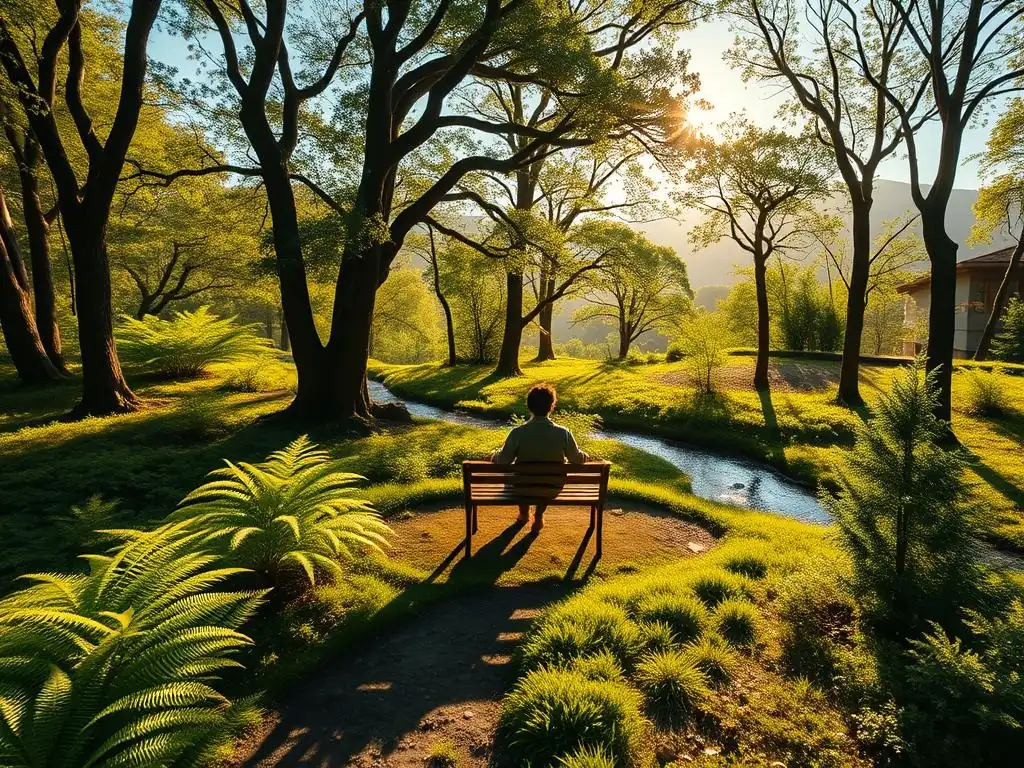
Feeling overwhelmed? We understand. Here, you'll find a compassionate guide to navigating the complexities of mental wellbeing. Ever wonder how simply stepping outside can transform your mood? Dive into our exploration of Nature boosts mental wellbeing and discover the surprisingly powerful connection between green spaces and a healthier mind. Prepare to be amazed by the science behind nature's healing touch, and unlock practical ways to incorporate its benefits into your daily life.
Your Brain on Nature: Scientific Benefits of Green Spaces for Mental Wellbeing
- Introduction: The Healing Power of Nature for Mental Health
- Nature Boosts Mental Wellbeing: The Science Behind the Connection
- The Mental Health Benefits of Spending Time Outdoors
- Specific Types of Green Spaces and Their Impact on Mental Health
- Practical Ways to Incorporate Nature into Your Daily Life for Better Mental Wellbeing
- Overcoming Barriers to Nature Exposure: Accessibility and Inclusivity
- The Future of Nature and Mental Health: Research and Advocacy
- Conclusion: Embracing Nature for a Healthier Mind
-
Frequently Asked Questions
- How does spending time in nature actually impact my mental health?
- What specific types of green spaces are most beneficial for mental wellbeing?
- How much time in nature is needed to experience significant mental health improvements?
- What are some practical ways to incorporate more nature into my daily life, even when busy?
- Besides stress reduction, what other mental health benefits can I expect from spending time in nature?
- Final Reflection: Reconnecting with Nature, Reconnecting with Ourselves
- Unleash Your Inner Calm: Embrace Nature's Healing Power
Introduction: The Healing Power of Nature for Mental Health
In today's fast-paced world, the demands of modern life can often leave us feeling stressed, anxious, and disconnected. While conventional approaches to mental health are vital, there is growing recognition of the profound impact that our environment has on our psychological state. Stepping away from concrete jungles and immersing ourselves in natural settings offers a powerful, often underestimated, pathway to improved mental wellness. This article explores the compelling scientific evidence demonstrating how spending time in nature profoundly benefits our brains and overall mental health.
Connecting with Nature: An Essential Component of Mental Wellbeing
Mounting research highlights that regular interaction with natural environments is not merely a pleasant pastime but an essential component of achieving and maintaining mental wellbeing. Our ancestors lived intimately connected with the natural world, and while our lifestyles have changed dramatically, our biological need for this connection persists. This inherent link suggests that access to green spaces is not a luxury but a fundamental necessity for human psychological flourishing.
Studies consistently show that even brief exposure to nature can yield significant mental health improvements. For instance, research from the University of Essex found that a walk in the countryside reduced depression scores by 71% among participants, compared to only 45% for those who walked in a shopping center. This stark contrast underscores the unique restorative power of natural environments and how nature boosts mental wellbeing in tangible ways, offering a vital counterbalance to the stressors of urban living.
Mind Care Guide: Exploring Holistic Approaches to Mental Health
At Mind Care Guide, we believe in exploring a comprehensive range of strategies to support mental wellness. While therapy and medication are crucial for many, we also champion holistic approaches that integrate various aspects of life, including the powerful influence of our environment. Understanding how nature impacts our psychological state is a cornerstone of this integrative philosophy.
Our exploration into holistic approaches encompasses practices like mindfulness, nutrition, physical activity, and crucially, connecting with nature. By examining the scientific backing behind these methods, such as how nature boosts mental wellbeing by influencing physiological responses and cognitive function, we aim to provide readers with a broad toolkit for managing mental health challenges and cultivating resilience. This holistic perspective acknowledges the complex interplay of factors contributing to our mental state and seeks to empower individuals with diverse, evidence-based strategies.
Nature Boosts Mental Wellbeing: The Science Behind the Connection
The idea that nature is good for us feels intuitively true, but scientific research is now providing concrete evidence to explain why. The connection between green spaces and improved mental health is being explored through various lenses, from evolutionary biology to neuroscience, revealing fascinating insights into how our brains and bodies respond to natural environments. This section delves into some of the key scientific theories and findings that illuminate the powerful ways nature boosts mental wellbeing.
Understanding the Biophilia Hypothesis: Our Innate Love of Nature
One prominent theory explaining our deep connection to the natural world is the Biophilia Hypothesis, popularized by biologist E.O. Wilson. It posits that humans have an innate, genetically based need to affiliate with other life forms and natural processes. This hypothesis suggests that our evolutionary history, spent largely in natural environments, has hardwired us to find solace, fascination, and restoration in nature.
This innate connection means that being in nature isn't just a learned preference; it's a fundamental part of our biological makeup. When this need is unmet, as is often the case in highly urbanized environments, it can contribute to psychological distress. Conversely, satisfying this inherent drive by spending time in green spaces can have profound positive effects, helping to explain why nature boosts mental wellbeing so effectively.
Stress Reduction and Green Spaces: Lowering Cortisol Levels
Perhaps one of the most well-documented benefits of nature exposure is its ability to reduce stress. Studies have shown that spending time in natural environments can significantly lower levels of cortisol, the primary stress hormone. For example, a study published in Environmental Health Perspectives found that urban residents who spent more time in green spaces showed lower levels of salivary cortisol compared to those with less exposure.
This physiological response indicates that nature has a direct calming effect on our bodies' stress systems. Beyond cortisol, nature exposure has also been linked to lower blood pressure and heart rate, further evidence of its stress-reducing capabilities. The simple act of being in a park or forest can trigger a relaxation response, counteracting the chronic stress that is often detrimental to mental health. This is a crucial mechanism by which nature boosts mental wellbeing.
Attention Restoration Theory (ART): Recharging Your Cognitive Batteries in Natural Environments
Stephen Kaplan and Rachel Kaplan's Attention Restoration Theory (ART) provides a cognitive explanation for why nature is so restorative. ART suggests that directed attention, the type of focus required for tasks like working on a computer or navigating busy streets, is mentally fatiguing. Natural environments, however, engage our "involuntary attention" or fascination, allowing our directed attention to rest and recover.
Natural stimuli, such as the rustling of leaves, the flow of water, or the intricate patterns of plants, capture our attention effortlessly without demanding intense focus. This gentle engagement allows the prefrontal cortex, the part of the brain responsible for directed attention, to recover. This cognitive restoration leads to improved focus, concentration, and problem-solving abilities after spending time in nature, illustrating how nature boosts mental wellbeing by enhancing cognitive function.
The Mental Health Benefits of Spending Time Outdoors
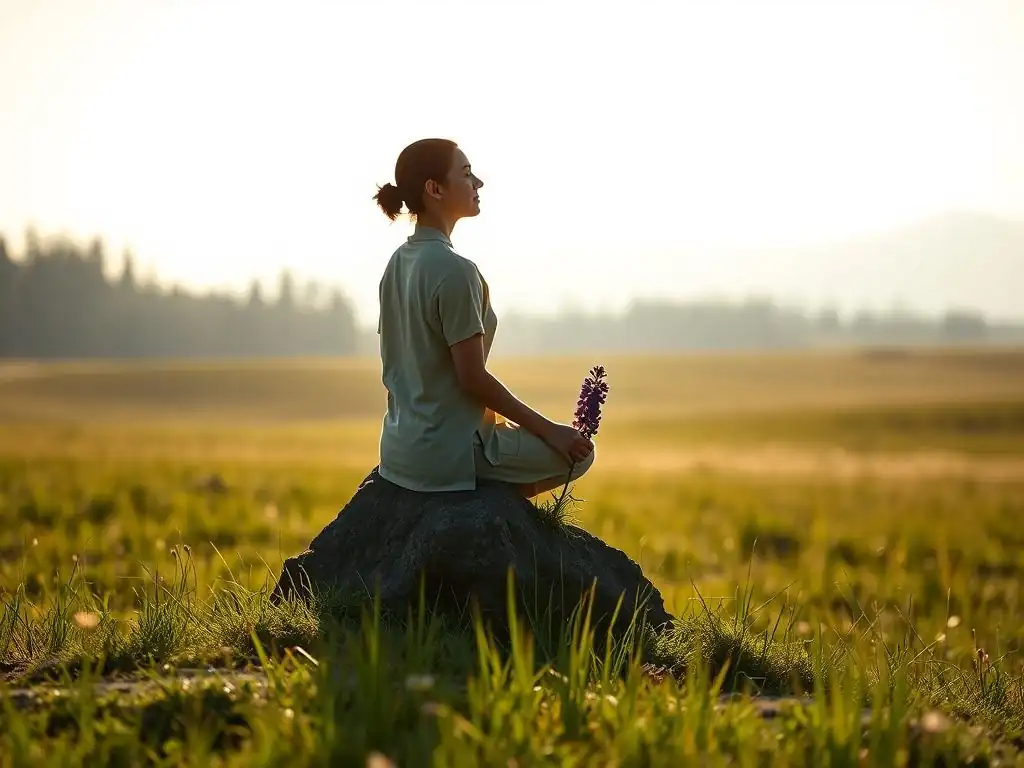
Beyond the scientific theories, the practical benefits of immersing ourselves in nature are wide-ranging and deeply impactful for mental health. From lifting our spirits to sharpening our minds, the outdoor world offers a wealth of therapeutic advantages that complement other forms of mental healthcare. Engaging with the natural environment is a powerful, accessible tool for improving our psychological state.
Improved Mood and Reduced Anxiety: Nature's Antidepressant Effects
Spending time in nature has been consistently linked to improved mood and reduced feelings of anxiety and depression. Research suggests that exposure to green spaces can increase feelings of happiness and decrease rumination, the repetitive negative thinking often associated with depression. A study published in Proceedings of the National Academy of Sciences found that a 90-minute walk in a natural setting decreased activity in the subgenual prefrontal cortex, a brain region associated with rumination, compared to a walk in an urban environment.
This effect is so pronounced that some healthcare professionals are exploring "green prescribing," where patients are encouraged or formally recommended to spend time outdoors as part of their treatment plan. The simple act of being surrounded by nature can provide a sense of peace and perspective, helping to alleviate the heavy burden of anxiety and low mood. It's a tangible demonstration of how nature boosts mental wellbeing on an emotional level.
Enhanced Cognitive Function: Sharper Focus and Improved Memory
As suggested by Attention Restoration Theory, nature doesn't just relax us; it also makes us smarter. Studies have shown that exposure to natural environments can improve cognitive function, including attention span, working memory, and problem-solving skills. Even looking at pictures of nature has been shown to improve performance on cognitive tasks compared to looking at urban scenes.
For example, research has shown that students perform better on tests after spending time in green spaces. The restorative effects of nature on directed attention free up cognitive resources, allowing for clearer thinking and better performance on demanding mental tasks. This cognitive boost is a significant way that nature boosts mental wellbeing, enhancing our ability to navigate daily challenges and learn new information.
Increased Creativity and Problem-Solving Abilities: Nature as Muse
Nature has long been a source of inspiration for artists, writers, and thinkers, and science is now catching up to explain why. Spending time in natural settings has been shown to enhance creativity and improve problem-solving abilities. One theory is that by reducing stress and mental fatigue, nature allows the mind to wander and make novel connections, which are essential for creative thought.
A study involving backpackers found that four days of immersion in nature, disconnected from technology, increased performance on a creativity test by 50%. This suggests that unplugging and immersing oneself in the natural world can unlock latent creative potential. Nature provides a rich, non-distracting environment that encourages divergent thinking, demonstrating another powerful way nature boosts mental wellbeing by fostering innovation and insight.
While often seen as a solitary pursuit, engaging with nature can also foster social connection and community building. Parks, community gardens, and nature trails serve as vital public spaces where people can gather, interact, and participate in shared activities like walking groups, gardening clubs, or simply enjoying the outdoors together.
These shared experiences in natural settings can strengthen social bonds and reduce feelings of isolation, which are significant risk factors for poor mental health. For instance, community gardening projects have been shown to improve social cohesion and mental wellbeing among participants. Access to well-maintained green spaces encourages outdoor activity and interaction, highlighting the social dimension of how nature boosts mental wellbeing within communities.
Specific Types of Green Spaces and Their Impact on Mental Health
Not all natural environments are the same, and different types of green spaces can offer unique benefits for mental health. Whether it's the dense canopy of a forest, the manicured beds of a city park, or the rhythmic sounds of water, each setting provides a distinct sensory experience that can influence our psychological state in particular ways. Understanding these differences can help us choose the most beneficial environments for our specific needs.
Forests and Woodlands: Immersing Yourself in Nature's Embrace
Forests and woodlands, with their dense foliage, towering trees, and rich biodiversity, offer a deeply immersive natural experience. The air in forests is often rich in phytoncides, volatile organic compounds emitted by trees, which research suggests may have a positive impact on human immune function and stress levels. The dappled light, the sounds of birds and rustling leaves, and the earthy smells create a profoundly calming atmosphere.
Studies on forest environments have shown significant reductions in stress hormones, blood pressure, and heart rate among visitors. For example, research from Japan, where "forest bathing" originated, has demonstrated that spending time in forests can decrease levels of cortisol and increase activity in the parasympathetic nervous system, which is responsible for the body's "rest and digest" functions. This deep immersion highlights a powerful way this specific type of nature boosts mental wellbeing.
Parks and Gardens: Accessible Green Spaces for Urban Dwellers
For those living in urban areas, parks and gardens provide crucial, accessible pockets of nature. While they may not offer the wilderness experience of a forest, even small urban green spaces can provide significant mental health benefits. These spaces offer a respite from the sensory overload of the city, providing opportunities for relaxation, exercise, and social interaction.
Research on urban parks has shown that access to and use of these spaces is associated with lower levels of stress, anxiety, and depression among city residents. A study in the Journal of Environmental Psychology found that viewing green spaces from windows was associated with better self-reported health and wellbeing. Urban parks demonstrate that even limited access to nature boosts mental wellbeing for large populations who might otherwise have minimal interaction with the natural world.
Blue Spaces: The Calming Effects of Water on the Mind
Beyond green, "blue spaces" – environments that include water, such as coastlines, rivers, lakes, and even fountains – also have powerful positive effects on mental health. The sight and sound of water are often perceived as calming and restorative. Being near water can induce a meditative state, reduce stress, and promote feelings of peace and tranquility.
Studies have linked proximity to blue spaces with improved mental health outcomes, including lower levels of psychological distress. The rhythmic sounds of waves or flowing water can have a soothing effect, while the vastness of the sea or a lake can offer a sense of perspective. This highlights that various natural elements contribute to how nature boosts mental wellbeing, with water offering a unique form of sensory therapy.
Forest Bathing (Shinrin-Yoku): Mindful Immersion for Stress Reduction
Originating in Japan, Shinrin-Yoku, or "forest bathing," is a practice that involves mindfully immersing oneself in the atmosphere of the forest. It's not about hiking or exercising but about slowing down, engaging the senses, and consciously connecting with the natural environment. This practice emphasizes being present in the moment and absorbing the forest's ambiance.
Shinrin-Yoku has been shown to reduce stress, improve mood, and boost immune function. Participants often report feeling more relaxed, centered, and refreshed after a forest bathing session. By intentionally focusing on the sensory experience of nature – the sights, sounds, smells, and textures – individuals can deepen their connection with the environment and unlock profound stress-reducing benefits. This mindful approach exemplifies how nature boosts mental wellbeing through intentional interaction.
Practical Ways to Incorporate Nature into Your Daily Life for Better Mental Wellbeing
Recognizing the scientific benefits of nature is the first step; the next is actively integrating it into your life. Even small, consistent interactions with the natural world can yield significant mental health benefits. You don't need to live next to a national park to experience the positive effects of nature; simple changes can make a big difference in how nature boosts mental wellbeing in your everyday routine.
Mindful Walks in Nature: Engaging Your Senses
One of the most straightforward ways to connect with nature is through mindful walks. Instead of rushing through a park or trail, take the time to engage all your senses. Notice the colors of the leaves, the texture of the bark, the sounds of birdsong, the smell of the earth after rain, and the feeling of the breeze on your skin.
- See: Observe the details of plants, insects, and light patterns.
- Hear: Listen to the natural sounds – wind, water, animals.
- Smell: Breathe in the scents of flowers, soil, and trees.
- Touch: Feel the texture of leaves, rocks, or tree bark.
- Taste: (If safe and knowledgeable) Identify edible plants or simply taste the fresh air.
This intentional engagement helps ground you in the present moment, reducing rumination and fostering a sense of peace. A 20-minute mindful walk in a natural setting can be a powerful stress reliever, highlighting the accessible ways nature boosts mental wellbeing.
Creating a Green Oasis at Home: Indoor Plants and Natural Light
If getting outdoors is challenging, bring nature indoors. Filling your living space with houseplants can improve air quality and provide a visual connection to the natural world. Caring for plants can also be a therapeutic activity in itself, offering a sense of purpose and connection.
Maximize natural light in your home by keeping curtains open and positioning workspaces near windows. Natural light helps regulate circadian rhythms, which are crucial for sleep and mood regulation. Even small indoor interventions like a few potted plants and ample sunlight can contribute to a more calming and restorative home environment, demonstrating that even indoor nature boosts mental wellbeing.
Nature-Based Meditation and Mindfulness Practices
Combine the benefits of meditation and mindfulness with the power of nature. Find a quiet spot outdoors – a park bench, a garden, or even a spot under a tree – and practice meditation or mindfulness exercises. Use the natural environment as your focus, paying attention to sensations, sounds, and sights without judgment.
You can practice walking meditation, focusing on the feeling of your feet on the earth and the natural surroundings as you move slowly. These practices deepen your connection to nature and enhance the stress-reducing and mood-boosting effects of being outdoors. Integrating these techniques shows how nature boosts mental wellbeing through focused attention and presence.
Finding Local Green Spaces and Integrating Them into Your Routine
Identify nearby parks, trails, community gardens, or even tree-lined streets. Plan regular visits, even if just for a short period. Schedule nature time into your week just as you would any other important appointment. Consistency is key to experiencing the cumulative benefits.
Start small – maybe a 15-minute break in a nearby park during your workday or a weekend walk on a local trail. Over time, you might find yourself naturally seeking out longer periods in nature. Making nature exposure a regular part of your routine is a practical way to ensure nature boosts mental wellbeing consistently in your life.
Overcoming Barriers to Nature Exposure: Accessibility and Inclusivity
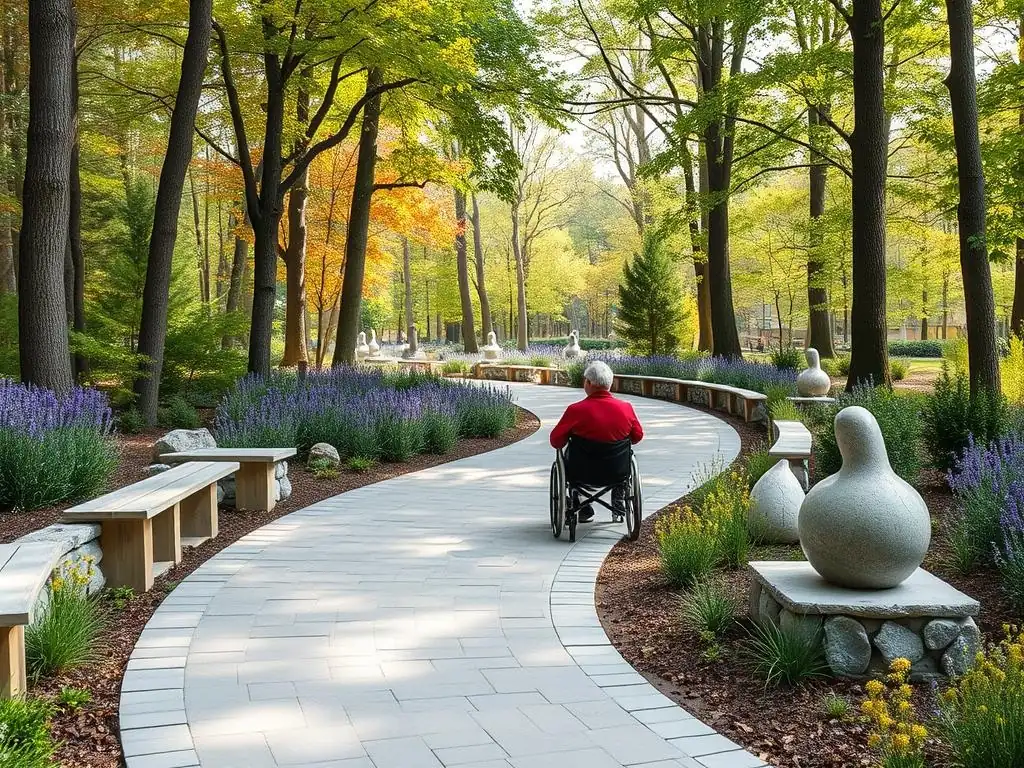
While the benefits of nature are universal, access to green spaces is not. Many individuals and communities face significant barriers to experiencing nature's healing power. Addressing issues of accessibility, safety, and equitable distribution of green spaces is crucial to ensure everyone can benefit from the ways nature boosts mental wellbeing.
Addressing Concerns about Safety and Accessibility
Safety concerns, particularly in urban areas or for individuals walking alone, can be a major barrier to accessing nature. Lack of well-maintained trails, poor lighting, or perceived crime rates can deter people from using available green spaces. Additionally, physical accessibility can be an issue for people with mobility challenges, with trails and facilities not always designed to accommodate wheelchairs or other assistive devices.
Addressing these concerns requires community effort, investment in infrastructure, and thoughtful urban planning. Improving trail maintenance, installing adequate lighting, increasing park patrols where necessary, and ensuring accessible pathways are vital steps. Making nature feel safe and welcoming is essential for unlocking its mental health benefits for a wider population and ensuring nature boosts mental wellbeing universally.
Making Nature Accessible for People with Disabilities
People with disabilities often face significant challenges in accessing natural environments. Uneven terrain, stairs, lack of accessible restrooms, and inadequate information about accessibility features can make visits difficult or impossible. Ensuring equitable access requires intentional design and planning.
This includes creating paved or boardwalk trails, installing accessible picnic areas and restrooms, providing sensory gardens for those with visual or auditory impairments, and offering adaptive equipment or programs. Organizations and parks departments are increasingly recognizing the importance of universal design in natural settings. Prioritizing accessibility ensures that everyone, regardless of physical ability, can experience how nature boosts mental wellbeing.
Promoting Equitable Access to Green Spaces for All Communities
Access to quality green spaces is often unevenly distributed, with lower-income communities and minority populations frequently having less access to parks and natural areas compared to more affluent or predominantly white neighborhoods. This disparity contributes to environmental injustice and can exacerbate existing health inequities, including mental health disparities.
Advocating for the creation and maintenance of green spaces in underserved areas is crucial. This involves community-led initiatives, policy changes, and investment in urban greening projects that prioritize equity. Ensuring that all communities have access to safe, well-maintained natural environments is a critical step in leveraging the full potential of how nature boosts mental wellbeing across society.
The Future of Nature and Mental Health: Research and Advocacy
The connection between nature and mental health is a rapidly growing field of study and practice. As the evidence base expands, so too does the potential for integrating nature-based interventions into public health strategies and individual self-care plans. The future holds exciting possibilities for leveraging nature's power to address the global mental health crisis.
The Growing Body of Evidence Supporting Nature-Based Interventions
Research into the mental health benefits of nature is accelerating. Scientists are using advanced technologies like fMRI scans to observe brain activity in natural versus urban settings and conducting large-scale epidemiological studies to link green space exposure with mental health outcomes across populations. This growing body of evidence provides a strong scientific foundation for advocating for nature-based solutions.
Studies are exploring the optimal "dose" of nature needed for mental health benefits, investigating specific mechanisms like the role of microbiome exposure in soil, and examining the effectiveness of prescribed nature activities for various conditions like depression, anxiety, and ADHD. This robust research confirms and expands our understanding of how nature boosts mental wellbeing across different contexts and populations.
The Importance of Protecting and Preserving Green Spaces
As the scientific evidence mounts, the critical importance of protecting and preserving existing green spaces becomes even clearer. Urban development, climate change, and environmental degradation threaten natural habitats worldwide. Losing these vital spaces means losing crucial resources for mental, physical, and environmental health.
Conservation efforts, sustainable land use planning, and climate action are not just environmental issues; they are public health imperatives. Protecting forests, wetlands, parks, and urban trees is an investment in the mental wellbeing of current and future generations. Recognizing that nature boosts mental wellbeing underscores the urgency of these preservation efforts.
Prioritizing Nature for Mental Wellbeing and Advocating for its Preservation
Integrating nature into public health policy and urban planning should be a priority. This involves not only creating new green spaces but also ensuring their accessibility and promoting their use. Advocacy efforts can range from supporting local conservation groups to pushing for policies that mandate green infrastructure in urban development.
Educating the public, healthcare providers, and policymakers about the scientific links between nature and mental health is essential. By raising awareness and advocating for the value of nature, we can work towards a future where access to green spaces is recognized as a fundamental determinant of health and where the power of how nature boosts mental wellbeing is fully harnessed.
Conclusion: Embracing Nature for a Healthier Mind
The scientific evidence is clear and compelling: spending time in nature is profoundly beneficial for our mental wellbeing. From reducing stress and anxiety to improving mood, cognitive function, and creativity, the natural world offers a powerful, accessible, and often free resource for supporting our psychological health. Embracing nature is not just a pleasant activity; it is a vital component of a holistic approach to mental wellness.
Nature's Role in a Holistic Approach to Mental Wellness
Integrating nature into our lives complements other essential mental health strategies like therapy, medication, healthy lifestyle choices, and social connection. It provides a unique pathway to restoration and resilience, addressing aspects of wellbeing that other interventions might not reach. A holistic approach recognizes the interconnectedness of mind, body, and environment, positioning nature as a fundamental pillar of overall health.
By understanding the science behind how nature boosts mental wellbeing, we can make informed choices about how we spend our time and design our living spaces and communities. Nature is not a panacea, but it is a powerful ally in our journey toward better mental health, offering solace, inspiration, and rejuvenation.
Prioritizing Time in Nature for Long-Term Mental Wellbeing Benefits
Making time for nature should be a conscious priority, not just an afterthought. Whether it's a daily walk in a local park, a weekend hike, tending to houseplants, or simply sitting outside and observing the world around you, consistent engagement with nature yields cumulative benefits. Start small, find what works for you, and gradually integrate more nature into your routine.
Prioritizing nature is an investment in your long-term mental wellbeing. As we navigate the complexities of modern life, remembering our innate connection to the natural world and actively seeking out opportunities to immerse ourselves in it can provide a powerful source of strength, peace, and resilience. Harnessing the power of how nature boosts mental wellbeing is within reach for everyone, requiring only a willingness to step outside and reconnect.
Frequently Asked Questions
How does spending time in nature actually impact my mental health?
Spending time in nature can reduce stress hormones like cortisol and increase feelings of calm and relaxation. It also promotes mindfulness and a sense of connection to something larger than oneself.
What specific types of green spaces are most beneficial for mental wellbeing?
While any exposure to nature is helpful, parks, forests, and gardens are particularly effective due to their accessibility and opportunities for varied sensory experiences. Even indoor plants can provide a small boost!
How much time in nature is needed to experience significant mental health improvements?
Studies suggest that even 20-30 minutes a day can have a noticeable positive effect. The key is regular exposure and being present in the moment.
What are some practical ways to incorporate more nature into my daily life, even when busy?
Simple strategies include walking during lunch breaks, adding plants to your workspace, or finding a nearby park for a quick escape. You can even listen to nature sounds.
Besides stress reduction, what other mental health benefits can I expect from spending time in nature?
Nature can improve mood, focus, and cognitive function. It can also help reduce feelings of anxiety and depression, fostering a greater sense of overall well-being.
Final Reflection: Reconnecting with Nature, Reconnecting with Ourselves
The scientific evidence is undeniable: access to green spaces significantly impacts our mental wellbeing. Our increasingly urbanized world often isolates us from the restorative power of nature, yet the benefits—reduced stress, improved mood, enhanced cognitive function—are too significant to ignore. This disconnect represents a critical challenge to our collective mental health, demanding a renewed focus on integrating nature into our daily lives.
The profound influence of nature on our psychological state is not merely a modern discovery; it's a fundamental truth woven into the fabric of human experience. In every walk with nature, one receives far more than he seeks.
- John Muir. This quote beautifully encapsulates the inherent restorative power of the natural world, a power that continues to shape our cultural understanding of peace, tranquility, and healing. From ancient philosophies emphasizing harmony with nature to modern therapeutic practices utilizing ecotherapy, the connection between our mental health and the environment remains a central theme, demanding our continued attention and research.
Consider the spaces you inhabit, the environments that shape your daily experience. What steps can you take to incorporate more nature into your life? Perhaps it's a daily walk in a park, tending a small garden, or simply opening a window to appreciate the sounds and sights of the natural world. Even small acts of reconnection can yield significant benefits. Embrace the opportunity to nurture your mental wellbeing through the simple, yet profound, act of engaging with the natural world. Let the restorative power of nature guide you towards a healthier, happier you.
Unleash Your Inner Calm: Embrace Nature's Healing Power
Thanks for taking the time to explore the incredible benefits of nature for your mental wellbeing! We hope you've gained valuable insights into how green spaces can positively impact your mind and body. Now, it's time to put this knowledge into action.
- Prioritize a Nature Break: Schedule at least 30 minutes this week to spend in a park, forest, or even your own backyard. Notice the difference it makes in your mood and energy levels.
- Share Your Green Sanctuary: Tell us (and your friends!) about your favorite outdoor spot – let's build a community of nature lovers! Share your experiences and photos on social media.
- Explore Nature's Palette: Try a mindful nature walk, paying close attention to the sights, sounds, and smells around you. This simple practice can significantly reduce stress and boost your creativity.
What small step will you take today to bring more nature into your life and enhance your mental wellness?