
Escape the Scroll Trap: Managing Social Media Anxiety


Are you feeling overwhelmed by the constant stream of information and images on social media? At Mind Care Guide, we understand. It's easy to get caught in the comparison trap, leading to feelings of anxiety and inadequacy. In this guide, we offer Social media anxiety management tips to help you reclaim your peace of mind and cultivate a healthier relationship with your online world. Ready to break free from the scroll trap and find a better balance? Let's begin.
Escape the Scroll Trap: Managing Social Media Anxiety
- Understanding Social Media Anxiety and Its Impact
- Identifying Triggers: What Fuels Your Social Media Anxiety?
- Social Media Anxiety Management Tips: Reclaiming Control
- Building a Positive Online Experience
- Seeking Professional Help for Social Media Anxiety
- Long-Term Strategies for Managing Digital Wellbeing
-
Frequently Asked Questions
- How does excessive social media use contribute to anxiety?
- What are some practical tips for reducing social media-related anxiety?
- How can I identify if my social media use is negatively impacting my mental health?
- Are there alternative activities I can engage in to replace social media use?
- Where can I find additional support for managing social media anxiety?
- Final Reflection: Reclaiming Your Time, Reclaiming Yourself
- Unleash Your Social Media Peace: Take Control Now!
Social media anxiety is a form of mental distress or unease experienced in relation to the use, or perceived use, of social networking platforms. It's not a formal clinical diagnosis but rather a recognized phenomenon describing the feelings of stress, worry, or inadequacy that can arise from engaging with platforms like Instagram, Facebook, Twitter, or TikTok. This anxiety can manifest differently for individuals, sometimes stemming from the pressure to present a perfect life, the constant comparison with others, or the fear of missing out on social events and trends.
This digital-age worry is increasingly prevalent, especially among younger generations who have grown up immersed in social media. It often intertwines with existing anxieties or can even trigger new ones. For instance, the pressure to gain likes and followers can become a source of significant stress, turning online interaction from a potentially positive experience into a performance evaluated by public metrics. Understanding this specific form of anxiety is the first step toward developing effective social media anxiety management tips.
Excessive engagement with social media has been linked to a range of negative psychological effects. Studies have indicated a correlation between high social media usage and increased levels of anxiety, depression, loneliness, and even sleep disturbances. For example, research published in journals like Cyberpsychology, Behavior, and Social Networking has shown that individuals who spend significantly more time on social media report higher rates of depressive symptoms and feelings of social isolation, despite being constantly 'connected' online.
The constant exposure to curated highlight reels of others' lives can lead to feelings of inadequacy and low self-esteem. Furthermore, the unpredictable nature of notifications and interactions can create a variable reward loop, similar to gambling, which can foster compulsive checking behaviors and contribute to a persistent state of low-level stress or hypervigilance. These psychological impacts underscore the importance of implementing healthy social media anxiety management tips to protect one's mental health.
Identifying the signs of social media-induced anxiety is crucial for addressing the issue effectively. Common indicators include feeling restless or irritable after spending time on social media, experiencing difficulty concentrating due to the urge to check notifications, or feeling a sense of dread or inadequacy when viewing others' posts. Physical symptoms like a racing heart or difficulty sleeping before or after using social media can also be present.
Behavioral signs might include excessive checking of social media feeds, even when not intending to, or avoiding social media altogether due to the distress it causes. Some individuals might find themselves constantly comparing their own life or appearance to others online, leading to negative self-talk. Recognizing these patterns is a key part of understanding the need for social media anxiety management tips and taking steps to mitigate its effects.
Social media platforms often serve as stages where people present idealized versions of their lives, highlighting achievements, perfect appearances, and exciting experiences. This constant exposure to curated realities fuels a powerful comparison culture. Users frequently compare their own everyday lives, which include struggles and imperfections, to the polished highlight reels of others, leading to feelings of envy, inadequacy, and dissatisfaction with their own circumstances.
This phenomenon is particularly potent because the comparisons are often based on incomplete or misleading information. For instance, seeing a friend's glamorous vacation photos might trigger feelings of failure about one's own financial situation or lack of travel, without considering the friend's potential debt or the stress involved in the trip. Understanding that these comparisons are based on carefully constructed narratives, not full realities, is a foundational element in applying social media anxiety management tips.
Fear of Missing Out (FOMO): The Pressure to Stay Connected
Fear of Missing Out, or FOMO, is a significant driver of social media anxiety. It's the uneasy and sometimes all-consuming feeling that you are missing out on exciting or interesting events that other people are experiencing, often fueled by posts seen on social media. This fear creates a compulsion to constantly check feeds, lest you miss an invitation, a trending topic, or a significant life update from your social circle.
FOMO can lead to excessive social media usage, disrupting real-life activities and sleep patterns as individuals feel pressured to stay connected around the clock. The constant stream of updates about parties, gatherings, and achievements can make one feel left out or inadequate, even if the events aren't relevant or desirable in reality. Recognizing FOMO as a trigger is vital for implementing effective social media anxiety management tips focused on setting boundaries and prioritizing real-life experiences.
Cyberbullying and Online Harassment
Cyberbullying and online harassment represent direct and often severe triggers for social media anxiety. Unlike traditional bullying, online harassment can be relentless, occurring at any time and reaching a potentially vast audience. Negative comments, personal attacks, the spread of rumors, or even targeted campaigns of abuse can cause significant emotional distress, fear, and anxiety for the victim.
The anonymity or perceived distance of online interactions can embolden harassers, making the experience particularly traumatic. The permanence of online content also means that hurtful comments or false information can persist and be revisited, prolonging the anxiety. Protecting oneself from or responding to cyberbullying is a critical, though often difficult, aspect of managing social media anxiety, sometimes requiring platform intervention or even legal support.
The Pressure to Maintain a Perfect Online Persona
Many social media users feel immense pressure to curate and maintain an online persona that is perceived as successful, happy, attractive, or otherwise desirable. This pressure stems from the desire for social validation in the form of likes, comments, and shares. Crafting this ideal self often involves carefully selecting photos, writing captions that portray a certain lifestyle, and only sharing positive or aspirational content, while hiding struggles or imperfections.
This constant performance can be exhausting and anxiety-inducing. The fear of not measuring up, of receiving negative feedback, or of revealing one's true, less-than-perfect self can lead to significant stress. The discrepancy between one's real life and the idealized online version can also foster feelings of inauthenticity and detachment. Recognizing and challenging this pressure is a crucial step in applying social media anxiety management tips to cultivate a more authentic and less stressful online presence.
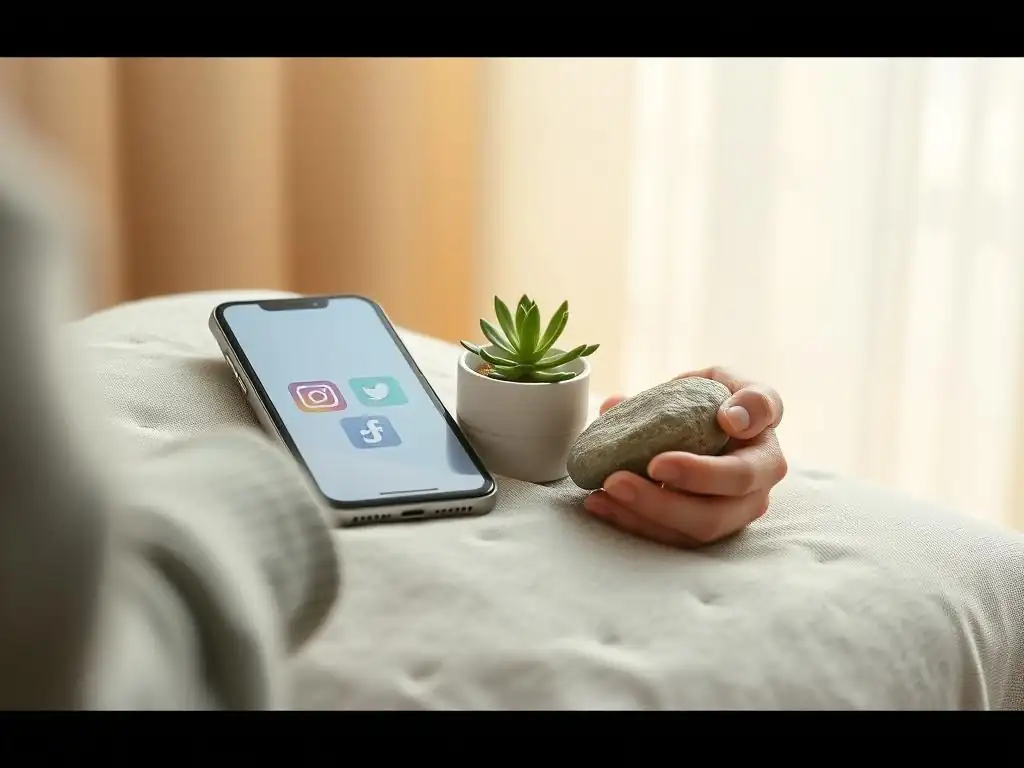
Successfully managing social media anxiety often requires consciously reducing the time spent on these platforms. This isn't about complete abstinence for everyone, but rather finding a healthy balance that prevents social media from dominating your time and mental space. Implementing practical strategies helps reclaim control from the endless scroll and constant notifications that contribute to anxiety.
These strategies are concrete actions you can take today to immediately begin reducing your exposure. They focus on establishing boundaries and making deliberate choices about when and how you interact with social media. Consistent application of these practical social media anxiety management tips can significantly lower overall anxiety levels associated with digital use.
Setting Time Limits: Regulating Daily Social Media Consumption
One of the most effective social media anxiety management tips is setting explicit time limits for daily social media use. Many smartphones and social media apps now offer built-in tools that allow you to track how much time you spend on them and set daily allowances. Once the limit is reached, the app can lock you out or send a reminder, encouraging you to disengage.
Start by assessing your current usage – you might be surprised by the total hours. Then, set a realistic daily limit, perhaps starting with 30-60 minutes, and gradually reduce it if necessary. Sticking to these self-imposed boundaries helps break the habit of mindlessly scrolling and frees up time for more fulfilling activities, directly reducing the potential for anxiety triggers.
Curating Your Feed: Unfollowing and Muting Triggering Accounts
Your social media feed should ideally be a source of connection and inspiration, not anxiety. A powerful social media anxiety management tip is to actively curate the content you see. Go through the accounts you follow and ruthlessly unfollow or mute anyone or anything that makes you feel inadequate, stressed, or negative. This includes accounts that promote unrealistic beauty standards, excessive materialism, or constant drama.
Focus on following accounts that are genuinely uplifting, informative, or entertaining without triggering comparison or FOMO. Muting can be particularly useful for friends or family members whose content you don't want to see frequently but don't want to unfollow entirely. A cleaner, more positive feed can significantly reduce the frequency and intensity of anxiety spikes.
Designating Tech-Free Zones: Creating Boundaries for Digital Use
Creating physical and temporal boundaries for technology use is a vital social media anxiety management tip. Designate certain times of the day or specific locations in your home as tech-free zones. For example, make your bedroom a no-phone zone, especially in the hour before sleep and the hour after waking up, as social media use during these times can disrupt sleep and set a negative tone for the day.
Similarly, establish rules like "no phones during meals" or "no social media after 9 PM." These boundaries help prevent social media from encroaching on important aspects of your life and ensure that you have dedicated time for rest, real-life interaction, or other activities free from digital distractions and potential anxiety triggers.
Beyond simply reducing time, how you use social media matters. Practicing mindfulness while consuming social media means engaging with intention and awareness, rather than slipping into a passive, anxious scroll. This approach is a core component of effective social media anxiety management tips, shifting the focus from automatic reaction to conscious engagement.
Mindful consumption involves paying attention to your thoughts and feelings while online, questioning the content you see, and choosing to interact in ways that align with your values. It helps you detach from the immediate emotional pull of the feed and respond thoughtfully rather than reactively to potential triggers.
Practicing Mindfulness Techniques While Browsing
Incorporate mindfulness techniques into your social media routine. Before opening an app, take a moment to ask yourself why you are accessing it. Are you looking to connect with a specific person, find information, or are you just mindlessly scrolling out of habit or boredom? While browsing, pay attention to how certain posts make you feel. If you notice feelings of envy, stress, or inadequacy arise, acknowledge them without judgment and consider why that particular post was triggering.
Take short breaks while scrolling to check in with your body and mind. Notice your posture, your breathing, and your emotional state. If you find yourself feeling anxious or agitated, it might be a sign to close the app and engage in a different activity. This conscious awareness is a powerful social media anxiety management tip that allows you to recognize and interrupt negative patterns.
Focusing on Authentic Connection Over Validation
Shift your focus on social media from seeking external validation (likes, comments, followers) to fostering authentic connection. Instead of posting content designed purely to impress or gain approval, share things that are genuinely meaningful to you or reach out to individuals for meaningful interaction. Engage in conversations, offer support, or share genuine thoughts and experiences.
This reorientation reduces the anxiety associated with performance and metrics. When your goal is genuine connection, the number of likes becomes less important than the quality of interactions. Prioritizing authentic engagement is a sustainable social media anxiety management tip that makes online interactions more fulfilling and less stressful.
Identifying and Challenging Negative Thoughts
Social media often triggers negative self-talk and anxious thoughts, such as "Everyone else is happier/more successful than me" or "My life isn't interesting enough." A key mindfulness practice and social media anxiety management tip is to identify these thoughts as they arise and actively challenge them. Question the evidence for these thoughts and consider alternative perspectives.
For instance, if you think "Everyone else is happier," remind yourself that social media is a highlight reel and you are comparing your behind-the-scenes to others' staged performances. Develop a set of counter-statements or affirmations that reinforce your self-worth and acknowledge the curated nature of online content. This internal dialogue is crucial for dismantling the cognitive distortions fueled by social media.
Developing a Healthy Digital Detox Routine
Regularly stepping away from social media entirely, even for short periods, is a highly effective social media anxiety management tip. A digital detox routine provides necessary breaks from the constant stimulation and potential stressors of the online world, allowing your mind to rest and reset. These breaks can range from a few hours to several days or even weeks.
Establishing a routine for digital detox helps make these breaks a consistent part of your life rather than a one-off event. It allows you to reconnect with your physical environment, your relationships, and your inner self without the filter and pressure of social media.
Planning Regular Breaks from Social Media
Schedule regular, intentional breaks from social media. This could be a daily "digital sunset" where you put your phone away for the evening, a weekly social media-free day (like Sundays), or longer breaks during vacations or weekends. Mark these breaks in your calendar and treat them as important appointments.
Inform friends and family about your digital detox periods so they know not to expect immediate responses. Use the time freed up by these breaks to engage in activities that nourish your well-being, reinforcing the positive impact of stepping away. Consistent planned breaks are fundamental social media anxiety management tips for preventing burnout and reducing chronic digital stress.
Engaging in Offline Activities and Hobbies
Fill the time you would normally spend scrolling with engaging offline activities and hobbies. Reconnecting with activities you enjoy that don't involve screens is a powerful antidote to social media anxiety and a key social media anxiety management tip. This could include reading a physical book, exercising, spending time outdoors, playing a musical instrument, painting, or cooking.
These activities provide a sense of accomplishment, relaxation, and genuine enjoyment that doesn't rely on external validation from social media. They help you build a life rich in experiences outside the digital realm, reducing your dependence on online platforms for entertainment or validation.
Prioritizing Real-Life Relationships
Invest time and energy in nurturing your real-life relationships. Spend quality time with friends, family, and loved ones without the distraction of phones or social media. Engage in face-to-face conversations, share experiences together, and build strong connections in the physical world.
Prioritizing real-life interactions is a crucial social media anxiety management tip because genuine human connection is a fundamental need that social media often simulates but rarely fulfills. Strong offline relationships provide a sense of belonging and support that can buffer against the negative effects of online stress and comparison.
Building a Positive Online Experience
Beyond managing anxiety, it's possible to cultivate a more positive and fulfilling experience on social media. It doesn't have to be solely a source of stress; it can also be a tool for connection, learning, and creativity when approached mindfully. Building a positive online experience is an active process that complements social media anxiety management tips by focusing on the potential benefits of these platforms.
This involves making conscious choices about how you interact, what you share, and the communities you engage with. It's about leveraging the positive aspects of social media while minimizing exposure to the negative ones, transforming your online presence into a space that supports rather than undermines your mental well-being.
Fostering Genuine Connections and Support Networks
Use social media as a tool to genuinely connect with others. Seek out groups or communities centered around shared interests, hobbies, or experiences. Engage in meaningful conversations, offer support to others, and share your own authentic thoughts and feelings (within comfortable boundaries). Focus on building relationships with people you know offline or connecting deeply with a few online acquaintances rather than accumulating a large number of superficial connections.
These genuine interactions can provide valuable social support, reduce feelings of isolation, and offer a sense of belonging. Building a positive support network online, centered on mutual respect and shared interests, is a proactive social media anxiety management tip that leverages the platform's potential for good.
Creating and Sharing Authentic Content
Instead of trying to project a perfect image, focus on creating and sharing content that is authentic to you. Share your passions, your creative work, your genuine experiences, and even your vulnerabilities (if you feel comfortable and safe doing so). This doesn't mean oversharing, but rather presenting a more realistic and honest portrayal of yourself.
Sharing authentic content reduces the pressure of maintaining a facade and can lead to more genuine interactions with others who appreciate you for who you are. It shifts the focus from seeking external validation to self-expression and connecting with others on a deeper level, contributing to a healthier online experience and serving as a valuable social media anxiety management tip.
Focusing on Personal Growth and Self-Acceptance
Use your social media interactions as opportunities for personal growth and to reinforce self-acceptance. When you encounter content that triggers negative feelings, use it as a prompt to examine your own insecurities and work on them offline. Follow accounts that promote self-love, body positivity, and personal development.
Engage with content that inspires you to learn new skills, pursue your goals, or adopt healthier habits. Frame your social media use as a supplement to, not a replacement for, your journey of self-discovery and acceptance. This focus on personal growth is an empowering social media anxiety management tip that helps you build resilience against the negative pressures of the online world.

While many social media anxiety management tips can be implemented independently, there are times when the anxiety becomes overwhelming or significantly impacts daily life. In such cases, seeking professional help from a therapist or counselor is a sign of strength and a crucial step toward recovery. Mental health professionals can provide tailored strategies and support that go beyond general self-help advice.
Therapists are equipped to help you understand the root causes of your anxiety, develop effective coping mechanisms, and address any underlying mental health conditions that social media use might exacerbate. Don't hesitate to reach out if social media anxiety feels unmanageable on your own.
When to Consider Therapy or Counseling
Consider seeking professional help if your social media anxiety is persistent, severe, and interfering with your daily functioning. This includes experiencing panic attacks related to social media, avoiding social situations offline due to online comparisons, having difficulty sleeping, or feeling depressed or hopeless as a direct result of your social media use. If you find yourself unable to implement social media anxiety management tips despite your best efforts, or if your anxiety is worsening, it's time to consult a professional.
Significant changes in mood, behavior, or physical health that seem linked to social media use are also strong indicators that professional intervention may be beneficial. A therapist can provide a safe space to explore these feelings and develop a personalized plan for recovery.
Therapeutic Approaches for Digital Anxiety
Several therapeutic approaches can be effective in treating social media anxiety. Cognitive Behavioral Therapy (CBT) is frequently used to help individuals identify and challenge the negative thought patterns and beliefs that fuel their anxiety, such as the need for validation or the belief that others' lives are perfect. CBT helps restructure these thoughts and develop healthier coping behaviors.
Acceptance and Commitment Therapy (ACT) can help individuals accept anxious feelings without being controlled by them, focusing instead on taking action aligned with their values (like prioritizing real-life connections). Mindfulness-based therapies can also teach techniques to stay present and reduce reactive scrolling. A therapist can assess your specific situation and recommend the most suitable approach for managing your social media anxiety.
Finding a Therapist Specializing in Technology and Mental Health
Look for a therapist who has experience or specializes in treating anxiety disorders, and ideally, one who understands the unique challenges posed by technology and social media. Many therapists are becoming increasingly aware of digital well-being issues. You can often find information about a therapist's areas of expertise on their website or by asking during an initial consultation.
Online directories for mental health professionals often allow you to filter by specialization. Don't be afraid to ask potential therapists about their experience with technology-related anxiety. Finding a therapist who understands the specific context of your social media anxiety can make the therapeutic process more effective and relevant to your experiences.
Long-Term Strategies for Managing Digital Wellbeing
Managing social media anxiety is not a one-time fix but an ongoing process of cultivating healthy habits and a resilient mindset in the digital age. Implementing long-term strategies ensures that you maintain a positive relationship with technology and protect your mental well-being over time. These strategies build upon the immediate social media anxiety management tips by focusing on sustainable lifestyle changes.
Developing digital well-being is about creating a balanced life where technology serves as a tool to enhance, rather than detract from, your happiness and mental health. It requires continuous awareness, self-compassion, and a commitment to prioritizing your well-being.
Cultivating Self-Esteem and Self-Worth Offline
Building a strong sense of self-esteem and self-worth that is independent of online validation is fundamental for long-term social media anxiety management. Focus on recognizing your value based on your intrinsic qualities, your achievements in the real world, your relationships, and your personal growth, rather than the number of likes or followers you have.
Engage in activities that make you feel competent and valued offline. Set personal goals unrelated to social media and celebrate your progress. Journaling, practicing self-compassion, and seeking feedback from trusted friends and family can also help reinforce a positive self-image that is less susceptible to the fluctuations of online metrics.
Developing Coping Mechanisms for Stress and Anxiety
Equip yourself with a range of healthy coping mechanisms for managing stress and anxiety that are not dependent on social media. When you feel anxious, instead of reaching for your phone to mindlessly scroll, turn to activities like deep breathing exercises, meditation, yoga, exercise, spending time in nature, listening to music, or talking to a trusted friend.
Having a repertoire of effective coping strategies helps you manage difficult emotions without resorting to potentially anxiety-inducing social media use. Developing these mechanisms is a crucial long-term social media anxiety management tip that empowers you to navigate stress in a healthy way.
Staying Informed About the Impact of Technology on Mental Health
Continuously educate yourself about the evolving relationship between technology, social media, and mental health. Stay informed about new research, understand the psychological mechanisms at play, and be aware of how platform designs can influence behavior and mood. This knowledge empowers you to make informed decisions about your social media use.
Being aware of the potential risks and benefits helps you proactively adjust your habits and maintain healthy boundaries. Staying informed is an ongoing process that supports all other social media anxiety management tips by providing context and reinforcing the importance of digital well-being in a rapidly changing technological landscape.
Frequently Asked Questions
Excessive use often leads to social comparison, creating feelings of inadequacy and anxiety. The curated nature of posts can fuel fear of missing out (FOMO) and unrealistic expectations. Constant connectivity can also disrupt sleep patterns, exacerbating anxiety symptoms.
Implement strategies like setting time limits for social media use and practicing mindful scrolling. Unfollow accounts that trigger negative emotions and curate your feed with positive and supportive content.
Pay attention to your mood and feelings after using social media. Signs include increased anxiety, depression, or feelings of inadequacy. Notice if social media is disrupting your sleep, work, or relationships.
Yes, explore hobbies like reading, exercising, or spending time in nature. Engage in real-life social interactions with friends and family. Practice mindfulness techniques like meditation or deep breathing.
Reach out to a mental health professional for personalized guidance. Explore online resources and support groups focused on digital well-being. Consider using apps designed to help manage social media usage.
Final Reflection: Reclaiming Your Time, Reclaiming Yourself
The relentless scroll of social media has become a pervasive force in modern life, impacting our mental well-being in profound and often unseen ways. The anxieties it cultivates – the fear of missing out (FOMO), the pressure to present a perfect online persona, the constant comparison to others – are no longer niche concerns; they're a widespread epidemic demanding our attention and proactive solutions.
The insidious nature of social media anxiety lies in its subtle erosion of self-esteem and genuine connection. It subtly shifts our focus from real-life experiences to curated online realities, leaving us feeling inadequate and disconnected. As the philosopher Seneca once wisely stated, Every new beginning comes from some other beginning's end.
This rings true in our journey to manage social media anxiety; ending the cycle of compulsive scrolling is the first step towards a more fulfilling and authentic life, one less defined by the fleeting validation of likes and comments.
You now hold the power to redefine your relationship with social media. Consider the strategies discussed – setting boundaries, practicing mindfulness, prioritizing real-life interactions, and seeking support when needed. Don't let the scroll trap dictate your emotional landscape. Take control, reclaim your time, and rediscover the joy in genuine human connection. Start small, be patient with yourself, and remember that escaping the scroll trap is a journey, not a destination. Your mental well-being is worth the effort.
Thanks for taking the time to explore ways to manage social media anxiety. You've gained valuable insights into healthier digital habits—now let's put them into practice!
- Prioritize a Digital Detox: Schedule a dedicated time each day (even just 30 minutes!) completely free from social media. Notice how you feel—more calm, more present?
- Share Your Journey: Connect with a friend or family member and talk about your experience. Sharing your progress can help you stay accountable and build support.
- Try a Mindful Social Media Challenge: Experiment with using social media only for specific, positive purposes for a week (e.g., connecting with supportive communities, seeking inspiration). Track your emotional response.
What small step will you take today to reclaim your digital well-being?