
The Connection Between Trauma and Chronic Pain


Welcome to Mind Care Guide, a space dedicated to nurturing your mental well-being.
Have you ever wondered if there's more to your chronic pain than meets the eye? We understand the frustration and exhaustion that comes with persistent pain. In this article, we delve into a critical, often overlooked connection: Trauma’s impact on chronic pain. Could past experiences be silently contributing to your present discomfort? Join us as we explore this intricate link and uncover pathways towards healing and lasting relief.
The Connection Between Trauma and Chronic Pain: A Comprehensive Guide
- Understanding Trauma and Its Far-Reaching Effects
- Chronic Pain: A Persistent and Debilitating Condition
- Trauma’s Impact on Chronic Pain: Exploring the Link
- The Overlap Between Trauma and Chronic Pain: Symptoms and Manifestations
- Trauma-Informed Care for Chronic Pain Management
- Therapies for Treating Trauma and Chronic Pain
- Self-Care Strategies for Managing Trauma and Chronic Pain
- Finding Hope and Healing: Resources for Trauma and Chronic Pain
- Conclusion: Breaking the Cycle of Trauma and Chronic Pain
-
Frequently Asked Questions
- What is the connection between trauma and chronic pain?
- How can past trauma lead to chronic pain even years later?
- What types of trauma are most likely to contribute to chronic pain?
- What are some treatment options for chronic pain related to trauma?
- Where can I find resources and support if I believe trauma is contributing to my chronic pain?
- Final Reflection: Unraveling the Painful Threads of Trauma
- Unlock Your Body's Healing Potential
Understanding Trauma and Its Far-Reaching Effects
Defining Trauma: Beyond a Single Event
Trauma is often understood as a deeply distressing or disturbing experience. While dramatic events like accidents, natural disasters, or acts of violence are certainly traumatic, the definition is much broader. Trauma encompasses any experience that overwhelms an individual's capacity to cope, leaving them feeling helpless and eroding their sense of safety in the world.
This can include single incidents, but also chronic or repeated experiences such as neglect, abuse (physical, emotional, or sexual), bullying, or living in a war zone. The subjective experience is key; what is traumatic for one person may not be for another, depending on individual vulnerabilities, support systems, and coping mechanisms.
Moreover, trauma can be complex, involving multiple, ongoing, or interrelated traumatic events, particularly during critical developmental periods like childhood. This kind of complex trauma can have profound and lasting effects on a person's development, relationships, and physical and mental health.
Understanding trauma requires looking beyond the event itself to the lasting impact it has on an individual's internal world and their ability to regulate emotions, form secure attachments, and feel safe in their own body and in relationships. The effects of trauma can manifest years, even decades, after the initial experience, influencing various aspects of life, including physical sensations like pain.
The Prevalence of Trauma: Data and Examples
Trauma is remarkably prevalent across populations. Research from the Adverse Childhood Experiences (ACEs) study, for instance, demonstrated that traumatic childhood experiences are far more common than previously understood. In the original ACEs study involving over 17,000 participants, nearly two-thirds reported at least one ACE, and more than one in five reported three or more ACEs. These included experiences like physical or sexual abuse, neglect, household dysfunction (e.g., parental mental illness, substance abuse, divorce, incarcerated relative), and witnessing violence. These figures highlight that trauma, particularly developmental trauma, is not an isolated phenomenon but a widespread public health concern.
Beyond childhood, trauma can occur at any age. Approximately 60% of men and 50% of women experience at least one trauma in their lifetime. Examples range from military combat and serious accidents to sexual assault and experiencing or witnessing violence.
For instance, estimates suggest that up to 20% of veterans returning from conflicts may experience PTSD, a common trauma response. Similarly, a significant percentage of individuals who experience a serious car accident develop trauma-related symptoms. These statistics underscore the pervasive nature of trauma and the likelihood that many individuals seeking care for various health issues, including chronic pain, have a history of traumatic experiences.
How Trauma Affects the Brain and Body: The Neurobiological Response
Trauma triggers a complex neurobiological response designed for survival. When faced with a perceived threat, the body activates the sympathetic nervous system, initiating the "fight, flight, or freeze" response. This involves the release of stress hormones like cortisol and adrenaline, increased heart rate, rapid breathing, and heightened muscle tension, preparing the individual to either confront the threat, escape it, or become immobile to avoid detection. While adaptive in acute situations, prolonged or repeated activation of this stress response due to unresolved trauma can lead to dysregulation of the body's stress systems, particularly the hypothalamic-pituitary-adrenal (HPA) axis.
Chronic dysregulation of the stress response system can alter brain structures involved in fear processing, memory, and emotional regulation, such as the amygdala, hippocampus, and prefrontal cortex. The amygdala, responsible for detecting threats, may become hyperactive, leading to exaggerated fear responses. The hippocampus, crucial for memory and contextualizing experiences, may shrink, impairing the ability to differentiate between past threats and present safety.
This persistent state of heightened alert and altered brain function contributes to difficulties with emotional regulation, hypervigilance, and an increased sensitivity to physical sensations, which can play a significant role in the development and persistence of chronic pain. The body remains "on edge," perceiving non-threatening stimuli, including normal bodily sensations, as potential dangers.
Chronic Pain: A Persistent and Debilitating Condition
What is Chronic Pain? Defining its Characteristics
Chronic pain is generally defined as pain that lasts for three months or longer, or pain that persists beyond the expected healing time for an injury or illness. Unlike acute pain, which serves as a warning signal of immediate tissue damage, chronic pain often loses its protective function and becomes a condition in itself. It is not merely a symptom but a complex experience involving physical, emotional, and psychological factors.
Chronic pain can range from mild to severe and can be constant or intermittent. Its defining characteristic is its persistence, significantly impacting a person's daily life, functioning, and overall well-being.
The experience of chronic pain is highly subjective and can manifest in numerous ways, including aching, throbbing, burning, shooting, or stiffness. It can be localized to a specific area, such as the back or neck, or widespread, as seen in conditions like fibromyalgia.
Crucially, the intensity of chronic pain does not always correlate directly with the degree of physical tissue damage. This highlights the complex nature of chronic pain, where changes in the nervous system and psychological factors play a significant role in maintaining the pain experience, even after the initial injury has healed or in the absence of identifiable physical pathology.
Common Types of Chronic Pain Conditions
Chronic pain encompasses a wide variety of conditions affecting millions worldwide. Some common examples include:
- Low Back Pain: A leading cause of disability globally, often chronic.
- Headaches: Including chronic migraines and tension headaches.
- Arthritis: Such as osteoarthritis and rheumatoid arthritis, causing chronic joint pain.
- Fibromyalgia: Characterized by widespread musculoskeletal pain accompanied by fatigue, sleep, memory, and mood issues.
- Neuropathic Pain: Pain caused by damage to the nervous system, such as diabetic neuropathy or postherpetic neuralgia.
- Complex Regional Pain Syndrome (CRPS): A chronic pain condition most often affecting one limb after an injury.
- Irritable Bowel Syndrome (IBS): Often involves chronic abdominal pain.
These conditions, while physically distinct, often share common underlying mechanisms related to central sensitization (where the nervous system becomes hypersensitive to pain signals) and are frequently exacerbated by psychological factors. Approximately 20-30% of the global population is estimated to suffer from chronic pain, making it a major public health challenge with significant economic and social costs. For example, in the United States alone, chronic pain affects more than 50 million adults and is associated with significant healthcare expenditures and lost productivity.
The Psychological Impact of Living with Chronic Pain
Living with chronic pain profoundly impacts a person's psychological well-being. The constant presence of pain can lead to a range of emotional difficulties, including depression, anxiety, irritability, and feelings of hopelessness. Individuals may experience grief over lost abilities, hobbies, and independence. The unpredictable nature of pain flares can also create significant stress and uncertainty, making it difficult to plan activities or maintain social connections. This psychological distress, in turn, can exacerbate the pain experience, creating a vicious cycle where pain worsens mood, and low mood amplifies pain perception.
Furthermore, chronic pain can negatively affect sleep quality, concentration, and memory, contributing to fatigue and cognitive difficulties often referred to as "pain fog." The social isolation that can result from reduced activity levels and difficulty participating in social events can also contribute to feelings of loneliness and depression. It is estimated that individuals with chronic pain are four times more likely to experience depression or anxiety compared to the general population. This highlights the critical need to address the psychological dimensions of chronic pain as an integral part of effective management and treatment.
Trauma’s Impact on Chronic Pain: Exploring the Link
The Neurological Mechanisms Connecting Trauma and Pain
Trauma and chronic pain share overlapping neurological pathways and mechanisms, explaining Trauma’s impact on chronic pain. Both conditions involve changes in the nervous system's sensitivity and regulation. Traumatic experiences can lead to persistent activation of the stress response system, as discussed earlier. This chronic stress state sensitizes the nervous system, making it more reactive to stimuli that would not typically cause pain in a healthy system. This phenomenon, known as central sensitization, means the brain and spinal cord become hypersensitive, amplifying pain signals and even generating pain in the absence of ongoing tissue damage.
The brain areas involved in processing both pain and emotion, such as the amygdala, insula, and anterior cingulate cortex, show altered activity in individuals with a history of trauma and those with chronic pain. Trauma can essentially "wire" the brain to be more attuned to threat and danger, and this heightened threat detection system can misinterpret normal bodily sensations as painful or dangerous signals. The chronic state of hypervigilance and dysregulation induced by trauma can prime the nervous system to develop and maintain chronic pain conditions, illustrating a direct neurological link in Trauma’s impact on chronic pain.
How Early Life Trauma Increases the Risk of Chronic Pain
Early life trauma, such as childhood abuse or neglect, has a particularly strong association with an increased risk of developing chronic pain later in life. The developing nervous system is highly plastic and vulnerable to the effects of traumatic stress. Exposure to trauma during critical developmental periods can permanently alter stress response systems, emotional regulation circuits, and pain processing pathways in the brain and body. This sets the stage for a heightened vulnerability to chronic pain conditions in adulthood.
Studies have consistently shown a correlation between the number and severity of Adverse Childhood Experiences (ACEs) and the likelihood of experiencing various chronic pain conditions. For example, individuals with multiple ACEs are significantly more likely to report chronic widespread pain, fibromyalgia, irritable bowel syndrome, and chronic headaches compared to those with fewer or no ACEs.
One study found that women with a history of childhood sexual abuse were three times more likely to develop fibromyalgia. This suggests that the enduring neurobiological and psychological changes induced by early trauma contribute significantly to the development of chronic pain conditions years down the line, demonstrating a profound aspect of Trauma’s impact on chronic pain.
The Role of PTSD in Chronic Pain Development and Maintenance
Post-Traumatic Stress Disorder (PTSD) is a specific mental health condition that can develop after experiencing or witnessing a traumatic event. PTSD is characterized by symptoms such as re-experiencing the trauma (flashbacks, nightmares), avoidance of trauma-related stimuli, negative changes in thoughts and mood, and hyperarousal (being easily startled, feeling on edge). There is a well-established and strong link between PTSD and chronic pain. Individuals with PTSD are significantly more likely to experience chronic pain, and conversely, individuals with chronic pain have a higher prevalence of PTSD.
The symptoms of PTSD, particularly hyperarousal and hypervigilance, can directly contribute to the development and maintenance of chronic pain. The constant state of being "on alert" keeps the nervous system in a sensitized state, amplifying pain signals. Sleep disturbances common in PTSD can also worsen pain.
Furthermore, avoidance behaviors associated with PTSD can lead to decreased physical activity and social isolation, both of which can exacerbate chronic pain. PTSD effectively maintains the body's "danger" response, which can perpetuate the pain experience, making the connection between trauma and chronic pain particularly evident in those with PTSD. Addressing PTSD is often a crucial step in effectively managing chronic pain in these individuals, highlighting a key aspect of Trauma’s impact on chronic pain.
The Overlap Between Trauma and Chronic Pain: Symptoms and Manifestations
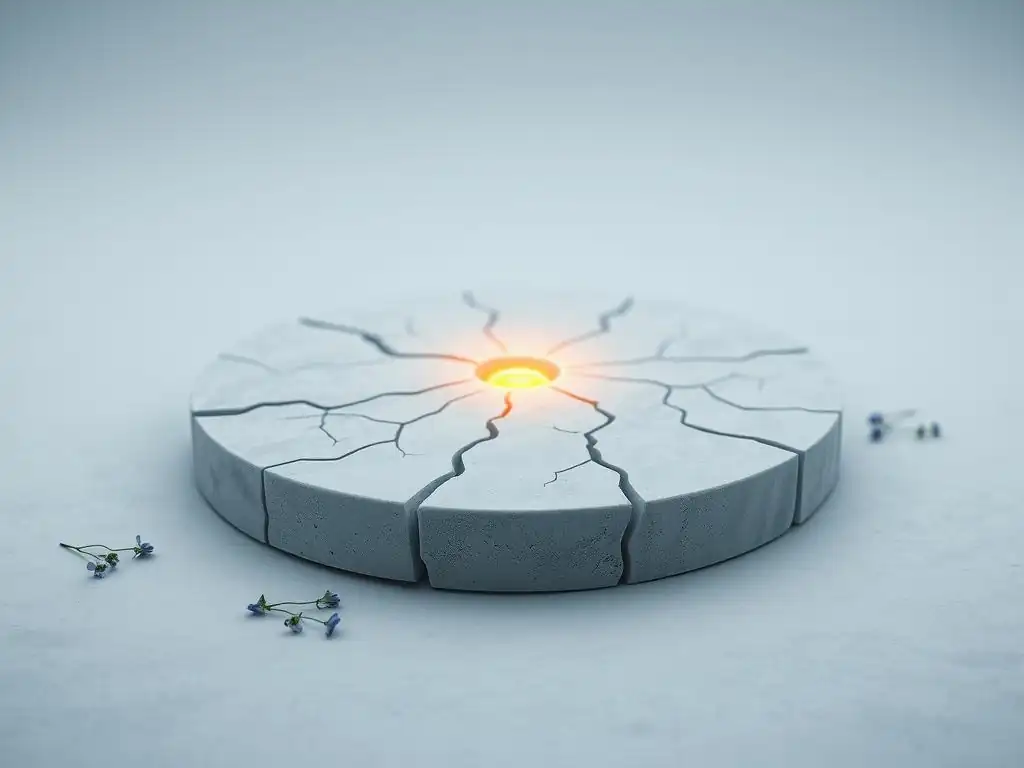
The overlap between trauma and chronic pain often manifests through somatic symptoms – physical symptoms that are distressing or result in significant disruption, which may or may not have a clear medical explanation. In individuals with a trauma history, the body can become a repository for unprocessed emotional distress and physiological dysregulation. This can lead to a range of physical complaints, with chronic pain being one of the most prominent. Other common somatic symptoms seen in the context of trauma include fatigue, gastrointestinal issues (like those in IBS), muscle tension, headaches, and sleep disturbances.
These somatic symptoms are not "all in the head" but represent genuine physical experiences rooted in the complex interplay between the nervous system, stress hormones, and emotional states altered by trauma. For example, chronic muscle tension, a common response to prolonged stress and hypervigilance following trauma, can directly contribute to pain in the neck, shoulders, and back. Similarly, dysregulation of the autonomic nervous system can affect gut motility and sensation, leading to abdominal pain and discomfort. Recognizing these somatic manifestations is crucial for understanding the full scope of Trauma’s impact on chronic pain and overall physical health.
Understanding the Emotional Connection Between Trauma and Chronic Pain
Beyond physical symptoms, the emotional connection between trauma and chronic pain is profound. Unprocessed trauma can lead to a range of difficult emotions, including fear, anger, shame, guilt, sadness, and anxiety. These emotions are not merely consequences of pain but can actively influence its perception and intensity. For instance, fear of pain or re-injury can lead to avoidance of movement, which can worsen pain and stiffness. Chronic anxiety and depression, often linked to trauma, can amplify pain signals in the brain.
Furthermore, the emotional numbing or difficulty processing emotions that can occur after trauma can make it challenging for individuals to articulate their pain experience or connect with others for support. The feeling of being unsafe or constantly on guard, a hallmark of trauma responses, can heighten sensitivity to all internal and external stimuli, including pain. Addressing these underlying emotional burdens is essential because they are deeply intertwined with the physical experience of chronic pain, underscoring the significant emotional dimension of Trauma’s impact on chronic pain.
The Cycle of Pain, Trauma, and Mental Wellbeing
Chronic pain and trauma often exist in a complex, reinforcing cycle that negatively impacts overall mental wellbeing. Trauma can predispose individuals to chronic pain through neurobiological changes and psychological distress. Once chronic pain develops, it can trigger trauma-related memories, emotions, and physiological responses (like hyperarousal), essentially re-activating the trauma response. The constant stress and disability caused by pain can also become a new source of trauma or re-traumatization for the individual.
This cycle perpetuates suffering:
- Trauma leads to altered stress response and nervous system sensitivity.
- This increased sensitivity contributes to the development of chronic pain.
- Chronic pain causes physical limitations, psychological distress, and can trigger trauma responses.
- The stress and emotional burden of pain worsen trauma symptoms.
- Worsening trauma symptoms further dysregulate the nervous system, intensifying pain.
Breaking this cycle requires interventions that simultaneously address both the pain and the underlying trauma. Focusing solely on pain management without acknowledging the trauma history is often ineffective, as the trauma continues to fuel the pain response. Likewise, addressing trauma without supporting the individual in managing their present pain can be overwhelming. Effective treatment must recognize this intricate relationship and work to disrupt the cycle at multiple points, mitigating Trauma’s impact on chronic pain and improving mental wellbeing.
Trauma-Informed Care for Chronic Pain Management
Principles of a Trauma-Informed Approach to Pain Treatment
A trauma-informed approach to chronic pain management recognizes the high prevalence of trauma among individuals with chronic pain and understands the profound impact trauma can have on a person's health, behavior, and ability to engage in care. It shifts the focus from "What's wrong with you?" to "What happened to you?" The core principles of trauma-informed care include:
- Safety: Ensuring physical and emotional safety for both patients and providers.
- Trustworthiness and Transparency: Building trust through clear communication and predictable processes.
- Peer Support: Incorporating support from individuals with lived experience.
- Collaboration and Mutuality: Partnering with patients in decision-making.
- Empowerment, Voice, and Choice: Supporting patients' autonomy and self-advocacy.
- Cultural, Historical, and Gender Issues: Recognizing and addressing cultural biases and historical trauma.
Implementing these principles in a pain clinic setting means creating an environment where patients feel safe, respected, and in control of their treatment journey. This involves mindful communication, respecting boundaries, explaining procedures clearly, and offering choices whenever possible. For instance, simply asking a patient before touching them during an examination, or explaining why certain questions about their past are relevant to their pain, can significantly enhance their sense of safety and trust, crucial components when navigating Trauma’s impact on chronic pain.
Creating a Safe and Supportive Treatment Environment
Creating a physically and emotionally safe environment is paramount in trauma-informed pain care. This goes beyond basic safety protocols. It involves being mindful of potential triggers that might re-activate a patient's trauma response. Simple environmental factors like bright lights, crowded waiting rooms, or sudden loud noises can be distressing for individuals with a history of trauma. Healthcare providers should consider the physical space, aiming for calm, quiet, and private areas where possible.
Emotionally, safety is built through the interactions between staff and patients. This includes using empathetic language, validating the patient's experience of pain and distress, and avoiding language that is dismissive or blameful. Staff training on trauma awareness is essential so that providers understand how trauma can affect behavior, communication, and pain presentation.
For example, a patient who seems resistant to treatment or has difficulty trusting providers may be reacting based on past traumatic experiences, rather than being intentionally difficult. A trauma-informed perspective allows providers to respond with patience and understanding, fostering a supportive relationship that is vital for effective pain management and addressing Trauma’s impact on chronic pain.
The Necessity of Addressing Trauma History in Pain Management
Given the strong link between trauma and chronic pain, it is increasingly recognized as necessary to screen for and address a patient's trauma history as part of comprehensive pain management. Ignoring past trauma means missing a critical piece of the puzzle that may be driving or exacerbating the pain. While not every person with chronic pain has a trauma history, a significant percentage do, and for these individuals, a trauma-informed approach can significantly improve treatment outcomes.
Addressing trauma history doesn't necessarily mean that pain specialists need to become trauma therapists, but they should be equipped to:
- Screen for trauma history in a sensitive and appropriate manner.
- Understand how trauma might be influencing the patient's pain experience, treatment engagement, and response.
- Avoid re-traumatizing the patient during assessment or treatment.
- Collaborate with mental health professionals who specialize in trauma therapy.
- Educate patients about the connection between trauma and pain, empowering them with knowledge about their own experiences.
Integrating trauma awareness into pain clinics ensures that care is holistic and addresses the root causes and maintaining factors of chronic pain, rather than just managing symptoms. This integrated approach is fundamental to mitigating Trauma’s impact on chronic pain.
Therapies for Treating Trauma and Chronic Pain
Cognitive Behavioral Therapy (CBT) for Trauma and Pain
Cognitive Behavioral Therapy (CBT) is a widely used therapeutic approach that can be effective for both trauma-related symptoms and chronic pain. CBT helps individuals identify and challenge negative thought patterns and behaviors that contribute to their distress and pain. For trauma survivors, CBT, often adapted (e.g., Trauma-Focused CBT), can help process traumatic memories, reduce fear and anxiety related to the trauma, and develop healthier coping mechanisms.
When applied to chronic pain, CBT focuses on how thoughts, feelings, and behaviors influence the pain experience. It helps individuals identify unhelpful beliefs about their pain (e.g., "Any activity will cause more pain"), develop strategies for managing pain flares, improve sleep, increase activity levels gradually, and reduce the emotional distress associated with pain. By addressing the cognitive and behavioral aspects of both trauma and pain, CBT helps individuals gain a sense of control, reduce disability, and improve their quality of life.
Studies have shown that CBT can lead to significant reductions in pain intensity, pain interference, and psychological distress in individuals with chronic pain, including those with a trauma history. A meta-analysis of studies on CBT for chronic pain showed average reductions in pain intensity of around 0.5-1.0 points on a 0-10 scale, and moderate improvements in physical function and mood.
Eye Movement Desensitization and Reprocessing (EMDR) is a psychotherapy specifically designed to help individuals process distressing memories and experiences, including those related to trauma. While primarily known for treating PTSD, EMDR is increasingly being explored for its potential role in treating chronic pain, particularly when the pain is linked to trauma. The theory behind EMDR is that unresolved traumatic memories are stored improperly in the brain, leading to distressing symptoms. EMDR uses bilateral stimulation (like eye movements, taps, or tones) while the client brings the distressing memory to mind, facilitating the brain's natural healing process.
For individuals whose chronic pain developed after a specific traumatic event (like a car accident causing both PTSD and chronic back pain), or whose pain is triggered by trauma-related cues, EMDR may help process the traumatic aspects of the pain experience. This can involve processing the memory of the injury itself, or the fear and distress associated with the pain.
By desensitizing the individual to the traumatic aspects linked to their pain, EMDR may help reduce the emotional charge and physiological hyperarousal that contribute to pain maintenance. While more research is needed specifically on EMDR for chronic pain without a clear traumatic onset, it shows promise for pain rooted in or exacerbated by traumatic experiences, directly addressing Trauma’s impact on chronic pain.
Somatic Experiencing: Healing Trauma Through Body Awareness
Somatic Experiencing (SE) is a body-oriented therapeutic approach developed by Dr. Peter Levine, which focuses on helping individuals discharge the physiological residue of trauma that can become "stuck" in the body. SE operates on the principle that trauma disrupts the body's natural ability to regulate arousal states and that traumatic energy can be held in the nervous system and musculature, contributing to physical symptoms like chronic pain, tension, and hypervigilance.
SE helps individuals become more aware of their bodily sensations ("somatic felt sense") in a safe and gentle way, allowing them to complete the physiological responses (like fight or flight) that were interrupted during the traumatic event. This might involve tracking sensations, movements, and impulses in the body, and allowing them to unfold gradually.
By releasing this stored traumatic energy and helping the nervous system return to a state of equilibrium, SE can reduce hyperarousal, decrease muscle tension, and alleviate chronic pain. This approach is particularly relevant for chronic pain that seems disconnected from physical injury or is exacerbated by stress, as it directly addresses the body's physiological response to trauma, offering a unique way to mitigate Trauma’s impact on chronic pain.
Mindfulness-Based Stress Reduction (MBSR) for Pain and Trauma
Mindfulness-Based Stress Reduction (MBSR) is an eight-week program developed by Jon Kabat-Zinn that teaches participants mindfulness meditation and gentle yoga. Mindfulness involves paying attention to the present moment without judgment. For individuals with chronic pain and trauma, MBSR can be incredibly beneficial. It helps individuals develop a different relationship with their pain and difficult emotions, including those related to trauma.
Instead of fighting or avoiding pain, mindfulness teaches acceptance of the present moment experience, including uncomfortable sensations. This can reduce the secondary suffering associated with pain, such as fear, anxiety, and frustration. MBSR also helps regulate the nervous system, reducing the chronic stress response and hyperarousal often seen in both trauma and chronic pain.
By increasing body awareness, individuals can learn to differentiate between sensation and suffering and respond to pain with greater calm and less reactivity. Research indicates that MBSR can lead to significant reductions in pain intensity and interference, as well as improvements in mood and quality of life for individuals with chronic pain, including those with a history of trauma. A study published in JAMA Internal Medicine found that MBSR led to greater reductions in pain intensity and functional limitations compared to usual care for chronic low back pain.
Self-Care Strategies for Managing Trauma and Chronic Pain

Relaxation Techniques for Pain and Stress Reduction
Incorporating regular relaxation techniques into a daily routine can be highly effective for managing both chronic pain and the stress associated with trauma. Chronic pain and trauma both contribute to a state of physiological tension and hyperarousal. Relaxation techniques help activate the body's relaxation response, counteracting the stress response and promoting a sense of calm and safety.
Examples of beneficial relaxation techniques include:
- Deep Breathing Exercises: Slow, deep breaths can calm the nervous system.
- Progressive Muscle Relaxation: Systematically tensing and releasing muscle groups to reduce overall tension.
- Guided Imagery: Using visualization to create a sense of calm and peace.
- Meditation: Practicing mindfulness or other forms of meditation to quiet the mind and body.
Practicing these techniques regularly, even for just a few minutes each day, can help reduce muscle tension, lower heart rate and blood pressure, and decrease the overall intensity of pain and anxiety. This is a crucial self-management tool in addressing Trauma’s impact on chronic pain.
The Role of Physical Activity and Exercise in Pain Management
While counterintuitive for some, appropriate physical activity and exercise are vital components of managing both chronic pain and trauma recovery. Chronic pain often leads to decreased activity due to fear of exacerbating pain, resulting in deconditioning, stiffness, and increased pain over time. Trauma can also lead to avoidance of physical sensations or activities. However, gentle, consistent movement can break this cycle.
Exercise helps in multiple ways: it releases endorphins, which are natural pain relievers and mood boosters; it strengthens muscles, providing better support for the body; it improves flexibility and range of motion; and it can help individuals with trauma reconnect with their bodies in a positive way, fostering a sense of embodiment and control. Starting slowly and gradually increasing activity levels under the guidance of a healthcare professional, such as a physical therapist, is key.
Activities like walking, swimming, gentle yoga, or tai chi can be particularly beneficial. Regular physical activity can significantly reduce pain levels, improve function, decrease stress, and enhance overall well-being, helping to counteract Trauma’s impact on chronic pain.
Social connection and support are powerful buffers against the negative effects of both trauma and chronic pain. Isolation is common in both conditions and can exacerbate symptoms. Building and maintaining a supportive social network provides emotional validation, reduces feelings of loneliness, and offers practical assistance. Sharing experiences with trusted friends, family members, or support groups can reduce feelings of shame and isolation.
Engaging in social activities, even modified ones, can distract from pain and improve mood. For individuals with trauma, positive social connections can help rebuild a sense of safety and trust in relationships, which may have been damaged by past experiences. While chronic pain and trauma can make socializing challenging, making an effort to connect with others, even in small ways, is an important self-care strategy. This could involve joining a support group (online or in-person), scheduling regular calls with friends, or participating in gentle group activities.
Optimizing Nutrition and Sleep Hygiene for Pain Relief
Nutrition and sleep play significant roles in managing inflammation, pain sensitivity, and overall physical and mental health, all of which are impacted by trauma and chronic pain. While not a cure, optimizing these areas can support healing and improve symptom management. A balanced diet rich in anti-inflammatory foods (fruits, vegetables, lean proteins, healthy fats) can help reduce systemic inflammation that may contribute to pain. Avoiding processed foods, excessive sugar, and unhealthy fats may also be beneficial.
Poor sleep is a common symptom of both chronic pain and trauma, and it can significantly worsen both conditions. Establishing consistent sleep hygiene practices is crucial. This includes:
- Maintaining a regular sleep schedule.
- Creating a relaxing bedtime routine.
- Ensuring the bedroom is dark, quiet, and cool.
- Avoiding caffeine and alcohol before bed.
- Limiting screen time before sleep.
Improving sleep quality can lower pain sensitivity, improve mood, and enhance the body's ability to heal and cope with stress. Focusing on these fundamental aspects of health provides a strong foundation for managing Trauma’s impact on chronic pain.
Finding Hope and Healing: Resources for Trauma and Chronic Pain
Support Groups and Online Communities
Connecting with others who understand the unique challenges of living with both trauma and chronic pain can be incredibly validating and empowering. Support groups, whether in-person or online, offer a safe space to share experiences, learn coping strategies, and receive encouragement from peers who have faced similar struggles. Hearing from others who are navigating their own journeys of healing can instill hope and reduce feelings of isolation.
Many organizations dedicated to chronic pain or trauma recovery host support groups. Online communities can offer accessibility for those with mobility issues or living in remote areas, providing a round-the-clock source of connection. While not a substitute for professional treatment, peer support plays a valuable role in managing the day-to-day impact of these complex conditions.
Mental Health Professionals Specializing in Trauma and Pain
Given the intertwined nature of trauma and chronic pain, seeking help from mental health professionals who have experience in treating both conditions is highly recommended. Therapists specializing in trauma (such as those trained in TF-CBT, EMDR, or Somatic Experiencing) can help process traumatic memories and reduce the physiological and emotional dysregulation that contributes to pain.
Psychologists or counselors specializing in chronic pain management can teach specific coping skills, address the psychological impact of living with pain (like depression and anxiety), and help individuals increase their functional capacity. Ideally, finding a therapist who understands the specific intersection of Trauma’s impact on chronic pain can provide integrated care that addresses the complex needs of the individual. Collaboration between mental health providers and pain physicians is often the most effective approach.
Relevant Organizations and Resources
Numerous organizations offer valuable information, resources, and support for individuals dealing with trauma and chronic pain. These organizations can provide educational materials, help locate healthcare providers, and connect individuals with support networks.
Examples of relevant types of organizations include:
- Trauma-specific organizations (e.g., focusing on ACEs, PTSD).
- Chronic pain advocacy and research organizations (e.g., focusing on specific conditions like fibromyalgia or general chronic pain).
- Mental health associations.
- Foundations supporting research into the mind-body connection.
Exploring the websites and materials provided by these organizations can offer deeper insights into the connection between trauma and pain, provide evidence-based strategies, and highlight available treatment options. Accessing reliable information is a key step in understanding and managing Trauma’s impact on chronic pain.
Conclusion: Breaking the Cycle of Trauma and Chronic Pain
The connection between trauma and chronic pain is well-established and complex, involving overlapping neurological pathways, psychological factors, and physiological responses. Trauma, particularly early life or complex trauma, can significantly increase the risk of developing persistent pain conditions and exacerbate existing ones. The cycle of pain, trauma symptoms, and distress can be debilitating, impacting every aspect of a person's life.
However, understanding this connection offers a pathway towards more effective and compassionate care. By adopting a trauma-informed approach, healthcare providers can create safer treatment environments and develop more targeted interventions. Therapies that address both the mind and body, such as CBT, EMDR, Somatic Experiencing, and MBSR, offer powerful tools for processing trauma and changing the relationship with pain.
Coupled with proactive self-care strategies and the support of understanding communities and specialized professionals, individuals can find hope and healing. Recognizing Trauma’s impact on chronic pain is the first step towards breaking the cycle and reclaiming a life with less pain and greater well-being.
Frequently Asked Questions
What is the connection between trauma and chronic pain?
Trauma can significantly impact the nervous system, leading to increased sensitivity to pain. This can create a feedback loop where past trauma contributes to the development or worsening of chronic pain conditions.
How can past trauma lead to chronic pain even years later?
Unresolved trauma can leave the body in a state of chronic stress and hyperarousal. This prolonged state can alter pain pathways and inflammatory responses, contributing to the development of long-term chronic pain.
What types of trauma are most likely to contribute to chronic pain?
While any type of trauma can potentially contribute, experiences like physical abuse, sexual abuse, and combat trauma are strongly linked to increased risks of developing chronic pain disorders.
Effective treatment often involves a multi-faceted approach, including therapies like EMDR, cognitive behavioral therapy (CBT), and mindfulness-based stress reduction (MBSR), alongside pain management techniques.
Where can I find resources and support if I believe trauma is contributing to my chronic pain?
Mind Care Guide offers comprehensive resources, including articles, support groups, and directories of mental health professionals specializing in trauma-informed care and chronic pain management.
Final Reflection: Unraveling the Painful Threads of Trauma
The pervasive link between trauma and chronic pain is no longer a niche observation; it's a critical understanding necessary for effective healthcare and societal well-being. Ignoring this connection means failing to address a significant source of suffering for millions. We must move beyond simply acknowledging the correlation and actively integrate trauma-informed care into all aspects of pain management.
The exploration of this complex relationship has profoundly impacted my understanding of suffering, highlighting the inadequacy of solely focusing on the physical manifestation of pain. The emotional and psychological wounds inflicted by trauma often become deeply embedded in the body, manifesting as persistent physical discomfort. The body keeps the score,
as Bessel van der Kolk so poignantly states, reminding us that trauma is not simply a past event, but a lived experience that continues to shape our present reality. This understanding underscores the need for holistic approaches that address both the physical and emotional dimensions of chronic pain.
Now, consider your own life. Have you experienced unexplained pain? Have you considered the potential role of past trauma in your current physical state? I urge you to explore this connection further, seeking professional guidance if needed. Remember, healing is possible, and by acknowledging the intricate interplay between mind and body, we can pave the way towards a more compassionate and effective approach to pain management, fostering a future where trauma's impact on chronic pain is not only understood but actively mitigated.
Unlock Your Body's Healing Potential
Thanks for taking the time to explore the complex connection between trauma and chronic pain. We hope this article provided valuable insights and empowered you to understand your experiences better. Now it's time to take action!
- Prioritize self-care practices: Identify one small, manageable self-care activity you can incorporate into your daily routine (e.g., a 5-minute meditation, a warm bath, gentle stretching). Consistency is key!
- Reach out to a trusted friend or family member: Share what you've learned and see if they have any similar experiences. Opening up can be incredibly powerful.
- Explore resources for trauma-informed care: Research local therapists or support groups specializing in trauma-informed approaches to chronic pain management – discover what options might be available to you.
What small step will you take today to nurture your mind and body?