
Finding Peace: ExpertApproved Books for Anxiety Sufferers


Welcome to Mind Care Guide, a sanctuary for your mental well-being.
Feeling overwhelmed by anxiety? You're not alone. Discover practical pathways to inner peace with our curated selection of anxiety books for peace. We understand the challenges, and we're here to guide you. Explore this Mental Health Books & Journals section to find resources that resonate with you and begin your journey towards a calmer, more centered you. Ready to find your first read?
Finding Peace: Expert-Approved Books for Anxiety Sufferers
- Introduction: Navigating Anxiety with the Right Books
- Understanding Anxiety and the Power of Bibliotherapy
-
Top Anxiety Books for Finding Inner Peace: Expert Recommendations
- 1. Dare: The New Way to End Anxiety and Stop Panic Attacks by Barry McDonagh
- 2. Declutter Your Mind: How to Stop Worrying, Relieve Anxiety, and Eliminate Negative Thinking by S.J. Scott and Barrie Davenport
- 3. The Anxiety and Phobia Workbook by Edmund J. Bourne
- 4. Wherever You Go, There You Are: Mindfulness Meditation in Everyday Life by Jon Kabat-Zinn
- 5. Feeling Good: The New Mood Therapy by David D. Burns, M.D.
- Choosing the Right Anxiety Book for You: A Personalized Approach
- Beyond Books: Complementary Strategies for Anxiety Management
- Conclusion: Embracing Reading as a Path to Anxiety Relief.
-
Frequently Asked Questions
- What are the key benefits of reading anxiety books for mental well-being?
- How do I choose the right anxiety book for my specific needs?
- Can anxiety books replace professional therapy for anxiety?
- What are some common themes explored in anxiety books for peace?
- Where can I find reputable anxiety books recommended by experts?
- Final Reflection: Cultivating Inner Peace in a Turbulent World
- Unlock Your Inner Calm: Start Your Journey to Peace Today!
Living with anxiety can feel like navigating a constant storm. The persistent worry, physical symptoms, and intrusive thoughts can significantly impact daily life, making simple tasks feel overwhelming. Many individuals seek various tools and resources to manage their anxiety, and among the most accessible and often recommended are books specifically designed to offer guidance and support. These resources can provide valuable insights, coping strategies, and a sense of not being alone in the struggle.
Choosing the right book, however, can be a challenge given the vast number available. This article aims to cut through the noise by presenting a curated list of expert-approved anxiety books that have proven effective for countless readers seeking relief and a path towards inner peace. We will explore how reading can be a powerful tool in your anxiety management journey and delve into specific titles recommended by mental health professionals for their practical techniques and empathetic approach.
Understanding Anxiety and the Power of Bibliotherapy
What is Anxiety and How Can Reading Help?
Anxiety is a natural human response to perceived threats, but for many, it becomes a chronic condition characterized by excessive worry, fear, and nervousness that interferes with daily functioning. It can manifest through physical symptoms like a racing heart, sweating, trembling, and difficulty concentrating, alongside mental distress. While professional help is crucial for severe cases, supplementary tools can significantly aid in managing symptoms. This is where reading, often referred to as bibliotherapy when used therapeutically, comes into play.
Reading relevant and helpful books can provide education about anxiety, helping sufferers understand its mechanisms and triggers. It offers practical coping skills derived from evidence-based therapies like Cognitive Behavioral Therapy (CBT) or mindfulness. By engaging with the material, individuals can gain perspective, challenge negative thought patterns, and learn techniques to calm their nervous system. For many, finding the right anxiety books for peace becomes a vital step in feeling more in control of their condition.
The Science Behind Using Anxiety Books for Peace and Calmness
The effectiveness of bibliotherapy for anxiety is supported by research. Engaging with self-help books based on therapeutic principles, such as CBT or mindfulness, has been shown in studies to produce measurable reductions in anxiety symptoms. For example, a meta-analysis published in the Journal of Consulting and Clinical Psychology found that guided self-help, which often involves reading a structured manual or book alongside minimal therapist support, was significantly more effective than no treatment for anxiety disorders. Even unguided self-help using books showed positive, albeit smaller, effects.
Reading about anxiety and its management techniques can activate areas of the brain associated with understanding, empathy, and problem-solving. Learning new coping mechanisms, like cognitive restructuring or breathing exercises detailed in these books, provides concrete actions individuals can take when feeling overwhelmed. This sense of agency, combined with the calming effect that focused reading can have on the nervous system (similar to meditation for some), contributes to finding a sense of peace and reducing the intensity of anxious feelings. Effective anxiety books for peace don't just distract; they equip readers with tools.
Expert Insights: Why Books are a Valuable Tool for Anxiety Management
Mental health experts frequently recommend specific books as adjuncts to therapy or as initial resources for individuals experiencing mild to moderate anxiety. Therapists often view these books as accessible ways for clients to reinforce concepts discussed in sessions, practice skills at home, and gain a deeper understanding of their condition between appointments. Dr. Aaron T. Beck, a pioneer of CBT, highlighted the importance of written materials in helping patients internalize and apply cognitive principles to challenge their negative thoughts, a core component of anxiety treatment.
Furthermore, experts appreciate that these books offer a structured approach to managing anxiety, often guiding readers through exercises and reflections. This structured learning can be particularly beneficial for those who feel overwhelmed by their symptoms and unsure where to start. While books cannot replace personalized therapy for complex or severe anxiety, they serve as valuable educational and practical complements, empowering individuals with knowledge and techniques that support their journey towards finding greater peace and managing their anxiety more effectively in their daily lives.
Top Anxiety Books for Finding Inner Peace: Expert Recommendations
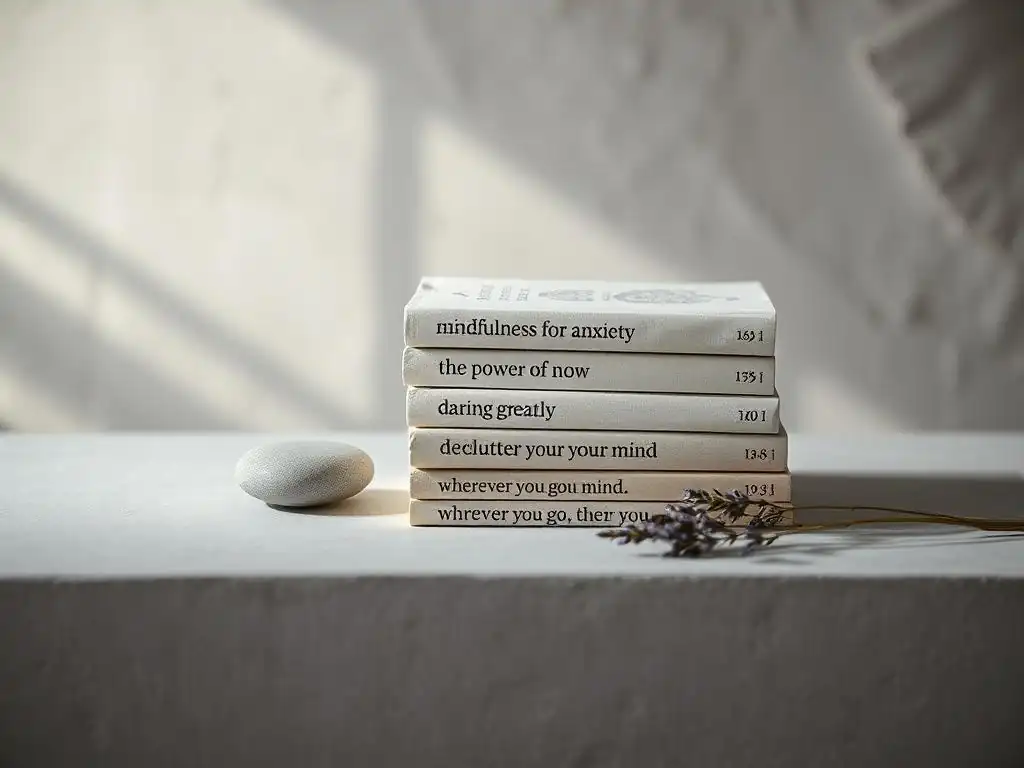
1. Dare: The New Way to End Anxiety and Stop Panic Attacks by Barry McDonagh
Overview of Dare: A Practical Guide to Overcoming Anxiety
Dare: The New Way to End Anxiety and Stop Panic Attacks by Barry McDonagh presents a straightforward, actionable method for confronting and overcoming anxiety and panic. Unlike some traditional approaches that focus heavily on relaxation or avoidance, the DARE response encourages individuals to face anxious feelings head-on using a specific four-step process. The book emphasizes acceptance and diffusion of anxious thoughts and sensations rather than struggling against them, aiming to break the fear-anxiety cycle.
Published in 2015, Dare has gained significant popularity due to its practical, easy-to-understand language and direct approach. It provides readers with a clear framework they can apply in real-time when experiencing anxiety or a panic attack. The book moves beyond simply explaining anxiety to offering a proactive strategy, making it a valuable resource for those who feel stuck or overwhelmed by their symptoms and are looking for concrete steps to take towards finding peace.
Key Techniques from Dare for Anxiety Relief
The core of the Dare method is encapsulated in its acronym: Diffuse, Allow, ****un, Engage.
- Diffuse involves recognizing anxious thoughts but not engaging with them as absolute truths. Techniques include saying "So what?" or "I notice I'm having the thought that..." to create distance.
- Allow means giving anxiety permission to be there without fighting it. This involves dropping the struggle and accepting the physical and mental sensations without judgment.
- Run towards the fear (or Facilitate) involves consciously leaning into the uncomfortable sensations rather than running away. This counter-intuitive step helps retrain the brain's fear response.
- Engage involves refocusing your attention outwards onto your current activity or environment, pulling yourself out of internal rumination.
These steps are designed to be used sequentially when anxiety arises, providing a structured way to navigate intense moments. The book elaborates on each step, offering specific scripts and examples for different scenarios, from social anxiety to panic attacks. This practical toolkit is what makes Dare one of the recommended anxiety books for peace by many who have found its methods effective.
Why Experts Recommend Dare for Anxiety Sufferers
Mental health professionals often recommend Dare because its core principles align with modern, exposure-based therapeutic approaches like Acceptance and Commitment Therapy (ACT) and aspects of CBT, but presented in a highly accessible format. The emphasis on acceptance and facing fear is a cornerstone of effective anxiety treatment. Experts appreciate that the book empowers individuals by giving them a direct, actionable plan they can implement themselves, reducing feelings of helplessness.
Furthermore, the book's focus on breaking the fear of fear cycle resonates with clinical understanding of how anxiety disorders are maintained. By teaching readers to respond differently to their internal experiences, Dare helps dismantle the mechanism by which anxiety perpetuates itself. Its simplicity and practical focus make it a good starting point for many individuals seeking self-help resources and looking for anxiety books for peace that offer immediate, tangible techniques.
2. Declutter Your Mind: How to Stop Worrying, Relieve Anxiety, and Eliminate Negative Thinking by S.J. Scott and Barrie Davenport
Decluttering Your Mind: A Cognitive Approach to Anxiety
Declutter Your Mind by S.J. Scott and Barrie Davenport offers a practical guide focused on managing the mental chatter and negative thought loops that often fuel anxiety. The book adopts a cognitive approach, emphasizing techniques to identify, challenge, and reframe unhelpful thinking patterns. It posits that much of our anxiety stems from dwelling on past events or worrying excessively about future possibilities, creating a mental clutter that overwhelms clarity and peace.
The authors draw upon principles from mindfulness, psychology, and productivity to provide actionable strategies for quieting the mind. The book is structured around identifying common sources of mental clutter, such as worrying about uncontrollable events or ruminating on negative self-talk, and then offering specific techniques to address each area. It's designed to help readers gain control over their thoughts and focus on what truly matters, making it a valuable resource among anxiety books for peace of mind.
Techniques for Eliminating Negative Thoughts and Reducing Worry
Declutter Your Mind presents a variety of techniques aimed at reducing mental clutter and anxiety. Key strategies include:
- Mindfulness and Meditation: Simple exercises to bring awareness to the present moment and observe thoughts without judgment.
- Journaling: Using writing to externalize worries and gain perspective. The book suggests techniques like 'brain dumping' or gratitude journaling.
- Identifying and Challenging Negative Thoughts: Learning to recognize cognitive distortions (e.g., catastrophizing, black-and-white thinking) and question their validity.
- Prioritizing and Planning: Strategies for managing tasks and responsibilities effectively to reduce stress from feeling overwhelmed.
- Setting Boundaries: Learning to say no and protect your time and energy from external demands that contribute to stress.
These techniques are presented with clear instructions and examples, encouraging readers to practice them regularly. The book emphasizes that consistency is key to seeing results, suggesting that dedicating even a few minutes daily to these practices can significantly reduce the volume and intensity of anxious thoughts and worries, contributing to a calmer state.
Real-World Examples of Applying Declutter Your Mind
Consider someone who constantly worries about making mistakes at work, replaying past errors endlessly and fearing future failures. Using the techniques from Declutter Your Mind, they might first use journaling to dump all their worries onto paper, externalizing the mental noise. Then, they could apply cognitive restructuring to challenge thoughts like "I always mess things up," asking for evidence and considering alternative perspectives, such as past successes or the fact that mistakes are part of learning.
Another example might be someone feeling overwhelmed by a long to-do list, leading to procrastination and heightened anxiety. The book's planning and prioritization techniques could help them break down tasks into smaller, manageable steps, creating a clear action plan. Incorporating a short mindfulness exercise before starting work could also help anchor them in the present moment, reducing the urge to ruminate on the sheer volume of tasks. These practical applications demonstrate how the book's strategies can be integrated into daily life to find peace amidst mental clutter.
3. The Anxiety and Phobia Workbook by Edmund J. Bourne
A Comprehensive Guide to Understanding and Managing Anxiety Disorders
The Anxiety and Phobia Workbook by Edmund J. Bourne is a widely respected and comprehensive resource that has been updated over multiple editions since its initial release in 1990. It offers a clinical yet accessible approach to understanding and managing a wide range of anxiety disorders, including generalized anxiety disorder, panic disorder, social anxiety, and specific phobias. The workbook provides detailed information on the causes and symptoms of anxiety, grounded in psychological research.
This book is designed to be an interactive tool, featuring numerous exercises, questionnaires, and techniques drawn from various therapeutic modalities, primarily CBT and exposure therapy, but also incorporating elements of mindfulness, relaxation, and assertiveness training. Its encyclopedic nature makes it suitable for individuals seeking an in-depth understanding of their anxiety and a structured program for addressing it. It stands out among anxiety books for peace due to its thoroughness and integration of multiple evidence-based strategies.
Practical Exercises and Techniques for Overcoming Anxiety and Phobias
The workbook is packed with practical exercises designed to help readers actively work through their anxiety. Some key techniques include:
- Relaxation Training: Guided instructions for progressive muscle relaxation, diaphragmatic breathing, and visualization.
- Cognitive Restructuring: Step-by-step worksheets to identify distorted thoughts, challenge their validity, and develop more balanced perspectives.
- Exposure Therapy: Detailed guidance on creating fear hierarchies and gradually confronting feared situations or objects in a systematic way.
- Mindfulness Practices: Exercises to cultivate present moment awareness and observe anxious thoughts and feelings without judgment.
- Assertiveness Training: Techniques to improve communication skills and reduce anxiety in social situations.
The workbook encourages readers to complete the exercises directly within the book, tracking their progress and responses. For instance, a section on cognitive restructuring might include a table for the reader to fill out: "Automatic Thought," "Cognitive Distortion," "Evidence For," "Evidence Against," and "Alternative Thought." This hands-on approach facilitates active engagement with the material and practical application of the techniques.
How The Anxiety and Phobia Workbook Complements Therapy
The Anxiety and Phobia Workbook is often recommended by therapists as a supplement to ongoing therapy. It provides a structured homework assignment that reinforces concepts learned in sessions, allowing clients to practice skills between appointments. For example, a therapist might introduce the concept of cognitive restructuring in a session, and then assign specific chapters and exercises from the workbook for the client to complete during the week.
Its comprehensive nature also means it can serve as a valuable reference point, allowing clients to revisit techniques as needed. While it can be used as a standalone resource for individuals with milder anxiety, its depth and breadth make it particularly powerful when used in conjunction with professional guidance. Therapists find that clients who actively engage with the workbook often make faster progress in understanding and managing their anxiety, leveraging these anxiety books for peace alongside clinical support.
4. Wherever You Go, There You Are: Mindfulness Meditation in Everyday Life by Jon Kabat-Zinn
The Power of Mindfulness for Reducing Anxiety and Stress
Jon Kabat-Zinn's Wherever You Go, There You Are is a seminal work that introduced the concept of mindfulness meditation to a wide Western audience. While not exclusively focused on anxiety, its core teachings are profoundly relevant to managing anxious minds. The book emphasizes cultivating present moment awareness, observing thoughts, feelings, and bodily sensations without judgment, and simply 'being' rather than constantly 'doing' or worrying.
Anxiety often involves dwelling on the past or anticipating the future. Mindfulness, as taught by Kabat-Zinn, offers a powerful antidote by training the mind to focus on the here and now. By regularly practicing mindfulness, individuals can develop the capacity to observe anxious thoughts and physical symptoms without getting swept away by them. This creates mental space and reduces the reactivity that fuels the anxiety cycle, paving a path towards greater peace and calm.
Integrating Mindfulness Meditation into Your Daily Routine
The book provides numerous short, accessible chapters and exercises designed to help readers integrate mindfulness into their everyday lives, not just during formal meditation sessions. Kabat-Zinn emphasizes that mindfulness is about paying attention on purpose, whether you are sitting formally, walking, eating, or simply breathing.
Examples of practices suggested include:
- Mindful Breathing: Focusing attention on the sensation of the breath entering and leaving the body.
- Body Scan Meditation: Bringing awareness sequentially to different parts of the body, noticing sensations without trying to change them.
- Mindful Walking: Paying attention to the physical sensations of walking, the ground beneath your feet, and your surroundings.
- Mindful Eating: Engaging fully with the experience of eating – the smells, textures, tastes, and sounds.
- Informal Mindfulness: Bringing awareness to everyday activities like washing dishes or brushing teeth.
The book encourages a playful, non-striving attitude towards practice, emphasizing that there's no right or wrong way to do it. The goal is simply to cultivate awareness, little by little, throughout the day. This gradual integration makes mindfulness accessible and sustainable, helping readers build a foundation for managing anxiety and finding peace.
Experiencing Peace and Calm Through Mindful Living
Regular mindfulness practice, as outlined in Wherever You Go, There You Are, can lead to a significant reduction in stress and anxiety. By training the mind to return to the present moment, individuals become less entangled in anxious thought loops about the past or future. This allows for a greater sense of calm and stability, even when faced with challenging situations.
Mindfulness also fosters a non-judgmental attitude towards oneself and one's experiences. This acceptance can be incredibly liberating for anxiety sufferers who often criticize themselves for feeling anxious or for perceived failures. By learning to observe thoughts and feelings with compassion, the intensity of self-criticism diminishes, contributing to inner peace. While not solely an anxiety book, its profound impact on cultivating present moment awareness makes it one of the most recommended anxiety books for peace and well-being.
5. Feeling Good: The New Mood Therapy by David D. Burns, M.D.
Cognitive Behavioral Therapy (CBT) Techniques for Anxiety Relief
Feeling Good: The New Mood Therapy by Dr. David D. Burns is a classic self-help book based on the principles of Cognitive Behavioral Therapy (CBT), primarily focusing on depression but highly relevant and effective for anxiety disorders. The central premise is that our thoughts significantly influence our feelings and behaviors. By identifying and changing negative or distorted thinking patterns, individuals can improve their mood and reduce anxiety.
The book provides a clear, structured introduction to CBT techniques, explaining the connection between thoughts, feelings, and behaviors. It outlines common cognitive distortions, such as "all-or-nothing thinking," "overgeneralization," and "mental filter," which contribute to negative emotions, including anxiety. Dr. Burns presents these complex psychological concepts in an understandable way, offering practical tools that readers can immediately begin to apply to their own anxious thoughts and feelings.
Identifying and Challenging Negative Thought Patterns
A cornerstone of Feeling Good is the process of identifying and challenging negative automatic thoughts (NATs). The book introduces the "Daily Mood Log," a core CBT tool where individuals record upsetting situations, the automatic thoughts that arise, the associated feelings (e.g., anxiety), and then identify the cognitive distortions present.
The next step involves challenging these negative thoughts by examining the evidence for and against them, considering alternative interpretations, and evaluating the usefulness of the thought. For example, if the automatic thought is "I'm going to fail this presentation," the reader would look for evidence supporting this (e.g., felt nervous before) and evidence against it (e.g., prepared thoroughly, have succeeded before, nervousness doesn't equal failure). This process helps weaken the belief in the distorted thought and replace it with a more realistic and balanced perspective.
Transforming Your Mood and Overcoming Anxiety with CBT
By consistently practicing the techniques outlined in Feeling Good, individuals can learn to interrupt the cycle of negative thinking that fuels anxiety. Challenging cognitive distortions reduces the emotional intensity associated with anxious thoughts. For instance, reframing "This is a disaster!" to "This is challenging, but I can handle it" drastically changes the emotional response from panic to determination.
The book also discusses the importance of behavioral activation, encouraging individuals to engage in activities they enjoy or find meaningful, even when feeling anxious or unmotivated. This helps counteract the tendency to avoid situations due to anxiety, which often reinforces the fear. By combining cognitive restructuring with behavioral strategies, Feeling Good offers a powerful framework for managing anxiety, improving mood, and working towards a state of inner peace. It remains one of the most recommended anxiety books for peace and overall emotional well-being based on solid therapeutic principles.
Choosing the Right Anxiety Book for You: A Personalized Approach

Assessing Your Anxiety Type and Needs
Selecting the most helpful anxiety book begins with understanding the specific nature of your anxiety. Are you primarily struggling with generalized worry that jumps from topic to topic? Do you experience panic attacks? Is your anxiety centered around social situations or specific phobias? Different books focus on different aspects of anxiety and employ varied therapeutic approaches. For instance, if panic attacks are your main challenge, a book like Dare might be particularly relevant. If pervasive worrying and overthinking are the issue, Declutter Your Mind or Feeling Good could be more aligned with your needs.
Consider also what you hope to gain from reading. Are you looking for practical, step-by-step exercises? A deeper understanding of the science behind anxiety? Or perhaps inspiration and a shift in perspective through mindfulness? Matching the book's content and tone to your personal goals and the specific manifestation of your anxiety is crucial for finding the most effective anxiety books for peace in your unique situation. Reflect honestly on what feels most overwhelming or challenging about your anxiety right now.
Considering Different Therapeutic Approaches
The recommended books draw from various evidence-based therapeutic modalities, including CBT, ACT, mindfulness, and exposure therapy. Familiarizing yourself briefly with these approaches can help you decide which might resonate most with you. CBT focuses on changing thought patterns; ACT emphasizes acceptance and living according to values; mindfulness is about present moment awareness; and exposure therapy involves gradually facing fears.
While there's overlap, each approach offers a slightly different lens and set of techniques. Someone who prefers a direct, action-oriented challenge to their thoughts might lean towards CBT-based books like Feeling Good or The Anxiety and Phobia Workbook. If you are interested in cultivating acceptance and a different relationship with your anxious thoughts and feelings, Dare or Wherever You Go, There You Are might be more suitable. Many effective anxiety books for peace integrate elements from multiple approaches, offering a blended toolkit. Think about which philosophy of change feels most appealing or intuitive to you.
Reading Reviews and Seeking Recommendations
Once you have an idea of your needs and preferred approach, reading reviews from other readers can provide valuable insights. Look for reviews that mention how practical the techniques were, whether the tone was helpful, and if the book genuinely contributed to reducing anxiety or increasing peace. Pay attention to reviews from people who describe similar anxiety experiences to your own. Online bookstores and mental health forums are good places to find such feedback.
Additionally, don't hesitate to seek recommendations from trusted sources. If you are seeing a therapist or counselor, ask them which books they recommend based on your specific situation. Friends or family members who have successfully managed anxiety might also have valuable suggestions. Librarians or staff at mental health organizations might also be knowledgeable about helpful resources. Combining your self-assessment with external recommendations increases the likelihood of finding the anxiety books for peace that will best support your journey.
Beyond Books: Complementary Strategies for Anxiety Management
Therapy and Counseling Options
While reading self-help books can be incredibly beneficial, it's important to recognize that for many individuals, professional therapy and counseling are essential components of effective anxiety management. Therapists can provide personalized assessment, diagnosis, and treatment plans tailored to the severity and specific nature of your anxiety. They offer a safe space to explore the underlying causes of anxiety, develop coping strategies, and process difficult emotions.
Evidence-based therapies like Cognitive Behavioral Therapy (CBT), Exposure Therapy, Acceptance and Commitment Therapy (ACT), and Dialectical Behavior Therapy (DBT) have strong track records in treating various anxiety disorders. A therapist can guide you through these techniques, offering support and adjustments as needed, which is something a book, no matter how good, cannot replicate. Combining the insights gained from reading anxiety books for peace with the guidance of a qualified professional often yields the most comprehensive and lasting results.
Lifestyle Changes for Anxiety Reduction (Diet, Exercise, Sleep)
Managing anxiety isn't solely about mental techniques; lifestyle factors play a significant role. Making conscious choices about diet, exercise, and sleep can profoundly impact your anxiety levels. Regular physical activity, for example, has been shown to reduce stress hormones like cortisol and release endorphins, which have mood-boosting effects. Aiming for at least 30 minutes of moderate exercise most days of the week can make a noticeable difference.
Nutrition also matters. Limiting caffeine and alcohol intake, which can exacerbate anxiety symptoms, and focusing on a balanced diet rich in whole foods, fruits, vegetables, and lean proteins can help stabilize mood and energy levels. Ensuring adequate, consistent sleep (typically 7-9 hours per night for adults) is equally vital, as sleep deprivation can significantly worsen anxiety. Implementing small, consistent changes in these areas complements the strategies learned from anxiety books for peace and creates a stronger foundation for well-being.
Meditation and Mindfulness Practices (Apps & Resources)
Building on the principles found in books like Wherever You Go, There You Are, dedicated meditation and mindfulness practices offer powerful tools for cultivating calm and managing anxious thoughts. Formal meditation involves setting aside time to focus on breath, bodily sensations, or a mantra. Informal mindfulness, as mentioned earlier, is about bringing present moment awareness to everyday activities.
Numerous resources are available to support these practices beyond books. Meditation apps like Headspace, Calm, or Insight Timer offer guided meditations of varying lengths and themes, making it easy to start and maintain a practice. Online resources, websites, and local centers often provide courses or drop-in sessions. Even short, consistent practice—say, 5-10 minutes daily—can train your brain to be less reactive to anxious thoughts and physical sensations, significantly contributing to finding peace and calm. Exploring these resources can enhance the benefits gained from reading anxiety books for peace.
Conclusion: Embracing Reading as a Path to Anxiety Relief.
Navigating the complexities of anxiety is a personal journey, and finding effective tools is paramount. As this article has explored, the right anxiety books can serve as invaluable companions on this path, offering education, practical strategies, and a sense of hope. From the action-oriented techniques of Dare to the cognitive restructuring found in Feeling Good and The Anxiety and Phobia Workbook, and the calming presence cultivated by mindfulness as taught in Wherever You Go, There You Are and Declutter Your Mind, these expert-approved resources provide diverse approaches to help individuals find inner peace.
Incorporating reading into your anxiety management plan is a proactive step. These books empower you with knowledge and skills derived from evidence-based therapies, allowing you to better understand your anxiety and implement techniques to reduce its impact. While they are powerful resources, remember they work best when integrated into a holistic approach that may include professional support and positive lifestyle changes. By embracing these anxiety books for peace, you are equipping yourself with tools to navigate challenges, cultivate calm, and move towards a life with less worry and greater well-being.
Frequently Asked Questions
What are the key benefits of reading anxiety books for mental well-being?
Reading anxiety books can provide coping mechanisms, offer validation for feelings, and introduce new perspectives on managing anxiety.
How do I choose the right anxiety book for my specific needs?
Consider your specific anxiety triggers, your preferred reading style, and whether you're looking for practical exercises or more theoretical understanding.
Can anxiety books replace professional therapy for anxiety?
No, anxiety books are not a replacement for therapy. They are a supplementary resource that can be helpful alongside professional guidance.
What are some common themes explored in anxiety books for peace?
Common themes include mindfulness, cognitive behavioral therapy (CBT) techniques, self-compassion, and stress reduction strategies.
Where can I find reputable anxiety books recommended by experts?
Websites like Mind Care Guide and reputable mental health organizations often provide expert-approved lists and reviews of anxiety books.
Final Reflection: Cultivating Inner Peace in a Turbulent World
The relentless pace of modern life, coupled with increasing societal pressures, has made anxiety a pervasive challenge for many. Finding solace and effective coping mechanisms is no longer a luxury, but a necessity. This exploration of expert-approved books for anxiety sufferers highlights the power of literature in navigating this complex emotional landscape, offering practical tools and insightful perspectives for building resilience and finding inner peace.
The journey towards peace is deeply personal, yet the shared experience of anxiety creates a powerful sense of community. These books, while offering different approaches, collectively underscore the importance of self-compassion, mindfulness, and the cultivation of positive mental habits. The mind is everything. What you think you become.
– Buddha. This ancient wisdom resonates deeply with the core message of these texts: that by actively shaping our thoughts and perspectives, we can significantly impact our emotional well-being and cultivate a sense of calm amidst the storm.
Now, consider your own journey. Which of these approaches resonates most with you? Perhaps it's the structured exercises of cognitive behavioral therapy, the gentle guidance of mindfulness practices, or the empowering narratives of personal resilience. Take a moment to reflect on your own relationship with anxiety and identify the tools and strategies that can best support your path towards inner peace. Begin your journey today; the path to tranquility begins with a single, mindful step.
Unlock Your Inner Calm: Start Your Journey to Peace Today!
Thanks for taking the time to explore resources for managing anxiety. We hope you found the book recommendations helpful in your search for inner peace. Ready to take the next step?
- Dive into one of the recommended books: Choose the title that resonates most with you and start reading today. Even a few pages can make a difference!
- Share your thoughts: Let us know in the comments which book you've chosen and why it appeals to you. Your insights could help others on their journey.
- Consider journaling your experience: Track your progress and reflect on how the book's insights impact your daily life. This added step can amplify the benefits.
What specific technique from one of these books are you most excited to try first?