
The TechSavvy Therapist: Meeting Your Mental Health Needs Online

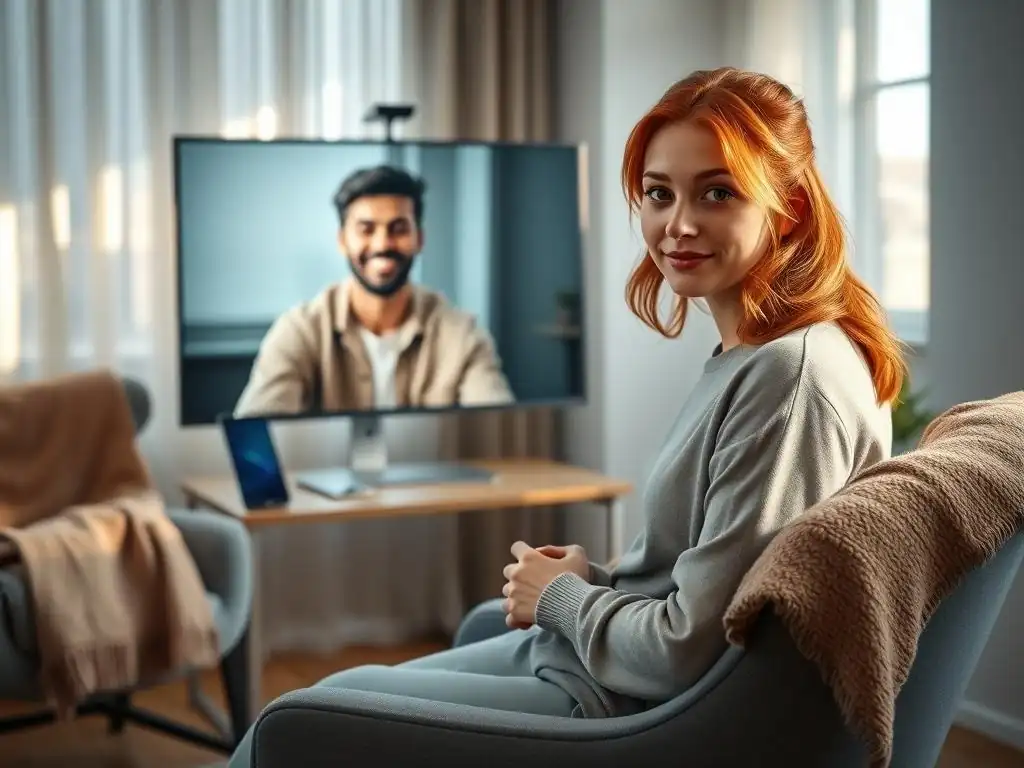
Welcome to Mind Care Guide, a safe space dedicated to nurturing your mental well-being. Feeling overwhelmed by anxiety? You're not alone, and finding support has never been easier. Discover how online therapy can be a powerful tool to navigate your anxiety, offering accessible and personalized help from the comfort of your own space. Intrigued? Let's explore the world of online therapy for anxiety help and unlock a path towards a calmer, more balanced you. Dive in to learn more!
The TechSavvy Therapist: Meeting Your Mental Health Needs Online - Mind Care Guide
- Understanding Online Therapy for Anxiety Relief
- Finding the Right Online Therapist for Anxiety Help
- Exploring Different Online Therapy Platforms for Anxiety
- Overcoming Barriers to Accessing Online Therapy for Anxiety
- Maximizing the Benefits of Online Therapy for Anxiety
- Alternatives to Online Therapy for Anxiety
- The Future of Online Therapy and Mental Healthcare
-
Frequently Asked Questions
- What is online therapy for anxiety help, and how does it work?
- Is online therapy for anxiety help as effective as traditional in-person therapy?
- What are the benefits of choosing online therapy for anxiety help over in-person therapy?
- How do I find a qualified therapist offering online therapy for anxiety help?
- What if I'm uncomfortable with technology or concerned about privacy when seeking online therapy for anxiety help?
- Final Reflection: Bridging the Gap: Online Therapy and Anxiety Relief
- Unlock Your Digital Wellbeing Journey
Understanding Online Therapy for Anxiety Relief
What is Online Therapy and How Does it Work?
Online therapy, also known as teletherapy or telemental health, delivers mental health counseling and support over the internet. It allows individuals to connect with licensed therapists, counselors, and psychologists remotely through various digital platforms. These platforms facilitate communication via video conferencing, phone calls, text messaging, and sometimes even email exchanges, offering a flexible alternative to traditional in-person sessions.
The core principles of therapy, such as building a therapeutic alliance, exploring thoughts and feelings, and developing coping strategies, remain the same, but the medium of delivery shifts from a physical office to a digital space. This format is increasingly popular for seeking online therapy for anxiety help.
The operational mechanics of online therapy platforms vary. Some operate on a subscription model, providing access to a network of therapists and allowing communication through asynchronous messaging or scheduled live sessions. Others function more like a digital directory, facilitating direct appointments with individual practitioners who use secure video conferencing tools.
Privacy and security are paramount, with reputable platforms employing encryption and adhering to health privacy regulations like HIPAA in the United States. Sessions are typically scheduled in advance, much like traditional therapy, though some platforms offer on-demand options. This accessibility makes finding online therapy for anxiety help more convenient for many people.
Benefits of Choosing Online Anxiety Therapy
One of the most significant advantages of choosing online therapy for anxiety help is unparalleled accessibility and convenience. Individuals who live in rural or underserved areas, have mobility issues, or find it difficult to leave their homes due to severe anxiety symptoms can easily connect with a therapist from the comfort and safety of their own space.
This eliminates commute time, parking hassles, and the potential stress associated with visiting a new physical location, which can be particularly beneficial for those struggling with social anxiety or agoraphobia. Furthermore, scheduling can be more flexible, often including evening or weekend appointments that fit around work or family commitments.
Beyond convenience, online therapy for anxiety help can also offer increased comfort and potentially lower costs. Being in a familiar environment can help some individuals feel more relaxed and open during sessions. While costs vary, online therapy platforms often have lower overheads than traditional practices, which can translate into more affordable session fees or subscription plans.
Some platforms report average weekly costs that are 10-30% lower than the average cost of an in-person session in many urban areas. Additionally, the ability to connect with a therapist located anywhere within their licensing state expands the pool of potential providers, making it easier to find a specialist who truly understands and can effectively treat specific anxiety disorders like panic disorder, generalized anxiety disorder (GAD), or obsessive-compulsive disorder (OCD).
Is Online Therapy as Effective as Traditional Therapy for Anxiety?
Numerous studies and meta-analyses have investigated the effectiveness of online therapy compared to traditional in-person therapy for various mental health conditions, including anxiety disorders. The consensus from much of this research is that for many common conditions like GAD, panic disorder, and social anxiety, online therapy can be just as effective.
A meta-analysis published in the Journal of Anxiety Disorders in 2018, for instance, found that internet-based cognitive behavioral therapy (iCBT), a common form of online therapy for anxiety help, produced similar effect sizes to face-to-face CBT for reducing anxiety symptoms. This suggests that the therapeutic process and outcomes are not necessarily dependent on physical proximity.
However, it's important to note that effectiveness can depend on the severity and complexity of the anxiety disorder, as well as the individual's specific needs. For very severe cases, or those with co-occurring conditions like psychosis or severe substance abuse, in-person therapy or a higher level of care might be more appropriate.
Some individuals may also find the lack of physical presence challenging for building rapport or prefer the dynamic of being in the same room as their therapist. Despite these considerations, for a significant portion of individuals seeking online therapy for anxiety help, research indicates that it is a valid and effective treatment option that can lead to meaningful symptom reduction and improved well-being.
Finding the Right Online Therapist for Anxiety Help
Key Considerations When Selecting an Online Therapist
When embarking on the search for online therapy for anxiety help, several factors should weigh heavily in your decision-making process. Foremost is the therapist's specialization and experience. Anxiety disorders are complex and varied, ranging from specific phobias to generalized anxiety and panic attacks.
Ideally, you want a therapist who not only is licensed but also has specific training and a proven track record in treating anxiety using evidence-based methods like Cognitive Behavioral Therapy (CBT), Exposure Therapy, or Acceptance and Commitment Therapy (ACT). Consider the therapist's availability and communication style offered by the platform – do you prefer live video sessions, phone calls, or asynchronous messaging?
Furthermore, the platform itself and its features should align with your needs. Some platforms offer access to psychiatrists for medication management alongside therapy, which can be crucial for some individuals seeking online therapy for anxiety help. Others might provide supplementary resources like journaling tools, guided meditations, or educational content specific to anxiety.
Cost and payment options are also critical; understand the pricing structure (per session, weekly, or monthly subscription) and whether they accept your insurance or offer sliding scale fees. Finally, consider the initial consultation process – do they offer a free brief consultation to see if the therapist is a good fit before committing?
Checking Credentials and Expertise in Anxiety Treatment
Verifying the credentials of an online therapist is a non-negotiable step in finding effective online therapy for anxiety help. A qualified therapist should hold a valid license in the state where you reside, as licensing requirements vary significantly by location. Common licenses include Licensed Professional Counselor (LPC), Licensed Clinical Social Worker (LCSW), Licensed Marriage and Family Therapist (LMFT), and doctoral-level psychologists (PsyD or PhD). You can usually verify a therapist's license status through the licensing board website for their specific state. Reputable online therapy platforms typically pre-vet their therapists, but it's always wise to double-check.
Beyond basic licensure, look for therapists who explicitly state their specialization in anxiety disorders. Their profile should highlight their experience with specific anxiety types and the therapeutic modalities they use. Don't hesitate to ask about their approach to treating anxiety during an initial consultation. For example, inquire about their experience using Exposure and Response Prevention (ERP) for OCD, or their success rates with CBT for GAD. A therapist who can clearly articulate their methods and tailor them to your specific anxiety symptoms is likely to be a better fit for providing effective online therapy for anxiety help.
Reading Reviews and Testimonials of Online Therapists
While not a substitute for your own judgment and consultation, reading reviews and testimonials can offer valuable insights when seeking online therapy for anxiety help. Many online therapy platforms feature therapist profiles that include reviews from past or current clients. Look for patterns in the feedback regarding the therapist's communication style, empathy, effectiveness in addressing specific issues like anxiety, and reliability (punctuality, responsiveness). Pay attention to comments that resonate with what you are looking for in a therapeutic relationship.
It's also helpful to look for reviews of the online therapy platform itself on independent review sites. These reviews can provide information about the platform's ease of use, customer support, billing practices, and overall user experience. While individual therapist reviews are key, a platform that is glitchy or has poor support can hinder your therapy experience. Use reviews as one piece of the puzzle, combining them with credential checks and a personal consultation to make the most informed decision about where to find the best online therapy for anxiety help for your situation.
Exploring Different Online Therapy Platforms for Anxiety

Comparing Popular Online Therapy Platforms: Features and Pricing
The landscape of online therapy for anxiety help includes several prominent platforms, each with unique features and pricing structures. Comparing these can help you identify the best fit for your needs. Platforms like BetterHelp and Talkspace operate primarily on a subscription model, offering weekly or monthly plans that often include unlimited messaging and a set number of live video or phone sessions per month.
Their pricing typically ranges from approximately $60 to $90 per week, billed monthly, though this can vary based on location and therapist availability. These platforms boast large networks of therapists covering a wide range of specialties.
In contrast, platforms like Amwell or Doctor On Demand often function more like traditional telehealth providers, allowing you to schedule individual video sessions with therapists or psychiatrists. Their pricing is usually per session, similar to in-person visits but often slightly lower, ranging from about $100 to $250 per session depending on the provider's credentials and the session duration.
These platforms may also offer services for a broader range of health issues, not just mental health. When comparing, consider not just the cost, but also the type of interaction you prefer (messaging vs. live sessions), the availability of therapists specializing in anxiety, and whether they accept your insurance for online therapy for anxiety help.
Talkspace: A Detailed Review for Anxiety Sufferers
Talkspace is a well-known platform offering online therapy for anxiety help through a subscription-based model. Its core offering is unlimited text, audio, and video messaging with a licensed therapist, supplemented by live video sessions depending on the chosen plan tier.
This messaging feature can be particularly beneficial for individuals with anxiety who may find it easier to articulate their thoughts and feelings in writing, or who appreciate the ability to reach out whenever anxiety symptoms flare up between scheduled sessions. The platform boasts a large network of therapists, making it likely to find one specializing in anxiety disorders and using relevant therapeutic approaches like CBT or exposure therapy.
Plans typically range from a messaging-only option to tiers that include one or multiple live sessions per month. Pricing is generally competitive, falling within the typical range for subscription online therapy. While the unlimited messaging is a strong point, the responsiveness of therapists can vary, and the number of live sessions in lower-tier plans might be insufficient for those who benefit most from real-time interaction. However, for many seeking flexible and accessible online therapy for anxiety help, Talkspace provides a robust platform with diverse therapist options.
BetterHelp: Is It the Right Choice for Your Anxiety?
BetterHelp is another major player in the online therapy space, widely used for seeking online therapy for anxiety help. Like Talkspace, it operates on a subscription model, offering weekly billing cycles that include unlimited messaging (text, audio, video) and typically one live session per week (via video, phone, or chat). This combination of asynchronous and synchronous communication provides flexibility. BetterHelp has a vast network of licensed therapists, counselors, and social workers across the United States and internationally, increasing the chances of finding a good therapeutic match for anxiety treatment.
The platform uses an algorithm to match you with a therapist based on your intake questionnaire, though you can request to switch therapists if the initial match isn't suitable. BetterHelp's pricing is comparable to other subscription services, generally ranging weekly depending on location and therapist availability. Some users appreciate the ease of switching therapists if the first one isn't a good fit, a process that can be more cumbersome in traditional therapy. For individuals seeking consistent access to a therapist through multiple communication methods as part of their online therapy for anxiety help plan, BetterHelp is a strong contender.
Amwell, also known as American Well, provides telehealth services that include mental health support, making it an option for online therapy for anxiety help, particularly for those who prefer per-session billing or need access to psychiatric services. Unlike subscription models, Amwell allows you to browse available therapists and psychiatrists and book individual video appointments. This structure can be appealing if you prefer paying only for the sessions you attend or if your insurance plan covers telehealth visits specifically rather than subscription mental health services.
Amwell's mental health providers include therapists, counselors, and psychiatrists, allowing users to address both therapeutic needs and potential medication management for anxiety. Session costs are typically higher per session than the weekly equivalent on subscription platforms but may be more predictable if you only need occasional support or if your insurance covers a significant portion of the cost.
While the therapist pool might be smaller than larger subscription services, Amwell's integration with medical telehealth services can be beneficial for individuals managing physical health conditions alongside their anxiety, offering a more integrated approach to their overall well-being. It serves as a viable option for finding online therapy for anxiety help for specific needs.
Overcoming Barriers to Accessing Online Therapy for Anxiety
Addressing Concerns About Privacy and Security in Online Therapy
Concerns about privacy and security are common barriers when considering online therapy for anxiety help. It's natural to worry about the confidentiality of sensitive personal and health information shared during therapy sessions. Reputable online therapy platforms understand this and implement robust security measures. In the United States, this includes adhering to the Health Insurance Portability and Accountability Act (HIPAA), which mandates strict standards for protecting patient health information. Platforms should use end-to-end encryption for video calls and messaging, secure servers for storing data, and have clear privacy policies outlining how your information is collected, used, and protected.
To mitigate risks, ensure you are using the platform's secure application or website rather than standard communication tools like Skype or FaceTime, which may not be HIPAA compliant. Conduct your sessions on a private, secure Wi-Fi network rather than public Wi-Fi. Furthermore, choose a confidential space in your home or office where you cannot be overheard or interrupted. While no online system is entirely risk-free, choosing a platform that prioritizes security and taking personal precautions significantly enhances the privacy of your online therapy for anxiety help sessions.
Managing Technological Challenges During Online Sessions
Technological issues can sometimes disrupt the flow of online therapy for anxiety help sessions, causing frustration or interrupting important discussions. Common challenges include poor internet connection, software glitches, or device compatibility problems. A weak internet connection can lead to frozen video, choppy audio, or dropped calls, making communication difficult. Software issues with the platform or video conferencing tool can prevent sessions from starting or functioning correctly. Ensuring you have a reliable internet connection is key; using a wired connection (Ethernet) if possible is often more stable than Wi-Fi.
Before your session, test your equipment – check that your camera and microphone are working and that the platform's application is updated. Close unnecessary applications on your device that might consume bandwidth or processing power. Have a backup plan, such as agreeing with your therapist to switch to a phone call if the video connection fails. Most platforms have technical support available if you encounter persistent problems. Proactive preparation and communication with your therapist about any technical difficulties can help minimize disruptions and ensure you get the most out of your online therapy for anxiety help sessions.
Affordability of Online Therapy: Insurance and Payment Options
The cost of online therapy for anxiety help is a significant factor for many individuals. While online therapy can sometimes be more affordable than traditional therapy, costs still vary widely depending on the platform, therapist's qualifications, session length, and whether it's a subscription or per-session model. Understanding payment options is crucial.
Many major online therapy platforms now accept health insurance, though coverage for telehealth and mental health services can differ greatly between plans and providers. It's essential to contact your insurance company directly to verify your benefits for "telehealth" or "telemedicine" mental health services and specifically ask if the platform or therapist you are considering is covered.
Beyond insurance, explore other payment avenues. Some platforms offer Employee Assistance Programs (EAPs) through employers, which may provide a limited number of free therapy sessions. Sliding scale fees based on income are sometimes available, either through individual therapists on certain platforms or through specific services. Health Savings Accounts (HSAs) and Flexible Spending Accounts (FSAs) can typically be used to pay for online therapy for anxiety help. Don't hesitate to discuss cost concerns with potential therapists or platform support; many are willing to work with clients to find a financially feasible solution.
Maximizing the Benefits of Online Therapy for Anxiety

Creating a Comfortable and Private Therapy Space
Setting up an appropriate environment is crucial for getting the most out of your online therapy for anxiety help. Your physical surroundings can significantly impact your ability to focus, feel safe, and connect with your therapist. Choose a quiet, private location where you will not be interrupted by family members, pets, or external noise. This might be a dedicated room, a quiet corner, or even a car parked in a secluded spot if necessary. Inform others in your household about your session time to minimize disturbances.
Comfort is equally important. Sit in a comfortable chair, have a glass of water nearby, and ensure the lighting is adequate so your therapist can see you clearly. Minimize distractions by turning off notifications on your phone and computer. Creating a consistent, designated space for your sessions can help mentally transition into "therapy mode" and reinforce the importance of this time dedicated to your mental well-being. This dedicated space enhances the therapeutic experience when seeking online therapy for anxiety help.
Preparing for Your Online Therapy Sessions
Active preparation before your online therapy for anxiety help sessions can make them more productive and impactful. Before each appointment, take a few minutes to reflect on the past week. Consider what anxiety symptoms you experienced, what triggers you encountered, and how you coped. Note down specific issues, feelings, or questions you want to discuss with your therapist. This helps ensure you cover the most pressing concerns and don't forget important points during the session.
Have materials handy that you might need, such as a notebook and pen for taking notes, or any homework assignments from previous sessions (like thought records or anxiety exposure logs). If you're using a video platform, ensure your device is fully charged or plugged in. Log into the platform a few minutes early to check your connection and avoid rushing. Approaching your online therapy for anxiety help sessions with intention and preparation demonstrates your commitment to the process and helps maximize the time spent with your therapist.
Communicating Effectively with Your Online Therapist
Effective communication is the bedrock of successful online therapy for anxiety help. Be open and honest with your therapist about your thoughts, feelings, and experiences, even when it feels difficult or embarrassing. Anxiety often involves uncomfortable sensations and worries; sharing these details helps your therapist understand your unique challenges and tailor their approach. Don't be afraid to express if something isn't working for you or if you disagree with an interpretation or suggestion. Constructive feedback helps the therapist adjust their methods to better suit your needs.
Given the digital medium, clear verbal communication is paramount, especially during video or phone sessions. Speak clearly, manage background noise, and try to minimize distractions. If using messaging, be as detailed as possible in your writing to convey nuances of your feelings. If technical issues arise, communicate them immediately so they can be addressed. Building a strong therapeutic alliance relies on trust and open dialogue, so actively participating and communicating effectively is key to benefiting from online therapy for anxiety help.
Alternatives to Online Therapy for Anxiety
Self-Help Resources for Managing Anxiety
For individuals seeking support for anxiety but perhaps not ready for formal therapy, or as a supplement to it, numerous self-help resources are available. These resources can provide valuable tools and information for managing mild to moderate anxiety symptoms. This includes mobile applications designed for mindfulness, meditation, and anxiety tracking (like Calm, Headspace, or Moodpath). Many apps offer guided exercises and techniques based on CBT or other therapeutic approaches that can be practiced independently.
Additionally, there is a wealth of self-help books, workbooks, and online courses focused on anxiety management. Workbooks based on CBT principles, for example, guide users through identifying negative thought patterns and developing coping strategies. Websites of mental health organizations like the Anxiety & Depression Association of America (ADAA) or the National Institute of Mental Health (NIMH) offer free articles, guides, and toolkits. While these resources can be very helpful, they are not a substitute for professional online therapy for anxiety help for moderate to severe anxiety or complex cases.
Support Groups and Communities for Anxiety Relief
Connecting with others who understand the experience of living with anxiety can be incredibly validating and supportive. Anxiety support groups and online communities provide a space for individuals to share their struggles, coping strategies, and triumphs in a non-judgmental environment. These groups can be found locally through mental health organizations or community centers, or online through platforms like Reddit (e.g., r/anxiety), dedicated forums, or social media groups.
Online support communities offer 24/7 accessibility and the anonymity that some individuals with social anxiety might prefer. They can provide emotional support, practical advice from peers, and a sense of belonging. While peer support is valuable, it's important to remember that these groups are typically not led by licensed mental health professionals and should not replace professional online therapy for anxiety help when needed. However, they can be a powerful complement to therapy, offering connection and shared experience.
When to Consider Traditional Therapy or Medication
While online therapy for anxiety help is effective for many, there are situations where traditional in-person therapy or the addition of medication might be more appropriate or necessary. If your anxiety symptoms are severe, significantly impairing your daily functioning (preventing you from working, leaving your home, or maintaining relationships), or if you are experiencing suicidal thoughts, seeking immediate in-person help or a higher level of care is crucial. In-person therapy can sometimes offer a level of connection or crisis management that is harder to achieve remotely.
Furthermore, for severe anxiety disorders like panic disorder with agoraphobia, or complex cases involving co-occurring conditions like severe depression, trauma, or substance use disorders, a treatment plan that includes medication prescribed by a psychiatrist (which may be accessed via telehealth or in-person) alongside therapy is often recommended. Your therapist, whether online or in-person, can help you assess whether medication might be beneficial and refer you to a psychiatrist. Knowing when to seek different or additional forms of help ensures you receive the most appropriate and effective care for your anxiety.
The Future of Online Therapy and Mental Healthcare
Emerging Trends in Digital Mental Health
The field of digital mental health is rapidly evolving, bringing forth exciting emerging trends that will shape the future of online therapy for anxiety help and mental healthcare in general. One significant trend is the integration of Artificial Intelligence (AI) and machine learning into mental health tools. AI is being used to develop sophisticated chatbots that can provide immediate, round-the-clock support, offer guided exercises based on CBT principles, or even help identify patterns in user communication that might indicate worsening symptoms. While not a replacement for human therapists, these AI tools can serve as valuable complements.
Another trend is the increasing use of virtual reality (VR) for therapeutic purposes, particularly for anxiety disorders like phobias and PTSD. VR allows for controlled, immersive exposure therapy in a safe environment. For example, someone with a fear of flying could experience a simulated flight. Wearable technology, such as smartwatches or fitness trackers, is also being explored for its potential to monitor physiological indicators related to stress and anxiety, providing data that could inform therapy sessions or trigger interventions. These innovations promise to make online therapy for anxiety help even more personalized, accessible, and effective.
The Role of Technology in Expanding Access to Mental Healthcare
Technology has already played a transformative role in expanding access to mental healthcare, and its influence is only set to grow. Online therapy for anxiety help has broken down geographical barriers, making it possible for individuals in remote areas or those who cannot travel easily to connect with licensed professionals. It has also increased accessibility for people with disabilities or conditions that make leaving home difficult. The availability of asynchronous communication options (like messaging) allows for support outside of traditional office hours, accommodating diverse schedules.
Furthermore, technology facilitates the delivery of evidence-based interventions at scale. Digital platforms can offer standardized treatment programs (like iCBT modules) that can reach a larger number of people than traditional one-on-one therapy alone. Public health initiatives and employers are increasingly leveraging technology to provide mental health resources and support to their populations. As broadband internet becomes more widespread globally, the potential for technology to democratize access to online therapy for anxiety help and other mental health services continues to expand significantly.
The Integration of AI in Personalized Anxiety Treatment
The integration of Artificial Intelligence holds immense promise for personalizing online therapy for anxiety help. AI algorithms can analyze vast amounts of data – including user interactions with platforms, reported symptoms, progress on therapeutic exercises, and even biometric data from wearables – to identify patterns and predict responses to different interventions. This allows therapists, potentially aided by AI tools, to tailor treatment plans more precisely to an individual's specific needs, preferences, and progress.
AI can also assist in matching clients with the most suitable therapists based on their profile and the therapist's expertise and approach. Chatbots can provide personalized support between sessions, offering reminders for practice, reinforcing coping skills, or providing immediate calming techniques during moments of high anxiety. While ethical considerations regarding data privacy and the role of human connection in therapy are critical and ongoing discussions, the potential for AI to enhance the personalization and effectiveness of online therapy for anxiety help is a key area of future development in mental healthcare.
Frequently Asked Questions
What is online therapy for anxiety help, and how does it work?
Online therapy uses digital platforms to provide mental health services. It allows you to connect with a therapist remotely via video calls, messaging, or email, offering convenient access to anxiety treatment.
Is online therapy for anxiety help as effective as traditional in-person therapy?
Studies show that online therapy for anxiety help can be highly effective, often comparable to in-person sessions. The key is finding a qualified and licensed therapist experienced in treating anxiety disorders.
What are the benefits of choosing online therapy for anxiety help over in-person therapy?
Online therapy for anxiety help offers greater accessibility and convenience, especially for those in rural areas or with mobility issues. It can also be more affordable and provide a sense of anonymity.
How do I find a qualified therapist offering online therapy for anxiety help?
Look for therapists with licensing and credentials in your state or region. Mind Care Guide can help you connect with therapists specializing in anxiety treatment and offering online services.
What if I'm uncomfortable with technology or concerned about privacy when seeking online therapy for anxiety help?
Reputable online therapy for anxiety help platforms use secure and encrypted communication channels. Many therapists also offer introductory consultations to address technology concerns and privacy policies.
Final Reflection: Bridging the Gap: Online Therapy and Anxiety Relief
The accessibility of online therapy has revolutionized mental healthcare, offering a lifeline to countless individuals struggling with anxiety and other mental health challenges. This digital bridge connects those who might otherwise lack access to professional help with the support they desperately need, dismantling geographical barriers and reducing the stigma often associated with seeking treatment. The convenience and flexibility offered by online platforms are proving invaluable in a world increasingly demanding of our time and energy.
The impact of online therapy extends beyond mere convenience; it's reshaping our understanding of mental health support itself. The rise of telehealth has normalized conversations around mental wellness, fostering a more open and accepting societal attitude. This shift is crucial, as many individuals suffering from anxiety hesitate to seek help due to fear of judgment or logistical hurdles. The greatest barrier to mental health care is not the lack of resources, but the lack of access.
This quote highlights the transformative power of online therapy in breaking down these barriers and making professional support readily available.
Consider your own anxieties and challenges. Are you hesitant to seek help? Perhaps the convenience and anonymity of online therapy could be the key to unlocking the support you need. Take a moment to reflect on your mental well-being and explore the possibilities that online therapy offers. Don't let anxiety dictate your life; take control and reach out. The path to a calmer, more fulfilling life begins with a single step – a step towards seeking the help you deserve.
Unlock Your Digital Wellbeing Journey
Thanks for taking the time to explore the world of online therapy! We hope you gained valuable insights into how technology can support your mental health journey. Now it's time to take the next step.
- Schedule a free consultation: Many online therapy platforms offer introductory calls. This is the perfect way to find the right therapist and approach for you.
- Explore different online therapy apps and platforms: Research the various options available to find one that suits your preferences and needs. Consider factors like cost, therapist specialties, and app features.
- Share your newfound knowledge! Tell a friend or family member who might benefit from online therapy resources.
Ready to take control of your mental wellbeing using the power of technology? What's one small step you'll take this week to improve your digital wellness?