
How PTSD Symptoms Affect Your Mind, Body, and Spirit


Welcome to Mind Care Guide.
Are you feeling overwhelmed by the unseen wounds of trauma? We understand. Invisible scars can leave a profound mark, shaping not only your thoughts but also the very essence of who you are. This guide delves into the intricate ways PTSD symptoms impact your mind, body, and spirit, offering insights and support to navigate this challenging journey. Discover how to reconnect with yourself and find a path toward healing. Ready to understand the mindbodyspirit impact of PTSD? Let's begin.
How PTSD Symptoms Affect Your Life: A Comprehensive Guide
- Understanding the Multi-Faceted Impact of PTSD
- PTSD's Impact on Mental Health: Cognitive and Emotional Symptoms
- PTSD's Impact on Physical Health: Physical Manifestations and Health Concerns
- PTSD's Impact on Relationships: Social Connection and Isolation
- Healing and Recovery: A Holistic Approach to PTSD Treatment
- Resources for PTSD Support and Treatment
-
Frequently Asked Questions
- What are the main categories of PTSD symptoms that affect a person?
- How does PTSD manifest in the mind, specifically regarding cognitive functions?
- Can PTSD symptoms physically manifest in the body? If so, how?
- In what ways does PTSD impact a person's spirit or sense of purpose?
- Where can someone find additional resources and support if they are experiencing PTSD symptoms and want to address the mindbodyspirit impact?
- Final Reflection: Reclaiming Wholeness After Trauma
- Unlock Your Inner Resilience: Steps to Healing and Growth
Understanding the Multi-Faceted Impact of PTSD
Exploring the Interconnectedness of PTSD Symptoms
Post-traumatic stress disorder (PTSD) is far more than just a psychological condition; its symptoms weave a complex tapestry affecting the mind, body, and spirit. This interconnectedness means that a symptom appearing in one area, such as intrusive thoughts (mind), can directly influence another, like sleep disturbances (body), which in turn can diminish a person's sense of hope or purpose (spirit). Understanding this holistic impact is crucial for both those experiencing PTSD and those supporting them. The pervasive nature of PTSD symptoms mindbodyspirit impact highlights the need for comprehensive approaches to healing.
The intricate relationship between psychological stress and physical health is well-documented, particularly in the context of trauma. Chronic activation of the body's stress response system, driven by PTSD symptoms like hypervigilance and anxiety, can lead to significant physiological changes over time. This includes elevated heart rate, increased blood pressure, and altered immune function. These physical changes are not isolated but feed back into the mental state, potentially exacerbating anxiety or contributing to feelings of fatigue and illness, further demonstrating the deep connection within the PTSD symptoms mindbodyspirit impact.
The Role of Trauma in Shaping Overall Well-being
Traumatic experiences have a profound and lasting impact on an individual's overall well-being, fundamentally altering their perception of the world and their place in it. Whether the trauma is a single event like a serious accident or military combat, or prolonged exposure like abuse or neglect, it can shatter a person's sense of safety and security. This can lead to persistent feelings of vulnerability, making it difficult to engage fully in life and relationships. The severity and duration of trauma often correlate with the intensity and complexity of the resulting PTSD symptoms mindbodyspirit impact.
Moreover, trauma can disrupt a person's spiritual or existential framework. It may challenge core beliefs about fairness, justice, or the meaning of life, leading to a crisis of faith or a profound sense of disconnect from others and the world. This spiritual distress is a significant, though often overlooked, aspect of the PTSD symptoms mindbodyspirit impact. Addressing this dimension is just as vital as treating the psychological and physical manifestations for holistic recovery.
PTSD's Impact on Mental Health: Cognitive and Emotional Symptoms
Cognitive Symptoms of PTSD: Memory, Concentration, and Intrusive Thoughts
How Trauma Affects Memory and Recall Accuracy
Trauma can significantly disrupt memory function, particularly regarding the traumatic event itself. Individuals with PTSD often experience fragmented memories, difficulty recalling specific details, or feel as though the event is happening again in the present moment (flashbacks). Research, including studies using neuroimaging, suggests that trauma can impact brain regions involved in memory processing, such as the hippocampus and amygdala.
For example, some studies have shown reduced hippocampal volume in individuals with chronic PTSD, a region critical for contextualizing memories. This can make it hard to place the trauma in the past, contributing to the feeling of reliving it and highlighting a key aspect of the PTSD symptoms mindbodyspirit impact on the mind.
Beyond memories of the trauma, PTSD can also affect general memory function. Survivors may struggle with remembering day-to-day information, appointments, or conversations. This can be frustrating and impact daily functioning, making it difficult to manage responsibilities at work or home. The brain's energy may be so consumed by processing trauma-related threats that it has fewer resources for encoding and retrieving mundane information, illustrating how trauma fundamentally alters cognitive processing.
Concentration Difficulties and Mental Fog in PTSD
Difficulty concentrating is a very common symptom of PTSD, often described as "mental fog" or feeling easily distracted. This symptom arises partly from the state of hyperarousal that characterizes PTSD; the mind is constantly scanning for potential threats, making it hard to focus on non-threatening tasks. Imagine trying to read a book or follow a lecture when your internal alarm system is constantly blaring – it's incredibly challenging. This persistent state of vigilance drains cognitive resources and impairs the ability to sustain attention.
This inability to concentrate can have significant consequences, affecting job performance, academic pursuits, and the ability to engage in activities that require sustained mental effort. Simple tasks can feel overwhelming. For instance, a veteran with PTSD might find it nearly impossible to focus on a complex work project due to being easily startled or preoccupied with intrusive thoughts, demonstrating how cognitive PTSD symptoms mindbodyspirit impact manifest in daily life challenges.
Understanding Intrusive Thoughts and Flashbacks
Intrusive thoughts, nightmares, and flashbacks are hallmark cognitive symptoms of PTSD. Intrusive thoughts are unwanted, involuntary thoughts or images related to the trauma that pop into the mind at unexpected times. Nightmares are distressing dreams related to the trauma. Flashbacks are vivid, intense experiences where a person feels or acts as though the traumatic event is actually happening again in the present. These can involve any of the senses – sight, sound, smell, touch, or even taste.
These intrusive phenomena are not simply bad memories; they are often experienced with the same intensity and emotional charge as the original event. A flashback might be triggered by a seemingly innocuous cue, like a specific sound or smell, instantly transporting the person back to the trauma. This constant potential for re-experiencing the trauma is profoundly distressing and can lead individuals to avoid situations, places, or people that might serve as triggers, severely limiting their lives and underscoring the disruptive nature of PTSD symptoms mindbodyspirit impact on mental peace.
Emotional Symptoms of PTSD: Anxiety, Depression, and Emotional Dysregulation
The Link Between PTSD and Anxiety Disorders
Anxiety is a core component of PTSD, manifesting as excessive worry, fear, and a heightened state of arousal (hypervigilance). While PTSD is distinct from generalized anxiety disorder (GAD) or panic disorder, there is a significant overlap, and individuals with PTSD are at a much higher risk of also being diagnosed with other anxiety disorders. For example, studies indicate that a large percentage of people with PTSD meet the criteria for at least one other anxiety disorder. This co-occurrence suggests that the trauma fundamentally alters the brain's fear response circuitry, making individuals more susceptible to developing other forms of anxiety.
The persistent state of hyperarousal in PTSD, characterized by being easily startled, feeling constantly on edge, and having difficulty relaxing, is a direct manifestation of this altered fear response. This chronic state of fight-or-flight readiness is exhausting and contributes significantly to the overall burden of PTSD symptoms mindbodyspirit impact. It can make everyday situations feel threatening and unsafe, leading to avoidance behaviors that further isolate the individual.
The Prevalence of Depression in Individuals with PTSD
Depression is another highly prevalent co-occurring condition among individuals with PTSD. Estimates vary, but many sources suggest that a significant majority, potentially over 50%, of people with PTSD also experience major depressive disorder. The chronic stress, emotional pain, and functional impairment caused by PTSD symptoms can understandably lead to feelings of hopelessness, sadness, loss of interest in activities, and low energy – key symptoms of depression.
The combination of PTSD and depression can create a vicious cycle, with each condition exacerbating the other. For instance, the social isolation driven by PTSD avoidance behaviors can worsen depressive feelings, while the lack of motivation in depression can make it harder to engage in activities that could help manage PTSD symptoms. Addressing both conditions concurrently is often necessary for effective treatment, highlighting the complex interplay within the PTSD symptoms mindbodyspirit impact.
Managing Emotional Dysregulation and Mood Swings Related to Trauma
Emotional dysregulation is a common and challenging symptom in PTSD, referring to difficulty managing and responding to emotions in a controlled way. This can manifest as intense mood swings, sudden outbursts of anger or irritability, or feeling emotionally numb or detached. The traumatic experience can overwhelm a person's capacity to process strong emotions, leading to difficulties in regulating their emotional responses in the aftermath. This is a significant aspect of the emotional PTSD symptoms mindbodyspirit impact.
Learning strategies to identify, understand, and manage intense emotions is a critical part of recovery. Techniques like mindfulness, distress tolerance skills (often taught in therapies like Dialectical Behavior Therapy - DBT, which can be adapted for trauma survivors), and grounding exercises can help individuals navigate these challenging emotional states. Recognizing that these difficulties are a consequence of trauma, rather than a personal failing, is an important step towards healing and regaining emotional balance.
PTSD's Impact on Physical Health: Physical Manifestations and Health Concerns
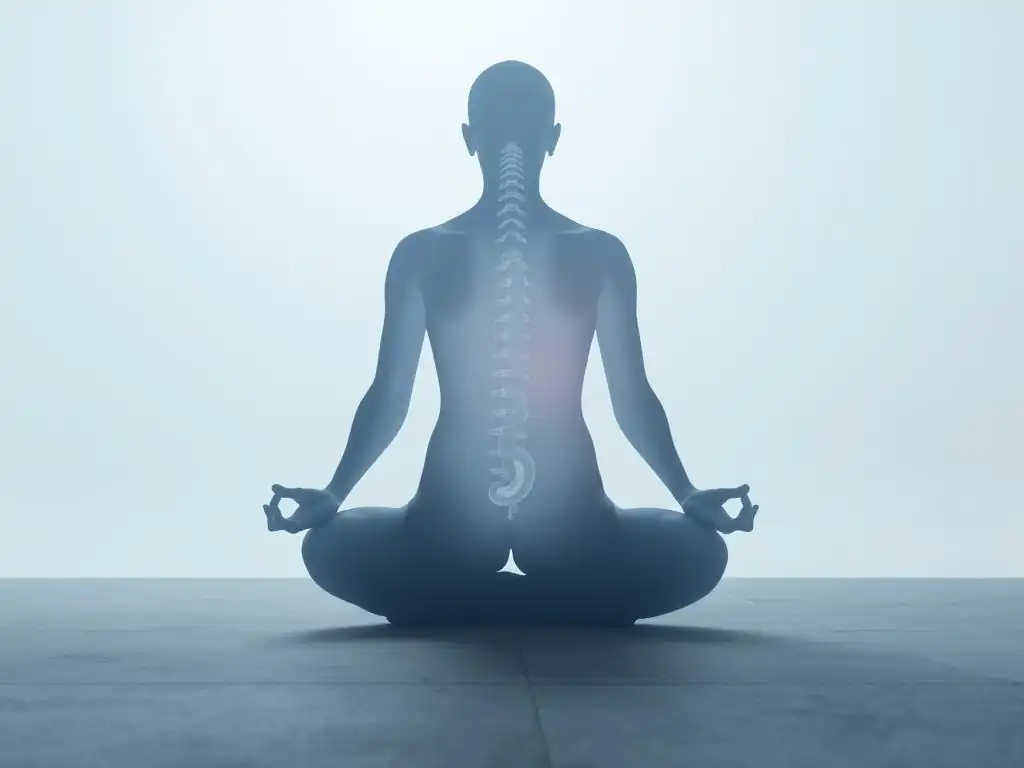
Physical Symptoms of PTSD: Pain, Fatigue, and Sleep Disturbances
Chronic Pain Conditions Associated with PTSD
Individuals with PTSD often report experiencing chronic pain conditions at a higher rate than the general population. This can include headaches, back pain, muscle aches, and widespread pain conditions like fibromyalgia. The link is thought to be related to the chronic activation of the stress response system, which can increase inflammation and alter pain perception pathways in the brain. The mind-body connection is particularly evident here, as psychological stress translates into physical discomfort.
Furthermore, trauma itself can be physically injurious, leading to pain that persists long after the initial injury has healed. However, even in the absence of physical injury during the trauma, the psychological impact can contribute to the development or exacerbation of chronic pain. Managing this pain often requires an integrated approach that addresses both the physical sensations and the underlying trauma and stress, acknowledging the physical dimension of the PTSD symptoms mindbodyspirit impact.
The Cycle of Fatigue and Exhaustion in Trauma Survivors
Persistent fatigue and exhaustion are debilitating physical symptoms frequently reported by individuals with PTSD. This isn't just feeling tired; it's a profound lack of energy that isn't relieved by rest. The constant state of hyperarousal and vigilance is incredibly draining on the body's resources. Imagine being on high alert 24/7 – this requires an immense amount of physical and mental energy, leading to chronic exhaustion.
This fatigue can create a difficult cycle. Feeling exhausted makes it harder to engage in activities that might help manage PTSD symptoms, such as exercise or social interaction. It can also worsen mood and concentration difficulties, further impacting daily functioning and quality of life. Addressing sleep problems, managing stress, and gradually reintroducing gentle physical activity are often key strategies in breaking this cycle of fatigue, tackling the physical manifestation of PTSD symptoms mindbodyspirit impact.
Sleep Disturbances and Nightmares in PTSD: Causes and Solutions
Sleep disturbances are among the most common and distressing physical symptoms of PTSD. These can include difficulty falling asleep, staying asleep, waking up frequently, and experiencing trauma-related nightmares. The hyperarousal state makes it hard for the mind and body to relax enough to fall asleep, while anxiety and intrusive thoughts can wake a person up during the night. Nightmares are a direct way the brain processes trauma during sleep, but they are often so vivid and distressing that they disrupt sleep quality significantly.
Lack of quality sleep exacerbates many other PTSD symptoms, including irritability, difficulty concentrating, and increased anxiety. It's a critical area to address in treatment. Solutions often involve sleep hygiene practices, such as maintaining a consistent sleep schedule and creating a relaxing bedtime routine. Trauma-focused therapies can also help reduce the frequency and intensity of nightmares, directly improving sleep quality and mitigating this physical aspect of the PTSD symptoms mindbodyspirit impact.
The Connection Between Trauma and Physical Health
The Impact of Chronic Stress on the Cardiovascular System
The chronic stress associated with PTSD has a significant detrimental impact on the cardiovascular system. The persistent activation of the sympathetic nervous system leads to elevated heart rate and blood pressure over time. This constant strain increases the risk of developing heart disease, stroke, and other cardiovascular problems. Research consistently shows higher rates of cardiovascular conditions in individuals with PTSD compared to those without. For example, studies in veteran populations have demonstrated a considerably elevated risk of cardiovascular events.
The physiological changes driven by chronic stress in PTSD, such as increased levels of stress hormones like cortisol, contribute to systemic inflammation and changes in cholesterol levels. These factors further contribute to the development of atherosclerosis (hardening of the arteries). Managing stress through therapeutic interventions and lifestyle changes is crucial not only for mental well-being but also for protecting long-term physical health, underscoring the profound physical consequences of PTSD symptoms mindbodyspirit impact.
Understanding Gastrointestinal Issues Related to PTSD
Gastrointestinal (GI) problems are also frequently reported by individuals with PTSD. These can include symptoms like irritable bowel syndrome (IBS), stomach pain, nausea, diarrhea, and constipation. The gut-brain axis, the complex communication system between the digestive system and the brain, is highly sensitive to stress. Chronic stress and anxiety, central to PTSD, can disrupt the normal functioning of this axis, leading to various GI disturbances.
The "fight or flight" response, when chronically activated, diverts blood flow away from the digestive system and alters gut motility and secretion. This can lead to symptoms like cramping, bloating, and changes in bowel habits. Addressing these GI issues often requires a multi-faceted approach that includes managing the underlying stress and anxiety through PTSD treatment, alongside dietary and lifestyle modifications. This highlights how the mind's response to trauma directly manifests in physical symptoms, reinforcing the holistic nature of the PTSD symptoms mindbodyspirit impact.
Difficulty Forming and Maintaining Relationships After Trauma
Trauma can profoundly impact a person's ability to form and maintain healthy relationships. The core symptoms of PTSD, such as hypervigilance, irritability, emotional numbing, and avoidance, can make genuine connection challenging. A person might be constantly on edge, making others feel uncomfortable or unsafe, or they might withdraw emotionally, appearing distant or uninterested. The fear of being hurt again, a common consequence of trauma, can make vulnerability feel terrifying, inhibiting the development of intimacy.
Avoidance behaviors often extend to social situations, leading individuals with PTSD to withdraw from friends, family, and social activities. This isolation, while perhaps initially feeling like a protective measure against potential triggers or perceived threats, actually exacerbates feelings of loneliness and disconnect. Studies show that social support is a critical factor in PTSD recovery, yet the symptoms themselves often create barriers to receiving that support, illustrating the cruel irony of the social PTSD symptoms mindbodyspirit impact.
Feeling Disconnected from Others and the World
A significant symptom of PTSD is a feeling of detachment or estrangement from others and the world around them. This can manifest as feeling numb, distant, or unreal, often referred to as depersonalization or derealization. This sense of disconnection can make it hard to feel empathy for others or participate fully in shared experiences. It's as if there's a barrier between the individual and the rest of humanity, a consequence of the trauma overwhelming their capacity to process reality normally.
This feeling of being disconnected contributes significantly to social isolation and loneliness. Even when physically present with others, the individual might feel emotionally or mentally absent. This symptom is a direct result of the brain's attempt to cope with overwhelming distress, sometimes by shutting down emotional processing. Overcoming this feeling of detachment is a key part of reconnecting with oneself and others during recovery, addressing the spiritual/existential aspect of the PTSD symptoms mindbodyspirit impact.
The Impact of Trauma on Trust and Intimacy
Trauma, particularly interpersonal trauma such as abuse or betrayal, can severely damage a person's capacity to trust others. The experience of being harmed by another person can instill a deep-seated belief that others are dangerous or cannot be relied upon. This makes it incredibly difficult to form close bonds, especially intimate relationships, which require vulnerability and mutual trust. The hypervigilance seen in PTSD can translate into constantly scanning for signs of threat or betrayal in relationships.
Intimacy can be particularly challenging for trauma survivors, especially if the trauma involved sexual assault or abuse. Physical touch, emotional closeness, and vulnerability can trigger intense fear, anxiety, or flashbacks. Rebuilding the capacity for trust and intimacy is a gradual process that requires patience, understanding, and often professional support. It involves challenging core beliefs about self and others that were shaped by the trauma, addressing a fundamental social and spiritual wound within the PTSD symptoms mindbodyspirit impact.
Finding Support and Connection Through Community
Reconnecting with others and finding a supportive community is vital for healing from PTSD. While the symptoms might make this difficult, intentionally seeking out safe spaces and understanding individuals can counteract the isolation. This could involve joining a support group specifically for trauma survivors, participating in group therapy, or engaging with communities centered around shared hobbies or interests where the focus isn't solely on trauma.
- Task List: Steps for Finding Support
- Research local or online PTSD support groups.
- Identify trusted friends or family members to confide in.
- Explore community activities or volunteer opportunities aligned with interests.
- Discuss social goals with a therapist.
Sharing experiences with others who understand can reduce feelings of shame and isolation, reinforcing that one is not alone in dealing with the complex PTSD symptoms mindbodyspirit impact. Even small steps towards connection, like having coffee with a friend, can make a difference.
Developing Healthy Communication Skills
Trauma can sometimes impair communication skills, leading to difficulty expressing needs and feelings or navigating conflict. Learning and practicing healthy communication techniques is essential for rebuilding relationships. This includes asserting boundaries respectfully, expressing emotions constructively, and actively listening to others. Therapy, particularly trauma-informed therapy, can provide a safe space to learn and practice these skills.
For instance, someone with PTSD might struggle to say "no" due to past experiences of powerlessness, or they might communicate through anger or withdrawal. Learning to identify these patterns and practice alternative responses, such as using "I" statements or setting firm but polite boundaries, can significantly improve interactions and reduce relationship stress. This active effort towards better communication is a key step in healing the social aspect of the PTSD symptoms mindbodyspirit impact.
Cultivating Self-Compassion and Acceptance
Healing from trauma and its social impact requires a significant degree of self-compassion. It's easy to blame oneself for the trauma or for the difficulties experienced in its aftermath, but self-blame only hinders recovery. Cultivating self-compassion involves treating oneself with the same kindness, understanding, and acceptance that one would offer a friend facing similar challenges. It means acknowledging the pain and difficulty of the experience without judgment.
Acceptance doesn't mean approving of the trauma or its consequences, but rather acknowledging that it happened and that the resulting symptoms are a valid response to an abnormal event. Accepting the reality of the PTSD symptoms mindbodyspirit impact allows one to move forward with realistic expectations and a compassionate approach to healing. This internal shift is foundational for feeling worthy of connection and capable of rebuilding a fulfilling social life.
Healing and Recovery: A Holistic Approach to PTSD Treatment

Integrating Therapies for Comprehensive PTSD Treatment
The Benefits of Trauma-Focused Cognitive Behavioral Therapy (TF-CBT)
Trauma-Focused Cognitive Behavioral Therapy (TF-CBT) is an evidence-based treatment specifically designed for individuals, particularly children and adolescents, who have experienced trauma. It helps individuals process their trauma by gradually exposing them to trauma-related memories and thoughts in a safe and controlled environment. A key component is teaching coping skills to manage difficult emotions and challenging negative thought patterns related to the trauma.
TF-CBT typically involves several phases, including skill-building (e.g., relaxation, emotion regulation), trauma narration (gradually telling the story of the trauma), and processing the trauma narrative. Studies have shown TF-CBT to be highly effective in reducing PTSD symptoms, depression, and anxiety in young people, demonstrating its power in mitigating the emotional and cognitive aspects of the PTSD symptoms mindbodyspirit impact.
The Role of Medication in Managing PTSD Symptoms
While psychotherapy is considered the first-line treatment for PTSD, medication can play a crucial role, especially in managing specific severe symptoms. Antidepressants, particularly selective serotonin reuptake inhibitors (SSRIs) and serotonin-norepinephrine reuptake inhibitors (SNRIs), are often prescribed to help reduce symptoms such as depression, anxiety, irritability, and difficulty sleeping. Medications like sertraline (Zoloft) and paroxetine (Paxil) are FDA-approved for PTSD.
Medication does not cure PTSD, but it can make symptoms more manageable, allowing individuals to engage more effectively in psychotherapy and daily life. For instance, reducing hyperarousal with medication might make it easier for someone to tolerate exposure therapy. Prazosin, a medication typically used for high blood pressure, is sometimes prescribed off-label to help reduce trauma-related nightmares. Medication is often used as part of a broader treatment plan addressing the various PTSD symptoms mindbodyspirit impact.
Eye Movement Desensitization and Reprocessing (EMDR) Therapy
Eye Movement Desensitization and Reprocessing (EMDR) is another evidence-based psychotherapy widely used for treating PTSD. The theory behind EMDR is that traumatic memories are not processed normally by the brain and remain "stuck," leading to symptoms like flashbacks and intrusive thoughts. EMDR aims to help the brain reprocess these memories so they no longer cause intense distress.
During EMDR therapy, the client recalls distressing trauma-related images while simultaneously engaging in bilateral stimulation, such as following the therapist's finger with their eyes, tapping, or auditory tones. This bilateral stimulation is thought to help the brain process the traumatic memory more effectively. Numerous studies support EMDR's effectiveness in reducing PTSD symptoms, often leading to significant relief from intrusive thoughts and emotional distress, directly addressing key cognitive and emotional PTSD symptoms mindbodyspirit impact.
Self-Care Strategies for Overall Wellness
Practicing Mindfulness and Meditation
Mindfulness and meditation are valuable self-care tools for managing PTSD symptoms. Mindfulness involves paying attention to the present moment without judgment, which can help individuals with PTSD become more aware of their thoughts, feelings, and bodily sensations without being overwhelmed by them. This practice can help create distance from intrusive thoughts and flashbacks, grounding the person in the here and now.
Regular meditation practice has been shown to help regulate the nervous system, which is often dysregulated in PTSD. Even short periods of mindful breathing or body scans can help reduce anxiety and hyperarousal. These practices empower individuals to develop a greater sense of control over their internal experience, contributing positively to their overall well-being and helping to manage the internal aspects of the PTSD symptoms mindbodyspirit impact.
Engaging in Regular Physical Exercise
Physical exercise is a powerful tool for managing the physical and emotional symptoms of PTSD. Exercise can help reduce stress, anxiety, and depression by releasing endorphins, which have mood-boosting effects. It can also help regulate sleep patterns and reduce physical tension associated with hyperarousal. Engaging in regular physical activity provides a healthy outlet for pent-up energy and can help individuals feel more in control of their bodies.
Finding an enjoyable form of exercise is key, whether it's walking, running, yoga, swimming, or dancing. Even moderate activity, like a 30-minute walk several times a week, can have significant benefits. For some, exercise can also be a form of "bottom-up" processing, helping to release physical tension and trauma stored in the body, directly addressing the physical dimension of the PTSD symptoms mindbodyspirit impact.
Maintaining a Healthy Diet and Sleep Schedule
Nutrition and sleep are fundamental pillars of physical and mental health, and paying attention to them is crucial for managing PTSD symptoms. A balanced diet rich in fruits, vegetables, lean proteins, and whole grains provides the body and brain with the nutrients needed to function optimally. Avoiding excessive caffeine, sugar, and processed foods can help stabilize mood and energy levels.
Establishing a consistent sleep schedule, as discussed earlier regarding sleep disturbances, is equally important. Aiming for 7-9 hours of quality sleep per night supports cognitive function, emotional regulation, and physical restoration. Prioritizing healthy eating and consistent sleep are actionable steps individuals can take daily to support their overall well-being and build resilience against the challenging PTSD symptoms mindbodyspirit impact.
Resources for PTSD Support and Treatment
Finding Qualified Mental Health Professionals
Seeking help from a qualified mental health professional is a critical step in recovering from PTSD. It's important to find a therapist who specializes in trauma-informed care and evidence-based treatments for PTSD, such as TF-CBT, EMDR, or Prolonged Exposure (PE) therapy. These therapists have specific training in understanding how trauma affects the mind and body and are equipped to guide individuals through the healing process safely and effectively.
Finding the right therapist might take some time and research. Resources like professional organizations or mental health directories can help locate practitioners specializing in trauma. Don't hesitate to ask potential therapists about their experience and approach to treating PTSD. A strong therapeutic alliance is foundational for successful treatment and navigating the complex PTSD symptoms mindbodyspirit impact.
Support Groups and Online Communities for PTSD Survivors
Connecting with others who have similar experiences can be incredibly validating and supportive. PTSD support groups, whether in-person or online, offer a space to share feelings, coping strategies, and resources with people who truly understand. Hearing from others who are navigating similar challenges can reduce feelings of isolation and provide hope for recovery.
While online communities can offer accessibility and anonymity, it's important to find moderated groups that prioritize safety and respectful interaction. These communities can complement individual therapy by providing ongoing peer support and a sense of belonging, addressing the social and spiritual dimensions of the PTSD symptoms mindbodyspirit impact.
Helpful Organizations and Websites
Numerous organizations are dedicated to providing information, resources, and support for individuals with PTSD and their families. These websites often contain valuable information about symptoms, treatment options, self-help strategies, and how to find professional help. They can be a first point of contact for those seeking to understand PTSD better and explore paths to recovery.
- Block Quote: "Healing is not linear. There will be ups and downs, but with the right support and strategies, recovery is possible."
Consulting reputable organizations ensures access to accurate and up-to-date information. These resources empower individuals with knowledge, which is a key component in taking active steps towards managing the pervasive PTSD symptoms mindbodyspirit impact and reclaiming one's life.
Frequently Asked Questions
What are the main categories of PTSD symptoms that affect a person?
The main categories are re-experiencing, avoidance, negative cognitions and mood, and arousal and reactivity. These impact various aspects of a person's well-being.
How does PTSD manifest in the mind, specifically regarding cognitive functions?
PTSD can significantly impair cognitive functions leading to issues like difficulty concentrating, memory problems, and negative thought patterns. These can affect daily life.
Can PTSD symptoms physically manifest in the body? If so, how?
Yes, PTSD can cause physical symptoms like muscle tension, chronic pain, and gastrointestinal issues. These stem from the body's stress response system.
In what ways does PTSD impact a person's spirit or sense of purpose?
PTSD can lead to feelings of hopelessness, disconnection, and a loss of faith or meaning. This deeply affects one's spiritual well-being.
Where can someone find additional resources and support if they are experiencing PTSD symptoms and want to address the mindbodyspirit impact?
Resources include mental health professionals, support groups, and online platforms like Mind Care Guide. Seeking help is a crucial step towards recovery.
Final Reflection: Reclaiming Wholeness After Trauma
The interconnectedness of mind, body, and spirit in the experience of PTSD is not merely a theoretical concept; it's a lived reality for millions. Understanding this intricate relationship is crucial not only for diagnosis and treatment but also for fostering genuine healing and recovery. Ignoring any one aspect—the mental anguish, the physical manifestations, or the spiritual disconnection—leaves the individual vulnerable and hinders the path to wholeness.
The pervasive impact of PTSD extends far beyond the battlefield or the initial traumatic event. It ripples outwards, affecting relationships, careers, and the very sense of self. The ongoing struggle to integrate the trauma into one's life story is a testament to the resilience of the human spirit, yet it also highlights the urgent need for compassionate understanding and effective support systems. The wound is the place where the Light enters you.
– Rumi. This quote speaks to the transformative potential that lies within the experience of trauma, but only if we allow ourselves to confront it and work towards healing.
Now, consider your own life. Have you witnessed the impact of trauma on yourself or someone you know? Take a moment to reflect on the interconnectedness of mind, body, and spirit. Seek out resources and support if you need them. Remember that healing is a journey, not a destination, and that reclaiming your wholeness is a testament to your strength and resilience. Embrace self-compassion, seek professional help when necessary, and allow yourself the time and space to heal. Your journey towards wholeness is worth it.
Unlock Your Inner Resilience: Steps to Healing and Growth
Thanks for taking the time to learn more about how PTSD affects your mind, body, and spirit. We hope this article provided valuable insights and empowered you to understand your experience better. Now, let's take the next steps towards healing and growth.
- Prioritize self-care practices: Identify one small, manageable self-care activity you can incorporate into your daily routine this week – whether it's a warm bath, a mindful walk, or simply 5 minutes of quiet reflection. This is your most important first step.
- Connect with a supportive community: Reach out to a friend, family member, or support group. Sharing your experiences can be incredibly powerful. Consider even joining an online forum dedicated to PTSD recovery.
- Explore additional resources: Dive deeper into understanding PTSD by exploring reputable websites or books focused on trauma recovery. This continued learning will empower you on your journey.
What small step will you take today to nurture your mind, body, and spirit?