
The Brain's Alarm System: How Trauma Rewires Your Stress Response

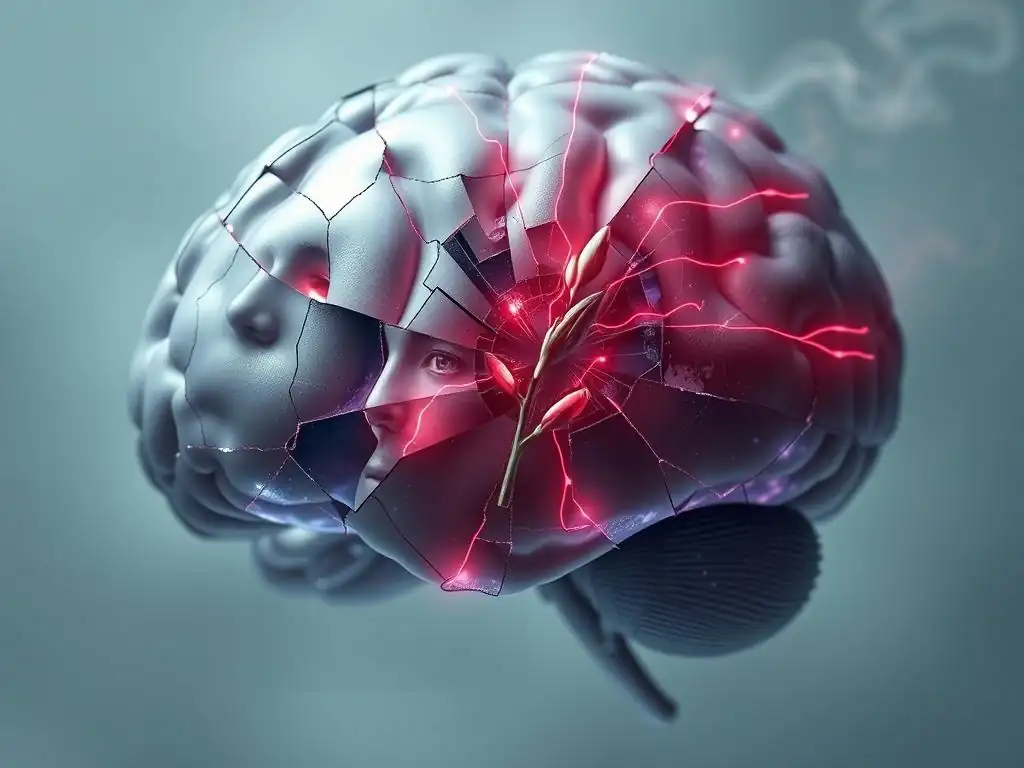
Welcome to Mind Care Guide.
Perhaps you've felt that your internal alarm system is stuck in overdrive, constantly on high alert. You're not alone. In this crucial guide, we delve into how trauma rewires stress response, exploring the profound impact on your mental well-being. Understand the science behind these changes and discover pathways to reclaim your peace. Are you ready to unravel the complexities and begin your journey toward healing?
The Brain's Alarm System: How Trauma Impacts the Stress Response
- Understanding the Stress Response System
- Trauma's Impact on the Stress Response
- Neurological Changes in a Trauma-Impacted Stress Response
- Long-Term Effects of Trauma on the Stress Response
- Recognizing Signs of a Trauma-Impacted Stress Response
- Healing and Recovery: Retraining the Stress Response
- Building Resilience: Coping Strategies
- Supporting Individuals with a Trauma-Impacted Stress Response
- Conclusion: Healing and Recovery After Trauma
-
Frequently Asked Questions
- ### How does trauma specifically rewire the stress response system?
- ### What are the main signs that my stress response has been rewired due to trauma?
- ### Is it possible to reverse the effects of trauma on the stress response?
- ### How can Mind Care Guide assist individuals dealing with trauma-related stress response issues?
- ### What role does self-care play in healing from a rewired stress response after trauma?
- Final Reflection: Understanding and Healing the Trauma-Wired Brain
- Unlock Your Resilience: Take Control of Your Stress Response
Understanding the Stress Response System
Components of the Stress Response
The stress response system is a complex network of physiological processes designed to help an organism survive perceived threats. At its core are the nervous system and the endocrine system, working in tandem to prepare the body for "fight or flight." Key players include the sympathetic nervous system, which initiates the immediate response, and the hypothalamic-pituitary-adrenal (HPA) axis, which governs the longer-term release of stress hormones like cortisol.
This system is crucial for survival, enabling rapid reactions in emergencies. When a threat is detected, a cascade of events unfolds: heart rate increases, breathing quickens, muscles tense, and energy is mobilized. This intricate interplay of organs and chemicals ensures that the body is primed to either confront the danger or flee from it effectively, a fundamental biological mechanism shared across many species.
The Role of the Amygdala, Hippocampus, and Prefrontal Cortex
Three critical brain regions play distinct but interconnected roles in processing stress and fear. The amygdala, often referred to as the brain's "fear center," is responsible for detecting potential threats and triggering the initial stress response. It processes emotions, particularly fear, and forms emotional memories associated with experiences.
The hippocampus, situated near the amygdala, is vital for forming and recalling explicit memories, including the context of a fearful event. It helps to differentiate between safe and dangerous situations based on past experiences and environmental cues. The prefrontal cortex, the brain's executive control center, is involved in higher-level functions like decision-making, planning, and regulating emotional responses. It helps to evaluate the threat, inhibit impulsive reactions, and bring the stress response back down once the danger has passed.
Adaptive vs. Maladaptive Stress Response
An adaptive stress response is healthy and temporary. It activates intensely when faced with a real threat (like narrowly avoiding a car accident), mobilizes resources for action, and then quickly deactivates once the threat is gone. This allows the body and mind to return to a state of equilibrium, known as homeostasis, preventing long-term damage from stress hormones.
A maladaptive stress response, often seen when trauma rewires stress response pathways, is characterized by chronic activation or inappropriate triggering. The system may remain on high alert even in safe environments, or it may fail to shut off properly after a stressful event. This persistent state of alert, or conversely, a blunted response, can lead to significant physical and mental health problems over time, as the body is constantly under strain or unable to respond appropriately when needed.
Trauma's Impact on the Stress Response
Childhood Trauma and Brain Development
Trauma experienced during critical periods of brain development, such as childhood, can have profound and lasting effects on the stress response system. The developing brain is highly plastic and particularly susceptible to environmental influences. Chronic stress and fear from early trauma can disrupt the normal maturation of key brain structures involved in stress processing, including the amygdala, hippocampus, and prefrontal cortex.
Studies suggest that children exposed to significant trauma may show altered brain architecture. For instance, the amygdala might become larger or more reactive, while the hippocampus may develop smaller than average. The prefrontal cortex, responsible for regulation, may also show reduced connectivity or activity, impairing its ability to modulate the stress response. This early disruption means the foundation of the stress system is built on instability, leading to a persistent vulnerability.
Amygdala Hyperactivation and Threat Detection
One of the most well-documented effects of trauma is the hyperactivation of the amygdala. In individuals whose trauma rewires stress response systems, the amygdala can become overly sensitive to perceived threats, even when none are present. This leads to a state of hypervigilance, where the person is constantly scanning their environment for danger signals, often interpreting neutral cues as threatening.
This heightened state means the "alarm" goes off too easily and too often. Everyday situations that others find calm might trigger an intense fear response, complete with physical symptoms like a pounding heart or rapid breathing. This constant state of alert is exhausting and can make it difficult to function in daily life, as the brain is perpetually stuck in survival mode.
Hippocampal Function and Memory Context
Trauma can significantly impair the function of the hippocampus. While the amygdala is responsible for the emotional memory of fear, the hippocampus provides the context – the who, what, when, and where of an event. In trauma survivors, particularly those whose trauma rewires stress response mechanisms extensively, the hippocampus may struggle to properly process and store traumatic memories.
This can result in fragmented memories, difficulty distinguishing between past trauma and present safety, and impaired spatial and verbal memory. The reduced ability of the hippocampus to contextualize memories means that traumatic experiences can feel like they are happening in the present, contributing to symptoms like flashbacks and nightmares. Furthermore, a smaller or less active hippocampus can hinder its role in inhibiting the stress response, allowing cortisol levels to remain elevated.
Prefrontal Cortex and Emotional Regulation
The prefrontal cortex (PFC) is crucial for regulating emotions and inhibiting the stress response. It acts as the "brake" on the amygdala's alarm signal. However, trauma, especially early in life, can impair the development and function of the PFC. This can lead to reduced capacity for emotional regulation, impulse control, and rational decision-making under stress.
When the connection or communication between the PFC and the amygdala is weakened, the PFC cannot effectively dampen the amygdala's hyperactivity. This leaves the individual with a diminished ability to manage intense emotions like fear and anger, making them more susceptible to feeling overwhelmed by stress and less able to recover quickly once the threat has passed. The result is a stress response that is not only easily triggered but also difficult to calm down.
Neurological Changes in a Trauma-Impacted Stress Response
HPA Axis Dysregulation and Chronic Stress
The HPA axis is a complex feedback loop involving the hypothalamus, pituitary gland, and adrenal glands, responsible for releasing cortisol, the primary stress hormone. Trauma often leads to dysregulation of this axis. While some individuals may show a hyperactive HPA axis with elevated cortisol levels, others, particularly with prolonged or severe trauma, might exhibit a blunted response, where cortisol levels are abnormally low or fail to rise appropriately under stress.
Chronic activation or dysregulation of the HPA axis means the body is constantly exposed to imbalanced levels of stress hormones. Elevated cortisol can damage various bodily systems over time, while a blunted response can impair the body's ability to mount a necessary stress response or regulate inflammation. This persistent HPA axis dysfunction is a key mechanism through which trauma rewires stress response biology, contributing to numerous health issues.
Neurotransmitter Imbalances: Serotonin, Dopamine, and Norepinephrine
Trauma can disrupt the delicate balance of neurotransmitters, the chemical messengers in the brain. Systems involving serotonin, dopamine, and norepinephrine, all crucial for mood, motivation, attention, and the stress response, are often affected. For instance, imbalances in norepinephrine can contribute to hyperarousal and the exaggerated startle response seen in trauma survivors.
Changes in serotonin and dopamine pathways are frequently linked to the increased risk of depression, anxiety, and substance use disorders following trauma. These neurotransmitter alterations reflect the underlying changes in brain circuitry caused by trauma and contribute to the psychological symptoms experienced. The way trauma rewires stress response involves these chemical shifts, impacting everything from sleep patterns to emotional stability.
Epigenetic Effects of Trauma on Gene Expression
Beyond structural and chemical changes, trauma can also leave an imprint on our genes through epigenetic modifications. Epigenetics refers to changes in gene expression that do not involve alterations to the underlying DNA sequence but can be passed down through cell division. Trauma, particularly during sensitive developmental periods, can cause epigenetic changes that affect how genes related to stress reactivity and hormone regulation are turned on or off.
For example, studies have shown epigenetic changes in genes involved in the HPA axis, such as the gene for the glucocorticoid receptor, which is essential for regulating cortisol. These modifications can lead to altered stress hormone sensitivity and a persistently dysregulated stress response, demonstrating how profoundly trauma rewires stress response systems at a fundamental biological level, potentially even impacting future generations.
Long-Term Effects of Trauma on the Stress Response

Mental Health Risks: Anxiety, Depression, PTSD
The enduring impact of trauma on the stress response system significantly increases the risk of developing various mental health conditions. Post-Traumatic Stress Disorder (PTSD) is perhaps the most direct consequence, characterized by re-experiencing trauma, avoidance, negative thoughts and feelings, and hyperarousal. However, the effects extend far beyond PTSD.
Individuals whose trauma rewires stress response patterns are at a significantly higher risk for generalized anxiety disorder, panic disorder, and major depressive disorder. Studies suggest that childhood trauma can increase the likelihood of developing depression in adulthood by a factor of two to three times compared to those without such experiences. These conditions are often complex to treat, partly because they stem from fundamental alterations in brain function and stress processing.
Physical Health Consequences of Chronic Stress
A persistently dysregulated stress response due to trauma takes a heavy toll on the physical body. Chronic exposure to elevated stress hormones like cortisol can lead to a cascade of physical health problems. These include cardiovascular issues such as high blood pressure and heart disease, metabolic disorders like type 2 diabetes and obesity, and compromised immune function, making individuals more susceptible to infections and inflammatory conditions.
The constant state of alert also contributes to chronic pain conditions, digestive issues like irritable bowel syndrome (IBS), and sleep disturbances. This demonstrates clearly how trauma rewires stress response circuits, leading not just to psychological distress but also concrete, measurable changes in physical health that can shorten lifespan and significantly reduce quality of life.
The changes in emotional regulation, threat perception, and stress reactivity caused by trauma can profoundly impact an individual's ability to form and maintain healthy relationships. Hypervigilance might lead to mistrust and difficulty feeling safe with others. Emotional numbness or difficulty expressing feelings can create distance. The fight-or-flight response might manifest as irritability, anger outbursts, or avoidance of social situations altogether.
Difficulty regulating emotions can lead to interpersonal conflicts. Furthermore, the core belief systems altered by trauma might lead to feelings of worthlessness or shame, making intimacy challenging. Navigating social interactions becomes a source of stress itself, further reinforcing the maladaptive stress response patterns. The way trauma rewires stress response fundamentally alters how individuals interact with the world and the people in it.
Recognizing Signs of a Trauma-Impacted Stress Response
Hypervigilance and Startle Response
One of the hallmark signs that trauma rewires stress response is a heightened state of hypervigilance. This involves constantly scanning the environment for potential threats, being overly alert, and having difficulty relaxing. Related to this is an exaggerated startle response, where loud noises, sudden movements, or unexpected touch can trigger an intense physical reaction, such as jumping or yelling, far beyond what would be considered typical.
This constant state of being on guard is physically and mentally draining. It reflects the amygdala's persistent activation and the body's readiness for danger, even in safe circumstances. Recognizing this as a symptom of a trauma-impacted stress response, rather than just nervousness, is crucial for seeking appropriate help.
Emotional Numbness and Avoidance
Paradoxically, alongside hyperarousal, trauma can also lead to emotional numbness and avoidance. This is often a coping mechanism where the individual attempts to shut down overwhelming feelings associated with the trauma and the resulting stress. Emotional numbness can manifest as difficulty feeling positive emotions, a sense of detachment from others, or feeling generally flat or empty.
Avoidance behaviors involve actively steering clear of reminders of the trauma, including people, places, conversations, or situations that might trigger distressing memories or feelings. While avoidance might provide temporary relief from intense distress, it prevents processing the trauma and reinforces the idea that the world is unsafe, perpetuating the cycle of a trauma-impacted stress response.
Concentration and Memory Difficulties
Trauma and the resulting chronic stress can significantly impair cognitive functions, particularly concentration and memory. The constant state of alert and the dysregulation of stress hormones like cortisol can interfere with the hippocampus and prefrontal cortex, regions vital for focus, learning, and memory formation.
Individuals may find it hard to concentrate on tasks, follow conversations, or remember new information. This is distinct from the memory problems specifically related to the traumatic event itself; it's a broader difficulty impacting daily cognitive functioning. These difficulties are a direct consequence of how trauma rewires stress response pathways, impacting brain areas responsible for executive functions.
Flashbacks and nightmares are distressing re-experiencing symptoms characteristic of a trauma-impacted stress response. Flashbacks are vivid, intrusive memories of the traumatic event that feel as though they are happening in the present moment. They can involve sensory details – seeing, hearing, smelling, feeling things as they were during the trauma – and trigger intense emotional and physical reactions.
Trauma-related nightmares are recurring disturbing dreams about the trauma. Both flashbacks and nightmares reflect the brain's difficulty in processing and integrating the traumatic memory properly. They are powerful examples of how trauma rewires stress response, causing the past to intrude forcefully upon the present, making it difficult to feel safe even during sleep.
Healing and Recovery: Retraining the Stress Response
Trauma-Informed Therapy
Healing from trauma and retraining the stress response requires specialized approaches. Trauma-informed therapy is a framework that recognizes the widespread impact of trauma and understands potential paths for recovery. It emphasizes safety, trustworthiness, peer support, collaboration, empowerment, and cultural considerations. This approach doesn't necessarily focus solely on the trauma narrative but ensures that therapeutic interactions and environments are designed to avoid re-traumatization and support the individual's healing journey.
Therapists using this approach are mindful of how trauma rewires stress response and tailor interventions accordingly, prioritizing building a sense of safety and control for the client. This foundational approach is often integrated into various specific therapeutic modalities aimed at processing trauma and regulating the nervous system.
Cognitive Behavioral Therapy (CBT)
Cognitive Behavioral Therapy (CBT) is a widely used therapy that can be adapted to treat trauma-related issues and help retrain the stress response. Trauma-focused CBT (TF-CBT), for example, specifically addresses the impact of trauma. CBT helps individuals identify and challenge negative thought patterns and beliefs that developed as a result of trauma, such as believing the world is always dangerous or that they are to blame.
By changing these maladaptive thought patterns, CBT helps to reduce the intensity of negative emotions and change behavioral responses. It teaches coping skills to manage anxiety, fear, and hyperarousal, helping to gradually recalibrate the stress response system towards a more adaptive state. Many individuals see significant improvements in symptoms and daily functioning through CBT.
Eye Movement Desensitization and Reprocessing (EMDR)
Eye Movement Desensitization and Reprocessing (EMDR) is a psychotherapy approach specifically designed to help individuals process traumatic memories. It involves recalling distressing memories while simultaneously engaging in bilateral stimulation, such as eye movements, taps, or tones. The theory is that this process helps the brain to reprocess the memory in a way that reduces its emotional intensity.
EMDR aims to move the traumatic memory from a state where it feels stuck and constantly triggering the stress response to a more integrated state where it is simply a past event. Many studies have shown EMDR to be effective in reducing symptoms of PTSD and helping to normalize the stress response triggered by trauma reminders. For many, it's a powerful tool in undoing how trauma rewires stress response.
Somatic Experiencing

Somatic Experiencing (SE) is a body-oriented therapeutic approach developed by Peter Levine. It focuses on the bodily sensations associated with trauma and aims to help individuals release the stored tension and energy that became "stuck" in the nervous system during the traumatic event. The theory is that trauma overwhelms the body's natural ability to complete the stress response cycle (fight, flight, or freeze).
SE helps individuals become aware of their physical sensations and guides them through gently discharging this trapped energy in a safe and controlled manner. By focusing on the body's response, SE helps to regulate the nervous system and restore the body's innate capacity to manage stress, directly addressing the physiological aspects of how trauma rewires stress response.
Mindfulness and Meditation
Mindfulness and meditation practices can be valuable tools in retraining a trauma-impacted stress response. Mindfulness involves paying attention to the present moment without judgment, which can help individuals become more aware of their thoughts, feelings, and bodily sensations without being overwhelmed by them. This practice can help to increase tolerance for difficult emotions and reduce reactivity.
Regular meditation has been shown to have positive effects on brain structures involved in stress regulation, such as increasing gray matter density in areas of the prefrontal cortex and reducing amygdala reactivity. By cultivating a sense of calm and present-moment awareness, these practices can help to gently soothe an overactive stress response and build resilience.
Building Resilience: Coping Strategies
Support System Development
Building a strong support system is crucial for healing and building resilience after trauma. Connecting with trusted friends, family members, or support groups provides a sense of belonging and reduces feelings of isolation. Sharing experiences with others who understand can be incredibly validating and empowering.
Having people to turn to during times of stress can help regulate the nervous system and provide practical assistance. A supportive network acts as a buffer against the overwhelming feelings that can arise from a trauma-impacted stress response, reminding the individual that they are not alone in their journey to heal.
Self-Care and Stress Reduction
Engaging in consistent self-care practices is essential for managing a dysregulated stress response. This includes prioritizing adequate sleep (aiming for 7-9 hours per night), maintaining a balanced diet, and incorporating regular physical activity. Exercise, even moderate amounts, is a powerful stress reliever and can help regulate mood and energy levels.
Other stress-reduction techniques like deep breathing exercises, progressive muscle relaxation, or spending time in nature can also be highly effective in calming the nervous system and counteracting the effects of an overactive stress alarm system. Integrating these practices into a daily routine helps build resilience against triggers.
Healthy Boundary Establishment
Learning to set and maintain healthy boundaries is vital for protecting one's energy and preventing re-traumatization. This involves recognizing personal limits and communicating needs clearly to others. Boundaries can be physical (personal space), emotional (not taking responsibility for others' feelings), or time-related (saying no to excessive demands).
For someone whose trauma rewires stress response, boundaries create a sense of safety and control that may have been lost during the traumatic experience. Establishing clear limits reduces exposure to potential stressors and allows the individual to conserve energy needed for healing.
Professional Support
While self-care and support systems are invaluable, professional support is often necessary for truly healing a trauma-impacted stress response. Therapists specializing in trauma can provide evidence-based treatments and guide the individual through the complex process of processing traumatic memories and retraining the nervous system.
- Find a therapist specializing in trauma.
- Explore different therapy modalities (CBT, EMDR, SE, etc. ).
- Consider medication if recommended by a psychiatrist for managing symptoms like severe anxiety or depression.
- Attend support groups facilitated by mental health professionals.
Seeking professional help is a sign of strength and a crucial step in addressing the deep-seated changes that occur when trauma rewires stress response pathways.
Supporting Individuals with a Trauma-Impacted Stress Response
Understanding and Empathy
Supporting someone whose trauma rewires stress response begins with understanding and empathy. Recognize that their reactions, whether hyperarousal, avoidance, or emotional numbness, are not willful choices but symptoms of a deeply affected nervous system. Avoid judgment or telling them to "just get over it."
Educate yourself about trauma and its effects on the brain and body. Listen without pushing for details they aren't ready to share. Validate their feelings and experiences, even if they seem disproportionate to the current situation. Your patience and compassion can provide a sense of safety that helps counteract the constant feeling of threat.
Trigger Avoidance
Triggers are reminders of the trauma that can instantly activate the trauma-impacted stress response. These can be sensory (a smell, a sound), situational (visiting a certain place), or emotional (feeling trapped, helpless). While triggers cannot always be avoided, understanding what they are for the individual and making reasonable efforts to minimize exposure can be incredibly helpful, especially in the early stages of healing.
This isn't about enabling avoidance of necessary healing work, but about creating a sense of physical and emotional safety in daily life. Discuss triggers openly with the individual if they are comfortable, and respect their need to avoid certain situations or topics.
Encouraging Professional Help
Encouraging the individual to seek and continue with professional help is one of the most impactful ways to offer support. Frame therapy not as a sign of weakness, but as a brave step towards healing and recovery. Offer practical support, such as helping them find resources, offering transportation to appointments, or simply reminding them of the importance of their healing journey.
Avoid trying to be their therapist yourself. Your role is one of support and encouragement, not clinical treatment. Reinforce the message that healing is possible and that qualified professionals have the tools to help address how trauma rewires stress response.
Resources for Survivors and Families
Providing information about resources can empower both the survivor and their support network. This might include national helplines, local mental health services, support groups specifically for trauma survivors or their families, and educational materials about trauma and its effects.
Knowing where to turn for help, information, and community connection is vital. Resources can offer additional layers of support, coping strategies, and validation, reinforcing the message that healing is a process with available pathways and support systems.
Conclusion: Healing and Recovery After Trauma
Importance of Early Intervention
Addressing trauma and its impact on the stress response system as early as possible is crucial. Early intervention can help mitigate the long-term neurological and psychological consequences, potentially preventing the extensive rewiring that makes healing more complex later on. For children experiencing trauma, timely support is particularly vital as their brains are still developing.
Access to trauma-informed care soon after the traumatic event, or recognizing and addressing the effects of past trauma promptly, can significantly improve outcomes. It allows for the introduction of therapeutic techniques and coping strategies before maladaptive stress response patterns become deeply entrenched.
Neuroplasticity and the Potential for Healing
Despite the profound ways trauma rewires stress response, the brain possesses remarkable neuroplasticity – the ability to change and adapt throughout life. This means that even after trauma, the brain can reorganize itself, forming new neural connections and pathways. Healing from trauma is essentially harnessing this neuroplasticity to retrain the stress response system.
Through consistent therapeutic work, supportive relationships, and healthy coping strategies, individuals can dampen the overactive amygdala, strengthen the regulatory capacity of the prefrontal cortex, and improve the function of the hippocampus. While the scars of trauma may remain, the brain's capacity for change offers a powerful message of hope: recovery and a return to a more balanced and adaptive stress response is genuinely possible. The journey requires time, effort, and support, but the brain's inherent ability to heal provides the foundation for reclaiming a life not dominated by the echoes of trauma.
Frequently Asked Questions
### How does trauma specifically rewire the stress response system?
Trauma can alter the brain's structure and function, particularly in areas like the amygdala, hippocampus, and prefrontal cortex. This leads to an exaggerated or blunted stress response, making individuals more sensitive or numb to stress.
### What are the main signs that my stress response has been rewired due to trauma?
Common signs include hypervigilance, difficulty regulating emotions, intrusive thoughts or memories, and avoidance of triggers. These symptoms indicate a dysregulation in the HPA axis, the body's primary stress response system.
### Is it possible to reverse the effects of trauma on the stress response?
Yes, with the right therapeutic interventions, such as Trauma-Focused Cognitive Behavioral Therapy (TF-CBT) or Eye Movement Desensitization and Reprocessing (EMDR). These therapies help reprocess traumatic memories and build healthier coping mechanisms.
Mind Care Guide provides information and resources on trauma, including articles, support groups, and directories of mental health professionals. We aim to empower individuals with knowledge and access to care for their mental well-being.
### What role does self-care play in healing from a rewired stress response after trauma?
Self-care is crucial for regulating the nervous system and promoting emotional stability. Practices like mindfulness, exercise, and connecting with supportive individuals can help rebuild resilience and manage stress.
Final Reflection: Understanding and Healing the Trauma-Wired Brain
The impact of trauma on our stress response isn't just a clinical observation; it's a pervasive reality shaping countless lives today. Millions grapple with the lingering effects of past experiences, manifesting as anxiety, depression, and chronic health problems. Understanding how trauma rewires our brain's alarm system is crucial not only for diagnosis and treatment but for fostering empathy and building a more supportive society.
The pervasive influence of trauma on our collective well-being is undeniable, shaping our relationships, our work, and even our political landscape. It's a silent epidemic, often hidden beneath layers of resilience and coping mechanisms. Yet, the more we understand the neurobiological underpinnings of trauma's impact, the better equipped we are to offer compassion and effective support. The opposite of trauma is not 'no trauma,' but connection.
This quote highlights the power of human connection in the healing process, a process that requires both individual effort and societal understanding.
Consider the ways in which trauma has affected your own life, directly or indirectly. Perhaps you've witnessed its impact on a loved one, or perhaps you carry your own unseen wounds. This article is not just about understanding the science; it's about empowering you to take the first steps toward healing and building a more resilient self. Seek support, explore therapeutic options, and remember that healing is a journey, not a destination. Embrace self-compassion, and know that you are not alone in this experience.
Unlock Your Resilience: Take Control of Your Stress Response
Thanks for diving deep into the world of trauma and its impact on your stress response! We hope you gained valuable insights into how your brain's alarm system works and how to begin healing. Now, let's move from understanding to action. Here’s how you can continue your journey:
- Prioritize self-compassion: Start a daily practice of self-kindness, even if it's just for five minutes. Acknowledge your experiences and treat yourself with the same understanding you would offer a friend. This is the cornerstone of healing.
- Explore supportive resources: Research local support groups or online communities focused on trauma recovery. Sharing your experiences can be incredibly powerful.
- Challenge your limiting beliefs: Identify one negative thought pattern related to your stress response and consciously challenge its validity. Start small, and celebrate your progress.
Ready to take the next step towards a calmer, more resilient you? What's one small act of self-compassion you can commit to today?