
Pediatric Mood Disorders: Brain Chemistry Development and Challenges

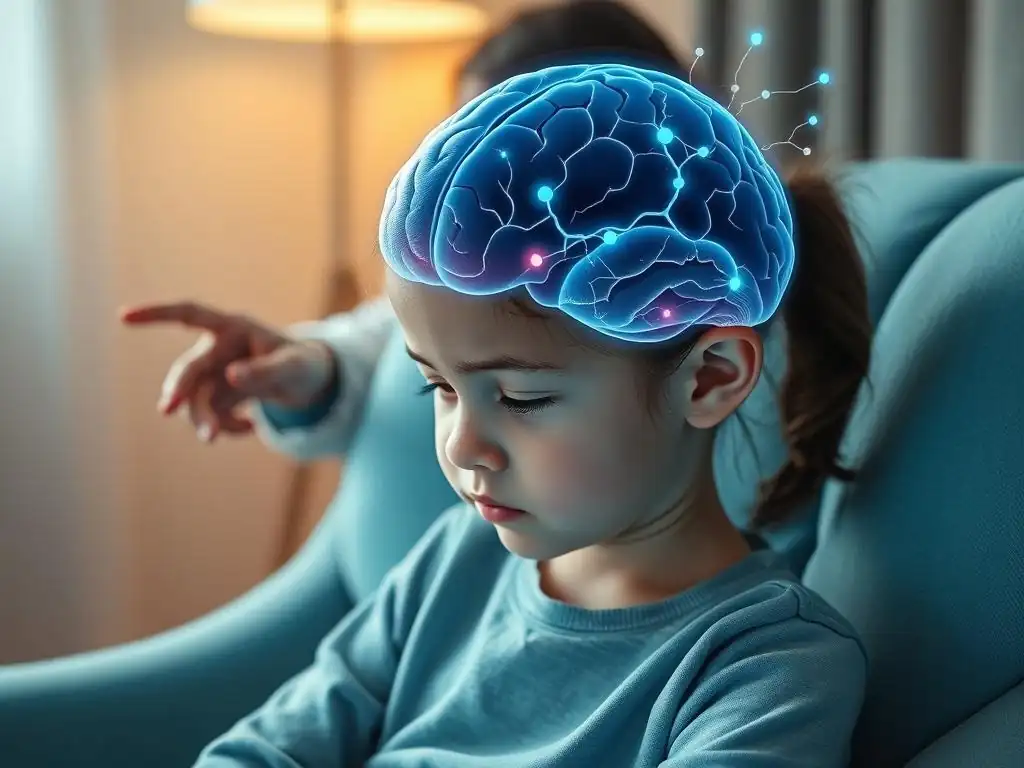
Welcome to Mind Care Guide, a supportive space dedicated to nurturing mental well-being. Navigating the complexities of mental health can feel overwhelming, especially when it involves our children. Are you seeking clarity amidst the concerns surrounding your child's mood? This article delves into pediatric mood disorder treatment options, exploring the delicate balance of brain chemistry development and the challenges it presents. Discover insights and resources designed to empower you on this journey. Keep reading to learn more and understand the path forward.
Pediatric Mood Disorders: Understanding, Diagnosis, and Treatment
- Understanding Pediatric Mood Disorders: A Comprehensive Overview
- Brain Chemistry and Pediatric Mood Disorders: The Neurobiological Basis
- Challenges in Diagnosing Pediatric Mood Disorders
- Pediatric Mood Disorder Treatment Options: A Multifaceted Approach
- Supporting Children and Families Living with Mood Disorders
- Future Directions in Research and Treatment of Pediatric Mood Disorders
- Conclusion: Empowering Children and Families to Thrive
-
Frequently Asked Questions
- What are some common symptoms of pediatric mood disorders that parents should be aware of?
- How does brain chemistry development play a role in pediatric mood disorders?
- What are the main challenges in diagnosing mood disorders in children and adolescents?
- What are the primary pediatric mood disorder treatment options available?
- Where can parents find reliable resources and support for children diagnosed with a mood disorder?
- Final Reflection: The Evolving Landscape of Pediatric Mood Disorder Treatment
- Unlock Your Child's Brightest Future: Take Action Today!
Understanding Pediatric Mood Disorders: A Comprehensive Overview
What are Pediatric Mood Disorders? Defining the Scope
Pediatric mood disorders represent a category of mental health conditions that significantly affect a child's or adolescent's emotional state. Unlike typical mood swings that are fleeting and proportional to circumstances, these disorders involve persistent and intense shifts in mood, often interfering with daily functioning, relationships, and development. The primary types include major depressive disorder, persistent depressive disorder (dysthymia), and bipolar disorder, among others. These conditions are not simply behavioral problems or phases; they are complex illnesses with biological, psychological, and environmental underpinnings that require professional attention and often involve exploring various pediatric mood disorder treatment options.
Defining the scope of these disorders in young people is crucial because their presentation can differ significantly from adults. For example, depression in children may manifest more as irritability, physical complaints, or disruptive behavior rather than overt sadness. Bipolar disorder, characterized by extreme mood swings between periods of elevated mood (mania or hypomania) and depression, can present with rapid cycling or mixed states in youth, making it particularly challenging to diagnose. Understanding these nuances is the first step toward effective identification and intervention, paving the way for appropriate pediatric mood disorder treatment options.
Prevalence and Impact of Mood Disorders in Children and Adolescents
Mood disorders affect a significant number of children and adolescents, impacting their academic performance, social interactions, and overall well-being. While exact figures vary by study and diagnostic criteria, research suggests that several million youth in the United States alone experience a mood disorder. For instance, major depressive disorder is estimated to affect approximately 2-3% of children aged 6-12 and a higher percentage, perhaps around 5-8%, of adolescents. Bipolar disorder is less common but still affects an estimated 1-3% of adolescents. These statistics highlight the substantial public health concern posed by these conditions in the young population.
The impact extends far beyond the individual child. Families face emotional strain and logistical challenges. Schools may see decreased academic engagement, attendance issues, and behavioral difficulties. For the young person, untreated mood disorders can lead to long-term consequences, including increased risk of substance abuse, academic failure, social isolation, and even suicide. Early identification and access to effective pediatric mood disorder treatment options are therefore paramount in mitigating these significant impacts and improving long-term outcomes.
Identifying Risk Factors for Mood Disorders in Children
Identifying risk factors is a critical component in understanding and potentially preventing or mitigating the severity of pediatric mood disorders. These factors are often multifaceted, involving a complex interplay between genetic predispositions, biological vulnerabilities, environmental stressors, and psychological traits. Children with a family history of mood disorders, particularly parents or close relatives who have experienced depression or bipolar disorder, have a significantly increased genetic risk. While genetics don't guarantee a disorder, they can create a biological susceptibility that interacts with other factors.
Beyond genetics, adverse childhood experiences (ACEs) are powerful environmental risk factors. These can include exposure to trauma, chronic stress, neglect, abuse (physical, emotional, or sexual), parental mental illness, or significant family conflict. Such experiences can disrupt normal brain development and stress response systems, increasing vulnerability to mood disorders later in childhood or adolescence.
Furthermore, individual factors such as certain personality traits (e.g., high levels of anxiety or negative emotionality), learning disabilities, chronic physical illnesses, or difficulties with social skills can also contribute to a child's risk profile. Recognizing these risk factors is vital for targeted prevention efforts and for guiding early intervention strategies, including the consideration of various pediatric mood disorder treatment options.
Brain Chemistry and Pediatric Mood Disorders: The Neurobiological Basis
The Role of Neurotransmitters in Childhood Mood Regulation
Neurotransmitters are chemical messengers in the brain that play a fundamental role in regulating mood, emotions, and behavior. In the developing brains of children and adolescents, the intricate balance and function of these chemicals are particularly critical. Imbalances or dysregulation in key neurotransmitter systems are strongly implicated in the development and manifestation of pediatric mood disorders.
While the exact mechanisms are still being researched, disruptions in the synthesis, release, reuptake, or receptor sensitivity of certain neurotransmitters are thought to contribute to the emotional dysregulation seen in conditions like depression and bipolar disorder in youth. Understanding these biological underpinnings helps inform targeted pediatric mood disorder treatment options, particularly those involving medication.
The major neurotransmitters most commonly associated with mood regulation include serotonin, dopamine, and norepinephrine. These chemicals operate within complex neural circuits, including those involved in processing emotions, motivation, pleasure, stress response, and cognitive function. In children with mood disorders, these circuits may not function optimally due to neurotransmitter dysregulation. For instance, a child with depression might have reduced activity or availability of serotonin, impacting feelings of well-being and emotional stability. Similarly, alterations in dopamine pathways could affect motivation and the ability to experience pleasure, common symptoms in depression.
Serotonin's Impact on Mood and Behavior in Children
Serotonin is often referred to as the "feel-good" neurotransmitter because of its significant influence on mood, well-being, and happiness. It plays a crucial role in regulating sleep, appetite, and social behavior, all of which are frequently disrupted in pediatric mood disorders, particularly depression. In the developing brain, serotonin is involved in neuronal growth and circuit formation, suggesting that disruptions early in life could have lasting effects on mood regulation systems. Research indicates that lower levels of serotonin or impaired serotonin signaling are associated with depressive symptoms in children and adolescents.
Beyond just mood, serotonin also impacts impulse control, anxiety levels, and stress reactivity. A child with serotonin dysregulation might exhibit increased irritability, heightened anxiety in social situations, or difficulty managing stress, which can be symptomatic of a mood disorder. Many pediatric mood disorder treatment options that involve medication, such as Selective Serotonin Reuptake Inhibitors (SSRIs), work by increasing the availability of serotonin in the brain, aiming to restore a more balanced emotional state.
Dopamine and its Connection to Pediatric Mood Disorders
Dopamine is a key neurotransmitter involved in the brain's reward system, motivation, pleasure, and motor control. It plays a vital role in how children experience joy, seek out positive experiences, and feel motivated to engage with their environment. Alterations in dopamine pathways are strongly linked to anhedonia – the inability to experience pleasure – which is a core symptom of depression, especially in youth. When dopamine signaling is impaired, children may lose interest in activities they once enjoyed, feel a lack of motivation, and exhibit low energy levels.
While dopamine is prominently associated with depression, it also plays a role in the manic or hypomanic phases of bipolar disorder. Increased dopamine activity in certain brain regions is hypothesized to contribute to the elevated mood, increased energy, impulsivity, and reduced need for sleep characteristic of mania. Understanding the complex role of dopamine helps illuminate the diverse ways pediatric mood disorders can manifest and informs the development of targeted pediatric mood disorder treatment options aimed at restoring dopamine balance, although this is less directly addressed by common antidepressants compared to serotonin.
Norepinephrine: Its Influence on Energy and Focus in Young Individuals
Norepinephrine is a neurotransmitter and hormone involved in the body's "fight or flight" response, playing a critical role in alertness, arousal, attention, and energy levels. It helps regulate the stress response and contributes to maintaining focus and vigilance. Dysregulation of norepinephrine is implicated in both depression and anxiety disorders, which frequently co-occur with pediatric mood disorders. Low levels of norepinephrine can contribute to symptoms like fatigue, difficulty concentrating, lack of energy, and psychomotor retardation (slowed movements and speech) often seen in moderate to severe depression in children and adolescents.
Conversely, excessive norepinephrine activity can contribute to symptoms of anxiety, restlessness, and difficulty sleeping. In the context of bipolar disorder, fluctuations in norepinephrine levels may play a role in the shifts between depressive lows and manic highs, influencing energy levels, activity, and sleep patterns. Some pediatric mood disorder treatment options, including certain antidepressant medications, target norepinephrine alongside serotonin to address a broader range of depressive symptoms, particularly those related to energy and focus.
Brain Development and its Vulnerability to Mood Disorders
The brain undergoes significant developmental changes throughout childhood and adolescence, a period of intense growth, pruning, and myelination that shapes neural circuits. This dynamic process makes the developing brain particularly vulnerable to the impact of stress, trauma, and genetic predispositions, increasing the risk for mood disorders. Critical brain regions involved in emotional regulation, decision-making, and social processing, such as the prefrontal cortex, amygdala, and hippocampus, are still maturing during these years. Disruptions to this maturation process, influenced by biological and environmental factors, can leave young individuals less equipped to manage emotions and stress effectively.
For instance, the prefrontal cortex, responsible for executive functions like planning, impulse control, and emotional regulation, continues to develop well into the early twenties. If this area's development is impacted by chronic stress or early trauma, it can impair a child's ability to regulate strong emotions or make sound judgments, potentially contributing to mood dysregulation. Similarly, the amygdala, involved in processing fear and emotional responses, is highly active in adolescence. Imbalances in how the amygdala communicates with the prefrontal cortex can lead to heightened emotional reactivity and difficulty recovering from negative experiences, hallmarks of mood disorders.
Critical Periods of Brain Development and Mood Regulation
Certain periods of brain development are considered particularly critical for the establishment of robust mood regulation systems. Early childhood is a foundational period where the brain rapidly builds circuits based on experiences. Secure attachments and nurturing environments help wire the brain for resilience and healthy emotional processing. Conversely, neglect or trauma during these formative years can disrupt the development of stress response systems and limbic circuitry, increasing vulnerability to mood disorders later on.
Adolescence represents another critical period, characterized by significant hormonal changes and extensive remodeling of the brain's social and emotional processing networks. The pruning of synapses and myelination of neural pathways during these years refine brain function. This period is also marked by increased risk-taking behavior and heightened sensitivity to social cues, partly due to the differential maturation rates of the limbic system (emotions) and the prefrontal cortex (control).
This developmental stage coincides with a peak onset period for many mood disorders, suggesting a link between the biological vulnerabilities of adolescence and the emergence of these conditions. Understanding these critical periods helps explain why some individuals are more susceptible to mood disorders at certain ages and informs the timing of potential interventions and pediatric mood disorder treatment options.
The Impact of Adverse Childhood Experiences on Brain Chemistry and Mood
Adverse Childhood Experiences (ACEs), such as abuse, neglect, or exposure to household dysfunction, have a profound and lasting impact on brain development and chemistry, significantly increasing the risk of pediatric mood disorders. Chronic stress from ACEs activates the body's stress response system, including the hypothalamic-pituitary-adrenal (HPA) axis.
Prolonged activation of this system can lead to changes in the brain's structure and function, particularly in areas like the hippocampus (memory and stress regulation) and amygdala (fear response). Studies using neuroimaging have shown that children exposed to significant trauma may have smaller hippocampal volumes or altered amygdala activity, making them more reactive to stress and less able to regulate their emotions.
Furthermore, ACEs can disrupt neurotransmitter systems, including serotonin, dopamine, and norepinephrine, altering their balance and signaling efficiency. For example, early life stress can impact the development of serotonin pathways, potentially leading to long-term vulnerabilities in mood regulation. Research indicates a dose-response relationship, meaning that the more ACEs a child experiences, the higher their risk for developing mood disorders and other health problems later in life.
For instance, one large study found that individuals with four or more ACEs were significantly more likely to experience depression compared to those with none. This underscores the critical need for trauma-informed approaches in identifying and implementing pediatric mood disorder treatment options.
Genetic Predisposition and Brain Chemistry in Pediatric Mood Disorders
Genetic predisposition plays a significant role in the likelihood of a child developing a mood disorder, influencing brain chemistry and structure. While there isn't a single gene for depression or bipolar disorder, variations in multiple genes can increase vulnerability. These genes often relate to pathways involved in neurotransmitter synthesis, transport, and receptor function (like genes affecting serotonin or dopamine pathways), or genes influencing brain development and stress response systems.
Having a first-degree relative with a mood disorder, such as a parent or sibling, substantially increases a child's risk compared to the general population. For example, children of parents with bipolar disorder have a considerably higher chance (estimates vary, but often cited as 15-30%) of developing bipolar disorder or another mood disorder themselves.
However, genetic predisposition is not destiny; it represents a vulnerability that interacts with environmental factors. A child with a strong genetic loading may never develop a mood disorder if raised in a supportive, low-stress environment, while another with less genetic risk might develop one following significant trauma or chronic stress. This gene-environment interaction highlights that mood disorders result from a complex interplay rather than a single cause. Research is ongoing to identify specific genetic markers that could predict risk or inform personalized pediatric mood disorder treatment options, but currently, family history remains the most practical indicator of genetic vulnerability.
Challenges in Diagnosing Pediatric Mood Disorders

Differentiating Normal Mood Swings from Mood Disorders in Children
One of the primary challenges in diagnosing pediatric mood disorders is distinguishing between the typical mood fluctuations of childhood and adolescence and the persistent, impairing symptoms of a clinical disorder. Children naturally experience a range of emotions – happiness, sadness, frustration, excitement – and their moods can change relatively quickly in response to daily events. A child might be upset after a disagreement with a friend but recover quickly when engaged in a favorite activity. These are normal, transient reactions.
In contrast, mood disorders involve symptoms that are more severe, persistent, and pervasive. The sad or irritable mood lasts for weeks or months, the loss of interest in activities is pronounced and enduring, and the symptoms interfere significantly with functioning at school, home, and with peers.
For example, while a typical teen might feel down after a breakup, a teen with depression might experience profound sadness, hopelessness, and an inability to get out of bed for an extended period, coupled with significant changes in appetite and sleep. Clinicians look for the intensity, duration, and functional impairment caused by the symptoms to differentiate normal mood variations from a disorder requiring pediatric mood disorder treatment options.
The Impact of Age and Developmental Stage on Diagnosis
The age and developmental stage of a child significantly impact how mood disorders manifest and are diagnosed. Symptoms can look very different in a young child compared to an adolescent. For instance, depression in preschoolers might present as excessive clinginess, regression in developmental milestones (like toilet training), physical complaints (stomach aches, headaches), or irritable rather than sad mood. They may lack the cognitive ability to express feelings of hopelessness or guilt in the same way an older child or teen might.
As children move into middle childhood (ages 6-12), depressive symptoms might include more overt sadness, social withdrawal, difficulty concentrating in school, and a loss of interest in activities. Adolescence often sees symptoms closer to adult depression, such as persistent sadness, anhedonia, significant changes in sleep and appetite, feelings of worthlessness, and suicidal ideation. Bipolar disorder is particularly difficult to diagnose in young children, as their natural high energy and emotional variability can be mistaken for typical development or other conditions like ADHD.
Manic episodes in youth may be characterized more by irritability and destructiveness than classic euphoria. Clinicians must be acutely aware of these age-specific presentations when evaluating for pediatric mood disorder treatment options.
Co-occurring Conditions and their Influence on Diagnosis
Co-occurring conditions, or comorbidities, are extremely common in children and adolescents with mood disorders and significantly complicate accurate diagnosis and the selection of appropriate pediatric mood disorder treatment options. It is rare for a child to present with a mood disorder in isolation; they frequently experience other mental health conditions simultaneously. The symptoms of these co-occurring disorders can overlap or mimic those of mood disorders, making it challenging to tease them apart. For example, irritability and difficulty concentrating can be symptoms of both depression and ADHD.
Anxiety disorders are particularly prevalent comorbidities. Studies show that a large percentage, potentially over 50%, of children and adolescents with depression also meet criteria for an anxiety disorder. The presence of anxiety can exacerbate depressive symptoms and vice versa, creating a complex clinical picture. Eating disorders, substance use disorders (especially in older adolescents), and disruptive behavior disorders (like Oppositional Defiant Disorder or Conduct Disorder) also frequently co-occur, each adding layers of complexity to diagnosis and requiring a comprehensive assessment to develop an integrated pediatric mood disorder treatment plan.
ADHD and Mood Disorders in Children
Attention-Deficit/Hyperactivity Disorder (ADHD) and mood disorders frequently co-occur in children, presenting a significant diagnostic challenge. Both conditions can involve symptoms like restlessness, difficulty concentrating, irritability, and emotional lability. A child with ADHD might experience frustration and low mood due to academic or social difficulties stemming from their inattention and impulsivity, potentially leading to secondary depression. Conversely, a child with depression might have difficulty focusing and reduced energy, mimicking symptoms of inattention.
Distinguishing between primary ADHD with secondary mood symptoms and a primary mood disorder with overlapping features requires careful assessment of the onset, duration, and context of symptoms. For example, if attention problems and hyperactivity were present from early childhood, predating significant mood changes, ADHD might be the primary diagnosis, with mood symptoms being secondary.
If persistent low mood, anhedonia, and changes in sleep/appetite emerged distinctly and later, a primary mood disorder might be more likely, potentially co-occurring with ADHD. Accurate differential diagnosis is crucial for selecting the most effective pediatric mood disorder treatment options, as the primary focus of treatment may differ depending on the lead diagnosis.
Anxiety and Mood Disorders: A Complex Relationship
The relationship between anxiety and mood disorders in children is deeply intertwined, with high rates of comorbidity. Anxiety disorders, such as Generalized Anxiety Disorder, Separation Anxiety Disorder, or Social Anxiety Disorder, often precede or co-occur with depression in youth. Symptoms like excessive worry, restlessness, sleep disturbances, and physical complaints can be prominent in both conditions, blurring diagnostic lines. For instance, a child with severe social anxiety might withdraw and avoid school, leading to isolation and depressive feelings. Conversely, a depressed child might develop anxiety about their future or ability to cope.
It's estimated that a substantial majority of adolescents with depression also meet criteria for at least one anxiety disorder. This complex interplay means that treating one condition often requires addressing the other. Therapeutic approaches like Cognitive Behavioral Therapy (CBT) are often effective for both anxiety and depression, targeting overlapping cognitive distortions and behavioral patterns. When considering pediatric mood disorder treatment options, clinicians must thoroughly assess for co-occurring anxiety to develop a comprehensive plan that addresses the full spectrum of the child's difficulties.
Diagnostic Tools and Assessment Methods for Pediatric Mood Disorders
Diagnosing pediatric mood disorders requires a comprehensive, multi-informant assessment process utilizing a variety of tools and methods. No single test can definitively diagnose these complex conditions. A thorough evaluation typically begins with a detailed clinical interview conducted by a trained mental health professional (psychiatrist, psychologist, licensed clinical social worker) with the child or adolescent, as well as their parents or caregivers. This interview gathers information about the child's history, symptoms, family history of mental illness, developmental milestones, and current functioning across different environments.
Standardized rating scales are frequently used to gather systematic information about symptom severity and frequency from multiple perspectives. Examples include the Child Depression Inventory (CDI) or the Mood and Feelings Questionnaire (MFQ) for depression, and mood disorder questionnaires adapted for youth. These scales are completed by the child (if age-appropriate), parents, and often teachers, providing valuable data on how symptoms present in different settings.
Behavioral observations during the clinical interview and psychological testing, which might assess cognitive function, emotional regulation skills, and personality traits, can also provide important diagnostic information. Integrating data from these various sources is essential for arriving at an accurate diagnosis and formulating appropriate pediatric mood disorder treatment options.
Pediatric Mood Disorder Treatment Options: A Multifaceted Approach
Psychotherapy for Children with Mood Disorders
Psychotherapy, or talk therapy, is a cornerstone of pediatric mood disorder treatment options and is often the first-line approach, particularly for mild to moderate depression and as an adjunct to medication for more severe cases or bipolar disorder. These therapies provide children and adolescents with strategies to understand their emotions, challenge negative thought patterns, develop coping skills, and improve interpersonal relationships. Therapy is typically delivered by licensed mental health professionals who specialize in working with youth. The duration and frequency of sessions vary depending on the child's needs and the specific therapeutic modality used.
Several evidence-based psychotherapies have demonstrated effectiveness in treating pediatric mood disorders. These include Cognitive Behavioral Therapy (CBT), Interpersonal Therapy (IPT), and Dialectical Behavior Therapy (DBT), particularly for adolescents. Therapy not only aims to reduce immediate symptoms but also equips young people with skills they can use throughout their lives, promoting long-term resilience. Family involvement is often crucial in pediatric therapy, as parental support and understanding are key to a child's recovery journey.
Cognitive Behavioral Therapy (CBT) for Pediatric Depression and Anxiety
Cognitive Behavioral Therapy (CBT) is one of the most widely researched and effective forms of psychotherapy for pediatric depression and anxiety, making it a leading choice among pediatric mood disorder treatment options. The core principle of CBT is that our thoughts, feelings, and behaviors are interconnected, and by changing negative or unhelpful thought patterns (cognitions) and behaviors, we can improve our emotional state. In therapy sessions, children learn to identify distorted or negative thoughts about themselves, the world, and the future – common in depression – and replace them with more realistic and positive ones.
For example, a child might learn to challenge the thought "I'm a failure" after making a mistake and replace it with "I made a mistake, but I can learn from it and try again." Behavioral components of CBT include engaging in enjoyable activities (behavioral activation) to counteract withdrawal and anhedonia, developing problem-solving skills, and learning relaxation techniques to manage anxiety. Studies have consistently shown that CBT can significantly reduce depressive symptoms in children and adolescents, with many showing substantial improvement compared to control groups.
Family Therapy: Addressing the Systemic Impact of Mood Disorders
Family therapy is an essential component of comprehensive pediatric mood disorder treatment options, recognizing that a child's mental health exists within the context of their family system. Mood disorders in a child can significantly impact family dynamics, communication patterns, and relationships, while family stressors or dynamics can also contribute to the child's difficulties. Family therapy involves working with the child or adolescent and their parents/caregivers, and sometimes siblings, to improve understanding, communication, and support within the family unit.
Goals of family therapy often include educating family members about the child's mood disorder, reducing conflict, improving problem-solving skills, and developing effective strategies for supporting the child's recovery. Parents learn how to provide emotional support, set appropriate boundaries, and reinforce positive behaviors. For adolescents, family therapy can be particularly helpful in navigating parent-teen conflict and improving communication about difficult emotions. By addressing the family system, this therapy enhances the overall effectiveness of other treatments and creates a more supportive environment for the child's healing.
Dialectical Behavior Therapy (DBT) for Adolescents with Mood Disorders
Dialectical Behavior Therapy (DBT) is an evidence-based psychotherapy that has shown particular effectiveness for adolescents experiencing severe emotional dysregulation, self-harming behaviors, or suicidal ideation, often associated with complex mood disorders or borderline personality traits in this age group. While initially developed for adults, DBT has been adapted for adolescents and is increasingly recognized as a valuable addition to pediatric mood disorder treatment options, especially for those with significant challenges in managing intense emotions.
DBT for adolescents typically involves individual therapy, skills training groups, phone coaching, and a consultation team for therapists. The core components focus on teaching four sets of skills: mindfulness (staying present and aware), distress tolerance (managing intense emotions without making things worse), emotion regulation (understanding and changing intense emotions), and interpersonal effectiveness (navigating relationships and getting needs met effectively). DBT helps adolescents build a life they experience as worth living by equipping them with concrete strategies to cope with distress, reduce impulsive behaviors, and build stable relationships.
Medication Management for Pediatric Mood Disorders: A Cautious Approach
Medication management is one of the critical pediatric mood disorder treatment options, particularly for moderate to severe depression, bipolar disorder, or when psychotherapy alone has not been sufficient. However, the use of psychiatric medication in children and adolescents requires a cautious and carefully monitored approach. The decision to prescribe medication is typically made by a child and adolescent psychiatrist who has specialized training in the unique physiological and psychological needs of young people. Medication is often used in conjunction with psychotherapy, as studies generally show that a combination approach yields the best outcomes for many youth with mood disorders.
Prescribing practices in pediatric psychiatry differ from adult psychiatry due to ongoing brain development, different metabolic rates, and potential differences in medication efficacy and side effect profiles in young individuals. Medications are typically started at low doses and gradually increased while closely monitoring for therapeutic effects and potential side effects. Regular follow-up appointments are essential to assess response, adjust dosage, and manage any adverse reactions. The involvement of parents or caregivers is paramount in medication management, ensuring adherence and reporting observations.
Antidepressants: Considerations for Use in Children and Adolescents
Antidepressant medications are commonly considered among pediatric mood disorder treatment options for moderate to severe depression. The most frequently prescribed class for youth are Selective Serotonin Reuptake Inhibitors (SSRIs), such as fluoxetine (Prozac), escitalopram (Lexapro), and sertraline (Zoloft). Fluoxetine and escitalopram are among the few antidepressants with FDA approval for treating major depressive disorder in specific pediatric age ranges, based on evidence from clinical trials showing their effectiveness compared to placebo in reducing depressive symptoms.
However, the use of antidepressants in children and adolescents is accompanied by important considerations, including a "black box" warning from the FDA regarding a small but statistically significant increased risk of suicidal thinking and behavior in children and adolescents taking these medications, particularly in the first few weeks of treatment or after dose adjustments. This risk is small compared to the risk of suicide associated with untreated severe depression, but it necessitates extremely careful monitoring by parents and clinicians.
Other potential side effects can include gastrointestinal upset, sleep changes, increased energy or restlessness, and behavioral activation. The decision to use antidepressants is a careful weighing of the potential benefits against these risks, always within the context of a comprehensive treatment plan that includes therapy.
Mood Stabilizers: When are they Appropriate for Pediatric Use?
Mood stabilizers are a class of medications primarily used in pediatric mood disorder treatment options for bipolar disorder. These medications help to regulate the extreme mood swings characteristic of the condition, reducing the frequency and severity of manic and depressive episodes. Unlike antidepressants, which can sometimes induce manic symptoms in individuals with underlying bipolar disorder, mood stabilizers are designed to prevent or manage these mood elevations. Lithium is a classic mood stabilizer that has been studied and used in adolescents with bipolar disorder, though it requires careful monitoring of blood levels and kidney function.
Other medications used as mood stabilizers in pediatric bipolar disorder include certain anticonvulsant medications like valproate (Depakote), lamotrigine (Lamictal), and carbamazepine (Tegretol). These medications were originally developed to treat epilepsy but were found to have mood-stabilizing properties. Atypical antipsychotic medications (e.g., aripiprazole, olanzapine, quetiapine) are also frequently used, often in combination with mood stabilizers, to manage acute manic episodes or severe mood instability in youth with bipolar disorder. The choice of mood stabilizer depends on the specific presentation of the disorder, potential side effects, and individual child factors, requiring expert psychiatric evaluation.
Potential Side Effects and Monitoring Strategies
All medications used as pediatric mood disorder treatment options have potential side effects, and close monitoring is crucial to ensure the child's safety and well-being. Side effects vary depending on the specific medication class and individual response. For SSRI antidepressants, common side effects can include nausea, diarrhea, headaches, insomnia or drowsiness, and increased anxiety or restlessness, particularly at the start of treatment. As mentioned, the risk of increased suicidal ideation or behavior is a serious, albeit rare, side effect that requires immediate reporting to a clinician.
Mood stabilizers and atypical antipsychotics used for bipolar disorder can have more complex side effect profiles. Lithium requires regular blood tests to monitor levels and assess kidney and thyroid function. Valproate also requires blood monitoring and can be associated with weight gain and liver effects. Atypical antipsychotics can cause significant weight gain, metabolic changes (increased blood sugar and cholesterol), sedation, and movement disorders.
Monitoring strategies involve regular follow-up appointments with the prescribing psychiatrist, often every 1-4 weeks when starting or adjusting medication, and less frequently once stable. These visits include discussing symptoms, assessing functioning, inquiring about side effects, and ordering necessary lab tests. Open communication between parents, child, and clinician is paramount.
Alternative and Complementary Therapies for Supporting Mood in Children
Beyond traditional psychotherapy and medication, several alternative and complementary strategies can play a supportive role in managing pediatric mood disorders as part of a holistic treatment plan. These approaches are typically used in conjunction with evidence-based treatments, not as standalone pediatric mood disorder treatment options for moderate to severe cases. They focus on promoting overall well-being, reducing stress, and supporting brain health, which can positively impact mood regulation. While research on their direct impact on clinical mood disorders in youth is still developing for some modalities, they can be valuable adjuncts.
Examples include nutritional interventions, regular physical activity, mindfulness practices, and sometimes creative therapies like art or music therapy. These approaches empower children and families by providing additional tools they can use in their daily lives to cope with symptoms and promote resilience. Integrating these strategies requires careful consideration and discussion with the child's treatment team to ensure they are safe and align with the overall treatment goals.
The Role of Nutrition and Diet in Brain Health
Nutrition plays a vital role in overall health, including brain development and function, which in turn can influence mood. While dietary changes alone are not sufficient pediatric mood disorder treatment options, optimizing a child's diet can support brain health and potentially impact mood regulation. The brain requires a steady supply of nutrients, including complex carbohydrates for energy, lean proteins for neurotransmitter building blocks, and healthy fats. Omega-3 fatty acids, found in fatty fish, flaxseeds, and walnuts, are particularly important for brain structure and function and have been studied for their potential role in mood regulation.
Conversely, diets high in processed foods, sugar, and unhealthy fats can contribute to inflammation and blood sugar fluctuations, which may negatively impact mood and energy levels. Encouraging a balanced diet rich in fruits, vegetables, whole grains, lean proteins, and healthy fats can support the developing brain. While specific dietary recommendations should be discussed with a healthcare provider or registered dietitian, generally promoting healthy eating habits is a valuable component of supporting a child's mental well-being.
Exercise and Physical Activity: Benefits for Mood Regulation
Regular exercise and physical activity have well-documented benefits for mental health across all age groups, including children and adolescents, making it a valuable complementary strategy within pediatric mood disorder treatment options. Physical activity releases endorphins, natural mood boosters, and can help reduce stress hormones like cortisol. It also improves sleep quality, increases energy levels, and can provide a sense of accomplishment and mastery, all of which can counteract symptoms of depression and anxiety.
Encouraging children with mood disorders to engage in regular physical activity, whether through sports, playing outdoors, or structured exercise, can be a powerful tool for improving mood and overall well-being. Even moderate activity, such as walking or cycling for 30 minutes several times a week, can have positive effects. It's important to find activities the child enjoys to make it sustainable and engaging. Exercise can be a particularly helpful behavioral activation strategy for children experiencing low energy and withdrawal due to depression.
Mindfulness and Relaxation Techniques for Children
Mindfulness and relaxation techniques are increasingly being incorporated into pediatric mood disorder treatment options to help children and adolescents manage stress, anxiety, and emotional reactivity. Mindfulness involves paying attention to the present moment without judgment, which can help children become more aware of their thoughts and feelings without being overwhelmed by them. Age-appropriate mindfulness practices, such as mindful breathing exercises, guided meditations, or sensory awareness activities, can teach children how to pause and observe their emotions rather than reacting impulsively.
Relaxation techniques, such as deep breathing, progressive muscle relaxation, or guided imagery, can help activate the body's relaxation response, counteracting the physiological effects of stress and anxiety. These techniques can be particularly useful for children who experience physical symptoms of anxiety or have difficulty falling asleep due to worry. Teaching these skills provides children with practical tools they can use independently to regulate their emotions and cope with distress, complementing the work done in psychotherapy.
Supporting Children and Families Living with Mood Disorders
Creating a Supportive Home Environment
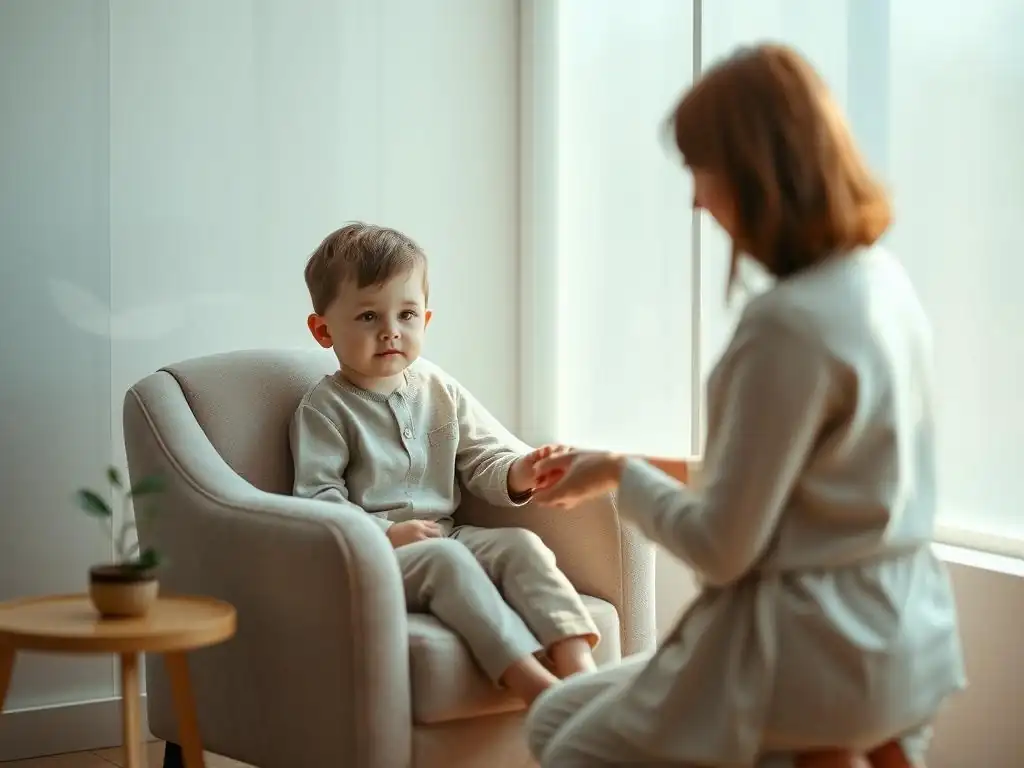
Creating a supportive home environment is paramount for children and families navigating the challenges of pediatric mood disorders. The home should be a place where the child feels safe, understood, and accepted, regardless of their symptoms. This involves open and empathetic communication, where parents validate the child's feelings without minimizing their struggles. Establishing predictable routines for sleep, meals, and activities can provide a sense of stability and security, which is particularly helpful for children with mood dysregulation.
Parents can support their child by educating themselves about the specific mood disorder and the recommended pediatric mood disorder treatment options. Active involvement in the child's treatment, attending therapy sessions, and communicating regularly with clinicians are crucial. Encouraging healthy habits, such as regular exercise, balanced nutrition, and sufficient sleep, within the family structure also contributes to a supportive environment. Importantly, managing parental stress and seeking support for caregivers themselves is vital, as a parent's well-being impacts their ability to support their child effectively.
Working with Schools and Educators to Accommodate Needs
Collaborating with schools and educators is essential for ensuring that children with pediatric mood disorders receive the necessary support and accommodations to succeed academically and socially. Parents should communicate with school counselors, teachers, and administrators about their child's diagnosis and treatment plan, while respecting privacy boundaries. Developing a plan, such as a 504 plan or Individualized Education Program (IEP) in the US (or equivalent in other countries), can formalize accommodations.
Accommodations might include providing a quiet space for the child if they feel overwhelmed, allowing for breaks during the day, adjusting workloads or deadlines during difficult periods, or implementing strategies to address attendance issues. Educating teachers about the specific ways the child's mood disorder might affect their behavior or academic performance can foster understanding and patience. Ensuring the child feels supported at school reduces a significant source of stress and helps them maintain engagement with learning and peer interactions, complementing their pediatric mood disorder treatment options.
Resources and Support Organizations for Families
Families living with pediatric mood disorders are not alone, and numerous resources and support organizations are available to provide information, guidance, and connection. These organizations offer a wealth of knowledge about specific disorders, pediatric mood disorder treatment options, and coping strategies. They can also connect families with local support groups, allowing them to share experiences and receive emotional support from others facing similar challenges.
Examples of types of resources include national mental health advocacy groups focused on children and adolescents, disease-specific foundations (e.g., for depression or bipolar disorder), and local community mental health centers. Many organizations provide educational materials, webinars, and helplines. While specific names cannot be provided here, searching online for "pediatric mood disorder support organizations" or "children's mental health resources [your location]" can yield valuable results. Accessing these resources empowers families with information and reduces feelings of isolation, which are common when navigating mental health challenges.
Future Directions in Research and Treatment of Pediatric Mood Disorders
The Promise of Personalized Medicine in Pediatric Psychiatry
Future directions in the research and treatment of pediatric mood disorders hold the promise of personalized medicine, moving away from a one-size-fits-all approach. As our understanding of the complex biological and environmental factors contributing to these disorders grows, researchers are exploring how to tailor treatment based on an individual child's unique profile. This could involve using genetic information, neuroimaging data, or other biomarkers to predict how a child might respond to specific pediatric mood disorder treatment options, whether that's a particular type of therapy or a specific medication.
For example, research is investigating whether variations in genes related to neurotransmitter pathways can predict response to different antidepressants. Neuroimaging techniques, like fMRI, are being used to identify patterns of brain activity associated with different symptom profiles or treatment responses. The goal is to develop diagnostic tools and treatment algorithms that can more accurately match children to the interventions most likely to be effective for them, minimizing trial and error and improving outcomes. While still largely in the research phase, personalized medicine represents an exciting frontier in the field.
Understanding the Long-Term Impact of Early Intervention
Understanding the long-term impact of early intervention is a critical area of ongoing research in pediatric mood disorders. Given that these conditions often emerge during crucial developmental periods and can have significant negative consequences if left untreated, there is a strong focus on identifying the benefits of prompt and effective pediatric mood disorder treatment options. Researchers are conducting longitudinal studies that follow children diagnosed with mood disorders over many years, tracking their symptoms, functional outcomes (academic, social, occupational), and overall well-being into adulthood.
The hypothesis is that intervening early with evidence-based treatments – such as psychotherapy, medication when appropriate, and family support – can alter the trajectory of the disorder, reducing symptom severity, preventing recurrence, and improving long-term functioning. Early intervention may also mitigate the negative impacts of mood disorders on brain development and social-emotional learning. While more research is needed to fully understand the nuances of long-term outcomes based on different interventions and individual factors, preliminary evidence strongly supports the importance of timely access to care.
Longitudinal Studies Examining the Trajectory of Pediatric Mood Disorders
Longitudinal studies are invaluable research tools for examining the trajectory of pediatric mood disorders over time. These studies involve following cohorts of children diagnosed with mood disorders or those at high risk (e.g., due to family history) for extended periods, sometimes decades. By collecting data points at regular intervals, researchers can observe how symptoms evolve, identify patterns of remission and relapse, track the development of co-occurring conditions, and assess the impact of various life events and interventions on the course of the disorder.
For example, longitudinal studies have helped researchers understand that while some children with early depression may experience remission, a significant percentage are at risk for recurrent episodes later in life or for developing bipolar disorder, particularly if they have a family history of bipolar illness. These studies also provide insights into factors that predict better or worse outcomes, such as the severity of initial symptoms, the presence of comorbidities, family support, and access to effective pediatric mood disorder treatment options.
The findings from longitudinal research are essential for refining diagnostic criteria, improving prognostic predictions, and developing more effective long-term management strategies.
Conclusion: Empowering Children and Families to Thrive
Pediatric mood disorders are serious but treatable conditions affecting the well-being and development of many children and adolescents. Understanding their complex interplay of brain chemistry, genetics, and environmental factors is crucial for accurate diagnosis and effective intervention. While challenges exist in differentiating these conditions from normal developmental fluctuations and managing co-occurring disorders, a comprehensive assessment process utilizing multiple informants and tools can lead to a clear picture.
Fortunately, a range of evidence-based pediatric mood disorder treatment options are available, including various forms of psychotherapy tailored for youth, carefully managed medication when necessary, and supportive complementary strategies. Empowering children and families involves not only providing access to these treatments but also fostering supportive home and school environments, connecting families with valuable resources, and staying hopeful. With appropriate support and effective intervention, children and adolescents living with mood disorders can learn to manage their symptoms, build resilience, and thrive.
Frequently Asked Questions
What are some common symptoms of pediatric mood disorders that parents should be aware of?
Common symptoms include persistent sadness or irritability, significant changes in sleep or appetite, and a loss of interest in activities they once enjoyed. These symptoms must be persistent and impactful on daily life.
How does brain chemistry development play a role in pediatric mood disorders?
Brain chemistry, particularly the development of neurotransmitter systems, is crucial. Imbalances or disruptions during this developmental period can increase vulnerability to mood regulation problems and disorder onset.
What are the main challenges in diagnosing mood disorders in children and adolescents?
Challenges include differentiating normal mood swings from disordered moods, the child's ability to articulate their feelings, and co-occurring conditions that may mask or mimic mood disorder symptoms.
What are the primary pediatric mood disorder treatment options available?
Treatment options typically involve a combination of therapy (e.g., CBT, family therapy) and, in some cases, medication (e.g., antidepressants, mood stabilizers). Early intervention and personalized treatment plans are vital.
Where can parents find reliable resources and support for children diagnosed with a mood disorder?
Organizations like the National Institute of Mental Health (NIMH) and the Child Mind Institute offer valuable information and support. Consulting with a qualified mental health professional is also crucial.
Final Reflection: The Evolving Landscape of Pediatric Mood Disorder Treatment
The understanding and treatment of pediatric mood disorders are rapidly evolving, yet the urgent need for effective interventions remains critically important. Early identification and appropriate care are paramount to preventing long-term consequences and fostering healthy development in young minds. The challenges are significant, but the potential for positive change is immense.
The journey of understanding the intricate interplay between brain chemistry development and mood disorders in children has been profoundly illuminating, yet it underscores the complexity of these conditions. The sheer vulnerability of developing brains, coupled with the unique challenges of diagnosis and treatment in young patients, highlights the need for continued research and improved access to care. The most important thing is to try and inspire people so that they can be great in whatever they do.
- Kobe Bryant. This quote, while seemingly unrelated at first glance, speaks to the importance of nurturing potential and providing the support necessary for children to overcome adversity and thrive.
Consider the implications of this information. You have the power to advocate for better mental health resources for children in your community. You can educate yourself and others about the signs and symptoms of pediatric mood disorders. You can be a voice for those who struggle to find their voice. Let this article be a catalyst for action, prompting you to learn more, to share what you've learned, and to contribute to a future where every child has access to the support they need to flourish.
Unlock Your Child's Brightest Future: Take Action Today!
Thanks for taking the time to learn about the fascinating and often challenging world of pediatric mood disorders. You've gained valuable insights into brain development and the complexities of emotional wellbeing in young people. Now, let's turn those insights into action!
- Prioritize open communication: Start a conversation with your child about their feelings and experiences. Even small steps toward understanding can make a big difference.
- Seek professional guidance: If you have concerns, consider scheduling a consultation with a child psychologist or psychiatrist. Early intervention is key.
- Share this knowledge: Help other parents navigate these crucial issues by sharing this article with friends and family who might benefit from the information.
What simple step can you take today to support your child's emotional health and development?