
The Science of Online Anxiety Therapy: Effectiveness Compared Across Platforms

Welcome to Mind Care Guide, a space dedicated to nurturing your mental well-being.
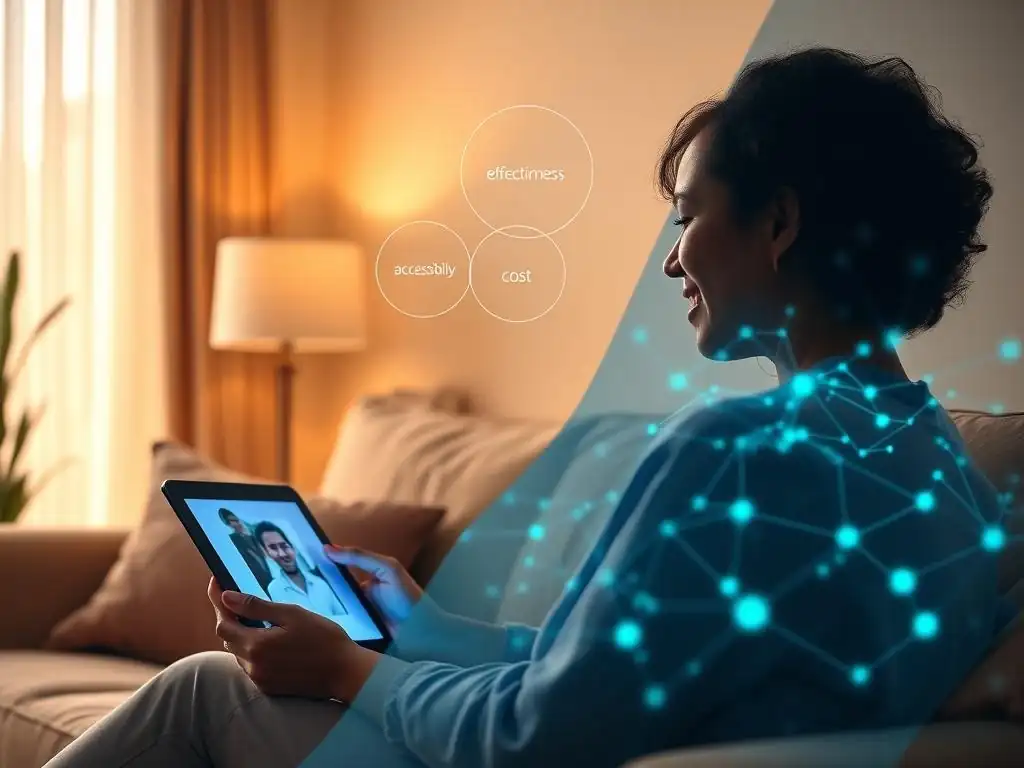
Feeling overwhelmed by anxiety and unsure where to turn? You're not alone. We understand the challenges of finding effective support, especially in today's digital age. That's why we've delved into the crucial question: How effective is online anxiety therapy? Join us as we explore the science behind different platforms in our article: "The Science of Online Anxiety Therapy: Effectiveness Compared Across Platforms." Discover valuable insights that can help you make informed decisions about your mental health journey and find the right path towards a calmer, more balanced you. Your well-being matters, and we're here to guide you.
The Science of Online Anxiety Therapy: Effectiveness Compared Across Platforms
- Understanding Online Therapy for Anxiety: A Scientific Perspective
- Online Anxiety Therapy Effectiveness: A Deep Dive
- Factors Influencing Online Anxiety Therapy Success
- Platform-Specific Effectiveness: Real-World Examples
- Case Studies: Real Results with Online Anxiety Therapy
- Maximizing the Benefits of Online Anxiety Therapy
- Investing in Mental Health: Costs and Insurance Coverage
- The Future of Online Anxiety Treatment: Innovations
- Conclusion: Making Informed Decisions
-
Frequently Asked Questions
- How effective is online anxiety therapy compared to traditional in-person therapy?
- What factors contribute to the effectiveness of online anxiety therapy?
- Which online platforms are considered most effective for anxiety therapy?
- Are there any drawbacks to using online anxiety therapy?
- How can I determine if online anxiety therapy is right for me?
- Final Reflection: Navigating the Digital Landscape of Anxiety Relief
- Unlock Your Anxiety Relief Journey Today
Understanding Online Therapy for Anxiety: A Scientific Perspective
What is Online Anxiety Therapy?
Online anxiety therapy, also known as teletherapy or telemental health for anxiety, involves receiving professional mental health support and treatment for anxiety disorders through digital communication channels. This can include live video sessions, phone calls, text-based messaging, or a combination of these modalities, connecting individuals with licensed therapists, counselors, or psychologists remotely. The goal is to provide accessible and effective interventions for conditions such as Generalized Anxiety Disorder (GAD), Social Anxiety Disorder, Panic Disorder, specific phobias, and Obsessive-Compulsive Disorder (OCD).
This form of therapy utilizes many of the same evidence-based therapeutic approaches employed in traditional in-person settings, such as Cognitive Behavioral Therapy ( CBT), Dialectical Behavior Therapy ( DBT), Acceptance and Commitment Therapy ( ACT), and psychodynamic therapy. The delivery method is the primary difference, leveraging technology to bridge geographical gaps, reduce travel time, and potentially increase appointment flexibility. The scientific basis for its effectiveness lies in the adaptation and application of these proven therapeutic techniques to a digital format, aiming to achieve similar positive outcomes in managing anxiety symptoms and improving overall well-being.
Accessibility of Anxiety Treatment: The Role of Online Platforms
Online platforms play a crucial role in enhancing the accessibility of anxiety treatment for a wide range of individuals. For those living in rural or underserved areas with limited access to mental health professionals, online therapy removes geographical barriers entirely. It also provides a solution for individuals with mobility issues, chronic illnesses, or severe anxiety (like agoraphobia) that make leaving home challenging. The convenience of scheduling sessions from one's own environment can significantly reduce the logistical hurdles often associated with traditional therapy.
Furthermore, online platforms can offer greater flexibility in scheduling appointments, with some services providing 24/7 access to messaging features or appointments available outside standard business hours. This flexibility is particularly beneficial for individuals with demanding work schedules or childcare responsibilities. While not a panacea, the rise of online therapy services has demonstrably increased the potential reach of mental health support, making it easier for many people to initiate and maintain consistent treatment for their anxiety, contributing positively to the overall online anxiety therapy effectiveness comparison.
Online Anxiety Therapy Effectiveness: A Deep Dive
Online vs. In-Person Anxiety Treatment Efficacy
A significant body of research has emerged comparing the efficacy of online anxiety therapy with traditional in-person treatment. Numerous studies suggest that for many common anxiety disorders, online therapy can be just as effective as face-to-face sessions. For instance, a meta-analysis published in the Journal of Anxiety Disorders examining multiple studies found comparable reductions in anxiety symptoms for individuals receiving therapy online versus in person. This suggests that the core therapeutic relationship and the application of evidence-based techniques are strong predictors of outcome, regardless of the delivery method.
While overall efficacy appears similar for many, individual responses can vary. Some individuals may thrive in the comfort and convenience of online sessions, while others might find the lack of physical presence hinders the development of a strong therapeutic alliance. Factors like the severity of the anxiety, the specific disorder, and individual preferences can influence which modality is most suitable. However, the general consensus from research supports online therapy as a valid and effective alternative or supplement to traditional care for managing anxiety symptoms.
Research Studies on Online Anxiety Therapy Outcomes
Numerous research studies have investigated the outcomes of online anxiety therapy across different populations and platforms, contributing valuable data to the online anxiety therapy effectiveness comparison. A study involving individuals with GAD reported that participants receiving CBT via video conferencing experienced significant reductions in worry and anxiety symptoms, comparable to those in traditional settings. Another study focusing on panic disorder found that internet-delivered CBT led to sustained improvements in panic attack frequency and severity over a follow-up period of several months.
Specific platforms have also been the subject of research or have published aggregated data from their users. For example, one internal analysis from a major platform reported that a high percentage of users seeking help for anxiety experienced a clinically significant reduction in symptoms after a certain number of sessions, often within 8-12 weeks. While platform-specific studies can sometimes be proprietary or require careful interpretation, the cumulative evidence across independent academic research strongly supports the positive outcomes achievable through various forms of online anxiety therapy.
Factors Influencing Online Anxiety Therapy Success
Therapist Qualifications and Platform Choice
The qualifications and experience of the therapist are paramount to the success of online anxiety therapy, just as they are in traditional settings. Effective platforms prioritize working with licensed and credentialed mental health professionals who have specific training and experience in treating anxiety disorders. A therapist's expertise in evidence-based modalities like CBT, ACT, or exposure therapy, tailored for online delivery, can significantly impact treatment outcomes. It's crucial for individuals to feel confident in their therapist's ability to understand and address their specific anxiety challenges.
Choosing the right platform also plays a vital role. Different platforms have varying therapist vetting processes, matching algorithms, and therapeutic approaches emphasized. Some platforms may specialize in certain areas or offer specific types of therapy. When conducting an online anxiety therapy effectiveness comparison, it's important to consider how a platform facilitates finding a therapist whose qualifications and therapeutic style align with your needs and preferences. A good match can foster a stronger therapeutic alliance, which is a key predictor of successful therapy outcomes.
Therapeutic Approaches: CBT, ACT, and More
The effectiveness of online anxiety therapy is heavily reliant on the therapeutic approach utilized. Cognitive Behavioral Therapy ( CBT) is one of the most widely used and researched modalities for anxiety disorders, and its principles translate well to an online format. CBT helps individuals identify and challenge negative thought patterns and behaviors that contribute to anxiety. Online CBT programs, whether delivered via live sessions or self-guided modules, have shown significant success in reducing symptoms across various anxiety types.
Other approaches also contribute to the online anxiety therapy effectiveness comparison. Acceptance and Commitment Therapy ( ACT) focuses on accepting difficult thoughts and feelings while committing to actions aligned with personal values. Mindfulness-based techniques, often integrated into DBT or standalone programs, teach skills for managing overwhelming emotions and reducing reactivity to anxious thoughts. Many online platforms offer therapists trained in these diverse methods, allowing individuals to find an approach that resonates with them and is backed by evidence for treating their specific anxiety concerns.
Platform Features and User Engagement
Beyond the therapist and therapeutic approach, the technical features and user interface of an online therapy platform can influence engagement and, consequently, effectiveness. Platforms offering a stable, secure video connection are essential for facilitating live sessions without technical disruptions. Features like secure messaging between sessions, digital worksheets, progress tracking tools, and access to supplementary resources (like articles or videos on anxiety management) can enhance the therapeutic process and help individuals practice skills learned in therapy.
User engagement is critical for achieving positive outcomes. A platform that is intuitive, easy to navigate, and reliable is more likely to keep users motivated and consistent with their treatment. Features that encourage interaction, provide reminders for sessions or homework, and offer a sense of community or support can all contribute to higher engagement levels. When evaluating the online anxiety therapy effectiveness comparison, considering how a platform's design and features support consistent participation and skill-building is just as important as the therapy itself.
Platform-Specific Effectiveness: Real-World Examples

BetterHelp for Anxiety: User Reviews and Studies
BetterHelp, one of the largest online therapy platforms, serves a vast number of users seeking help for anxiety. While specific, large-scale independent studies on BetterHelp's overall effectiveness are not widely published in peer-reviewed journals, aggregated internal data and numerous user reviews provide insights into the online anxiety therapy effectiveness comparison for this platform. Many users report positive experiences, noting the convenience and accessibility of connecting with a therapist. Reviews frequently highlight improvements in managing daily anxiety, reduced panic attacks, and better coping strategies after using the service consistently.
Anecdotal evidence from user testimonials often points to the platform's ability to quickly match individuals with therapists, reducing wait times compared to traditional therapy. While these are not rigorous scientific studies, the sheer volume of positive feedback suggests that for a significant portion of users, BetterHelp provides a valuable and effective pathway to managing anxiety symptoms. Some reports indicate that a high percentage of users surveyed felt BetterHelp was helpful or very helpful for their mental health needs, including anxiety.
Talkspace for Anxiety: Case Studies
Talkspace is another prominent online therapy platform that utilizes messaging, live chat, phone, and video sessions. While comprehensive, independent research on Talkspace's specific effectiveness is still developing, the platform has published internal reports and case studies illustrating potential outcomes. One reported case study involved a user with GAD who showed a significant reduction in anxiety scores (measured by standardized assessments like the GAD-7) over several weeks of therapy using a combination of messaging and live sessions. This individual reported feeling more equipped to handle daily stressors and a decrease in excessive worry.
Another illustrative case involved a young adult with social anxiety who used Talkspace's text-based therapy primarily. Over three months, this user gradually increased social interactions and reported less fear of judgment, attributing the progress to the therapist's guidance on challenging negative self-talk and practicing exposure techniques via journaling and planning social outings. These examples, while not representative of all users, provide specific instances where Talkspace facilitated positive outcomes in managing anxiety, contributing to the broader online anxiety therapy effectiveness comparison narrative.
Amwell for Anxiety: Examining Success Rates
Amwell, known for its broader telehealth services, also offers mental health therapy, including treatment for anxiety. Research specifically focused on Amwell's mental health outcomes is somewhat less publicly available compared to platforms solely dedicated to therapy. However, as a platform connecting users with licensed therapists who often employ evidence-based practices like CBT, its potential for effectiveness in treating anxiety aligns with the general findings on teletherapy. Success rates on platforms like Amwell are often tied to the user's adherence to the treatment plan and the therapist's expertise.
Data from broader telehealth studies, which would include services like Amwell, often shows that patients report high satisfaction rates with teletherapy for mental health conditions, citing convenience and access. While precise, publicly available success rate percentages specifically for anxiety treatment on Amwell are challenging to pinpoint, the platform's model of connecting users with qualified professionals via video is consistent with the delivery methods shown to be effective in numerous studies on online anxiety therapy outcomes.
Brightside Health Analysis: Benefits, Drawbacks, and User Satisfaction
Brightside Health takes a slightly different approach, often combining therapy with psychiatric medication management, making it particularly relevant for individuals with moderate to severe anxiety or co-occurring depression. Their model aims to provide a comprehensive treatment plan. Brightside reports impressive outcomes internally; for example, they claim a high percentage of their members experience clinically significant improvement in anxiety symptoms, often citing figures around 70-80% improvement rates based on standardized assessments within a few months.
Benefits highlighted by users and the platform include the integrated care model, combining therapy and medication under one service. This can streamline treatment for those who need both. Potential drawbacks might include the focus primarily on CBT and medication, which may not be suitable for everyone, and the subscription cost. User satisfaction reviews often praise the ease of access to both therapists and prescribers, though experiences can vary depending on the individual provider match, contributing a unique data point to the online anxiety therapy effectiveness comparison, especially for integrated care models.
Case Studies: Real Results with Online Anxiety Therapy
- Individual Profile: Sarah, a 28-year-old marketing professional who struggled with severe social anxiety, avoiding work events and social gatherings. Her anxiety scores on the Social Interaction Anxiety Scale (SIAS) were consistently high, around 60 out of 80.
- Treatment: Sarah enrolled in online therapy using a platform that offered video sessions and secure messaging. She was matched with a therapist specializing in
CBTfor social anxiety. Over 12 weekly video sessions, the therapist guided Sarah through identifying her fear-based thoughts (e.g., "Everyone will judge me"), challenging these thoughts, and practicing gradual exposure techniques (e.g., starting with ordering coffee confidently, then participating in small group video calls). Messaging was used for homework assignments and checking in between sessions. - Outcome: After 12 sessions, Sarah's SIAS score dropped to 25, indicating a significant reduction in social anxiety. She reported feeling more confident in social situations, attended a work happy hour, and even initiated conversations with colleagues. She continued with monthly maintenance sessions for a few months before feeling equipped to manage her anxiety independently. This case illustrates the potential of online
CBTfor targeted anxiety disorders, providing a specific example for the online anxiety therapy effectiveness comparison.
Case Study 2: Managing Panic Disorder with Online Mindfulness Techniques
- Individual Profile: David, a 45-year-old graphic designer experiencing frequent panic attacks (averaging 3-4 per week) that were impacting his ability to work and leave his home comfortably. He often feared losing control or having a heart attack during episodes.
- Treatment: David opted for online therapy on a platform offering therapists trained in mindfulness-based approaches. Over 10 sessions via video and phone calls, his therapist taught him techniques for recognizing physical sensations without catastrophic interpretation, deep breathing exercises, and mindfulness meditation practices. They also discussed lifestyle factors contributing to stress. The platform's app provided guided meditations David could use daily.
- Outcome: Within 8 weeks, David's panic attacks reduced dramatically to less than one per week. He reported feeling more present and less reactive to initial physical symptoms. While he still experienced occasional anxiety, he felt he had the tools to manage it effectively. His reliance on emergency anti-anxiety medication decreased significantly. This case highlights how non-
CBTmodalities delivered online can be highly effective for specific anxiety presentations like panic disorder, adding depth to the online anxiety therapy effectiveness comparison.
Case Study 3: Reducing Generalized Anxiety with Online Medication Management
- Individual Profile: Emily, a 35-year-old teacher struggling with chronic, excessive worry about various aspects of her life (health, finances, family) for several years. Her GAD-7 score was consistently in the severe range (18 out of 21). She felt overwhelmed and had difficulty concentrating.
- Treatment: Emily chose a platform offering integrated therapy and psychiatry. She had weekly video therapy sessions focused on identifying worry triggers and developing coping strategies. Simultaneously, she met with a psychiatric provider via video who prescribed an SSRI medication to help manage her underlying anxiety neurochemistry. The platform facilitated communication between her therapist and prescriber.
- Outcome: After 4 months of combined treatment, Emily's GAD-7 score dropped to 8, moving from severe to moderate anxiety. She reported feeling a significant reduction in the intensity and frequency of her worries. The medication helped regulate her mood and physical anxiety symptoms, while therapy provided tools to challenge persistent anxious thoughts and build resilience. This case demonstrates the potential benefits of an integrated online approach, offering a nuanced perspective on the online anxiety therapy effectiveness comparison when medication is also a component of treatment.
Maximizing the Benefits of Online Anxiety Therapy
Choosing the Right Platform and Therapist
Selecting the appropriate online platform is a critical first step in maximizing the benefits of online anxiety therapy. Consider your specific needs: Do you prefer live video, messaging, or phone calls? Are you looking for a specific therapeutic approach ( CBT, ACT, etc.)? Do you need integrated psychiatric care? Research platforms based on available therapist credentials, pricing models, and user reviews. Utilize free consultations or trial periods if available.
Equally important is finding a therapist with whom you feel a strong connection and who has experience treating your specific type of anxiety. Most platforms allow you to switch therapists if the initial match isn't right. Don't hesitate to request a different therapist if you don't feel understood or if their approach doesn't seem effective for you. A good therapeutic alliance is strongly correlated with positive outcomes, making this choice central to the online anxiety therapy effectiveness comparison for an individual.
Setting Realistic Goals for Online Treatment
Approaching online anxiety therapy with realistic expectations is key to success. Therapy is a process that takes time and effort. Define what you hope to achieve – perhaps reducing panic attacks by a certain percentage, being able to attend social events, or managing daily worries more effectively. Discuss these goals with your therapist in the initial sessions to ensure they are aligned and measurable.
Understand that progress may not be linear; there might be ups and downs. Celebrate small victories along the way. Having clear, achievable goals helps you and your therapist track progress and stay motivated. This focused approach contributes significantly to the overall online anxiety therapy effectiveness comparison for your personal journey.
Actively Participating in Therapy
Passive attendance in online therapy sessions is unlikely to yield significant results. Active participation involves engaging fully during sessions, being open and honest with your therapist, and diligently completing any homework or practice exercises assigned between sessions. This might include journaling, practicing relaxation techniques, challenging negative thoughts, or engaging in behavioral experiments.
Think of therapy as a collaborative effort. Your therapist provides guidance and tools, but you are the one who must apply them in your daily life. The more you invest in the process, the greater the potential for positive change. Active engagement is a powerful predictor of successful outcomes in any form of therapy, including online anxiety therapy.
Combining Online Therapy with Self-Care
Integrating self-care practices into your routine can significantly amplify the benefits of online anxiety therapy. Therapy helps you develop coping skills and gain insight, while self-care supports your overall mental and physical well-being. This might include:
- Regular exercise (even a short walk)
- Sufficient sleep (aiming for 7-9 hours per night)
- Mindful eating and nutrition
- Practicing relaxation techniques (meditation, deep breathing)
- Engaging in hobbies and enjoyable activities
- Maintaining social connections
| Self-Care Activity | Benefit for Anxiety |
|---|---|
| Daily walks | Reduces stress hormones, improves mood |
| Mindfulness meditation | Increases self-awareness, reduces reactivity |
| Journaling | Helps process thoughts and feelings |
| Limiting caffeine/alcohol | Minimizes physical symptoms of anxiety |
| Spending time in nature | Promotes relaxation and reduces rumination |
Combining these practices with online therapy creates a holistic approach to managing anxiety, enhancing the online anxiety therapy effectiveness comparison for individuals who commit to this integrated strategy.
Investing in Mental Health: Costs and Insurance Coverage
Understanding Pricing Models
Online anxiety therapy platforms utilize various pricing models, which can impact accessibility and long-term cost-effectiveness. Common models include:
- Subscription Plans: Many platforms offer weekly or monthly subscriptions that cover a certain number of live sessions, unlimited messaging, or a combination. Costs vary significantly based on the plan tier and the platform, ranging roughly from $60 to $90 per week or $240 to $360 per month.
- Pay-Per-Session: Some platforms allow you to pay for individual live video or phone sessions. The cost per session can range from $100 to $250 or more, depending on the therapist's qualifications and location.
- Bundled Services: Platforms offering integrated therapy and medication management (like Brightside) may have different tiers covering both services, potentially costing more than therapy alone but offering convenience.
Understanding these models helps you budget and compare the potential investment required when considering the online anxiety therapy effectiveness comparison relative to cost.
Exploring Insurance Options
Insurance coverage for online anxiety therapy is becoming increasingly common, but it's not universal and varies significantly by provider and plan. Many major insurance companies now offer some level of coverage for telehealth services, including mental health. However, coverage details can depend on:
- Your specific insurance plan's telehealth benefits.
- Whether the online platform is considered in-network or out-of-network for your plan.
- The type of service provided (e.g., live video sessions are more likely to be covered than asynchronous messaging).
- The state you reside in, due to varying telehealth parity laws.
Before committing to a platform, it is crucial to verify your insurance benefits. Some platforms work directly with insurers, others provide superbills for reimbursement, and some do not accept insurance at all. Contacting your insurance provider directly or checking the platform's website for insurance details is essential for understanding potential out-of-pocket costs.
Cost-Effectiveness of Online Anxiety Therapy
When conducting an online anxiety therapy effectiveness comparison, it's also valuable to consider the cost-effectiveness relative to traditional therapy. While the per-session cost for online therapy can sometimes be comparable to or slightly less than in-person therapy, the overall cost-effectiveness can be higher due to several factors:
- Reduced Indirect Costs: Eliminates travel time, transportation costs (gas, public transport, parking), and potential time off work for commuting.
- Flexible Scheduling: May reduce the need for childcare costs if sessions can be scheduled during convenient times at home.
- Potential for Shorter Treatment Duration: For some individuals, the convenience and consistency of online therapy may lead to more consistent engagement and potentially faster progress, although this varies greatly.
- Access to More Affordable Therapists: Online platforms can connect you with therapists in areas with lower costs of living, potentially offering lower rates than therapists in expensive urban centers, even if they are out-of-network.
While the sticker price of a subscription might seem high initially, evaluating the total cost of therapy, including these indirect factors, often positions online therapy as a cost-effective option for managing anxiety for many individuals.
The Future of Online Anxiety Treatment: Innovations
AI-Powered Therapy: Benefits and Considerations
The future of online anxiety treatment is rapidly evolving, with Artificial Intelligence (AI) playing an increasing role. AI can power chatbots or virtual assistants that provide immediate support, deliver automated CBT-based exercises, track mood and symptom patterns, and offer personalized recommendations for resources. Some AI tools are designed for self-guided use, while others act as supplements to human therapy.
Benefits include 24/7 availability, scalability, and potentially lower costs. AI can also analyze vast amounts of data to identify patterns that might inform treatment approaches. However, considerations include the lack of human empathy and nuanced understanding, privacy concerns regarding data, and the inability of AI to handle complex crises. While AI is unlikely to fully replace human therapists for anxiety treatment in the near future, it holds promise as a valuable tool to augment care and improve access, influencing the long-term online anxiety therapy effectiveness comparison.
Virtual Reality (VR) Therapy for Anxiety
Virtual Reality (VR) is emerging as a powerful tool, particularly for treating phobias and anxiety related to specific situations (e.g., fear of flying, public speaking, social situations). VR allows individuals to experience controlled, immersive simulations of anxiety-provoking scenarios in a safe environment under the guidance of a therapist. This acts as a form of exposure therapy, helping individuals confront their fears and learn coping mechanisms.
VR therapy can be delivered in a therapist's office or potentially integrated into online therapy platforms for home use with affordable VR headsets. The benefit is the ability to create realistic yet controlled environments that might be difficult or impossible to replicate in traditional settings. Research shows promising results for VR in treating specific anxieties, suggesting it could become a significant component of future online anxiety treatment options, further enhancing the online anxiety therapy effectiveness comparison for certain conditions.
Wearable Technology for Anxiety Monitoring
Wearable technologies, such as smartwatches and fitness trackers, are beginning to offer features relevant to anxiety management. These devices can monitor physiological indicators like heart rate, heart rate variability (HRV), sleep patterns, and activity levels, which can be correlated with stress and anxiety. Some wearables offer biofeedback exercises or guided breathing exercises integrated into the device.
While not a treatment in themselves, these tools can provide valuable data for both the individual and their online therapist, helping to identify triggers, track the impact of coping strategies, and monitor overall well-being. The integration of wearable data into online therapy platforms could offer a more objective layer of information, complementing self-report and enhancing the personalized nature of treatment, contributing to a more data-driven online anxiety therapy effectiveness comparison in the future.
Conclusion: Making Informed Decisions
Recap of Key Findings
This exploration into the science of online anxiety therapy reveals several key findings crucial for making informed decisions. Research indicates that online therapy, particularly using evidence-based methods like CBT, can be as effective as in-person therapy for many common anxiety disorders. Factors like therapist qualifications, the specific therapeutic approach, and platform features significantly influence outcomes. While platform-specific data varies and requires careful interpretation, real-world examples and case studies demonstrate positive results across different services like BetterHelp, Talkspace, Amwell, and Brightside Health.
Maximizing benefits involves actively choosing the right fit, setting realistic goals, engaging fully in the process, and integrating self-care. Understanding the diverse pricing models and exploring insurance coverage are essential financial considerations. The field is also seeing exciting innovations in AI, VR, and wearable tech that promise to further enhance online anxiety treatment options in the future. The overall online anxiety therapy effectiveness comparison depends heavily on these interconnected elements and the individual's commitment to the process.
Recommendations for Accessible Anxiety Treatment
Based on the evidence, online anxiety therapy stands out as a highly accessible and often effective option for individuals seeking help. For those facing geographical barriers, mobility issues, or time constraints, online platforms offer a viable pathway to care. It is recommended to:
- Research platforms thoroughly, considering their therapeutic approaches, therapist credentials, and pricing structures.
- Prioritize platforms that employ licensed professionals experienced in treating anxiety disorders.
- Verify insurance coverage or explore platforms offering sliding scales or affordable subscription models if cost is a concern.
- Be prepared to try a different therapist or platform if the initial match isn't suitable.
Accessibility is not just about convenience; it's about ensuring that individuals who need support can actually receive it. Online therapy significantly lowers many of the traditional barriers to accessing mental health care for anxiety.
Importance of Evidence-Based Practices
Regardless of whether therapy is delivered online or in person, the importance of utilizing evidence-based practices cannot be overstated. Therapies like CBT, ACT, and exposure therapy have been rigorously studied and proven effective for treating anxiety disorders. When choosing an online platform or therapist, inquire about their commitment to these scientifically validated approaches.
While innovative methods like VR and AI show promise, they should ideally be used within a framework guided by established therapeutic principles or as supplementary tools to human-led evidence-based therapy. Focusing on treatments with a strong research foundation is the most reliable way to ensure that your investment in online anxiety therapy leads to meaningful and lasting improvements in your well-being. The strength of the online anxiety therapy effectiveness comparison ultimately rests on the quality of the therapeutic intervention provided, regardless of the digital medium.
Frequently Asked Questions
How effective is online anxiety therapy compared to traditional in-person therapy?
Studies suggest that online anxiety therapy can be just as effective as traditional therapy for many individuals. The effectiveness often depends on the individual's needs and the specific platform's features.
What factors contribute to the effectiveness of online anxiety therapy?
Several factors play a role, including the therapist's qualifications and experience, the chosen therapy modality (e.g., CBT), and the individual's engagement with the therapy process.
Which online platforms are considered most effective for anxiety therapy?
The "Mind Care Guide" website offers a comparison of various platforms, but generally, platforms offering licensed therapists, secure communication, and evidence-based therapies are considered more effective. It's always best to research the platform's credentials.
Are there any drawbacks to using online anxiety therapy?
Potential drawbacks include technical issues, lack of in-person connection, and the need for a private and quiet space for therapy sessions.
How can I determine if online anxiety therapy is right for me?
Consider your personal preferences, technical skills, and the severity of your anxiety. "Mind Care Guide" offers resources to help you assess your needs and explore different therapy options.
The accessibility of online anxiety therapy is revolutionizing mental healthcare, offering a lifeline to countless individuals struggling in silence. However, the sheer variety of platforms and approaches available necessitates a critical evaluation of their effectiveness, as highlighted throughout this article. Understanding the nuances of different online therapeutic modalities is crucial for ensuring individuals receive the best possible care and achieve meaningful relief from their anxiety.
The impact of readily available online therapy is profound, reshaping our understanding of mental health access and treatment. It's no longer a question of if technology can play a role, but how we can optimize its use to maximize positive outcomes. The ongoing evolution of this field underscores the importance of continuous research and informed decision-making. The greatest discovery of all time is that a person can change his future by merely changing his attitude.
- Oprah Winfrey. This quote resonates deeply, as the shift towards online therapy empowers individuals to actively participate in their own healing journey, fostering a sense of agency and control.
Consider the implications of this research for your own well-being. Are you, or someone you know, grappling with anxiety? This article serves as a starting point – a guide to navigate the complex world of online therapeutic options. Take the time to research different platforms, consider your personal needs and preferences, and don't hesitate to seek professional guidance in finding the right fit. Your mental health is paramount, and the journey towards a calmer, more fulfilling life begins with a single, informed step.
Here's a Call to Action (CTA) for an article on "The Science of Online Anxiety Therapy: Effectiveness Compared Across Platforms" on MindCareGuide.org:
Unlock Your Anxiety Relief Journey Today
Thank you for exploring the science behind online anxiety therapy with us! We hope you gained valuable insights into the different platforms and their effectiveness. Now it’s time to take the next step towards a calmer, more confident you.
- Prioritize your mental well-being: Identify the online therapy platform that best suits your needs and preferences based on the information provided. Research the specific therapists and their approaches before committing.
- Reach out to a trusted friend or family member to share your plan and gain support. This can create an added layer of accountability and encourage you on your journey.
- Share this article with someone who might benefit from learning about the various options for online anxiety treatment. Let's spread awareness and help others find the support they need.
Ready to take control of your anxiety? What’s the first step you’ll take to find the right online anxiety therapy platform for you?