
Herbal Remedies and Folk Medicine: Ancient Wisdom for Medieval Mental Health

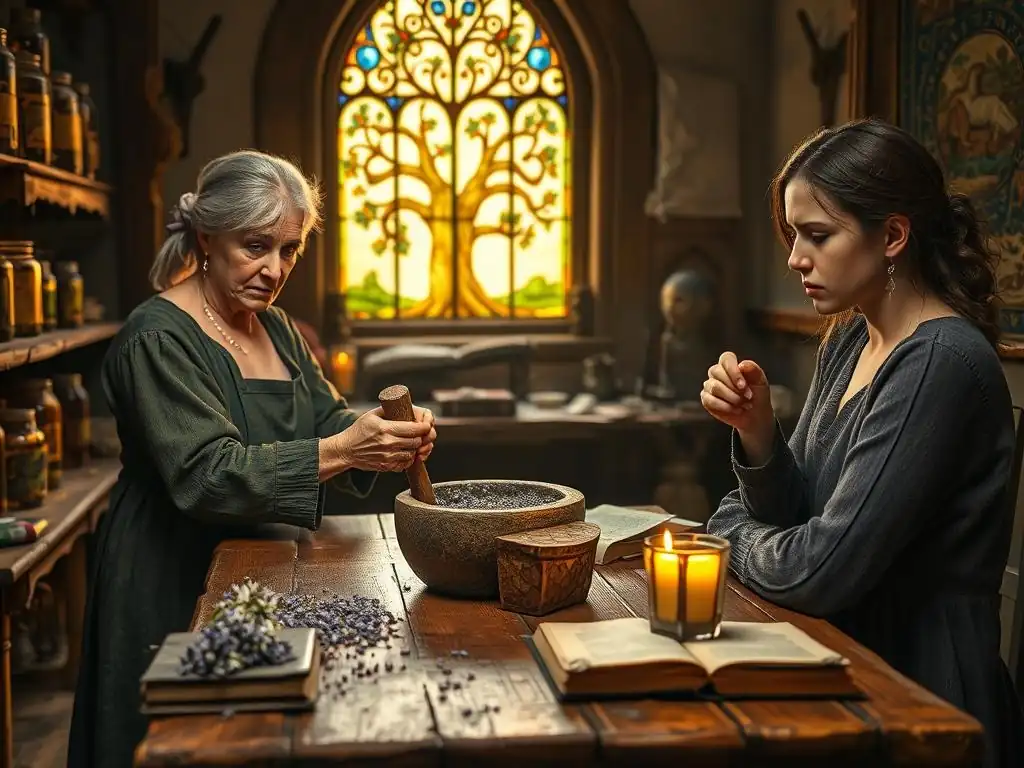
Welcome to Mind Care Guide, a sanctuary dedicated to your well-being.
Feeling overwhelmed or simply seeking a more natural path to mental clarity? You're not alone. For centuries, people have turned to the earth for solace and healing. Delve into our article, "Herbal Remedies and Folk Medicine: Ancient Wisdom for Medieval Mental Health," and discover how ancient practices, using herbal remedies for mental health support, offered a lifeline in times gone by. Could these forgotten traditions hold keys to our own modern challenges? Begin your exploration and unlock the potential of nature's gentle power.
- Herbal Remedies and Folk Medicine: Ancient Wisdom for Medieval Mental Health | Mind Care Guide
- Common Medieval Mental Health Challenges and Traditional Responses
- Key Herbal Remedies Used for Mental Wellness in Medieval Times
- The Role of Folk Medicine Practitioners in Medieval Mental Health
- Benefits and Limitations of Herbal Remedies for Mental Health
- Comparing Medieval Herbal Practices to Modern Mental Health Treatments
- How to Approach Herbal Remedies Safely and Responsibly Today
- Conclusion: Reconnecting with Ancient Wisdom for Modern Mental Well-being
-
Frequently Asked Questions
- How effective are herbal remedies for mental health compared to modern medications?
- What are some of the most commonly used herbal remedies for mental health support?
- Are there any risks associated with using herbal remedies for mental health?
- Where can I find reliable information about using herbal remedies for mental health?
- Can herbal remedies replace professional mental health support?
- Final Reflection: Harvesting Hope: Ancient Wisdom for Modern Wellbeing
- Unlock Your Inner Healer: Discover the Power of Herbal Wisdom
Herbal Remedies and Folk Medicine: Ancient Wisdom for Medieval Mental Health | Mind Care Guide
The Historical Context: Mental Health in the Middle Ages
Understanding mental health in the Middle Ages requires acknowledging a vastly different worldview compared to today. Medieval society often interpreted psychological distress through lenses of spirituality, morality, and physical imbalance. While the term "mental health" as we understand it didn't exist, conditions we might recognize as depression, anxiety, or psychosis were certainly present, though often described using terms like "melancholy," "frenzy," or "lunacy." Treatment approaches were a complex blend of religious rites, physical interventions like bloodletting or purging, and, significantly, the use of natural substances derived from plants – a foundation for herbal remedies mental health support.
Life during the Middle Ages was fraught with challenges that could profoundly impact psychological well-being: famine, plague, war, and harsh living conditions were common. Without modern understanding of neuroscience or pharmacology, people turned to available resources: faith, community, and the natural world. Monasteries sometimes offered refuge and care, while folk healers in villages relied on generations of accumulated knowledge about the properties of herbs. This reliance on readily available plants formed the backbone of medieval herbal remedies mental health support, offering one of the few accessible avenues for attempting to alleviate psychological suffering.
Unveiling the Link Between Nature and Nurture: Herbal Support for Psychological Distress
The medieval understanding of the link between nature and psychological well-being was deeply intuitive, though often framed within the humoral theory. This theory, inherited from ancient Greece and Rome, proposed that the body was governed by four humors: blood, yellow bile, black bile, and phlegm. Imbalances in these humors were believed to cause various ailments, including those affecting the mind.
Plants were categorized by their perceived "hot," "cold," "wet," or "dry" properties and used to restore humoral balance, thereby treating conditions like melancholy (associated with excess black bile) or frenzy (often linked to excess yellow bile). This framework provided a rational basis, within their understanding, for utilizing herbal remedies mental health support.
Beyond the humoral theory, there was a practical understanding that certain plants had observable effects on mood, sleep, and nervous tension. Medieval herbals, like the Bald's Leechbook from 10th-century England or the works of Hildegard of Bingen in the 12th century, documented extensive uses of plants for various ailments, including those impacting the mind.
These texts, often compiled by monks or learned individuals, represent a significant body of knowledge regarding medieval herbal remedies mental health support, detailing preparations like poultices, infusions, decoctions, and even aromatic uses. The effectiveness, while not measured by clinical trials, was based on empirical observation passed down through generations.
Common Medieval Mental Health Challenges and Traditional Responses
Anxiety and Melancholy: Understanding Medieval Mental Health Concerns
Anxiety and melancholy were two of the most commonly recognized and discussed mental health conditions in the Middle Ages, though their definitions differed from modern psychiatric diagnoses. Melancholy, in particular, was a broad term encompassing states that might today be diagnosed as depression, chronic fatigue syndrome, or even certain forms of psychosis. It was often characterized by sadness, lethargy, fearfulness, and sometimes irrational thoughts or visions.
Medieval physicians and scholars debated its causes, attributing it variously to humoral imbalance (specifically an excess of black bile), spiritual failings like sloth (acedia), or even external influences like planetary alignment. Herbal remedies mental health support for melancholy often focused on warming and drying herbs thought to counter the cold and dry nature of black bile.
Anxiety, or "fear" and "dread" as it might have been described, was also recognized, particularly in response to the pervasive uncertainties of life. Symptoms like restlessness, palpitations, and disturbed sleep were noted. While not always categorized as a distinct illness like melancholy, these states were addressed. Responses included prayer, confession, changes in diet, and, crucially, the use of calming herbs. The goal of herbal remedies mental health support for these conditions was often to soothe the nervous system, promote relaxation, and restore a sense of equilibrium, whether through physical means (balancing humors) or perceived spiritual or energetic effects.
Folk Beliefs Surrounding Mental Ailments: Beliefs about Demonic Possession and Imbalance of Humors
Folk beliefs played a significant role in the understanding and treatment of mental ailments, often existing alongside or intertwined with more scholarly medical theories. One prominent belief was that severe mental disturbance, particularly marked by bizarre behavior, fits, or altered consciousness, could be caused by demonic possession or the influence of evil spirits.
Exorcism rituals, prayers, and the use of objects believed to ward off evil were common responses in such cases. While not strictly herbal remedies mental health support, certain herbs were sometimes incorporated into these rituals for their symbolic protective properties or strong aromas thought to repel spirits.
Simultaneously, the humoral theory was deeply ingrained in both scholarly medicine and folk practice. An imbalance of the four humors was a widely accepted explanation for physical and mental illness. For example, an excess of phlegm could be blamed for dullness or apathy, while too much yellow bile might cause irritability or mania.
Folk healers, often less concerned with strict classical definitions, would use their knowledge of local plants to create remedies intended to purge excess humors or restore balance. This dual perspective – spiritual/demonic and physical/humoral – meant that medieval herbal remedies mental health support was often part of a multifaceted approach that included spiritual interventions, dietary changes, and lifestyle advice.
Key Herbal Remedies Used for Mental Wellness in Medieval Times
St. John's Wort: A Medieval Remedy for Melancholy and Depression
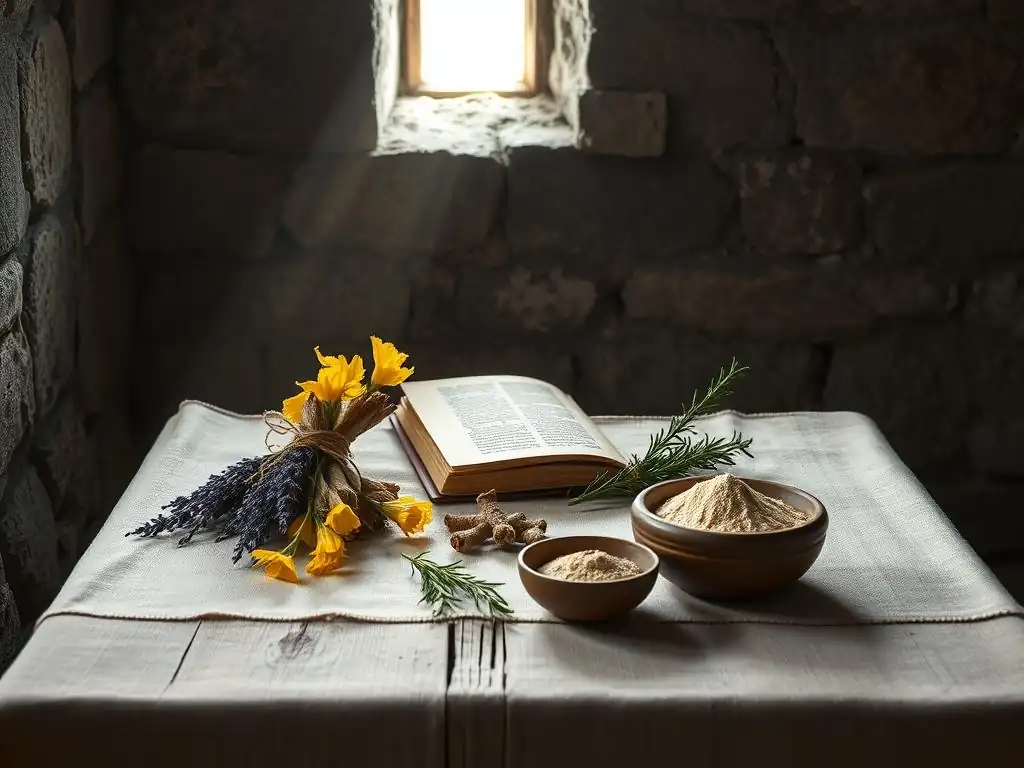
St. John's Wort ( Hypericum perforatum) has a long history of use in folk medicine, dating back to ancient times and continuing prominently through the Middle Ages. It was particularly associated with treating "melancholy," a term encompassing states that align with modern depression. Medieval texts and practitioners valued it for its perceived ability to lift spirits and expel "demons" or negative influences, likely a metaphorical description of its mood-elevating effects. The plant was often gathered around St. John's Day (June 24th), adding a layer of spiritual significance to its use as herbal remedies mental health support.
While medieval understanding was based on observation and tradition rather than chemical analysis, modern research has identified compounds in St. John's Wort, notably hypericin and hyperforin, that are believed to interact with neurotransmitters in the brain, potentially influencing mood. Studies have explored its efficacy for mild to moderate depression, with some meta-analyses suggesting it can be more effective than placebo and comparable to some conventional antidepressants, though side effects and interactions remain a concern. This provides a fascinating parallel between historical use as herbal remedies mental health support and contemporary scientific investigation.
Lavender: Calming Anxiety and Promoting Restful Sleep
Lavender ( Lavandula angustifolia) was another highly valued herb in medieval times, appreciated for its pleasant aroma and perceived calming properties. It was frequently used to alleviate anxiety, nervousness, and insomnia. Medieval physicians and lay healers recommended lavender for its ability to soothe the nerves and promote relaxation. It was used in various forms: added to bathwater, incorporated into poultices, steeped into teas, or simply placed in sachets to scent rooms or pillows. This widespread application highlights its perceived efficacy as herbal remedies mental health support for conditions related to stress and sleep disturbances.
Modern scientific research supports some of these traditional uses. Studies have shown that the aroma of lavender can have anxiolytic (anxiety-reducing) effects and improve sleep quality. The compound linalool, abundant in lavender oil, is thought to be responsible for some of these effects by interacting with the nervous system. While medieval practitioners didn't understand the underlying biochemistry, their empirical observations led them to utilize lavender effectively as a natural herbal remedies mental health support for promoting calm and rest.
Chamomile: Soothing Nerves and Easing Tension
Chamomile, particularly German Chamomile ( Matricaria chamomilla), was a staple in medieval apothecaries and households alike. It was widely recognized for its gentle, soothing properties and was a go-to remedy for digestive upset often linked to stress, as well as for easing nervous tension and promoting sleep. Medieval texts describe its use in teas and poultices to calm agitated states and relieve discomfort. Its mild nature made it suitable for people of all ages, including children, further cementing its role as a common herbal remedies mental health support.
Contemporary science has investigated chamomile's effects. Research suggests that chamomile contains compounds like apigenin, which may bind to certain receptors in the brain that are involved in regulating anxiety and promoting sleep. Clinical studies have explored its potential benefits for generalized anxiety disorder and insomnia, with some promising results supporting its traditional use as a mild sedative and anxiolytic. This congruence between medieval practice and modern findings underscores the value of historical herbal remedies mental health support knowledge.
Other Notable Herbs: Rosemary for Memory, Valerian for Insomnia
Many other herbs contributed to medieval herbal remedies mental health support. Rosemary ( Rosmarinus officinalis), for instance, was associated with memory and cognitive function. Medieval students and scholars were sometimes depicted wearing rosemary wreaths, symbolizing its perceived ability to improve concentration and recall. While its effects on memory are still being studied today, rosemary contains compounds with antioxidant properties that may support brain health.
Valerian ( Valeriana officinalis) was another important herb, particularly for treating insomnia and nervous restlessness. Its strong, distinctive odor was recognized, and it was frequently used in sleep-inducing potions and teas. Modern research has identified valerenic acid and other compounds in valerian root that may affect neurotransmitters involved in sleep and anxiety, validating its historical use as a powerful herbal remedies mental health support for sleep disturbances, although its efficacy and optimal dosage are still subjects of ongoing research.
The Role of Folk Medicine Practitioners in Medieval Mental Health
Village Healers and Wise Women: Providing Accessible Mental Health Support
In the absence of widespread formal medical training or specialized mental health institutions, village healers and "wise women" served as crucial providers of care in medieval communities. These individuals, often drawing on generations of accumulated knowledge passed down orally, were deeply familiar with local flora and its medicinal properties.
They provided practical advice, prepared remedies from herbs they gathered or cultivated, and offered a listening ear and empathetic presence to those suffering from various ailments, including psychological distress. Their role in providing herbal remedies mental health support was vital, especially for the common people who had limited access to university-trained physicians or monastic infirmaries.
These practitioners understood the interconnectedness of mind and body within their cultural framework. Their treatments for mental ailments were often holistic, combining herbal remedies mental health support with dietary recommendations, lifestyle adjustments, and sometimes rituals or charms. They were integral members of their communities, trusted sources of healing and comfort. While their methods were not based on scientific principles as we know them, their accessibility and personal approach offered a form of mental health support that addressed both perceived physical symptoms and the emotional or spiritual distress of the individual.
Rituals and Practices: Integrating Herbal Remedies into Holistic Healing
Medieval healing practices, particularly at the folk level, often integrated the physical application of herbal remedies mental health support with various rituals and spiritual elements. The preparation and administration of herbal remedies might be accompanied by prayers, incantations, or specific gestures intended to enhance their efficacy or ward off negative influences. For example, gathering herbs at specific times (like sunrise or during certain moon phases) or reciting verses while preparing a potion were common practices believed to imbue the remedy with greater power.
These rituals were not merely superstitious but served important psychological and cultural functions. They provided a sense of agency and hope in the face of illness, framed the healing process within a familiar spiritual or cosmological context, and reinforced the healer's authority.
The act of engaging in a ritual could itself be therapeutic, offering comfort and reducing anxiety for the afflicted person. Thus, herbal remedies mental health support in the Middle Ages was rarely a simple matter of taking a plant extract; it was often part of a broader, holistic approach that addressed the individual's physical, emotional, and spiritual state within their cultural belief system.
While formal structures for mental healthcare were limited, community and social support played a significant, albeit informal, role in medieval mental well-being. For individuals experiencing psychological distress, the support of family, neighbors, and the wider community could be crucial. In many cases, the first line of "treatment" involved seeking comfort and advice from loved ones or respected community members. These individuals might recommend visiting a local healer or wise woman, suggesting specific herbal remedies mental health support they knew of, or simply offering practical help and emotional support.
Communal life, centered around the village, church, and family unit, provided a degree of social cohesion that could buffer individuals against psychological hardship. Shared religious practices, community gatherings, and mutual aid networks offered opportunities for connection and belonging.
While stigma surrounding mental illness certainly existed, particularly for more severe manifestations, the embeddedness of individuals within tight-knit communities meant that distress was often observed and responded to, even if the response was rooted in folk beliefs or limited herbal remedies mental health support. This informal network provided a vital layer of care that complemented the efforts of folk healers and the use of natural remedies.
Benefits and Limitations of Herbal Remedies for Mental Health
Advantages of Natural Approaches: Accessibility, Affordability, Fewer Side Effects (Potentially)
One of the primary advantages of using herbal remedies mental health support in the Middle Ages was their accessibility and affordability. For most people, especially those in rural areas, plants were readily available resources. Unlike the services of a university-trained physician or the possibility of entering a monastery, gathering herbs or seeking help from a local healer using traditional remedies was within reach. This democratized access to care, offering some form of intervention where otherwise none might have existed.
Compared to some harsh medieval medical practices like purging, bloodletting, or trepanation (drilling holes in the skull), herbal remedies mental health support were often perceived as gentler and potentially having fewer immediate, severe side effects, depending on the herb and dosage. While medieval people didn't conduct clinical trials, they observed and documented the effects of plants over long periods, allowing them to develop a body of knowledge about which herbs were generally safe and effective for certain conditions.
This empirical knowledge, focused on natural substances, provided a foundation for care that minimized some of the more invasive or dangerous interventions of the era.
Potential Risks and Side Effects: Dosage, Interactions, Allergies
Despite the perceived gentleness of herbal remedies mental health support, their use in the Middle Ages was not without risks. Dosage was often based on tradition, observation, or intuition rather than precise measurement, leading to potential issues with under- or over-dosing. Some herbs, while beneficial in small amounts, could be toxic in larger quantities – for example, Belladonna (Deadly Nightshade) was sometimes used as a sedative but is highly poisonous.
Furthermore, the concept of drug interactions was unknown. People might take multiple herbal remedies or combine them with other treatments without understanding potential adverse effects. Allergies, though not understood in modern terms, would also have posed risks; individuals might react negatively to certain plants without knowing why. The purity and potency of herbs could also vary greatly depending on growing conditions, harvesting practices, and storage, leading to inconsistent results and potential contamination. These factors highlight the limitations and potential dangers inherent in medieval herbal remedies mental health support compared to modern, regulated pharmaceutical interventions.
The Efficacy of Herbal Remedies: Discussing Scientific Evidence and Anecdotal Accounts
Assessing the efficacy of medieval herbal remedies mental health support is complex. From a modern scientific perspective, their effectiveness was likely a mix of pharmacological action, placebo effect, and the benefits of the accompanying care (like the healer's empathy or community support). As discussed, some herbs like St. John's Wort, lavender, and chamomile contain compounds that modern research suggests have psychoactive properties relevant to mood, anxiety, and sleep. This provides a scientific basis for some of the observed benefits.
However, much of the evidence for their efficacy in the Middle Ages was anecdotal – based on personal accounts, observed improvements (or lack thereof), and traditional knowledge passed down. While valuable, anecdotal evidence can be subject to bias and doesn't isolate the effect of the herb from other factors.
The placebo effect, where a patient's belief in a treatment contributes to their improvement, was undoubtedly a powerful factor, especially when remedies were administered by trusted healers within supportive community and ritualistic contexts. Thus, the true efficacy of medieval herbal remedies mental health support was likely a confluence of pharmacological potential and the psychosocial aspects of healing.
Comparing Medieval Herbal Practices to Modern Mental Health Treatments
Parallels and Differences: Holistic Approach vs. Pharmaceutical Interventions
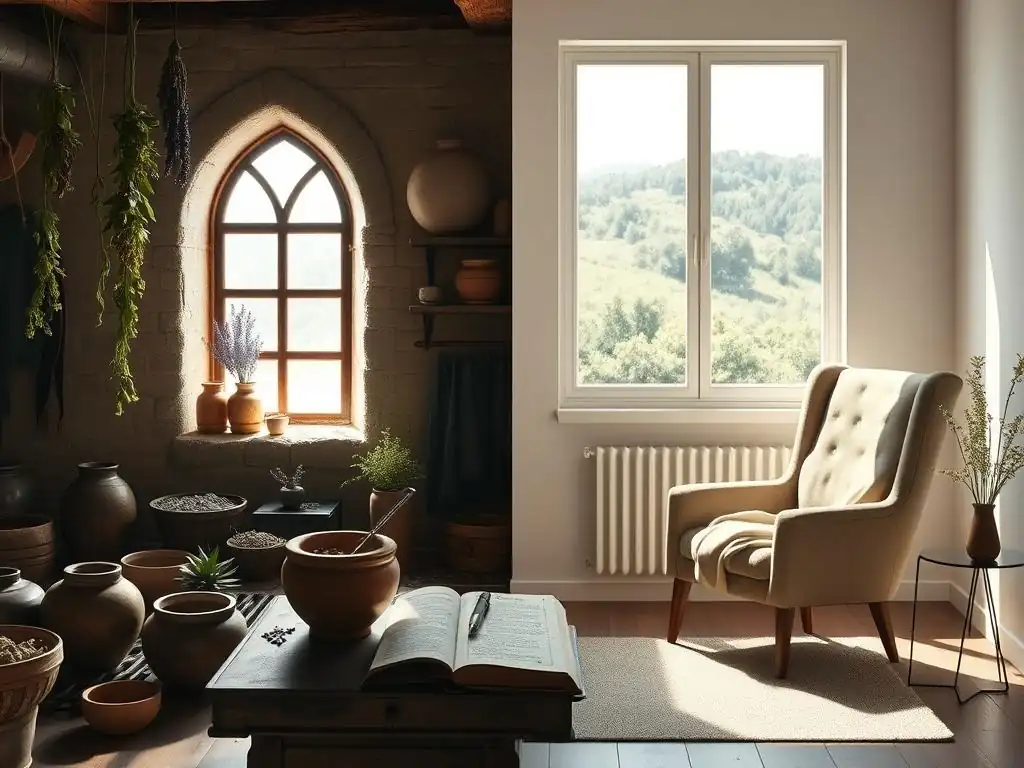
Comparing medieval herbal remedies mental health support to modern treatments reveals fascinating parallels and stark differences. A key parallel lies in the recognition that interventions can influence mental states. Medieval healers observed that certain plants seemed to calm agitation, lift spirits, or promote sleep, much as modern medicine observes the effects of psychotropic drugs. Both approaches aim to alleviate suffering caused by psychological distress.
The major difference lies in the underlying model and methodology. Medieval practice, especially at the folk level, was often holistic, integrating physical remedies with spiritual, social, and ritualistic elements based on empirical observation and traditional beliefs like the humoral theory.
Modern treatment, while increasingly recognizing the importance of holistic care, is primarily driven by a biomedical model focusing on specific neurotransmitter systems and utilizing highly purified, synthesized pharmaceutical compounds developed through rigorous scientific testing (clinical trials involving thousands of participants, for example). Medieval herbal remedies mental health support was broad and often intertwined with daily life; modern treatments are typically specialized and dispensed by trained medical professionals.
The Enduring Value of Traditional Knowledge: Integrating Herbalism into Contemporary Mental Healthcare
Despite the vast differences in scientific understanding and methodology, the history of medieval herbal remedies mental health support holds enduring value. It represents a long tradition of observing nature for potential therapeutic agents and highlights the human drive to find ways to alleviate psychological suffering using available resources. This historical perspective reminds us that the search for effective mental health interventions is a continuous journey.
Today, there is growing interest in integrating traditional knowledge, including herbalism, with contemporary mental healthcare. This doesn't mean replacing evidence-based treatments with medieval practices, but rather exploring whether historically used herbal remedies mental health support have a place as complementary or alternative therapies, supported by modern scientific evidence. Research into plants like St. John's Wort, lavender, and chamomile is a direct continuation of this historical curiosity, seeking to validate or refute traditional uses with the tools of modern science. The legacy of medieval herbalism encourages a broader perspective on healing, one that considers natural approaches alongside conventional medicine.
How to Approach Herbal Remedies Safely and Responsibly Today
Consulting with Healthcare Professionals: Importance of Professional Guidance
For anyone today considering using herbal remedies mental health support, the absolute most crucial step is consulting with a qualified healthcare professional. This includes medical doctors, psychiatrists, or licensed therapists who are knowledgeable about both conventional and complementary treatments. Unlike in the Middle Ages where folk healers were the primary resource, modern healthcare providers have access to diagnostic tools and a comprehensive understanding of diseases, including mental health conditions.
Self-treating serious mental health issues with herbal remedies alone can be dangerous. Conditions like severe depression, bipolar disorder, or psychosis require evidence-based treatments, which may include psychotherapy and/or prescription medications. A healthcare professional can help determine the nature of the mental health challenge, discuss potential benefits and risks of herbal remedies mental health support as a complementary approach, advise on appropriate dosages, and check for potential interactions with any other medications or health conditions. For instance, St. John's Wort can interact with numerous prescription drugs, including antidepressants, birth control pills, and blood thinners. Professional guidance is essential for safety.
Sourcing High-Quality Herbs: Ensuring Purity and Potency
Another critical aspect of using herbal remedies mental health support today is ensuring the quality of the herbs themselves. Unlike in the Middle Ages, where contamination and variable potency were significant issues, modern consumers can seek out products from reputable sources. The quality of herbal supplements can vary widely depending on how they are grown, harvested, processed, and stored. Poor quality products may contain pesticides, heavy metals, or other contaminants, or they may have inconsistent levels of the active compounds, making them ineffective or even harmful.
Looking for products from manufacturers that adhere to Good Manufacturing Practices (GMP) and are tested by independent third parties can help ensure purity and potency. Labels should ideally specify the plant species used (e.g., Hypericum perforatum for St. John's Wort) and the concentration of key active compounds if known. While medieval people relied on local knowledge and visual inspection, modern safety requires diligence in sourcing. Ensuring high quality is vital for the safe and potentially effective use of herbal remedies mental health support.
Dosage and Administration: Following Recommended Guidelines
Proper dosage and administration are vital for the safe use of herbal remedies mental health support, a concept that was less precise in medieval times. Modern research, though still evolving for many herbs, provides some evidence-based guidelines for dosage based on studies. For example, studies on St. John's Wort for depression often use standardized extracts containing specific amounts of hypericin or hyperforin, with typical daily doses ranging from 300 mg to 900 mg, divided throughout the day.
It is crucial to follow recommended dosages from reliable sources or healthcare professionals, rather than guessing or relying on outdated information. Taking too little might render the remedy ineffective, while taking too much can increase the risk of side effects or toxicity. The form of the remedy (tea, tincture, capsule, etc.) also affects how it is absorbed and utilized by the body. Understanding and adhering to dosage and administration guidelines is a fundamental step in using herbal remedies mental health support safely and responsibly in the modern era, building upon the historical knowledge with contemporary safety standards.
Conclusion: Reconnecting with Ancient Wisdom for Modern Mental Well-being
The Legacy of Herbal Remedies in Mental Health Support
The history of medieval herbal remedies mental health support offers a compelling look at how people in the past sought to understand and alleviate psychological distress using the resources available to them. From the intricate relationship with nature and the environment to the development of complex systems of belief around illness and healing, the medieval era laid some of the earliest groundwork for exploring natural interventions for the mind. While their understanding differed vastly from our own, the fundamental impulse to find ways to soothe anxiety, lift spirits, and promote rest remains a constant throughout human history.
The detailed herbals and folk practices of the Middle Ages represent a rich legacy of empirical observation and traditional knowledge regarding the potential therapeutic properties of plants. This historical context informs and inspires contemporary research into the efficacy and safety of herbal remedies mental health support, bridging the gap between ancient wisdom and modern science. Recognizing this legacy helps us appreciate the long and varied journey of mental healthcare.
Promoting a Holistic Approach to Mental Wellness: Integrating Natural and Conventional Therapies
Looking back at medieval herbal remedies mental health support also highlights the value of a holistic approach to mental wellness. Medieval practitioners, particularly in folk medicine, often treated the whole person within their social and spiritual context, not just isolated symptoms. While their specific methods might be outdated, the principle of considering the interconnectedness of mind, body, and environment holds relevance today.
In the modern era, promoting mental wellness increasingly involves integrating various approaches: evidence-based psychotherapy, necessary pharmaceutical interventions, lifestyle changes (diet, exercise, sleep), and supportive social connections. For some individuals, and under professional guidance, carefully chosen and high-quality herbal remedies mental health support may serve as a valuable complementary tool within this broader, holistic framework. By understanding the history and potential of natural interventions while adhering to modern safety standards, we can harness ancient wisdom to support mental well-being in a comprehensive and responsible way.
Frequently Asked Questions
How effective are herbal remedies for mental health compared to modern medications?
Herbal remedies have a long history, but their effectiveness compared to modern medications varies greatly. While some show promise, rigorous scientific studies are often lacking, and they may not be as consistently effective.
What are some of the most commonly used herbal remedies for mental health support?
Common remedies include St. John's Wort for depression, lavender for anxiety, and chamomile for sleep. It's crucial to research and understand the potential benefits and risks before use.
Are there any risks associated with using herbal remedies for mental health?
Yes, herbal remedies can have side effects, interact with medications, and may not be suitable for everyone. Always consult a healthcare professional before starting any new herbal treatment.
Where can I find reliable information about using herbal remedies for mental health?
Look for reputable sources like the National Center for Complementary and Integrative Health (NCCIH) or consult with a qualified herbalist or healthcare provider. Avoid information from unverified or biased websites.
Can herbal remedies replace professional mental health support?
Herbal remedies can be a complementary approach, but they should not replace professional mental health support such as therapy or medication when needed. A holistic approach is often the most effective.
Final Reflection: Harvesting Hope: Ancient Wisdom for Modern Wellbeing
The enduring power of herbal remedies in mental health support is undeniable, a testament to the interconnectedness of nature and human well-being. While modern psychiatry offers invaluable tools, the holistic approach offered by traditional herbal practices continues to resonate, providing a complementary path towards mental wellness that deserves renewed attention and rigorous scientific investigation. The potential for integrating these ancient methods with contemporary care is vast and ripe for exploration.
The exploration of medieval herbal remedies reveals a profound understanding of the mind-body connection, a perspective often lost in the fragmentation of modern medicine. These practices weren't simply about treating symptoms; they were deeply embedded in a cultural understanding of healing that valued the interconnectedness of physical and emotional health. The body is a garden—to cultivate it is a noble and necessary art.
This sentiment, though not directly from the medieval period, captures the essence of the holistic approach these ancient practices embodied, an approach we can learn much from today. The enduring legacy of these practices underscores the importance of considering all available avenues for mental health support, acknowledging the limitations and potential benefits of both traditional and modern approaches.
Consider the wisdom passed down through generations, the subtle understanding of plant properties and their impact on the human psyche. You, the reader, are now empowered to explore this rich history and consider how these ancient practices might complement your own journey towards mental wellness. Research the plants mentioned, explore the ethical sourcing of herbal remedies, and engage in mindful practices that connect you with the natural world. Let this exploration be a starting point for a deeper understanding of your own well-being, drawing strength from the resilience and wisdom of those who came before us.
Unlock Your Inner Healer: Discover the Power of Herbal Wisdom
Thanks for exploring the fascinating world of medieval mental health practices with us! You've gained valuable insights into the natural remedies used centuries ago. Now, it's time to take that knowledge further.
- Begin your own herbal exploration: Research a single herb mentioned in the article and learn more about its properties and potential benefits (within safe, responsible limits, of course!). This is your first step toward understanding the power of nature's healing touch.
- Share this knowledge with a friend or family member: Discuss the historical context of these remedies and consider how they might inform our understanding of modern mental well-being. Starting a conversation can be surprisingly powerful.
- Consider trying a simple mindful activity, like meditation or herbal tea preparation, to connect with the soothing rituals described in the article.
Ready to harness the wisdom of the past for your present well-being? What simple step will you take today to nurture your mind and body naturally?