
Is Low Serotonin Really the Cause of Depression? A Deeper Look

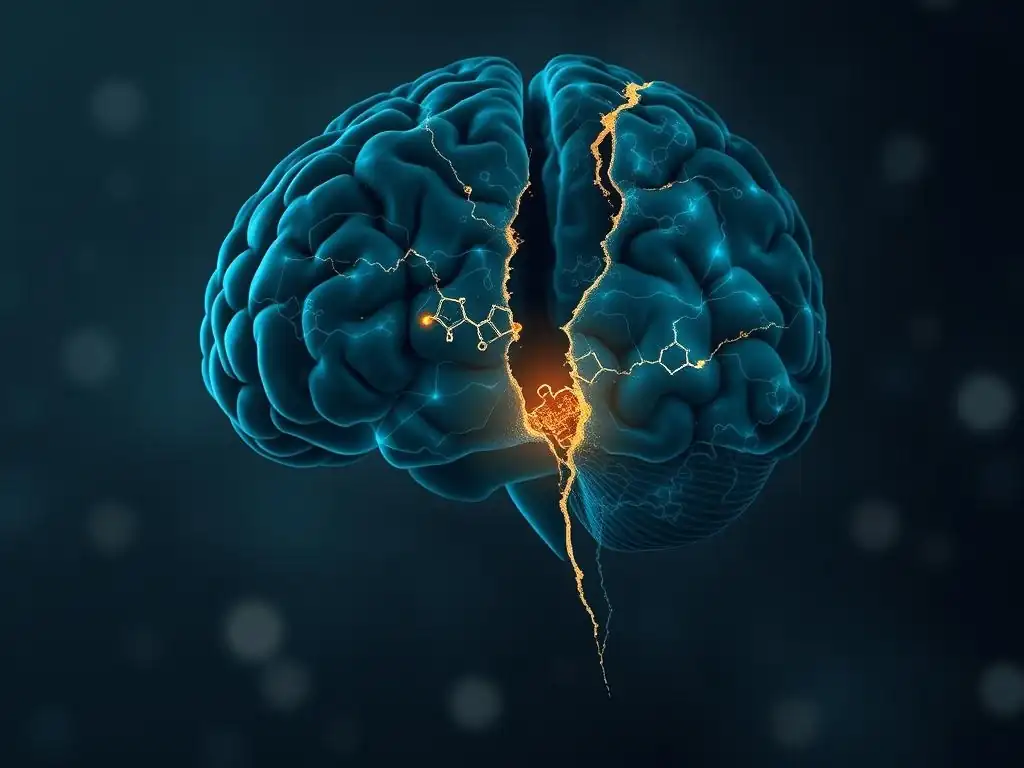
Welcome to Mind Care Guide, your trusted compass on the journey to mental well-being. Feeling lost in the complexities of depression? Perhaps you've heard about serotonin, but the full picture remains unclear. Is low serotonin really the root cause of your struggles? We understand the confusion, and we're here to shed light on the often-misunderstood low serotonin depression connection causes. Let's unravel this vital piece of the puzzle together and explore the multifaceted nature of mood disorders.
- Understanding the Serotonin-Depression Connection: An Introduction
- The Traditional View: Serotonin Deficiency as a Primary Cause of Depression
- Challenging the Serotonin Hypothesis: A Critical Examination
- Beyond Serotonin: Other Neurotransmitters Involved in Mood Regulation
- Other Factors Contributing to Depression: A Holistic Perspective
- Exploring the Neuropsychology of Mood Disorders: A Broader View
- Alternative Explanations for the Effectiveness of SSRIs
- The Future of Depression Research: Moving Beyond Serotonin
- Effective Strategies for Managing Depression: A Comprehensive Approach
- Debunking Myths About Depression and Mental Health
- Conclusion: The Nuanced Relationship Between Serotonin and Depression Causes
-
Frequently Asked Questions
- Is low serotonin definitively proven to be the sole cause of depression?
- What other factors, besides serotonin, are considered in the "Low Serotonin Depression Connection Causes?"
- How does the "Mind Care Guide" approach the "Low Serotonin Depression Connection Causes?"
- If low serotonin isn't the only cause, why is it so often discussed in relation to depression?
- What resources does "Mind Care Guide" offer for understanding and addressing depression, considering the "Low Serotonin Depression Connection Causes?"
- Final Reflection: Unraveling the Serotonin-Depression Myth
- Unleash Your Inner Resilience: Take Charge of Your Mental Well-being
Understanding the Serotonin-Depression Connection: An Introduction
For decades, the prevailing theory regarding the biological basis of depression centered heavily on a deficiency in the neurotransmitter serotonin. This concept, often referred to as the "chemical imbalance" theory, suggested that insufficient levels of serotonin in the brain were a primary driver of depressive symptoms, including persistent sadness, loss of interest, and changes in sleep and appetite.
This idea gained significant traction, partly due to the success of selective serotonin reuptake inhibitors (SSRIs) in treating many individuals experiencing depression. The perceived effectiveness of these medications, which increase serotonin availability in the brain, seemed to validate the hypothesis that low serotonin was the fundamental issue.
However, the relationship between low serotonin and depression is far more complex than initially understood. While serotonin undoubtedly plays a crucial role in mood regulation and other vital functions like sleep, digestion, and social behavior, current scientific understanding indicates that depression is not simply a direct result of having too little serotonin.
Research over the past couple of decades has revealed a multifaceted picture involving various neurotransmitters, brain regions, genetic factors, environmental influences, and even inflammation. Exploring the true complexity helps us understand the actual causes of depression and why focusing solely on the low serotonin depression connection might be overly simplistic.
The Traditional View: Serotonin Deficiency as a Primary Cause of Depression
How Serotonin Transmits Signals in the Brain
Serotonin, chemically known as 5-hydroxytryptamine (5-HT), functions as a neurotransmitter, a chemical messenger that transmits signals between nerve cells (neurons) in the brain. When a signal arrives at the end of one neuron (the presynaptic neuron), it releases serotonin into a small gap called the synaptic cleft. Serotonin then travels across this gap and binds to specific receptors on the adjacent neuron (the postsynaptic neuron), transmitting the signal. After binding, serotonin is typically either broken down by enzymes or reabsorbed back into the presynaptic neuron through a process called reuptake, regulated by serotonin transporters.
This intricate process of release, binding, and reuptake is essential for proper brain function, influencing mood, sleep, appetite, learning, and memory. Disruptions at any stage of this transmission, such as insufficient production of serotonin, problems with receptors, or issues with reuptake, were hypothesized to lead to a deficit in serotonin signaling. The traditional view posited that a widespread lack of effective serotonin transmission, a sort of functional low serotonin state, was the underlying cause for the debilitating symptoms observed in major depressive disorder.
The "Chemical Imbalance" Theory and Depression
The "chemical imbalance" theory, particularly focusing on low serotonin, became widely popularized in the late 20th century. It provided a seemingly straightforward explanation for depression, suggesting that the condition stemmed from a quantifiable deficiency in brain chemicals, much like diabetes can be linked to insufficient insulin.
This perspective offered a biological explanation for suffering, reducing stigma for some by framing depression as a medical illness rather than a character flaw or a sign of weakness. It also directly supported the rationale for using medications like SSRIs, which block the reuptake of serotonin, theoretically increasing its concentration in the synaptic cleft and enhancing signaling.
While influential, this theory has faced significant criticism and refinement over time. It oversimplified the complex nature of the brain and mood disorders. Measuring serotonin levels directly in the brains of living humans is challenging, and studies attempting to assess serotonin metabolites in bodily fluids like cerebrospinal fluid or blood have yielded inconsistent results, often showing no clear difference between depressed and non-depressed individuals.
Furthermore, the fact that SSRIs take weeks to produce noticeable effects, even though they increase serotonin levels in the synapse relatively quickly, suggests that their mechanism of action involves more than just a simple immediate increase in serotonin. This points towards a more nuanced understanding of the low serotonin depression connection causes.
Challenging the Serotonin Hypothesis: A Critical Examination
Limitations of Early Serotonin Research
Early research linking serotonin to depression often relied on indirect measures or studies in animal models, which do not perfectly replicate the complexities of human mood disorders. For instance, studies measuring serotonin metabolites in cerebrospinal fluid sometimes showed lower levels in depressed individuals, but these findings were not consistently replicated across different studies or patient populations.
Furthermore, depletion studies, where participants' diets were manipulated to reduce tryptophan (a precursor to serotonin), sometimes induced temporary mood changes in individuals with a history of depression or a family history of the disorder, but they did not consistently cause depression in healthy volunteers.
These limitations highlight the difficulty in definitively proving that low serotonin is the primary or sole cause of depression. The brain is an incredibly intricate system, and measuring dynamic neurotransmitter activity in specific regions associated with mood is technically challenging. The early focus on serotonin, while groundbreaking for its time, may have overshadowed the potential contributions of other neurotransmitters and biological pathways, leading to an incomplete picture of the underlying causes of depression.
Studies Questioning the Direct Link Between Low Serotonin and Depression
A significant body of research has emerged that directly challenges the notion that depression is simply caused by low serotonin levels. Large-scale reviews of studies comparing serotonin levels or activity in depressed versus non-depressed individuals have often found no consistent evidence of a serotonin deficiency in those with the disorder. For example, a comprehensive umbrella review published in 2022 examined multiple meta-analyses and systematic reviews on serotonin and depression, concluding that there was "no consistent evidence of there being a serotonin-depression association."
These studies suggest that while changes in the serotonin system may be involved in depression, they are unlikely to be the sole cause. The findings imply that the relationship is more complex, possibly involving altered sensitivity of serotonin receptors, issues with serotonin transport, or interactions with other brain systems. The absence of a clear, measurable deficit in serotonin in many depressed individuals underscores the need to look beyond a simple "low serotonin depression connection causes" model.
The Role of Serotonin Receptors in Depression
Rather than simply having low levels of serotonin, it is increasingly understood that abnormalities in serotonin receptors may play a significant role in depression. There are at least 14 different types of serotonin receptors (5-HT1A, 5-HT2A, etc.) located in various parts of the brain and body, each mediating different effects. For instance, some studies have suggested that individuals with depression may have fewer 5-HT1A receptors in certain brain regions, or that their 5-HT2A receptors might be overactive.
These receptor abnormalities could lead to impaired serotonin signaling even if overall serotonin levels appear normal. Imagine having enough keys (serotonin) but not enough locks (receptors) or faulty locks that don't open properly. This would result in a functional deficit in signal transmission. Research using PET scans to visualize receptor density in the brains of depressed patients has provided some evidence for these receptor-level changes, suggesting that understanding the specific roles and dysfunctions of different serotonin receptor subtypes is crucial for unraveling the neuropsychology of mood disorders.
Beyond Serotonin: Other Neurotransmitters Involved in Mood Regulation
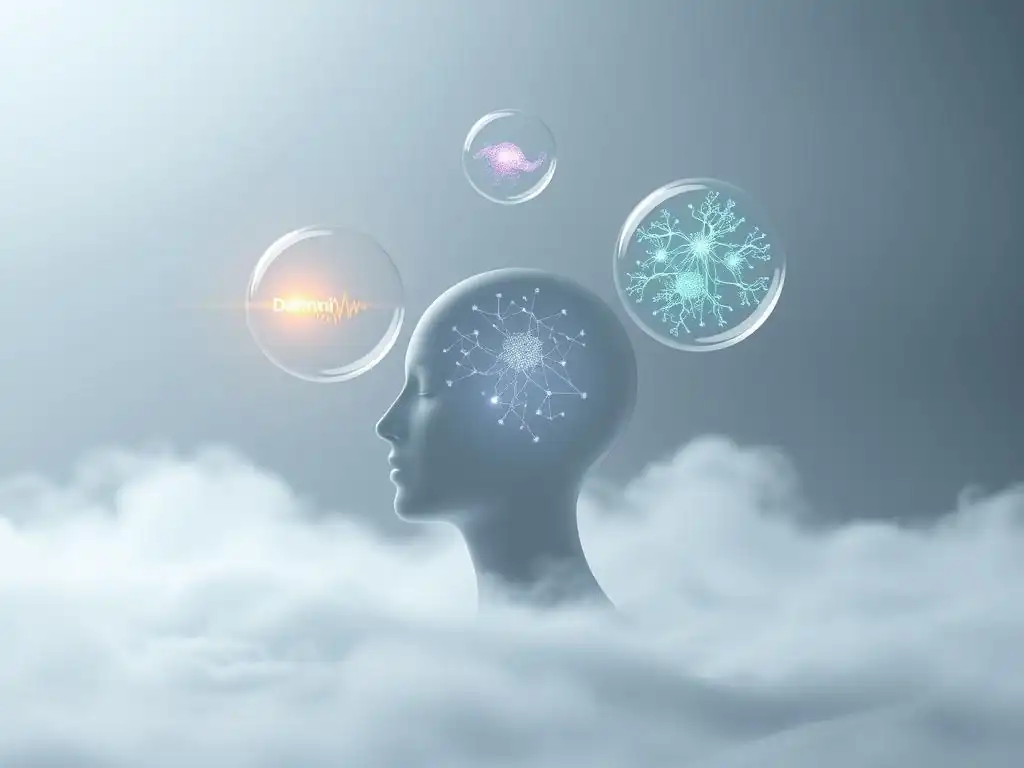
Dopamine's Impact on Motivation and Pleasure
While serotonin received much of the early attention, dopamine is another critical neurotransmitter deeply involved in mood, motivation, reward, and pleasure. Dysfunctions in the dopaminergic system are strongly linked to the anhedonia often experienced in depression – the inability to feel pleasure or interest in activities that were once enjoyable. Low dopamine activity in certain brain pathways, particularly those associated with reward processing like the nucleus accumbens and ventral tegmental area, can lead to feelings of apathy, lack of motivation, and a general dampening of emotional responses.
Research using neuroimaging techniques has shown altered dopamine release and receptor binding in depressed individuals. For example, studies using PET scanning have found reduced dopamine D2/D3 receptor availability in key reward areas of the brain in some patients with major depression. This suggests that issues with dopamine signaling, independent of or in conjunction with serotonin, contribute significantly to specific symptom clusters within depression, particularly those related to loss of motivation and the capacity for pleasure.
Norepinephrine's Role in Arousal and Alertness
Norepinephrine is another key neurotransmitter within the monoamine family, alongside serotonin and dopamine, that plays a vital role in the body's stress response, alertness, energy levels, and focus. It is heavily involved in regulating attention, arousal, and the fight-or-flight response. Imbalances in norepinephrine levels or signaling are also implicated in mood disorders. Low levels or reduced activity of norepinephrine can contribute to symptoms of fatigue, difficulty concentrating, psychomotor retardation (slowed movements and thought), and a general lack of energy often seen in depression.
Some antidepressant medications, like norepinephrine reuptake inhibitors (NRIs) or serotonin-norepinephrine reuptake inhibitors (SNRIs), target the norepinephrine system, further highlighting its importance in mood regulation. While not as widely discussed as serotonin, the norepinephrine system's contribution to the overall picture of depression, particularly concerning energy and focus deficits, is significant. Understanding the interplay between serotonin, dopamine, and norepinephrine is essential for a comprehensive view of the neurobiological basis of depression.
The Complex Interplay of Neurotransmitters in Mood Disorders
It is now widely accepted that depression is not caused by a simple deficiency in a single neurotransmitter but rather by a complex dysfunction involving multiple neurotransmitter systems that interact in intricate ways. Serotonin, dopamine, and norepinephrine do not function in isolation; they communicate with each other and influence each other's activity across different brain circuits. For example, serotonin neurons can influence the activity of dopamine and norepinephrine neurons.
Furthermore, other neurotransmitters and neuromodulators, such as glutamate (the main excitatory neurotransmitter), GABA (the main inhibitory neurotransmitter), and even neuropeptides, are also believed to play roles in mood regulation and are being investigated for their involvement in depression. The challenge for researchers is to untangle this complex web of interactions to understand how imbalances or dysregulations across these systems contribute to the diverse symptoms of depression. This systemic view moves far beyond the initial, simpler low serotonin depression connection causes hypothesis.
Other Factors Contributing to Depression: A Holistic Perspective
Genetic Predisposition and Depression Risk
While not a simple "depression gene," research clearly indicates that genetic factors can increase an individual's vulnerability to developing depression. Studies have shown that having a first-degree relative (parent or sibling) with depression approximately doubles one's risk of developing the disorder compared to the general population. However, genetics likely contributes to only a portion of the risk, perhaps around 30-40%, and involves multiple genes, each with a small effect, rather than a single gene determining susceptibility.
These genes may influence various biological processes related to mood regulation, including neurotransmitter production, transport, and receptor function (like those for serotonin), stress hormone regulation, and brain structure and function. Importantly, genetic predisposition does not mean that depression is inevitable; rather, it can lower the threshold for environmental factors to trigger the onset of the illness. Understanding this genetic vulnerability is crucial for appreciating the multifaceted causes of depression.
Environmental factors play a profound role in the development of depression, often interacting with genetic predispositions. Chronic stress, adverse childhood experiences (such as abuse or neglect), and significant life events (like loss of a loved one, job loss, or chronic illness) are well-established risk factors. These stressors can trigger biological changes in the brain and body, including alterations in stress hormone systems (like the hypothalamic-pituitary-adrenal axis) that can negatively impact mood regulation and brain function over time.
Moreover, social support acts as a significant protective factor. Lack of social connection, isolation, or difficult interpersonal relationships can increase vulnerability to depression, while strong social networks and supportive relationships can buffer against the effects of stress. The interplay between our genes and our environment shapes our resilience and susceptibility to mood disorders, highlighting that depression is far from being solely a matter of brain chemistry or a simple low serotonin depression connection.
The Impact of Lifestyle Choices: Diet, Exercise, and Sleep
Lifestyle factors have a significant, often underestimated, impact on mental well-being and can contribute to or protect against depression. Poor diet, particularly one high in processed foods and low in nutrient-dense options like fruits, vegetables, and omega-3 fatty acids, has been linked to an increased risk of depression. Nutritional deficiencies can affect neurotransmitter synthesis, brain energy metabolism, and inflammation.
Regular physical exercise is a powerful antidepressant, with studies showing effects comparable to antidepressant medication or psychotherapy for mild to moderate depression. Exercise can influence neurotransmitter levels, promote neurogenesis (the growth of new brain cells), reduce inflammation, and improve sleep quality. Chronic sleep deprivation or disrupted sleep patterns are also strongly associated with increased risk and severity of depression. Addressing these lifestyle factors is an integral part of a comprehensive approach to managing depressive symptoms and promoting mental well-being, acknowledging that the causes of depression extend far beyond just brain chemistry.
Exploring the Neuropsychology of Mood Disorders: A Broader View
Brain Regions Involved in Depression: The Amygdala, Hippocampus, and Prefrontal Cortex
Beyond specific neurotransmitters, depression involves structural and functional changes in several key brain regions that form interconnected circuits regulating mood, emotion, and cognition. The amygdala, a region involved in processing emotions like fear and anxiety, is often overactive in depression. This can contribute to heightened emotional reactivity and rumination on negative thoughts.
The hippocampus, crucial for memory and regulating the stress response, often shows reduced volume in individuals with chronic or severe depression. This region is vulnerable to the effects of stress hormones like cortisol and plays a role in the context-dependent regulation of mood. The prefrontal cortex (PFC), particularly areas like the dorsolateral PFC (involved in executive functions like planning and decision-making) and the ventromedial PFC (involved in emotional regulation), often shows altered activity in depression. Dysfunctional communication between these regions can impair emotional regulation, cognitive control, and motivation, contributing significantly to depressive symptoms.
Neuroplasticity and Depression: The Brain's Ability to Adapt
Neuroplasticity refers to the brain's remarkable ability to change and adapt throughout life by forming new neural connections and even generating new neurons (neurogenesis) in certain areas like the hippocampus. Chronic stress and depression are often associated with impaired neuroplasticity, potentially leading to a reduction in the number of synapses and neurons in vulnerable brain regions like the hippocampus and prefrontal cortex.
Antidepressant treatments, including medications, psychotherapy, and exercise, are thought to exert their effects, at least in part, by promoting neuroplasticity. For example, some research suggests that SSRIs might increase neurogenesis in the hippocampus over time, which could contribute to the delayed onset of their therapeutic effects. Understanding how depression disrupts neuroplasticity and how treatments can restore it offers valuable insights into the underlying biological processes and moves beyond a simple focus on the low serotonin depression connection causes.
Neuroinflammation and its Potential Role in Mood Disorders
An emerging area of research points to the role of neuroinflammation – inflammation within the brain – as a significant factor in the development and maintenance of depression. Studies have found elevated levels of inflammatory markers (cytokines) in the blood and cerebrospinal fluid of many individuals with depression. These inflammatory molecules can cross the blood-brain barrier and affect brain function, influencing neurotransmitter metabolism (including serotonin), disrupting neuroplasticity, and altering the activity of brain circuits involved in mood regulation.
Conditions associated with systemic inflammation, such as chronic physical illnesses (e.g., autoimmune diseases, cardiovascular disease), are often comorbid with depression. Furthermore, stress can activate inflammatory pathways. While the exact mechanisms are still being researched, the link between inflammation and depression suggests that targeting inflammatory processes could be a novel therapeutic strategy. This inflammatory hypothesis represents another significant departure from the view that depression is solely a matter of low serotonin.
Alternative Explanations for the Effectiveness of SSRIs
SSRIs and Their Impact on Neurotransmitter Levels
Selective serotonin reuptake inhibitors (SSRIs) are the most commonly prescribed class of antidepressants. Their primary mechanism of action is to block the reabsorption (reuptake) of serotonin by the presynaptic neuron. This theoretically leads to an increase in the concentration of serotonin in the synaptic cleft, allowing it to bind to postsynaptic receptors for a longer duration and potentially enhancing serotonin signaling. While SSRIs do increase synaptic serotonin relatively quickly (within hours), their clinical antidepressant effects typically take 2 to 4 weeks to become noticeable.
This delay suggests that the therapeutic benefit isn't solely due to an immediate increase in serotonin levels. Instead, the sustained increase in synaptic serotonin over time likely triggers a cascade of downstream adaptations in the brain. These changes can include alterations in the sensitivity and number of serotonin receptors, changes in the expression of certain genes involved in neuronal function, and potentially the promotion of neuroplasticity and neurogenesis. This complex adaptive response, rather than just the initial increase in serotonin, is thought to be responsible for the antidepressant effects, complicating the simple low serotonin depression connection causes narrative.
The Placebo Effect in Depression Treatment
The placebo effect is a significant factor in the response to antidepressant treatment. In clinical trials, a substantial percentage of individuals with depression show improvement when given an inactive placebo pill, often ranging from 30% to 50% or even higher in some studies. While SSRIs are generally more effective than placebo, especially in cases of moderate to severe depression, the robust placebo response highlights the powerful influence of expectation, hope, and the therapeutic context on symptom improvement.
Understanding the placebo effect is crucial for evaluating the true efficacy of antidepressant medications and recognizing that psychological factors play a significant role in recovery. It doesn't diminish the reality of depression or the benefits of medication for many, but it underscores that the path to recovery involves more than just correcting a presumed chemical deficit. The placebo effect demonstrates that subjective experience and the brain's own capacity for healing are powerful forces in managing depressive symptoms.
The Role of Neurogenesis in Antidepressant Action
As mentioned earlier, neurogenesis, the creation of new neurons, particularly in the hippocampus, is impaired by chronic stress and potentially by depression itself. A compelling hypothesis suggests that one way antidepressants, including SSRIs, exert their delayed effects is by promoting neurogenesis. While research, largely from animal models, supports this idea, confirming this mechanism definitively in living humans is challenging.
The theory is that the sustained increase in serotonin (or other neurotransmitters) triggered by antidepressants over several weeks may stimulate growth factors that encourage the birth and survival of new neurons in the hippocampus. These new neurons could then integrate into existing neural circuits, potentially helping to restore normal mood regulation and cognitive function. This focus on neurogenesis provides a biological explanation for the delayed onset of antidepressant action that goes beyond the immediate impact on neurotransmitter levels, offering another angle on the complex low serotonin depression connection causes puzzle.
The Future of Depression Research: Moving Beyond Serotonin
Investigating the Gut-Brain Axis and Depression
An exciting and rapidly developing area of research is the gut-brain axis and its connection to mental health, including depression. The gut contains trillions of microorganisms (the gut microbiome), which can produce neurotransmitters (like serotonin, although its role here is primarily in digestion), influence immune function, and produce metabolites that can affect brain function. The gut and the brain communicate bidirectionally through neural, hormonal, and immunological pathways.
Studies have found differences in the composition of the gut microbiome between depressed and non-depressed individuals. Furthermore, research suggests that modulating the gut microbiome through diet, probiotics, or prebiotics might influence mood. While still in its early stages, this research suggests that the causes of depression might extend beyond the confines of the brain itself, involving complex interactions with our internal ecosystem and offering entirely new avenues for understanding and treating mood disorders, far removed from the simple low serotonin hypothesis.
Exploring the Role of the Immune System in Mood Disorders
The immune system, traditionally associated with fighting infections, is increasingly recognized for its influence on brain function and behavior. As discussed regarding neuroinflammation, immune cells and inflammatory molecules can affect neurotransmitter systems, neuroplasticity, and neural circuits involved in mood. Chronic stress and psychological factors can influence immune responses, potentially creating a feedback loop that contributes to depression.
Research is exploring how dysregulation of the immune system or chronic low-grade inflammation might contribute to the onset and persistence of depressive symptoms in some individuals. This includes investigating the role of specific cytokines, the interaction between the immune system and the nervous system, and how immune responses might differ in various subtypes of depression. Understanding the immune-brain connection provides another crucial piece of the puzzle in deciphering the complex causes of depression.
Personalized Medicine and Tailored Depression Treatments
Given the growing understanding that depression is a highly heterogeneous disorder with multiple contributing factors (genetic, environmental, neurobiological, inflammatory, gut-related, etc. ), the future of treatment is moving towards personalized medicine. This approach aims to tailor treatment strategies based on an individual's specific biological profile, genetic makeup, symptom presentation, and environmental history, rather than using a one-size-fits-all approach based on a presumed single cause like low serotonin.
Future research aims to identify biomarkers – measurable biological indicators – that can help predict which individuals are most likely to respond to specific types of therapy (e.g., a particular antidepressant class, psychotherapy, or novel treatments targeting inflammation or the microbiome). This personalized approach holds the promise of improving treatment outcomes by matching the right treatment to the right person, moving beyond the limitations of current trial-and-error methods and providing more effective relief for those struggling with the diverse causes of depression.
Effective Strategies for Managing Depression: A Comprehensive Approach
Psychotherapy: Cognitive Behavioral Therapy (CBT) and Interpersonal Therapy (IPT)
Psychotherapy, or talk therapy, is a cornerstone of depression treatment and is often as effective as antidepressant medication, particularly for mild to moderate depression. Cognitive Behavioral Therapy (CBT) is a widely used therapy that helps individuals identify and challenge negative thought patterns and behaviors that contribute to depression. By learning to recognize distorted thinking and develop more constructive ways of responding to situations, individuals can significantly improve their mood.
Interpersonal Therapy (IPT) focuses on improving interpersonal relationships and social functioning, as problems in these areas are often linked to depression. IPT helps individuals identify and address issues such as grief, role disputes, role transitions, and interpersonal deficits. Both CBT and IPT are evidence-based therapies that provide individuals with coping skills and strategies to manage their symptoms and prevent relapse, addressing psychological and social factors that contribute to depression, independent of the low serotonin depression connection causes.
Lifestyle Modifications: Exercise, Diet, and Mindfulness
Incorporating healthy lifestyle changes is a powerful adjunctive or even primary strategy for managing depression. Regular physical activity has robust evidence supporting its antidepressant effects. Aiming for at least 30 minutes of moderate-intensity exercise most days of the week can improve mood, reduce stress, and boost energy levels.
Adopting a balanced, nutrient-rich diet is also crucial. Focusing on whole foods, plenty of fruits and vegetables, lean proteins, and healthy fats can support overall brain health. Limiting processed foods, excessive sugar, and unhealthy fats is also important. Mindfulness practices, such as meditation, yoga, or deep breathing exercises, can help individuals manage stress, reduce rumination, and increase self-awareness, contributing to emotional regulation and overall well-being. These lifestyle changes address multiple pathways involved in mood regulation, offering a holistic approach.
Medication Options: A Discussion of Antidepressants and Their Mechanisms
Antidepressant medications, while not a cure-all and not simply correcting low serotonin, are an important treatment option for many individuals, especially those with moderate to severe depression. SSRIs remain the most commonly prescribed, working by affecting serotonin reuptake. Other classes include SNRIs (affecting serotonin and norepinephrine), tricyclic antidepressants (TCAs), and monoamine oxidase inhibitors (MAOIs), which affect multiple neurotransmitters but have more side effects and dietary restrictions. Atypical antidepressants work on different neurotransmitter systems or combinations.
The choice of medication depends on various factors, including the individual's specific symptoms, potential side effects, other medical conditions, and response to previous treatments. It's crucial to understand that these medications work by modulating complex brain systems over time, not just by instantly fixing a simple chemical imbalance. They are most effective when used as part of a comprehensive treatment plan that includes therapy and lifestyle adjustments, recognizing the multifaceted nature of the causes of depression.
Debunking Myths About Depression and Mental Health
Myth: Depression is a Sign of Weakness
One of the most harmful myths surrounding depression is that it is a personal failing or a sign of weakness. This misconception contributes significantly to stigma, preventing individuals from seeking help and support. People experiencing depression are often told to "just snap out of it" or "think positive," which dismisses the reality of their suffering and the complex biological, psychological, and social factors at play.
Depression is a genuine medical illness, recognized by major health organizations worldwide. It affects millions of people across all demographics and is not a reflection of a person's character or strength. Battling depression often requires immense courage and resilience. Debunking this myth is essential for fostering a more compassionate and supportive environment for individuals struggling with mental health challenges.
Reality: Depression is a Complex Illness with Biological and Psychological Factors
The reality is that depression is a complex and multifaceted illness. As discussed throughout this article, it arises from a combination of interacting factors, including genetic predispositions, biological changes in brain structure and function, imbalances or dysregulations in multiple neurotransmitter systems (not just low serotonin), hormonal fluctuations, inflammation, environmental stressors, psychological vulnerabilities, and social influences.
Understanding this complexity is vital for effective treatment and support. It means recognizing that there isn't a single cause or a single cure. Effective interventions need to address multiple aspects of the individual's experience, integrating biological treatments (like medication when necessary), psychological therapies, and lifestyle changes. This nuanced view provides a more accurate and hopeful perspective than the simplistic notion of a single "low serotonin depression connection causes."
Myth: Antidepressants are a Quick Fix for Depression
Another common myth is that antidepressant medications are a quick and easy solution for depression. While they can be highly effective for many individuals, they are not a "magic pill" and do not work instantly. As previously noted, it typically takes several weeks of consistent use before a noticeable improvement in symptoms occurs. During this initial period, some individuals may even experience temporary side effects.
Antidepressants work best when part of a broader treatment strategy. They can help alleviate core symptoms like low mood, low energy, and difficulty concentrating, which can then make it easier for individuals to engage in therapy, make lifestyle changes, and rebuild their lives. Relying solely on medication without addressing psychological and environmental factors is often less effective in the long term. Patience, consistency, and a comprehensive approach are key to successful depression management.
Conclusion: The Nuanced Relationship Between Serotonin and Depression Causes
While the initial hypothesis linking low serotonin directly to depression played a significant role in advancing our understanding and developing early treatments like SSRIs, current scientific evidence points to a much more nuanced and complex relationship. Depression is not simply caused by a deficiency in serotonin, nor is it solely a chemical imbalance. The low serotonin depression connection causes are far more intricate, involving the intricate interplay of multiple neurotransmitters, abnormalities in brain circuits, genetic vulnerabilities, environmental stressors, psychological factors, and even systemic processes like inflammation and gut health.
SSRIs and other antidepressants that affect serotonin are effective for many individuals, but their mechanism of action likely involves more than just an immediate increase in serotonin levels, potentially triggering longer-term adaptive changes in the brain, including neuroplasticity. The significant placebo effect also highlights the role of psychological factors in recovery. Moving forward, research is exploring diverse avenues, from the gut-brain axis to personalized medicine, to develop more effective and targeted treatments that address the varied and specific underlying causes of depression in different individuals.
The Importance of a Holistic Approach to Mental Well-being
Given the complex nature of depression, a holistic approach to mental well-being is paramount. Effective strategies for managing depression integrate biological, psychological, and social interventions. This includes evidence-based psychotherapies like CBT and IPT, lifestyle modifications such as regular exercise, a healthy diet, and sufficient sleep, and, when appropriate, antidepressant medication used under medical supervision.
Support from family, friends, and community is also a vital component of recovery. Recognizing that depression is a real and treatable illness, free from stigma, encourages individuals to seek the help they need. By embracing a comprehensive understanding of the many factors that contribute to depression, we can foster more effective treatments, promote resilience, and support individuals on their path to recovery and lasting mental well-being.
Frequently Asked Questions
Is low serotonin definitively proven to be the sole cause of depression?
No, the relationship between serotonin and depression is more complex. While low serotonin levels can contribute, it is not the only factor. Other neurotransmitters and biological processes also play a significant role.
What other factors, besides serotonin, are considered in the "Low Serotonin Depression Connection Causes?"
Genetic predisposition, environmental stressors, traumatic experiences, and other neurotransmitter imbalances (like dopamine and norepinephrine) are all considered. They can interact with serotonin levels to influence depression risk and severity.
How does the "Mind Care Guide" approach the "Low Serotonin Depression Connection Causes?"
We advocate for a holistic approach that considers various contributing factors beyond just serotonin. Our resources emphasize understanding the individual and addressing multiple aspects of their mental well-being.
If low serotonin isn't the only cause, why is it so often discussed in relation to depression?
Historically, serotonin was the focus of early antidepressant medications (SSRIs). While helpful for many, the emphasis on serotonin oversimplified the complex neurobiology of depression.
What resources does "Mind Care Guide" offer for understanding and addressing depression, considering the "Low Serotonin Depression Connection Causes?"
We offer articles, guides, and links to support groups and mental health professionals. These resources provide information and practical strategies for managing depression through various avenues.
Final Reflection: Unraveling the Serotonin-Depression Myth
The simplistic notion that low serotonin is the sole cause of depression is a dangerous oversimplification, a misleading narrative that has overshadowed a far more complex reality. While serotonin undoubtedly plays a role in mood regulation, attributing depression solely to its deficiency ignores the intricate interplay of genetic predisposition, environmental factors, and life experiences that contribute to this debilitating condition. This understanding is crucial for developing more effective and holistic treatment approaches.
The pervasive influence of the "low serotonin" explanation has shaped not only public perception but also the pharmaceutical industry, leading to a heavy reliance on selective serotonin reuptake inhibitors (SSRIs). While SSRIs can be beneficial for some, their widespread prescription without a thorough understanding of the underlying causes often overlooks the need for alternative therapies and comprehensive mental health support. The mind is not a vessel to be filled, but a fire to be kindled.
- Plutarch. This quote highlights the need to address the root causes of depression, rather than simply treating a single symptom.
The journey towards understanding depression is far from over. This article has hopefully shed light on the limitations of the serotonin-centric view. Now, it's your turn to reflect: Consider the broader context of your own mental health, and challenge the simplistic explanations you may have encountered. Seek out comprehensive care that addresses the multifaceted nature of depression, exploring therapies beyond medication, such as therapy, lifestyle changes, and support groups. Remember, understanding is the first step towards healing, and true healing requires a holistic approach that acknowledges the intricate tapestry of factors contributing to your well-being.
Unleash Your Inner Resilience: Take Charge of Your Mental Well-being
Thanks for taking the time to explore the complexities of serotonin and depression with us! We hope this deeper dive provided valuable insights into a frequently misunderstood condition. Now, let's turn those insights into action.
- Prioritize self-care: Identify three small, achievable steps you can take today to improve your mental well-being. This could be anything from a short walk in nature to journaling or connecting with a loved one.
- Learn more:Explore Mind Care Guide's other resources on depression and mental health to discover additional tools and techniques for managing your mental well-being.
- Share your journey:Share your thoughts and experiences in the comments below – your insights may help someone else struggling with similar challenges.
What small change will you make today to nurture your mental strength?