
Finding Strength in Collective Prayer and Worship

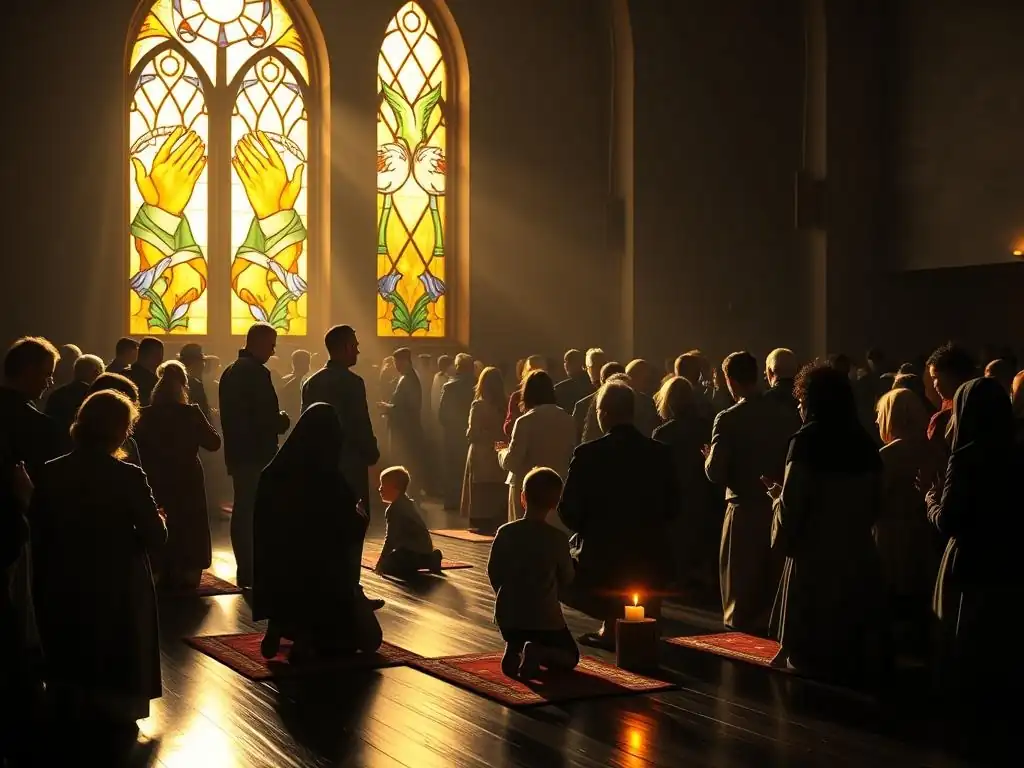
Welcome to Mind Care Guide, a sanctuary for your mental well-being.
Feeling overwhelmed or seeking solace? Discover how the power of community and faith can offer profound support. In this article, we delve into the often overlooked, yet incredibly impactful, role of collective prayer and worship in bolstering mental health. Explore how shared spirituality can provide a sense of belonging, reduce anxiety, and cultivate inner peace. Are you ready to uncover the potential of faith-based communities in your journey to mental wellness?
Finding Strength in Collective Prayer and Worship: A Mind Care Guide
- Introduction: The Power of Collective Prayer for Mental Wellbeing
- How Collective Prayer Provides Mental Health Support
- The Impact of Collective Prayer on Stress and Anxiety
- Building Community and Belonging Through Religious Gatherings
- The Impact of Collective Prayer on Stress and Anxiety
- Building Community and Belonging Through Religious Gatherings
- Practical Ways to Engage in Collective Prayer for Mental Health
- The Role of Worship in Enhancing Mental Wellbeing
- Addressing Challenges and Concerns Regarding Collective Prayer
- Scientific Evidence Supporting the Benefits of Collective Prayer
- Cultivating a Mindful Approach to Collective Prayer and Worship
- Conclusion: Embracing Collective Prayer for Enhanced Mental Health Support
-
Frequently Asked Questions
- What exactly is collective prayer and how does it relate to mental health support?
- How can participating in collective prayer help with feelings of isolation or loneliness, issues often linked to mental health challenges?
- Does Mind Care Guide advocate for collective prayer as a replacement for professional mental health treatment?
- What are some potential benefits of collective prayer beyond simply feeling less lonely in the context of mental health support?
- How can someone find a collective prayer group or worship community that aligns with their beliefs and provides effective mental health support?
- Final Reflection: The Enduring Power of Shared Faith
- Unlock Your Inner Strength: Join the Prayer Community
Introduction: The Power of Collective Prayer for Mental Wellbeing
In the journey towards mental wellness, many individuals seek solace, connection, and strength through various avenues. For a significant portion of the population, faith and spirituality play a crucial role in navigating life's challenges and fostering inner peace. Among the myriad practices within religious traditions, collective prayer and communal worship stand out as powerful forces that can profoundly impact mental health. This article explores how coming together in shared faith can provide essential support, reduce isolation, and build resilience, offering a unique pathway to enhanced wellbeing.
Understanding the Intersection of Faith, Community, and Mental Health
The relationship between faith, community, and mental health is deeply intertwined. Belief systems often provide a framework for understanding life's purpose, coping with suffering, and fostering hope. When these beliefs are shared within a community, they create a powerful support system. This communal aspect of faith offers belonging, reduces feelings of isolation, and provides practical and emotional support during difficult times. Research in psychology and sociology has increasingly highlighted how social connection and a sense of purpose, often found within faith communities, are vital protective factors against various mental health challenges, including depression and anxiety.
Furthermore, religious or spiritual practices, whether individual or collective, can cultivate positive psychological states. Practices like prayer, meditation, and worship can promote mindfulness, reduce rumination on negative thoughts, and encourage gratitude. When these practices are undertaken collectively, the shared experience amplifies these effects, creating a reinforcing cycle of support and positive emotion. Understanding this intricate link is the first step in appreciating the profound potential of collective prayer mental health support.
Collective Prayer and Worship: A Source of Strength and Support
Collective prayer and worship involve individuals coming together to share their spiritual journey, express devotion, and seek guidance or comfort. This can take many forms, from formal congregational services and communal prayers for healing to informal small group meetings focused on shared spiritual growth. The act of praying together, singing hymns, listening to sermons, or participating in shared rituals creates a sense of unity and shared purpose. It reminds individuals that they are not alone in their struggles or their faith.
This shared experience provides a unique form of mental health support. For someone grappling with anxiety, participating in a calming group prayer can offer immediate solace. For someone experiencing depression, the energy and connection of communal worship can provide a temporary lift and a reminder of external support. Beyond the immediate emotional benefits, consistent engagement in collective prayer and worship integrates individuals into a supportive network, providing a buffer against life's inevitable stresses and contributing significantly to long-term mental resilience. The collective prayer mental health support derived from these practices is both immediate and enduring.
How Collective Prayer Provides Mental Health Support
Collective prayer and worship offer multifaceted benefits for mental wellbeing. They address core human needs for connection, meaning, and hope, which are fundamental to psychological health. By participating in shared spiritual practices, individuals tap into a reservoir of communal strength and wisdom that can be invaluable in navigating personal challenges. The structure and ritual often associated with collective worship can also provide a sense of stability and predictability, which is particularly helpful for individuals dealing with the unpredictability of mental health conditions.
One of the most significant benefits of collective prayer is the powerful antidote it offers to isolation. In an era where loneliness is a growing public health concern, faith communities provide built-in social networks. Attending services or group meetings regularly connects individuals with others who share similar values and beliefs. This shared identity fosters a sense of belonging and mutual understanding. People in faith communities often feel comfortable discussing personal struggles, including mental health challenges, with others who are empathetic and non-judgmental due to their shared spiritual perspective.
This communal support extends beyond formal prayer times. Members often provide practical help, emotional encouragement, and a listening ear to those in need. For example, a member facing a difficult diagnosis might receive visits, meals, and group prayers for healing from their congregation. This tangible support, rooted in shared faith, significantly reduces feelings of being alone or burdensome and strengthens the individual's capacity to cope. This active demonstration of collective prayer mental health support is a hallmark of thriving faith communities.
The Psychological Benefits of Group Worship and Prayer
Engaging in group worship and prayer yields several distinct psychological benefits. The rhythmic nature of communal singing or chanting can have a calming effect, similar to meditation. Listening to sermons or teachings can provide new perspectives on challenges and inspire hope. The act of praying together, whether silently or aloud, creates a shared emotional experience that can validate feelings and reduce the burden of carrying difficulties alone. This shared vulnerability and mutual support can be incredibly therapeutic.
Moreover, group prayer often involves focusing on something larger than oneself, whether it's a divine entity, a shared spiritual goal, or the wellbeing of others. This external focus can help shift attention away from self-absorption and negative rumination, common features of anxiety and depression. The collective intention behind group prayer can create a powerful sense of shared purpose and collective efficacy, fostering feelings of strength and empowerment that are difficult to achieve in isolation. The psychological uplift from this collective engagement is a key component of collective prayer mental health support.
Hope is a vital component of mental wellbeing, especially when facing adversity. Collective spiritual practices are often imbued with messages of hope, resilience, and the possibility of overcoming challenges through faith. Hearing stories of perseverance within the community or through religious texts, and participating in rituals that symbolize renewal or divine support, can significantly bolster an individual's sense of hope for the future. This shared narrative of hope is particularly powerful when an individual's personal hope is faltering.
Resilience, the ability to bounce back from difficulties, is also strengthened through collective prayer and worship. Faith communities often encourage practices like forgiveness, gratitude, and acceptance, which are key elements of psychological resilience. When these practices are shared and reinforced within a group setting, they become more deeply ingrained.
Furthermore, the knowledge that a community is praying for you or supporting you provides an external source of strength to draw upon during tough times, making the individual feel more capable of enduring hardship. This communal cultivation of hope and resilience is a profound aspect of collective prayer mental health support.
The Impact of Collective Prayer on Stress and Anxiety
Stress and anxiety are pervasive challenges in modern life, significantly impacting mental and physical health. While individual coping mechanisms are essential, the communal aspect of collective prayer and worship offers unique pathways to managing these difficult states. The shared experience within a faith community can act as a buffer against stressors, providing both emotional regulation and practical support.
Emerging research suggests that engaging in calming, structured activities can help regulate the body's stress response, potentially reducing levels of stress hormones like cortisol. Shared spiritual rituals, such as communal meditation, contemplative prayer, or even the repetitive chanting or singing found in some traditions, can induce a state of relaxation. The collective nature of these rituals can amplify their calming effect through social resonance and shared intention. For example, sitting in quiet contemplation with a group of people focused on peace can create a palpable atmosphere of calm that is more easily accessed than meditating alone.
Beyond the immediate physiological effects, the routine and predictability of collective worship services or prayer meetings can provide a sense of order and stability in a chaotic world. Knowing that a specific time is set aside each week or day for spiritual connection and communal support can reduce anticipatory stress and provide a reliable anchor. This consistent engagement in collective prayer offers a structured avenue for stress reduction, contributing to overall mental wellbeing.
Collective Prayer as a Coping Mechanism for Anxiety and Fear
Anxiety and fear often thrive in isolation and uncertainty. Collective prayer provides a direct counterpoint by offering connection and a shared sense of faith in something larger than the individual's anxieties. When people pray together about their fears – whether for personal safety, the health of loved ones, or global concerns – the burden feels lighter. Expressing anxieties aloud or even silently within a supportive group acknowledges the feelings while simultaneously placing them within a spiritual context that may offer comfort or a sense of divine intervention or guidance.
The communal aspect also provides validation. Knowing that others share similar fears or have successfully navigated them through faith can reduce the feeling that one's anxiety is unique or insurmountable. Group prayer focused on specific anxieties, such as praying for peace during times of conflict or praying for courage before a difficult event, channels nervous energy into a proactive, communal act. This shared coping mechanism, rooted in faith, enhances the individual's ability to face and manage anxious thoughts and feelings. Utilizing collective prayer mental health support specifically targets these difficult emotions.
Creating a Sense of Calm and Peace Through Group Meditation and Prayer
Many faith traditions incorporate forms of group meditation or contemplative prayer. These practices are specifically designed to quiet the mind, focus attention, and cultivate inner peace. When practiced collectively, the shared intention and quiet presence of others can deepen the experience. The collective energy in a room full of people engaged in silent prayer or focused meditation can create a profound sense of calm and tranquility that is often more accessible than individual practice, especially for beginners or those struggling with restless minds.
Furthermore, the content of communal prayer often focuses on themes of peace, trust, and surrender. Regularly hearing and participating in prayers that emphasize letting go of worries and trusting in a higher power or universal order can gradually reshape thought patterns and promote a more peaceful outlook. This consistent exposure to calming themes and practices within a supportive group setting contributes significantly to reducing overall stress and anxiety levels, fostering a more sustained state of inner peace.
Building Community and Belonging Through Religious Gatherings
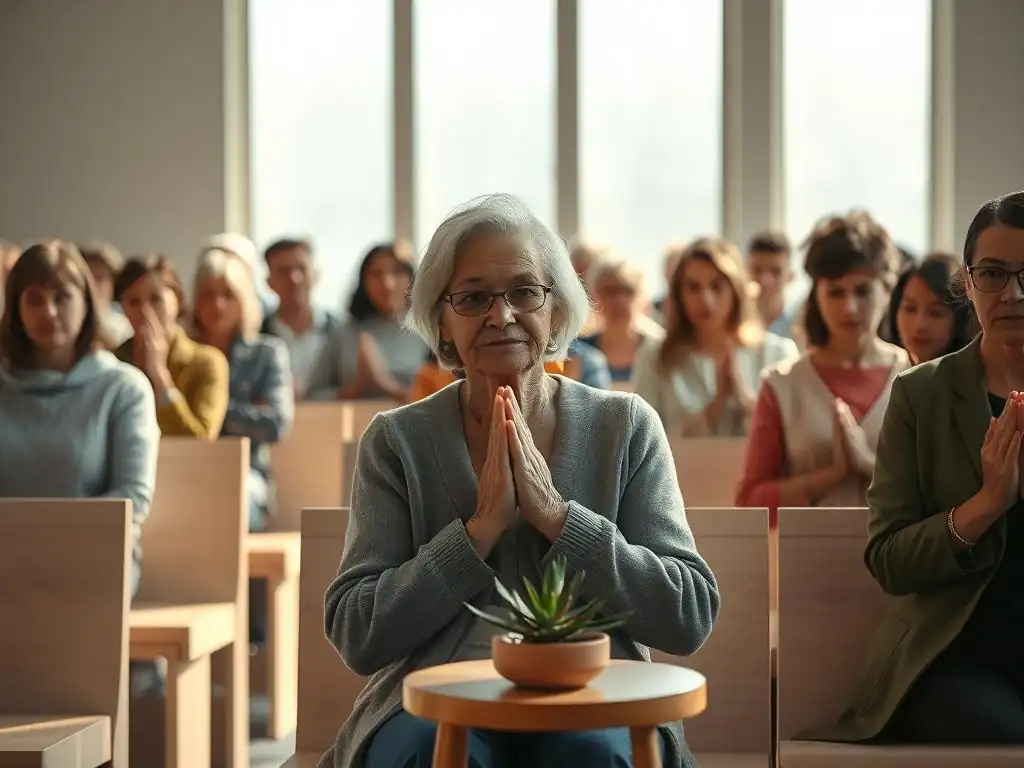
Beyond structured prayer, the broader context of religious gatherings plays a vital role in mental health by fostering community and a sense of belonging. Attending services, participating in faith-based social events, or joining study groups connects individuals in meaningful ways that extend beyond the spiritual practice itself. These interactions build robust social networks that are crucial for mental wellbeing.
Loneliness is a significant risk factor for various mental health issues, including depression and cognitive decline. Religious gatherings provide regular opportunities for social interaction and connection, directly combating isolation. Shared faith experiences, whether it's singing together, sharing a meal after a service, or discussing scripture, create bonds rooted in common values and beliefs. These shared experiences make it easier to form friendships and feel connected to others on a deeper level than casual acquaintances might allow.
For individuals who might struggle to connect in other social settings, the welcoming and often intergenerational nature of faith communities can be particularly beneficial. They offer ready-made opportunities for interaction and mutual support. The simple act of being recognized, greeted, and included in group activities provides a powerful antidote to feelings of loneliness and invisibility, fostering a sense of belonging that is fundamental to mental health. This is a key aspect of how collective prayer mental health support is delivered through community.
Faith communities are often hubs of social activity and mutual aid. Beyond formal worship, they organize events like potlucks, volunteer projects, youth groups, and support circles. These activities provide diverse opportunities for members to interact, build relationships, and strengthen their social networks. When facing a personal crisis, members of a faith community often have a built-in support system to turn to, consisting of people who know them, care about them, and are willing to offer practical help, emotional support, or collective prayer.
These strong social connections act as a buffer against stress and adversity. Knowing that you have people you can rely on, talk to, or simply spend time with significantly enhances your ability to cope with life's challenges. The communal support found within religious groups provides a safety net that can prevent individuals from feeling overwhelmed or falling into despair during difficult times. This network effect is a powerful form of collective prayer mental health support, extending beyond the prayer itself into daily life.
Finding Purpose and Meaning Within a Religious Community
A sense of purpose and meaning is strongly linked to mental wellbeing. Religious communities often provide individuals with opportunities to explore existential questions, understand their place in the world, and engage in activities that align with their values. Participating in communal service projects, contributing to the community's mission, or taking on leadership roles within the group can provide a strong sense of purpose and contribution.
Furthermore, faith traditions often offer narratives and teachings that provide a framework for understanding suffering, finding meaning in difficult experiences, and living a life guided by specific values. Discussing these concepts with others in a group setting can deepen one's understanding and integration of these ideas. This shared search for meaning and purpose within a supportive community significantly enhances psychological resilience and overall life satisfaction.
The Impact of Collective Prayer on Stress and Anxiety
Stress and anxiety are pervasive challenges in modern life, significantly impacting mental and physical health. While individual coping mechanisms are essential, the communal aspect of collective prayer and worship offers unique pathways to managing these difficult states. The shared experience within a faith community can act as a buffer against stressors, providing both emotional regulation and practical support.
Emerging research suggests that engaging in calming, structured activities can help regulate the body's stress response, potentially reducing levels of stress hormones like cortisol. Shared spiritual rituals, such as communal meditation, contemplative prayer, or even the repetitive chanting or singing found in some traditions, can induce a state of relaxation. The collective nature of these rituals can amplify their calming effect through social resonance and shared intention. For example, sitting in quiet contemplation with a group of people focused on peace can create a palpable atmosphere of calm that is more easily accessed than meditating alone.
Beyond the immediate physiological effects, the routine and predictability of collective worship services or prayer meetings can provide a sense of order and stability in a chaotic world. Knowing that a specific time is set aside each week or day for spiritual connection and communal support can reduce anticipatory stress and provide a reliable anchor. This consistent engagement in collective prayer offers a structured avenue for stress reduction, contributing to overall mental wellbeing.
Collective Prayer as a Coping Mechanism for Anxiety and Fear
Anxiety and fear often thrive in isolation and uncertainty. Collective prayer provides a direct counterpoint by offering connection and a shared sense of faith in something larger than the individual's anxieties. When people pray together about their fears – whether for personal safety, the health of loved ones, or global concerns – the burden feels lighter. Expressing anxieties aloud or even silently within a supportive group acknowledges the feelings while simultaneously placing them within a spiritual context that may offer comfort or a sense of divine intervention or guidance.
The communal aspect also provides validation. Knowing that others share similar fears or have successfully navigated them through faith can reduce the feeling that one's anxiety is unique or insurmountable. Group prayer focused on specific anxieties, such as praying for peace during times of conflict or praying for courage before a difficult event, channels nervous energy into a proactive, communal act. This shared coping mechanism, rooted in faith, enhances the individual's ability to face and manage anxious thoughts and feelings. Utilizing collective prayer mental health support specifically targets these difficult emotions.
Creating a Sense of Calm and Peace Through Group Meditation and Prayer
Many faith traditions incorporate forms of group meditation or contemplative prayer. These practices are specifically designed to quiet the mind, focus attention, and cultivate inner peace. When practiced collectively, the shared intention and quiet presence of others can deepen the experience. The collective energy in a room full of people engaged in silent prayer or focused meditation can create a profound sense of calm and tranquility that is often more accessible than individual practice, especially for beginners or those struggling with restless minds.
Furthermore, the content of communal prayer often focuses on themes of peace, trust, and surrender. Regularly hearing and participating in prayers that emphasize letting go of worries and trusting in a higher power or universal order can gradually reshape thought patterns and promote a more peaceful outlook. This consistent exposure to calming themes and practices within a supportive group setting contributes significantly to reducing overall stress and anxiety levels, fostering a more sustained state of inner peace.
Building Community and Belonging Through Religious Gatherings
Beyond structured prayer, the broader context of religious gatherings plays a vital role in mental health by fostering community and a sense of belonging. Attending services, participating in faith-based social events, or joining study groups connects individuals in meaningful ways that extend beyond the spiritual practice itself. These interactions build robust social networks that are crucial for mental wellbeing.
Loneliness is a significant risk factor for various mental health issues, including depression and cognitive decline. Religious gatherings provide regular opportunities for social interaction and connection, directly combating isolation. Shared faith experiences, whether it's singing together, sharing a meal after a service, or discussing scripture, create bonds rooted in common values and beliefs. These shared experiences make it easier to form friendships and feel connected to others on a deeper level than casual acquaintances might allow.
For individuals who might struggle to connect in other social settings, the welcoming and often intergenerational nature of faith communities can be particularly beneficial. They offer ready-made opportunities for interaction and mutual support. The simple act of being recognized, greeted, and included in group activities provides a powerful antidote to feelings of loneliness and invisibility, fostering a sense of belonging that is fundamental to mental health. This is a key aspect of how collective prayer mental health support is delivered through community.
Faith communities are often hubs of social activity and mutual aid. Beyond formal worship, they organize events like potlucks, volunteer projects, youth groups, and support circles. These activities provide diverse opportunities for members to interact, build relationships, and strengthen their social networks. When facing a personal crisis, members of a faith community often have a built-in support system to turn to, consisting of people who know them, care about them, and are willing to offer practical help, emotional support, or collective prayer.
These strong social connections act as a buffer against stress and adversity. Knowing that you have people you can rely on, talk to, or simply spend time with significantly enhances your ability to cope with life's challenges. The communal support found within religious groups provides a safety net that can prevent individuals from feeling overwhelmed or falling into despair during difficult times. This network effect is a powerful form of collective prayer mental health support, extending beyond the prayer itself into daily life.
Finding Purpose and Meaning Within a Religious Community
A sense of purpose and meaning is strongly linked to mental wellbeing. Religious communities often provide individuals with opportunities to explore existential questions, understand their place in the world, and engage in activities that align with their values. Participating in communal service projects, contributing to the community's mission, or taking on leadership roles within the group can provide a strong sense of purpose and contribution.
Furthermore, faith traditions often offer narratives and teachings that provide a framework for understanding suffering, finding meaning in difficult experiences, and living a life guided by specific values. Discussing these concepts with others in a group setting can deepen one's understanding and integration of these ideas. This shared search for meaning and purpose within a supportive community significantly enhances psychological resilience and overall life satisfaction.
Practical Ways to Engage in Collective Prayer for Mental Health
Embarking on the path of collective prayer for mental health support doesn't have to be daunting. There are numerous ways to engage, catering to different comfort levels and schedules. The key is finding a setting where you feel welcomed, safe, and spiritually nourished. Exploring different options allows you to discover the form of communal spiritual practice that best resonates with your needs and beliefs.
Joining a Local Religious Group or Congregation
The most traditional way to engage in collective prayer and worship is by joining a local religious group, church, mosque, synagogue, temple, or other faith-based congregation. These institutions typically offer regular services, prayer meetings, and opportunities for community involvement. Visiting a few different congregations can help you find one where you feel a sense of connection and belonging. Many congregations have specific small groups focused on prayer, scripture study, or support for various life challenges, offering more intimate settings for collective spiritual practice.
Attending services provides a consistent rhythm of collective worship, while participating in smaller groups allows for deeper personal connections and the opportunity to share prayer requests and support more directly. Don't feel pressured to commit immediately; visiting as a guest is a common and accepted way to explore different communities. Engaging with a local group provides a tangible source of collective prayer mental health support.
Participating in Online Prayer Groups and Communities
In the digital age, geographical barriers are less of an issue. Many faith traditions offer online prayer groups, virtual worship services, and digital communities. These platforms allow individuals to participate in collective prayer and spiritual connection from the comfort of their homes. This is particularly beneficial for those with mobility issues, social anxiety, or those who live far from a physical faith community. Online groups can range from large virtual services streamed live to smaller, more interactive video calls focused on prayer and discussion.
Engaging in online collective prayer offers flexibility and accessibility. It provides a sense of connection and shared spiritual purpose, even without physical presence. While the dynamics differ from in-person gatherings, these online communities can still provide significant collective prayer mental health support through shared intentions, virtual check-ins, and online forums for support and encouragement.
Creating Your Own Small Group Prayer Circle
If joining an existing group feels overwhelming or if you have specific needs not met by current options, consider starting your own small group prayer circle. This can be as simple as gathering a few friends, family members, or like-minded individuals who share your faith or spiritual interests. Agree on a regular time and place (in-person or virtual) to meet for prayer, reflection, and mutual support.
A small group allows for a more intimate and personalized experience. Participants can share prayer requests, support each other through specific challenges, and deepen their spiritual practice together. Setting ground rules for confidentiality, respect, and authenticity is crucial for creating a safe and supportive environment. This grassroots approach allows you to tailor the collective prayer experience to your specific needs for mental health support.
The Role of Worship in Enhancing Mental Wellbeing
Worship, often encompassing prayer but also including elements like music, singing, scripture reading, and contemplation, is a holistic practice that engages multiple senses and aspects of the human experience. It provides a dedicated time and space for individuals to connect with their faith, express devotion, and seek spiritual nourishment, all of which can have profound benefits for mental health.
The Therapeutic Effects of Music and Singing in Worship
Music and singing are integral components of worship in many traditions, and their therapeutic effects are well-documented. Communal singing, whether hymns, chants, or spiritual songs, can be incredibly uplifting. The act of singing releases endorphins, which have mood-boosting properties. Singing in harmony with others creates a sense of connection and shared energy. The rhythm and melody can also have a calming effect, reducing physiological signs of stress.
Beyond the physical benefits, the lyrics of worship music often convey messages of hope, comfort, and divine love, which can be deeply resonant and emotionally supportive. Listening to or participating in worship music can provide an emotional release, allowing individuals to express feelings of joy, sorrow, gratitude, or longing within a spiritual context. This emotional processing, combined with the communal aspect of singing together, contributes significantly to enhanced mental wellbeing.
Finding Solace and Inspiration in Religious Texts and Teachings
Religious texts and teachings offer a wealth of wisdom, guidance, and narratives that can provide solace and inspiration, particularly during difficult times. Reading or hearing passages that speak to themes of suffering, perseverance, hope, or divine compassion can offer comfort and a sense of not being alone in one's struggles. Sharing these texts and discussing their meaning within a worship setting or study group deepens their impact and provides collective interpretation and support.
Sermons or spiritual talks often draw upon these texts to offer practical guidance for living a life aligned with faith values, which can include coping strategies, ethical considerations, and perspectives on adversity. Engaging with these teachings collectively allows for shared reflection and understanding, fostering a sense of community built around common spiritual knowledge. This shared engagement with sacred texts provides intellectual and emotional nourishment, supporting mental resilience.
Expressing Gratitude and Cultivating Positive Emotions Through Worship
Worship often includes elements of thanksgiving and praise. Regularly expressing gratitude, whether through communal prayers, songs, or personal reflection during a service, shifts focus from what is lacking to what is abundant. Cultivating a mindset of gratitude has been shown in psychological research to significantly improve mood, reduce symptoms of depression, and increase overall life satisfaction.
Communal worship provides a structured opportunity to practice gratitude collectively. Sharing testimonies of blessings, participating in prayers of thanksgiving, or simply acknowledging the positive aspects of life and faith within a group setting amplifies these positive emotions. This shared cultivation of gratitude and other positive emotions like awe, reverence, and love within a worship context contributes significantly to a more positive emotional landscape, which is vital for mental health.
Addressing Challenges and Concerns Regarding Collective Prayer

While collective prayer and worship offer significant benefits, it's important to acknowledge that engaging in a faith community can also present challenges. Navigating group dynamics, dealing with differing perspectives, and maintaining personal authenticity are aspects that individuals might need to address to ensure the experience is genuinely supportive of their mental health.
Faith communities are composed of individuals with diverse backgrounds, experiences, and interpretations of belief. While shared faith forms a bond, differences in theological understanding, social views, or personal practices can sometimes lead to discomfort or conflict. It's important to approach these differences with an open mind and a commitment to respectful dialogue. Recognizing that diversity exists even within a single faith tradition is key.
- Practice active listening when others express views different from your own.
- Focus on the shared core values and practices that brought you together.
- Know that it's okay to disagree respectfully on certain points.
- Seek guidance from spiritual leaders or trusted members if conflicts arise.
- Understand that your personal faith journey is valid even if it differs slightly from others.
Navigating these differences requires patience and a focus on the unifying aspects of collective prayer and community.
Dealing with Feelings of Discomfort or Pressure to Conform
Joining any group can bring a subtle or overt pressure to conform to group norms, whether in belief, behavior, or expression of faith. For individuals seeking collective prayer mental health support, feeling pressured to adopt beliefs or practices that don't align with their authentic self can be counterproductive and create anxiety. It's crucial to find a community where you feel accepted for who you are, including your doubts, questions, and unique spiritual path.
Being mindful of your own boundaries and comfort level is essential. It's acceptable to participate in ways that feel genuine to you and to politely decline participation in activities or expressions that do not. Seeking out smaller groups or talking with trusted members or leadership about your feelings can help. Ultimately, the goal is for collective prayer to be a source of support, not stress.
Maintaining Authenticity and Personal Connection to Faith
While collective prayer is powerful, it should complement, not replace, your personal faith journey. Maintaining authenticity means staying true to your own beliefs, values, and spiritual experiences, even within a group context. Your personal connection to your faith is the foundation, and collective practice should ideally deepen that connection, not dilute it.
- Continue personal practices like individual prayer, meditation, or reflection.
- Regularly check in with yourself about how the group experience feels.
- Be honest with yourself and, if appropriate, with trusted members about your struggles or questions.
- Remember that faith is a journey, and it's okay to be in a different place than others in the group.
Ensuring that collective prayer enhances, rather than compromises, your personal spiritual integrity is vital for it to be a genuine source of mental health support.
Scientific Evidence Supporting the Benefits of Collective Prayer
While spirituality is deeply personal and often transcends empirical measurement, scientific research has begun to explore the links between religious and spiritual practices, including collective prayer, and various health outcomes, particularly mental health. These studies offer valuable insights into the mechanisms through which faith and community can exert positive effects.
Studies on the Impact of Prayer on Mental and Physical Health
Numerous studies have investigated the correlation between religious involvement (often including collective worship and prayer) and health. Research consistently suggests that individuals who are actively involved in faith communities tend to report lower rates of depression and anxiety compared to those who are not. Some studies have also indicated potential links between religious practice and improved physical health markers, although the pathways are complex and likely involve social support, healthier lifestyles often encouraged by faith, and coping mechanisms like prayer.
For instance, large-scale surveys have shown a correlation between frequent religious service attendance and greater life satisfaction and lower psychological distress. While these studies often show correlation, not necessarily causation, they highlight a strong association between engaging in collective spiritual practices and positive mental health outcomes. The social support and sense of purpose gained from collective prayer are often cited as key mediating factors in these observed benefits.
Exploring the Mechanisms Through Which Collective Prayer Promotes Wellbeing
Research attempts to understand how collective prayer and religious involvement might benefit mental health. Several mechanisms are commonly explored:
- Social Support: Faith communities provide robust social networks, reducing isolation and offering practical and emotional aid. This is a widely accepted protective factor for mental health.
- Coping Mechanisms: Prayer, including collective prayer, provides a coping strategy for stress and adversity. It can help individuals reframe challenges, find meaning in suffering, and cultivate hope.
- Sense of Purpose and Meaning: Religion often provides a framework for understanding life and one's place in it, contributing to a strong sense of purpose, which is linked to reduced depression and increased wellbeing.
- Healthy Behaviors: Many faith traditions encourage practices that are beneficial for health, such as avoiding substance abuse, promoting family stability, and engaging in service to others.
- Stress Reduction: Ritualistic practices, including communal prayer and meditation, can induce relaxation responses, potentially impacting physiological stress markers.
These proposed mechanisms illustrate the multifaceted ways collective prayer contributes to mental health support, moving beyond simple correlation to explore the underlying processes.
Understanding the Limitations of Research on Prayer and Spirituality
It's crucial to approach research on prayer and spirituality with an understanding of its limitations. Studying subjective experiences like faith and prayer using empirical methods is inherently challenging. Many studies rely on self-report measures of religious involvement and mental health symptoms, which can be subject to bias. Defining and measuring "prayer" or "worship" scientifically is also complex, as these practices vary widely across individuals and traditions.
Furthermore, correlation does not equal causation. While studies show associations, it's difficult to definitively prove that collective prayer causes improved mental health. Other factors, such as pre-existing differences in personality, lifestyle, or social support networks among those who choose to participate in faith communities, may also play a role. Despite these limitations, the consistent findings across numerous studies suggest a significant link that warrants attention and further exploration of the potential benefits of collective prayer mental health support.
Cultivating a Mindful Approach to Collective Prayer and Worship
Engaging in collective prayer and worship mindfully can deepen its impact on mental wellbeing. Mindfulness, the practice of bringing one's attention to the present moment without judgment, can enhance the spiritual experience and its therapeutic benefits. Integrating mindfulness into communal spiritual practices can make them more meaningful and effective as a source of mental health support.
Focusing on the Present Moment During Prayer
During collective prayer, it's easy for the mind to wander, thinking about distractions, worries, or even just waiting for the prayer to end. Bringing a mindful awareness to the experience involves intentionally focusing on the present moment: the words being spoken, the feelings in your body, the presence of others around you, or the specific intention of the prayer.
This present-moment focus reduces rumination on past regrets or future anxieties, which are core components of many mental health struggles. By fully engaging in the prayer experience, you allow yourself to be fully present with the spiritual connection and the communal support being offered. If your mind wanders, gently guide it back to the prayer, much like in meditation practice. This mindful presence enhances the calming and centering effects of collective prayer.
Practicing Active Listening and Empathy Within the Community
Mindfulness extends beyond personal internal focus; it also involves mindful engagement with others. In a collective prayer setting, this means practicing active listening when others are speaking, sharing prayer requests, or offering reflections. It involves being fully present with their words and emotions, offering empathy and compassion.
Engaging with others mindfully strengthens the communal bonds that are so vital for mental health support. When individuals feel truly heard and understood within their faith community, it reinforces the sense of belonging and trust. Offering empathetic support to others also shifts focus outward, which can be beneficial for those preoccupied with their own struggles. This reciprocal exchange of mindful presence and empathy deepens the collective prayer mental health support experienced by all members.
Integrating Faith and Mindfulness for Enhanced Mental Wellbeing
Integrating faith and mindfulness involves consciously bringing mindful awareness to all aspects of your spiritual life, including collective prayer and worship. It's about engaging with your faith not just as a set of beliefs or rituals, but as a living, present experience. This integration can enhance the psychological benefits of both practices.
- Approach collective worship services with an intention to be fully present.
- Listen to sermons or readings mindfully, reflecting on their relevance to your present life.
- Engage in communal singing or chanting with full awareness of the sounds, vibrations, and shared energy.
- Use moments of quiet prayer or contemplation within the service to practice mindful breathing and present-moment awareness.
- Bring the lessons of compassion and connection learned in collective settings into your daily interactions.
By cultivating a mindful approach, collective prayer becomes not just a routine practice, but a deeply engaging experience that actively nourishes your mental and spiritual wellbeing.
Conclusion: Embracing Collective Prayer for Enhanced Mental Health Support
The journey towards mental wellness is deeply personal, yet it is often strengthened by connection and community. For many, collective prayer and worship offer a powerful and accessible pathway to enhanced mental health support. By fostering belonging, reducing isolation, providing coping mechanisms for stress and anxiety, and cultivating hope and resilience, shared spiritual practices address fundamental human needs that are crucial for psychological wellbeing.
Engaging in collective prayer and worship provides a unique blend of spiritual nourishment and social connection. It is in the shared space of faith that individuals can find solace during difficult times, celebrate moments of joy together, and draw strength from the collective belief and support of others. This communal aspect reminds individuals that they are part of something larger than themselves, fostering a sense of purpose and reducing feelings of loneliness.
The hope found in shared spiritual narratives and the resilience built through communal support are invaluable assets for navigating life's challenges and fostering a positive state of mind. Embracing collective prayer means opening yourself to this powerful source of strength and connection for your mental health.
Resources for Finding Local and Online Prayer Groups
Exploring options for collective prayer is the first step. Look for local faith communities in your area by searching online directories or asking friends and family. Many religious organizations have websites listing their service times and group activities. For online options, search for virtual worship services, online prayer meetings, or faith-based online communities related to your specific tradition or interest. Many platforms offer live-streamed services or dedicated groups for prayer requests and discussion. Finding the right fit may take some exploration, but the potential benefits for your mental health are significant.
Frequently Asked Questions
What exactly is collective prayer and how does it relate to mental health support?
Collective prayer refers to shared spiritual practices, such as prayer or worship, within a group. It provides social connection and a sense of belonging, which can positively impact mental well-being.
How can participating in collective prayer help with feelings of isolation or loneliness, issues often linked to mental health challenges?
Group prayer fosters a sense of community and shared experience. This helps combat isolation by providing a supportive network and reducing feelings of loneliness.
Does Mind Care Guide advocate for collective prayer as a replacement for professional mental health treatment?
No, Mind Care Guide emphasizes that collective prayer serves as a complementary support system, not a replacement for professional therapy or medication. It is an additional resource.
What are some potential benefits of collective prayer beyond simply feeling less lonely in the context of mental health support?
Beyond social connection, collective prayer can instill hope, promote mindfulness, and provide a sense of purpose and meaning. These can improve overall mental resilience.
How can someone find a collective prayer group or worship community that aligns with their beliefs and provides effective mental health support?
Consider your personal beliefs and values when researching groups. Look for communities that emphasize compassion, acceptance, and active listening. Local religious organizations or online platforms are good starting points.
The collective act of prayer and worship isn't merely a ritual; it's a potent source of mental health support, profoundly relevant in our increasingly isolated world. In a society grappling with unprecedented levels of stress, anxiety, and loneliness, the shared experience of faith offers a lifeline, a tangible connection to something larger than ourselves, and a powerful antidote to the pervasive sense of disconnection.
The impact of shared faith on mental well-being is undeniable. It fosters a sense of belonging, providing a supportive community where individuals feel seen, heard, and understood. This shared experience transcends individual struggles, offering comfort and strength through collective empathy and shared hope. Faith is to believe what you do not see; the reward of this faith is to see what you believe.
– Saint Augustine. This quote encapsulates the transformative power of shared faith, highlighting how belief, nurtured within a community, can lead to tangible positive experiences and a strengthened sense of self. The ongoing influence of collective prayer and worship on the cultural and social landscape is evident in the continued growth of faith-based support groups and communities offering solace and practical assistance to those in need.
Now, consider your own life. Do you actively seek out opportunities for shared faith and communal worship? Think about the power of shared intention, the strength found in collective support, and the peace that can bloom from a shared sense of purpose. Embrace the opportunity to connect with others, to find solace in shared faith, and to discover the profound mental health benefits that await you within a supportive community. Let the enduring power of collective prayer and worship illuminate your path towards greater well-being.
Unlock Your Inner Strength: Join the Prayer Community
Thank you for taking the time to explore the power of collective prayer and worship. We hope this article has provided you with valuable insights and renewed your faith in the strength found in shared devotion. Ready to take the next step?
- Join our online prayer group: Connect with a supportive community of like-minded individuals and experience the collective power of prayer firsthand. This is our primary suggestion for you!
- Share this article: Spread the message of hope and faith with your friends and family who might also benefit from the strength found in shared worship.
- Reflect on a personal prayer request: Take some time today to focus on a specific concern you have, and dedicate a prayer to it, strengthened by your new understanding.
What personal experience with collective prayer or worship resonates most with you, and how has it impacted your life? We'd love to hear your stories in the comments below!