
Online Couples Therapy: Flexible Support for Busy Couples

Welcome to Mind Care Guide, a sanctuary for your mental well-being.
Feeling overwhelmed trying to balance life and relationships? Discover the surprising flexibility benefits of online couples therapy. We understand the challenges modern couples face, and we're here to shed light on how accessible, convenient support can reignite connection. Explore our guide to uncover how online platforms are revolutionizing couples therapy, offering a lifeline to busy lives and strained relationships. Read on and see if Online Couples Therapy: Flexible Support for Busy Couples is the right path for you.
Online Couples Therapy: Flexible Support for Busy Couples
- The Growing Need for Flexible Couples Therapy Solutions
- Unlocking Relationship Growth: Online Couples Therapy Flexibility Benefits
- Choosing the Right Online Couples Therapy Platform: A Comprehensive Guide
- Maximizing the Benefits of Online Couples Therapy: Tips for Success
- Real-Life Success Stories: Online Couples Therapy Transformations
- Addressing Common Concerns About Online Couples Therapy
- Investing in Your Relationship: Online Couples Therapy Costs and Options
- The Future of Relationship Support: Embracing Online Flexibility
-
Frequently Asked Questions
- What are the flexibility benefits of online couples therapy?
- How does online couples therapy compare to in-person sessions in terms of effectiveness?
- What types of issues can online couples therapy effectively address?
- What technology is typically required for online couples therapy sessions?
- What factors should couples consider when choosing an online couples therapist?
- Final Reflection: Redefining Intimacy in the Digital Age
- Ignite Your Connection: Take the Next Step Towards a Stronger Relationship
The Growing Need for Flexible Couples Therapy Solutions
Understanding the Challenges of Traditional Couples Counseling
Traditional couples counseling often requires partners to coordinate schedules to physically travel to a therapist's office. This can be a significant hurdle, especially for couples juggling demanding careers, childcare responsibilities, or different work hours. Finding a time slot that works for both individuals and the therapist, and then factoring in travel time, can turn therapy into a logistical nightmare. This difficulty in scheduling is cited by many couples as a primary reason for delaying or discontinuing therapy.
Furthermore, the fixed location of traditional therapy can be a barrier for couples living in rural areas or those with limited mobility. Accessibility becomes a major concern when the nearest qualified therapist is a significant distance away. The pressure of rushing to an appointment after a long day, or the stress of finding parking, can also detract from the therapeutic experience, making it harder for couples to fully engage in the session and benefit from the support offered.
How Online Couples Therapy Addresses Time Constraints and Scheduling Conflicts
Online couples therapy offers a powerful solution to the scheduling challenges inherent in traditional models. By removing the need for physical travel, it immediately frees up time that would otherwise be spent commuting. Couples can attend sessions from the comfort of their home, office, or even while traveling, provided they have a private space and internet access. This inherent flexibility allows partners to more easily find overlapping availability, whether it's during a lunch break, late in the evening after the children are asleep, or even when they are in different physical locations.
Platforms offering online couples therapy flexibility benefits often provide extended hours of operation, sometimes even 24/7 access for certain types of communication. This means couples aren't limited to standard 9-to-5 appointment times. They can schedule sessions that genuinely fit into their busy lives, making therapy a more sustainable and less stressful commitment. The ability to connect from anywhere significantly reduces the "too busy" excuse, making professional relationship support more accessible than ever before.
Key Benefits of Online Couples Therapy: Flexibility and Accessibility
One of the most compelling advantages of online couples therapy is its unparalleled flexibility. Couples are no longer bound by geographic location or strict office hours. This means a couple living in California can see a therapist based in New York if that therapist specializes in their specific needs or has better availability. The sheer breadth of therapist options available online expands significantly compared to being limited to practitioners within a commuting radius. This global reach ensures couples can find the right therapist for them, rather than just the most conveniently located one.
Beyond flexibility, online therapy dramatically increases accessibility. For individuals with physical disabilities, agoraphobia, or those living in remote areas, accessing traditional therapy can be nearly impossible. Online platforms dismantle these barriers, bringing expert support directly to their doorstep (or screen). The comfort and familiarity of one's own environment can also make it easier for some individuals to open up and be vulnerable during sessions, enhancing the therapeutic process. The combination of flexibility and accessibility makes online couples therapy a vital resource for modern relationships.
Unlocking Relationship Growth: Online Couples Therapy Flexibility Benefits
Exploring the Advantages of Asynchronous Communication in Relationship Counseling
Asynchronous communication, such as messaging or email threads within a secure platform, offers a unique form of online couples therapy flexibility. Instead of being confined to a 50-minute weekly session, couples can communicate with their therapist and sometimes each other through text or audio messages throughout the week. This allows individuals to process thoughts and feelings in real-time as they arise, rather than having to wait for their next appointment. It provides an ongoing dialogue that can be incredibly helpful for tracking progress, sharing insights, and getting timely support during challenging moments.
This method is particularly beneficial for couples who struggle to articulate their thoughts under pressure or who prefer to write things down. It gives each partner time to formulate their responses thoughtfully, reducing the likelihood of impulsive reactions or misunderstandings that can occur in live conversations. Therapists can review these exchanges and provide guidance, assign exercises, or offer reflections, extending the therapeutic work beyond the scheduled live sessions. This persistent connection fosters a continuous engagement with the therapy process, reinforcing the online couples therapy flexibility benefits.
Live Video Sessions and Their Role in Building Connection Online
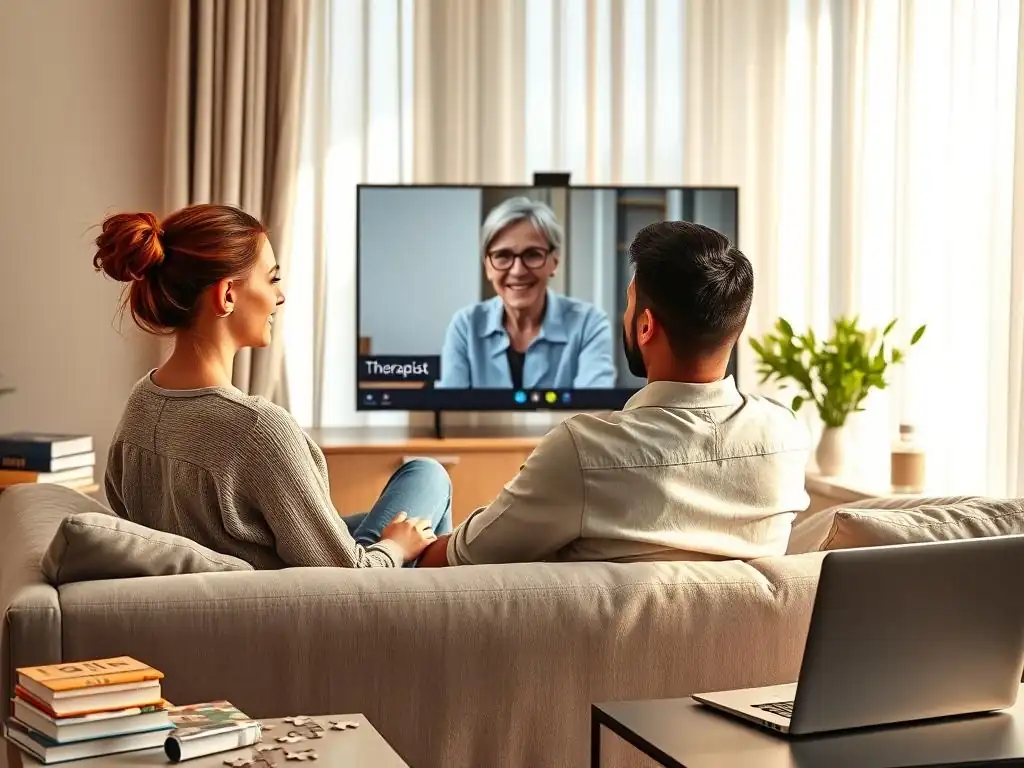
While asynchronous communication offers flexibility, live video sessions remain a cornerstone of online couples therapy. These real-time interactions allow therapists to observe non-verbal cues, facial expressions, and the dynamic between partners, much like in traditional in-person therapy. Seeing each other's reactions and hearing the tone of voice is crucial for building empathy and understanding within the couple and between the couple and the therapist. Platforms prioritize high-quality video and audio to facilitate a smooth and engaging session experience.
Despite the physical distance, skilled online therapists are adept at creating a warm, safe, and connected environment through the screen. They use techniques specifically adapted for the virtual setting to ensure both partners feel heard and understood. Video sessions allow for interactive exercises, shared screen activities (like reviewing worksheets), and immediate feedback, replicating many of the powerful elements of face-to-face counseling. This blend of real-time interaction and flexible scheduling encapsulates the core online couples therapy flexibility benefits.
How Lasting provides personalized guidance for couples with busy schedules
Lasting, an app-based relationship counseling platform, exemplifies how technology can provide personalized guidance with significant online couples therapy flexibility. While not a live therapy platform in the traditional sense, it offers evidence-based programs and exercises delivered daily or weekly through the app. Users can engage with content on topics like communication, conflict, sex, and money at their own pace and schedule, making it ideal for couples with highly unpredictable or busy schedules.
The platform uses personalized plans based on a user's initial assessment, guiding them through relevant exercises and prompts. Couples can complete these sessions together or individually, discussing their insights afterward. This asynchronous, self-paced approach is a prime example of the flexibility online tools offer, allowing couples to work on their relationship consistently without needing to carve out large, fixed blocks of time. It provides a structured way to build healthier habits and understanding, complementing or preparing couples for live therapy.
Choosing the Right Online Couples Therapy Platform: A Comprehensive Guide

Factors to Consider When Selecting a Platform for Online Relationship Counseling
Choosing the right online couples therapy platform requires careful consideration of several factors to ensure it meets your specific needs and preferences. First, evaluate the platform's model: does it primarily offer live video sessions, asynchronous messaging, or a blend of both? Your preferred communication style and scheduling needs will influence this. Consider the availability of therapists – are they available during the times you and your partner are free? Some platforms have therapists available during evenings and weekends, significantly enhancing the online couples therapy flexibility.
Another crucial factor is the therapist matching process. How does the platform pair you with a therapist, and can you switch therapists if the fit isn't right? Look into the therapist credentials and specializations offered; do they have experience with issues like infidelity, communication problems, or specific life transitions relevant to your relationship? Finally, consider the cost structure (subscription vs. pay-per-session) and whether they offer options compatible with your budget or potential insurance coverage.
Platform Comparison Table: Talkspace vs. ReGain vs. Lasting - Cost, Features, Therapist Availability
| Feature | Talkspace Couples Therapy | ReGain | Lasting |
|---|---|---|---|
| Model | Live video, unlimited messaging | Live video, messaging | App-based programs, exercises, discussion prompts |
| Therapist Matching | Matched based on preferences, can switch | Matched based on preferences, can switch | No therapist matching; content-driven |
| Cost (Approximation) | ~$396-500/month (varies by plan) | ~$200-360/month (varies by plan) | ~$12-15/month (annual plan) |
| Availability | Therapists available at various times, often evenings/weekends | Therapists available at various times, often evenings/weekends | Available anytime via app |
| Focus | Live interaction + ongoing support | Live interaction + ongoing support | Skill-building, habit formation, self-paced exploration |
| Best For | Couples seeking blend of live sessions and text support | Couples prioritizing video sessions and continuous access to therapist | Couples seeking structured guidance and flexibility in their own time |
Note: Costs are approximate and can vary based on location, plan details, and promotions. This comparison highlights how different platforms cater to varying needs, particularly regarding the online couples therapy flexibility they offer through different communication models and schedules.
The Importance of Therapist Credentials and Specializations
Regardless of the platform, the qualifications and experience of the therapist are paramount. Ensure the platform employs licensed mental health professionals, such as Licensed Marriage and Family Therapists (LMFTs), Licensed Professional Counselors (LPCs), Licensed Clinical Social Workers (LCSWs), or psychologists. These credentials indicate that the therapist has met rigorous educational and training requirements and is authorized to practice therapy. Don't hesitate to inquire about their licensing body and license number.
Beyond basic licensure, look for therapists who specialize in couples counseling. This specialization means they have received specific training in relationship dynamics, communication techniques, conflict resolution, and common couples' issues like infidelity, intimacy problems, or financial stress. Some therapists may have further specialization, such as Gottman Method or Emotionally Focused Therapy (EFT) training. Checking therapist profiles for their background, experience, and areas of expertise is a critical step in finding a good match and ensuring you receive effective, professional support.
Maximizing the Benefits of Online Couples Therapy: Tips for Success
Creating a Dedicated Space and Time for Online Sessions
To get the most out of online couples therapy, it's essential to treat it with the same seriousness as an in-person appointment. This begins with creating a dedicated physical space for your sessions. Find a quiet, private area where you and your partner (if you're in the same location) can sit comfortably without interruptions. Ensure the space has good lighting and a stable internet connection. Minimizing background noise and distractions will help you focus entirely on the session content and your interactions with your partner and therapist.
Equally important is dedicating uninterrupted time. Schedule your online sessions just like any other important appointment and protect that time fiercely. Turn off notifications on phones and computers, inform others in your household that you need privacy, and avoid trying to multitask during the session. Treating the session time as sacred signals its importance to both yourself and your partner, creating an environment conducive to open communication and therapeutic progress, thereby maximizing the online couples therapy flexibility benefits.
Communicating Effectively with Your Therapist and Partner Online
Effective communication is key in online therapy. Be open and honest with your therapist about your goals, concerns, and any challenges you face with the online format itself. If you're having technical issues or feel disconnected, communicate this immediately. With your partner, practice active listening – pay attention not just to their words but also to their tone and non-verbal cues visible on screen. Use "I" statements to express your feelings without blame.
Take advantage of the communication tools your platform offers. If you have access to messaging, use it between sessions to share thoughts that come up, ask clarifying questions, or check in with your partner about exercises assigned by the therapist. Discuss with your therapist the best way to use these tools to support your therapy goals. Clear, consistent, and intentional communication with both your therapist and partner is vital for navigating the online space successfully and leveraging the online couples therapy flexibility benefits.
Recommendation for noise-canceling headphones to improve online session focus
One practical tip for improving the quality and focus of online therapy sessions is using noise-canceling headphones. In a shared household or even a home office, background noises – whether it's traffic, household appliances, or other family members – can be incredibly distracting. Noise-canceling headphones help to isolate the audio from the session, making it easier to hear your therapist and partner clearly and minimizing external distractions that can pull you out of the moment.
Using headphones also enhances privacy. It prevents your conversation from being overheard by others in your home, ensuring that the sensitive and personal discussions typical of couples therapy remain confidential. This simple piece of technology can significantly improve your ability to concentrate, engage deeply with the session content, and feel secure in your private space, ultimately contributing to a more effective therapeutic experience and helping you capitalize on the online couples therapy flexibility benefits.
Real-Life Success Stories: Online Couples Therapy Transformations
Case Study 1: Sarah and David and Their Improved Communication Through ReGain
Sarah and David, a couple in their late 30s, found themselves constantly arguing about small things and feeling disconnected due to their demanding work schedules. David traveled frequently for work, and Sarah worked long hours as a nurse. Traditional therapy seemed impossible to schedule consistently. They turned to ReGain, attracted by the online couples therapy flexibility it offered, allowing them to connect with a therapist even when David was on the road.
Through weekly video sessions and messaging via the platform, their therapist helped them identify negative communication patterns. They learned techniques like reflective listening and scheduling dedicated time for difficult conversations. David could join sessions from his hotel room, and Sarah from home after her shift. Over approximately four months, they reported a significant reduction in conflict and a deeper understanding of each other's needs. Sarah specifically mentioned how the ability to message their therapist between sessions helped them navigate immediate disagreements using the tools they were learning.
Case Study 2: Emily and John Overcoming Infidelity with Online Counseling Support
Emily and John faced the devastating impact of infidelity. The emotional turmoil made attending in-person therapy sessions together incredibly difficult initially. They opted for online counseling through a platform specializing in couples therapy, finding the ability to attend sessions from the safety and privacy of their own home less intimidating. The online couples therapy flexibility allowed them to schedule sessions more frequently during the initial crisis phase, sometimes multiple times a week, something that would have been logistically challenging and expensive with traditional therapy.
Their therapist guided them through processing the trauma, rebuilding trust, and addressing the underlying issues in their relationship. While the journey was difficult, the accessibility of their online therapist through scheduled video calls and asynchronous check-ins provided consistent support. After about eight months of consistent online therapy, Emily and John made significant progress towards healing and deciding to rebuild their relationship, attributing their ability to engage consistently with therapy to the convenience and privacy of the online format.
The Impact of Flexible Scheduling on Therapy Outcomes
These case studies, representative of many couples' experiences, highlight the profound impact that flexible scheduling has on therapy outcomes. When couples can attend sessions consistently without the added stress of logistics, they are more likely to stay engaged in the therapeutic process. The ability to schedule sessions at times that truly work, whether that's late at night or during a specific window when both partners are available, reduces missed appointments and gaps in treatment.
Furthermore, the availability of asynchronous communication allows couples to feel supported between sessions, helping them practice new skills and address issues as they arise rather than waiting days or a week. This continuous engagement reinforces the therapeutic work and accelerates progress. The online couples therapy flexibility benefits aren't just about convenience; they are about enabling a level of consistency and accessibility that can be critical for achieving positive and lasting change in a relationship.
Addressing Common Concerns About Online Couples Therapy

Is Online Therapy as Effective as In-Person Therapy?
A common concern is whether online couples therapy is as effective as traditional in-person sessions. Research and growing clinical experience suggest that for many couples and many issues, online therapy can be just as effective. Studies comparing the two modalities for various mental health conditions, including relationship distress, have often found comparable outcomes. The key factors influencing effectiveness tend to be the quality of the therapeutic relationship, the therapist's skill, and the couple's commitment to the process, rather than the medium itself.
While some couples may initially feel hesitant about connecting through a screen, most report feeling comfortable and engaged after a few sessions. The convenience and accessibility offered by online platforms mean that couples who might not otherwise seek or consistently attend therapy are able to receive support, leading to potentially better outcomes for those individuals. For specific severe issues or crises, a hybrid approach or in-person therapy might be recommended, but for a wide range of relationship challenges, online therapy is a highly viable and effective option, offering significant online couples therapy flexibility benefits.
Data Security and Privacy Considerations in Online Counseling
Data security and privacy are critical concerns when sharing sensitive personal information online. Reputable online therapy platforms are legally and ethically bound to protect client confidentiality, just like traditional therapy practices. They utilize secure, encrypted video conferencing tools and messaging platforms that comply with health privacy regulations, such as HIPAA in the United States. Sessions are not recorded without explicit consent, and communication within the platform is protected.
However, users also play a role in maintaining privacy. It is essential to use a secure internet connection (avoid public Wi-Fi), ensure your device is password-protected, and conduct sessions in a private space where you cannot be overheard. While platforms take extensive measures to protect your data, being mindful of your own technical setup and environment adds an extra layer of security. Before choosing a platform, review their privacy policy to understand how your data is handled, ensuring peace of mind regarding the confidentiality of your online couples therapy flexibility.
Overcoming Technological Barriers to Access Online Therapy
Technological barriers can sometimes prevent couples from accessing or fully benefiting from online therapy. These can include unreliable internet connections, lack of suitable devices (computer, tablet, or smartphone), or simply discomfort with using technology. While platforms strive to make their interfaces user-friendly, initial setup or troubleshooting might be necessary.
Many platforms offer technical support to help users navigate these issues. For couples with inconsistent internet access, some platforms may offer phone sessions as an alternative to video. If a couple is in the same location, attending the session on a single device can simplify the setup. For those less comfortable with technology, practicing using the platform's features before the first session can build confidence. While technology presents potential hurdles, they are often surmountable with preparation and support, allowing couples to access the valuable online couples therapy flexibility benefits.
Investing in Your Relationship: Online Couples Therapy Costs and Options
Understanding Different Pricing Models for Online Couples Therapy Platforms
Online couples therapy platforms typically offer several pricing models, providing flexibility to suit different budgets and needs. The most common model is a subscription plan, where users pay a recurring weekly or monthly fee. This fee usually covers a certain number of live video sessions (e.g., one per week) and often includes unlimited messaging with the therapist between sessions. Subscription costs can vary widely, from approximately $200 to over $500 per month, depending on the platform, the services included, and the specific therapist tier.
Another model is pay-per-session, which is similar to traditional therapy fees but conducted online. This allows couples to pay only for the sessions they attend, which might be preferable for those who need less frequent support. App-based platforms like Lasting often use a lower-cost monthly or annual subscription that provides access to content and exercises rather than live therapy sessions. Understanding these models helps couples choose an option that aligns with their financial situation and desired level of support, making the online couples therapy flexibility accessible financially as well.
Are Online Therapy Services Covered by Insurance?
Insurance coverage for online therapy services, including couples therapy, is becoming increasingly common but can vary significantly depending on your insurance plan and location. Many major insurance providers now offer some level of coverage for telehealth services, which includes online therapy. However, coverage for couples therapy specifically might differ from individual therapy coverage.
It is crucial to contact your insurance provider directly to confirm your benefits. Ask specific questions: Does your plan cover telemental health services? Does it cover couples therapy (sometimes coded differently than individual therapy)? Are there specific platforms or therapists within a platform's network that are covered? Some online platforms work directly with insurance companies, while others may require you to pay out-of-pocket and submit for reimbursement. Verifying insurance coverage beforehand can significantly reduce the financial burden and make online couples therapy flexibility a more affordable option.
Special Offers and Discounts on Leading Online Therapy Platforms
Many online therapy platforms understand that cost can be a barrier to accessing care and frequently offer special offers or discounts to new users. These can include discounted rates for the first month, a free initial consultation, or reduced pricing for committing to a longer subscription plan (e.g., paying quarterly or annually instead of monthly).
Keep an eye out for promotional codes or sign-up bonuses when researching platforms like Talkspace or ReGain. Some platforms may also offer financial aid or sliding scale fees based on income, although this is less common for couples therapy than individual therapy. Checking platform websites and searching online for current promotions can help couples find more affordable entry points to experience the benefits of online couples therapy flexibility and support.
The Future of Relationship Support: Embracing Online Flexibility
The Evolving Landscape of Online Mental Health Services
The online mental health services landscape is rapidly evolving, driven by technological advancements, increasing demand for accessible care, and changing societal attitudes towards therapy. What began primarily as text-based support has expanded to include high-quality video sessions, group therapy, asynchronous communication options, and app-based therapeutic tools. This evolution is making mental health support more integrated into daily life and more tailored to individual preferences and schedules.
This trend is particularly impactful for relationship support. As couples navigate the complexities of modern life, the need for flexible, accessible, and effective counseling is paramount. Online platforms are continuously innovating, offering new features and therapeutic approaches adapted for the digital environment. This dynamic growth suggests that online couples therapy will become an even more prominent and sophisticated resource for fostering healthy relationships in the years to come, further enhancing online couples therapy flexibility benefits.
How Technology is Transforming Couples Therapy
Technology is not just changing how therapy is delivered; it's also transforming the therapeutic process itself. Features like shared digital whiteboards, online assessment tools, mood tracking apps, and the ability to share resources instantly during a session enhance the therapeutic experience. Asynchronous communication allows therapists to gain deeper insights into a couple's daily interactions and challenges, providing richer context for live sessions.
Furthermore, technology facilitates greater access to specialized therapeutic techniques. Couples can find therapists trained in specific modalities, regardless of their geographic location. The development of secure platforms also allows for innovative approaches, such as integrating virtual reality elements or biofeedback into future relationship counseling. Technology is making couples therapy more personalized, data-informed, and seamlessly integrated into the couple's life, truly embodying the power of online couples therapy flexibility.
The Role of AI in Personalized Relationship Support
Looking ahead, artificial intelligence (AI) is poised to play an increasing role in personalized relationship support, complementing (but not replacing) human therapists. AI-powered tools could analyze communication patterns within messaging logs (with user consent) to identify potential areas of conflict or unhealthy dynamics, providing insights to both the couple and the therapist. Chatbots could offer immediate support for practicing communication skills or de-escalation techniques between sessions.
AI could also be used to personalize therapeutic content and exercises delivered via apps like Lasting, tailoring recommendations based on a couple's specific needs and progress. While the ethical implications and data privacy concerns surrounding AI in therapy are significant and require careful consideration, the potential for AI to enhance the accessibility, personalization, and effectiveness of online couples therapy flexibility is undeniable. It represents a frontier in relationship support that promises even more dynamic and responsive care in the future.
Frequently Asked Questions
What are the flexibility benefits of online couples therapy?
Online couples therapy offers scheduling flexibility and convenience, eliminating travel time and allowing sessions at times that suit both partners' busy lives. This accessibility is a key advantage.
How does online couples therapy compare to in-person sessions in terms of effectiveness?
Studies show that online couples therapy can be just as effective as in-person sessions, especially when focusing on communication and conflict resolution. Experienced therapists adapt their techniques for the online platform.
What types of issues can online couples therapy effectively address?
Online couples therapy can address a wide range of issues, including communication breakdowns, conflict management, infidelity, and intimacy concerns. It provides a safe space for couples to work through challenges.
What technology is typically required for online couples therapy sessions?
Generally, you'll need a stable internet connection, a computer, tablet, or smartphone with a camera and microphone, and a private space where you can talk openly and honestly.
What factors should couples consider when choosing an online couples therapist?
Consider the therapist's qualifications, experience working with couples, therapeutic approach, and whether they are licensed in your state. Ensure they offer a secure and confidential platform.
Final Reflection: Redefining Intimacy in the Digital Age
The accessibility and flexibility of online couples therapy are no longer a niche offering; they are a vital lifeline for modern relationships. The increasing demands of work, family, and personal commitments mean that traditional therapy schedules simply don't work for many couples. This accessibility is reshaping how we approach relationship health, making professional support attainable for those who previously felt excluded.
The shift towards online therapy has profoundly impacted the cultural landscape of relationship support. It's not just about convenience; it's about dismantling the stigma surrounding seeking help and creating a more inclusive space for diverse couples. The ability to connect with a therapist from anywhere, at any time, empowers individuals to prioritize their well-being without the constraints of geographical limitations or rigid appointment times. The greatest discovery of all time is that a person can change his future by merely changing his attitude.
– Oprah Winfrey. This sentiment rings true for couples embracing online therapy, actively choosing to change their relationship trajectory through proactive engagement.
Consider the potential within your reach. You have the power to prioritize your relationship, to invest in its growth and resilience. Don't let logistical barriers prevent you from accessing the support you deserve. Explore the possibilities of online couples therapy – it's an investment in your future, a testament to your commitment, and a step towards building a stronger, more fulfilling partnership. Take that first step today; your relationship will thank you for it.
Ignite Your Connection: Take the Next Step Towards a Stronger Relationship
Thanks for taking the time to explore the world of online couples therapy! We hope you gained valuable insights into how flexible support can strengthen your bond. Now it's time to put that knowledge into action.
Here's how you can start building a more fulfilling partnership:
- Schedule a free 15-minute consultation: This is your chance to discuss your relationship goals and see if online therapy is the right fit for you and your partner. It's a low-pressure way to explore your options and ask any questions you may have.
- Explore relationship-building exercises together: Even small steps like dedicating 15 minutes a day to focused conversation can make a big difference. Try some of the techniques mentioned in the article to foster deeper connection and understanding.
- Share this article with your partner: Starting a conversation about your relationship is the first step towards positive change. This article offers a common ground for discussing what's working and what could improve.
Ready to nurture the love you share? What small step will you take today to invest in your relationship?