
The Legacy of Galen: How Humoral Theory Shaped Medieval Mental Health Practice

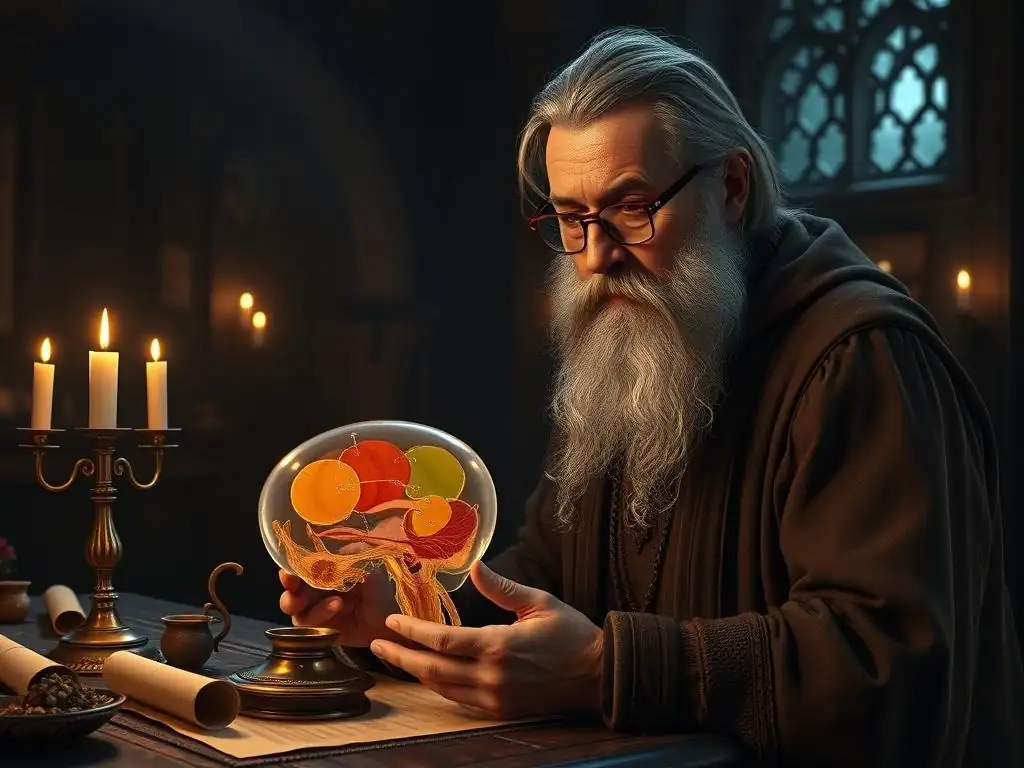
Welcome to Mind Care Guide, a sanctuary for understanding and nurturing your mental well-being.
Ever wondered how ancient ideas still ripple through modern mental health practices? Delve into the fascinating world of historical perspectives with our deep dive into Galen’s theory mental health practice. Discover how the influential physician's humoral theory shaped medieval approaches to mental illness and explore its enduring impact. Prepare to be enlightened and perhaps, even find a new appreciation for the journey of mental healthcare. Let's explore!
The Legacy of Galen: How Humoral Theory Shaped Medieval Mental Health Practice
- Introduction: Galen's Influence on Medieval Mental Health
- Understanding Galen's Humoral Theory
- Medieval Interpretation of Galen's Humoral Theory and Mental Health
- Medieval Mental Health Practices Based on Galen's Theory
- Specific Mental Disorders and their Humoral Treatments in the Middle Ages
- The Enduring Impact of Galen's Ideas on Mental Health
- Conclusion: Galen's Lasting Legacy in the History of Mental Healthcare
-
Frequently Asked Questions
- How did Galen's humoral theory influence medieval understanding of mental health?
- What were some common treatments based on Galen's humoral theory in medieval mental health practice?
- Did Galen's theory emphasize the role of the brain in mental health?
- How did Galen's ideas impact the social perception of mental illness in the Middle Ages?
- To what extent is Galen's humoral theory still relevant in modern mental health practice?
- Final Reflection: The Enduring Echo of Galen's Humors
- Unlock the Secrets of Medieval Mind Care
Introduction: Galen's Influence on Medieval Mental Health
The history of understanding and treating mental well-being is long and complex, marked by shifts in philosophy, science, and societal beliefs. One of the most profoundly influential figures in this history is Claudius Galenus, commonly known as Galen of Pergamon. Living in the 2nd century AD, Galen was a Greek physician, surgeon, and philosopher in the Roman Empire whose prolific writings and anatomical investigations dominated medical thought for over a millennium. His comprehensive system, particularly his humoral theory, became the bedrock upon which medieval medicine, including approaches to mental health, was built.
For centuries, from the fall of Rome through the Middle Ages and into the Renaissance, Galen’s ideas were revered, often considered almost unquestionable truth. His framework provided a seemingly rational explanation for health and disease, including states of mind.
Understanding Galen’s theory of mental health practice as it was adopted and adapted in the medieval period is crucial for appreciating the historical trajectory of mental healthcare. It reveals a worldview where the internal balance of the body was seen as directly linked to emotional and psychological states, shaping diagnostic methods and therapeutic interventions for conditions we now recognize as mental illnesses.
Understanding Galen's Humoral Theory
Galen’s medical system was deeply rooted in the ancient Greek concept of the four humors, a framework he inherited and significantly expanded upon. This theory proposed that the human body was composed of four primary fluids: blood, phlegm, yellow bile (or choler), and black bile (or melancholy). Health was understood as a state of balance or equilibrium among these humors, while illness, including mental distress, was attributed to an imbalance – either an excess, deficiency, or corruption of one or more humors.
Galen meticulously described the properties of each humor, linking them to specific organs, seasons, ages, and even temperaments. This holistic view meant that a person's physical state, diet, environment, and even their character were all interconnected through the lens of humoral balance. This intricate system provided a comprehensive, albeit ultimately incorrect, model for explaining the vast array of human experiences, from physical ailments to emotional fluctuations and profound psychological disturbances, forming the basis for Galen’s theory mental health practice for centuries.
The Four Humors: Blood, Phlegm, Yellow Bile, and Black Bile
According to Galen's detailed humoral theory, each of the four humors possessed specific qualities and was associated with particular characteristics. Blood, linked to the heart and liver, was considered hot and moist, correlating with a sanguine temperament characterized by cheerfulness and optimism. Phlegm, associated with the brain and lungs, was cold and moist, linked to a phlegmatic temperament often described as calm, sluggish, or unemotional.
Yellow bile, produced by the gallbladder, was hot and dry, corresponding to a choleric temperament known for being easily angered or irritable. Finally, black bile, theorized to be produced by the spleen, was cold and dry, associated with a melancholic temperament, often characterized by sadness, introspection, and susceptibility to depression.
Galen's descriptions were highly detailed, providing physicians with a diagnostic framework based on observing physical signs, bodily fluids, and patient disposition to identify which humor was out of balance. For instance, a patient with a fever and flushed skin might be considered to have an excess of blood, requiring specific interventions to restore equilibrium.
The Connection Between Humors and Temperament
Galen formalized the link between the four humors and human personality types, a concept that had roots in earlier Greek thought. He proposed that while everyone possessed all four humors, individuals tended to have a predominant humor that dictated their fundamental temperament or disposition. This led to the classification of people into the four basic temperaments: sanguine, phlegmatic, choleric, and melancholic, directly corresponding to the dominant humor.
This connection was not merely descriptive; it was diagnostic and prognostic. A physician using Galen’s theory mental health practice would not only identify humoral imbalances causing illness but also consider the patient's inherent temperament when devising treatments. A melancholic person, for example, was understood to be naturally predisposed to an excess of black bile and thus more susceptible to conditions like depression. Treatment would aim to correct the immediate imbalance but also manage the underlying humoral constitution, perhaps recommending lifestyle adjustments tailored to their temperament to prevent future issues.
Galen's Perspective on Mental Illness: An Imbalance of Humors
Within Galen's framework, mental illness was not viewed as a separate category from physical ailments but rather as another manifestation of humoral imbalance, specifically affecting the brain or the body's overall humoral state in a way that impacted the mind. Conditions like 'melancholy' (depression), 'mania' (frenzy or madness), and 'phrenitis' (a form of brain fever or delirium) were meticulously described in terms of which humor was in excess or corrupted.
For instance, melancholy was attributed to an excess of black bile, particularly when it became 'adust' or burnt. Mania was often linked to an excess of yellow bile, especially if it was overheated. The location of the imbalance was also crucial; an imbalance primarily affecting the brain itself might cause more direct cognitive or behavioral symptoms, while a systemic imbalance affecting the entire body could still manifest mentally. This perspective formed the entire basis of Galen’s theory mental health practice for centuries, dictating that mental health treatment was fundamentally about restoring physical, humoral equilibrium.
Medieval Interpretation of Galen's Humoral Theory and Mental Health

Following the decline of the Roman Empire, much of Galen's work was preserved and transmitted through Byzantine and later, Islamic scholars. During the High Middle Ages (roughly 1000-1300 AD), these texts were translated into Latin and began to profoundly influence European medical schools. Medieval physicians integrated Galen's humoral theory into their existing frameworks, which often included elements of Christian theology and local folk medicine. This synthesis resulted in a complex understanding of mental health where physical, spiritual, and environmental factors were all considered, though often interpreted through a Galenic lens.
While Galen himself was a rational physician focused on natural causes, his theories were sometimes adapted to fit medieval Christian cosmology. Mental illness could be seen as a physical ailment caused by humoral imbalance, but also potentially exacerbated or even caused by demonic influence or divine displeasure in some interpretations, though Galen's medical explanations remained dominant in academic medicine. The adoption of Galen’s theory mental health practice was widespread among the educated elite and physicians, providing a standardized (for the time) approach to diagnosis and treatment.
The Role of the Church in Interpreting Galenic Medicine
During the Middle Ages, the Church was a dominant institution, influencing all aspects of life, including medicine and views on mental health. While academic physicians primarily adhered to Galen's humoral explanations for mental illness, the Church's perspective often intertwined natural causes with spiritual ones. Conditions like severe melancholy or mania could be viewed as potentially caused by humoral imbalance but also sometimes interpreted as trials from God, punishments for sin, or even demonic possession, especially if symptoms were extreme or inexplicable by humoral theory alone.
Monasteries often served as centers of learning and healing, and monks might apply Galenic principles alongside prayer and spiritual guidance. For instance, a person suffering from melancholy might receive dietary recommendations and herbal remedies based on Galen's teachings, but also spiritual counseling and religious rituals. This dual approach, while sometimes leading to contradictory practices, highlights the complex cultural landscape where Galen’s theory mental health practice was applied, showing that even a seemingly scientific framework could be integrated into a broader religious worldview.
Academic Adoption: Integrating Humoral Theory into Medieval Universities
From the 11th century onwards, universities began to emerge across Europe – places like Salerno, Montpellier, Paris, and Bologna – becoming centers for medical education. The curriculum in these universities was heavily based on the translation and study of ancient texts, with Galen's works forming the core of medical knowledge. Students learned the intricate details of humoral theory, including its application to mental and emotional states, as the primary model for understanding health and disease.
Medical treatises written by medieval scholars meticulously cited Galen, applying his principles to diagnose and treat various conditions, including those affecting the mind. For example, the influential medical text Compendium Medicinae by Gilbertus Anglicus (c. 1230) dedicated significant sections to melancholy and mania, describing their humoral origins and Galenic treatments. Physicians trained in these institutions would then go on to practice throughout Europe, disseminating Galen’s theory mental health practice and establishing it as the standard medical approach for centuries.
Popular Understanding: How Humoral Theory Influenced Daily Life
While the detailed nuances of Galen's medical texts were confined to learned physicians, the basic concepts of humoral theory permeated popular culture and daily life in the Middle Ages. People commonly understood that their health and mood were influenced by the balance of humors, and this understanding shaped everyday practices related to diet, lifestyle, and even seasonal activities. Almanacs and popular health guides often included advice based on humoral principles.
For example, people might avoid certain foods believed to increase 'cold' or 'dry' humors if they felt prone to melancholy, or seek out 'hot' and 'moist' foods. The timing of bloodletting (a key Galenic treatment) was often guided by astrological charts and seasonal considerations, reflecting a blend of learned and folk beliefs. This widespread, albeit simplified, understanding meant that the framework of Galen’s theory mental health practice wasn't just for doctors; it was a part of the general cultural understanding of well-being, influencing how people perceived their own moods and the behavior of others.
Medieval Mental Health Practices Based on Galen's Theory
Medieval treatments for mental conditions, guided by Galen's humoral theory, were aimed at restoring the balance of the four humors. These practices often seem harsh or ineffective by modern standards but were considered rational and evidence-based within the Galenic paradigm. The specific treatment depended on the perceived humoral imbalance causing the condition. If an excess of a humor was suspected, the goal was to remove it; if a deficiency, to replenish it; if a corruption, to purify it.
These interventions were varied and could include surgical procedures, dietary changes, herbal remedies, and environmental adjustments. The physician's skill lay in accurately diagnosing the humoral imbalance and prescribing the appropriate combination of treatments. The application of Galen’s theory mental health practice in this era was systematic, even if the underlying principles were flawed.
Bloodletting: Balancing the Humors Through Exsanguination
Bloodletting, also known as phlebotomy, was one of the most ubiquitous medical treatments throughout the Middle Ages, widely applied for a vast array of conditions, including mental illnesses. Based on the belief that many ailments stemmed from an excess of blood or the corruption of humors within the blood, the procedure involved intentionally removing blood from the patient, typically by cutting a vein or using leeches.
For conditions like mania, which was often linked to an excess of hot, dry yellow bile or overheated blood, vigorous bloodletting was a common prescription, intended to cool the body and reduce the perceived excess humor. Even for melancholy, if associated with 'adust' black bile believed to circulate in the blood, bloodletting might be used, albeit perhaps less aggressively. Historical records suggest bloodletting was performed on an estimated significant portion of the population annually for various reasons, highlighting its central role in medieval Galenic medicine and its application within Galen’s theory mental health practice.
Dietary Adjustments: Using Food to Restore Humoral Equilibrium
Diet played a crucial role in medieval Galenic medicine, as foods were classified according to their humoral qualities (hot, cold, moist, dry). Physicians prescribed specific diets to either reduce or increase certain humors, aiming to bring the body back into balance. This approach was particularly relevant for chronic conditions like melancholy, which was attributed to an excess of cold, dry black bile.
Patients suffering from melancholy might be advised to eat warm, moist foods like chicken, leafy greens, and certain fruits, while avoiding cold, dry foods like lentils or hard cheeses. Conversely, someone experiencing mania (linked to hot, dry yellow bile) might be prescribed cooling, moistening foods such as fish, cucumbers, and melons. Recipes from medieval medical texts often detail specific preparations of foods and drinks designed to correct humoral imbalances, demonstrating the practical application of Galen’s theory mental health practice through dietary therapy.
Herbal Remedies: Galenic Pharmacology and Mental Well-being
Herbal medicine was another cornerstone of medieval treatment, with plants classified according to their humoral properties, much like foods. Physicians and apothecaries used vast pharmacopoeias derived from classical texts (including Galen's) and local traditions to select herbs believed to influence specific humors and treat particular conditions, including those affecting the mind.
For melancholy, herbs considered 'warming' or 'moistening' might be used, or those believed to purge black bile. Hellebore, a plant with purgative properties, was famously recommended by ancient physicians (and later by medieval ones following Galen) for treating melancholy, as it was thought to expel excess black bile from the body.
Opium and mandrake, known for their sedative properties, were also used, often classified as 'cooling' or 'narcotic' herbs, sometimes prescribed to calm agitated patients experiencing mania or sleeplessness associated with humoral imbalances. Medieval medical formularies list hundreds of herbs and their supposed humoral effects, illustrating the detailed pharmacological approach within Galen’s theory mental health practice.
Environmental Considerations: The Impact of Climate and Location on Mental State
Galen's theory also emphasized the influence of environmental factors, such as climate, season, and location, on the body's humoral balance. Medieval physicians incorporated these ideas into their understanding of mental health, believing that certain environments could predispose individuals to specific humoral imbalances and thus affect their mental state.
For example, a cold, dry climate might be seen as increasing the tendency towards melancholy (cold and dry black bile), while a hot, dry climate could exacerbate conditions linked to yellow bile. Recommendations for patients sometimes included changing their environment – perhaps moving to a place with a more favorable climate or avoiding exposure to extreme temperatures.
Even the timing of treatments like bloodletting or administering purgatives was often linked to the seasons, reflecting the belief that the humors themselves fluctuated throughout the year. This holistic view meant that Galen’s theory mental health practice extended beyond the individual body to encompass the surrounding world.
Specific Mental Disorders and their Humoral Treatments in the Middle Ages

Medieval physicians, guided by Galen, attempted to categorize and treat specific mental conditions based on the dominant humoral imbalance they believed was responsible. While their classifications and understanding differed significantly from modern psychiatry, they represent a systematic effort to explain and manage psychological distress within the prevailing scientific framework. Conditions like melancholy, mania, and phrenitis were the primary categories of mental illness discussed in medieval medical texts influenced by Galen’s theory mental health practice.
The treatments prescribed for these conditions were direct applications of the humoral principles: purge the excess humor, replenish the deficient one, and restore overall balance through diet, herbs, and procedures like bloodletting or cupping. Understanding these specific applications provides insight into how a complex theoretical framework translated into practical interventions for suffering individuals in the Middle Ages.
Melancholy (Depression) and the Excess of Black Bile
Melancholy was perhaps the most detailed and frequently discussed mental condition in medieval medicine, attributed primarily to an excess of black bile. This humor was considered cold and dry, and its excess was believed to lead to symptoms like sadness, fear, lethargy, loss of appetite, and sometimes irrational thoughts or fixations. Galen himself wrote extensively on melancholy, and his descriptions formed the basis for medieval understanding.
Medieval physicians meticulously described different types of melancholy based on the source of the black bile (e.g., from the brain, spleen, or stomach) and its quality (e.g., natural vs. adust or 'burnt'). A physician diagnosing melancholy within Galen’s theory mental health practice would look for signs associated with coldness and dryness, such as a pale complexion, thinness, and a melancholic temperament. Treatments aimed to expel the excess black bile and warm/moisten the body.
Mania and the Excess of Yellow Bile
Mania, characterized by symptoms like agitation, restlessness, sleeplessness, irrational speech, and sometimes aggression, was often attributed to an excess of hot, dry yellow bile. This humor, associated with the liver and gallbladder, was believed to cause overheating and agitation in the body and brain when in excess. Galen distinguished different forms of mania, and medieval physicians followed suit, sometimes linking specific symptoms to the degree of heat or the location of the imbalance.
Treatment for mania within Galen’s theory mental health practice focused on cooling and moistening the body to counteract the effects of the hot, dry yellow bile. This often involved cooling foods and drinks, sedative herbs, and vigorous bloodletting to reduce the perceived excess heat and humor. Restraint was also sometimes used, not as a medical treatment itself, but to manage the patient's agitated state and prevent harm, while medical efforts focused on correcting the humoral imbalance.
Phrenitis (Brain Fever) and its Humoral Explanation
Phrenitis was a term used in medieval medicine, based on Galen's descriptions, to denote a severe condition characterized by fever, delirium, restlessness, and sometimes violent behavior, believed to originate in the brain. It was typically attributed to an excess of hot humors (often yellow bile or overheated blood) causing inflammation or irritation of the brain or its surrounding membranes.
Unlike melancholy or mania, which could be chronic, phrenitis was often seen as an acute and potentially life-threatening condition. Treatment within Galen’s theory mental health practice was urgent and focused on cooling the head and body and reducing the inflammatory humors. This involved aggressive bloodletting from veins near the head, applying cold compresses, administering cooling and moistening herbs, and ensuring quiet rest. The humoral explanation provided a framework for understanding the physical symptoms and guiding immediate, vigorous interventions.
Treatment for Melancholy: Hellebore and Bloodletting
Specific treatments for melancholy in the Middle Ages, following Galenic principles, often involved attempts to purge the excess black bile. One of the most famous and long-standing remedies was hellebore, a plant known for its strong purgative properties. Both black and white hellebore were mentioned in classical texts and used in medieval practice, believed to effectively expel the offending humor from the body, often through induced vomiting or diarrhea.
In addition to purgatives, bloodletting was also used for melancholy, though sometimes with more caution than for mania. The rationale was that black bile, especially if 'adust', circulated in the blood and needed to be removed. Dietary adjustments favoring warm and moist foods, along with soothing herbal preparations, were also integral parts of treating melancholy, aiming to restore the body's natural warmth and moisture and counteract the cold, dry nature of black bile, forming the core of Galen’s theory mental health practice for this condition.
The Enduring Impact of Galen's Ideas on Mental Health
Galen's humoral theory, and consequently his approach to mental health, remained remarkably dominant throughout the Middle Ages and well into the Renaissance, spanning over 1,300 years. Its longevity was due to several factors: the comprehensiveness of the system, the authority of Galen's name, and the lack of a compelling alternative framework that could explain the complexities of the human body and mind. Physicians were trained almost exclusively in the Galenic tradition, perpetuating Galen’s theory mental health practice through generations.
However, even during its peak influence, Galenic medicine was not without its critics and challenges. Over time, observations that didn't fit neatly into the humoral model began to accumulate, and new anatomical discoveries started to question some of Galen's foundational assumptions. The slow process of challenging and eventually replacing Galenic medicine laid the groundwork for the development of modern medical science, including a fundamentally different understanding of mental health.
The Persistence of Humoral Theory into the Renaissance
Despite the intellectual ferment of the Renaissance, Galen's humoral theory continued to be the prevailing medical paradigm. Universities still taught Galenic medicine, and physicians largely adhered to his principles. Even figures like Andreas Vesalius, whose anatomical dissections revealed errors in Galen's descriptions, did not immediately dismantle the entire humoral system. The concept of humoral balance was deeply ingrained in medical thought and cultural understanding.
Treatments based on Galen’s theory mental health practice, such as bloodletting, purging, and dietary regulation according to humoral qualities, remained standard practice for mental and physical ailments. Medical texts from the 16th and even 17th centuries still discussed melancholy and mania in terms of black and yellow bile. The sheer weight of tradition and the lack of a fully developed alternative explanation for disease ensured the persistence of Galen's influence for centuries after the medieval period ended.
Criticisms and Challenges to Galenic Medicine
Challenges to Galen's authority began to mount gradually. Early critics, often working outside the mainstream university system, questioned specific points or offered alternative explanations based on observation. Paracelsus in the 16th century, for instance, proposed a chemical-based view of disease that directly challenged humoral theory, though his ideas were initially met with resistance.
More significant challenges came from anatomical and physiological discoveries. Vesalius's detailed anatomical atlas (1543) corrected hundreds of errors in Galen's anatomy, which was largely based on animal dissection. William Harvey's discovery of blood circulation in the early 17th century fundamentally undermined the Galenic understanding of how humors were produced and moved through the body. While these discoveries didn't immediately replace the humoral theory of disease cause, they chipped away at the edifice of Galenic authority, paving the way for new medical paradigms and eventually transforming Galen’s theory mental health practice into something entirely different.
The Slow Shift Towards Modern Mental Health Understanding
The transition from a humoral understanding of mental health to modern concepts was a lengthy and uneven process. As Galenic medicine gradually declined, new theories emerged, including those focused on the nervous system, the brain, and eventually, psychological factors. The 18th and 19th centuries saw the rise of psychiatry as a distinct medical discipline, moving away from purely physical, humoral explanations towards more complex biological and psychological models.
The shift involved not only scientific advances but also changing societal attitudes towards mental illness. While the humoral theory provided a physical explanation, it did not fully account for the complexities of human behavior and emotion. The move towards asylum-based care, and later psychoanalytic and biological psychiatry, marked a fundamental departure from the Galenic framework that had dominated Galen’s theory mental health practice for over a millennium, leading to the diverse and evolving approaches we see today.
Conclusion: Galen's Lasting Legacy in the History of Mental Healthcare
Galen of Pergamon's influence on medicine is undeniable, and his humoral theory served as the dominant framework for understanding health and disease, including mental well-being, throughout the Middle Ages. For over a thousand years, Galen’s theory mental health practice provided the rationale for diagnosis and treatment, shaping how physicians and the general public perceived conditions like melancholy and mania. While fundamentally incorrect by modern scientific standards, this framework represented a systematic, rational attempt to explain complex phenomena based on the best available knowledge of the time.
The medieval application of Galen's ideas, though sometimes intertwined with spiritual beliefs, was primarily a medical approach focused on restoring physical balance. Treatments like bloodletting, dietary changes, and herbal remedies, while often ineffective and sometimes harmful, were logical extensions of the humoral model. Studying this period is vital for understanding the historical journey of mental healthcare, highlighting the long path from ancient theories to modern scientific understanding.
Reflecting on Galen's Contribution to Medieval Mental Health Approaches
Reflecting on Galen's contribution reveals the power of a comprehensive, albeit flawed, theoretical system to shape medical practice for centuries. His detailed descriptions of humors, temperaments, and their link to mental states provided medieval physicians with a structured way to approach conditions that were otherwise mysterious and frightening. Galen’s theory mental health practice, despite its limitations, offered a sense of control and understanding in an era with limited tools for biological investigation.
It also underscores the importance of historical context when evaluating past medical practices. Medieval treatments were not arbitrary; they were derived from a widely accepted scientific paradigm. While we now understand that humoral imbalances are not the cause of mental illness, the medieval reliance on Galen demonstrates the human need for explanatory models and the development of systematic approaches to healing, even when those models are based on incomplete or incorrect information.
While the medical aspects of Galen’s theory mental health practice are well-documented, further research could explore the broader social implications of the humoral model. Did framing mental illness as a physical imbalance (of humors) lessen or exacerbate social stigma compared to purely spiritual or moral explanations? How did the popular understanding of humors influence community responses to individuals experiencing mental distress?
Examining records from hospitals, monasteries, and legal documents might shed light on how people with melancholic or manic symptoms were treated by society at large, beyond the physician's chamber. Understanding the social history intertwined with the medical history of Galen’s theory mental health practice can provide deeper insights into the long and challenging fight against mental health stigma, a struggle that continues today.
Frequently Asked Questions
How did Galen's humoral theory influence medieval understanding of mental health?
Galen's theory posited that mental health depended on the balance of four humors: blood, phlegm, yellow bile, and black bile. Imbalances were believed to cause various mental illnesses, influencing medieval diagnoses and treatments. These treatments focused on restoring humoral equilibrium.
What were some common treatments based on Galen's humoral theory in medieval mental health practice?
Common treatments included bloodletting, purging, dietary changes, and herbal remedies. The goal was to rebalance the humors by either removing excess humors or adding those that were deficient, according to Galen's diagnostic principles.
Did Galen's theory emphasize the role of the brain in mental health?
While Galen acknowledged the brain's role, his theory primarily focused on the systemic influence of the humors. He saw mental disturbances as arising from imbalances affecting the entire body, not solely from brain dysfunction.
Galen's humoral theory provided a seemingly scientific explanation for mental illness, which influenced how individuals with mental health issues were perceived and treated. It led to a view of mental illness as a physical ailment.
To what extent is Galen's humoral theory still relevant in modern mental health practice?
Galen's humoral theory is not relevant in modern mental health practice. It is considered an outdated and scientifically discredited theory. Modern approaches are based on neuroscience, psychology, and evidence-based treatments.
Final Reflection: The Enduring Echo of Galen's Humors
The legacy of Galen's humoral theory continues to resonate in our understanding of mental health, reminding us that the history of medicine profoundly shapes our present. While we've moved beyond the simplistic balance of humors as a sole explanation for mental illness, the very concept of interconnected bodily systems influencing emotional and cognitive well-being remains a cornerstone of modern biopsychosocial models. The enduring influence of Galen's work highlights the importance of understanding the historical context of medical thought.
The impact of Galen's theories extended far beyond the purely medical; they permeated the cultural understanding of the self and the body for centuries. His ideas, though flawed by modern standards, provided a framework for interpreting human experience, influencing art, literature, and social perceptions of mental illness. The body is a microcosm of the universe,
a phrase often associated with humoral theory, reflects the holistic approach to health that continues to inspire contemporary integrative medicine. This holistic view, emphasizing the interconnectedness of mind and body, is a crucial lesson we can still learn from Galen's work, even as we reject his specific methods.
Consider the ways in which your own understanding of mental health has been shaped by historical and cultural influences. How might a deeper understanding of medical history inform your approach to well-being? I urge you to explore the rich tapestry of medical thought, recognizing that the past informs the present and shapes the future of mental health care. By acknowledging the evolution of our understanding, we can build a more compassionate and effective approach to mental well-being for all.
Unlock the Secrets of Medieval Mind Care
Thanks for exploring the fascinating world of Galenic medicine and its impact on medieval mental health practices! You've gained valuable insights into a pivotal era of medical history. Now, it's time to take that knowledge further.
- Delve deeper: Research a specific aspect of humoral theory that intrigued you—perhaps the role of diet, the use of specific remedies, or the societal impact of these beliefs. This deeper dive will solidify your understanding.
- Share your newfound knowledge: Discuss this article with friends, family, or colleagues. What surprised you the most about the treatment of mental illness in this period? Spark a conversation!
- Explore related resources: Check out our other articles on the history of mental healthcare to further enhance your historical understanding of this crucial field.
What other historical medical practices intrigue you, and how do you think they compare to modern approaches?