
Honouring Beliefs: Integrating Cultural Perspectives in Refugee Healing

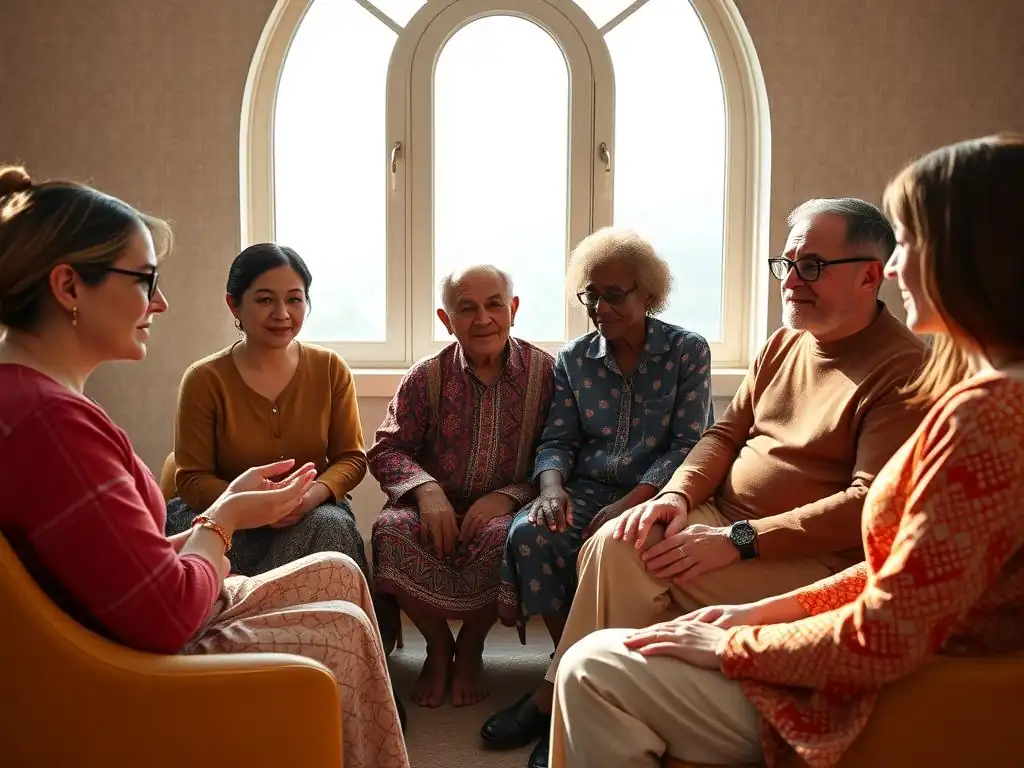
Welcome to Mind Care Guide, a sanctuary for understanding and nurturing your mental well-being. We understand the unique challenges life throws our way, and we're here to offer compassionate guidance and resources. This week, we delve into a crucial topic: How can cultural understanding enhance the healing process for refugees facing trauma? Join us as we explore "Refugee healing cultural perspectives," uncovering the power of honoring beliefs and traditions in fostering resilience and recovery. Are you ready to discover how cultural sensitivity can transform lives? Read on to learn more.
- Honouring Beliefs: Integrating Cultural Perspectives in Refugee Healing | Mind Care Guide
- The Need for Culturally Sensitive Approaches to Refugee Healing
- Key Principles of Culturally Competent Refugee Mental Health Care
- Practical Strategies for Integrating Cultural Perspectives in Refugee Healing
- Addressing Specific Cultural Considerations in Refugee Trauma Therapy
- Overcoming Challenges in Providing Culturally Sensitive Care to Refugees
- The Importance of Self-Care for Professionals Working with Refugee Populations
- Case Studies: Successful Integration of Cultural Perspectives in Refugee Healing
- Resources for Professionals Seeking to Enhance Cultural Competency in Refugee Mental Health
- Promoting Culturally Responsive Mental Health Services for Refugees: A Call to Action
- Conclusion: Fostering Hope and Healing Through Cultural Understanding in Refugee Mental Health
-
Frequently Asked Questions
- How does cultural understanding impact the healing process for refugees?
- Why is it important to consider traditional healing practices in refugee mental health care?
- What are some common cultural barriers that refugees face when accessing mental health services?
- How can mental health professionals become more culturally competent when working with refugees?
- What role does community play in supporting the mental well-being of refugees?
- Final Reflection: Weaving a Tapestry of Healing
- Unveil Your Empathy: Embrace Cultural Understanding in Healing
Honouring Beliefs: Integrating Cultural Perspectives in Refugee Healing | Mind Care Guide
The Impact of Cultural Background on Trauma Response in Refugees
Cultural background significantly shapes how individuals perceive, experience, and respond to trauma. For refugees, who have often endured severe hardship including conflict, displacement, and loss, their pre-existing cultural frameworks profoundly influence their psychological reactions. For example, in cultures where emotional expression is highly communal, individuals might process trauma through shared narratives and collective rituals, whereas in more individualistic cultures, the focus might be on personal introspection and therapy. These deeply ingrained cultural norms affect everything from the initial interpretation of traumatic events to the long-term coping mechanisms employed, highlighting the critical need for culturally sensitive approaches to refugee healing.
Furthermore, cultural values can mediate the impact of trauma. Concepts such as shame, honour, resilience, or fate, prevalent in various cultures, can either exacerbate distress or provide protective factors. A refugee from a culture that stigmatizes mental health issues, for instance, may internalize their suffering and avoid seeking help, complicating the process of refugee healing cultural perspectives. Conversely, a culture emphasizing community support and spiritual fortitude might equip individuals with robust coping resources. Understanding these nuances is fundamental to providing effective care that respects the individual's background and facilitates meaningful recovery.
Recognizing Cultural Variations in Expressing Distress and Seeking Help
The manifestation of psychological distress varies widely across cultures. While Western models often focus on verbal articulation of feelings, many refugees may express trauma-related distress through somatic symptoms like headaches, body pains, or digestive issues, which are more culturally accepted forms of communication. Others might describe their experiences in spiritual terms, such as feeling cursed or possessed, rather than using clinical psychological language. Recognizing these varied expressions is crucial for accurate assessment and diagnosis in refugee healing cultural perspectives.
Similarly, pathways to seeking help differ significantly. Formal mental health services might be unfamiliar, mistrusted due to past experiences with authority figures, or simply inaccessible. Refugees often turn first to family members, community elders, religious leaders, or traditional healers for support and guidance. Ignoring these existing support systems and help-seeking behaviors can alienate refugees from care. Effective refugee healing cultural perspectives require acknowledging these alternative resources and, where appropriate, integrating them into a comprehensive support strategy.
The Need for Culturally Sensitive Approaches to Refugee Healing
Addressing the Limitations of Western-Centric Mental Health Models
Predominantly Western-centric mental health models, while valuable, often fall short when applied without adaptation to refugee populations. These models frequently prioritize individual autonomy, verbal expression of emotions, and specific therapeutic modalities like Cognitive Behavioral Therapy (CBT) or Eye Movement Desensitization and Reprocessing (EMDR), which may not align with the cultural norms, communication styles, or worldviews of many refugees. For example, a focus on individual therapy might conflict with collectivist cultural values where family or community involvement is expected and necessary for well-being.
Moreover, the language and concepts used in Western mental health can be difficult to translate culturally. Terms like "depression," "anxiety," or "trauma" may not have direct equivalents or the same connotations in other languages or cultural contexts. This can lead to misunderstandings, misdiagnosis, and a lack of engagement from clients who feel their experiences are not being understood or validated. Implementing truly effective refugee healing cultural perspectives necessitates moving beyond a one-size-fits-all approach and developing flexible, culturally informed practices.
Bridging the Gap: Integrating Traditional Healing Practices and Modern Therapy
A promising approach to enhancing refugee healing cultural perspectives involves bridging the gap between modern psychological interventions and traditional healing practices. Many refugees already rely on traditional methods such as prayer, meditation, herbal remedies, rituals, or community-based ceremonies to cope with distress and promote healing. These practices are often deeply embedded in their cultural and spiritual identities and provide a sense of continuity and comfort amidst displacement.
Integrating traditional healing does not mean replacing modern therapy but rather finding ways for them to complement each other. This could involve therapists working collaboratively with traditional healers, incorporating culturally relevant spiritual practices into therapeutic sessions (with client consent), or simply acknowledging and validating the importance of these practices in the client's life. Such integration fosters trust, enhances client engagement, and creates a more holistic path towards recovery that respects the refugee's entire being – mind, body, spirit, and community.
Key Principles of Culturally Competent Refugee Mental Health Care
Building Trust and Rapport with Refugee Clients Through Cultural Understanding
Building trust is paramount when working with refugee clients, who may have experienced betrayal, persecution, and discrimination. Cultural understanding forms the bedrock of this trust. This involves not just learning about a client's specific culture but demonstrating genuine curiosity, respect, and humility. Professionals must be mindful of their own cultural biases and assumptions and actively work to overcome them. Taking the time to understand a client's background, values, and communication style sends a powerful message of respect and validation.
Establishing rapport is an ongoing process that requires patience and flexibility. Simple acts like learning a few greetings in the client's language, understanding appropriate proxemics and eye contact norms, or being aware of cultural sensitivities around discussing certain topics can significantly impact the therapeutic relationship. For refugee healing cultural perspectives to be effective, clients must feel safe, heard, and understood within the therapeutic space, allowing them to openly share their experiences and engage in the healing process.
The Role of Language and Interpretation in Effective Communication
Effective communication is fundamental to mental health care, and for refugees, this often necessitates the use of professional interpretation services. Language barriers can impede accurate assessment, diagnosis, and treatment. Relying on untrained interpreters, such as family members or community volunteers, can compromise confidentiality, introduce bias, and lead to significant misunderstandings of complex emotional and psychological states. A professional medical interpreter is trained to bridge linguistic and cultural gaps accurately and ethically.
Beyond mere translation, culturally competent communication involves understanding idioms, metaphors, and non-verbal cues that are culturally specific. It also requires patience, as communication through an interpreter takes more time. Ensuring access to qualified interpreters who are also trained in the sensitivities of mental health and trauma is a critical investment in effective refugee healing cultural perspectives. It allows for a more nuanced understanding of the client's experiences and facilitates a stronger therapeutic alliance.
Cultural values and beliefs profoundly shape attitudes towards mental health, illness, and treatment. In some cultures, mental health issues may be viewed through a lens of morality, spirituality, or social harmony rather than solely as a medical condition. Stigma surrounding mental illness is widespread globally but manifests differently depending on cultural context. For instance, the fear of bringing shame upon one's family might prevent a refugee from acknowledging distress or seeking help.
Respecting these values and beliefs does not mean endorsing harmful practices but rather understanding their influence on the client's perspective and behavior. Mental health professionals must work with the client's existing belief system, not against it, finding ways to integrate therapeutic goals with cultural values. This might involve reframing psychological concepts in culturally meaningful ways, involving family members in treatment discussions where appropriate, or acknowledging the role of faith and spirituality in the healing journey. This respectful approach is essential for successful refugee healing cultural perspectives.
Practical Strategies for Integrating Cultural Perspectives in Refugee Healing
Utilizing Cultural Brokers and Community Liaisons to Enhance Treatment
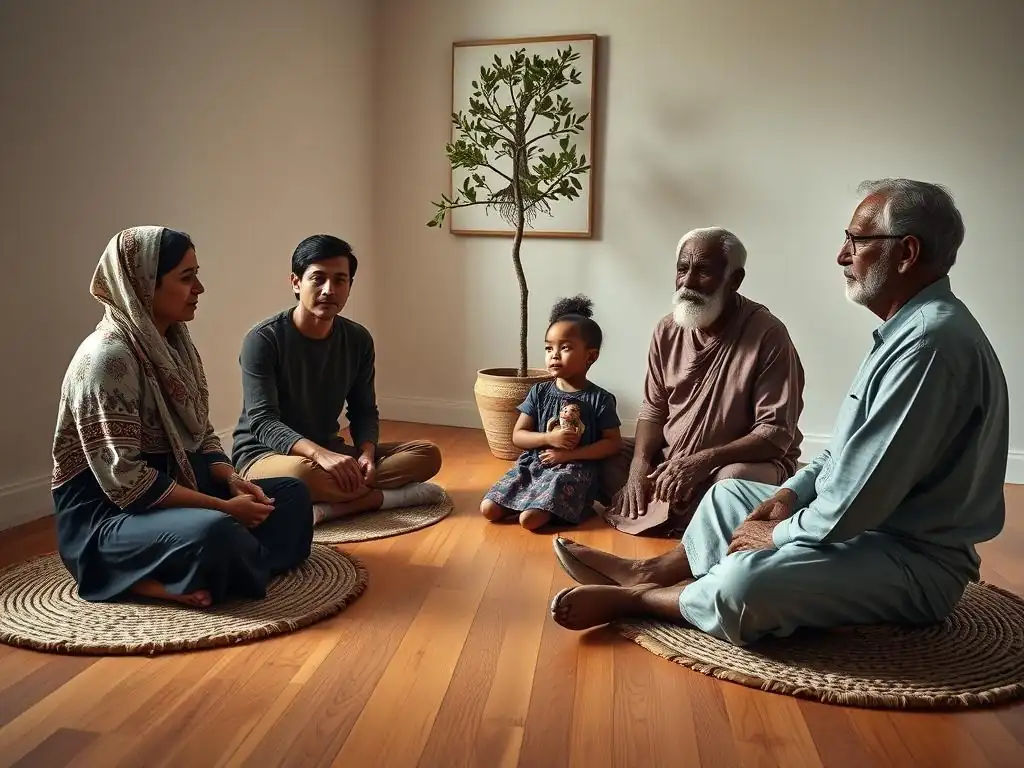
Cultural brokers and community liaisons play an invaluable role in enhancing the effectiveness of mental health services for refugees. These individuals, often members of the refugee community themselves, act as bridges between service providers and clients. They possess intimate knowledge of the community's language, customs, social structures, and specific challenges. They can help mental health professionals understand the cultural context of a client's distress, navigate cultural protocols, and build trust within the community.
Their involvement can facilitate initial engagement, improve communication, and help adapt services to be more accessible and relevant. For example, a cultural broker might explain the purpose of therapy in terms that resonate with community beliefs or help organize group sessions in a culturally appropriate setting. Partnering with cultural brokers is a practical and effective strategy for implementing refugee healing cultural perspectives and ensuring that services are not only clinically sound but also culturally resonant and acceptable to those they aim to serve.
Adapting Therapeutic Techniques to Align with Cultural Norms and Preferences
Adapting standard therapeutic techniques is crucial for culturally sensitive care. This doesn't mean abandoning evidence-based practices but rather modifying their delivery and content to better fit the cultural norms and preferences of refugee clients. For instance, traditional talk therapy might be less effective for clients from cultures where direct expression of emotion is discouraged. In such cases, more indirect or creative approaches like narrative therapy, art therapy, or body-oriented techniques might be more culturally appropriate.
Cognitive Behavioral Therapy (CBT) techniques, which focus on identifying and challenging negative thoughts, can be adapted by using culturally relevant examples and metaphors, or by involving family members in cognitive restructuring if culturally appropriate. Psychoeducation about trauma and its effects can be delivered using visual aids, storytelling, or community discussions rather than formal lectures. The goal is to ensure that therapeutic interventions are not only clinically effective but also delivered in a manner that is respectful, understandable, and acceptable within the client's cultural framework, thereby advancing refugee healing cultural perspectives.
Incorporating Traditional Healing Methods and Spiritual Practices
Incorporating traditional healing methods and spiritual practices into mental health care for refugees acknowledges the holistic nature of healing and respects the client's existing coping resources. This can range from simply discussing and validating the client's use of prayer or meditation to actively collaborating with traditional healers or religious leaders if the client desires and it is clinically appropriate and safe. For many refugees, faith and spirituality are central to their identity and resilience, offering comfort, meaning, and hope in the face of immense suffering.
This integration requires open dialogue with the client to understand which practices are important to them and how they wish to incorporate them into their healing journey. It might involve using culturally specific rituals or ceremonies as part of the therapeutic process, or encouraging participation in community-based spiritual activities. By valuing and including these practices, mental health professionals can create a more comprehensive and culturally congruent approach to refugee healing cultural perspectives, fostering a deeper connection with the client and supporting their overall well-being.
Addressing Specific Cultural Considerations in Refugee Trauma Therapy
Syrian Refugees: Culturally Relevant Trauma-Informed Care
Syrian refugees have often experienced prolonged conflict, displacement, and loss. Culturally relevant trauma-informed care for this population must consider the strong emphasis on family and community ties. Therapy approaches that involve family members (where safe and appropriate) or group interventions might resonate more than purely individualistic models. Discussions around trauma may need to be approached indirectly, perhaps through storytelling or focusing on resilience rather than solely on explicit traumatic narratives, respecting cultural norms around emotional expression and privacy.
Furthermore, faith plays a significant role in the lives of many Syrian refugees. Incorporating spiritual coping mechanisms and working with religious leaders can be vital components of support. Addressing issues of shame and honour, which are deeply ingrained cultural values, is also crucial, particularly concerning experiences of sexual violence or loss of status. Effective refugee healing cultural perspectives for Syrians require an understanding of these specific cultural dynamics and their influence on trauma responses and help-seeking behaviors.
Afghan Refugees: Healing Practices and Belief Systems
Afghan refugees come from a diverse cultural landscape, but common threads include strong family structures, collectivist values, and the central role of Islam. Healing practices often involve prayer, seeking guidance from religious scholars (mullahs), and relying on extended family and community support. Mental health professionals working with Afghan refugees need to be aware of these existing support systems and avoid undermining them. The concept of sabr (patience and perseverance in the face of hardship) is a powerful cultural coping mechanism that can be acknowledged and validated in therapy.
Stigma surrounding mental illness is significant in many Afghan communities, often leading to reluctance to seek formal help. Understanding how distress is culturally interpreted (e.g., as fate, spiritual affliction, or physical illness) is essential. Therapeutic approaches should be adapted to respect communication styles, which may be indirect, and hierarchical family structures. Integrating cultural concepts of resilience and community solidarity is key to developing effective refugee healing cultural perspectives for this population.
Congolese Refugees: Addressing Stigma and Shame in Mental Health
Refugees from the Democratic Republic of Congo often face significant trauma from conflict, sexual violence, and displacement, compounded by cultural factors that influence mental health perception. Stigma and shame associated with mental health issues and trauma, particularly sexual violence, are prevalent and can be major barriers to seeking help. In some Congolese cultures, mental distress might be attributed to witchcraft, spiritual problems, or sorcery, leading individuals to seek help from traditional healers or religious figures rather than mental health professionals.
Effective refugee healing cultural perspectives for Congolese refugees require addressing this stigma directly and empathetically. Building trust is paramount, often facilitated by community leaders or cultural brokers. Therapeutic approaches should be sensitive to the potential for somatic expressions of trauma and the importance of communal support. Group therapy models, drawing on cultural strengths like shared narratives and collective resilience, might be particularly effective. Acknowledging and respecting traditional beliefs while offering evidence-based support is a delicate but necessary balance.
Overcoming Challenges in Providing Culturally Sensitive Care to Refugees
Addressing Systemic Barriers to Accessing Mental Health Services
Refugees face numerous systemic barriers to accessing mental health services, even when culturally sensitive care is available. These include logistical challenges such as lack of affordable transportation, difficulty navigating complex healthcare systems, and limited availability of services in their geographic area. Furthermore, poverty, precarious housing, and unemployment are stressors that can overshadow mental health concerns, making it difficult for refugees to prioritize or even attend appointments.
Language barriers, lack of culturally competent providers, and insufficient funding for interpreter services also represent significant systemic hurdles. Addressing these barriers requires multi-faceted solutions, including advocating for increased funding for refugee mental health services, developing outreach programs located within or easily accessible to refugee communities, and simplifying access procedures. Overcoming these systemic obstacles is crucial for ensuring that culturally sensitive refugee healing cultural perspectives can actually reach those who need them most.
Combating Cultural Bias and Discrimination within the Mental Health System
Cultural bias and discrimination, both overt and subtle, can significantly undermine the provision of effective mental health care for refugees. This can manifest as stereotypes held by providers, a lack of understanding of cultural differences in help-seeking or symptom expression, or systemic practices that disadvantage culturally diverse clients. Refugees may experience microaggressions or feel that their cultural background is not understood or valued within the therapeutic setting, leading to disengagement.
Combating bias requires ongoing education and self-reflection among mental health professionals. It involves actively challenging assumptions, seeking supervision that addresses cultural dynamics, and creating a welcoming and inclusive environment for clients from all backgrounds. Advocating for policies that promote diversity and inclusion within mental health institutions is also essential. Ensuring that refugee healing cultural perspectives are not only respected but actively integrated into practice is key to dismantling discriminatory barriers.
Training and Educating Mental Health Professionals on Cultural Competence
A critical step in improving mental health care for refugees is providing comprehensive training and education on cultural competence for mental health professionals. Many training programs offer limited exposure to the specific needs and cultural contexts of refugee populations. This results in a workforce that may be ill-equipped to provide culturally sensitive and effective care. Training should go beyond simply listing cultural traits; it should focus on developing cultural humility, critical self-reflection, and practical skills for adapting interventions.
Effective training programs incorporate experiential learning, case studies involving diverse refugee groups, and opportunities for professionals to engage with refugee communities. Training should cover topics such as the impact of trauma on different cultures, culturally specific expressions of distress, ethical use of interpreters, and strategies for collaborating with traditional healers and community resources. Investing in this training is fundamental to building the capacity for robust refugee healing cultural perspectives within the mental health system.
The Importance of Self-Care for Professionals Working with Refugee Populations
Recognizing and Addressing Vicarious Trauma and Burnout
Working with refugee populations is emotionally demanding due to the profound levels of trauma and suffering involved. Mental health professionals are at high risk of experiencing vicarious trauma (also known as secondary traumatic stress) and burnout. Vicarious trauma occurs when a professional is affected by the trauma experiences of their clients, leading to symptoms similar to those of direct trauma exposure. Burnout is characterized by emotional exhaustion, cynicism, and a reduced sense of accomplishment.
Recognizing the signs of vicarious trauma and burnout is the first step towards addressing them. Symptoms might include persistent fatigue, difficulty concentrating, increased irritability, or a loss of empathy. Ignoring these signs can impair a professional's ability to provide effective care and negatively impact their own well-being. Prioritizing self-care is not a luxury but a necessity for sustained engagement in refugee healing cultural perspectives.
Creating Supportive Work Environments that Value Cultural Diversity
Supportive work environments are crucial for preventing vicarious trauma and burnout among professionals working with refugees. This includes access to regular, high-quality clinical supervision that specifically addresses the challenges of working with trauma and cultural complexity. Peer support groups where professionals can share experiences and coping strategies are also invaluable. Institutions should foster a culture that encourages open discussion about the emotional impact of the work and destigmatizes seeking support.
Furthermore, work environments that value cultural diversity among staff can provide additional support and understanding. Professionals from similar cultural backgrounds as their clients may face unique challenges but also possess invaluable insights. Ensuring fair workloads, providing opportunities for professional development in culturally sensitive care, and recognizing the intense nature of the work are all components of a supportive environment that sustains professionals dedicated to refugee healing cultural perspectives.
Case Studies: Successful Integration of Cultural Perspectives in Refugee Healing
A Story of Resilience and Cultural Harmony
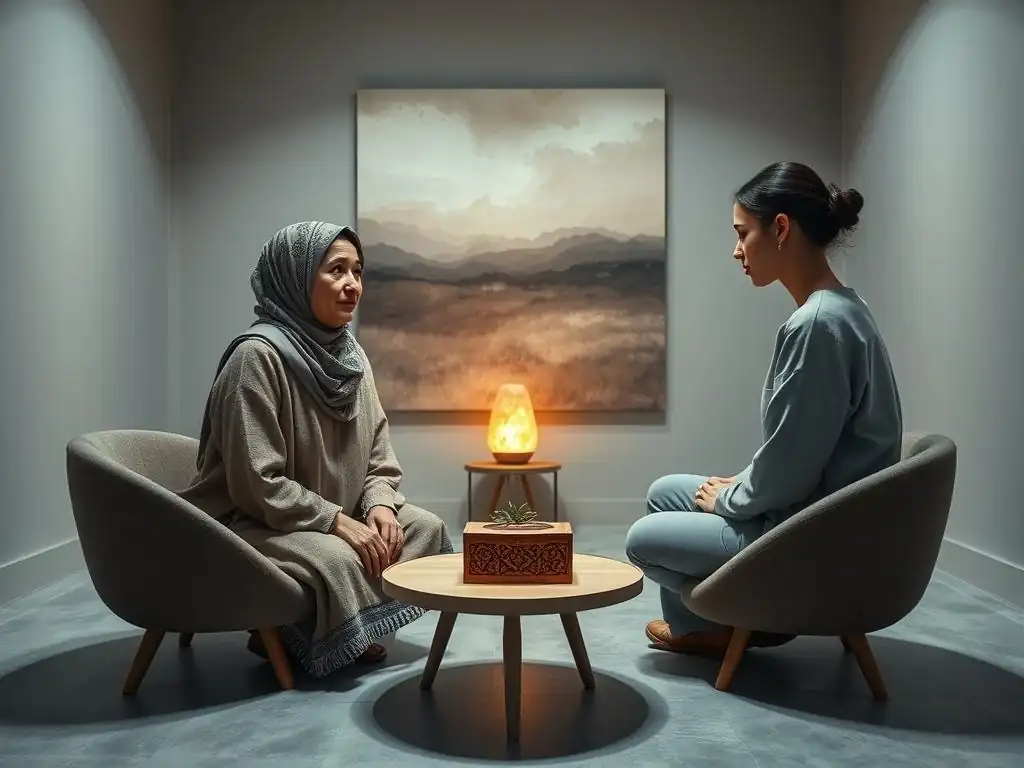
Consider the case of a refugee woman from a collectivistic culture who experienced significant trauma. Initially, she was reluctant to engage in individual therapy, finding it isolating and culturally unfamiliar. Her therapist, recognizing the importance of community and family in her culture, worked with a cultural broker to propose involving her elder sister in some sessions, with the client's consent. The sister provided cultural context and support, facilitating communication and trust.
The therapist also incorporated narrative techniques, encouraging the client to share her story within a framework that emphasized community resilience and spiritual strength, concepts highly valued in her culture. They discussed how her experiences fit into broader cultural narratives of perseverance. This blended approach, combining adapted therapeutic techniques with the inclusion of family and culturally resonant themes, significantly improved the client's engagement and led to notable progress in her healing journey, illustrating successful refugee healing cultural perspectives.
Adapting Therapy for an Iraqi Refugee Client
An Iraqi refugee man presented with symptoms consistent with PTSD but struggled with traditional talk therapy, preferring to discuss physical ailments rather than emotional distress, a common cultural pattern. His therapist, informed by cultural knowledge, validated his physical complaints while gently introducing the connection between stress and bodily symptoms, using culturally appropriate metaphors about the body and mind.
Instead of focusing solely on verbal processing of trauma, the therapist incorporated mindfulness practices that resonated with the client's familiarity with prayer and meditation. They also discussed the role of faith and community support, which were important to him. By adapting the therapeutic language and integrating practices aligned with his cultural and spiritual background, the therapist was able to build rapport and facilitate healing in a way that respected the client's cultural framework, demonstrating practical refugee healing cultural perspectives.
Resources for Professionals Seeking to Enhance Cultural Competency in Refugee Mental Health
Organizations Providing Cultural Competency Training
Numerous organizations are dedicated to improving mental health services for refugees by offering training programs focused on cultural competency and trauma-informed care. These organizations often provide workshops, webinars, and resources developed by experts with lived experience and extensive knowledge of refugee populations. Such training is invaluable for mental health professionals seeking to deepen their understanding of diverse cultural backgrounds and their impact on mental health and healing processes. Engaging with these organizations is a key step in advancing refugee healing cultural perspectives.
These bodies typically offer specialized training modules that cover topics such as cross-cultural communication, working with interpreters, understanding specific cultural groups, and adapting therapeutic interventions. Participation in these programs equips professionals with the knowledge and skills necessary to provide more effective and ethical care that respects the cultural identity and experiences of refugee clients.
Publications and Research on Refugee Mental Health and Cultural Perspectives
Staying informed about the latest research and publications is essential for professionals committed to culturally sensitive refugee mental health care. A growing body of literature explores the unique mental health challenges faced by refugees, the impact of culture on trauma response and healing, and best practices for providing culturally competent services. Academic journals, reports from non-governmental organizations, and books dedicated to refugee studies and global mental health offer valuable insights.
These resources often provide detailed information on specific refugee populations, explore the effectiveness of various culturally adapted interventions, and discuss the complexities of integrating traditional healing methods. Regularly consulting these publications allows professionals to stay abreast of emerging knowledge and refine their approaches to align with evidence-based refugee healing cultural perspectives. Accessing this information supports continuous learning and improves the quality of care provided.
Promoting Culturally Responsive Mental Health Services for Refugees: A Call to Action
Advocacy for Policies that Support Culturally Sensitive Care
Promoting culturally responsive mental health services for refugees requires systemic change, beginning with advocacy for supportive policies. This includes advocating for increased government funding specifically allocated to culturally and linguistically appropriate mental health services for refugees. Policies should mandate cultural competency training for all healthcare providers who work with refugee populations and ensure access to certified, professional interpreters in mental health settings.
Advocacy efforts should also push for policies that recognize and support the role of community-based mental health initiatives and the integration of traditional healing practices where appropriate and safe. By influencing policy, we can create a healthcare system that is more equitable, accessible, and effective for refugees, embedding refugee healing cultural perspectives at a structural level.
Empowering Refugee Communities to Lead the Way in Healing
True culturally responsive care empowers refugee communities themselves to lead the way in their own healing processes. This involves supporting community-led initiatives, such as peer support groups, cultural centers, and programs that utilize the strengths and resources within the refugee community. Refugees possess invaluable knowledge about their own cultural coping mechanisms, resilience strategies, and preferred pathways to healing.
Empowerment means involving refugees in the design and delivery of mental health services, ensuring their voices are heard and their needs are met in a way that is culturally meaningful. It means building capacity within the community, training community members as peer counselors, cultural brokers, or mental health advocates. By shifting from a model where services are simply provided to refugees to one where services are developed with and by refugees, we can foster sustainable and deeply resonant refugee healing cultural perspectives.
Conclusion: Fostering Hope and Healing Through Cultural Understanding in Refugee Mental Health
Fostering hope and healing for refugees who have experienced immense trauma is a complex but vital undertaking. It requires moving beyond Western-centric models and embracing the rich diversity of cultural perspectives on mental health and healing. By understanding the profound impact of cultural background on trauma response, recognizing varied expressions of distress, and respecting diverse help-seeking behaviors, mental health professionals can build trust and rapport essential for effective care.
Implementing practical strategies such as utilizing cultural brokers, adapting therapeutic techniques, and incorporating traditional healing practices creates a more holistic and culturally congruent approach. Addressing systemic barriers and combating bias are crucial steps towards equitable access. Ultimately, promoting culturally responsive refugee healing cultural perspectives is not just about clinical technique; it is about empathy, respect, and a commitment to empowering refugees in their journey towards recovery, recognizing that true healing honors their beliefs, values, and heritage.
Frequently Asked Questions
How does cultural understanding impact the healing process for refugees?
Cultural understanding is essential because it allows therapists to tailor treatment to a refugee's specific cultural background and beliefs. This builds trust and increases the likelihood of successful therapeutic outcomes.
Why is it important to consider traditional healing practices in refugee mental health care?
Traditional healing practices often hold significant cultural value and can provide refugees with a sense of connection to their heritage. Integrating these practices can complement Western therapeutic approaches.
What are some common cultural barriers that refugees face when accessing mental health services?
Language barriers, stigma surrounding mental illness, and distrust of Western medicine are common cultural barriers. These obstacles can prevent refugees from seeking or benefiting from mental health support.
How can mental health professionals become more culturally competent when working with refugees?
Training on cultural sensitivity, learning about different cultural beliefs surrounding mental health, and collaborating with cultural brokers are crucial steps. This will enhance their ability to provide effective care.
What role does community play in supporting the mental well-being of refugees?
Community support provides a sense of belonging and social connection, which is vital for combating isolation and trauma. Community-based programs can offer culturally relevant mental health resources.
Final Reflection: Weaving a Tapestry of Healing
The integration of cultural perspectives in refugee healing is not merely a best practice; it is a fundamental human right. Ignoring the rich tapestry of beliefs, traditions, and coping mechanisms that refugees bring with them is to deny them a crucial element of their recovery and successful integration into new societies. This oversight undermines the very essence of holistic care, leaving individuals vulnerable and hindering their potential for thriving.
The journey of healing for refugees is profoundly shaped by their cultural backgrounds. Their experiences, traumas, and resilience are inextricably linked to their identities and beliefs. Understanding and respecting these aspects is paramount to effective intervention. As psychiatrist and trauma expert Judith Herman eloquently stated, Trauma is not just an event; it is a relationship. It is the relationship between the victim and the perpetrator, but it is also the relationship between the victim and the community.
This relationship extends to the healing process itself, requiring a sensitive and culturally attuned approach that acknowledges the power of community and cultural practices in fostering recovery.
Consider the profound impact of this knowledge on your own life. How can you contribute to a more culturally sensitive and compassionate approach to supporting refugees in your community? Perhaps it's through volunteering at a refugee resettlement agency, advocating for policy changes that prioritize cultural competency in healthcare, or simply engaging in respectful dialogue and learning about the diverse experiences of those who have sought refuge. Let us all strive to build a world where healing is not only possible but also deeply respectful of the unique cultural landscapes that shape each individual's journey.
Unveil Your Empathy: Embrace Cultural Understanding in Healing
Thanks for taking the time to explore the vital intersection of culture and healing within refugee communities. You've gained valuable insights into fostering more effective and compassionate care. Now, let's put that knowledge into action!
- Prioritize culturally sensitive communication: Reach out to a local refugee support organization and volunteer your time or resources. Even small actions can make a big difference.
- Educate yourself further:Explore resources and materials focusing on cultural competency in healthcare. Expanding your knowledge will deepen your understanding and impact.
- Share this knowledge:Discuss the article's key takeaways with your friends, family, or colleagues to raise awareness. Let's work together to create a more inclusive and supportive environment for refugees.
What steps will you take today to cultivate a more culturally responsive approach to healing?