
Declutter Your Space, Declutter Your Mind: Environmental Holistic Care


Welcome to Mind Care Guide.
Feeling overwhelmed? It's okay, you're not alone. We understand the subtle ways our environment can impact our inner peace. That's why we're diving deep into a topic that might just surprise you: Decluttering benefits mental wellbeing in profound ways. Could a tidy space really lead to a clearer mind? Let's explore the unexpected connection and discover practical steps to create a more harmonious life, starting right now.
Declutter Your Space, Declutter Your Mind: Environmental Holistic Care
- Introduction: The Powerful Connection Between Decluttering and Mental Wellbeing
- Understanding the Impact of Clutter on Mental Health
- Decluttering Benefits Mental Wellbeing: A Holistic Approach
- Practical Decluttering Strategies for a Healthier Mind
- The Mind-Body Connection: Environmental Factors and Mental Wellness
- Environmental Holistic Care: Beyond Physical Decluttering
- The Long-Term Benefits of a Decluttered Life
- Sustaining Your Decluttering Efforts for Lasting Mental Wellbeing
- Conclusion: Embracing Environmental Holistic Care for a Healthier, Happier You
-
Frequently Asked Questions
- How does decluttering my physical space impact my mental wellbeing?
- What are some specific mental health benefits associated with decluttering?
- How often should I declutter to experience these mental wellbeing benefits?
- I feel overwhelmed by the idea of decluttering. Where should I start?
- What resources are available if I'm struggling to declutter due to underlying mental health challenges?
- Final Reflection: The Untapped Power of a Tidy Mind
- Unleash Your Inner Calm: Take Control of Your Space and Mind!
Introduction: The Powerful Connection Between Decluttering and Mental Wellbeing
The state of our physical environment profoundly impacts our psychological landscape. Often overlooked in traditional approaches to mental wellness, the space we inhabit plays a crucial role in shaping our thoughts, feelings, and overall emotional state. A cluttered environment can mirror or exacerbate internal chaos, leading to feelings of stress, anxiety, and overwhelm. Conversely, a clean and organized space can foster a sense of calm, clarity, and control, contributing significantly to improved mental health. This connection highlights the importance of considering our physical surroundings as part of a holistic approach to wellbeing.
This article explores the deep link between decluttering and mental wellbeing, delving into how a well-ordered environment can serve as a powerful tool for enhancing psychological health. We will examine the negative impacts of clutter, the myriad ways in which decluttering benefits mental wellbeing, and provide practical strategies for creating a more supportive living space. By embracing environmental holistic care, individuals can cultivate a sanctuary that nurtures both their physical and mental health, paving the way for a more peaceful and fulfilling life.
Exploring Environmental Holistic Care for Enhanced Mental Health
Environmental holistic care recognizes that mental health is not solely an internal state but is intricately linked to external factors, particularly our immediate surroundings. This perspective goes beyond just tidying up; it involves consciously shaping our environment to support our mental and emotional needs. It acknowledges that everything from the amount of clutter we tolerate to the quality of light and air in our homes influences our psychological state.
Adopting an environmental holistic approach means understanding that decluttering benefits mental wellbeing by directly addressing external stressors. For example, a study published in the Journal of Environmental Psychology found that perceived clutter in the home was significantly associated with increased procrastination and decreased perceived well-being.
By taking control of our physical space through decluttering, we are actively reducing potential sources of stress and creating an environment conducive to peace and clarity, thereby directly enhancing our mental health. This integrated view sees the home as an extension of the self, where nurturing the physical space is a fundamental act of self-care.
Understanding the Impact of Clutter on Mental Health
A chaotic living or working space is more than just an inconvenience; it's a silent stressor that can erode mental resilience. Visual clutter bombards our senses, making it difficult for our brains to process information efficiently. This constant sensory input requires cognitive effort, leading to mental fatigue and decreased focus. The presence of piles of unorganized items, overflowing drawers, and forgotten belongings creates a pervasive sense of unfinished business and disarray that can weigh heavily on the mind.
Research from institutions like the Princeton University Neuroscience Institute has demonstrated that clutter competes for your attention, resulting in reduced performance and increased stress. For instance, participants in one study were less effective at processing information when surrounded by clutter. This psychological burden manifests as a persistent low-level anxiety, a feeling that things are out of control. Understanding these negative impacts is the first step toward recognizing how profoundly decluttering benefits mental wellbeing.
How Physical Clutter Contributes to Stress and Anxiety
Physical clutter creates a visual overload that constantly vies for our attention. This sensory bombardment makes it harder for the brain to focus on important tasks, leading to feelings of distraction and irritability. Imagine walking into a room with stacks of papers, disorganized books, and random objects scattered around – it's overwhelming and immediately signals a lack of order. This lack of order in our external environment can trigger a similar feeling of disorganization and stress internally.
Furthermore, clutter is often associated with unfinished tasks and decisions. Piles of mail represent bills to pay or correspondence to address; overflowing laundry baskets signify chores undone; and stacks of books you intend to read but haven't can create feelings of guilt or inadequacy.
This constant reminder of incomplete tasks generates a subtle but persistent layer of stress and anxiety. A study from UCLA's Center for Everyday Lives of Families observed that mothers in cluttered homes had higher levels of cortisol, a stress hormone, throughout the day compared to those in less cluttered environments, providing a physiological link between clutter and stress.
The Psychological Effects of a Disorganized Environment
Living or working in a disorganized environment can have significant psychological repercussions. It can impair our ability to process information, make decisions, and regulate our emotions effectively. A cluttered space can make you feel trapped or stifled, limiting your perceived freedom and space to move and think clearly. This feeling of being hemmed in can contribute to feelings of being overwhelmed and unable to cope with daily demands.
Disorganization can also impact self-esteem. A messy home might make you feel embarrassed to invite guests over, leading to social isolation. It can also serve as a constant visual reminder of perceived failures or lack of control in other areas of life, eroding confidence. The psychological burden of a disorganized environment is a tangible barrier to mental clarity and peace.
Clutter and its Link to Procrastination and Overwhelm
Clutter is strongly linked to procrastination because it makes tasks seem more daunting and less manageable. When faced with a messy desk or a chaotic room, the sheer effort required to find what you need or to start a project feels overwhelming. This feeling of overwhelm acts as a deterrent, making it easier to put things off rather than tackle the mess. For example, trying to pay bills when the necessary documents are buried under piles of paper can seem like an insurmountable task, leading you to delay it.
The visual cue of clutter constantly reminds you of everything that needs to be done, creating a mental burden. This constant mental load contributes to decision fatigue and makes it harder to initiate any task, even those unrelated to the clutter itself. By reducing the visual and mental load associated with clutter, decluttering removes a significant barrier to action, making it easier to start and complete tasks, thus breaking the cycle of procrastination and overwhelm. The benefits of decluttering for mental wellbeing are evident in this increased capacity for action.
Decluttering Benefits Mental Wellbeing: A Holistic Approach
Embracing decluttering as a practice extends beyond mere tidiness; it's a powerful form of self-care that yields profound psychological benefits. By intentionally clearing physical space, we simultaneously create mental space, allowing for greater clarity, peace, and emotional regulation. The act of letting go of unused or unwanted items can be cathartic, releasing not just physical objects but also emotional baggage tied to them.
The positive effects ripple through various aspects of life. Reduced visual noise lessens sensory overload, making it easier to focus and feel calm. Completing the task of decluttering provides a sense of accomplishment, boosting mood and motivation. Ultimately, recognizing how decluttering benefits mental wellbeing encourages a proactive approach to creating an environment that supports a healthier, happier mind.
Reducing Stress and Anxiety Through Decluttering
One of the most immediate and significant ways decluttering benefits mental wellbeing is by directly reducing stress and anxiety. A cluttered environment is a constant visual reminder of things unfinished and out of control, triggering a stress response. Clearing away excess items removes this visual stressor, creating a calming effect. Think about the feeling of relief after finally clearing a messy kitchen counter or organizing a chaotic closet – that sense of peace is a direct result of reducing environmental stress.
Moreover, the process of decluttering itself can be therapeutic. It provides a tangible task with a clear outcome, offering a sense of control in a world that often feels unpredictable. As you make decisions about what to keep and what to let go of, you are exercising your decision-making muscles, which can feel empowering. This active engagement in shaping your environment helps to alleviate feelings of helplessness and anxiety, replacing them with a sense of accomplishment and order.
Enhancing Focus and Productivity by Creating a Clearer Space
A clear physical space leads to a clearer mental space, which is essential for focus and productivity. When your workspace is free from distractions – stacks of unrelated papers, miscellaneous objects, or overflowing bins – your brain has less visual information to process. This reduced cognitive load allows you to concentrate more effectively on the task at hand, minimizing distractions and improving efficiency.
Consider the impact on a simple task like writing an email or paying a bill. In a cluttered environment, you might spend precious minutes searching for a pen, a piece of information, or even just enough clear surface area to place your laptop. In an organized space, everything has its place, making it easy to find what you need and start working without unnecessary delays. This ease of access and reduced need for searching directly translates into increased productivity and a decreased sense of frustration, proving how decluttering benefits mental wellbeing by supporting cognitive function.
Improving Sleep Quality with a Decluttered Bedroom Environment
The bedroom should be a sanctuary for rest and rejuvenation, but clutter can disrupt this vital function, negatively impacting sleep quality. A messy bedroom, filled with laundry piles, unread books, or scattered items, can create a sense of unfinished business and visual unrest that makes it difficult to unwind and fall asleep. The brain remains stimulated by the surrounding disarray, preventing it from entering a restful state.
Creating a minimalist and organized bedroom promotes a sense of calm and tranquility conducive to sleep. Removing distractions, ensuring surfaces are clear, and storing items neatly signals to your brain that this space is for rest. Studies have linked cluttered bedrooms to poorer sleep quality and even insomnia. By transforming your bedroom into a peaceful retreat, you significantly improve your ability to relax, fall asleep faster, and experience more restorative sleep, showcasing a direct link between decluttering benefits for mental wellbeing and physical rest.
Practical Decluttering Strategies for a Healthier Mind
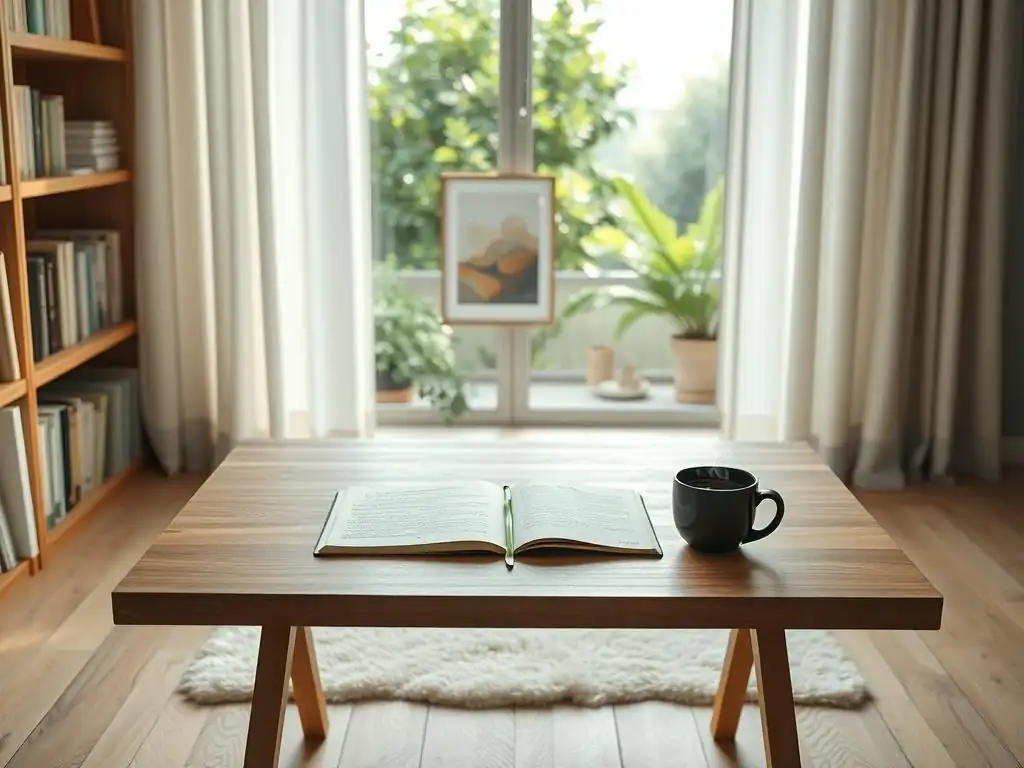
Embarking on the decluttering journey might seem daunting, but with practical strategies, it becomes a manageable process that yields significant mental health rewards. Approaching decluttering systematically, rather than feeling overwhelmed by the entire house, makes the task less intimidating. Start small, celebrate progress, and focus on the positive impact on your mental state.
Implementing effective techniques and building sustainable habits are key to long-term success. This section provides actionable steps and tips to help you navigate the decluttering process, from tackling specific areas to developing strategies for maintaining an organized and mentally supportive environment. Remember, the goal is not perfection, but progress towards a space that enhances your mental wellbeing.
Step-by-Step Guide to Decluttering Your Home
Decluttering your home can be approached room by room or even by smaller zones within a room. A popular method is the "four-box method": gather four boxes labeled "Keep," "Donate/Give Away," "Trash," and "Relocate." Pick a specific area, like a single drawer or a shelf, and go through each item, placing it into one of the boxes. This compartmentalizes the process and makes decisions easier.
Start with less emotionally charged areas, such as a linen closet or pantry, to build momentum and confidence before tackling more challenging spaces like closets or attics. Set a timer for short bursts, like 20-30 minutes, to avoid burnout. Focus on making quick decisions; if you haven't used something in a year or two (depending on the item), consider if it truly adds value to your life or if someone else could benefit from it. Finishing even a small area provides a sense of accomplishment, reinforcing that decluttering benefits mental wellbeing through tangible progress.
Implementing a Minimalist Lifestyle for Long-Term Mental Wellbeing
While not everyone aspires to extreme minimalism, adopting some minimalist principles can significantly contribute to long-term mental wellbeing. Minimalism encourages intentionality about the items you bring into your home and keep. It shifts the focus from accumulating possessions to valuing experiences, relationships, and a sense of freedom from material burdens.
Implementing a minimalist lifestyle involves regularly evaluating your possessions and questioning their purpose and value in your life. It means being more mindful of purchases, opting for quality over quantity, and resisting impulse buying driven by external pressures. By reducing the sheer volume of items you own, you reduce the amount of time and energy spent organizing, cleaning, and managing them. This frees up mental space and time for activities that truly nourish your soul, demonstrating how a less cluttered life fundamentally supports mental health.
Creating a Decluttering Schedule that Works for You
Consistency is key to maintaining a clutter-free environment and reaping the ongoing mental wellbeing benefits. Instead of viewing decluttering as a one-time monumental task, integrate it into your regular routine. This could involve setting aside 15-20 minutes each day for a quick tidy-up or dedicating a couple of hours each weekend to tackle a specific zone or category of items.
Find a schedule that fits your lifestyle and personality. Some people prefer daily upkeep, while others find weekly or monthly focused sessions more effective. The important thing is to make it a habit. For example, you might designate every Sunday afternoon for a "reset" where you put items back in their place, sort mail, and do a quick sweep of high-traffic areas. By establishing a routine, decluttering becomes less of a chore and more of a sustainable practice that consistently supports your mental health.
Strategies for Dealing with Sentimental Items
Sentimental items often pose the biggest challenge in the decluttering process because they are tied to memories and emotions. Discarding them can feel like discarding a part of your past or identity. However, keeping every single item with sentimental value can quickly lead to significant clutter. The key is to find a balance that honors the memories without overwhelming your space.
Consider strategies like creating a designated "memory box" for truly special items, rather than having them scattered throughout your home. You can also take photographs of items you wish to remember but don't need to keep physically – a photo album or digital folder can preserve the visual memory without the physical bulk. Another approach is to repurpose items or incorporate them into your decor in a meaningful way, giving them a new life while keeping the memory alive.
Remember, the memory resides within you, not solely in the object itself. Making thoughtful decisions about sentimental items is crucial for achieving a space that supports mental clarity.
Maintaining a Clutter-Free Environment: Habits and Systems
Achieving a clutter-free space is an accomplishment, but maintaining it requires developing sustainable habits and systems. The "one in, one out" rule is a simple yet effective system: for every new item that comes into your home, one similar item must leave. This helps prevent accumulation. For instance, if you buy a new shirt, donate or discard an old one.
Establishing designated homes for all your belongings is also crucial. When every item has a specific place, putting things away becomes a quick and easy task rather than a decision-making process. Implement a "landing strip" near your entrance for keys, mail, and bags to prevent these items from migrating throughout the house. Schedule regular "power tidying" sessions, even just 10 minutes a day, to put items back in their place before clutter has a chance to build up. These simple habits and systems are fundamental to ensuring that the benefits of decluttering for mental wellbeing are long-lasting.
The Mind-Body Connection: Environmental Factors and Mental Wellness
The intricate link between our physical environment and our psychological state is a powerful manifestation of the mind-body connection. Our surroundings are not just passive backdrops; they actively influence our nervous system, hormonal balance, and cognitive function. A calming environment can lower cortisol levels, while a stimulating one can increase alertness. This dynamic relationship underscores why environmental factors are integral to holistic mental wellness.
Beyond the absence of clutter, other environmental elements like light, air quality, and the presence of nature play significant roles. Consciously optimizing these factors within our living spaces can create a supportive ecosystem for mental health. Understanding this broader environmental impact helps us see decluttering as one vital component within a larger framework of creating a nurturing personal environment.
How a Clean and Organized Space Promotes a Sense of Calm
A clean and organized space reduces visual noise and provides a sense of order, which directly contributes to feelings of calm and peace. When your environment is tidy, your brain doesn't have to work as hard to filter out distractions, allowing for a more relaxed state. Imagine the difference between walking into a room with items strewn everywhere versus a room where everything is neatly put away – the latter immediately feels more serene.
This sense of order creates predictability and reduces the feeling of chaos. It provides a foundation of stability in your immediate world, which can be particularly grounding during times of stress or uncertainty. A University of Texas at Austin study found that people in orderly rooms were more persistent and less frustrated than those in disorderly ones. The simple act of tidying up can therefore be a powerful tool for regulating emotions and promoting a sense of inner calm, reinforcing how decluttering benefits mental wellbeing.
The Role of Natural Light and Fresh Air in Mental Health
Natural light and fresh air are fundamental environmental factors with a significant impact on mental health. Exposure to natural light helps regulate the body's circadian rhythm, which is crucial for healthy sleep patterns and mood regulation. Lack of natural light, particularly during winter months, is linked to Seasonal Affective Disorder (SAD) and general low mood. Maximizing natural light in your home through clean windows and uncluttered window sills can significantly boost your mood and energy levels.
Similarly, indoor air quality affects cognitive function and overall wellbeing. Stale, poorly ventilated spaces can contribute to fatigue, headaches, and difficulty concentrating. Opening windows regularly to allow fresh air circulation, using air-purifying plants, and minimizing indoor pollutants can improve air quality. This, in turn, supports better sleep, clearer thinking, and a more positive mental state, demonstrating that environmental holistic care extends beyond just physical objects to the very air we breathe.
Integrating Nature into Your Indoor Space for Improved Wellbeing
Bringing elements of nature indoors has been shown to have restorative effects on mental health. This concept, known as biophilia, suggests that humans have an innate need to connect with nature. Incorporating houseplants, natural materials like wood and stone, and views of greenery can reduce stress, improve mood, and enhance cognitive function.
Even small touches, like a few potted plants or a small indoor water feature, can make a difference. Plants not only add visual appeal but can also improve air quality. Having a desk near a window with a view of trees or a garden provides micro-breaks for the mind, reducing mental fatigue. Creating a connection with nature within your home provides a constant source of calm and rejuvenation, further highlighting the diverse ways environmental factors contribute to mental wellness.
Environmental Holistic Care: Beyond Physical Decluttering
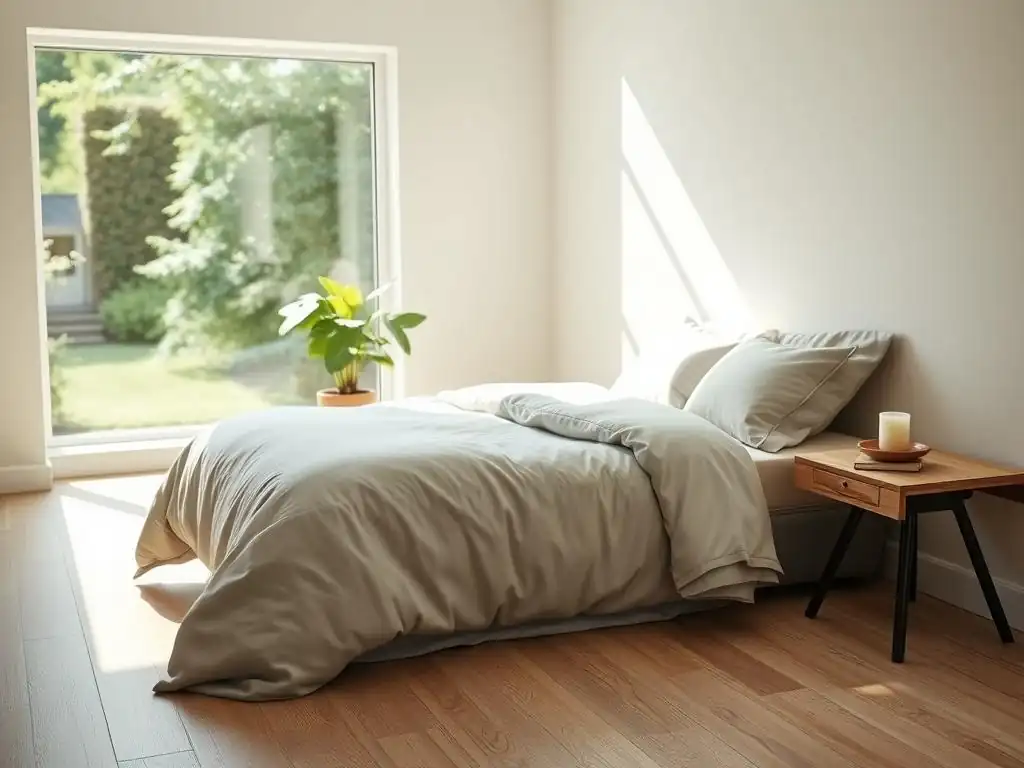
Environmental holistic care is a broad concept that encompasses more than just managing physical possessions. It involves consciously shaping all aspects of your environment – physical, digital, and even relational – to support mental clarity and peace. Just as physical clutter overwhelms our senses, digital clutter and unhealthy relationship dynamics can create significant mental burdens.
Addressing these different layers of "clutter" is essential for a truly holistic approach to mental wellbeing. This section explores how managing information overload, setting healthy boundaries in relationships, and practicing techniques for clearing mental clutter are all integral components of creating an environment that nurtures a healthy mind.
Digital Decluttering: Managing Information Overload for Mental Clarity
In the digital age, our online environments can become just as cluttered and overwhelming as our physical spaces. Unread emails, excessive notifications, disorganized files, and a constant stream of social media updates contribute to digital clutter and information overload. This digital noise can lead to stress, anxiety, and difficulty concentrating, mirroring the effects of physical clutter.
Digital decluttering involves intentionally managing your digital life to reduce unnecessary input and create order. This could mean unsubscribing from unwanted email lists, organizing digital files into clear folders, setting limits on social media usage, turning off non-essential notifications, and deleting unused apps. Just as physical decluttering benefits mental wellbeing by reducing visual stress, digital decluttering frees up mental bandwidth and reduces cognitive fatigue caused by constant digital demands.
Relationship Boundaries: Nurturing Healthy Connections
Our relationships form a significant part of our "environment," and unhealthy dynamics or lack of boundaries can create emotional clutter and stress. Just as physical clutter takes up space and energy, relationships without clear boundaries can drain your emotional resources and lead to resentment, anxiety, and burnout.
Setting healthy relationship boundaries involves clearly communicating your needs, limits, and expectations to others. It means learning to say no when necessary, protecting your time and energy, and ensuring that your relationships are balanced and respectful. Decluttering your relationships doesn't necessarily mean ending them, but rather adjusting the dynamics to be healthier and more supportive. Nurturing healthy connections and letting go of draining ones is a crucial aspect of environmental holistic care that significantly impacts mental wellbeing.
Mental Decluttering: Practices for Clearing Mental Clutter
Beyond external environments, our minds can become cluttered with worries, intrusive thoughts, past regrets, and future anxieties. This mental clutter can hinder focus, creativity, and emotional peace. Practices aimed at clearing this internal noise are essential for a truly holistic approach to mental wellbeing.
Techniques like mindfulness meditation, journaling, and setting aside dedicated "worry time" can help process thoughts and reduce mental clutter. Mindfulness involves paying attention to the present moment without judgment, which can help detach from overwhelming thought loops. Journaling provides an outlet for externalizing thoughts and gaining perspective. Scheduling worry time allows you to contain anxious thoughts to a specific period, preventing them from hijacking your entire day. Actively managing mental clutter is just as important as managing physical space for achieving psychological clarity.
The Long-Term Benefits of a Decluttered Life
Embracing decluttering and environmental holistic care as ongoing practices yields benefits that extend far beyond a tidy home. The positive impacts ripple through various aspects of life, fostering personal growth, improving relationships, and cultivating a greater sense of agency and peace. These long-term advantages solidify the understanding that decluttering benefits mental wellbeing in profound and lasting ways.
A life with less physical and mental clutter allows for more space and energy to focus on what truly matters, leading to increased fulfillment and a deeper connection with oneself and others. The journey of decluttering is not just about possessions; it's about creating a life that feels lighter, more intentional, and more aligned with your values.
Increased Self-Esteem and Confidence
Successfully decluttering and maintaining an organized space provides a tangible sense of accomplishment and control. This mastery over your environment can significantly boost self-esteem and confidence. When you demonstrate to yourself that you can tackle a daunting task like decluttering and create a space you feel good about, it reinforces a positive self-image.
Living in a clean and organized home also removes a potential source of shame or embarrassment, making you feel more comfortable inviting others into your space. This openness can improve social connections and further enhance confidence. The feeling of living in a well-managed environment translates into a feeling of being a capable and competent individual, showcasing how decluttering benefits mental wellbeing by building inner strength.
A cluttered home can sometimes become a barrier to social interaction. People may feel hesitant to invite friends or family over due to embarrassment about the state of their home. This can lead to isolation and strain on relationships. By creating a welcoming and comfortable space through decluttering, you remove this barrier, making it easier and more enjoyable to host guests.
Furthermore, reducing stress and anxiety through decluttering can make you a more patient, present, and enjoyable person to be around. When you're not constantly feeling overwhelmed by your surroundings, you have more emotional capacity to invest in your relationships. A calmer, more organized home environment can foster more relaxed and meaningful interactions with loved ones, highlighting the social benefits linked to decluttering.
A Greater Sense of Control and Empowerment
Taking control of your physical environment through decluttering is a powerful act of empowerment. In a world where many things feel outside of our control, managing our immediate surroundings provides a tangible area where we can exercise agency and make decisions that directly impact our daily lives.
The process of deciding what to keep, what to discard, and how to organize your belongings strengthens your decision-making skills and reinforces your ability to create the environment you desire. This sense of mastery often extends to other areas of life, encouraging you to take control of other challenges. This feeling of empowerment is a core aspect of how decluttering benefits mental wellbeing, fostering resilience and a proactive approach to life's challenges.
Sustaining Your Decluttering Efforts for Lasting Mental Wellbeing
Decluttering is not a destination but an ongoing journey. Maintaining a clutter-free environment requires consistent effort, conscious habits, and a willingness to address the underlying reasons why clutter accumulates in the first place. Sustaining these efforts ensures that the significant mental wellbeing benefits you've gained are not temporary but become a lasting foundation for a healthier life.
This section focuses on strategies for keeping clutter at bay, finding support when needed, and understanding your personal relationship with possessions to prevent future accumulation. By embedding decluttering into your lifestyle, you create a continuous cycle of renewal that supports your mental health over the long term.
Developing Habits for Continuous Decluttering
Developing small, consistent habits is more effective than relying on occasional, overwhelming decluttering binges. Implement a "daily tidy" routine where you spend 5-10 minutes putting things back in their place before bed. This prevents small messes from growing into large ones. Practice the "touch it once" rule for items like mail or groceries – process them immediately rather than setting them down to deal with later.
Regularly schedule mini-decluttering sessions for specific categories, like sorting through mail once a week or tackling a drawer every month. Make decluttering a natural part of your cleaning routine. By integrating these small actions into your daily or weekly life, you prevent clutter from taking root and ensure that your space remains supportive of your mental wellbeing without requiring massive effort.
Seeking Support and Accountability
Decluttering can be emotionally and physically draining, especially if you're dealing with years of accumulated items or sentimental attachments. Don't hesitate to seek support when needed. This could involve asking a friend or family member to help for a few hours, joining an online decluttering community for motivation and tips, or even hiring a professional organizer if your situation is particularly challenging.
Accountability can also be a powerful motivator. Share your decluttering goals with a friend or family member and check in with each other regularly. Setting small, achievable goals and celebrating your progress with someone can make the process feel less isolating and more manageable. Remember, seeking help is a sign of strength, not weakness, and can significantly contribute to the success of your decluttering journey and its positive impact on mental health.
Addressing the Root Causes of Clutter: Understanding Your Relationship with Possessions
To truly sustain a clutter-free environment and the mental wellbeing benefits it provides, it's important to understand why clutter accumulates in the first place. Is it due to difficulty making decisions? A fear of needing something in the future? Emotional attachment to objects? Shopping habits? Unfinished projects?
Reflecting on your relationship with possessions can uncover underlying behaviors or beliefs that contribute to clutter. For example, if you tend to buy things you don't need, exploring the reasons behind impulse shopping can lead to healthier habits. If you struggle to let go of items "just in case," practicing mindfulness around scarcity fears might be helpful. Addressing these root causes, perhaps with the help of a therapist or counselor, can provide deeper insights and prevent future clutter accumulation, ensuring lasting positive effects on your mental health.
Conclusion: Embracing Environmental Holistic Care for a Healthier, Happier You
The connection between our physical environment and our mental state is undeniable and powerful. As we have explored, decluttering benefits mental wellbeing in numerous ways, from reducing stress and anxiety to enhancing focus, improving sleep, and boosting self-esteem. A cluttered space can be a constant source of stress and overwhelm, while a clean and organized environment can serve as a sanctuary that promotes calm, clarity, and peace.
Embracing environmental holistic care means recognizing that actively shaping our surroundings is a vital component of self-care and mental wellness. It involves not only managing physical clutter but also addressing digital overload, nurturing healthy relationships, and practicing techniques to clear mental clutter. By taking intentional steps to create an environment that supports our needs, we build a foundation for greater resilience, happiness, and overall wellbeing.
Reaffirming the Link Between Decluttering and Mental Wellbeing
The evidence is clear: the state of our homes and workspaces directly impacts our psychological health. The visual noise and sense of unfinished business associated with clutter contribute to stress, anxiety, and decreased focus. Conversely, the order and clarity achieved through decluttering foster a sense of calm, control, and peace. This fundamental link means that decluttering is not just about having a tidy house; it's a powerful strategy for cultivating a healthier mind. The positive effects are measurable, from reduced stress hormone levels to improved cognitive function and better sleep.
Encouraging Readers to Prioritize Environmental Holistic Care
We encourage you to prioritize environmental holistic care as an essential part of your mental wellness journey. Start small, be patient with yourself, and celebrate every step of progress. Whether it's clearing out a single drawer, setting boundaries in a relationship, or establishing a daily tidy-up routine, every action taken to create a more supportive environment contributes to a healthier, happier you. Your environment is an extension of yourself; nurture it, and it will nurture you in return. The benefits of decluttering for mental wellbeing are within your reach – take the first step today.
Frequently Asked Questions
How does decluttering my physical space impact my mental wellbeing?
Decluttering can significantly reduce stress and anxiety. A tidy environment promotes a sense of calm and control, positively impacting your overall mental state.
What are some specific mental health benefits associated with decluttering?
Beyond stress reduction, decluttering can improve focus and concentration, boost self-esteem as you accomplish tasks, and even alleviate symptoms of depression and anxiety.
How often should I declutter to experience these mental wellbeing benefits?
There's no magic number, but aiming for regular, small decluttering sessions (e.g., 15-30 minutes a few times a week) is more sustainable and effective than infrequent massive cleanouts for long-term mental health benefits.
I feel overwhelmed by the idea of decluttering. Where should I start?
Begin with a small, manageable area like a drawer or a single shelf. Focusing on one small victory can build momentum and prevent feeling overwhelmed by the overall task.
What resources are available if I'm struggling to declutter due to underlying mental health challenges?
Mind Care Guide offers articles and resources on managing conditions like hoarding disorder, anxiety, and depression, which can impact decluttering. Consider seeking support from a mental health professional for personalized guidance.
Final Reflection: The Untapped Power of a Tidy Mind
The connection between our physical environment and mental wellbeing is undeniable; a cluttered space often reflects a cluttered mind, and vice versa. This isn't merely a matter of aesthetics; it's a deeply rooted relationship influencing our stress levels, productivity, and overall sense of peace. The act of decluttering, therefore, becomes far more than just tidying up; it's a powerful tool for self-care and mental restoration.
The impact of environmental holistic care, encompassing decluttering as a key element, is increasingly recognized in our fast-paced, information-saturated world. We're bombarded with stimuli, constantly juggling responsibilities, and often feeling overwhelmed. The simple act of creating a calm, organized space offers a much-needed sanctuary. This resonates deeply with me personally, as I've experienced firsthand the transformative power of decluttering in reducing anxiety and improving focus. A clean, well-organized space can have a profound effect on our mental state, allowing us to think more clearly and feel more at ease.
This sentiment, though simple, speaks volumes about the often-overlooked importance of our surroundings.
Now, consider your own space. What areas feel cluttered, not just physically, but emotionally? I invite you to take a small step today – perhaps decluttering a single drawer, or simply organizing one shelf. This small act can spark a ripple effect, leading to a clearer mind, a more focused spirit, and a renewed sense of control over your life. Embrace the power of environmental holistic care; it's a journey towards a more peaceful and productive you.
Unleash Your Inner Calm: Take Control of Your Space and Mind!
Thanks for taking the time to explore the power of environmental holistic care! We hope you gained valuable insights into how decluttering your space can directly impact your mental well-being. Now it's time to put that knowledge into action.
- Prioritize one area: Choose a single space – a drawer, a shelf, or even just a corner – and commit to decluttering it completely today. This small step will make a surprisingly big difference.
- Share your decluttering journey! Tell us on social media how you’re simplifying your environment and what positive changes you’re experiencing. Use #MindCareDeclutter.
- Explore mindful organization techniques: Research simple and effective strategies for maintaining a clutter-free space going forward.
What small step will you take today to create a more peaceful and productive environment for yourself?