
Finding Flexibility: Online Therapy Platforms for Anxiety with Varied Session Options

Welcome to Mind Care Guide, your trusted companion on the journey to mental well-being.
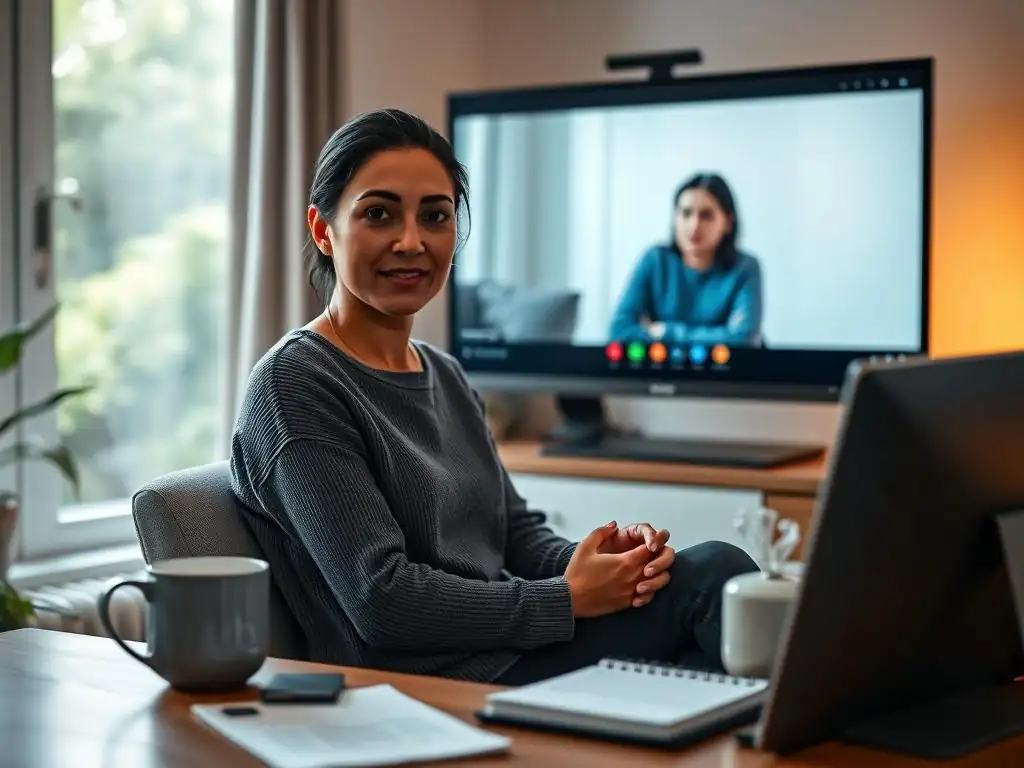
Feeling overwhelmed by anxiety and struggling to find a therapist that fits your schedule and needs? You're not alone. Many seek flexible options, and that's why we're diving deep into the world of online therapy for anxiety flexibility. Could virtual sessions with varied options be the key to unlocking a more manageable and fulfilling life? Explore the latest insights and discover platforms offering the adaptability you deserve. Read on to learn more and find the perfect fit for your unique circumstances.
Finding Flexibility: Online Therapy Platforms for Anxiety with Varied Session Options
- Understanding Anxiety and the Need for Flexible Therapy
- Key Features to Look for in Online Therapy Platforms Offering Flexibility
- Top Online Therapy Platforms for Anxiety with Varied Session Options: A Comparative Overview
- Case Studies: Real-Life Examples of Flexible Online Therapy for Anxiety
- Maximizing Your Online Therapy Experience for Anxiety Relief
- Choosing the Right Platform: Considerations and Recommendations
- Getting Started with Online Therapy for Anxiety: A Step-by-Step Guide
-
Frequently Asked Questions
- How does online therapy for anxiety offer more flexibility than traditional in-person therapy?
- What types of session formats are typically available through online therapy for anxiety platforms?
- Can online therapy for anxiety be as effective as in-person therapy for managing anxiety symptoms?
- How can I determine if online therapy for anxiety is the right choice for my specific needs?
- What are some factors to consider when choosing an online therapy platform for anxiety, focusing on flexibility?
- Final Reflection: Embracing the Evolving Landscape of Anxiety Care
- Unlock Your Calm: Start Exploring Therapy Options Today!
Understanding Anxiety and the Need for Flexible Therapy
The Growing Prevalence of Anxiety and Its Impact
Anxiety disorders are among the most common mental health conditions globally, affecting millions of adults each year. In the United States alone, it's estimated that over 40 million adults experience an anxiety disorder annually, representing a significant percentage of the population. The impact of anxiety extends far beyond just feeling worried; it can manifest physically through symptoms like rapid heartbeat, difficulty breathing, and muscle tension, and can severely disrupt daily life.
Individuals may find it challenging to maintain relationships, perform effectively at work or school, and even manage simple tasks due to overwhelming fear, panic, or persistent worry. The pervasive nature of anxiety underscores the critical need for accessible and effective treatment options.
Living with anxiety can feel isolating and debilitating. The constant internal struggle can make it difficult to engage in activities that others might take for granted, such as social gatherings, public speaking, or even leaving the house. This can lead to a cycle of avoidance, further limiting one's world and exacerbating feelings of distress.
Moreover, untreated anxiety can increase the risk of developing other mental health issues, including depression, and can contribute to physical health problems over time. Recognizing the widespread impact of anxiety highlights the urgency in finding support systems and therapeutic approaches that can meet the diverse needs of those affected, particularly through flexible online therapy for anxiety.
Why Flexible Therapy Options Are Crucial for Managing Anxiety
Traditional in-person therapy, while highly effective for many, can present significant barriers for individuals managing anxiety. The need to travel to a therapist's office at a fixed time can be challenging, especially for someone experiencing severe social anxiety, panic attacks triggered by leaving home, or generalized anxiety that makes scheduling and logistics feel overwhelming.
Add to this the demands of work, family, or other commitments, and finding a consistent therapy slot becomes even more difficult. This is where the appeal of finding flexibility in online therapy for anxiety becomes clear; it removes geographical constraints and often offers a wider range of scheduling possibilities.
Flexible therapy options, particularly those offered through online platforms, are vital because they adapt to the client's life, rather than requiring the client to adapt entirely to the therapy schedule. For someone struggling with unpredictable anxiety symptoms, the ability to switch between messaging a therapist during a moment of distress and scheduling a video session when they feel more stable is invaluable.
This adaptability ensures continuity of care, making it more likely that individuals will stick with their treatment plan over the long term. Flexible online therapy for anxiety provides a lifeline, allowing individuals to receive support when and how they need it most, fitting mental healthcare into their lives rather than forcing their lives around appointments.
Exploring the Benefits of Online Therapy for Addressing Anxiety
Online therapy has emerged as a powerful and convenient tool for individuals seeking help with anxiety. One of the primary benefits is accessibility; it allows people in rural areas, those with mobility issues, or individuals whose anxiety makes leaving home difficult to connect with qualified therapists from the comfort and safety of their own space. This eliminates the stress associated with commuting, navigating public transport, or simply being in an unfamiliar environment, which can be significant triggers for anxiety. The ease of access significantly lowers the barrier to entry for many who might otherwise forgo treatment.
Beyond accessibility, online therapy platforms often provide greater flexibility in scheduling and communication methods compared to traditional therapy. Many platforms offer sessions outside standard business hours, including evenings and weekends, catering to individuals with demanding work schedules.
Furthermore, the option to engage through various modalities—video, phone, or text—allows clients to choose the method that feels most comfortable and effective for them at any given time. This inherent flexibility in online therapy for anxiety ensures that individuals can maintain consistent therapeutic support, adapting their approach as their needs or circumstances change, ultimately promoting better engagement and outcomes in managing their condition.
Key Features to Look for in Online Therapy Platforms Offering Flexibility
Session Scheduling: Finding a Time That Works For You
Finding a therapy platform that offers truly flexible session scheduling is paramount when managing anxiety alongside a busy life. The ideal platform provides a wide array of available appointment times, spanning not just typical 9-to-5 weekdays but also evenings and weekends. This breadth of options allows individuals to book sessions that genuinely fit into their personal and professional schedules without causing additional stress or requiring them to take time off work consistently. A platform that clearly displays therapist availability and allows for easy online booking empowers clients to take control of their treatment schedule.
Moreover, the ability to reschedule or cancel appointments with reasonable notice (often 24-48 hours) is a key aspect of finding flexibility in online therapy for anxiety. Life is unpredictable, and anxiety symptoms can fluctuate. Knowing that you can adjust your schedule if needed, without significant penalty, reduces pressure and makes it easier to prioritize mental health even when unexpected events arise. Some platforms even offer features like same-day appointments or the ability to join a waiting list for cancellations, further enhancing their responsiveness to client needs.
- Asynchronous Communication Options: Email and Messaging
- Live Video Session Availability: Weekdays, Weekends, and Evenings
Communication Methods: Choosing Your Preferred Style
The variety of communication methods offered by an online therapy platform is a cornerstone of finding flexibility in anxiety treatment. Not everyone feels comfortable engaging in a face-to-face video call, especially when first starting therapy or during moments of heightened anxiety. Platforms that offer multiple modalities ensure that clients can choose the method that feels safest and most effective for them at any given moment. This might mean starting with text-based therapy to build rapport before transitioning to video, or using phone calls for convenience while on the go.
A truly flexible platform understands that different situations and different days call for different approaches. The ability to switch between methods—perhaps using messaging for daily check-ins and scheduling a video session for deeper work—provides a level of adaptability that traditional therapy often cannot match. This freedom to choose how you connect with your therapist empowers you to engage with therapy in a way that minimizes anxiety triggers and maximizes your ability to be open and receptive to support.
- Video Therapy: Face-to-Face Connection
- Phone Therapy: Direct and Convenient
- Text Therapy: Discreet and Available On-the-Go
Therapist Matching: Finding the Right Fit for Your Needs
Finding a therapist who is a good match for your specific needs and personality is crucial for successful anxiety treatment, and online platforms often streamline this process. Many platforms utilize matching algorithms that consider factors like your specific anxiety symptoms (e.g., social anxiety, panic disorder, GAD), preferred therapeutic approaches (e.g., CBT, exposure therapy), age, gender identity, and other demographics or preferences. This initial matching process aims to connect you with therapists who have relevant experience and specializations, increasing the likelihood of a strong therapeutic alliance from the start.
Beyond the initial match, a platform's flexibility in allowing you to switch therapists if the first match doesn't feel right is equally important. The therapeutic relationship is a key predictor of positive outcomes in therapy, and it's okay if it takes a couple of tries to find someone you truly connect with and feel comfortable opening up to about your anxiety. Platforms that make this process easy and non-punitive demonstrate a commitment to helping you find the best possible support for your specific journey with anxiety.
- Importance of Specialization in Anxiety Disorders
- Matching Algorithms and Their Effectiveness
Cost and Insurance Coverage: Making Therapy Accessible
Understanding the financial aspects of online therapy is a critical step in making it a sustainable option for managing anxiety. Online platforms typically operate on either a subscription model, where you pay a recurring fee for a certain level of access (e.g., unlimited messaging plus weekly live sessions), or a per-session fee model, similar to traditional therapy but often with a wider range of price points depending on the therapist's experience and location. Comparing these models and understanding what is included in each plan is essential for budgeting.
For many, utilizing health insurance is key to affording therapy. While some online platforms operate entirely on a cash-pay basis, others are increasingly working to become in-network with major insurance providers. Checking if a platform accepts your specific insurance plan, understanding your co-pay or deductible, and inquiring about potential out-of-network reimbursement are crucial steps. Some platforms may also accept Health Savings Accounts (HSA) or Flexible Spending Accounts (FSA), or partner with employers offering mental health benefits. Finding flexible online therapy for anxiety also means finding financially accessible options that fit your budget and coverage.
- Understanding Subscription Models and Per-Session Fees
- Checking for Insurance Coverage and Employer Benefits
Top Online Therapy Platforms for Anxiety with Varied Session Options: A Comparative Overview

Brightside Health: Personalized Treatment Plans with Medication Management
Brightside Health offers a comprehensive approach to anxiety treatment, combining evidence-based therapy with psychiatric medication management when needed. Their platform is designed to provide personalized care plans tailored to the individual's specific symptoms and history. This integrated model is particularly beneficial for individuals whose anxiety is severe or co-occurs with other conditions like depression, requiring both therapeutic support and potential pharmacological intervention under careful medical supervision.
The platform emphasizes a data-driven approach, using assessments to track progress and adjust treatment plans accordingly. Their therapists are licensed professionals specializing in conditions like anxiety and depression, utilizing therapeutic modalities such as Cognitive Behavioral Therapy (CBT). The inclusion of medication management, overseen by board-certified psychiatrists and psychiatric nurse practitioners, distinguishes Brightside as a robust option for those seeking a holistic treatment approach that addresses both psychological and biological factors contributing to their anxiety.
- Session Options: Video, messaging, and medication management.
- Pricing: Plans vary depending on service inclusions.
- Ideal for: Individuals seeking a comprehensive approach including medication and therapy.
Sesame: Affordable Access to a Variety of Mental Health Professionals
Sesame operates as a direct-pay healthcare marketplace, offering a wide range of medical services, including mental health, at transparent, upfront prices. This model is particularly appealing for individuals who are uninsured, underinsured, or prefer to pay out-of-pocket to avoid insurance complexities or long waits. For anxiety treatment, Sesame allows users to search for licensed therapists and psychiatrists in their area (or offering telehealth nationally) and book appointments directly, seeing the cost before booking.
The platform provides flexibility by allowing users to choose from a diverse pool of providers with varying specializations, availability, and price points. While it doesn't offer a subscription model or asynchronous messaging like some dedicated therapy platforms, its strength lies in providing accessible, affordable access to live video sessions with mental health professionals. This makes it a practical option for those prioritizing cost-effectiveness and the ability to select a specific type of provider for their anxiety needs without navigating insurance approvals.
- Session Options: Video appointments with psychiatrists and therapists.
- Pricing: Varies by provider; no insurance required.
- Ideal for: Individuals seeking affordable, out-of-pocket mental healthcare without insurance hassles.
Talkiatry: In-Network Psychiatric Care and Therapy
Talkiatry focuses on providing high-quality, in-network psychiatric care and therapy virtually. Their model is built around integrating with major insurance plans, aiming to make psychiatric and therapeutic support more accessible and affordable for individuals who have health insurance coverage. This is a significant benefit, as finding psychiatrists who accept insurance, particularly for virtual appointments, can sometimes be challenging. Talkiatry streamlines this process, connecting patients with licensed psychiatrists and therapists who are covered by their plan.
The platform offers virtual psychiatric evaluations, medication management, and ongoing therapy sessions. Their providers are experienced in treating a range of conditions, including various anxiety disorders. By focusing on in-network care, Talkiatry removes a major financial barrier for many individuals seeking professional help for their anxiety, allowing them to utilize their existing health benefits. This makes it an ideal option for those who need psychiatric assessment or medication alongside therapy and want to use their insurance to cover the costs.
- Session Options: Virtual psychiatric evaluations and therapy sessions.
- Pricing: Accepts many major insurance plans.
- Ideal for: Individuals seeking in-network psychiatric care and therapy services.
Case Studies: Real-Life Examples of Flexible Online Therapy for Anxiety
Sarah, a 28-year-old graphic designer, struggled with severe social anxiety that made networking events and even team meetings at work incredibly stressful. She often avoided social situations, which limited her career growth and personal life. Traditional therapy felt daunting due to the need to commute after work and the idea of sitting face-to-face with a stranger immediately. Sarah turned to Brightside Health specifically for its comprehensive model, hoping to address both the psychological and physical aspects of her anxiety.
Brightside matched Sarah with a therapist specializing in social anxiety and a psychiatric provider. Her treatment plan included weekly video therapy sessions focusing on exposure therapy techniques and cognitive restructuring, alongside a low dose of an SSRI medication prescribed and monitored by the psychiatric provider. The flexibility of scheduling video sessions from her home made it possible for her to attend consistently. Within three months, Sarah reported feeling significantly less anxious in social situations, successfully attending a company event, and even volunteering to present during a small team meeting—milestones she previously thought were impossible.
Managing Panic Attacks with Sesame's Accessible Therapist Network
David, a 45-year-old freelance writer, began experiencing sudden, debilitating panic attacks that made him afraid to leave his house. Uninsured after leaving a full-time job, he needed an affordable and quick way to find help. Searching for "Online therapy for anxiety flexibility" led him to explore direct-pay platforms like Sesame. He was able to browse therapist profiles and book a video appointment with a licensed counselor specializing in panic disorder for a price he could afford out-of-pocket, within 24 hours.
David used Sesame to schedule weekly video sessions with his chosen therapist. The ability to select a therapist based on their profile and transparent pricing gave him a sense of control during a time when he felt very out of control due to his panic attacks. His therapist taught him coping mechanisms, breathing techniques, and helped him understand the triggers for his panic.
Although Sesame didn't offer continuous messaging, the accessible and relatively inexpensive live sessions allowed David to get immediate help and build a foundation of coping skills. After several months, his panic attacks became less frequent and intense, and he began feeling comfortable leaving his home again.
Finding Long-Term Relief with Talkiatry's In-Network Psychiatric Care
Maria, a 35-year-old teacher, had been managing generalized anxiety disorder for years, but it had recently worsened, impacting her sleep and concentration at work. Her primary care doctor suggested she see a psychiatrist, but finding one who accepted her specific insurance plan and had availability was proving difficult. She found Talkiatry while looking for in-network online options for anxiety treatment. Talkiatry's focus on accepting major insurance plans was exactly what she needed.
Through Talkiatry, Maria was quickly connected with a board-certified psychiatrist who accepted her insurance. During her initial virtual evaluation, they discussed her symptoms and treatment history. The psychiatrist recommended a combination of medication adjustments and regular therapy sessions.
Maria was then matched with a therapist within the Talkiatry network who also accepted her insurance. The seamless integration of psychiatric and therapeutic care, all covered by her insurance and accessible via video appointments, provided Maria with the comprehensive, long-term support she needed. Within six months, she reported feeling significantly more stable, with reduced worry and improved ability to manage stress at work.
Maximizing Your Online Therapy Experience for Anxiety Relief

Setting Realistic Goals and Expectations
Approaching online therapy for anxiety with clear, achievable goals is fundamental to a positive experience. Before your first session, take some time to think about what you hope to gain from therapy. Do you want to reduce the frequency of panic attacks? Learn better coping mechanisms for social situations? Manage daily worry more effectively? Discuss these goals with your therapist early on. It's also important to set realistic expectations; therapy is a process, and significant changes take time, effort, and consistency.
Understand that online therapy, while flexible and convenient, requires the same level of commitment as in-person therapy. There won't be a magic fix overnight. Progress might be gradual, and there may be setbacks. Having realistic expectations about the pace of therapy and the nature of anxiety recovery can help prevent discouragement and keep you motivated to continue engaging with the process.
Actively Participating in Therapy Sessions
Your engagement is a key driver of successful outcomes in online therapy for anxiety. Simply showing up for sessions isn't enough; actively participating means being open and honest with your therapist about your thoughts, feelings, and experiences, even when it's difficult. Share what's working and what isn't. Don't hesitate to bring up specific situations or challenges you faced during the week.
Active participation also involves doing the work between sessions. Most therapists will assign "homework" or suggest practices like journaling, mindfulness exercises, or exposure tasks. Committing to these activities outside of your scheduled sessions reinforces what you discuss in therapy and helps you integrate new coping skills into your daily life. The flexibility of online therapy, especially platforms offering messaging, can sometimes facilitate this by allowing quick check-ins or questions between scheduled appointments.
Utilizing Platform Features and Resources
Online therapy platforms often offer more than just live sessions. Many provide supplementary resources designed to support your mental well-being and enhance your therapy experience. Explore features like guided meditations, journaling prompts, educational articles or videos about anxiety, and mood tracking tools. These resources can be valuable complements to your therapy sessions, providing support and information whenever you need it, fitting into your flexible online therapy for anxiety plan.
If your platform offers asynchronous messaging, make use of it for check-ins, asking clarifying questions about homework, or sharing brief updates between sessions. However, understand the intended use of messaging—it's typically for support and brief communication, not crisis intervention or deep therapeutic work. Familiarize yourself with all the tools available on your chosen platform and discuss with your therapist how you can best integrate them into your treatment plan.
Communicating Your Needs and Preferences to Your Therapist
Just as flexibility is a key benefit of online therapy for anxiety, open communication with your therapist about your needs and preferences is vital. If the current session frequency isn't working, if you'd like to try a different therapeutic approach, or if you're finding a particular aspect of the platform challenging, speak up. Your therapist is there to support you, and they can only tailor the treatment effectively if they understand your experience.
Don't be afraid to discuss scheduling difficulties, preferred communication styles (e.g., if you find video calls draining on certain days), or even if you feel the current therapeutic approach isn't the right fit. A good therapist will welcome this feedback and work collaboratively with you to adjust the plan. This open dialogue ensures that your online therapy experience remains flexible and responsive to your evolving needs as you work towards managing your anxiety.
Choosing the Right Platform: Considerations and Recommendations
Assessing Your Individual Needs and Preferences
The first step in selecting an online therapy platform for anxiety is to honestly assess your own needs, preferences, and circumstances. Consider the severity and specific nature of your anxiety symptoms. Do you need psychiatric medication management alongside therapy? Are your symptoms so severe that leaving home is a major challenge? Do you require therapy primarily for panic attacks, social anxiety, or generalized worry? Identifying your core needs will help narrow down the options.
Also, think about your preferences regarding communication style. Do you prefer face-to-face interaction via video? Are you more comfortable starting with text? How important is the ability to message your therapist between sessions? Consider your schedule and how much flexibility you need in appointment times. Reflecting on these factors will help you identify platforms that offer the specific features and types of flexible online therapy for anxiety that align with your personal situation.
Comparing Platform Features and Pricing
Once you have a clearer picture of your needs, compare the features and pricing models of different online therapy platforms. Look specifically for the features discussed earlier: a variety of session scheduling options (including evenings/weekends), multiple communication methods (video, phone, text), and a robust therapist matching process with specialists in anxiety.
Carefully examine the pricing structure. Is it a subscription service or per-session? What is included in the cost (e.g., live sessions, messaging, medication management)? How does the cost compare to your budget? If you plan to use insurance, verify which platforms accept your specific plan and understand your potential out-of-pocket costs (co-pays, deductibles). Creating a simple comparison chart can be helpful in weighing the pros and cons of each platform based on features and cost.
Reading Reviews and Testimonials
Before committing to a platform, take the time to research what current and past users are saying. Look for reviews and testimonials specifically from individuals who have used the platform for anxiety treatment. Pay attention to feedback regarding the ease of scheduling, the responsiveness and quality of therapists, the effectiveness of the matching process, and overall satisfaction with the platform's flexibility and features.
While individual experiences can vary, reading multiple reviews can provide valuable insights into the platform's strengths and weaknesses. Look for patterns in feedback—are many people praising the ease of use? Are there recurring complaints about scheduling issues or therapist availability? This step can help you anticipate potential challenges and make a more informed decision about which platform might offer the best flexible online therapy for anxiety for your situation.
Taking Advantage of Free Trials and Introductory Offers
Many online therapy platforms offer some form of introductory offer, such as a free trial period, a discounted first session, or a money-back guarantee. Taking advantage of these offers can be a low-risk way to experience a platform firsthand before committing to a longer subscription or multiple sessions. Use this opportunity to explore the interface, see how easy it is to schedule a session, understand the therapist matching process, and potentially have an initial consultation.
Even if a full free trial isn't available, some platforms allow you to browse therapist profiles before signing up, giving you a sense of the available specialists. Utilize any free resources or introductory materials they provide. This hands-on exploration is invaluable for determining if a platform's features, user experience, and approach to providing flexible online therapy for anxiety feel like the right fit for you.
Getting Started with Online Therapy for Anxiety: A Step-by-Step Guide
Researching and Selecting a Platform
Begin by researching online therapy platforms that specifically address anxiety and offer flexible options. Use the considerations outlined above—your needs, preferences, features, pricing, and reviews—to create a shortlist. Look for platforms with licensed therapists specializing in anxiety disorders and those that offer the communication methods and scheduling flexibility you require.
- Identify platforms specializing in anxiety.
- Compare features: session types, scheduling flexibility, messaging.
- Check pricing models and insurance acceptance.
- Read user reviews and testimonials.
- Utilize free trials or introductory offers if available.
Creating an Account and Completing the Assessment
Once you've selected a platform, the next step is typically to create an account. This usually involves providing some basic personal information. Many platforms will then ask you to complete an initial assessment or questionnaire about your mental health history, current symptoms, specific anxiety concerns, and preferences for a therapist. Be as thorough and honest as possible in this assessment; the information you provide helps the platform match you with suitable therapists and helps your therapist understand your needs from the outset.
- Sign up for an account.
- Provide necessary personal information.
- Complete the initial mental health assessment/questionnaire accurately.
Choosing a Therapist and Scheduling Your First Session
Based on your assessment, the platform will likely present you with a list of recommended therapists who specialize in anxiety. Take your time reviewing their profiles, noting their experience, therapeutic approaches, and availability. Many platforms allow you to view therapist photos and read a brief bio. Choose the therapist you feel could be the best fit. Once you've selected a therapist, navigate the platform's scheduling system to book your first session at a time that works for you, leveraging the flexible online therapy for anxiety options available.
- Review recommended therapist profiles.
- Select a therapist based on specialization and fit.
- Use the platform's interface to schedule your initial appointment.
Preparing for Your First Session and Setting the Stage for Success.
Preparing for your first online therapy session can help reduce anxiety about the unknown and ensure you make the most of the time. Find a quiet, private space where you won't be interrupted. Ensure your internet connection is stable and your device (computer, tablet, or phone) is fully charged. If it's a video session, test your camera and microphone beforehand. Think about what you want to discuss; you might even jot down some notes about your anxiety symptoms, their impact on your life, and your goals for therapy.
- Find a private, quiet space.
- Ensure a stable internet connection and charged device.
- Test your camera and microphone (for video sessions).
- Prepare notes on your symptoms, impact, and goals.
- Approach the session with an open mind and willingness to share.
Frequently Asked Questions
How does online therapy for anxiety offer more flexibility than traditional in-person therapy?
Online therapy platforms offer varied session options, such as asynchronous messaging, shorter sessions, and scheduling outside of typical office hours, providing greater convenience and accessibility. This flexibility reduces barriers to seeking help.
What types of session formats are typically available through online therapy for anxiety platforms?
Common session formats include live video sessions, phone calls, and asynchronous messaging. Some platforms also offer group therapy sessions or workshops, catering to diverse preferences.
Can online therapy for anxiety be as effective as in-person therapy for managing anxiety symptoms?
Yes, studies have shown that online therapy, particularly Cognitive Behavioral Therapy (CBT) delivered online, can be highly effective in treating anxiety. The key is finding a licensed therapist who specializes in anxiety disorders.
How can I determine if online therapy for anxiety is the right choice for my specific needs?
Consider your personal preferences, budget, and scheduling constraints. Online therapy may be a good fit if you value convenience and accessibility or have difficulty attending in-person appointments. It's recommended to consult with a mental health professional to discuss your options.
What are some factors to consider when choosing an online therapy platform for anxiety, focusing on flexibility?
Look for platforms offering various session lengths, flexible scheduling options, and multiple communication methods. Check if the platform allows you to switch therapists easily if needed and offers a free trial period.
Final Reflection: Embracing the Evolving Landscape of Anxiety Care
The accessibility and flexibility of online therapy platforms are revolutionizing anxiety care, offering a lifeline to countless individuals who previously faced insurmountable barriers to treatment. This shift towards personalized, adaptable support is not merely a trend; it's a fundamental improvement in how we address mental health needs in the modern world. The convenience and diverse session options available are dismantling the stigma surrounding seeking help and empowering individuals to prioritize their well-being.
The impact of readily available, flexible online therapy extends far beyond individual experiences; it's reshaping our cultural understanding of mental health. It's fostering a more open dialogue about anxiety and reducing the shame often associated with seeking professional help. This increased accessibility is particularly crucial for marginalized communities who may face additional systemic barriers to traditional in-person care. The greatest barrier to mental health care is not the lack of resources, but the lack of access.
This quote highlights the transformative power of online platforms in bridging this critical gap.
Consider the implications of this evolving landscape. You now have the power to choose a therapy style, schedule, and platform that best suits your needs and lifestyle. Don't let anxiety dictate your access to care. Explore the options available, find a therapist who resonates with you, and embrace the flexibility offered by online platforms. Take the first step towards a healthier, more balanced you – your mental well-being deserves it.
Unlock Your Calm: Start Exploring Therapy Options Today!
Thanks for taking the time to learn about finding the right online therapy platform for managing your anxiety. We hope this guide provided valuable insights into the variety of session options available. Now it's time to take the next step towards a calmer you!
- Schedule a free consultation: Many platforms offer initial consultations to help you find the perfect therapist and discuss your needs. This is your chance to ask questions and see if it's the right fit.
- Explore different therapy styles: Research the various approaches (CBT, DBT, etc.) mentioned in the article and see which resonate with you. This can help you narrow down your search for a therapist.
- Share this guide with a friend: Anxiety is often easier to manage with support. Sharing this information with someone who might benefit could make a positive impact on their life.
Ready to prioritize your mental well-being? What's the first step you'll take towards finding the right online therapy solution for you?