
Your Gut Health and Your Mood: A Holistic Link Explained


Welcome to Mind Care Guide.
Are you feeling the weight of unseen connections impacting your mood? You're not alone. We understand the intricate dance between mind and body, and it's time to explore a fascinating piece of the puzzle: the gut health mood connection. Discover how nurturing your gut can unlock a pathway to greater emotional well-being in this enlightening article. Curious to learn more about this powerful holistic link? Let's begin.
- Your Gut Health and Your Mood: A Holistic Link Explained | Mind Care Guide
- The Gut's Influence on Mental Well-being: More Than Just Digestion
- The Science Behind the Gut Health Mood Connection: Research and Evidence
- Identifying Gut Health Issues That May Affect Your Mood
- Practical Strategies to Improve Gut Health and Boost Your Mood Naturally
- Beyond Diet: Other Holistic Approaches to Support the Gut-Brain Axis
- When to Seek Professional Help for Gut Health and Mood Concerns
- Maintaining a Healthy Gut for Long-Term Mental Wellness
-
Frequently Asked Questions
- What is the connection between gut health and mood?
- How does poor gut health affect mental well-being?
- What are some signs that my gut health is impacting my mood?
- What are some dietary changes I can make to improve my gut health and mood?
- Are there any lifestyle factors besides diet that can improve the gut health mood connection?
- Final Reflection: The Mind-Gut Axis: A Journey Towards Holistic Wellbeing
- Unlock Your Happiest Self: Nurture Your Gut, Nurture Your Mood
Your Gut Health and Your Mood: A Holistic Link Explained | Mind Care Guide
What is the Gut-Brain Axis and How Does it Work?
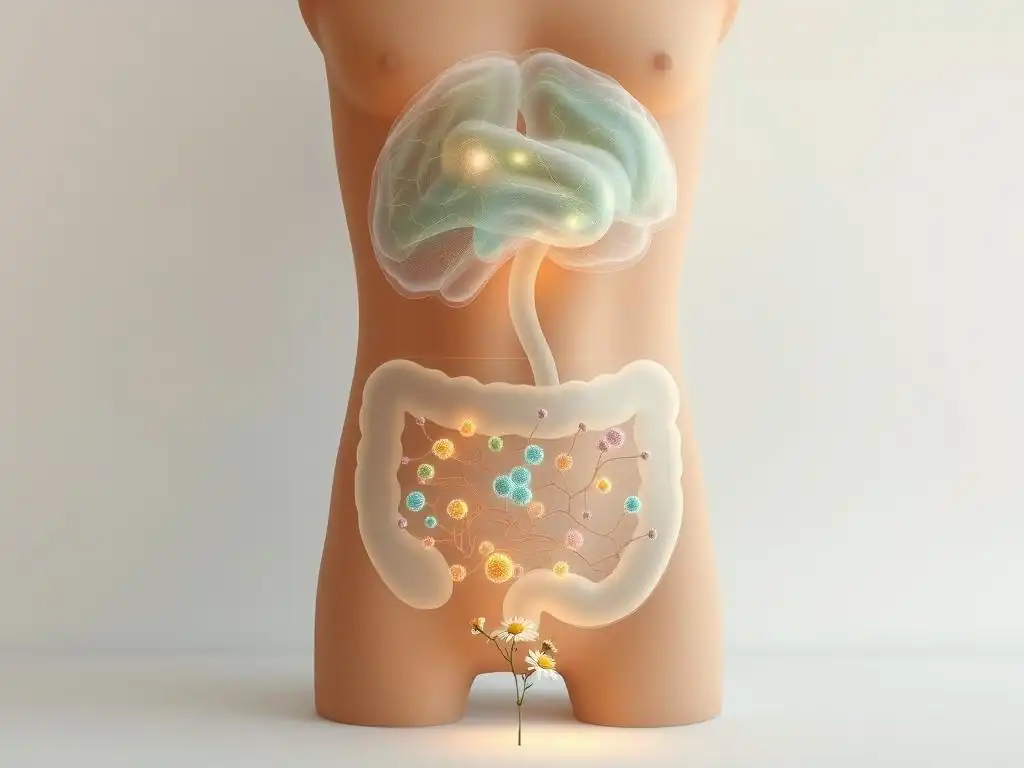
The gut-brain axis is a complex bidirectional communication system that connects the central nervous system (brain and spinal cord) and the enteric nervous system (ENS), which is embedded in the wall of the gastrointestinal tract. This axis involves multiple pathways, including neural, hormonal, and immunological signaling. Essentially, your gut and your brain are in constant conversation, influencing everything from digestion and metabolism to mood, stress levels, and even cognitive function. Understanding this intricate network is fundamental to appreciating the profound gut health mood connection.
This axis operates through various mechanisms. For instance, the gut produces over 90% of the body's serotonin, a neurotransmitter crucial for mood regulation. While most of this serotonin stays in the gut to regulate motility, it also plays a role in signaling to the brain. The gut also produces other neuroactive compounds, like short-chain fatty acids (SCFAs) from fiber fermentation, which can cross the blood-brain barrier and influence brain health. Furthermore, immune cells in the gut can release signaling molecules that affect the brain, highlighting how inflammation in one area can impact the other.
The Role of the Vagus Nerve in the Gut-Brain Connection
A primary neural pathway within the gut-brain axis is the vagus nerve, the longest cranial nerve. It acts like a major highway, transmitting signals in both directions – from the brain down to the gut and, crucially, from the gut up to the brain. Approximately 80-90% of vagal nerve fibers are afferent, meaning they send information from the gut to the brain. This allows the brain to receive real-time updates on the state of the digestive system, influencing things like appetite, satiety, and even emotional responses based on gut sensations.
The vagus nerve's role in the gut health mood connection is significant. It can carry signals related to inflammation, nutrient availability, and the presence of specific gut microbes directly to brain regions involved in processing emotions, stress, and pain. For example, certain beneficial bacteria can produce compounds that stimulate the vagus nerve, potentially sending calming signals to the brain. Conversely, signals of distress or inflammation from the gut, potentially triggered by harmful bacteria or irritation, can travel up the vagus nerve and contribute to feelings of anxiety or discomfort.
The Impact of Gut Microbiota on Brain Function
The trillions of microorganisms living in your digestive tract, collectively known as the gut microbiota, are central players in the gut-brain axis and heavily influence the gut health mood connection. This diverse community, dominated by bacteria but also including fungi, viruses, and archaea, performs vital functions like breaking down food, synthesizing vitamins, and educating the immune system. Beyond these digestive roles, the microbiota significantly impacts brain function and mental health through various mechanisms.
The gut microbiota can produce a wide array of neuroactive substances, including neurotransmitters like GABA and acetylcholine, and SCFAs such as butyrate, propionate, and acetate. These compounds can directly or indirectly influence brain chemistry, neuronal activity, and even brain structure. Studies have shown that disruptions in the composition or diversity of the gut microbiota, often referred to as dysbiosis, have been associated with changes in brain activity and an increased risk of developing mental health conditions. For instance, research suggests that individuals with depression or anxiety often exhibit different gut microbiome profiles compared to healthy individuals.
The Gut's Influence on Mental Well-being: More Than Just Digestion
How Gut Bacteria Affect Neurotransmitter Production (Serotonin, Dopamine, GABA)
Gut bacteria are surprisingly prolific producers of neurochemicals, many of which are identical or similar to the neurotransmitters used by our brains. As mentioned, the gut is a major hub for serotonin production; certain gut microbes, such as Enterococcus and Streptococcus species, are known to produce serotonin. While the majority stays local, some can influence the brain via the vagus nerve or by affecting circulating levels. Similarly, bacteria like Bacillus and Serratia can produce dopamine, a neurotransmitter vital for motivation, pleasure, and reward, further illustrating the complex gut health mood connection.
GABA (gamma-aminobutyric acid), the primary inhibitory neurotransmitter in the central nervous system, is also produced by several gut bacteria, including species of Lactobacillus and Bifidobacterium. GABA plays a critical role in reducing neuronal excitability and promoting relaxation, and its deficiency is linked to anxiety and stress. By producing these neurochemicals, gut bacteria directly contribute to the pool of signaling molecules that can influence mood, stress responses, and overall mental state, showcasing the profound impact of gut health on emotional well-being.
Inflammation in the Gut and its Link to Mood Disorders (Depression, Anxiety)
Chronic low-grade inflammation is increasingly recognized as a contributing factor to various health issues, including mood disorders like depression and anxiety. The gut, housing a significant portion of the body's immune cells, is a major site for initiating and regulating inflammatory responses. An unhealthy gut microbiome, often characterized by an imbalance of beneficial and harmful bacteria, can lead to increased intestinal permeability (leaky gut) and trigger a local inflammatory response.
This gut inflammation doesn't always stay confined to the digestive tract. Inflammatory molecules, such as cytokines, can enter the bloodstream and travel to the brain. In the brain, these cytokines can interfere with neurotransmitter synthesis, disrupt neurogenesis (the formation of new neurons), and activate the brain's own immune cells (microglia), leading to neuroinflammation. This neuroinflammatory state is strongly implicated in the development and exacerbation of symptoms associated with depression and anxiety, highlighting a crucial pathway in the gut health mood connection.
Intestinal Permeability and its Potential Impact on Mental Health
Intestinal permeability, often referred to as "leaky gut," occurs when the tight junctions between the cells lining the intestinal wall become compromised, allowing undigested food particles, toxins, and microbes to pass into the bloodstream. While a certain level of permeability is normal for nutrient absorption, excessive permeability can trigger systemic inflammation and immune responses. This state is often linked to dysbiosis and chronic stress, two factors known to influence the gut-brain axis.
The substances that leak into the bloodstream due to increased intestinal permeability can travel throughout the body, including to the brain. These molecules can activate the immune system and contribute to the neuroinflammation discussed earlier. Furthermore, studies suggest that increased gut permeability might impair the integrity of the blood-brain barrier, potentially allowing harmful substances to enter the brain more easily. This further reinforces the idea that the physical health of the gut lining plays a direct role in brain health and mental well-being, emphasizing the critical link in the gut health mood connection.
The Science Behind the Gut Health Mood Connection: Research and Evidence
Studies Linking Gut Microbiome Composition to Mood
Numerous studies, both in animal models and humans, have explored the relationship between the composition of the gut microbiome and mood states. Research consistently shows that individuals with depression and anxiety often exhibit different microbial profiles compared to healthy controls. For example, studies have identified specific bacterial species that are less abundant in depressed individuals, such as certain Bifidobacterium and Lactobacillus species, while other groups might be more prevalent.
Furthermore, fecal microbiota transplantation (FMT) studies in animal models have provided compelling evidence. Transferring the gut microbiota from depressed humans to germ-free animals can induce depressive-like behaviors in the recipients. Conversely, transferring microbiota from healthy controls can alleviate these behaviors. While direct FMT for mood disorders in humans is still experimental, these studies underscore the powerful influence of the gut microbiome on brain function and behavior, solidifying the gut health mood connection as an area of intense scientific interest.
Clinical Trials Exploring the Effects of Probiotics on Mental Health
Clinical trials investigating the impact of probiotics – live beneficial bacteria – on mental health have yielded promising results, though findings can vary depending on the specific strains used and the population studied. Meta-analyses of multiple trials have suggested that certain probiotic interventions may have a modest but significant effect in reducing symptoms of depression and anxiety, particularly in individuals with mild to moderate symptoms or comorbid gut issues like IBS.
For instance, a review of several studies found that supplementation with multi-strain probiotics containing species like Lactobacillus acidophilus, Lactobacillus casei, and Bifidobacterium bifidum was associated with improvements in mood and reduced stress markers. While more large-scale, placebo-controlled trials are needed to confirm these effects and identify the most effective strains and dosages, the existing evidence supports the potential of targeting the gut microbiome through probiotics as a strategy for improving mental well-being and influencing the gut health mood connection.
Investigating the Role of Diet in Gut Health and Emotional Well-being
Diet is perhaps the most significant modifiable factor influencing gut microbiome composition and function, and consequently, mood. Research highlights that dietary patterns rich in fiber, fermented foods, and diverse plant matter promote a diverse and healthy gut microbiome, while diets high in processed foods, sugar, and unhealthy fats can lead to dysbiosis and inflammation. Studies have linked traditional diets, such as the Mediterranean diet, which are high in vegetables, fruits, whole grains, and healthy fats, to both improved gut health and lower rates of depression and anxiety.
Conversely, research indicates that Western-style diets, characterized by high consumption of red and processed meats, refined grains, sweets, and high-fat dairy products, are associated with altered gut microbiota composition and an increased risk of mood disorders. For example, a large prospective study found that a dietary pattern rich in fruits, vegetables, whole grains, and fish was associated with a 25-35% lower risk of depression compared to a diet high in processed foods. This evidence strongly supports the idea that dietary choices directly impact the gut-brain axis and play a critical role in the gut health mood connection.
Identifying Gut Health Issues That May Affect Your Mood
Common Symptoms of Gut Imbalance (Bloating, Constipation, Diarrhea)
Gut imbalance, or dysbiosis, often manifests through a range of digestive symptoms that can also correlate with changes in mood. Common indicators include persistent bloating, which can cause physical discomfort and contribute to feelings of irritability or low mood. Altered bowel habits, such as chronic constipation or frequent diarrhea, are also tell-tale signs of gut dysfunction. Constipation can lead to a buildup of waste products and potentially toxins, while diarrhea can indicate inflammation or malabsorption, both of which can impact systemic health and the gut-brain axis.
Beyond these primary symptoms, individuals with gut imbalance might experience excessive gas, abdominal pain, nausea, or a feeling of incomplete evacuation after a bowel movement. While these symptoms are often viewed purely as digestive issues, their chronic nature and the underlying gut dysfunction can contribute to stress, anxiety, and a diminished quality of life, further illustrating the pervasive influence of gut health on mood and general well-being.
The Connection Between Irritable Bowel Syndrome (IBS) and Mental Health
Irritable Bowel Syndrome (IBS) is a classic example of a disorder deeply rooted in the gut-brain axis dysfunction, highlighting a strong gut health mood connection. Characterized by chronic abdominal pain, bloating, and altered bowel habits (constipation, diarrhea, or both), IBS is frequently comorbid with mental health conditions. Estimates suggest that between 50% and 90% of individuals with IBS also experience anxiety or depression.
This strong association is not merely a result of the distress caused by chronic symptoms. Research indicates that shared biological pathways are involved, including altered gut motility, visceral hypersensitivity (increased pain perception in the gut), dysbiosis, low-grade inflammation, and dysregulation of the gut-brain axis signaling. Stress and emotional states can trigger or worsen IBS symptoms, while the physical discomfort and unpredictable nature of IBS can significantly impact mood, creating a complex feedback loop.
Food Sensitivities and Intolerances: Impact on Gut Health and Mood Regulation
Food sensitivities and intolerances, distinct from true allergies, involve adverse reactions to certain foods that do not necessarily involve an immediate immune response but can significantly impact gut health and, consequently, mood. Common culprits include lactose (in dairy), gluten (in wheat, barley, rye), FODMAPs (fermentable carbohydrates), and certain food additives. These substances can cause digestive distress such as bloating, gas, pain, and altered bowel movements in sensitive individuals.
The mechanism linking these sensitivities to mood may involve several factors: the direct irritation and inflammation they cause in the gut lining, which can activate the gut-brain axis; changes in gut microbiota composition as certain bacteria thrive or decline based on available substrates; and the potential for increased intestinal permeability. For individuals with non-celiac gluten sensitivity, for example, studies have reported not only gastrointestinal symptoms but also neurological and psychological symptoms like "brain fog," depression, and anxiety, underscoring the intricate relationship between dietary triggers, gut health, and mood regulation.
Practical Strategies to Improve Gut Health and Boost Your Mood Naturally
Dietary Changes for a Healthier Gut: A Gut-Friendly Diet Plan
Adopting a gut-friendly diet is one of the most impactful steps you can take to improve your gut health and support a positive mood, directly influencing the gut health mood connection. This involves focusing on whole, unprocessed foods that nourish beneficial gut bacteria and reduce inflammation.
Increasing Fiber Intake: The Importance of Prebiotics
Fiber is crucial for gut health. It acts as a prebiotic, providing food for beneficial gut bacteria, which then produce beneficial compounds like SCFAs. Aim for 25-30 grams of fiber daily from diverse sources like fruits, vegetables, legumes, and whole grains. Examples include lentils, beans, broccoli, berries, oats, and quinoa.
Reducing Processed Foods, Sugar, and Artificial Sweeteners
Processed foods, high sugar intake, and artificial sweeteners can negatively alter gut microbiota composition, promoting the growth of less beneficial bacteria and potentially increasing inflammation. Limiting these items can help restore balance to the gut ecosystem.
Incorporating Fermented Foods: Probiotic-Rich Options
Fermented foods naturally contain live and beneficial bacteria (probiotics). Including foods like plain yogurt with live cultures, kefir, sauerkraut, kimchi, and kombucha in your diet can introduce diverse beneficial microbes to your gut, supporting a healthier microbiome and potentially improving the gut health mood connection.
The Power of Probiotics: Choosing the Right Supplements for Mental Well-being
While dietary changes are foundational, probiotic supplements can offer targeted support for the gut health mood connection, especially when dietary intake is insufficient or specific strains are needed.
Different Types of Probiotic Strains and Their Benefits
Specific probiotic strains have been studied for their effects on mood and stress. Lactobacillus helveticus R0052 and Bifidobacterium longum R0175, for example, have shown promise in reducing anxiety and stress. Other beneficial strains often found in supplements include Lactobacillus acidophilus, Bifidobacterium bifidum, and Lactobacillus rhamnosus GG, which have general gut health benefits that can indirectly support mood.
Dosage and Considerations When Taking Probiotics
Probiotic dosage is typically measured in Colony Forming Units (CFUs), often ranging from 1 billion to 100 billion CFUs per day. It's important to choose a reputable brand with clinically studied strains and follow dosage instructions. Consistency is key; probiotics often need to be taken daily for several weeks to see potential effects. Consulting a healthcare professional can help determine the right strains and dosage for your specific needs.
Lifestyle Factors That Support Gut Health and Positive Mood
Beyond diet and supplements, lifestyle choices play a significant role in the gut health mood connection.
Stress Management Techniques: Reducing the Impact on Gut Bacteria
Chronic stress can negatively impact gut motility, increase permeability, and alter the composition of gut bacteria. Practicing stress-reducing techniques like deep breathing exercises, meditation, yoga, or spending time in nature can help mitigate stress's detrimental effects on the gut and support a healthier gut-brain axis.
The Importance of Sleep for Gut Health and Mental Well-being
Adequate, restorative sleep is vital for both gut health and mood. Sleep deprivation can disrupt circadian rhythms, which in turn can negatively impact the gut microbiome. Aiming for 7-9 hours of quality sleep per night supports overall physiological balance, including the delicate ecosystem of the gut and its link to mental wellness.
Regular Exercise and its Beneficial Effects on Gut Microbiome
Regular physical activity has been shown to positively influence gut microbiome diversity and function. Exercise can increase the abundance of beneficial bacteria that produce SCFAs, reduce gut transit time, and decrease inflammation. Incorporating moderate exercise, such as brisk walking, jogging, or cycling, into your routine can be a powerful tool for enhancing the gut health mood connection.
Beyond Diet: Other Holistic Approaches to Support the Gut-Brain Axis
Mind-Body Practices: Yoga, Meditation, and Mindfulness for Gut Health
Mind-body practices like yoga, meditation, and mindfulness offer powerful ways to influence the gut-brain axis and improve the gut health mood connection. These techniques help regulate the nervous system, particularly by promoting the parasympathetic "rest and digest" state mediated by the vagus nerve. By reducing stress and promoting relaxation, they can decrease gut inflammation, improve motility, and positively influence the gut microbiome.
Regular practice of mindfulness meditation, for example, has been shown to reduce symptoms in individuals with IBS, a condition intrinsically linked to gut-brain axis dysfunction. Yoga, with its combination of physical postures, breathing exercises, and meditation, can directly impact gut motility and reduce visceral sensitivity. These practices underscore the bidirectional nature of the gut-brain connection, showing how influencing the mind can directly benefit the gut.
Cognitive Behavioral Therapy (CBT) is a form of psychotherapy that focuses on identifying and changing negative thought patterns and behaviors. While typically used for mental health conditions, it has proven effective in managing symptoms of gut disorders, particularly IBS, which often co-occurs with anxiety and depression. CBT can help individuals manage the anxiety and fear associated with unpredictable gut symptoms, reducing the stress response that can exacerbate gut issues.
By teaching coping mechanisms and challenging catastrophic thinking related to gut sensations, CBT can effectively dampen the distress signals sent from the gut to the brain and vice versa. This approach highlights how addressing the psychological component of the gut-brain axis can lead to significant improvements in both gut symptoms and associated mood disturbances, demonstrating the practical application of understanding the gut health mood connection in therapy.
Exploring Herbal Remedies and Supplements for Gut Health and Mood
Various herbal remedies and supplements are used to support gut health, and some may indirectly benefit mood through the gut-brain axis. For instance, peppermint oil is commonly used to alleviate IBS symptoms like pain and bloating, and by reducing gut distress, it can improve overall comfort and mood. Ginger is known for its anti-inflammatory and pro-motility effects, potentially aiding digestion and reducing gut-related discomfort.
Other supplements like L-glutamine, an amino acid, are used to support the integrity of the intestinal lining, potentially reducing permeability ("leaky gut"). While research on the direct impact of many herbs and supplements on the gut health mood connection is ongoing, supporting the physical health and function of the gut through these means can contribute to a healthier gut-brain axis and improved mental well-being. It's crucial to consult with a healthcare professional before starting any new supplements, especially if you are taking other medications.
When to Seek Professional Help for Gut Health and Mood Concerns
Recognizing the Signs of a More Serious Gut-Brain Imbalance
While mild digestive issues and occasional low mood are common, persistent or severe symptoms warrant professional attention. Signs of a potentially more serious gut-brain imbalance that requires evaluation include: significant and unexplained changes in bowel habits (e.g., new onset constipation or diarrhea, blood in stool), severe abdominal pain, unintentional weight loss, or symptoms that significantly interfere with daily life. On the mood side, persistent feelings of hopelessness, intense anxiety that is difficult to control, panic attacks, or thoughts of self-harm are serious indicators requiring immediate help.
If you suspect a strong gut health mood connection is impacting your life, meaning your digestive issues seem intertwined with significant mood disturbances that don't resolve with basic self-care, it's time to seek expert guidance. Don't dismiss chronic gut symptoms or persistent mood issues as separate, unrelated problems; they could be signals from a dysregulated gut-brain axis.
Consulting a Gastroenterologist or Mental Health Professional
Given the intricate link between the gut and the brain, seeking help from specialists in both areas is often beneficial. A gastroenterologist can help diagnose and treat underlying digestive conditions such as IBS, inflammatory bowel disease (IBD), SIBO (Small Intestinal Bacterial Overgrowth), or food intolerances through appropriate testing and medical interventions. Addressing the root cause of gut dysfunction is a critical step in potentially alleviating associated mood symptoms.
Simultaneously, consulting a mental health professional – such as a therapist, psychologist, or psychiatrist – is essential for addressing the mood component. They can provide diagnosis, therapy (like CBT or gut-directed hypnotherapy), and potentially medication to manage anxiety, depression, or stress that may be contributing to or exacerbated by gut issues. A collaborative approach between these professionals can provide the most comprehensive care for navigating the complexities of the gut health mood connection.
Integrative Approaches: Combining Conventional and Holistic Treatments
For many individuals experiencing gut-brain axis dysfunction, the most effective approach involves combining conventional medical treatments with holistic and lifestyle interventions. This integrative model acknowledges that while medication or specific therapies might be necessary for diagnosis and symptom management, supporting overall gut health through diet, stress reduction, exercise, and targeted supplements can enhance outcomes and promote long-term well-being.
An integrative practitioner, such as a functional medicine doctor, naturopath, or a registered dietitian specializing in gut health, can help coordinate care and develop a personalized plan. This might involve conventional diagnostic tests alongside dietary counseling, probiotic recommendations, stress management techniques, and addressing other lifestyle factors. Embracing this holistic perspective recognizes the profound and interconnected nature of the gut health mood connection.
Maintaining a Healthy Gut for Long-Term Mental Wellness
Creating Sustainable Habits for Gut Health and Mood Regulation
Nurturing the gut-brain connection is an ongoing process, not a one-time fix. Building sustainable daily habits is key to maintaining a healthy gut and supporting long-term mental wellness. This means consistently prioritizing a diet rich in fiber and diverse plant foods, staying hydrated, incorporating regular physical activity, and making stress management a non-negotiable part of your routine.
Rather than aiming for perfection, focus on making small, consistent changes that you can maintain over time. This might involve meal prepping gut-friendly lunches, scheduling short walks, or dedicating a few minutes daily to mindfulness. These consistent efforts contribute significantly to stabilizing the gut microbiome and reinforcing the positive feedback loop within the gut-brain axis, supporting a resilient gut health mood connection.
Monitoring Your Progress and Making Adjustments as Needed
As you implement strategies to improve your gut health and mood, it's helpful to monitor how you feel. Keep a journal to track your symptoms, energy levels, mood, and dietary choices. Pay attention to how different foods, stress levels, or sleep patterns affect both your digestion and your emotional state. This self-monitoring can provide valuable insights into what works best for your unique gut-brain axis.
Based on your observations and in consultation with healthcare professionals, be prepared to make adjustments to your diet, lifestyle, or supplement regimen. Gut health and mood can fluctuate due to various factors, and a flexible approach allows you to respond effectively to changes, ensuring you continue to support your gut health mood connection optimally over time.
The Ongoing Journey of Nurturing the Gut-Brain Connection
Understanding and actively nurturing the gut-brain connection is a powerful step towards holistic mental wellness. It shifts the perspective from viewing the gut and brain as separate entities to recognizing them as intimately linked partners in maintaining overall health. This ongoing journey involves continuous learning, self-compassion, and a commitment to lifestyle choices that support both physical and mental well-being.
Embracing this holistic view empowers you to take proactive steps in managing your mood by caring for your gut, and vice versa. The research on the gut health mood connection continues to evolve, offering new insights and strategies. By staying informed and consistently applying the principles of gut-friendly living, you can foster a resilient gut-brain axis, contributing to a more stable mood and a greater sense of vitality throughout your life.
Frequently Asked Questions
What is the connection between gut health and mood?
The gut-brain axis is a bidirectional communication system. Your gut microbiota can influence your brain function and mood through various pathways, including the production of neurotransmitters like serotonin.
How does poor gut health affect mental well-being?
An unhealthy gut, often referred to as gut dysbiosis, can lead to inflammation and disrupt the production of crucial neurotransmitters. This can contribute to feelings of anxiety, depression, and overall mood disturbances.
What are some signs that my gut health is impacting my mood?
Common signs include digestive issues (bloating, constipation, diarrhea), alongside mood changes like increased irritability, anxiety, or persistent sadness. It's important to consult a healthcare professional.
What are some dietary changes I can make to improve my gut health and mood?
Focus on a diet rich in fiber-rich foods (fruits, vegetables, whole grains) and probiotic-rich foods (yogurt, kefir, sauerkraut). Limiting processed foods, sugar, and artificial sweeteners can also be beneficial.
Are there any lifestyle factors besides diet that can improve the gut health mood connection?
Yes, stress management techniques like meditation and yoga, regular exercise, and adequate sleep are crucial. They can positively influence both your gut microbiota and your mental state.
Final Reflection: The Mind-Gut Axis: A Journey Towards Holistic Wellbeing
The intricate connection between gut health and mood is no longer a fringe theory; it's a burgeoning field of research with profound implications for our overall wellbeing. Understanding this link empowers us to take proactive steps towards better mental and physical health, moving beyond simplistic solutions to embrace a more holistic approach to wellness. The impact of this understanding is only beginning to be felt, promising a future where mental health care incorporates the gut as a crucial element.
The exploration of the gut-brain axis has profoundly shifted my own perspective on health and wellness. I've personally witnessed the transformative power of dietary changes and mindful practices in managing stress and improving mood. This journey underscores the importance of listening to our bodies and recognizing the interconnectedness of seemingly disparate systems. The gut is the second brain,
a phrase often used, is more than a metaphor; it's a testament to the intricate communication pathways between our digestive system and our central nervous system.
Now, consider your own relationship with your gut. What steps can you take today to nurture this vital connection? Perhaps it's incorporating more fiber-rich foods into your diet, reducing stress through mindfulness techniques, or seeking professional guidance to address any underlying gut imbalances. The journey towards holistic wellbeing begins with awareness and a commitment to nurturing the intricate dance between your mind and your gut. Embrace this knowledge, and embark on a path towards a healthier, happier you.
Unlock Your Happiest Self: Nurture Your Gut, Nurture Your Mood
Thanks for diving deep into the fascinating connection between gut health and mood! You’ve now learned how vital a healthy gut is for overall well-being. Ready to put this knowledge into action?
- Prioritize prebiotic and probiotic-rich foods: Start incorporating foods like yogurt, kimchi, and asparagus into your diet this week. This is your first step towards a happier, healthier you.
- Track your food and mood: Experiment by noting down what you eat and how you feel afterward. This simple act can reveal surprising connections.
- Share your journey: Connect with our community on social media and share your experiences – let's inspire each other!
What small change will you make today to nurture both your gut and your mood?