
Communication Breakdowns: How Poor Communication Harms Family Mental Health During Divorce

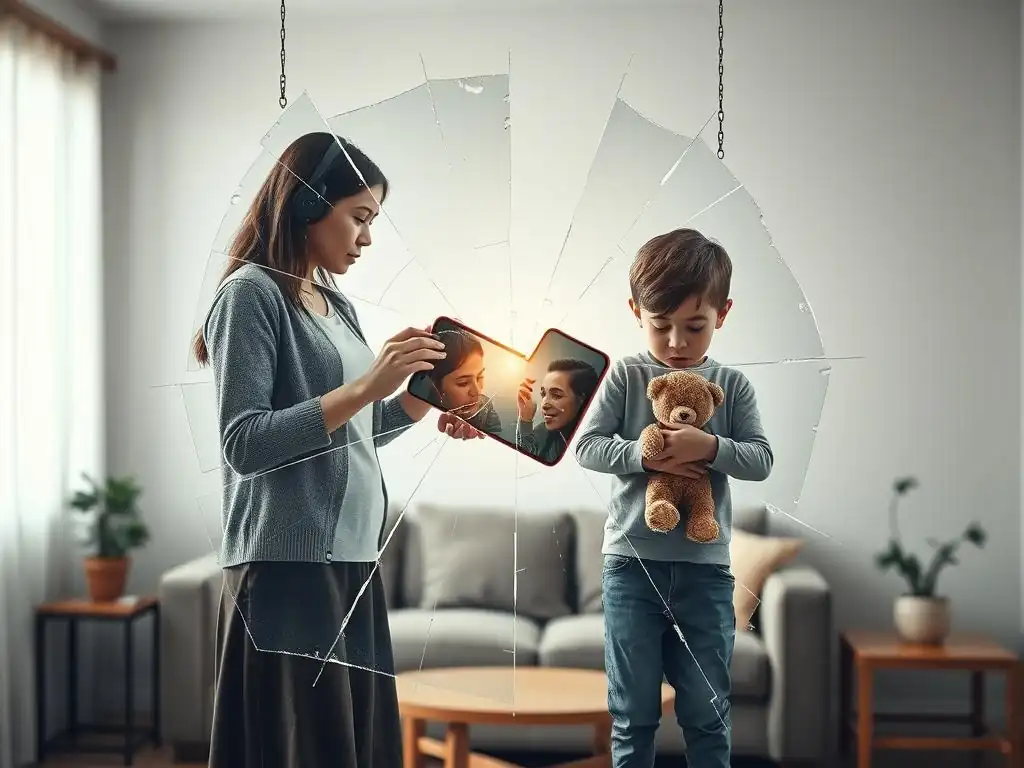
Welcome to Mind Care Guide, a space dedicated to nurturing your mental well-being. Are you navigating the complexities of divorce and finding it difficult to maintain healthy family relationships? It's not uncommon, and you're not alone. Dive into our article, "Communication Breakdowns: How Poor Communication Harms Family Mental Health During Divorce," where we explore the vital link between divorce, family communication, and mental health. Discover practical strategies to rebuild bridges and safeguard your family's emotional well-being during this challenging time. Curious to learn how to foster healthier communication patterns? Let's begin.
- Communication Breakdowns: How Poor Communication Harms Family Mental Health During Divorce
- The Devastating Effects of Poor Communication During Divorce
- Identifying Communication Breakdown Patterns During Divorce
- Strategies for Improving Family Communication During Divorce
- Tools and Resources for Better Family Communication During Divorce
- Long-Term Benefits of Healthy Communication During and After Divorce
- Protecting Family Mental Health During Divorce: A Proactive Approach
- Conclusion: Rebuilding Family Communication for a Healthier Future Post-Divorce
-
Frequently Asked Questions
- How does poor communication during divorce directly impact children's mental health?
- What are some common communication breakdowns that occur between parents during a divorce?
- How can parents improve their communication skills to better support their children's mental health during a divorce?
- What resources are available to families struggling with communication and mental health during divorce?
- What are the long-term consequences of poor communication on family mental health after a divorce is finalized?
- Final Reflection: The Unseen Scars of Silence
- Rebuild Stronger Connections: Your Next Steps for Family Harmony
Communication Breakdowns: How Poor Communication Harms Family Mental Health During Divorce
Divorce is a profoundly challenging life event that reshapes family structures and relationships. While it can sometimes be a necessary step towards a healthier future for individuals, the transition period often introduces significant stress and instability, profoundly impacting the mental well-being of all family members, especially children. Navigating the emotional landscape of separation requires careful attention to how family members interact, as communication patterns forged during this time can have lasting consequences.
The emotional turmoil associated with divorce can manifest in various ways across the family. Parents might grapple with feelings of failure, grief, anger, and uncertainty about the future, which can understandably affect their capacity for calm and effective communication. Children, on the other hand, may experience confusion, fear, sadness, and loyalty conflicts, making them particularly vulnerable to the negative effects of witnessing parental conflict and experiencing disruptions in their routines and relationships. Addressing the divorce family communication mental health connection is crucial for mitigating long-term harm.
Divorce and Increased Mental Health Challenges: Statistics and Research
Research consistently shows a link between divorce and increased risks for various mental health challenges in both adults and children. Studies indicate that adults undergoing divorce are more likely to experience depression, anxiety, and stress-related physical health issues. For instance, some longitudinal studies suggest that divorced individuals report higher rates of depression symptoms compared to their married counterparts, with women often showing a more immediate impact and men potentially experiencing effects later on.
For children, the impact can be even more pronounced and long-lasting. Data from various sources, including psychological studies and long-term surveys, suggests that children from divorced families, particularly those exposed to high conflict, face a higher risk of developing adjustment problems, including increased rates of anxiety disorders, depression, behavioral issues, and academic difficulties.
While not all children from divorced families experience these problems – many adjust well – the presence of poor divorce family communication mental health risks significantly elevates the potential for negative outcomes. One study approximated that children from high-conflict divorces are nearly twice as likely to require psychological counseling compared to those from intact or low-conflict divorced families.
Factors Contributing to Communication Breakdown During Divorce
The very nature of divorce creates a fertile ground for communication breakdowns. The intense emotions involved – hurt, anger, betrayal, fear – often override rational thought and make calm, constructive dialogue incredibly difficult. Pre-existing poor communication habits within the marriage often become amplified during the separation process, as old grievances resurface and new conflicts arise over practical matters like finances and child custody.
Furthermore, the shift from a marital relationship to a co-parenting or post-marital relationship requires entirely new communication rules and boundaries, which are often unclear or contested. Lack of trust, differing expectations about future interactions, and the involvement of legal processes can all add layers of complexity and tension. When parents struggle to adapt their communication style to this new dynamic, focusing more on past hurts or future disagreements than on immediate, practical needs (especially those of the children), it directly harms divorce family communication mental health.
The Devastating Effects of Poor Communication During Divorce
Poor communication during divorce isn't just frustrating; it actively erodes the emotional security and mental well-being of everyone involved, particularly the children caught in the middle. When communication is characterized by hostility, avoidance, or inconsistency, it creates an environment of unpredictability and stress that can have profound and lasting negative impacts on mental health. Addressing these issues is paramount for protecting divorce family communication mental health.
The constant tension and unresolved conflict stemming from poor communication can create a chronic stress response in family members. This prolonged exposure to stress hormones can have detrimental effects on brain development in children and contribute to increased anxiety and depression in adults. The breakdown in communication often means that essential information isn't shared effectively, leading to misunderstandings, missed appointments, and a general sense of chaos that further exacerbates stress and anxiety for everyone.
Impact of Communication Issues on Children's Stress and Anxiety
Children are highly attuned to the emotional climate of their home, and poor communication between divorcing parents creates a turbulent and anxiety-inducing environment. When parents fail to communicate respectfully or constructively, children often feel caught in the middle, responsible for mediating conflict, or forced to choose sides. This can lead to significant stress and anxiety, manifesting as difficulty sleeping, changes in appetite, increased irritability, or physical complaints like headaches or stomachaches.
The uncertainty caused by inconsistent or absent communication about schedules, expectations, or future plans also fuels children's anxiety. For example, if parents don't coordinate pick-up times or homework requirements effectively, a child might constantly worry about disappointing one parent or facing conflict. This ongoing state of hypervigilance and worry significantly impacts their sense of safety and security, directly undermining their mental health during a time when they most need stability and reassurance. The link between ineffective divorce family communication mental health outcomes is particularly strong in children.
Parental Conflict's Impact on Children's Mental Well-being
High levels of parental conflict, often a direct result of poor communication, are one of the most significant predictors of negative mental health outcomes in children of divorce. When children witness frequent arguments, yelling, or passive-aggressive behavior between their parents, it creates an environment of constant threat and insecurity. This exposure to conflict is more damaging to children's well-being than the divorce itself, according to numerous studies.
Children exposed to chronic parental conflict are at a higher risk for developing a range of mental health issues, including depression, anxiety disorders, conduct problems, and substance abuse later in life. They may internalize the conflict, believing they are somehow to blame, or develop unhealthy coping mechanisms. The inability of parents to shield their children from conflict through respectful communication directly compromises the children's mental health and long-term adjustment, highlighting the critical need to address divorce family communication mental health issues proactively.
Communication Breakdown and Feelings of Isolation and Depression
Poor communication doesn't just manifest as conflict; it can also involve avoidance, silence, or emotional cutoff. When communication channels between co-parents are shut down, it can lead to feelings of isolation for both parents and children. Parents may feel unsupported and alone in managing the challenges of single parenting or co-parenting, lacking a reliable partner for discussing important decisions or sharing the load.
Children may also feel isolated if they sense they cannot openly discuss their feelings about the divorce or their experiences with each parent without causing further conflict or distress. If parents are too consumed by their own communication struggles to be emotionally available, children can feel unheard and disconnected, increasing their risk for depression and withdrawal. This sense of being alone with their feelings, coupled with the disruption of their familiar family unit, significantly impacts their emotional landscape and contributes to negative divorce family communication mental health outcomes.
Exacerbation of Existing Mental Health Conditions Due to Poor Communication
For individuals who already manage pre-existing mental health conditions, such as depression, anxiety, bipolar disorder, or PTSD, navigating a divorce with poor communication can be particularly detrimental. The stress, conflict, and emotional upheaval associated with communication breakdowns can trigger relapses or worsen symptoms. The lack of stable, predictable communication can make it harder to maintain routines, manage stress effectively, and access necessary support.
Furthermore, if a parent's mental health condition impacts their communication style (e.g., irritability due to depression, racing thoughts due to anxiety), and this isn't acknowledged or managed, it can perpetuate cycles of poor communication and conflict within the family. This creates a challenging feedback loop where the stress of poor communication exacerbates the mental health condition, which in turn makes healthy communication even more difficult, further harming overall divorce family communication mental health.
Identifying Communication Breakdown Patterns During Divorce

Recognizing the specific patterns of poor communication is the first step towards changing them. During divorce, stress and heightened emotions can lead individuals to fall into detrimental communication habits they may not even be aware of. Understanding these patterns helps families identify what's going wrong and begin to implement healthier ways of interacting, essential for improving divorce family communication mental health.
These patterns often involve defensiveness, blame, avoidance, or indirectness, all of which prevent effective problem-solving and emotional connection. Identifying these behaviors requires self-awareness and a willingness to look honestly at how one is contributing to the communication dynamic. It also involves recognizing how the other person's communication style might be triggering these patterns.
Recognizing Passive-Aggressive Communication
Passive-aggressive communication is a common and particularly damaging pattern during divorce. It involves expressing negative feelings indirectly rather than addressing them openly. Examples include making sarcastic remarks disguised as jokes, withholding information or affection, using subtle sabotage, or feigning forgetfulness about important arrangements. A parent might agree to a schedule change but then "accidentally" be late for pick-up, or make cutting remarks about the other parent to the children under the guise of casual conversation.
This type of communication is insidious because it avoids direct confrontation while still inflicting emotional pain and undermining cooperation. It leaves the recipient feeling confused, hurt, and unable to address the real issue. For children, witnessing or being subjected to passive-aggression from a parent creates an environment of mistrust and emotional instability, significantly impacting their divorce family communication mental health and teaching them unhealthy ways to deal with conflict.
Consequences of Avoidant Communication Strategies
Avoidant communication involves withdrawing from interaction, refusing to discuss difficult topics, or simply not responding. One parent might consistently ignore calls or texts about co-parenting matters, refuse to attend meetings, or shut down emotionally when the other parent attempts to communicate. This strategy stems from a desire to avoid conflict or difficult emotions, but it cripples the ability to make necessary decisions and coordinate effectively regarding the children.
The consequences of avoidant communication are significant. It leaves issues unresolved, breeds resentment, and makes co-parenting incredibly challenging. For children, parental avoidance can lead to feeling neglected by the absent parent or feeling responsible for bridging the communication gap. It creates uncertainty and can make them feel unimportant if their needs aren't being discussed or met due to parental non-communication, directly harming their divorce family communication mental health.
Impact of Blame and Criticism on Family Dynamics
Blame and criticism are direct attacks that severely damage communication and relationships. During divorce, it's easy for parents to fall into a pattern of blaming the other for the marital breakdown, the current difficulties, or even the children's struggles. Constant criticism, whether aimed at the other parent's parenting style, character, or actions, creates a hostile environment.
When communication is dominated by blame and criticism, it shuts down any possibility of constructive dialogue. The recipient becomes defensive, and the focus shifts from solving problems to assigning fault. Children exposed to constant parental blame and criticism, especially when directed at the other parent they love, experience immense loyalty conflicts and emotional distress. This toxic dynamic erodes trust and security, profoundly damaging the overall divorce family communication mental health.
Harmful Effects of Triangulation on Children
Triangulation occurs when one parent uses a child as a messenger, confidante, or ally against the other parent. This is a severe form of communication breakdown that places an inappropriate burden on the child. Examples include asking the child to relay messages ("Tell your dad I need the child support check"), pumping the child for information about the other parent's life, or complaining about the other parent to the child ("Your mother is always so difficult").
Triangulation forces the child into the middle of the parental conflict, violating their boundaries and compromising their relationship with both parents. It can lead to severe anxiety, guilt, and confusion for the child, damaging their sense of self and their ability to form healthy relationships in the future. This manipulative communication pattern is incredibly harmful to divorce family communication mental health and should be actively avoided.
Strategies for Improving Family Communication During Divorce
Improving communication during and after divorce is challenging but essential for protecting the mental health of the entire family. It requires conscious effort, patience, and a willingness to prioritize the well-being of the children above unresolved adult conflicts. Implementing specific strategies can help shift communication patterns from harmful to constructive, fostering a more stable environment.
Focusing on the purpose of post-divorce communication – typically co-parenting and managing practical matters – can help parents set aside emotional baggage from the marriage. This involves setting clear intentions for interactions and committing to a more business-like or child-focused approach, rather than allowing conversations to devolve into arguments about the past. These strategies are vital for promoting positive divorce family communication mental health.
Establishing Clear Communication Boundaries Post-Separation
Setting clear boundaries is fundamental to healthy post-divorce communication. This involves defining what topics are appropriate for discussion between co-parents (primarily child-related matters), what times are acceptable for communication, and what methods of communication will be used (e.g., email, text, a specific app). Agreeing on these parameters reduces ambiguity and potential conflict.
For instance, parents might agree that calls are only for emergencies, texts for simple logistics, and emails for more detailed discussions requiring documentation. They might also agree not to communicate late at night or during work hours unless urgent. Establishing these ground rules helps depersonalize interactions and keeps the focus on necessary coordination, protecting the emotional space needed for improving divorce family communication mental health.
Active Listening and Empathy in Family Interactions
Active listening and empathy are critical skills for improving communication, even in difficult circumstances. Active listening involves fully focusing on what the other person is saying, understanding their perspective, and responding thoughtfully, rather than just waiting for your turn to speak or formulating a defense. Empathy is the ability to understand and share the feelings of another, even if you don't agree with them.
While empathy between divorcing spouses can be difficult, practicing it, especially regarding the children's experiences, can soften interactions. For example, saying "I understand that the schedule change is difficult for you, and I hear that you're concerned about X" acknowledges the other person's feelings without necessarily agreeing with their position. Teaching and modeling active listening for children also empowers them to express themselves and feel heard, contributing positively to divorce family communication mental health.
The Role of Family Therapy and Mediation
Professional help can be invaluable in navigating the complex communication challenges of divorce. Family therapy can provide a safe space for parents and children to process their emotions, understand the impact of communication patterns, and learn healthier ways to interact. A therapist can act as a neutral facilitator, helping family members express themselves and listen to each other more effectively.
Mediation offers a structured process for resolving specific disputes, such as custody schedules or financial arrangements, with the help of a neutral third party. Mediators are trained to facilitate communication, ensure both parties are heard, and help them reach mutually agreeable solutions. Both therapy and mediation provide tools and guidance that can significantly improve divorce family communication mental health by addressing underlying issues and teaching practical skills.
Co-Parenting Communication Techniques: Focusing on Children's Needs
Effective co-parenting communication prioritizes the children's needs above parental differences. This means keeping discussions focused on practical matters concerning the children – their schedules, health, education, and emotional well-being – and avoiding bringing up past marital issues or personal grievances. It requires parents to operate as a team regarding their children, even if they are no longer partners in life.
Key techniques include:
- Keeping communication brief and to the point.
- Using neutral language.
- Avoiding blaming or criticizing the other parent.
- Sharing necessary information promptly.
- Making decisions together or agreeing on a decision-making process.
- Presenting a united front to the children whenever possible.
Implementing these techniques fosters a sense of stability and security for children, significantly improving the divorce family communication mental health environment.
Tools and Resources for Better Family Communication During Divorce
Fortunately, there are numerous tools and resources available to help families improve communication during and after divorce. These resources can provide structure, support, and practical strategies to navigate difficult interactions and focus on the needs of the children. Utilizing these aids can make the process less stressful and more productive, supporting positive divorce family communication mental health.
From technology designed specifically for co-parents to support networks and educational materials, these resources offer different avenues for assistance depending on the family's specific needs and challenges. Exploring these options can empower parents to communicate more effectively and create a more stable environment for their children.
Utilizing Communication Apps and Calendars for Co-Parenting
Specialized co-parenting communication apps have become increasingly popular tools for managing logistics and communication. Apps like OurFamilyWizard, TalkingParents, or AppClose provide features such as shared calendars for scheduling visits and activities, expense logs, information banks for medical records and school contacts, and secure messaging platforms. Many of these apps also offer features like tone meters to help users identify potentially inflammatory language before sending a message.
Using a dedicated platform helps keep all co-parenting communication and information organized in one place, reducing misunderstandings and the need to use personal channels like private texts or emails, which can easily become entangled with emotional baggage. The documented nature of communication within these apps can also be helpful. These tools provide a neutral space for interaction, directly supporting better divorce family communication mental health by reducing friction points.
Support Groups for Divorcing Parents and Children
Connecting with others who are going through or have gone through similar experiences can be incredibly beneficial. Support groups for divorcing parents offer a safe space to share challenges, gain perspective, and learn coping strategies from peers. Hearing how others have navigated communication difficulties or managed stress can provide valuable insights and reduce feelings of isolation.
Similarly, support groups or peer programs for children of divorce can help them connect with other kids who understand what they're going through. Sharing their feelings and experiences with peers and trained facilitators can help reduce anxiety, combat feelings of isolation, and build resilience. These group settings foster understanding and provide emotional validation, which is crucial for improving divorce family communication mental health for both parents and children.
Online Resources for Communication Skills and Conflict Resolution
A wealth of online resources is available offering information, tips, and even courses on communication skills and conflict resolution specifically tailored for divorcing or separated parents. Websites from reputable mental health organizations, family law associations, and non-profits often provide articles, webinars, and guides on topics such as parallel parenting, handling difficult conversations, and prioritizing children's needs.
These resources can equip parents with practical techniques for de-escalating conflict, expressing needs clearly, and listening effectively. Learning about different communication styles and conflict resolution strategies can empower parents to change their own behavior and respond more constructively to their co-parent's style. Accessing and utilizing these online tools is a proactive step towards improving divorce family communication mental health.
Long-Term Benefits of Healthy Communication During and After Divorce

Investing time and effort into establishing healthy communication patterns during and after divorce yields significant long-term benefits for the entire family. While the initial process may be difficult, the positive outcomes for mental health and overall family functioning are well worth the effort. Effective divorce family communication mental health strategies lay the foundation for a more stable and positive future.
These benefits extend far beyond simply reducing conflict in the short term. They contribute to the healthy emotional development of children, foster more respectful relationships between co-parents, and reduce the likelihood of ongoing stress and mental health problems for all family members in the years following the divorce.
Promoting Resilience and Emotional Well-being in Children
Children whose parents manage to communicate respectfully and cooperatively post-divorce are far more likely to develop resilience and maintain positive emotional well-being. When parents prioritize their children's needs and shield them from conflict through effective communication, children feel more secure and loved. This stability allows them to adapt to the changes brought by divorce more successfully.
Children in low-conflict divorced families tend to have better emotional adjustment, higher self-esteem, and fewer behavioral problems compared to those exposed to high conflict. Healthy communication helps children understand that while the family structure has changed, both parents are still committed to their well-being. This understanding is vital for promoting positive divorce family communication mental health outcomes in the long run.
Fostering a Positive Co-Parenting Relationship
While the marital relationship has ended, a new co-parenting relationship begins. Healthy communication is the cornerstone of a positive and functional co-parenting dynamic. When parents can communicate respectfully, reliably, and focus on their shared responsibility, they can effectively coordinate schedules, make joint decisions, and support each other (in their parenting roles) for the benefit of the children.
A positive co-parenting relationship reduces stress for everyone involved. It allows for smoother transitions for children between households and presents a united front on important issues, which provides children with consistency and security. This collaborative approach, built on effective communication, significantly improves the overall divorce family communication mental health landscape for the family.
Reducing the Risk of Future Mental Health Problems in the Family
The long-term impact of poor communication during divorce can unfortunately include an increased risk of mental health issues years down the line. Conversely, establishing healthy communication patterns can significantly mitigate these risks. By modeling respectful interaction, conflict resolution skills, and emotional regulation, parents equip their children with valuable life skills.
Adults who navigate divorce with healthy communication strategies are also more likely to maintain their own mental well-being and build positive relationships in the future. Breaking cycles of poor communication prevents the intergenerational transmission of unhealthy relationship patterns. Prioritizing divorce family communication mental health through conscious effort during the separation process is an investment in the future well-being of every family member.
Protecting Family Mental Health During Divorce: A Proactive Approach
Protecting family mental health during divorce requires a proactive and intentional approach to communication. It involves recognizing the potential harms of poor interaction patterns and actively working to implement healthier alternatives. This isn't about being perfect, but about making a consistent effort to prioritize respectful, child-focused communication.
Parents play the most crucial role in setting the tone for post-divorce communication. By focusing on their own behavior and committing to positive changes, they can significantly influence the family's ability to navigate the challenges of divorce and emerge with stronger mental health. Addressing divorce family communication mental health head-on is key.
Prioritizing Open and Honest Communication
While avoiding conflict is sometimes necessary, open and honest communication, when done respectfully and appropriately, is vital. This means being truthful with children in an age-appropriate manner about the changes happening, acknowledging their feelings, and providing reassurance. It also means being transparent and reliable in communication with the co-parent regarding child-related matters.
- Be honest with children about the divorce in simple, clear terms.
- Allow children to ask questions and express their feelings without judgment.
- Be reliable in communicating with the co-parent about schedules and needs.
- Avoid secrets or asking children to keep information from the other parent.
Honesty builds trust and reduces anxiety, creating a more secure emotional environment essential for divorce family communication mental health.
Creating a Supportive Environment for Children
Creating a supportive environment for children involves more than just communication between parents; it includes how parents communicate with their children and the overall atmosphere they create. Children need to feel safe, loved, and supported by both parents, even if they live in separate households.
Parents can create a supportive environment by:
- Regularly checking in with children about their feelings.
- Maintaining consistent routines as much as possible.
- Ensuring children know the divorce is not their fault.
- Allowing children to have a voice (appropriately) in matters affecting them.
- Shielding children from adult conflicts and negative talk about the other parent.
A supportive environment, fostered by empathetic and open communication, is fundamental to protecting children's divorce family communication mental health.
Tailored Advice for Children of Different Age Groups
Communicating with children about divorce and separation needs to be tailored to their developmental stage. What is appropriate and understandable for a teenager is very different from what is suitable for a preschooler.
- Preschoolers (3-5): Focus on simple, concrete explanations about changes in routine (e.g., "You will now have two homes"). Reassure them they are loved and safe. Avoid complex details or emotional dumping. Keep communication consistent and predictable.
- School-Age (6-12): Children can understand more but still benefit from simple, direct information. Address their specific fears (e.g., "Will I have to switch schools?"). Encourage questions and validate their feelings. Reassure them it's not their fault.
- Teenagers (13-18): Teens can understand more complex issues but may also have stronger reactions or withdraw. Be open to their feelings and frustrations. Involve them appropriately in discussions about logistics (like schedules) but shield them from adult conflicts. Avoid treating them as peers or confidantes for your own emotional needs.
Tailoring communication ensures children receive the information and support they need in a way they can process, significantly aiding their divorce family communication mental health adjustment.
Conclusion: Rebuilding Family Communication for a Healthier Future Post-Divorce
Divorce presents significant challenges to family dynamics and communication, with profound implications for mental health. Poor communication patterns, such as passive-aggression, avoidance, blame, and triangulation, can exacerbate stress, anxiety, depression, and conflict, particularly harming the emotional well-being of children. Recognizing these harmful patterns is the essential first step towards positive change.
By proactively implementing strategies like establishing clear boundaries, practicing active listening and empathy, seeking professional help through therapy or mediation, and utilizing co-parenting tools, families can begin to rebuild communication on a healthier foundation. Focusing on the children's needs and prioritizing respectful interaction, even when difficult, fosters resilience and promotes better long-term mental health outcomes for everyone involved. Investing in positive divorce family communication mental health practices during this challenging transition is an investment in the family's future well-being.
Frequently Asked Questions
How does poor communication during divorce directly impact children's mental health?
Poor communication can create increased stress and anxiety for children. They may feel caught in the middle, leading to emotional distress and difficulty adjusting to the changes. This can result in behavioral problems.
What are some common communication breakdowns that occur between parents during a divorce?
Common breakdowns include avoidance of difficult conversations, engaging in hostile arguments in front of the children, and using children as messengers or spies. These behaviors damage trust and create conflict.
How can parents improve their communication skills to better support their children's mental health during a divorce?
Parents can focus on active listening, expressing their needs respectfully, and prioritizing their children's well-being above their own conflicts. Seeking professional mediation can also be helpful.
What resources are available to families struggling with communication and mental health during divorce?
Mind Care Guide offers articles, support groups, and links to qualified therapists specializing in divorce and family dynamics. Family counseling and individual therapy are also valuable resources.
What are the long-term consequences of poor communication on family mental health after a divorce is finalized?
Long-term consequences can include strained parent-child relationships, increased risk of mental health disorders in children, and difficulty forming healthy relationships later in life. Effective co-parenting is crucial.
Final Reflection: The Unseen Scars of Silence
The breakdown of communication during divorce isn't just about legal battles; it's a silent epidemic inflicting lasting damage on family mental health. The emotional fallout extends far beyond the immediate conflict, leaving deep wounds that can impact children and adults for years to come. Ignoring the crucial role of effective communication in navigating separation only exacerbates the pain and prolongs the healing process.
The pervasive impact of poor communication on families undergoing divorce is profoundly unsettling. It's a societal issue that often goes unaddressed, leaving individuals feeling isolated and struggling to cope with the emotional turmoil. The most basic of human needs is the need to understand and be understood.
This quote, though seemingly simple, highlights the devastating consequences of failing to prioritize open and honest communication during such a vulnerable time. The lack of understanding breeds resentment, fear, and ultimately, further emotional distress for everyone involved.
You, the reader, now hold the knowledge to navigate this challenging terrain with greater awareness. Consider how you can foster healthier communication patterns in your own life, whether you are facing divorce personally or supporting someone who is. Take the time to learn effective conflict resolution strategies, prioritize empathy and understanding, and seek professional help when needed. By actively choosing to communicate with compassion and clarity, you can significantly mitigate the negative impact of divorce on your family's mental well-being, fostering a path towards healing and resilience.
Rebuild Stronger Connections: Your Next Steps for Family Harmony
Thanks for taking the time to understand how communication impacts family mental health during divorce. You've gained valuable insights into navigating this challenging period with more empathy and understanding. Now, let's put that knowledge into action.
- Prioritize open, honest communication: Schedule a family meeting (even if it's virtual) to discuss openly and honestly how everyone is feeling. This is the crucial first step towards rebuilding trust and understanding.
- Seek professional guidance: Consider contacting a family therapist specializing in divorce mediation. They can provide tools and strategies for navigating difficult conversations constructively.
- Share this article: Help other families facing similar challenges by sharing this article with friends, family, or support groups. Let's build a community of support around this important topic.
What small step can you take today to improve communication within your family?