
Group Healing: Exploring Collective Support Approaches for Refugees

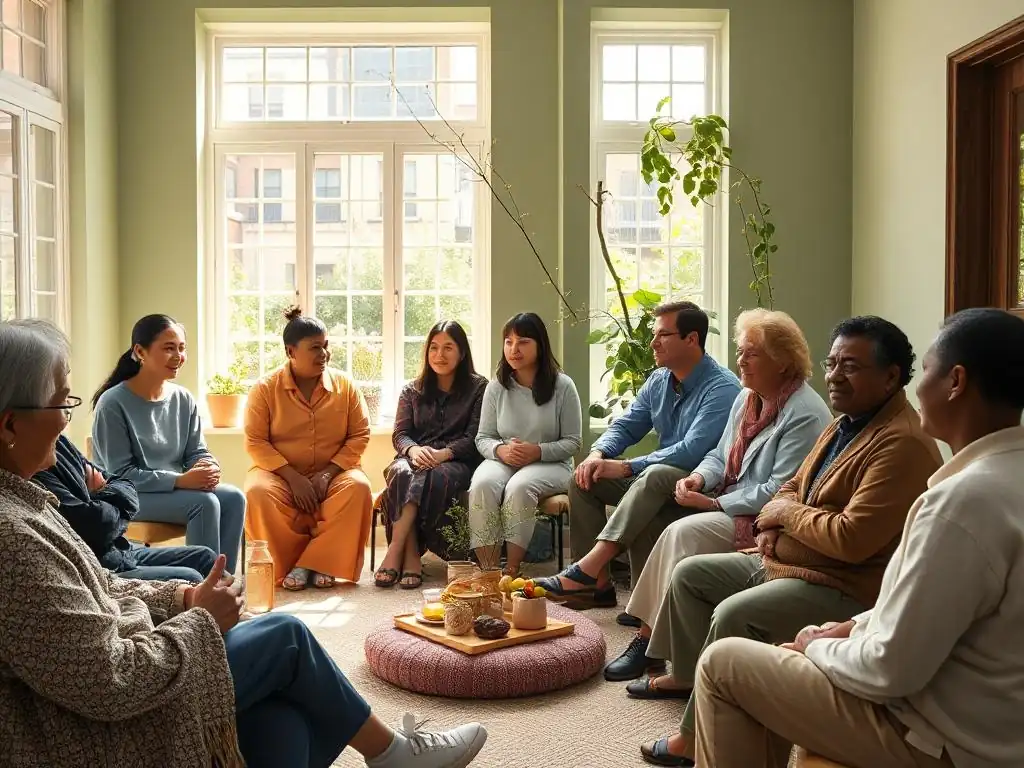
Welcome to Mind Care Guide, your trusted companion on the journey to mental well-being. Feeling overwhelmed by the challenges life throws your way? We understand. This space is dedicated to providing information and support for navigating various mental health hurdles. Today, we delve into a crucial aspect of recovery: exploring refugee collective healing support. Discover how group approaches can foster resilience and provide a pathway to healing. Intrigued? Let's explore the power of shared experience and collective strength...
Group Healing: Exploring Collective Support Approaches for Refugees
- Introduction to Refugee Collective Healing Support
- Benefits of Group Healing for Refugees
- Types of Collective Support Approaches for Refugees
- Implementing Effective Refugee Collective Healing Programs
- Case Studies: Examples of Successful Refugee Collective Healing Initiatives
- Addressing Challenges and Barriers to Refugee Group Healing
- Resources for Refugee Collective Healing Support
- Conclusion: The Future of Refugee Collective Healing Support
-
Frequently Asked Questions
- How can group healing specifically benefit refugees?
- What are some common collective support approaches used in refugee healing programs?
- Why is a trauma-informed approach crucial when working with refugee groups?
- Where can refugees find "Refugee collective healing support" resources near them?
- What role does cultural sensitivity play in effective group healing for refugees?
- Final Reflection: The Enduring Power of Collective Healing for Refugees
- Unlock Collective Healing: Support Refugees Today
Introduction to Refugee Collective Healing Support
Understanding Trauma and Mental Health Challenges in Refugee Populations
Refugee populations worldwide face profound challenges that often result in significant trauma and mental health impacts. The experiences leading to displacement, such as conflict, persecution, and violence, are inherently traumatizing. Furthermore, the arduous journey to safety, coupled with the uncertainties and difficulties of resettlement—including loss of home, livelihood, social networks, and cultural identity—exacerbate psychological distress.
Studies consistently show elevated rates of mental health conditions among refugees compared to host populations. For instance, research indicates that prevalence rates of Post-Traumatic Stress Disorder (PTSD) and depression can be substantially higher, with some studies reporting PTSD rates ranging from 10% to 40% or even higher depending on the origin, experiences, and current living conditions of the refugee group. Anxiety disorders, complicated grief, and somatic symptoms are also common. These challenges highlight the critical need for effective and accessible mental health and psychosocial support tailored to the unique experiences of refugees.
The Importance of Culturally Sensitive Collective Healing
Effective support for refugees must be deeply rooted in cultural sensitivity. Mental health concepts, expressions of distress, and pathways to healing vary significantly across cultures. Western therapeutic models, often focused on individual talk therapy, may not always resonate with refugees from collectivist cultures where healing is traditionally a community process, or where there is significant stigma attached to individual mental illness.
Culturally sensitive approaches acknowledge and integrate traditional healing practices, community support systems, and cultural norms into interventions. This includes understanding how trauma is perceived and expressed within a specific cultural context, involving community leaders or elders, and adapting therapeutic language and techniques. Implementing culturally sensitive refugee collective healing support ensures that interventions are relevant, acceptable, and ultimately more effective for the target population, fostering trust and participation.
Defining Collective Healing Support for Refugees
Collective healing support for refugees encompasses a range of group-based approaches designed to address the shared trauma and psychosocial needs of individuals who have undergone similar experiences of displacement and adversity. Unlike purely individual therapy, collective healing emphasizes mutual support, shared understanding, and the strength of community bonds as central components of the recovery process.
This form of support can take many shapes, including structured group therapy, peer support networks, cultural and traditional healing rituals performed collectively, and expressive arts groups. The core principle is that healing is facilitated through connection with others who have similar lived experiences, creating a safe space to process trauma, reduce isolation, rebuild social connections, and develop collective coping strategies. Refugee collective healing support leverages the inherent resilience within communities to foster recovery and well-being.
Benefits of Group Healing for Refugees
Reducing Isolation and Fostering a Sense of Community
Displacement shatters social networks and can lead to profound feelings of isolation and loneliness. Refugees often find themselves in new environments where they may not speak the language, understand the customs, or have existing connections. Group healing initiatives provide a vital antidote to this isolation by bringing together individuals with shared backgrounds and experiences.
Participating in a group creates a sense of belonging and community. Refugees can connect with others who truly understand their struggles, fears, and hopes without needing lengthy explanations. This shared understanding validates their experiences and reduces feelings of being alone in their suffering. For example, in group settings, participants often express relief at meeting others who have survived similar horrors, realizing they are not unique in their trauma responses. This newly formed community acts as a critical support system, extending beyond the formal group sessions into daily life.
Sharing trauma narratives in a safe, facilitated group environment can be a powerful mechanism for emotional processing and recovery. Hearing others articulate similar experiences of loss, fear, and resilience can help individuals make sense of their own journey and emotions. The group becomes a microcosm of a supportive community where difficult feelings can be expressed and validated without judgment.
Within collective healing spaces, structured activities like narrative exposure, guided discussions, or symbolic rituals allow participants to process traumatic memories and their impact. For instance, programs utilizing narrative approaches in groups for refugees from conflict zones have shown that collectively reconstructing and sharing parts of their stories can help externalize trauma, reduce its intensity, and integrate it into a coherent life narrative. This collective process, facilitated by trained personnel, allows for gradual, supported engagement with painful memories, promoting healing in a communal context.
Enhancing Coping Mechanisms and Resilience in Refugee Groups
Group settings offer a practical platform for refugees to learn and practice new coping mechanisms and strengthen existing ones. Participants can share strategies that have helped them navigate adversity, offering practical advice and inspiration to others facing similar challenges. Facilitators can also introduce evidence-based coping skills adapted to the group's cultural context.
Furthermore, collective healing inherently builds resilience by focusing on the strengths of individuals and the group as a whole. By sharing stories of survival and adaptation, refugees reinforce their own capacity to overcome obstacles. For example, a group might collectively identify and practice stress-reduction techniques like mindful breathing or traditional cultural practices like communal singing or prayer. Observing peers successfully implement coping strategies fosters hope and empowers individuals to believe in their own ability to manage distress and build a more stable future.
Improving Mental Well-being and Reducing Symptoms of Trauma
Direct outcomes of participation in effective refugee collective healing support often include significant improvements in mental well-being and reductions in trauma-related symptoms such as PTSD, depression, and anxiety. The combination of reduced isolation, emotional processing, enhanced coping, and increased social support contributes to these positive changes.
While individual responses vary, studies and program evaluations have frequently reported participants experiencing decreased nightmares, flashbacks, hypervigilance, and avoidance behaviors associated with PTSD. There are also often reports of reduced feelings of sadness, hopelessness, and worry. For instance, a program evaluation in a refugee settlement found that participants in group therapy sessions reported a marked decrease in depression and anxiety scores after completing a series of sessions, alongside qualitative feedback highlighting feeling "lighter" and "more connected." This demonstrates the tangible impact of group approaches on alleviating psychological distress and improving overall quality of life.
Types of Collective Support Approaches for Refugees
Traditional Healing Practices and Cultural Rituals
Traditional healing practices and cultural rituals are deeply embedded in the fabric of refugee communities and offer powerful avenues for collective healing. These practices often predate displacement and provide a sense of continuity, identity, and connection to ancestral wisdom and community strength. They can include a wide range of activities from storytelling circles and communal singing or dancing to spiritual ceremonies, prayer gatherings, and the involvement of traditional healers.
Integrating or supporting these practices within modern support frameworks is crucial for culturally sensitive care. For example, communal meals, shared prayers, or traditional music sessions can foster social cohesion and provide comfort. Storytelling, often a central component, allows for the collective witnessing and validation of experiences, transforming individual suffering into a shared narrative of survival and resilience. Programs that successfully incorporate traditional practices often do so in collaboration with community elders or leaders, ensuring authenticity and cultural appropriateness.
Group Therapy and Counseling for Refugee Trauma
Structured group therapy and counseling approaches, adapted for the refugee context, are widely used forms of refugee collective healing support. These groups are typically led by trained mental health professionals or paraprofessionals and follow a specific therapeutic model tailored to address trauma and displacement-related stress. The group format allows for therapeutic interventions to reach multiple individuals simultaneously while leveraging the benefits of peer support.
These groups can range from psychoeducational sessions aimed at normalizing trauma responses and teaching coping skills to more process-oriented or trauma-focused therapies. Key adaptations for refugee groups include using interpreters or bilingual facilitators, incorporating cultural idioms of distress and healing, adjusting pacing and content based on the group's needs and trauma exposure levels, and ensuring a safe and predictable environment. The structure provides a contained space for processing difficult emotions and experiences under professional guidance.
Cognitive Behavioral Therapy (CBT) in Group Settings
Cognitive Behavioral Therapy (CBT) principles can be effectively applied in group settings to help refugees identify and challenge negative thought patterns and behaviors developed in response to trauma and stress. Group CBT for refugees often focuses on common issues such as depression, anxiety, and stress management, rather than directly processing specific traumatic events in detail, especially in early phases of recovery or with highly vulnerable groups.
In a group format, participants learn core CBT concepts like the connection between thoughts, feelings, and behaviors. They practice skills such as identifying negative automatic thoughts, challenging cognitive distortions (e.g., "It's my fault this happened," "The world is completely unsafe"), and engaging in behavioral activation (planning positive activities). Group exercises might involve role-playing difficult situations or collectively brainstorming alternative coping responses. This shared learning environment allows participants to practice new skills and receive feedback and encouragement from both the facilitator and peers, reinforcing positive changes.
Trauma-Focused Cognitive Behavioral Therapy (TF-CBT) for Refugee Children and Families
Trauma-Focused Cognitive Behavioral Therapy (TF-CBT) is an evidence-based model specifically designed for children and adolescents who have experienced trauma, and it has been adapted for use with refugee children and their caregivers, often implemented in a group format for families or cohorts of children. TF-CBT is structured and includes several components, often remembered by the acronym PRACTICE: Psychoeducation, Parenting skills, Relaxation, Affect regulation, Cognitive processing, Trauma narrative, In vivo exposure (gradual return to safe activities), Conjoint sessions (caregiver-child), and Enhancing safety.
Group TF-CBT for refugee children and families involves psychoeducation about trauma's impact on children and caregivers, teaching relaxation and affect regulation skills collectively, and guiding families through creating and processing a trauma narrative in a supportive setting. This approach helps children process their traumatic experiences and grief while equipping caregivers with skills to support their child's healing. Evaluations of TF-CBT adapted for refugee children have shown significant reductions in PTSD symptoms, depression, and anxiety, as well as improved caregiver-child relationships and functioning.
Peer Support Groups: Building Resilience Together
Peer support groups are a cornerstone of refugee collective healing support, relying on the power of shared lived experience. These groups are typically facilitated by individuals who have themselves experienced displacement and trauma, rather than by clinical professionals, although professional supervision or training is often beneficial. The emphasis is on mutual aid, empathy, and validating experiences among peers.
The strength of peer support lies in the immediate connection and understanding that exists between individuals who have walked similar paths. Peers can offer practical advice on navigating life in a new country, provide emotional support during difficult times, and share stories of hope and resilience that inspire others. For example, a peer support group might focus on challenges specific to resettlement, such as finding housing or dealing with discrimination, providing a safe space to process these stressors collectively and find solutions together. This model empowers refugees to become agents of healing for themselves and their community.
Creative Arts Therapies: Using Art, Music, and Drama for Collective Expression and Healing
Creative arts therapies offer non-verbal and symbolic ways for refugees to process trauma and express emotions, which can be particularly valuable for those who struggle with verbal communication due to language barriers, cultural norms around expressing distress, or the overwhelming nature of their experiences. Art therapy, music therapy, and drama therapy can be conducted in group settings, fostering collective expression and connection.
In group art therapy, participants might collectively create murals representing their journey or individually express feelings through drawing or painting, then share and discuss their work within the group. Music therapy could involve communal singing of traditional songs, rhythmic drumming, or creating new music together, using sound and rhythm to release tension and promote cohesion.
Drama therapy might use role-playing or symbolic enactment to explore difficult experiences or practice new social skills in a safe, imaginative space. These approaches allow for emotional release and processing through creative means, building group rapport and fostering a sense of collective healing without solely relying on verbal articulation of trauma.
Implementing Effective Refugee Collective Healing Programs
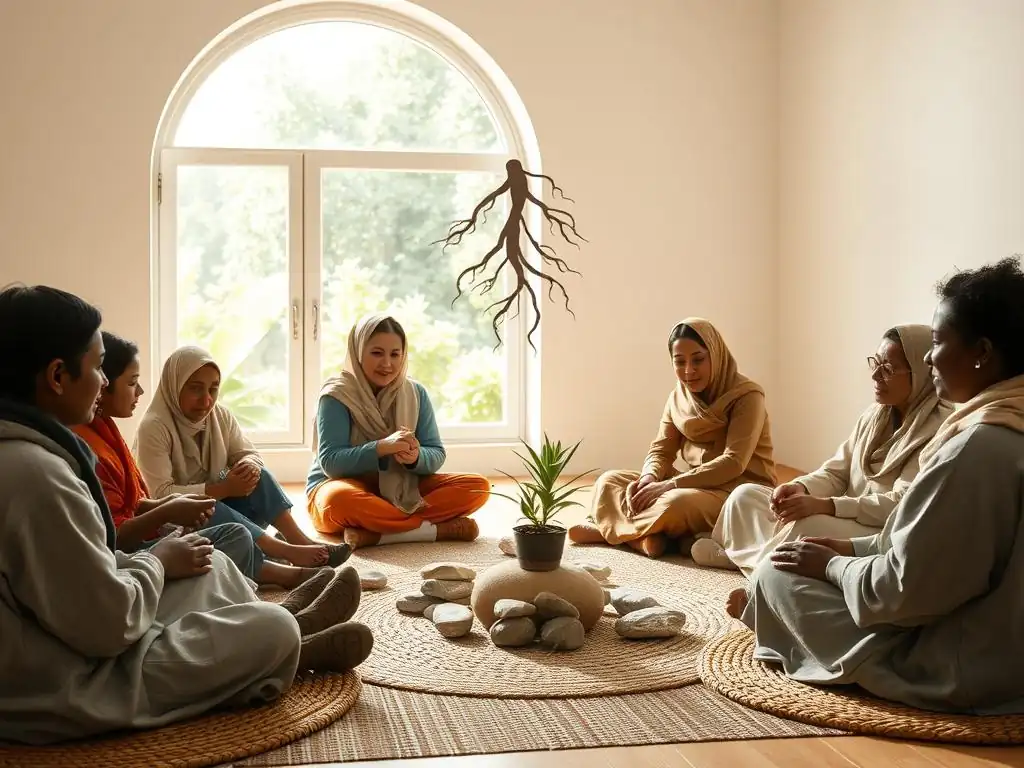
Cultural Considerations and Adaptations for Diverse Groups
Implementing successful refugee collective healing support requires meticulous attention to cultural considerations and significant adaptations. A one-size-fits-all approach is ineffective given the vast diversity of refugee populations, each with unique cultural backgrounds, trauma exposures, and resettlement contexts. Programs must begin with a thorough cultural assessment of the specific group they intend to serve.
This involves understanding their cultural beliefs about health, illness, and healing; communication styles; social hierarchies; gender roles; and community structures. Adaptations might include translating materials accurately and culturally appropriately, using metaphors or stories that resonate within the culture, involving respected community members in the program design and delivery, and adjusting group norms (e.g., regarding direct eye contact, physical proximity, or emotional expression) to align with cultural expectations. Failure to adequately address these factors can lead to mistrust, low participation rates, and ineffective interventions.
Building Trust and Rapport within the Group
Building trust and rapport is fundamental for any effective group intervention, but it is particularly crucial when working with populations that have experienced betrayal, violence, and displacement. Refugees may have legitimate reasons to be wary of authority figures or strangers, and creating a safe space where they feel secure enough to be vulnerable is paramount.
This process takes time and consistency. Facilitators must demonstrate genuine empathy, respect, and reliability. Ensuring confidentiality within the group is non-negotiable and must be clearly communicated and maintained. Starting with less sensitive topics, focusing on psychoeducation and skill-building before delving into trauma narratives, and allowing relationships to develop naturally among group members helps build a foundation of trust. For example, initial sessions might focus on shared experiences of adjusting to a new country or teaching basic stress management techniques, gradually building rapport before exploring deeper emotional content.
Facilitating Safe and Supportive Group Environments
Creating and maintaining a safe and supportive environment is essential to prevent re-traumatization and promote healing in group settings. This involves establishing clear group rules and boundaries from the outset, agreed upon by participants and facilitators. Rules might include guidelines around respect, listening without interruption, confidentiality, and the right to pass or refrain from sharing.
Facilitators play a critical role in managing group dynamics, ensuring that no participant is pressured to share more than they are comfortable with, and intervening if interactions become unsupportive or conflict arises. They must be attuned to signs of distress and have strategies for managing emotional intensity within the group, including providing individual support or referrals if needed. The physical space itself should also feel safe and comfortable, providing privacy and consistency. A predictable structure for each session, including clear start and end times and a consistent agenda, also contributes to a sense of safety and containment.
Addressing Language Barriers and Communication Challenges
Language barriers pose a significant challenge in providing effective refugee collective healing support. Communication is central to group processes, and misunderstanding or difficulty expressing oneself can hinder participation and therapeutic progress. Relying solely on participants who speak some of the host language to translate for others is inappropriate and can be burdensome.
Using trained, professional interpreters is often necessary. These interpreters should ideally have experience in mental health contexts and understand the importance of confidentiality and neutrality. Facilitators working with interpreters need specific training on how to conduct sessions effectively through interpretation, including speaking in short sentences and allowing time for translation. Employing bilingual or multilingual facilitators who share the language and cultural background of the group members is often the most effective approach when possible. Additionally, incorporating non-verbal communication methods, visual aids, and creative arts can help bridge language gaps and facilitate expression.
Training and Support for Group Facilitators
The success of refugee collective healing support programs heavily depends on the skills, cultural competence, and well-being of the group facilitators. Facilitating groups with trauma-exposed populations is demanding and requires specialized training beyond general group facilitation skills. Facilitators need to be trauma-informed, understanding the impact of trauma on behavior and emotional regulation.
Training should cover topics such as cultural humility, managing complex group dynamics, de-escalation techniques, recognizing signs of distress and re-traumatization, and self-care to prevent burnout. Given the vicarious trauma potential, ongoing support and clinical supervision for facilitators are not optional but essential. Supervision provides a space for facilitators to process challenging group content, reflect on their practice, receive guidance, and manage their own emotional responses. Investing in robust training and consistent support for facilitators is critical for delivering high-quality, sustainable refugee collective healing support.
Case Studies: Examples of Successful Refugee Collective Healing Initiatives
Case Study: The Use of Storytelling Circles with Syrian Refugees in Jordan
In refugee camps and urban settings across Jordan, storytelling circles have been utilized as a form of refugee collective healing support for Syrian refugees, particularly women and youth. These initiatives often draw on the strong oral traditions within Syrian culture. Facilitated by trained community members or psychosocial workers, participants are invited to share personal stories related to their experiences of displacement, loss, and adaptation.
The focus is often on sharing narratives of resilience and coping, rather than solely on traumatic events, though space is provided for expressing pain and grief. For example, a program might involve weekly meetings where participants share stories prompted by themes like 'a memory of home,' 'a challenge overcome,' or 'a source of strength.' Participants have reported feeling validated, less alone, and more connected to their cultural identity. The collective act of bearing witness to each other's stories strengthens social bonds and fosters a shared sense of perseverance, contributing to improved emotional well-being and reduced feelings of isolation.
Case Study: Community-Based Trauma Healing in Congolese Refugee Camps
In refugee camps housing Congolese populations in countries like Uganda or Tanzania, community-based trauma healing programs have been implemented, often drawing heavily on local cultural and spiritual resources. These programs are frequently run by non-governmental organizations in close collaboration with community leaders and religious figures. The approach recognizes that healing is a collective process deeply embedded in community and spiritual life.
Activities might include large group psychoeducation sessions on the effects of trauma and stress, smaller support groups facilitated by trained community members, and the integration of traditional healing rituals or spiritual practices that promote communal restoration and reconciliation. For instance, a program might incorporate communal prayer, traditional songs of lament and hope, or reconciliation ceremonies adapted to the camp context.
These initiatives aim to restore social cohesion, address community-level trauma (like mass violence or loss), and mobilize existing community strengths for collective healing. Participants often report feeling a renewed sense of belonging and hope, along with reduced symptoms of distress.
Case Study: Art Therapy Programs for Refugee Children in Germany
In Germany, where many refugee children from diverse backgrounds have sought asylum, art therapy programs have been widely used as a form of refugee collective healing support. These programs often take place in community centers, schools, or shelters and are facilitated by qualified art therapists. Recognizing that children may struggle to verbalize their traumatic experiences, art provides a non-threatening medium for expression.
Group art therapy sessions might involve providing various art materials and inviting children to create artwork related to themes such as 'my journey,' 'my feelings,' or 'my hopes for the future.' The process of creating art in a group setting fosters connection among children who may not share a common language.
Sharing and discussing the artwork within the group (with the help of interpreters if needed) allows for symbolic processing of emotions and experiences. Evaluations of such programs have indicated that refugee children participating in group art therapy show improvements in emotional regulation, reduced behavioral problems, and decreased symptoms of anxiety and withdrawal, suggesting art therapy is a valuable component of refugee collective healing support for young populations.
Addressing Challenges and Barriers to Refugee Group Healing
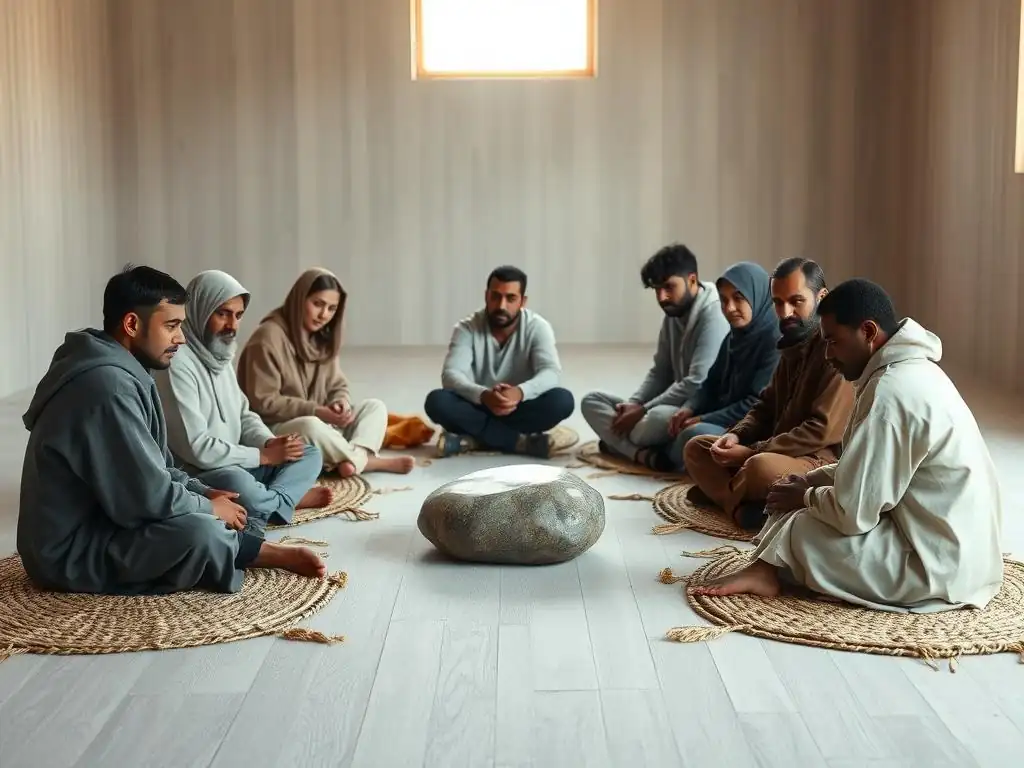
Stigma Associated with Mental Health
A significant barrier to accessing and benefiting from refugee collective healing support is the pervasive stigma associated with mental health issues in many cultures. Within some refugee communities, mental distress may be misunderstood, attributed to spiritual causes, or seen as a sign of weakness or failure. Fear of judgment from family or community members can prevent individuals from seeking help or openly participating in group discussions.
Addressing this stigma requires culturally sensitive psychoeducation that normalizes trauma responses and frames mental health support as a path to strength and recovery, rather than an admission of illness. Involving trusted community leaders and religious figures in promoting mental well-being and highlighting the benefits of collective support can help reduce shame. Framing participation in groups as building resilience or connecting with community strength, rather than solely as 'therapy for the mentally ill,' can also increase acceptance and participation.
Access to Resources and Funding
Implementing and sustaining effective refugee collective healing programs requires substantial resources and consistent funding, which are often scarce. Challenges include securing adequate financial support for trained facilitators, interpreters, appropriate spaces, and materials. Logistical hurdles such as transportation for participants, childcare, and scheduling around work or other obligations also impact access.
Furthermore, the often temporary or precarious legal status of refugees in host countries can complicate long-term program planning and funding. Organizations providing refugee collective healing support frequently operate with limited budgets and rely on short-term grants, making it difficult to provide continuous, long-term support which is often necessary for trauma recovery. Advocacy for dedicated and sustained funding for refugee mental health and psychosocial support is crucial to overcome this barrier and ensure programs are accessible and available when needed.
Trauma Re-Exposure and Safety Concerns
While group settings can be therapeutic, there is also a risk of re-traumatization if not carefully managed. Hearing others' graphic trauma narratives, or feeling pressured to share before one is ready, can trigger intense emotional distress, flashbacks, or exacerbate symptoms. Ensuring physical safety in the group environment is also paramount, especially in settings with ongoing security concerns or interpersonal tensions.
Facilitators must be highly skilled in creating a safe container for the group, establishing clear boundaries, and managing disclosures. This includes pacing the group process, starting with less threatening topics, teaching coping skills before engaging with trauma narratives, and having protocols for managing crises or intense emotional reactions. Participants should always feel they have the right to pass on sharing and that their physical and emotional safety is prioritized. Careful screening and preparation of participants before joining a trauma-focused group can also mitigate these risks.
The effectiveness of refugee collective healing support is significantly impacted by the broader political and social context in which refugees live. Ongoing political instability in their home country or country of asylum, precarious legal status, threat of deportation, discrimination, and lack of opportunities for integration (like employment or education) create chronic stress and undermine the healing process.
It is challenging for individuals to focus on psychological recovery when their basic safety, security, and future remain uncertain. Programs must acknowledge these external stressors and, where possible, connect participants with resources addressing practical needs. Advocating for policies that promote the rights, safety, and integration of refugees is an indirect but vital component of supporting their mental well-being and enabling collective healing. While collective healing groups provide crucial internal support, they cannot fully counteract the effects of systemic instability and injustice.
Resources for Refugee Collective Healing Support
Organizations Providing Mental Health Services for Refugees
Numerous international and local non-governmental organizations (NGOs) and community-based organizations are dedicated to providing mental health and psychosocial support to refugees. These organizations often offer a range of services, including individual counseling, group therapy, peer support, and community-based interventions. They frequently work in refugee camps, urban areas with high refugee populations, and resettlement countries.
These organizations often employ staff and volunteers from refugee communities and strive to provide culturally appropriate care. They may partner with local health systems or international bodies to deliver services. While specific organizations vary by location, examples include those affiliated with the United Nations High Commissioner for Refugees (UNHCR), the International Organization for Migration (IOM), and many national and grassroots NGOs specializing in trauma and displacement. These bodies serve as crucial providers of refugee collective healing support.
Guides and Manuals for Implementing Group Healing Programs
To support practitioners and organizations, several guides and manuals have been developed based on evidence and field experience for implementing mental health and group healing programs with displaced populations. These resources provide frameworks, activity suggestions, and considerations for adapting interventions to diverse cultural contexts and trauma levels.
Examples include toolkits on providing psychosocial support in emergencies, manuals for specific group therapy models adapted for refugees (like group CBT or TF-CBT), and guides on establishing peer support networks or using creative arts therapies with trauma-affected communities. These manuals often emphasize principles of safety, cultural sensitivity, participation, and sustainability. They are invaluable resources for anyone looking to initiate or improve refugee collective healing support initiatives, offering practical steps and theoretical grounding.
Training Programs for Mental Health Professionals
Recognizing the specialized skills required, various training programs exist for mental health professionals and paraprofessionals working with refugees and trauma-affected populations. These programs aim to build capacity in providing culturally competent and trauma-informed care, including facilitating group interventions.
Training may cover topics such as understanding the refugee experience, the impact of trauma, cultural dynamics in therapy, using interpreters effectively, managing group dynamics, and specific therapeutic modalities applicable to group settings (e.g., Narrative Exposure Therapy adapted for groups, or Interpersonal Psychotherapy). Some training programs are designed specifically for individuals from refugee communities to become lay counselors or peer facilitators. Investing in such training is essential for building a skilled workforce capable of delivering high-quality refugee collective healing support.
Conclusion: The Future of Refugee Collective Healing Support
The Role of Community in Healing Refugee Trauma
The journey of healing from the trauma of displacement is deeply intertwined with the strength and support of community. For refugees, who have often lost everything familiar, the community becomes a vital source of identity, belonging, and resilience. Refugee collective healing support approaches recognize and leverage this fundamental truth, positioning the community not just as a recipient of services, but as an active agent in the healing process.
By fostering connections, validating shared experiences, and mobilizing collective strengths, these approaches help rebuild the social fabric that trauma and displacement can tear apart. The future of effective support lies in empowering refugee communities to lead their own healing initiatives, integrating traditional wisdom with evidence-based practices, and recognizing that healing is a communal, not solely individual, endeavor. Investing in community-led and community-based programs is paramount.
Promoting Resilience and Mental Well-being through Collective Action
Refugee collective healing support is fundamentally about promoting resilience through collective action. It moves beyond simply treating pathology to actively building coping capacities and fostering well-being within groups. By participating in shared activities, learning from peers, and contributing to the group's strength, refugees enhance their ability to navigate ongoing challenges and build hopeful futures.
These collective approaches instill a sense of agency and mutual responsibility. When individuals feel connected and supported by their community, they are better equipped to face adversity. The shared experience of working towards healing in a group reinforces the idea that survival is not just individual but a collective triumph. Promoting mental well-being in refugee populations requires sustained investment in these group-based, community-oriented strategies.
Investing in Sustainable and Culturally Responsive Support
The ongoing global displacement crisis necessitates a long-term commitment to providing sustainable and culturally responsive refugee collective healing support. This requires more than just short-term emergency interventions; it calls for integrated, accessible services that are available throughout the different stages of displacement and resettlement.
Sustainability depends on consistent funding, building local capacity by training individuals from refugee communities, and integrating mental health support into broader community development and health initiatives. Culturally responsive care must remain at the forefront, ensuring that programs are adapted to the specific needs and strengths of each refugee population. Prioritizing and investing in these forms of collective support is not only crucial for the mental well-being of refugees but also for fostering social cohesion and successful integration into host societies.
Frequently Asked Questions
How can group healing specifically benefit refugees?
Group healing offers a safe and supportive environment for refugees to process shared trauma and build social connections, fostering resilience.
What are some common collective support approaches used in refugee healing programs?
Common approaches include narrative therapy, trauma-informed yoga, and art-based therapies, all designed to promote emotional expression and community building.
Why is a trauma-informed approach crucial when working with refugee groups?
A trauma-informed approach acknowledges the impact of past experiences on refugees' mental health, ensuring interventions are sensitive and avoid re-traumatization.
Where can refugees find "Refugee collective healing support" resources near them?
Resources can often be found through local resettlement agencies, community centers, and mental health organizations specializing in refugee services. Mind Care Guide also offers a directory.
What role does cultural sensitivity play in effective group healing for refugees?
Cultural sensitivity is essential for creating a welcoming and inclusive space, ensuring that healing practices are relevant and respectful of refugees' diverse backgrounds.
Final Reflection: The Enduring Power of Collective Healing for Refugees
The urgent need for effective collective healing strategies for refugee populations remains a critical issue today. The trauma experienced during displacement, resettlement, and ongoing systemic challenges demands innovative and compassionate approaches that move beyond individual therapy and embrace the power of shared experience and community support. The resilience of refugee communities is undeniable, but providing the right tools for collective healing is essential for fostering lasting well-being and integration.
The exploration of various collective healing approaches throughout this article highlights the profound impact of shared narratives, cultural preservation, and mutual support on the mental and emotional health of refugees. These methods not only address the immediate trauma but also contribute to the rebuilding of social structures and a sense of belonging. Healing is not just about fixing what is broken; it is about creating something new from the fragments.
This quote encapsulates the transformative potential of collective healing, allowing refugees to not only overcome past suffering but to actively shape their futures.
Consider the profound impact of community-based initiatives, the strength found in shared storytelling, and the power of cultural preservation. You, the reader, are now equipped with a deeper understanding of the diverse approaches to collective healing. Take this knowledge and apply it to your own sphere of influence. Advocate for policies that support refugee mental health, volunteer with organizations providing collective healing services, or simply engage in empathetic listening and understanding when encountering refugee communities. Let us collectively work towards a future where healing and resilience are not just aspirations, but realities for all.
Unlock Collective Healing: Support Refugees Today
Thanks for taking the time to explore the power of group healing for refugees with us! We hope you gained valuable insights into the positive impact of collective support. Now, let's turn those insights into action.
- Organize a small, local fundraising effort: Even a modest amount can make a huge difference in providing resources for group healing programs. Consider reaching out to your community to raise awareness about the need.
- Share this article: Spread the word about the benefits of collective support and inspire others to get involved.
- Learn more about refugee support organizations in your area: Many organizations need volunteers; discover how you can offer your time and expertise.
What small step can you take today to contribute to a more supportive environment for refugees?