
Quick Relief: FastActing Coping Techniques for Acute Adult Anxiety


Welcome to Mind Care Guide, a space dedicated to nurturing your mental well-being.
Feeling overwhelmed by anxiety? You're not alone. It's okay to seek support and find quick relief. Our resources are designed to help you navigate challenging moments. This article dives into fast acting anxiety relief techniques specifically for adults. Explore practical strategies to regain control and find a path towards calmer days. Ready to take the first step? Let's begin.
Quick Relief: Fast-Acting Coping Techniques for Acute Adult Anxiety
- Understanding Acute Anxiety and the Need for Immediate Relief
- Top Techniques for Immediate Anxiety Relief
- Lifestyle Adjustments for Managing Acute Anxiety Episodes
- Practical Strategies for Coping with Anxiety in Different Situations
- Cognitive Techniques for Challenging Anxious Thoughts
- Seeking Professional Help for Persistent Anxiety
- Long-Term Strategies for Reducing Anxiety Vulnerability
-
Frequently Asked Questions
- What constitutes "acute anxiety" and how does it differ from chronic anxiety?
- What are some fast-acting techniques mentioned for anxiety relief?
- How effective are these fast-acting techniques for long-term management of anxiety?
- Are there any potential side effects or drawbacks to relying solely on fast-acting anxiety relief methods?
- When should someone seek professional help instead of solely relying on fast-acting techniques for anxiety?
- Final Reflection: Finding Calm in the Storm
- Unleash Your Inner Calm: Take Control of Anxiety Now
Understanding Acute Anxiety and the Need for Immediate Relief
Acute anxiety can strike unexpectedly, causing intense distress and disrupting daily life. It's characterized by a sudden onset of fear, worry, or panic, often accompanied by physical symptoms. For adults grappling with these intense moments, having reliable methods for fast acting anxiety relief is not just helpful, but often essential for regaining control and navigating challenging situations. Unlike chronic anxiety, which is more persistent, acute anxiety episodes demand immediate intervention to prevent escalation and mitigate their impact. Understanding the triggers and manifestations of these episodes is the first step toward effective management.
The urgency for fast acting anxiety relief stems from the overwhelming nature of acute anxiety. During an episode, the body's fight-or-flight response is activated, leading to a cascade of uncomfortable and sometimes frightening physical sensations and racing thoughts. Waiting for the episode to subside on its own can be a prolonged and agonizing experience.
Therefore, having a repertoire of quick, accessible techniques allows individuals to interrupt the anxiety cycle, reduce the intensity of symptoms, and prevent the situation from becoming completely incapacitating. These techniques serve as crucial tools in an adult's mental wellness toolkit, offering a lifeline in moments of acute distress.
Recognizing the Signs and Symptoms of Acute Anxiety in Adults
Recognizing the signs of acute anxiety is crucial for implementing fast acting anxiety relief strategies promptly. Symptoms can vary widely among individuals but often include both psychological and physical manifestations. Psychologically, someone experiencing acute anxiety might feel an overwhelming sense of dread or impending doom, intense worry that is difficult to control, or a feeling of being detached from reality. They might also experience racing thoughts or difficulty concentrating. For instance, during a panic attack, a common form of acute anxiety, individuals often report a sudden, intense fear that peaks within minutes.
Physically, the signs are often more dramatic and include symptoms like a pounding heart or rapid heart rate (tachycardia), sweating, trembling or shaking, shortness of breath or a feeling of being smothered, chest pain or discomfort, nausea or abdominal distress, dizziness, lightheadedness, or faintness, and chills or hot flashes. A survey conducted in 2020 among adults with anxiety disorders found that over 70% reported physical symptoms like muscle tension and restlessness during acute episodes.
Recognizing these specific signs allows individuals to identify the onset of an acute episode early, enabling them to deploy fast acting anxiety relief techniques before symptoms become overwhelming, potentially shortening the duration and reducing the severity of the experience.
Why Fast-Acting Anxiety Relief Methods Are Crucial
Fast acting anxiety relief methods are crucial because they provide immediate tools to de-escalate a crisis situation. When anxiety levels spike acutely, the individual's ability to think clearly and function is significantly impaired. Trying to engage in complex coping strategies or waiting for medication to take effect is often impractical in the heat of the moment.
Quick techniques, on the other hand, can be applied almost instantly, offering a sense of agency and control over the overwhelming feelings. This immediate intervention can prevent the anxiety from spiraling into a full-blown panic attack or causing significant disruption to one's immediate environment or plans.
Furthermore, the repeated successful application of fast acting anxiety relief techniques can build confidence and resilience. Each time an individual effectively uses a technique to calm themselves during an acute episode, they reinforce the belief that they can manage their anxiety. This sense of self-efficacy is vital for long-term mental well-being.
It reduces the fear of future episodes, which can itself be a significant source of chronic worry. Data suggests that individuals who feel more equipped to handle acute anxiety episodes report lower overall anxiety levels and a better quality of life compared to those who feel helpless during such times. Thus, mastering quick techniques is not just about surviving an episode, but about empowering oneself against the future threat of anxiety.
Top Techniques for Immediate Anxiety Relief
When acute anxiety strikes, having a set of readily available techniques can make a significant difference. These methods are designed to quickly interrupt the anxiety response, bringing the individual back to a state of calm and control. They focus on regulating the nervous system, grounding oneself in the present moment, or shifting cognitive focus away from anxious thoughts. The goal is to provide fast acting anxiety relief that is accessible anytime, anywhere, without requiring special equipment or preparation.
From simple breathing exercises to sensory engagement, these techniques offer diverse pathways to rapid relief. The effectiveness of any single technique can vary from person to person, so it's beneficial to experiment and identify which methods resonate most strongly. The key is to have a few reliable options practiced beforehand, so they can be deployed instinctively when acute anxiety hits. This proactive approach ensures that fast acting anxiety relief is always within reach.
Breathing Exercises for Rapid Anxiety Reduction
Breathing exercises are among the most powerful tools for fast acting anxiety relief because they directly influence the autonomic nervous system. By consciously controlling the breath, individuals can counteract the rapid, shallow breathing often associated with anxiety and trigger the body's relaxation response. This shift from sympathetic (fight-or-flight) to parasympathetic (rest-and-digest) dominance helps to slow heart rate, lower blood pressure, and reduce muscle tension, providing immediate physical relief.
The simplicity and discretion of breathing techniques make them ideal for use in almost any situation where acute anxiety may arise. Whether in a crowded meeting, on public transport, or at home, a few minutes of focused breathing can significantly reduce the intensity of anxious feelings. Studies have shown that consistent practice of controlled breathing can not only provide fast acting anxiety relief during an episode but also contribute to lower baseline anxiety levels over time, demonstrating their dual benefit as both an immediate coping mechanism and a long-term wellness tool.
Diaphragmatic Breathing: A Step-by-Step Guide
Diaphragmatic breathing, also known as belly breathing, is a fundamental technique for fast acting anxiety relief. It promotes full oxygen exchange and slows the heart rate, effectively calming the nervous system. To practice, find a comfortable position, either sitting or lying down. Place one hand on your chest and the other just below your rib cage, allowing you to feel the movement of your diaphragm.
Now, inhale slowly and deeply through your nose, allowing your abdomen to push your hand out. Your chest should remain relatively still. Exhale slowly through your mouth, gently pressing your abdomen inward to help expel the air. The exhale should be longer than the inhale, perhaps twice as long if comfortable.
Repeat this process for several minutes, focusing solely on the sensation of your breath entering and leaving your body. Aim for a rhythm that feels relaxed and controlled, perhaps inhaling for a count of four and exhaling for a count of six or eight. Consistent practice, even for just 5-10 minutes daily, can significantly enhance its effectiveness during acute anxiety episodes.
Box Breathing: Calming the Nervous System Quickly
Box breathing is another highly effective method for fast acting anxiety relief, particularly useful for quickly regaining control during moments of intense stress or panic. This technique involves breathing in a square pattern, equalizing the duration of each phase of the breath: inhale, hold, exhale, hold. It provides a simple, rhythmic structure that helps to distract the mind from anxious thoughts while regulating the breath.
To perform box breathing, sit comfortably and empty your lungs. Then, inhale slowly through your nose for a count of four. Hold your breath for a count of four. Exhale slowly through your mouth for a count of four.
Hold your breath again for a count of four before the next inhale. Repeat this cycle for several minutes. The consistent count and rhythm create a predictable pattern that can soothe an overactive nervous system. Many individuals find that after just 1-2 minutes of box breathing, their heart rate slows, and feelings of anxiety begin to dissipate, making it an excellent technique for immediate relief.
Grounding Techniques to Reclaim Control During Anxiety
Grounding techniques are powerful tools for fast acting anxiety relief by bringing your awareness back to the present moment and connecting you to your physical surroundings. During acute anxiety, it's common for thoughts to race or for individuals to feel disconnected from reality. Grounding helps to anchor you firmly in the here and now, interrupting the cycle of anxious rumination and dissociation.
These techniques engage your senses or focus your attention on concrete, external details rather than internal anxious thoughts. They are simple, require no equipment, and can be performed discreetly in almost any setting. By shifting your focus outward, grounding helps to interrupt the internal feedback loop of anxiety, providing immediate relief and a sense of stability when you feel overwhelmed. Practicing these techniques regularly, even when not anxious, can make them more effective when you need them most for fast acting anxiety relief.
The 5-4-3-2-1 Grounding Exercise for Anxiety
The 5-4-3-2-1 grounding technique is a widely recommended method for fast acting anxiety relief because it systematically engages your senses to pull you out of anxious thoughts and into the present moment. It follows a simple, sequential pattern that focuses your attention externally.
To use this technique, start by taking a few deep breaths to center yourself. Then, identify five things you can see around you. Look for details, textures, or colors. Next, identify four things you can feel. This could be the chair beneath you, the texture of your clothes, the temperature of the air, or your feet on the ground. Then, identify three things you can hear.
Listen for distant sounds or subtle noises you might not usually notice. Identify two things you can smell. This might require actively sniffing the air, perhaps noticing the scent of coffee, lotion, or outdoor air. Finally, identify one thing you can taste. This could be the lingering taste from a drink, toothpaste, or simply the taste in your mouth. Completing this sequence helps to firmly anchor you in the present reality, providing significant fast acting anxiety relief.
Using Sensory Anchors for Immediate Calm
Utilizing sensory anchors is another effective strategy for fast acting anxiety relief. This involves intentionally engaging one or more of your senses with a specific object or sensation that you find calming or grounding. Unlike the 5-4-3-2-1 exercise which scans the environment, sensory anchoring often involves pre-identifying or carrying specific items.
Examples include carrying a smooth stone or a piece of fabric to touch, focusing intently on the feel of it in your hand. You might keep a small bottle of essential oil with a calming scent like lavender or peppermint to inhale deeply. Listening to a specific piece of calming music through headphones can also serve as a sensory anchor, blocking out external stressors.
Chewing a strong piece of gum or sucking on a sour candy can provide an intense taste sensation that distracts from anxious thoughts. By deliberately focusing on these sensory inputs, you redirect your attention away from the anxiety and create an immediate connection to the physical world, offering fast acting anxiety relief.
Mindfulness and Meditation for On-the-Spot Anxiety Management
While often associated with long-term practice, simplified mindfulness and meditation techniques can be powerful tools for fast acting anxiety relief. The core principle is to bring non-judgmental awareness to the present moment, observing thoughts and feelings without getting swept away by them. During an acute anxiety episode, this means noticing the physical sensations and racing thoughts without attaching judgment or fear, which can reduce their power.
Even a few minutes of focused mindfulness can interrupt the anxiety cycle. These techniques help to create mental space between you and your anxious reaction, allowing you to respond more calmly rather than reacting instinctively from a place of fear. They teach you to observe the anxiety as a temporary state rather than an overwhelming identity, offering significant fast acting anxiety relief by shifting your perspective in the moment.
Mini-Meditations for Quick Stress Relief
Mini-meditations are scaled-down versions of traditional meditation practices designed for fast acting anxiety relief when time is limited or anxiety is acute. These can be as short as 1-3 minutes and focus on a single point of attention to quickly ground and calm the mind.
A simple mini-meditation involves finding a quiet spot if possible, closing your eyes or softening your gaze, and focusing on your breath for one minute. Simply notice the sensation of air entering and leaving your nostrils or the rise and fall of your abdomen, without trying to change anything. If your mind wanders, gently guide it back to your breath.
Another mini-meditation is a body scan, where you quickly bring awareness to different parts of your body, noticing physical sensations without judgment. Start from your toes and quickly scan up to your head, spending just a few seconds on each area. These brief practices can significantly reduce stress and provide fast acting anxiety relief by interrupting the flow of anxious thoughts and grounding you in physical sensation.
Focused Attention Meditation for Anxiety
Focused attention meditation is particularly useful for fast acting anxiety relief because it provides a specific anchor for your mind, preventing it from being consumed by anxious thoughts. The technique involves choosing a single object of focus – typically the breath, but it could also be a sound, a candle flame, or a physical sensation – and gently bringing your attention back to it whenever your mind wanders.
When experiencing acute anxiety, focusing intently on the physical sensation of your breath can be incredibly grounding. As anxious thoughts arise (and they will), simply acknowledge them without judgment and gently redirect your attention back to the inhale and exhale. This practice strengthens your ability to observe thoughts without becoming entangled in them. Even a few minutes of dedicated focused attention can create a sense of distance from the anxiety, reducing its immediate intensity and offering fast acting anxiety relief by training your mind to return to a state of calm focus.
Lifestyle Adjustments for Managing Acute Anxiety Episodes
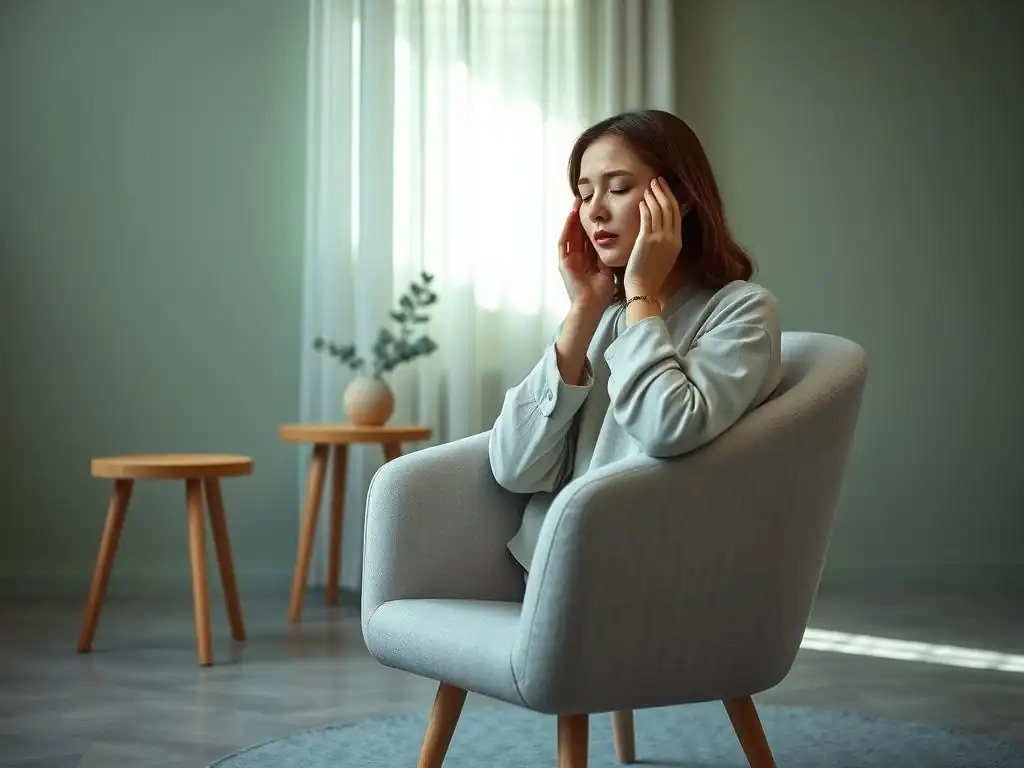
While fast acting anxiety relief techniques are crucial for immediate situations, certain lifestyle adjustments can play a significant role in managing the frequency and intensity of acute anxiety episodes. These adjustments focus on supporting overall physical and mental health, creating a more resilient foundation against anxiety triggers. While not providing instant relief in the moment of crisis, they contribute to a state where fast acting anxiety relief methods are more effective and potentially needed less often.
Addressing factors like diet and hydration might seem tangential to immediate anxiety, but they have a profound impact on brain chemistry and the body's stress response. By making conscious choices about what we consume, we can either exacerbate or mitigate our vulnerability to acute anxiety. These long-term strategies complement the quick techniques, forming a holistic approach to anxiety management.
The Role of Diet in Anxiety Management
Diet plays a surprisingly significant role in modulating mood and anxiety levels. The gut-brain axis, a complex communication system between the digestive system and the brain, means that what we eat can directly influence our mental state. During periods of stress or vulnerability to acute anxiety, paying close attention to dietary choices can be a crucial preventative measure.
Certain foods can trigger or worsen anxiety symptoms in susceptible individuals, while others can have a calming effect. Making informed choices, especially during times when you might be more prone to acute episodes, can help stabilize blood sugar, reduce inflammation, and support neurotransmitter function, all of which contribute to better mood regulation and potentially lessen the need for frequent fast acting anxiety relief interventions.
Foods to Avoid During Acute Anxiety Attacks
During or immediately after an acute anxiety attack, certain foods and beverages can exacerbate symptoms or prolong recovery. High sugar foods and refined carbohydrates can cause rapid spikes and crashes in blood sugar, leading to irritability, nervousness, and energy fluctuations that mimic or worsen anxiety symptoms. A study published in 2019 linked high sugar intake to an increased risk of depression and anxiety in adults.
Caffeine is another major culprit. While it can provide a temporary energy boost, it's a stimulant that can trigger or intensify feelings of nervousness, jitters, and heart palpitations – classic symptoms of anxiety. Alcohol, though it might seem calming initially, disrupts sleep and alters neurotransmitter levels, often leading to increased anxiety in the hours or days after consumption.
Processed foods high in unhealthy fats and sodium can also contribute to inflammation and poor gut health, negatively impacting mood. Avoiding these items, especially during vulnerable periods, can help support faster recovery and reduce the likelihood of needing additional fast acting anxiety relief.
Foods That Can Help Calm Anxiety
Conversely, incorporating certain nutrient-rich foods into your diet can support mental well-being and potentially reduce vulnerability to acute anxiety. Foods rich in omega-3 fatty acids, such as fatty fish (salmon, mackerel), flaxseeds, and chia seeds, have been linked to reduced anxiety levels due to their anti-inflammatory properties and role in brain health.
Complex carbohydrates, like whole grains, oats, and legumes, help stabilize blood sugar levels, preventing the energy crashes that can trigger anxiety. Foods high in magnesium, such as leafy greens, nuts, and seeds, are known for their calming effects on the nervous system; magnesium deficiency has been associated with increased anxiety. Probiotic-rich foods like yogurt with live cultures, kimchi, and sauerkraut support gut health, which in turn positively influences mood via the gut-brain axis. While dietary changes won't provide instant fast acting anxiety relief during a crisis, consistent consumption of these foods can build resilience and support overall emotional regulation.
The Importance of Hydration for Anxiety Relief
Adequate hydration is a simple yet often overlooked factor in managing anxiety. Dehydration, even mild, can trigger physiological stress responses in the body that can mimic or exacerbate anxiety symptoms. Symptoms like dizziness, fatigue, headaches, and rapid heart rate can all be signs of dehydration, and they can easily be misinterpreted as anxiety or amplify existing anxious feelings.
Ensuring you are well-hydrated throughout the day helps maintain proper bodily functions, including brain function and temperature regulation. Drinking sufficient water supports the efficient transport of nutrients and oxygen to the brain and helps the body manage stress hormones.
While drinking water won't instantly eliminate an acute anxiety attack, being properly hydrated can reduce the likelihood of triggering anxiety symptoms related to physiological stress and can make other fast acting anxiety relief techniques more effective by supporting overall physical stability. Aiming for approximately eight glasses (around 2 liters) of water per day is a general guideline, though individual needs may vary.
Practical Strategies for Coping with Anxiety in Different Situations
Acute anxiety doesn't confine itself to convenient locations; it can strike anytime, anywhere. Therefore, having practical, situation-specific strategies for fast acting anxiety relief is essential. The techniques you use might need to be adapted based on whether you are at work, in a social setting, or at home. The key is to have discreet and effective methods ready to deploy depending on your environment.
Developing a repertoire of techniques suitable for different contexts ensures that you are never without tools to manage a sudden surge of anxiety. This section explores how to apply fast acting anxiety relief methods effectively in various common scenarios, providing actionable tips for navigating anxiety in the real world.
Anxiety Relief at Work: Discreet Techniques for the Workplace
Managing acute anxiety at work presents unique challenges, as you often need to maintain composure and professionalism. Discreet techniques for fast acting anxiety relief are paramount in this setting. Simple methods like focusing on your breath are easily done unnoticed. Try inhaling slowly for a count of four and exhaling for a count of six, repeating several times. This can be done at your desk, in a restroom, or even during a meeting.
Another effective technique is subtle grounding. Focus intently on the physical sensations of your feet on the floor, or the texture of your clothing. You can also discreetly use a small stress ball or a smooth stone in your pocket to engage your sense of touch.
Taking a short walk, even just to the water cooler or restroom, can provide a change of environment and allow for a few moments to apply a breathing exercise. Having a pre-prepared calming playlist on your phone with headphones can also offer a quick escape during a break, providing fast acting anxiety relief through sensory input.
Social situations can be significant triggers for acute anxiety in many adults. Having quick coping mechanisms ready can make these events manageable. Techniques for fast acting anxiety relief in social settings often involve subtle grounding or shifting focus. Instead of focusing on internal anxious thoughts, focus on observing the environment or the people around you without judgment – notice details about the room, listen actively to conversations, or observe body language.
If possible, stepping away for a moment can allow you to perform a quick breathing exercise like box breathing in a less public space, such as a restroom. Carrying a calming scent on a tissue or in a small rollerball can provide a discreet sensory anchor. Having a few pre-planned conversation topics can reduce the anxiety of feeling put on the spot. Remembering that others are likely focused on themselves rather than scrutinizing you can also help reframe anxious thoughts. These methods provide fast acting anxiety relief by helping you stay present and less consumed by self-consciousness.
Anxiety Relief at Home: Creating a Calm and Safe Space
Your home should be a sanctuary, a place where you feel safe and can freely practice techniques for fast acting anxiety relief. Creating a calm environment can be a preventative measure and also aids in recovery from acute episodes. Designate a specific area in your home as a "calm corner" or "safe space" where you can retreat when feeling anxious.
Fill this space with items you find comforting: soft blankets, calming scents (like lavender or chamomile), quiet music, or comfortable seating. When acute anxiety strikes, go to this space and use your preferred fast acting anxiety relief techniques, such as diaphragmatic breathing, a longer meditation, or a grounding exercise. Having a routine for unwinding in the evening, like reading a book or taking a warm bath, can also help lower overall anxiety levels, reducing the frequency of acute episodes at home. Ensure your home environment supports relaxation, making it easier to access a state of calm.
Cognitive Techniques for Challenging Anxious Thoughts
Acute anxiety is often fueled by negative and distorted thought patterns. Cognitive techniques focus on identifying and challenging these thoughts to reduce their impact and provide fast acting anxiety relief. While deeper cognitive restructuring is part of long-term therapy, certain rapid cognitive shifts can be employed in the moment to interrupt the cycle of anxious thinking.
These techniques don't aim to eliminate all negative thoughts but rather to create distance from them and introduce more balanced perspectives. By recognizing that thoughts are not necessarily facts, individuals can lessen the emotional intensity associated with them, offering a crucial layer of fast acting anxiety relief alongside physiological and behavioral methods.
Identifying and Reframing Negative Thought Patterns
Identifying negative thought patterns is the first step in challenging them for fast acting anxiety relief. During acute anxiety, thoughts often become catastrophic, assuming the worst possible outcome. Examples include "I'm going to fail," "Everyone is judging me," or "This feeling will never stop." These thoughts are often automatic and unhelpful.
Once identified, the next step is to gently question or reframe them. Ask yourself: Is this thought 100% true? What is the evidence for and against it? What's a more balanced or realistic perspective? For example, instead of "I'm going to fail," a reframed thought might be "I'm feeling anxious, but I am capable and have handled challenges before." This doesn't deny the anxiety but challenges the catastrophic prediction. While full reframing takes practice, even momentarily pausing to question an anxious thought can disrupt its power and offer some fast acting anxiety relief by creating cognitive distance.
Using Affirmations to Counteract Anxiety
Affirmations are positive, declarative statements that can be used to counteract negative self-talk and provide fast acting anxiety relief by shifting your internal dialogue. By repeating calming or empowering phrases, you can interrupt anxious thought loops and introduce a sense of calm and control.
Choose affirmations that resonate with you and directly address your specific anxieties. Examples include: "I am safe," "This feeling is temporary," "I can handle this," "I am calm and centered," or "I breathe in peace, I breathe out fear." When acute anxiety strikes, repeat your chosen affirmation(s) silently or aloud several times, focusing on the meaning of the words.
You can combine this with deep breathing for enhanced effect. While affirmations don't magically eliminate anxiety, they provide an alternative focus for your mind and can help shift your emotional state towards calm, offering a form of fast acting anxiety relief by actively countering negative cognitive patterns.
Seeking Professional Help for Persistent Anxiety
While fast acting anxiety relief techniques are invaluable for managing acute episodes, they are often not sufficient for addressing persistent or severe anxiety. If acute anxiety episodes are frequent, debilitating, or interfering significantly with your life, it is crucial to consider seeking professional help. Mental health professionals can provide diagnosis, personalized treatment plans, and teach more advanced coping strategies.
Recognizing the limits of self-help is a sign of strength. Professional support offers comprehensive approaches that address the root causes of anxiety, not just the symptoms, leading to more sustainable and long-term relief. Integrating professional guidance with your repertoire of fast acting anxiety relief techniques provides the most robust approach to managing anxiety.
When to Consult a Mental Health Professional
Knowing when to consult a mental health professional is key to effective anxiety management. If your acute anxiety episodes are occurring frequently (e.g., several times a week or month), are severely impacting your ability to function at work, school, or in social situations, or if you are experiencing panic attacks, it's time to seek professional evaluation.
Other indicators include if your anxiety is causing significant distress, if you are using unhealthy coping mechanisms (like substance use) to manage it, or if you are avoiding situations or places out of fear of experiencing anxiety. If self-help methods and fast acting anxiety relief techniques are not providing sufficient relief, or if you suspect you may have an anxiety disorder, consulting a doctor or a licensed therapist is a vital step. They can provide an accurate diagnosis and recommend evidence-based treatments.
Types of Therapy for Anxiety Disorders
Several types of therapy have proven highly effective for treating anxiety disorders and reducing the frequency and severity of acute episodes. Cognitive Behavioral Therapy (CBT) is a widely recommended approach that helps individuals identify and change negative thought patterns and behaviors contributing to anxiety. Exposure Therapy, often used within CBT, involves gradually exposing individuals to feared situations in a safe environment to reduce avoidance and anxiety responses.
Acceptance and Commitment Therapy (ACT) focuses on accepting anxious thoughts and feelings while committing to values-driven actions. Dialectical Behavior Therapy (DBT), while initially developed for other conditions, can also teach valuable skills for managing intense emotions and distress tolerance, which are helpful during acute anxiety. A therapist can help determine the most appropriate therapy type based on your specific needs and the nature of your anxiety, complementing the fast acting anxiety relief techniques you use in the moment with deeper, long-term strategies.
Long-Term Strategies for Reducing Anxiety Vulnerability
Beyond managing acute episodes with fast acting anxiety relief, implementing long-term strategies is essential for reducing your overall vulnerability to anxiety. These strategies focus on building resilience, promoting overall well-being, and addressing underlying factors that contribute to anxiety. They require consistent effort but yield significant benefits in terms of reduced anxiety frequency and intensity over time.
Incorporating regular healthy habits and building a strong support system creates a buffer against stress and anxiety triggers. These proactive measures complement the reactive techniques, forming a comprehensive approach to living well with or reducing anxiety.
Regular Exercise and Anxiety Reduction
Regular physical exercise is a powerful long-term strategy for reducing anxiety vulnerability. Exercise releases endorphins, which have mood-boosting effects, and helps to reduce levels of stress hormones like cortisol. Engaging in physical activity also provides a healthy outlet for nervous energy and can improve sleep quality, both of which are crucial for managing anxiety.
Consistency is key; aiming for at least 150 minutes of moderate-intensity aerobic exercise or 75 minutes of vigorous-intensity exercise per week, as recommended by health guidelines, can lead to significant reductions in anxiety symptoms over time. Even moderate activities like brisk walking, cycling, or swimming can be beneficial. While intense exercise isn't a fast acting anxiety relief technique in the moment of crisis for everyone, maintaining a regular exercise routine builds resilience and can make you less susceptible to acute episodes in the first place.
Building a Support System for Mental Well-being
Building and maintaining a strong support system is a critical long-term strategy for managing anxiety. Having people you trust – friends, family, partners, or support groups – to talk to about your feelings can significantly reduce the burden of anxiety. Sharing your experiences with others can provide perspective, validation, and emotional comfort.
Knowing you are not alone and that you have people who care can make challenging periods feel less overwhelming. Support systems can offer practical help during difficult times or simply provide a listening ear. Participating in support groups specifically for anxiety can connect you with others who understand your struggles and can share helpful insights and coping strategies. A robust support network acts as a buffer against stress and contributes to overall mental resilience, complementing the use of fast acting anxiety relief methods during moments of need.
Cultivating Self-Compassion to Manage Anxiety
Cultivating self-compassion is a fundamental long-term strategy for reducing anxiety vulnerability and improving overall mental well-being. Anxiety often comes with self-criticism and judgment, exacerbating distress. Self-compassion involves treating yourself with the same kindness, understanding, and acceptance you would offer a friend who is struggling.
This means recognizing that experiencing anxiety is part of the human experience and not a personal failing. It involves being mindful of your suffering without getting overwhelmed by it and connecting with the common humanity of experiencing difficulties. Practicing self-compassion can involve using kind self-talk instead of critical thoughts during anxious moments, or offering yourself comfort through gentle touch.
Research suggests that higher levels of self-compassion are associated with lower levels of anxiety and depression. By adopting a more compassionate stance towards yourself, you reduce the internal conflict that fuels anxiety and build a more nurturing relationship with your own emotions, making both long-term management and fast acting anxiety relief techniques more effective.
Frequently Asked Questions
What constitutes "acute anxiety" and how does it differ from chronic anxiety?
Acute anxiety refers to a sudden and intense feeling of worry or fear, often triggered by a specific situation. This contrasts with chronic anxiety, which is a persistent and ongoing state of worry.
What are some fast-acting techniques mentioned for anxiety relief?
The article likely discusses coping mechanisms such as deep breathing exercises, mindfulness techniques, and grounding exercises, focusing on their immediacy. These techniques aim to provide quick, temporary relief.
How effective are these fast-acting techniques for long-term management of anxiety?
These techniques are primarily intended for short-term relief during acute anxiety episodes. They may not be sufficient for managing chronic anxiety and should be used in conjunction with other therapies.
Are there any potential side effects or drawbacks to relying solely on fast-acting anxiety relief methods?
Over-reliance on quick fixes can prevent addressing the underlying causes of anxiety. It's crucial to seek professional help for comprehensive treatment and long-term management.
When should someone seek professional help instead of solely relying on fast-acting techniques for anxiety?
If anxiety is frequent, severe, or interferes with daily life, seeking professional help is crucial. A therapist can provide a diagnosis and personalized treatment plan.
Final Reflection: Finding Calm in the Storm
The relentless pace of modern life leaves many of us grappling with acute anxiety, a pervasive challenge demanding immediate solutions. This article explored practical, fast-acting coping techniques to navigate those overwhelming moments, offering a lifeline in the face of escalating stress. The need for readily available, effective strategies remains critical in our increasingly demanding world, and the tools presented here are designed to empower individuals to regain control amidst the chaos.
The impact of anxiety on our collective well-being is undeniable, shaping our social interactions, work performance, and even our relationships. It's a silent epidemic, often stigmatized and misunderstood. Learning to manage acute anxiety isn't just about temporary relief; it's about building resilience and fostering a healthier relationship with ourselves. As the poet Mary Oliver wisely wrote: Tell me, what is it you plan to do with your one wild and precious life?
Managing anxiety effectively allows us to fully engage with that precious life, to embrace its challenges and celebrate its joys.
You now possess a toolkit of techniques to address anxiety's sudden onset. Remember, these are not cures, but powerful tools for navigating difficult moments. I encourage you to experiment, find what works best for you, and integrate these strategies into your daily life. Practice these techniques regularly, even when you're feeling calm, to build your resilience and confidence in your ability to manage anxiety when it arises. Your mental well-being is an investment worth making – take the time to nurture it.
Unleash Your Inner Calm: Take Control of Anxiety Now
Thanks for taking the time to explore practical ways to manage anxiety. We hope you found the strategies in this article helpful and empowering. Now it's time to put them into action!
Here are a few things you can try right now:
- Implement your favorite coping technique from the article. Even 5 minutes of deep breathing or progressive muscle relaxation can make a difference. This is your primary step towards feeling better.
- Share this article with someone you know who might benefit from these quick relief methods. A little kindness can go a long way.
- Try journaling about your experience with one of the techniques. Reflect on what worked well and what you might adjust next time. This unexpected step can provide valuable insight.
What small step will you take today to prioritize your mental well-being?