
Understanding Cultural Distress: Recognizing How Different Cultures Express Pain and Suffering

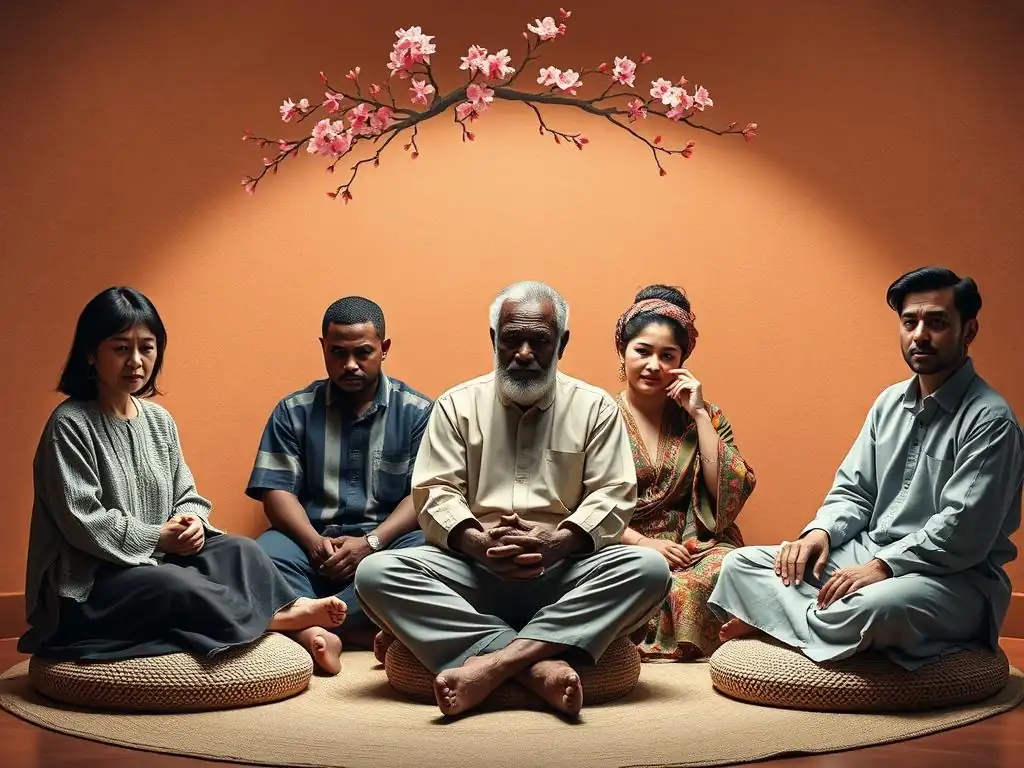
Welcome to Mind Care Guide, a space dedicated to nurturing your mental well-being.
Have you ever felt misunderstood, as if your pain is invisible because of your cultural background? This is a common experience, and we're here to shed light on it. Our article, "Understanding Cultural Distress: Recognizing How Different Cultures Express Pain and Suffering," delves into the crucial topic of cultural distress mental health support. Exploring how cultural nuances shape our experiences of mental health can open doors to more effective understanding and healing. Intrigued? Let's embark on this journey of discovery together.
Understanding Cultural Distress: Recognizing How Different Cultures Express Pain and Suffering
- Introduction to Cultural Distress and Mental Health
- Recognizing the Diverse Expressions of Pain and Suffering Across Cultures
- Cultural Distress vs. Mental Illness: Differentiating the Concepts
- Cultural Factors Contributing to Mental Health Challenges
- Trauma in Refugee Populations and Cultural Distress
- Providing Culturally Sensitive Mental Health Support
- Addressing Cultural Distress: Practical Strategies for Mental Health Professionals
- Overcoming Barriers to Accessing Mental Health Support
- Resources for Cultural Distress Mental Health Support
- Conclusion: Promoting Culturally Responsive Mental Health Care
-
Frequently Asked Questions
- What is cultural distress, and how does it relate to mental health?
- How does the expression of mental health challenges vary across different cultures?
- What are some common causes of cultural distress?
- Where can I find cultural distress mental health support tailored to my specific background?
- Why is it important to seek culturally sensitive mental health support when experiencing cultural distress?
- Final Reflection: Bridging the Gap in Understanding Cultural Distress
- Embrace Healing: Connect Through Cultural Understanding!
Introduction to Cultural Distress and Mental Health
Defining Cultural Distress: A Framework for Understanding Suffering Rooted in Culture
Cultural distress refers to the subjective experience of suffering that is deeply intertwined with cultural beliefs, practices, and social contexts. It's not necessarily a clinical mental illness in the Western diagnostic sense, but rather a form of pain or unease that arises from cultural conflicts, loss of cultural identity, challenges to traditional values, or the inability to express suffering in culturally sanctioned ways. This suffering can manifest in various forms, including emotional, psychological, or physical symptoms, and is understood and responded to within the individual's cultural framework.
Unlike universal mental health diagnoses, cultural distress is often described using culture-specific terms or concepts. For example, 'susto' in Latin American cultures, often translated as 'fright' or 'soul loss,' is a state of chronic suffering attributed to a frightening experience that causes the soul to leave the body. Symptoms can include nervousness, loss of appetite, apathy, and sleep problems. While some symptoms might overlap with Western diagnoses like anxiety or depression, the underlying cultural explanation and expected healing methods are distinct. Recognizing these culturally bound syndromes and expressions is crucial for providing effective cultural distress mental health support.
Migration and displacement are significant drivers of cultural distress. Individuals forced to leave their homelands often experience profound loss – not just of place, but of social networks, cultural continuity, and identity markers. The process of acculturation, adapting to a new culture while maintaining aspects of one's own, can be fraught with challenges, leading to stress, conflict, and a sense of being caught between worlds. This is particularly acute for refugees and asylum seekers who have often experienced trauma prior to displacement.
Furthermore, rapid social change within a culture or exposure to dominant external cultures can erode traditional values and support systems, contributing to cultural distress. Younger generations might experience conflict with elders over changing norms, or entire communities may feel marginalized as their cultural practices are misunderstood or devalued. Studies on immigrant populations, for instance, frequently highlight the strain of navigating differing cultural expectations in areas like family roles, communication styles, and help-seeking behaviors for mental health issues, underscoring the need for tailored cultural distress mental health support.
The Importance of Culturally Sensitive Mental Health Support
Providing culturally sensitive mental health support is paramount when addressing cultural distress. An approach that fails to consider a person's cultural background risks misinterpreting symptoms, imposing inappropriate interventions, and alienating the individual. Culturally sensitive care acknowledges that mental well-being is shaped by culture and seeks to understand the individual's experiences within their own cultural context.
This involves therapists and support systems being aware of their own cultural biases, learning about the cultural backgrounds of their clients, and adapting therapeutic approaches to align with cultural values and beliefs. For example, in cultures where collective well-being is prioritized over individual expression, family involvement in therapy might be essential. Failing to provide culturally sensitive mental health support can lead to poor engagement, negative treatment outcomes, and further reinforce feelings of isolation and misunderstanding for those experiencing cultural distress.
Recognizing the Diverse Expressions of Pain and Suffering Across Cultures
Understanding Cultural Variations in Somatization of Distress
Somatization, the expression of psychological distress through physical symptoms, is a common phenomenon globally, but its prevalence and cultural acceptance vary significantly. In many non-Western cultures, talking openly about emotions, particularly negative ones like sadness or anxiety, may be less common or even stigmatized. Consequently, individuals may express psychological pain through physical complaints such as headaches, fatigue, stomach problems, or chronic pain.
Research indicates that somatization is often a culturally sanctioned way of communicating distress in societies where the mind-body connection is viewed more holistically than in some Western medical models. For instance, studies among certain Asian and African populations have shown higher rates of presenting with physical symptoms when experiencing depression or anxiety compared to Western populations. Healthcare providers offering cultural distress mental health support must be attuned to these presentations and look beyond purely physical explanations to identify underlying psychological or cultural sources of suffering.
How Cultural Norms Shape the Experience of Grief and Loss
The experience and expression of grief and loss are profoundly shaped by cultural norms and rituals. While the core feeling of loss is universal, how individuals mourn, the duration of mourning, and the community's role in supporting the bereaved differ widely. Some cultures have elaborate, communal mourning rituals that last for extended periods, providing structure and social support. Others may emphasize stoicism and private grieving.
Disruption of these cultural mourning practices due to migration, conflict, or social change can complicate the grieving process and contribute to cultural distress. For example, refugees may be unable to perform traditional burial rites or gather with extended family, hindering their ability to process loss in a culturally meaningful way. Understanding these variations is vital for providing appropriate cultural distress mental health support and avoiding pathologizing grief expressions that differ from Western norms.
The Impact of Language on Describing Mental Health Symptoms
Language is a fundamental vehicle for expressing internal states, and the availability of words and concepts to describe emotions and mental health symptoms varies across languages and cultures. Some languages may lack direct equivalents for terms like "depression" or "anxiety," or these concepts may be understood differently within the cultural lexicon. Individuals may use metaphors, describe physical sensations, or refer to spiritual or social imbalances to articulate their distress.
For someone experiencing cultural distress, the inability to adequately describe their feelings in the dominant language of a new country, or the lack of culturally resonant terms in their own language, can be a significant barrier to seeking and receiving help. Mental health professionals providing cultural distress mental health support must be mindful of these linguistic nuances, utilize interpreters when necessary, and explore how individuals conceptualize and articulate their suffering using the language available to them.
Cultural Distress vs. Mental Illness: Differentiating the Concepts
When Cultural Distress Becomes a Mental Health Concern
Cultural distress exists on a spectrum. While it often represents understandable suffering rooted in cultural context, it can transition into a clinical mental health concern when the symptoms become persistent, severe, and significantly impair daily functioning, relationships, or overall well-being. This transition often occurs when the individual's coping mechanisms are overwhelmed, or when the cultural conflict or loss is profound and unresolved.
For instance, the stress of acculturation might initially manifest as mild anxiety or sadness (cultural distress), but if compounded by discrimination, unemployment, and social isolation, it can escalate into clinical depression or an anxiety disorder requiring professional intervention. Similarly, culturally sanctioned expressions of grief might become problematic if they are excessively prolonged or interfere with essential life tasks. Recognizing this threshold requires careful assessment that considers both cultural context and the severity and impact of symptoms, highlighting the need for integrated cultural distress mental health support.
Misdiagnosis and the Importance of Cultural Competence
A significant risk when cultural variations in distress are not understood is misdiagnosis. Symptoms rooted in cultural distress might be misinterpreted through a Western diagnostic lens, leading to incorrect diagnoses and inappropriate treatment. For example, culturally normative expressions of grief or spiritual experiences could be mistaken for psychotic symptoms, or somatization might be treated solely as a physical issue without addressing the underlying psychological pain.
Cultural competence in mental health care is therefore crucial. This involves therapists having the knowledge, skills, and attitudes to work effectively with clients from diverse cultural backgrounds. It requires understanding how culture influences illness beliefs, help-seeking behaviors, and treatment preferences. Training mental health professionals in cultural competence is essential to improve diagnostic accuracy and ensure that individuals receive appropriate cultural distress mental health support that respects their background.
Addressing Cultural Distress with Appropriate Mental Health Interventions
Addressing cultural distress requires interventions that go beyond standard clinical treatment when a clinical disorder is not present or when the distress is primarily cultural. This might involve interventions focused on strengthening cultural identity, facilitating connection with cultural communities, addressing acculturation challenges, or utilizing traditional healing practices in conjunction with or instead of Western therapies.
When cultural distress co-occurs with a clinical mental illness, integrated approaches are most effective. This means providing evidence-based treatments for the clinical disorder while simultaneously addressing the cultural factors contributing to the distress. For example, therapy for depression in a refugee might include trauma-informed techniques alongside support for reconnecting with cultural traditions and community. Effective cultural distress mental health support is flexible and tailored to the individual's unique needs and cultural context.
Cultural Factors Contributing to Mental Health Challenges

The Role of Acculturation Stress in Cultural Distress
Acculturation stress is a significant cultural factor contributing to mental health challenges, particularly among immigrants and refugees. It arises from the process of adapting to a new culture, often involving navigating different values, norms, and expectations while potentially facing language barriers, economic hardship, and social isolation. The degree of stress depends on various factors, including the similarity between the home and host cultures, the individual's personality and coping skills, and the level of support received.
Studies consistently show that high levels of acculturation stress are associated with increased rates of anxiety, depression, and other mental health problems among immigrant populations. For example, a study on Latino immigrants in the United States found that higher levels of acculturation stress were strongly correlated with symptoms of depression and anxiety. Providing cultural distress mental health support that specifically addresses acculturation challenges, such as language classes, cultural orientation programs, and community integration support, can mitigate these negative impacts.
Impact of Discrimination and Prejudice on Mental Well-being
Experiencing discrimination and prejudice based on one's cultural background, ethnicity, religion, or national origin is a profound source of cultural distress and a significant risk factor for mental health problems. Discrimination can take many forms, from overt acts of bias to subtle microaggressions, and can occur in various settings, including workplaces, schools, and healthcare systems.
The cumulative effect of experiencing discrimination can lead to chronic stress, feelings of shame, anger, and alienation, and contribute to conditions like anxiety, depression, and trauma-related symptoms. Research on minority groups consistently demonstrates higher rates of mental health issues correlated with experiences of discrimination. For example, studies have shown that perceived discrimination is a strong predictor of psychological distress among racial and ethnic minorities. Effective cultural distress mental health support must acknowledge and help individuals process the impact of discrimination.
Social isolation and the loss of cultural identity are deeply intertwined cultural factors that negatively impact mental well-being. Migration and displacement often sever individuals from their primary social networks – family, friends, and community – which are vital sources of support, belonging, and identity reinforcement. Entering a new society where one doesn't speak the language or understand social cues can exacerbate feelings of loneliness and isolation.
Furthermore, the pressure to assimilate, loss of traditional roles, and the inability to practice cultural customs can lead to a fragmentation of cultural identity. This loss can be particularly distressing for individuals whose sense of self is strongly tied to their cultural group and traditions. Studies on refugee populations frequently highlight social isolation and loss of cultural connection as major contributors to depression and anxiety. Addressing these issues through community building, cultural activities, and support groups is a key component of cultural distress mental health support.
Trauma in Refugee Populations and Cultural Distress
Unique Challenges Faced by Refugees and Asylum Seekers
Refugees and asylum seekers face a unique confluence of challenges that significantly impact their mental health and contribute to cultural distress. These challenges often begin before displacement, including exposure to war, persecution, torture, and loss of loved ones. The journey itself can be perilous, involving further trauma, uncertainty, and exploitation. Upon arrival in a host country, they often encounter new stressors such as navigating complex legal systems, language barriers, unemployment, inadequate housing, and the struggle for basic necessities.
Beyond these practical difficulties, refugees must also grapple with the emotional weight of leaving their homes, the loss of their social world, and the uncertainty of their future. They may carry the trauma of witnessing or experiencing horrific events, which can manifest as PTSD, depression, and anxiety. These layers of pre-migration trauma and post-migration stressors create a complex picture of suffering where clinical symptoms are often intertwined with cultural distress related to displacement and loss.
The Intersection of Trauma, Displacement, and Cultural Distress
For refugee populations, trauma, displacement, and cultural distress are deeply interconnected. Trauma is often the catalyst for displacement, forcing individuals to flee their cultural homes. Displacement then disrupts their cultural world – severing ties to community, traditions, and familiar ways of life. This loss of cultural grounding exacerbates the impact of trauma, as cultural rituals and social support systems that might aid healing are no longer available or accessible.
The symptoms of trauma, such as hypervigilance or avoidance, can also be misinterpreted or stigmatized within a new cultural context. For instance, protective behaviors developed in a war zone might be viewed as paranoia in a safe environment. Conversely, cultural beliefs about suffering, fate, or healing can influence how trauma is understood and expressed. Effective cultural distress mental health support for refugees must therefore adopt a trauma-informed lens that is also deeply culturally sensitive, recognizing how these factors intersect and influence one another.
Providing Culturally Sensitive Trauma-Informed Care for Refugees
Providing effective mental health support for refugees requires an approach that is both trauma-informed and culturally sensitive. Trauma-informed care recognizes the widespread impact of trauma and understands potential paths for recovery, avoiding re-traumatization in the care process. Culturally sensitive care adapts this approach to the specific cultural background of the refugee.
This means understanding how trauma is conceptualized and expressed in their culture, what traditional healing practices exist, and how family and community might be involved in the healing process. For example, individual talk therapy might be less effective in cultures where communal support is the norm. Culturally sensitive trauma-informed care might incorporate group work, involve family members, utilize cultural brokers, and respect traditional beliefs about health and illness. It prioritizes building trust and rapport, which is essential given the refugees' potential experiences of betrayal and persecution, making culturally sensitive cultural distress mental health support vital.
Providing Culturally Sensitive Mental Health Support
Building Trust and Rapport with Individuals from Diverse Backgrounds
Building trust and rapport is the cornerstone of providing effective cultural distress mental health support, especially when working with individuals from diverse cultural backgrounds who may have had negative experiences with authority figures or healthcare systems. Trust is built through demonstrating respect, empathy, genuineness, and cultural humility – acknowledging that you are a learner about their culture.
Practically, this involves using a non-judgmental approach, listening attentively, validating their experiences within their cultural context, and being transparent about the therapeutic process. For individuals from cultures where mental health is highly stigmatized or where there is mistrust of outsiders, building rapport may take considerable time and patience. Therapists must be mindful of cultural communication styles, including non-verbal cues, eye contact, and personal space, which can vary significantly across cultures.
Adapting Mental Health Interventions to Cultural Contexts
Adapting mental health interventions to cultural contexts is crucial for their effectiveness. Standard therapeutic models, often developed in Western settings, may not resonate or be appropriate for individuals from different cultural backgrounds. Adaptation involves modifying the language, concepts, and techniques of therapy to align with the client's cultural values, beliefs, and preferred ways of communicating and solving problems.
This might include using metaphors or stories that are culturally relevant, incorporating family or community members into therapy sessions where appropriate, utilizing traditional healing practices in a complementary way, or adjusting the pace and structure of therapy. For example, cognitive behavioral therapy (CBT) principles can be applied, but the specific examples and homework assignments should be tailored to the client's daily life and cultural context. Successful cultural distress mental health support requires this flexible and creative adaptation.
The Role of Interpreters and Cultural Brokers in Mental Health Care
Interpreters and cultural brokers play indispensable roles in providing culturally sensitive mental health support to individuals with limited English proficiency or significant cultural differences from the provider. A professional interpreter ensures accurate linguistic translation, which is critical for effective communication about complex emotional and psychological states. They are trained to maintain confidentiality and neutrality.
Cultural brokers, who may or may not also be interpreters, possess deep knowledge of both the client's culture and the host culture. They can help bridge cultural gaps, explain cultural nuances to both the client and the provider, and facilitate mutual understanding. For example, a cultural broker might explain why a client is hesitant to make direct eye contact (a sign of respect in some cultures) or help the therapist understand a client's culturally specific beliefs about illness causation. Utilizing these resources effectively is essential for providing competent cultural distress mental health support.
Addressing Cultural Distress: Practical Strategies for Mental Health Professionals

Conducting Culturally Sensitive Assessments
Conducting culturally sensitive assessments is the foundational step in addressing cultural distress. This involves going beyond standard diagnostic interviews to explore the client's experiences within their cultural context. It requires asking open-ended questions about their cultural background, migration history (if applicable), beliefs about health and illness, help-seeking experiences, and social and family support systems.
Using culturally validated assessment tools, or adapting existing tools appropriately, is also important, although such resources may be limited. Clinicians should be aware that symptoms may be expressed differently across cultures (e.g., somatization) and avoid prematurely applying Western diagnostic labels. Collaborating with interpreters or cultural brokers can significantly enhance the accuracy and richness of the assessment, providing a clearer picture of whether the client is experiencing cultural distress, a clinical disorder, or both, guiding the provision of appropriate cultural distress mental health support.
- Assessment Considerations:
- Explore cultural identity and affiliation.
- Inquire about traditional coping mechanisms and healing practices.
- Assess experiences of discrimination or acculturation stress.
- Understand family structure and roles in the client's culture.
- Ask about culturally specific beliefs about mental health and illness.
- Identify sources of cultural support within the community.
Utilizing Culturally Relevant Therapeutic Approaches
Utilizing culturally relevant therapeutic approaches involves selecting or adapting interventions that resonate with the client's cultural background and values. This does not necessarily mean exclusively using traditional healing methods, but rather integrating cultural understanding into evidence-based practices or exploring alternative approaches that are more aligned with the client's worldview.
For some clients, incorporating family-based therapy may be more appropriate than individual therapy, given the emphasis on collectivism in their culture. For others, narrative therapy, which helps individuals reframe their life stories, can be powerful, particularly when addressing trauma and loss of identity associated with cultural distress. Group therapy with other individuals from the same cultural background can also provide invaluable peer support and reduce isolation. The key is to be flexible and collaborative, working with the client to determine what feels most helpful and culturally appropriate for their cultural distress mental health support needs.
#### Examples of Culturally Relevant Adaptations:

*   Modifying communication style (e.g., less direct eye contact, allowing pauses).
*   Incorporating cultural or religious stories and metaphors into therapy.
*   Involving family members or community elders in sessions (with consent).
*   Using culturally appropriate coping strategies (e.g., specific prayer practices, traditional art forms).
*   Adjusting therapeutic goals to align with cultural values (e.g., family harmony over individual autonomy).
Collaborating with Community Leaders and Cultural Organizations
Collaborating with community leaders and cultural organizations is a powerful strategy for providing effective cultural distress mental health support. These individuals and groups often serve as trusted sources of support and information within their communities. They can help mental health professionals understand the specific needs and challenges faced by community members, facilitate outreach, and reduce stigma around seeking mental health help.
Community leaders, such as religious figures, elders, or heads of community associations, can act as cultural brokers and advocates. Cultural organizations can provide culturally specific resources, host support groups, and offer activities that promote cultural connection and reduce isolation. Partnering with these entities helps build trust with the community, makes services more accessible and relevant, and ensures that mental health support is integrated into the existing social fabric, strengthening overall cultural distress mental health support systems.
Overcoming Barriers to Accessing Mental Health Support
Addressing Stigma and Cultural Beliefs Surrounding Mental Illness
Stigma surrounding mental illness is a major barrier to accessing cultural distress mental health support across many cultures. In some cultural contexts, mental health problems may be viewed as a moral failing, a sign of weakness, a curse, or attributed to supernatural causes. This can lead to shame, secrecy, and reluctance to seek professional help, fearing judgment from family and community.
Addressing stigma requires culturally sensitive education and awareness campaigns that frame mental health within the community's own understanding of well-being. It also involves training mental health professionals to be aware of and sensitive to these cultural beliefs and to approach clients with empathy and respect, validating their experiences without reinforcing harmful stereotypes. Working with trusted community leaders to normalize discussions about emotional well-being can also be highly effective in reducing stigma and encouraging help-seeking for cultural distress.
Improving Access to Culturally Competent Mental Health Services
Improving access to culturally competent mental health services is essential to ensure that individuals experiencing cultural distress can receive appropriate care. This involves increasing the number of mental health professionals who are trained in cultural competence, recruiting and supporting providers from diverse cultural backgrounds, and ensuring that services are linguistically accessible through qualified interpreters.
Access also means making services physically and financially accessible and located in areas that feel safe and familiar to the community. Partnering with community centers, religious institutions, or ethnic organizations to offer services can help reduce barriers. Policy changes that support culturally responsive care models and provide funding for training and interpreter services are also critical steps towards improving access to cultural distress mental health support.
- [ ] Advocate for increased funding for cultural competence training in mental health programs.
- [ ] Support recruitment initiatives for bilingual and bicultural mental health professionals.
- [ ] Develop partnerships between mental health clinics and community organizations.
- [ ] Create educational materials about mental health in multiple languages and culturally appropriate formats.
The Importance of Education and Awareness Campaigns
Education and awareness campaigns play a vital role in overcoming barriers to cultural distress mental health support. These initiatives should be designed in a culturally sensitive manner, utilizing channels and language that resonate with the target community. Campaigns can help destigmatize mental health issues, educate individuals about common signs of distress (including culturally specific expressions), and inform them about available resources.
Campaigns should emphasize that seeking help is a sign of strength, not weakness, and highlight successful stories of recovery. They can also educate the broader community and healthcare providers about cultural distress and the importance of cultural sensitivity. Collaborating with community members in the design and delivery of these campaigns ensures their relevance and effectiveness in promoting understanding and access to cultural distress mental health support.
Cultural humility is not about mastering a list of cultural dos and don'ts, but about adopting an attitude of openness, curiosity, and willingness to learn from others.
- Attributed concept, emphasizes ongoing learning over fixed knowledge.
Resources for Cultural Distress Mental Health Support
Organizations Providing Culturally Specific Mental Health Services
Numerous organizations specialize in providing mental health services tailored to specific cultural groups or populations, such as refugees and immigrants. These organizations often employ staff who share the cultural background of the clients, offer services in multiple languages, and integrate culturally relevant practices into their programs. Examples include organizations focusing on mental health for specific ethnic communities, refugee resettlement agencies with integrated mental health programs, or centers specializing in trauma care for survivors of torture, which inherently involves addressing cultural distress.
These resources are invaluable for individuals seeking cultural distress mental health support that understands their unique experiences and challenges. They often provide a range of services from individual therapy and group counseling to community support and cultural activities.
- Organizations might offer:
- Therapy in native languages.
- Support groups for specific cultural groups.
- Case management navigating social services.
- Programs incorporating traditional healing or cultural practices.
- Workshops on acculturation challenges.
Training Programs for Mental Health Professionals in Cultural Competency
Several training programs and resources exist to help mental health professionals develop cultural competency and provide effective cultural distress mental health support. These programs range from workshops and online courses to graduate-level specializations. They typically cover topics such as cultural humility, understanding diverse worldviews, assessing cultural factors in mental health, and adapting therapeutic techniques for different populations.
Investing in such training is essential for improving the quality of care for individuals from diverse backgrounds and reducing disparities in mental health outcomes. Professional organizations and academic institutions often offer these programs.
Example Training Focus Areas:

1.  Cultural Formulation Interview (DSM-5) training.
2.  Trauma-informed care for specific refugee groups.
3.  Working with interpreters effectively.
4.  Understanding cultural syndromes and idioms of distress.
5.  Addressing implicit bias in clinical practice.
Conclusion: Promoting Culturally Responsive Mental Health Care
The Future of Cultural Distress Research and Treatment
The field of cultural distress research and treatment is continually evolving. Future research needs to delve deeper into the specific ways cultural distress manifests in different populations, the long-term impacts of acculturation stress and discrimination, and the effectiveness of culturally adapted interventions. There is a particular need for more evidence-based practices that are developed within and validated by diverse cultural communities, rather than simply adapting Western models.
Furthermore, research should explore the role of cultural strengths and resilience factors in mitigating cultural distress and promoting well-being. Technological advancements may also offer new avenues for providing culturally sensitive support, such as telehealth services delivered by bicultural providers or culturally tailored digital mental health tools. The goal is to build a more nuanced and effective understanding of cultural distress mental health support globally.
Advocating for Equitable Mental Health Services for All
Advocating for equitable mental health services means working towards a system where everyone, regardless of their cultural background, has access to high-quality, culturally competent care. This involves addressing systemic barriers such as lack of insurance, language barriers, geographical distance, and insufficient numbers of diverse providers.
Equitable services require policy changes that prioritize cultural competence training, fund community-based mental health initiatives, and support research into diverse populations. It also means challenging discriminatory practices within healthcare systems and advocating for the inclusion of cultural perspectives in mental health policy and practice. Achieving health equity necessitates ensuring that cultural distress mental health support is available and accessible to all who need it.
A Call to Action: Fostering Cultural Understanding and Compassion
Addressing cultural distress and promoting mental well-being for individuals from diverse backgrounds is a shared responsibility. It requires mental health professionals to commit to cultural humility and continuous learning. It requires healthcare systems to invest in cultural competence training and language access services. And it requires communities to foster environments of welcome, understanding, and support for newcomers and minority groups.
Fostering cultural understanding and compassion is not just about improving mental health care; it's about building a more inclusive and just society. By recognizing and validating the diverse ways people experience and express suffering, we can provide more effective cultural distress mental health support and help individuals and communities heal and thrive. This commitment benefits everyone, enriching our collective understanding of the human experience.
Frequently Asked Questions
What is cultural distress, and how does it relate to mental health?
Cultural distress refers to the psychological suffering and emotional pain experienced when an individual's cultural values, beliefs, or practices clash with a dominant or new culture. It significantly impacts mental well-being by causing stress, anxiety, and depression.
How does the expression of mental health challenges vary across different cultures?
Mental health symptoms can manifest differently depending on cultural norms. Some cultures may express distress through physical symptoms (somatization), while others might emphasize spiritual or social factors rather than psychological ones. Understanding these variations is crucial for effective support.
What are some common causes of cultural distress?
Common causes include discrimination, language barriers, acculturation stress (the stress of adapting to a new culture), and loss of cultural identity. These factors can lead to feelings of isolation, alienation, and powerlessness.
Where can I find cultural distress mental health support tailored to my specific background?
Resources vary, but start by researching community-based organizations that serve your cultural group. Also, seek out mental health professionals with experience in cross-cultural counseling and cultural competence.
Why is it important to seek culturally sensitive mental health support when experiencing cultural distress?
Culturally sensitive support ensures that your cultural background and beliefs are respected and understood. This approach leads to more effective therapy and reduces the risk of misdiagnosis or inappropriate treatment.
Final Reflection: Bridging the Gap in Understanding Cultural Distress
The ways in which we express pain and suffering are deeply intertwined with our cultural backgrounds, a reality that significantly impacts the accessibility and effectiveness of mental health support. Ignoring this crucial connection leaves countless individuals struggling in silence, unable to find the help they desperately need. This lack of cultural understanding within mental healthcare systems represents a critical gap that must be addressed urgently.
The exploration of cultural distress has profoundly shaped my understanding of the complexities of human experience. It's highlighted the limitations of a one-size-fits-all approach to mental health, revealing how deeply ingrained cultural norms can influence the presentation, interpretation, and even the very definition of mental illness. Culture is not just a set of beliefs and practices, but a lens through which we perceive and experience the world.
This quote underscores the necessity of acknowledging the diverse ways in which individuals express their internal struggles. The ongoing impact of cultural insensitivity in mental health care is undeniable, perpetuating cycles of misunderstanding and inadequate support.
You, the reader, now hold the power to bridge this gap. Consider how your own cultural background shapes your understanding of mental health, and actively seek to expand your awareness of other perspectives. Engage in respectful dialogue, challenge your own biases, and advocate for culturally sensitive mental health services within your community. By fostering empathy and understanding, we can create a more inclusive and supportive environment for everyone navigating the complexities of mental wellbeing.
Embrace Healing: Connect Through Cultural Understanding!
Thank you for taking the time to delve into the complexities of cultural distress. By exploring how different cultures express pain and suffering, you've gained valuable insights into empathy and healing. Now, let's take these insights further!
Here are some actionable steps you can take:
- Engage with your community: Attend local cultural events or workshops to better understand diverse expressions of distress and resilience.
- Start a conversation: Share your new knowledge with friends and family—discussing cultural differences can lead to deeper connections and mutual support.
- Explore literature and art from various cultures that depict suffering and healing. These expressions can provide unexpected perspectives and foster empathy.
How will you use your understanding of cultural pain to create a more compassionate world around you?