
Creating a Study Sanctuary: Designing Your Space to Reduce Academic Anxiety


Welcome to Mind Care Guide, your sanctuary for navigating the complexities of mental well-being.
Feeling overwhelmed by academic stress? You're not alone. Discover practical strategies in our guide, "Creating a Calm Study Space," designed to transform your learning environment and significantly reduce academic anxiety. We understand the pressures you face, and we're here to help you cultivate a more peaceful and productive study life. Curious to know how a simple change in your surroundings can dramatically improve your mental state? Read on and let's build your sanctuary together.
- Creating a Study Sanctuary: Designing Your Space to Reduce Academic Anxiety
- Understanding Your Study Needs: Identifying Anxiety Triggers
- Designing Your Calm Study Space: Practical Steps for Anxiety Reduction
- Maintaining Your Study Sanctuary: Long-Term Strategies for Academic Stress Relief
- The Benefits of a Calm Study Space: Reduced Anxiety and Improved Academic Performance
- Resources for Creating a Study Sanctuary: Tools and Support
- Conclusion: Investing in Your Mental Well-being Through Your Study Space.
-
Frequently Asked Questions
- How does the physical environment of a study space impact academic anxiety?
- What are some key elements to consider when designing a calm study space?
- What are some practical tips for decluttering and organizing a study area?
- How can I personalize my study space to promote a sense of calm and well-being?
- What if I have limited space? Can I still create a calm study environment?
- Final Reflection: Cultivating Calm Amidst the Chaos of Study
- Unleash Your Inner Scholar: Design Your Perfect Study Space Now!
Creating a Study Sanctuary: Designing Your Space to Reduce Academic Anxiety
Introduction: The Link Between Study Space and Academic Anxiety
Academic anxiety is a pervasive challenge for many students, manifesting as worry, fear, and apprehension related to academic performance, tests, and deadlines. This stress can significantly impact concentration, memory, and overall well-being. While study habits and stress management techniques are crucial, the physical environment where you study plays a surprisingly significant role in shaping your mental state. A cluttered, uncomfortable, or distracting space can heighten feelings of overwhelm and anxiety, making it harder to focus and retain information.
Conversely, creating a calm study space—a sanctuary designed with intention—can act as a buffer against academic stress. Research in environmental psychology suggests that our surroundings profoundly affect our mood, productivity, and stress levels. For instance, studies have indicated that exposure to natural light and views of nature can reduce stress and improve cognitive function. Similarly, a well-organized and aesthetically pleasing space can foster a sense of control and peace, counteracting the chaotic feelings often associated with academic pressure. Designing your study area is not merely about aesthetics; it's an investment in your mental health and academic success.
Understanding Your Study Needs: Identifying Anxiety Triggers
Identifying Personal Study Habits and Anxiety Sources
Understanding what specifically triggers your academic anxiety is the first step in designing a space that helps mitigate it. Do you feel overwhelmed by the sheer volume of materials, leading to visual clutter on your desk? Does background noise make it impossible to concentrate, causing frustration and panic?
Are you easily distracted by your phone or social media, which then leads to feelings of guilt and falling behind? Pinpointing these specific habits and triggers is crucial. For example, a student who feels anxious about looming deadlines might benefit from a prominent calendar or planner in their study area, while someone easily overwhelmed by materials might need dedicated storage solutions.
Consider when and how you typically study when anxiety is high. Does it happen during late-night cramming sessions, suggesting poor time management contributes to the stress? Or does it occur even when you start early, indicating that the environment itself might be a primary factor? Reflect honestly on past study experiences where anxiety was particularly intense.
Was your desk messy? Was the room too dark or noisy? Was your phone constantly buzzing nearby? Identifying these patterns provides concrete clues about the environmental factors that exacerbate your stress, guiding your design choices for creating a calm study space tailored to your needs.
Defining Your Ideal Study Environment: A Personalized Approach
Once you've identified your triggers, you can start to visualize your ideal study environment—a space that actively reduces anxiety rather than contributing to it. This isn't about replicating a picture from a magazine; it's about creating a space that feels right for you. Think about the physical sensations that help you feel calm: soft lighting, quiet, specific colors, comfortable seating. Does the thought of a minimalist desk space bring you peace, or do you prefer having certain comforting objects around? Your ideal space should feel safe, controllable, and conducive to focus without feeling sterile or oppressive.
Consider the practical elements that would eliminate your identified triggers. If clutter is a trigger, your ideal space will have ample, easy-to-access storage. If noise is an issue, perhaps it involves specific materials or a location away from high-traffic areas.
If you struggle with focus, maybe your ideal space has minimal visual distractions on the walls or desk surface. The key is personalization; there's no one-size-fits-all solution for creating a calm study space. Spend some time brainstorming these elements, perhaps creating a simple list or even a mood board of colors, textures, and organizational ideas that resonate with you and promote a sense of tranquility.
Designing Your Calm Study Space: Practical Steps for Anxiety Reduction
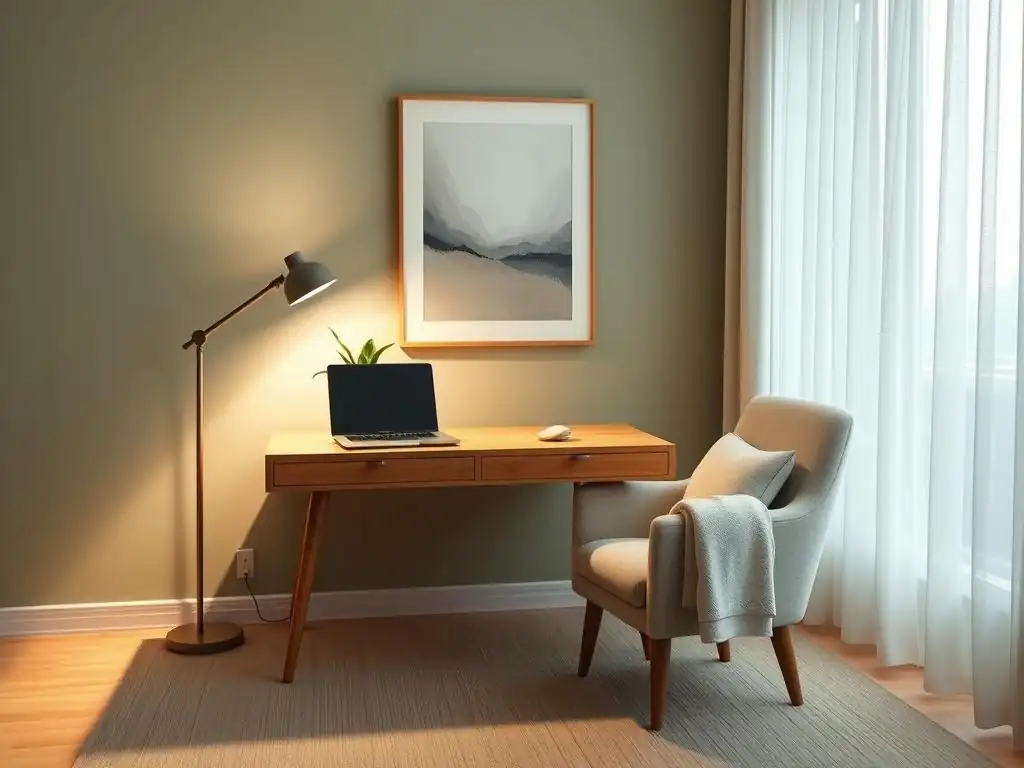
Step 1: Decluttering and Organizing Your Study Area
A cluttered environment can lead to a cluttered mind, significantly increasing feelings of stress and anxiety. Studies have shown a correlation between physical clutter and increased cortisol levels, the body's primary stress hormone. Starting the process of creating a calm study space begins with a thorough decluttering session. Remove everything that isn't essential for studying: old notes, unrelated books, random trinkets, and garbage. Be ruthless but also kind to yourself; it's okay to take breaks.
Once decluttered, organize the remaining items logically. Use drawers, shelves, and containers to give everything a designated place. Keep frequently used items like pens, notebooks, and textbooks within easy reach, but store less-used items neatly away. Consider using vertical space with shelves to free up desk surface area. A clear desk surface provides visual calm and reduces the feeling of being overwhelmed by tasks and materials. Maintaining this organization is key; make it a habit to tidy up for a few minutes at the end of each study session.
Step 2: Optimizing Lighting and Ventilation
Proper lighting is critical for reducing eye strain and improving focus, while poor lighting can contribute to fatigue and irritability, heightening anxiety. Natural light is ideal; position your desk near a window if possible, ensuring that the light source is not directly in front of or behind your screen to avoid glare. If natural light is limited, invest in good quality artificial lighting.
A combination of overhead ambient light and a task lamp for direct illumination is often best. Opt for warm white bulbs (around 2700-3000 Kelvin) for a cozy, less harsh feel, or cooler white (around 4000-5000 Kelvin) for a more alert, focused atmosphere, depending on your preference and time of day.
Ventilation is equally important for maintaining a calm and productive study environment. Stale, stuffy air can lead to headaches, drowsiness, and difficulty concentrating. Ensure your study space is well-ventilated by opening a window periodically to allow fresh air circulation. If opening a window isn't feasible due to noise or weather, consider using an air purifier or even a small fan to keep the air moving. Maintaining a comfortable temperature is also vital; avoid extremes of hot or cold that can distract and cause discomfort.
Step 3: Incorporating Calming Colors and Textures
Color psychology suggests that certain hues can influence mood. When creating a calm study space, consider incorporating colors known for their soothing properties. Blues and greens, for instance, are often associated with nature, tranquility, and calmness. Painting a wall, adding colored accessories like pillows or storage boxes, or even using blue- or green-tinted lighting can help create a serene atmosphere. Avoid overly stimulating colors like bright reds or oranges in large amounts, as these can increase energy levels and potentially anxiety for some individuals.
The textures in your study space also contribute to its overall feel. Incorporating soft textures can make the space feel more inviting and less sterile. Think about a comfortable chair cushion, a soft rug underfoot, or decorative elements like a knitted throw blanket or textured wall art. Mixing different textures can add visual interest without being distracting, contributing to a cozy and secure feeling. Even small details, like the material of your desk organizer or the finish of your lamp, can subtly influence the sensory experience of your study sanctuary.
Step 4: Minimizing Noise and Distractions
Noise is a significant trigger for academic anxiety, making it difficult to concentrate and increasing frustration. Identify the primary sources of noise in your study area, whether it's household sounds, traffic, or roommates. While complete silence isn't always necessary or even desirable, minimizing distracting noise is key to creating a calm study space. Simple steps can include closing doors and windows, using soft furnishings like curtains or rugs to absorb sound, or strategically placing your desk away from noisy areas.
For persistent or unavoidable noise, consider using noise-canceling headphones or playing ambient sound. Many students find that listening to instrumental music, white noise, or nature sounds (like rain or ocean waves) can help mask distracting noises and improve focus. Be mindful of digital distractions as well; turn off phone notifications, close unnecessary tabs on your computer, and inform others in your household that you need uninterrupted time. Creating physical and digital boundaries helps protect your focus and reduces the anxiety that arises from constant interruptions.
Step 5: Personalizing Your Space with Comforting Elements
While minimizing clutter is important, your study space shouldn't feel impersonal or cold. Incorporating elements that bring you comfort and joy can make the space feel more welcoming and supportive, further reducing anxiety. This could be a few cherished photos, a small plant, a piece of art that inspires you, or even a comfortable blanket for when you feel chilly. These personal touches serve as visual anchors of comfort and can provide small moments of peace during stressful study sessions.
Ensure the space is also physically comfortable. Invest in an ergonomic chair if possible to prevent physical discomfort that can add to stress. Have a comfortable place to take short breaks, perhaps a nearby armchair or even just enough space to stand and stretch. The goal is to create a space where you not only feel productive but also feel cared for and relaxed. These comforting elements are vital components in creating a calm study space that truly feels like a sanctuary.
Maintaining Your Study Sanctuary: Long-Term Strategies for Academic Stress Relief
Establishing a Consistent Study Routine
Creating a calm study space is only part of the equation; integrating it into a consistent study routine maximizes its benefits. Establishing a regular schedule for when and where you study helps train your brain to associate that specific space and time with focused work. This predictability can reduce anxiety by removing the uncertainty of when and where you'll tackle your academic tasks. For example, committing to studying at your designated spot every weekday from 3 PM to 5 PM signals to your mind that this is the time for concentration.
A routine also makes it easier to maintain the space. Schedule a few minutes at the beginning or end of each study block for a quick tidy-up. This prevents clutter from accumulating and ensures your sanctuary remains a peaceful haven. Consistency reinforces the positive association between your calm study space and productive, less-anxious learning, making it a powerful tool in your long-term strategy for managing academic stress.
Regularly Evaluating and Adjusting Your Study Space
Your needs and academic demands will change throughout the semester or academic year. What worked perfectly at the beginning might need adjustments during peak exam periods or when starting a new, challenging subject. Regularly evaluate how well your study space is functioning to support your mental well-being and productivity. Are you still finding it easy to focus? Are new distractions emerging? Is the organization system holding up?
Make periodic adjustments as needed. This might involve adding more storage for new materials, rearranging furniture for better flow, changing the lighting as the seasons shift, or even refreshing your personal comfort items. Think of creating a calm study space as an ongoing process, not a one-time fix. Being proactive about adapting your environment ensures it continues to serve as an effective tool for reducing academic anxiety and supporting your studies.
The Benefits of a Calm Study Space: Reduced Anxiety and Improved Academic Performance
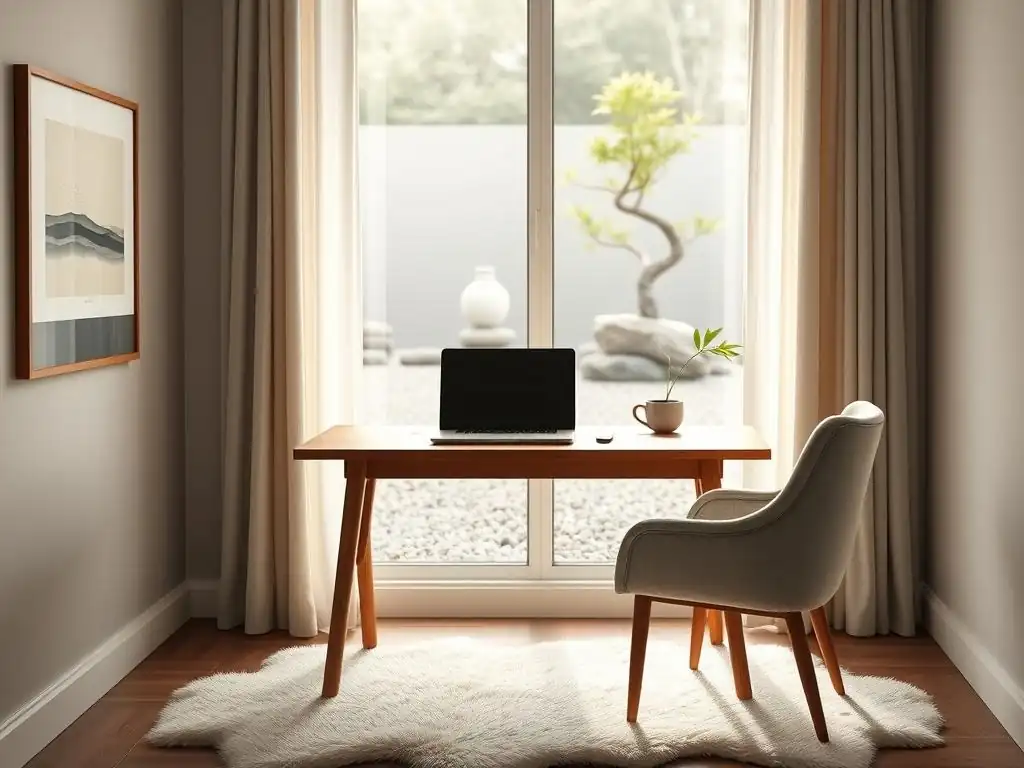
Increased Focus and Concentration
One of the most immediate benefits of creating a calm study space is a noticeable improvement in focus and concentration. By minimizing distractions—both visual clutter and noise—and optimizing elements like lighting and comfort, you create an environment where your brain can more easily engage with the material at hand. When your surroundings are orderly and soothing, your mind isn't constantly processing unnecessary stimuli or feeling overwhelmed by chaos.
This enhanced ability to concentrate directly combats the fragmentation of attention often caused by anxiety. Instead of jumping between tasks or getting lost in worried thoughts, you can dedicate your cognitive resources to understanding concepts, solving problems, and completing assignments efficiently. This improved focus reduces the feeling of being scattered or unable to cope, which are common manifestations of academic stress.
Enhanced Mental Well-being and Reduced Stress
Beyond just academic performance, a calm study space significantly contributes to your overall mental well-being. Knowing you have a dedicated, comfortable, and peaceful area to retreat to for studying can reduce the ambient stress associated with academic life. It provides a sense of control over at least one aspect of your busy student life, which can be incredibly empowering.
Spending time in a space designed for tranquility can lower stress levels, reduce feelings of overwhelm, and even improve your mood. It fosters a sense of security and stability, counteracting the unpredictability that can sometimes characterize academic challenges. This reduction in stress and anxiety not only makes studying more bearable but also positively impacts your sleep, relationships, and general happiness.
Improved Academic Outcomes and Overall Success
Ultimately, the benefits of a calm study space translate into improved academic outcomes. With increased focus, reduced anxiety, and enhanced mental well-being, you are better equipped to learn effectively, retain information, and perform well on assignments and exams. Studies have consistently shown that environmental factors can impact learning and performance.
By investing time and effort in creating a calm study space, you are creating conditions optimal for learning. This leads to more productive study sessions, a deeper understanding of course material, and ultimately, better grades. More importantly, it cultivates a healthier relationship with your academic work, making the pursuit of knowledge a less stressful and more rewarding experience, contributing to your overall success and personal growth.
Resources for Creating a Study Sanctuary: Tools and Support
Online Tools and Apps for Organization and Focus
Numerous digital resources can complement your physical study sanctuary. Task management apps like Todoist or Trello can help organize assignments and deadlines, reducing the anxiety of feeling like you're forgetting something. Note-taking apps such as Evernote or OneNote keep digital clutter at bay while making information easily searchable.
For focus, consider apps that use the Pomodoro technique (like Focus Keeper) to structure work and breaks, or website blockers (like Cold Turkey or browser extensions) to minimize online distractions. Ambient noise generators (like myNoise or Noisli) can provide customizable sound environments to help you concentrate in your calm study space. Exploring a few of these tools can help maintain the digital side of your organized environment.
Books and Articles on Study Space Design and Anxiety Reduction
For deeper dives into the principles behind creating a calm study space, many resources are available. Books on productivity and organization often include sections on optimizing your physical workspace. Publications on environmental psychology or interior design can offer insights into the impact of color, light, and layout on mood and cognition.
Additionally, articles from educational institutions, mental health organizations, and academic journals frequently discuss the link between study environment and student well-being, offering evidence-based strategies for reducing academic anxiety through spatial design. Searching for terms like "ergonomics study space," "psychology of study environment," or "organizing for productivity" can yield valuable information.
Mental Health Resources for Students
While creating a calm study space is a powerful tool, it's just one part of managing academic anxiety. If your anxiety feels overwhelming or persistent, it's crucial to seek professional support. Most universities and colleges offer free or low-cost counseling services for students. These services can provide strategies for coping with stress, cognitive-behavioral techniques for managing anxious thoughts, and support for underlying mental health conditions.
Exploring resources from national mental health organizations can also provide valuable information and support helplines. Remember, reaching out for help is a sign of strength, and integrating professional support with environmental strategies like creating a calm study space offers a comprehensive approach to tackling academic anxiety and promoting overall well-being.
Conclusion: Investing in Your Mental Well-being Through Your Study Space.
Frequently Asked Questions
How does the physical environment of a study space impact academic anxiety?
A well-designed study space can significantly reduce academic anxiety by fostering focus and relaxation. A chaotic or uncomfortable environment can increase stress and distraction.
What are some key elements to consider when designing a calm study space?
Consider factors like lighting, organization, and noise levels. Incorporating elements of nature and personalization can also contribute to a sense of calm.
What are some practical tips for decluttering and organizing a study area?
Start by removing unnecessary items. Use storage solutions to keep materials organized and accessible. Regularly tidy up to maintain a clutter-free environment.
How can I personalize my study space to promote a sense of calm and well-being?
Incorporate elements that bring you joy, such as plants, artwork, or comfortable seating. Personalization helps to create a safe and inviting space.
What if I have limited space? Can I still create a calm study environment?
Absolutely! Focus on maximizing functionality with multi-purpose furniture and vertical storage. Even a small, well-organized space can promote focus and reduce stress.
Final Reflection: Cultivating Calm Amidst the Chaos of Study
The pursuit of a calm and productive study environment is not a luxury, but a necessity in today's demanding academic landscape. The overwhelming pressure to succeed often leads to anxiety and burnout, hindering effective learning. Creating a dedicated study sanctuary, as explored throughout this article, is a proactive step towards mitigating these challenges and unlocking true academic potential.
The impact of our surroundings on our mental well-being is undeniable, and this is particularly true within the context of learning. The principles discussed—from minimizing distractions to incorporating elements of nature and personal comfort—are not merely aesthetic choices; they are fundamental strategies for cultivating a mindset conducive to focus and concentration. The environment you create influences the quality of your thoughts and actions.
This simple truth underscores the importance of intentionally designing a space that supports, rather than undermines, your academic aspirations.
Now, consider your own study space. Is it a haven of calm, or a breeding ground for stress? I invite you to take a moment to reflect on the suggestions presented in this article and identify even one small change you can implement to transform your study environment. Perhaps it's decluttering your desk, adding a plant, or simply investing in a comfortable chair. Even the smallest adjustments can have a profound impact on your ability to learn, focus, and ultimately, thrive academically. Embrace the power of your environment to nurture your academic journey.
Unleash Your Inner Scholar: Design Your Perfect Study Space Now!
Thanks for taking the time to explore how to create a study sanctuary that reduces academic anxiety! We hope you found practical tips to transform your learning environment. Now it's time to put that knowledge into action!
- Designate your study haven: Take 15 minutes today to clear a space, even a small corner, specifically for focused study. Arrange it with your newfound knowledge—optimal lighting, comfortable seating, and minimizing distractions. This is your crucial first step.
- Share your sanctuary secrets: Tell us about your favorite study space hack! Share your design ideas or tips with fellow students in the comments below—let's build a supportive learning community!
- Explore mindful study techniques: Consider incorporating mindfulness techniques (even just 5 minutes of deep breathing) into your study routine to further enhance focus and reduce stress.
Ready to transform your study experience and conquer academic anxiety? What's the one element of your ideal study space you're most excited to implement?