
The Cost of Courage: Anxiety and Depression in Returning Veterans

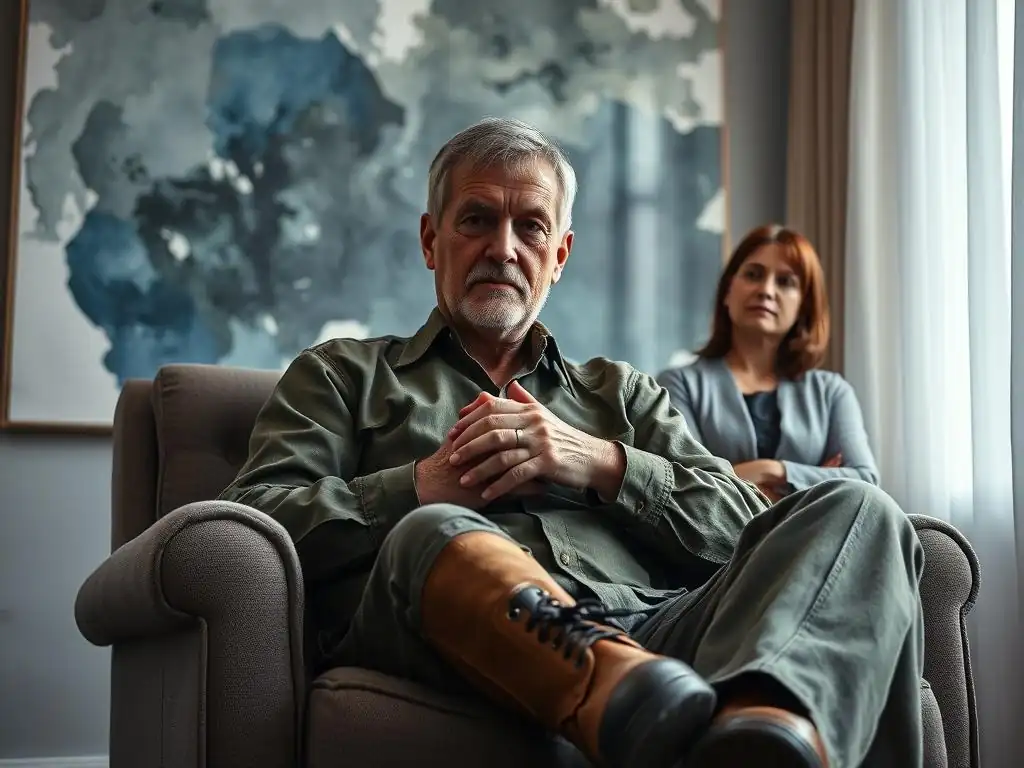
Welcome to Mind Care Guide, a safe space to explore the intricacies of mental well-being. The journey after service can be challenging, and we understand the weight that returning veterans carry. Are you, or someone you know, struggling with the unseen wounds of war? In this article, " The Cost of Courage: Anxiety and Depression in Returning Veterans," we delve into the specifics of returning veteran anxiety depression treatment, offering insights and resources to navigate these difficult times. Let's explore pathways to healing and rediscover hope together.
The Cost of Service: Mental Health Challenges in Post-9/11 Veterans
- Understanding the Mental Health Landscape for Post-9/11 Veterans
- Identifying Mental Health Struggles: Recognizing the Signs and Symptoms
- The Impact of Trauma and Moral Injury on Veteran Well-being
- Evidence-Based Treatment Options for Post-9-11 Veteran Mental Health
- Accessing Resources and Support for Post-9-11 Veterans
- Promoting Resilience and Long-Term Well-being
-
Frequently Asked Questions
- What are the most common mental health challenges faced by returning veterans?
- Why are returning veterans at a higher risk for anxiety and depression?
- What types of treatment are available for returning veterans experiencing anxiety and depression?
- How can I support a returning veteran who may be struggling with their mental health?
- Where can returning veterans find resources and support for anxiety and depression?
- Final Reflection: The Unseen Scars of Service
- Unveil Your Strength: Next Steps for Support and Understanding
Understanding the Mental Health Landscape for Post-9/11 Veterans
Prevalence of PTSD, Anxiety, and Depression Among Post-9/11 Veterans
The transition back to civilian life presents unique challenges for many service members, particularly those who served in combat zones or high-stress environments after September 11, 2001. Research indicates a significant prevalence of mental health conditions such as Post-Traumatic Stress Disorder (PTSD), anxiety disorders, and depression within this population.
While exact numbers vary depending on the study and methodology, estimates often suggest that a substantial percentage of post-9/11 veterans experience one or more of these conditions. For instance, some studies funded by the Department of Veterans Affairs (VA) and Department of Defense (DoD) have found that rates of PTSD among veterans who served in Operations Iraqi Freedom (OIF) and Enduring Freedom (OEF) can range anywhere from 11% to 20% or even higher in certain cohorts, depending on deployment history and combat exposure.
Beyond PTSD, anxiety and depression are also prevalent. Major depressive disorder affects a considerable portion of returning veterans, with estimates sometimes reaching 10% or more. Anxiety disorders, often co-occurring with depression or PTSD, are also common. These conditions can significantly impact a veteran's quality of life, affecting their ability to work, maintain relationships, and reintegrate into civilian society. Addressing returning veteran anxiety depression treatment needs is therefore a critical public health concern. The cumulative effect of these conditions highlights the complex mental health landscape faced by this generation of veterans, underscoring the need for accessible and effective care.
Unique Risk Factors: Deployment Length, Burn Pit Exposure, and Transition Stress
Several factors contribute to the heightened risk of mental health issues among post-9/11 veterans. The nature of modern warfare, characterized by repeated deployments, extended dwell times in combat zones, and exposure to unpredictable threats, significantly increases the likelihood of traumatic experiences. Studies have shown a correlation between the number and length of deployments and the incidence of PTSD and depression. For example, veterans with multiple deployments often report higher rates of mental health struggles compared to those with single or no deployments.
Furthermore, exposure to environmental hazards, such as open burn pits used for waste disposal in operational areas, has emerged as a significant concern. While the primary health focus has been on respiratory and other physical ailments, growing evidence suggests a potential link between burn pit exposure and neurological or psychological impacts, which could exacerbate or contribute to mental health conditions.
The stress of transitioning from a highly structured military environment to civilian life also presents unique challenges. Navigating bureaucracy, finding employment, adapting to a different social structure, and sometimes dealing with physical injuries concurrently create a fertile ground for anxiety, depression, and adjustment disorders, making effective returning veteran anxiety depression treatment crucial during this period.
Identifying Mental Health Struggles: Recognizing the Signs and Symptoms
Common Symptoms of PTSD in Post-9/11 Veterans
Post-Traumatic Stress Disorder manifests differently in individuals, but certain symptom clusters are common among post-9/11 veterans. These include re-experiencing the trauma through intrusive thoughts, nightmares, and flashbacks, which can feel incredibly real and overwhelming. Avoidance behaviors are also typical; veterans might steer clear of places, people, or activities that remind them of the trauma, or try to suppress thoughts and feelings related to the traumatic event. This avoidance can lead to social isolation and difficulty engaging with daily life.
Another key set of symptoms involves negative alterations in cognition and mood. This can include persistent and distorted beliefs about oneself or the world (e.g., "I am bad," "No one can be trusted"), feelings of detachment from others, difficulty experiencing positive emotions, and a diminished interest in previously enjoyed activities. Hyperarousal symptoms are also prominent, such as being easily startled, feeling constantly on guard, difficulty concentrating, irritability, and sleep disturbances. Recognizing these signs is the first step toward seeking appropriate returning veteran anxiety depression treatment.
Recognizing Anxiety and Depression Symptoms in Post-9-11 Veterans
Anxiety and depression in returning veterans often present with overlapping symptoms, but they have distinct core features. Depression is frequently characterized by persistent feelings of sadness, hopelessness, or emptiness. Veterans experiencing depression may lose interest or pleasure in activities they once enjoyed, exhibit changes in appetite or sleep patterns (either too much or too little), feel fatigued or low on energy, and experience difficulty concentrating or making decisions. Thoughts of worthlessness, excessive guilt, and in severe cases, thoughts of death or suicide, are also significant indicators.
Anxiety disorders in veterans can manifest as excessive worry or fear that is difficult to control. This might present as generalized anxiety, panic attacks (sudden episodes of intense fear accompanied by physical symptoms like rapid heartbeat, sweating, or shaking), social anxiety, or specific phobias. Symptoms can include restlessness, feeling keyed up or on edge, being easily fatigued, difficulty concentrating, irritability, muscle tension, and sleep problems. For returning veteran anxiety depression treatment to be effective, a thorough assessment is needed to differentiate between these conditions and any co-occurring issues.
The Complexity of Co-occurring Mental Health Conditions
It is common for post-9/11 veterans to experience more than one mental health condition simultaneously. PTSD frequently co-occurs with depression and anxiety disorders, creating a complex clinical picture. For example, a veteran with PTSD might also develop major depression due to the chronic stress and isolation associated with their trauma symptoms. Similarly, generalized anxiety disorder or panic disorder can develop alongside or as a consequence of PTSD. Substance use disorders also frequently co-occur with these conditions, as some veterans may attempt to self-medicate their symptoms.
This comorbidity adds significant complexity to diagnosis and returning veteran anxiety depression treatment planning. Treating one condition without addressing the others can lead to poorer outcomes and persistent difficulties. For instance, treating depression without acknowledging underlying PTSD triggers might not be fully effective. Therefore, a comprehensive assessment that identifies all present conditions is vital for developing an integrated treatment plan that addresses the veteran's unique combination of challenges, ensuring a more holistic approach to healing.
The Impact of Trauma and Moral Injury on Veteran Well-being

PTSD: A Central Challenge for Post-9/11 Veterans
As previously discussed, PTSD is a significant and often central challenge for many post-9/11 veterans. The intense and prolonged nature of conflicts in Iraq and Afghanistan exposed service members to traumatic events such as combat, witnessing death or injury, experiencing or being threatened with serious injury, and exposure to the aftermath of violence.
These experiences can fundamentally alter brain function and structure, leading to the persistent re-experiencing, avoidance, negative thoughts, and hyperarousal characteristic of PTSD. The chronicity of PTSD symptoms can severely disrupt a veteran's ability to function in civilian life, impacting employment stability, family relationships, and overall quality of life.
The insidious nature of PTSD means symptoms may not manifest immediately upon returning home but can emerge months or even years later. This delayed onset can make it harder for veterans and their families to connect symptoms to military service, potentially delaying the search for appropriate returning veteran anxiety depression treatment. The stigma surrounding mental health also plays a role, often preventing veterans from seeking help until symptoms become debilitating. Effective interventions are available, but reaching veterans and encouraging them to engage in care remains a critical hurdle.
Moral Injury: The Psychological Impact of Wartime Experiences
Beyond the direct threat of physical harm, wartime experiences can inflict psychological wounds known as moral injury. This occurs when a person witnesses, participates in, or fails to prevent acts that transgress their deeply held moral beliefs and expectations. For post-9/11 veterans, this could involve situations like witnessing the death of civilians, being unable to help fellow service members, carrying out orders that conflict with personal values, or experiencing betrayal by leadership or trusted peers. These experiences can lead to profound guilt, shame, anger, and difficulty trusting others or oneself.
Moral injury is distinct from PTSD but often co-occurs with it and contributes significantly to symptoms of depression, anxiety, and suicidal ideation. It strikes at the core of a veteran's identity and sense of purpose, making reintegration particularly difficult. The internal conflict and distress caused by moral injury require specific therapeutic approaches that acknowledge the ethical and spiritual dimensions of the trauma, often going beyond traditional trauma-focused therapies. Addressing moral injury is a vital component of comprehensive returning veteran anxiety depression treatment for those affected.
The Role of Combat and Operational Stress in Mental Health
Combat and operational stress encompass the psychological and physiological reactions to the demanding and dangerous conditions of military service, even in the absence of a single, distinct traumatic event. Prolonged exposure to high-alert states, sleep deprivation, constant threat assessment, separation from support systems, and the cumulative burden of witnessing hardship and loss contribute significantly to mental health challenges. This chronic stress can wear down resilience and increase vulnerability to conditions like anxiety and depression.
While acute stress reactions are normal responses to abnormal circumstances, persistent operational stress can lead to burnout, emotional numbing, and a state of hypervigilance that is difficult to turn off upon returning home. This can manifest as irritability, difficulty relaxing, and strained interpersonal relationships. Understanding the pervasive impact of chronic combat and operational stress is crucial for providing effective support and returning veteran anxiety depression treatment, as it highlights the need for interventions that address the cumulative effects of service, not just specific traumatic incidents.
Evidence-Based Treatment Options for Post-9-11 Veteran Mental Health
Psychotherapy Approaches for PTSD, Anxiety, and Depression
Psychotherapy, or "talk therapy," is a cornerstone of effective returning veteran anxiety depression treatment. Several evidence-based therapeutic approaches have demonstrated efficacy in treating PTSD, anxiety disorders, and depression in the veteran population. The VA health care system, for example, prioritizes therapies with strong research support. The choice of therapy often depends on the primary diagnosis and the individual veteran's preferences and needs.
Cognitive Processing Therapy (CPT) for PTSD
Cognitive Processing Therapy (CPT) is a specific type of cognitive behavioral therapy that has been proven highly effective in treating PTSD. CPT helps individuals understand how the traumatic experience has altered their thoughts and feelings. The therapy involves identifying and challenging unhelpful thoughts (like "It was my fault" or "The world is completely dangerous") that are related to the trauma. By learning to question and modify these thoughts, veterans can change how they feel about the trauma and reduce their PTSD symptoms. CPT typically involves 12 weekly sessions and can be delivered individually or in a group setting.
During CPT, veterans learn skills to evaluate and challenge thoughts that have kept them "stuck" in their recovery. They practice identifying "stuck points" – thoughts that interfere with recovery from trauma. Homework assignments, such as writing about the trauma and analyzing their thoughts about it, are key components. Research consistently shows that CPT significantly reduces PTSD symptoms, depression, and anxiety among veterans, making it a widely recommended returning veteran anxiety depression treatment option.
Prolonged Exposure (PE) Therapy for PTSD
Prolonged Exposure (PE) Therapy is another highly effective, evidence-based treatment for PTSD. PE is a type of cognitive behavioral therapy that helps people gradually approach trauma-related memories, feelings, and situations that they have been avoiding. The goal is to help the veteran process the traumatic experience and reduce distress. PE involves several key components, including breathing retraining, real-world practice approaching feared situations (in vivo exposure), and repeatedly recounting the trauma memory (imaginal exposure).
PE is typically delivered over 8-15 weekly sessions. The core idea is that by confronting feared situations and memories in a safe and controlled environment, the veteran learns that these situations are not actually dangerous or that they can cope with the associated anxiety. This process helps to reduce avoidance behaviors and decrease the intensity of the fear response. Studies have shown that PE leads to significant reductions in PTSD symptoms, depression, and generalized anxiety, making it a vital part of returning veteran anxiety depression treatment strategies.
Acceptance and Commitment Therapy (ACT) for Co-occurring Conditions
Acceptance and Commitment Therapy (ACT) is a form of psychotherapy that can be particularly helpful for veterans dealing with co-occurring conditions like PTSD, depression, and anxiety, or those struggling with chronic pain or substance use alongside mental health issues. ACT focuses on accepting difficult thoughts and feelings rather than trying to eliminate them, while simultaneously committing to actions that align with personal values. It helps veterans build psychological flexibility.
ACT teaches skills such as mindfulness (being present in the moment), defusion (learning to observe thoughts without being controlled by them), acceptance (making space for difficult feelings), self-as-context (viewing oneself as separate from thoughts and feelings), values (identifying what truly matters), and committed action (taking steps towards a meaningful life). For veterans grappling with persistent symptoms that may not fully resolve, ACT offers a framework for living a rich and meaningful life despite internal struggles, complementing other returning veteran anxiety depression treatment approaches.
Medication Management: Balancing Benefits and Risks
Medication can be an important part of returning veteran anxiety depression treatment, particularly for managing severe symptoms or when psychotherapy alone is not sufficient. Medications are often used to target specific symptoms like persistent sadness, excessive worry, or intrusive thoughts and nightmares. It's crucial that medication management is overseen by a qualified mental health professional, often a psychiatrist, who can carefully consider the veteran's overall health, potential side effects, and interactions with other medications.
Finding the right medication and dosage can sometimes take time and require adjustments. Veterans should work closely with their provider, reporting any side effects or concerns. Medication is often most effective when used in conjunction with psychotherapy, creating a comprehensive treatment plan. The goal is typically to reduce symptom severity to a point where the veteran can fully engage in therapy and other recovery-oriented activities.
Selective Serotonin Reuptake Inhibitors (SSRIs) for Depression and Anxiety
Selective Serotonin Reuptake Inhibitors (SSRIs) are a class of antidepressant medications commonly prescribed for depression, anxiety disorders, and PTSD in veterans. Medications like sertraline (Zoloft) and paroxetine (Paxil) are FDA-approved for the treatment of PTSD and are frequently used for depression and anxiety in this population. SSRIs work by increasing the levels of serotonin, a neurotransmitter in the brain that influences mood, sleep, and emotional regulation.
While generally well-tolerated, SSRIs can have side effects such as nausea, sleep disturbances, weight changes, and sexual dysfunction. These side effects are often temporary or manageable. It's important for veterans to take these medications consistently as prescribed, as it may take several weeks to notice significant improvement in symptoms. SSRIs can be a vital component of a returning veteran anxiety depression treatment plan, helping to alleviate the burden of symptoms.
Prazosin for PTSD-Related Nightmares
Prazosin is a medication originally developed to treat high blood pressure, but it has shown effectiveness in reducing severe nightmares and sleep disturbances associated with PTSD. Nightmares are a particularly distressing symptom for many veterans and can significantly impact sleep quality and overall well-being. Prazosin is thought to work by blocking the effects of norepinephrine, a stress hormone, in certain parts of the brain involved in fear memory and sleep.
Prazosin is typically started at a low dose and gradually increased until the desired effect on nightmares is achieved. Common side effects can include dizziness or lightheadedness, particularly when standing up. While not a primary treatment for all PTSD symptoms, Prazosin can be a valuable adjunct therapy for veterans whose most debilitating symptom is chronic, trauma-related nightmares, thereby improving sleep and overall functioning as part of returning veteran anxiety depression treatment.
Complementary and Integrative Health Approaches
In addition to evidence-based psychotherapies and medication, many post-9/11 veterans find benefit from complementary and integrative health (CIH) approaches. These therapies are often used alongside conventional treatments to enhance well-being and address specific symptoms. The VA has increasingly incorporated CIH practices into its offerings, recognizing their potential value in supporting veteran recovery. These approaches can help veterans manage stress, improve emotional regulation, and find new ways to cope with the aftermath of trauma.
CIH therapies offer alternative pathways to healing that may appeal to veterans seeking options beyond traditional talk therapy or medication. They often focus on the mind-body connection and empower veterans with tools they can use independently. While some CIH therapies have more robust research backing than others regarding their impact on specific diagnoses, many veterans report significant subjective benefits in terms of stress reduction, improved mood, and enhanced quality of life.
Equine Therapy for PTSD and Emotional Regulation
Equine therapy, or horse-assisted therapy, is a CIH approach that involves interacting with horses under the guidance of a trained therapist. This therapy can be particularly beneficial for veterans struggling with PTSD, anxiety, and difficulties with emotional regulation and trust. Horses, as prey animals, are highly sensitive to human emotions and body language, providing immediate, non-judgmental feedback. This can help veterans become more aware of their own emotional states and learn to regulate them.
Activities in equine therapy can range from grooming and leading horses to more complex tasks, focusing on building communication, trust, and boundaries. For veterans who may struggle with traditional talk therapy, the non-verbal nature of equine therapy can be less intimidating. The bond formed with a horse can foster feelings of connection and reduce feelings of isolation. Anecdotal evidence and some studies suggest that equine therapy can help reduce symptoms of anxiety, depression, and PTSD, improving communication skills and self-esteem as part of a broader returning veteran anxiety depression treatment plan.
Art Therapy for Trauma Processing
Art therapy provides a creative outlet for veterans to express and process difficult emotions and experiences that may be challenging to articulate verbally. Working with various art materials – such as paint, clay, or collage – can help veterans explore traumatic memories, feelings, and internal conflicts in a symbolic and non-threatening way. A trained art therapist guides the process, helping the veteran gain insight from their creations.
Art therapy can be particularly useful for veterans who have experienced complex trauma or moral injury, offering a different language for expressing the inexpressible. It can help externalize overwhelming feelings, reduce anxiety, improve emotional regulation, and foster a sense of control and agency. The process of creating art itself can be therapeutic, providing a sense of accomplishment and mindfulness. Incorporating art therapy can enrich returning veteran anxiety depression treatment by offering a non-verbal pathway to healing.
Biofeedback for Anxiety Management
Biofeedback is a technique that teaches individuals to control physiological responses, such as heart rate, breathing, and muscle tension, using signals provided by monitoring equipment. For veterans struggling with anxiety and stress-related symptoms, biofeedback can be a powerful tool for learning self-regulation. Sensors are attached to the body, measuring physiological activity, and this information is displayed on a screen (e.g., showing heart rate variability or muscle tension levels).
Through guided exercises, veterans learn to consciously alter these physiological responses, for instance, by practicing deep breathing to slow their heart rate or relaxation techniques to reduce muscle tension. With practice, individuals can learn to control these responses without the equipment. Biofeedback can help veterans gain a sense of control over their physical reactions to stress and anxiety, reduce hyperarousal symptoms associated with PTSD, and improve sleep quality, serving as a valuable skill-building component within returning veteran anxiety depression treatment.
Accessing Resources and Support for Post-9-11 Veterans

The Department of Veterans Affairs (VA) is the largest integrated healthcare system in the United States and a primary provider of mental health care for eligible veterans. The VA offers a wide range of services, including individual and group therapy, medication management, substance use treatment, and specialized programs for PTSD, military sexual trauma (MST), and other conditions. Navigating the VA system can sometimes feel complex, requiring veterans to understand eligibility criteria, enrollment procedures, and how to access specific clinics or programs.
Veterans are encouraged to enroll in the VA healthcare system and contact their local VA Medical Center or Vet Center to inquire about mental health services. Eligibility is generally based on service history, discharge status, and income, though some conditions like MST or combat-related PTSD have specific eligibility pathways regardless of income. Connecting with a VA primary care provider or a mental health intake coordinator is often the first step in accessing assessment and initiating returning veteran anxiety depression treatment.
Community-Based Veteran Organizations: Peer Support and Advocacy
Beyond the VA, a robust network of community-based veteran organizations (VBOs) provides invaluable support, resources, and advocacy. Organizations like the Wounded Warrior Project, Team Rubicon, and smaller local groups offer a variety of programs, including peer support groups, recreational therapy, employment assistance, and family support services. Peer support, connecting with other veterans who have shared experiences, is often cited as a critical factor in recovery and reintegration.
These VBOs can fill gaps in services, provide a sense of community and belonging, and help veterans navigate both VA and civilian resources. They offer environments where veterans feel understood and can share their struggles openly without fear of judgment. Engaging with community-based support can significantly enhance a veteran's well-being and complement formal returning veteran anxiety depression treatment received through the VA or private providers.
Telehealth and Virtual Mental Healthcare Options
Recognizing the challenges of access, particularly for veterans in rural areas or those with mobility issues, the VA and other providers have significantly expanded telehealth and virtual mental healthcare options. Telehealth allows veterans to connect with mental health professionals remotely via secure video conferencing. This can include individual therapy sessions, group therapy, and psychiatric appointments for medication management.
Telehealth services offer convenience, reduce travel time and costs, and can make it easier for veterans to maintain consistent appointments. The VA's VA Video Connect platform is a prime example of this technology in action. These virtual options are becoming increasingly important components of accessible returning veteran anxiety depression treatment, ensuring that veterans can receive care regardless of their location or ability to travel to a clinic.
Understanding VA Benefits and Eligibility for Mental Health Services
Understanding VA benefits is crucial for veterans seeking mental health care. Eligibility for VA healthcare is determined by factors including period of service, type of discharge, and specific health conditions related to service. Veterans who served in a theater of combat operations after November 11, 1998, are generally eligible for enhanced eligibility status for five years after discharge or release, which simplifies access to care, including mental health services.
Service connection for mental health conditions like PTSD, depression, or anxiety can provide long-term access to VA healthcare and potentially disability compensation. Establishing service connection requires demonstrating that the condition is related to military service. Veterans can apply for service connection through the Veterans Benefits Administration (VBA). Navigating the benefits system can be complex, and resources like Veteran Service Officers (VSOs) from organizations like the American Legion or VFW can provide free assistance with claims and understanding eligibility for various aspects of returning veteran anxiety depression treatment and support.
Promoting Resilience and Long-Term Well-being
Developing Healthy Coping Strategies and Self-Care Practices
Building resilience and maintaining long-term well-being requires developing healthy coping strategies and engaging in regular self-care practices. For veterans dealing with the aftermath of service, finding effective ways to manage stress, anxiety, and depressive symptoms is essential. Healthy coping mechanisms might include regular physical exercise, which is proven to reduce symptoms of depression and anxiety, or engaging in mindfulness and meditation practices to help manage intrusive thoughts and emotional reactivity.
Other beneficial strategies include maintaining a regular sleep schedule, eating a balanced diet, and avoiding excessive alcohol or substance use, which can exacerbate mental health issues. Identifying hobbies and activities that provide pleasure and a sense of purpose is also vital. Self-care isn't selfish; it's a necessary component of recovery and involves consciously taking steps to attend to one's physical, emotional, and mental health needs. Integrating these practices supports the effectiveness of returning veteran anxiety depression treatment.
Social isolation is a significant risk factor for worsening mental health. Building and maintaining strong social connections and support networks are crucial for veteran well-being. This can involve reconnecting with family and friends, participating in community activities, joining veteran support groups (either formal peer support or informal gatherings), or volunteering. Feeling connected to others who understand or are supportive can provide emotional resilience and practical assistance during challenging times.
For many veterans, the camaraderie and bonds formed during military service are deeply missed in civilian life. Finding new avenues for connection that offer similar levels of trust and shared experience can be incredibly beneficial. Support networks provide a buffer against stress and a source of encouragement during recovery. Engaging in activities with others reduces feelings of loneliness and can provide opportunities to practice social skills that may have atrophied due to trauma or isolation.
Strategies for Successful Transition and Civilian Reintegration
Successful transition from military to civilian life is a complex process that impacts mental health. Strategies that support this transition include proactive planning before separation, utilizing available transition assistance programs (like the VA's Transition Assistance Program - TAP), and seeking mentorship from veterans who have successfully reintegrated. Focusing on establishing a new routine, setting realistic goals, and finding meaningful employment or educational pursuits can provide structure and purpose.
Addressing financial stability, housing, and healthcare needs early in the transition process can also alleviate significant sources of stress and anxiety. For veterans receiving returning veteran anxiety depression treatment, maintaining consistency in care during the transition is paramount. This might involve coordinating care between military providers and VA or civilian providers. A smooth transition lays a foundation for long-term stability and well-being.
Supporting Veterans: Resources for Families and Friends
The impact of military service and subsequent mental health challenges extends to the veteran's family and friends. Supporting veterans effectively requires understanding their experiences and challenges. Resources are available for family members, including VA caregiver support programs, family therapy options, and educational programs about military culture and veteran mental health. Organizations like the National Alliance on Mental Illness (NAMI) also offer programs specifically for families supporting loved ones with mental illness.
Families and friends play a vital role in encouraging veterans to seek help, providing emotional support, and recognizing signs of distress. Educating oneself about conditions like PTSD, anxiety, and depression can help loved ones respond with empathy and patience. Creating a supportive home environment and participating in family counseling when appropriate can strengthen relationships and contribute significantly to the veteran's recovery journey and the overall success of returning veteran anxiety depression treatment.
Frequently Asked Questions
What are the most common mental health challenges faced by returning veterans?
Many returning veterans struggle with anxiety, depression, and PTSD as a result of their experiences during service. These conditions can significantly impact their quality of life and ability to readjust to civilian life.
Why are returning veterans at a higher risk for anxiety and depression?
Exposure to traumatic events, the stress of combat, and difficulty reintegrating into civilian society all contribute to the increased risk of anxiety and depression in returning veterans. The transition can be incredibly challenging.
What types of treatment are available for returning veterans experiencing anxiety and depression?
Treatment options include therapy (such as Cognitive Behavioral Therapy or CBT), medication, and support groups. The VA offers a range of services tailored to the specific needs of veterans.
How can I support a returning veteran who may be struggling with their mental health?
Encourage them to seek help, listen without judgment, and offer practical support. Be patient and understanding, as the recovery process can be long and challenging.
Where can returning veterans find resources and support for anxiety and depression?
The Department of Veterans Affairs (VA) is the primary resource, offering mental health services, counseling, and support groups. Mind Care Guide also provides information and resources.
Final Reflection: The Unseen Scars of Service
The pervasive struggles of returning veterans with anxiety and depression are not merely statistics; they represent a profound societal debt. These brave individuals, who have sacrificed so much for their country, often return home facing invisible wounds that require immediate and ongoing support. The lack of readily available and accessible treatment continues to be a critical failure in our collective responsibility to care for those who have served.
The impact of untreated anxiety and depression among veterans extends far beyond the individual, rippling outwards to affect families, communities, and the national psyche. The stigma surrounding mental health, coupled with a lack of understanding about the unique challenges faced by returning veterans, creates a formidable barrier to seeking help. The most common way people give up their power is by thinking they don't have any.
– Alice Walker. This quote highlights the crucial need to empower veterans to believe in their right to healing and to access the support they deserve. We must actively dismantle the barriers that prevent them from seeking the help they need.
You, the reader, have now journeyed with us through the complexities of this issue. Consider the stories shared, the statistics presented, and the urgent call for action. What steps can you take to support veterans in your life? Perhaps it's a simple act of listening, offering understanding, or sharing resources. Perhaps it's advocating for improved mental health services within your community. The journey to healing begins with awareness, empathy, and a commitment to creating a society that truly values and supports its veterans. Let's ensure that courage is not met with silence, but with the unwavering support they deserve.
Unveil Your Strength: Next Steps for Support and Understanding
Thanks for taking the time to explore the often-overlooked challenges faced by returning veterans. We hope this article provided valuable insights into the complexities of anxiety and depression within this community. Now, let's turn that understanding into action.
- Prioritize self-care: Schedule a check-in with your doctor or mental health professional. Openly discussing your experiences is a crucial step towards healing and finding effective support.
- Connect with fellow veterans: Reach out to a veteran's support group or online community. Sharing your story and listening to others can provide invaluable comfort and connection. Consider volunteering at a local veteran's organization—it's a powerful way to give back and find purpose.
- Learn more about available resources: Explore reputable online resources dedicated to veteran mental health. Understanding the available support networks can empower you to seek help when needed.
What specific step will you take today to prioritize your well-being and support fellow veterans?