
What's Your Stress Signature? Finding Answers in Your HRV


Welcome to Mind Care Guide.
Are you feeling overwhelmed, struggling to understand the unique way stress impacts you? It's time to uncover your personal stress signature. In this article, we delve into heart rate variability stress patterns, exploring how wearable technology can help you identify and manage the subtle cues your body is sending. What if the key to unlocking a calmer, more resilient you lies within the data your own body generates? Let's explore how.
What's Your Stress Signature? Finding Answers in Your HRV
- Understanding Your Unique Stress Profile Through Heart Rate Variability
- The Problem: Chronic Stress and Its Hidden Signals in HRV
- Solutions: Using HRV Data to Manage Your Stress
- Real-Life Examples: HRV Success Stories
- Conclusion: Empowering Your Well-being with HRV Insights
-
Frequently Asked Questions
- What exactly is Heart Rate Variability (HRV) and how does it relate to stress?
- How can analyzing my HRV reveal my personal "stress signature"?
- What are some common HRV stress patterns that might indicate underlying issues?
- What tools or methods can I use to monitor my HRV and track my stress levels?
- If I identify unhealthy HRV stress patterns, what steps can I take to improve my mental well-being?
- Final Reflection: Unveiling the Power of Your Heart's Rhythm
- Unlock Your Inner Calm: Take Control of Your Stress
Understanding Your Unique Stress Profile Through Heart Rate Variability
Decoding Your HRV: Identifying Heart Rate Variability Stress Patterns
Heart rate variability (HRV) is a powerful, non-invasive measure that reflects the balance of your autonomic nervous system, the part of your nervous system that controls involuntary bodily functions like heart rate, digestion, and breathing. Unlike simply measuring your heart rate, which tells you how many times your heart beats per minute, HRV looks at the variation in the time interval between each heartbeat. A higher HRV generally indicates a more resilient system, capable of adapting well to stress and recovering effectively.
Conversely, lower HRV is often associated with chronic stress, overtraining, or poor recovery. Understanding your specific heart rate variability stress patterns is key to unlocking insights into your body's internal state.
Analyzing your HRV over time allows you to see trends and identify distinct heart rate variability stress patterns that correlate with different stressors in your life. For instance, a sudden, significant drop in your morning HRV compared to your baseline might signal that your body is under acute stress, perhaps due to poor sleep, illness, or a demanding event the previous day. Consistent low HRV, even without acute stressors, could point to chronic stress or insufficient recovery.
Recognizing these patterns, such as a pattern of consistently lower HRV on weekdays versus weekends, or a dip following specific activities, provides objective data about how different aspects of your life are impacting your physiological stress response. This goes beyond subjective feelings and offers a quantifiable look at your body's resilience.

Recognizing the Signs: How Stress Impacts Your Heart Rate Variability
Chronic stress has a profound impact on the body, often manifesting in subtle ways before physical symptoms become apparent. One of the earliest indicators of prolonged stress can be observed in your heart rate variability. When you are under stress, your sympathetic nervous system ("fight or flight") becomes more active, while your parasympathetic nervous system ("rest and digest") is suppressed.
This imbalance leads to less variation in the time between heartbeats, resulting in lower HRV. Over time, if this state persists due to chronic stress, your baseline HRV can decrease significantly, indicating a reduced capacity for your body to adapt and recover.
This physiological shift can occur even when you might feel you are coping well emotionally. For example, someone experiencing chronic job pressure might maintain a seemingly calm demeanor, but their HRV data could show a consistent decline over several months, perhaps dropping from an average RMSSD (a common HRV metric) of 60ms to 40ms.
This change signifies that their body is in a persistent state of low-grade stress response, potentially increasing their risk for various health issues down the line, including cardiovascular problems and weakened immune function. Monitoring HRV provides an early warning system, highlighting the hidden toll that stress is taking on your physiology before it escalates into more serious health concerns.
Common HRV Stress Patterns and Their Underlying Causes
Several common heart rate variability stress patterns emerge when tracking data over time. One frequently observed pattern is a gradual decline in baseline HRV over weeks or months, often accompanied by a sustained elevated resting heart rate. This pattern is highly indicative of chronic stress, possibly stemming from ongoing work demands, relationship difficulties, or financial worries. It suggests the body is struggling to return to a state of rest and recovery.
Another common pattern involves acute, short-term drops in HRV. For example, an individual might see their morning HRV plummet the day after insufficient sleep (e.g., dropping from a typical 55ms RMSSD to 35ms) or following a particularly intense workout without adequate recovery. Similarly, periods of illness, even a common cold, can cause a temporary but significant dip in HRV, often by 20-30% below baseline.
Identifying these distinct heart rate variability stress patterns helps individuals connect specific lifestyle factors or events to their physiological state, making it easier to pinpoint the root causes of stress and poor recovery. Understanding whether your pattern is chronic or acute guides the type of intervention needed.
Solutions: Using HRV Data to Manage Your Stress
Step 1: Accurate HRV Tracking with Wearable Technology
The first crucial step in leveraging HRV for stress management is consistent and accurate data collection. This is typically achieved through wearable technology designed to measure HRV, such as chest straps or optical sensors found in smartwatches and rings.
Devices like the Oura Ring, Whoop strap, or certain Garmin and Apple Watch models (when paired with specific apps) can provide reliable HRV readings, often taken automatically during sleep or at a consistent time each morning. The key is to use a device known for accuracy and to follow best practices for measurement, such as taking readings at the same time under similar conditions daily to establish a stable baseline.
Consistency in tracking is paramount. Daily measurements build a comprehensive picture of your physiological state over time, allowing you to see trends and fluctuations that a single reading cannot provide. Most wearable platforms offer accompanying apps that not only collect the data but also process it, often providing metrics like RMSSD, SDNN, and daily scores or readiness indicators.
While the technology does the heavy lifting of data collection, understanding what these numbers represent and how they relate to your lifestyle is where the real power lies. Aim for at least two weeks of consistent data collection to establish your initial baseline before attempting to interpret patterns.
Step 2: Interpreting Your HRV Data and Identifying Stress Triggers
Once you have collected sufficient HRV data, the next step is interpretation. Most wearable device apps simplify this by providing daily readiness scores or recovery insights, but delving deeper into the raw data or specific metrics like RMSSD can offer more nuanced understanding. Look for deviations from your personal baseline. A significantly lower-than-usual HRV reading suggests your body is under physiological stress or hasn't fully recovered. Conversely, HRV at or above your baseline indicates good recovery and readiness.
The critical part of interpretation is correlating your HRV data with your daily activities, sleep quality, diet, exercise, and emotional state. Did your HRV drop after a particularly stressful day at work? Did it improve after a relaxing weekend or a good night's sleep?
Keeping a journal alongside your HRV tracking can be incredibly helpful in identifying specific stress triggers and recovery strategies that impact your heart rate variability stress patterns. Over time, you'll start to see clear connections, such as consistently low HRV following late-night meals or alcohol consumption, or improved HRV after incorporating regular mindfulness practices. This personalized insight is far more valuable than comparing your HRV to population averages, as individual baselines vary widely.
Step 3: Implementing Stress Reduction Techniques Based on Your HRV Stress Patterns
Armed with the knowledge of your personal heart rate variability stress patterns and triggers, you can now implement targeted stress reduction techniques. If your data shows chronic low HRV, indicating persistent stress, focus on foundational lifestyle changes. This might involve prioritizing sleep (aiming for 7-9 hours nightly), adopting a balanced diet, incorporating regular moderate exercise, and establishing a consistent routine. Techniques known to activate the parasympathetic nervous system, such as deep diaphragmatic breathing exercises (even for just 5-10 minutes daily), meditation, and gentle yoga, can be particularly effective in improving HRV over time.
For individuals whose HRV shows acute drops following specific events, the strategy might involve better preparation or recovery. If public speaking consistently lowers your HRV for a day or two, incorporating relaxation techniques like progressive muscle relaxation beforehand might help. If intense workouts cause significant dips, ensuring adequate post-exercise recovery, hydration, and nutrition is crucial.
By understanding when and why your HRV is affected, you can choose the most appropriate and effective stress management strategies, moving from generic advice to a highly personalized approach based on your body's unique signals. Consistently applying these techniques and monitoring their impact on your HRV provides continuous feedback, allowing you to refine your approach.
Real-Life Examples: HRV Success Stories
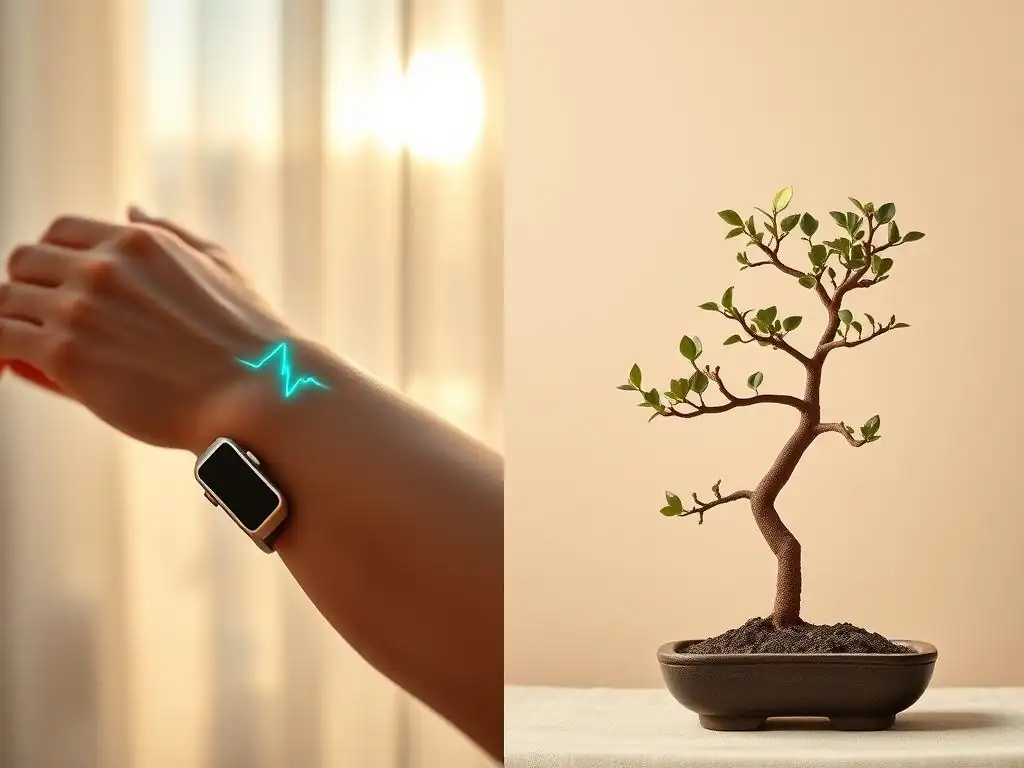
Sarah, a 38-year-old marketing manager, felt constantly overwhelmed but attributed it simply to a busy job. She started using a wearable ring to track her sleep and activity, which also provided daily HRV readings. Initially, her average morning RMSSD was around 45ms, within a somewhat stressed range for her age.
She noticed a consistent pattern: her HRV would drop significantly (often to below 35ms) during weeks with tight deadlines or challenging client meetings, and would only slightly recover on weekends if she completely disconnected. This clear heart rate variability stress pattern revealed the profound physiological toll her work was taking.
Recognizing this pattern motivated Sarah to make changes. She began scheduling short (5-minute) breathing breaks using a guided app during her workday, particularly before stressful meetings. She also committed to a strict digital detox after 8 PM and ensured she got at least 7.5 hours of sleep.
Over three months, her average morning RMSSD gradually increased to 55ms, and the acute dips during stressful work weeks became less severe and recovered faster. While her job was still demanding, her body's resilience, as measured by HRV, improved significantly, demonstrating how identifying specific heart rate variability stress patterns through tracking can lead to effective, targeted interventions.
Case Study 2: Wearable Technology and Anxiety Management: A Personal Journey
David, a 25-year-old student, struggled with generalized anxiety. He often felt on edge, but it was difficult to pinpoint what made it worse. He started tracking his HRV with a chest strap and a smartphone app, recording his daily feelings and activities. His initial HRV was quite variable but often lower than average for his age group, sometimes dropping into the 20ms RMSSD range during periods of high academic pressure. He observed a recurring heart rate variability stress pattern: his HRV was consistently lower on days following social events where he felt particularly anxious, and also before major exams.
This data helped David see a clear physiological link to his anxiety. Instead of just feeling anxious, he had objective data showing his body was in a stressed state during specific situations. He worked with a therapist and began implementing techniques specifically when his HRV indicated heightened stress, such as grounding exercises before social gatherings and mindfulness meditation during study breaks.
He also used his HRV data to ensure he wasn't overdoing caffeine, which he noticed consistently lowered his HRV. Over six months, his baseline HRV slowly increased, and the severity of the dips related to anxiety-provoking events lessened. While managing anxiety is ongoing, using HRV to identify and respond to his specific heart rate variability stress patterns provided a tangible tool for greater self-awareness and improved coping.
Conclusion: Empowering Your Well-being with HRV Insights
Taking Control of Your Stress with Personalized HRV Analysis
Understanding your unique heart rate variability stress patterns offers a powerful pathway to taking control of your well-being. By moving beyond subjective feelings and utilizing objective data from HRV tracking, you gain unprecedented insight into how different aspects of your life – from work and relationships to sleep and exercise – are genuinely impacting your physiological stress levels and recovery capacity. This personalized information allows you to identify your specific stressors and, crucially, observe the effectiveness of various stress management techniques in real-time.
The journey of deciphering your heart rate variability stress patterns is one of continuous learning and self-discovery. It empowers you to make informed decisions about your lifestyle, prioritize recovery when your body needs it most, and implement targeted strategies that resonate with your unique physiology. Whether you're aiming to mitigate the effects of chronic stress, improve performance, or simply build greater resilience, leveraging HRV data transforms stress management from a one-size-fits-all approach into a precise, data-driven practice tailored specifically to you, fostering a deeper connection with your body and supporting long-term mental and physical health.
Frequently Asked Questions
What exactly is Heart Rate Variability (HRV) and how does it relate to stress?
HRV measures the variations in time intervals between heartbeats. Lower HRV is often associated with increased stress and reduced adaptability, while higher HRV reflects better resilience.
How can analyzing my HRV reveal my personal "stress signature"?
Different stressors elicit unique HRV patterns. By tracking and analyzing your HRV data, you can identify specific triggers and understand how your body reacts to various stressors.
What are some common HRV stress patterns that might indicate underlying issues?
Sustained low HRV might indicate chronic stress or burnout, while erratic HRV could point to acute anxiety. Analyzing the frequency domain of HRV provides insights into the balance between sympathetic and parasympathetic nervous system activity.
What tools or methods can I use to monitor my HRV and track my stress levels?
Wearable devices like smartwatches and chest straps can continuously monitor your HRV. Apps often provide data visualization and analysis, helping you identify trends and patterns related to stress.
If I identify unhealthy HRV stress patterns, what steps can I take to improve my mental well-being?
Lifestyle changes such as regular exercise, mindfulness practices, and improved sleep hygiene can positively impact HRV. Seeking professional help from a therapist or counselor can also provide personalized strategies for stress management.
Final Reflection: Unveiling the Power of Your Heart's Rhythm
Understanding your heart rate variability (HRV) isn't just a trendy wellness practice; it's a vital key to unlocking a healthier, more resilient you. Ignoring the subtle signals your body sends through your HRV is akin to ignoring the warning lights on your car dashboard – eventually, the consequences can be significant. By learning to interpret your stress signature, you gain agency over your well-being, empowering you to proactively manage stress and prevent burnout.
The exploration of HRV and its connection to stress patterns has profoundly impacted my understanding of holistic health. It's no longer enough to simply address the symptoms of stress; we must delve deeper, understanding the physiological mechanisms at play. This journey of self-discovery, fueled by the data provided by HRV monitoring, has been incredibly enlightening. The body keeps the score,
as Bessel van der Kolk so eloquently puts it, and our HRV provides a crucial window into that score, allowing us to address the root causes of stress and build lasting resilience.
Now, it's your turn. Take a moment to reflect on your own stress patterns. Are you consistently operating in a state of high sympathetic nervous system activation? What steps can you take to cultivate more parasympathetic dominance, fostering a state of calm and balance? Consider incorporating HRV monitoring into your self-care routine, using the insights gained to make informed choices about your lifestyle, relationships, and overall well-being. The journey to a healthier, more resilient you begins with listening to the wisdom of your own heart.
Unlock Your Inner Calm: Take Control of Your Stress
Thanks for diving into the world of Heart Rate Variability (HRV) and discovering your unique stress signature! Understanding your body's signals is the first step towards lasting well-being. Now, let's put this knowledge into action.
- Start tracking your HRV daily: This is the key to understanding your stress response and making positive changes. Even a few minutes a day can make a big difference.
- Explore simple breathing exercises: These can help regulate your HRV and reduce stress levels throughout the day. Experiment to find what works best for you!
- Share your insights with others: Inspire your friends and family to explore HRV and join you on this journey to better stress management. Let's build a community of well-being together!
Ready to begin your personalized journey towards a calmer, healthier you? What small step will you take today to improve your HRV and manage your stress more effectively?