
The Doomscrolling Dilemma: How Constant Negative News Feeds Affect Anxiety


Welcome to Mind Care Guide, a sanctuary for your mental well-being.
Are you feeling overwhelmed by the constant stream of negative news? You're not alone. Many of us find ourselves trapped in a cycle of scrolling, fueling anxiety without realizing it. This article, "The Doomscrolling Dilemma," dives deep into the impact of constant negative news feeds and, more importantly, offers practical doomscrolling anxiety relief strategies to help you break free and reclaim your peace of mind. Curious how to quiet the noise? Let's explore together.
The Doomscrolling Dilemma: How Constant Negative News Feeds Affect Anxiety
- Understanding Doomscrolling and Its Link to Anxiety
- The Impact of Doomscrolling on Mental Health
- Recognizing the Signs of Problematic Doomscrolling
- Doomscrolling Anxiety Relief Strategies: Practical Techniques
- Building Healthy Digital Habits for Mental Well-being
- Long-Term Strategies for Managing Anxiety in the Digital Age
- Finding Balance: Navigating the News While Protecting Your Mental Health
-
Frequently Asked Questions
- How does doomscrolling specifically contribute to anxiety?
- What are some immediate steps I can take to stop doomscrolling?
- What are some long-term strategies for reducing doomscrolling anxiety?
- Are there specific types of content that are more likely to trigger doomscrolling-related anxiety?
- When should I seek professional help for anxiety related to doomscrolling?
- Final Reflection: Breaking Free from the Scroll
- Unleash Your Inner Calm: Reclaim Your News Feed
Understanding Doomscrolling and Its Link to Anxiety
What is Doomscrolling? Defining the Habit
Doomscrolling refers to the act of continuously scrolling through negative news or social media feeds, often late into the night. It's a compulsive behavior where individuals seek out distressing or alarming information, even when it causes them emotional pain or distress. This habit became particularly prevalent during global crises, such as the early days of the COVID-19 pandemic or periods of significant political unrest, as people felt compelled to stay constantly updated on rapidly evolving, often negative, events.
The core of doomscrolling lies in an overwhelming urge to know "what's happening," coupled with the endless nature of online feeds. Unlike traditional news consumption which had clear endpoints (like the end of a newspaper or broadcast), digital platforms offer an infinite stream of content. This makes it easy to fall into a loop, spending hours consuming distressing information without realizing the significant toll it takes on one's mental state.
The Psychology Behind Doomscrolling: Why We Can't Look Away
Several psychological factors contribute to the compulsion to doomscroll. One primary driver is a phenomenon known as the "negativity bias," our brain's tendency to pay more attention to, and give more weight to, negative experiences and information than positive ones. From an evolutionary perspective, this bias was beneficial for survival, alerting us to potential threats. In the digital age, however, it makes us disproportionately drawn to alarming headlines and distressing stories.
Another factor is the feeling of needing to be informed or prepared. During uncertain times, seeking information can feel like a way to gain control or anticipate potential dangers. However, with doomscrolling, this search for information becomes excessive and counterproductive, leading to information overload rather than clarity. The variable reward system used by social media platforms also plays a role; occasionally finding a piece of 'useful' or particularly striking information reinforces the behavior, making it harder to stop.
The Connection Between News Consumption and Anxiety Levels
Extensive research highlights a clear link between excessive news consumption, especially of negative content, and increased anxiety. Studies conducted during periods of widespread crisis, like the pandemic, showed a significant correlation between the amount of time spent consuming news and reported levels of stress and anxiety. For example, a study published in Health Communication in 2020 found that greater media exposure to COVID-19 was associated with higher levels of stress, anxiety, and depression among adults in the United States.
Furthermore, the type of news consumed matters. Constant exposure to graphic images, alarming statistics, and sensationalized headlines can activate our body's stress response system, triggering the release of cortisol and adrenaline. This prolonged state of physiological arousal, driven by the news cycle, contributes significantly to chronic anxiety and can make it difficult to relax or feel safe, even when there is no immediate threat present.
The Impact of Doomscrolling on Mental Health
How Negative News Feeds Trigger Anxiety and Stress
Negative news feeds act as potent triggers for anxiety and stress by constantly exposing us to perceived threats and distressing realities. The brain struggles to differentiate between a threat experienced directly and one learned about through media. Consequently, hearing about a distant tragedy or crisis can elicit a similar physiological and emotional response as if we were directly involved. This constant state of alert, fueled by a relentless stream of negative information, keeps the nervous system activated.
This continuous activation prevents the "rest and digest" parasympathetic nervous system from engaging, leading to chronic stress. Symptoms can include persistent worry, feelings of being overwhelmed, irritability, and even physical manifestations like muscle tension or headaches. Unlike dealing with a single stressful event, the unending nature of online news means the trigger is always present, making it incredibly challenging for the body and mind to recover and find a state of calm.
Doomscrolling's Effects on Sleep Patterns and Overall Well-being
Doomscrolling, particularly before bed, significantly disrupts sleep patterns. The blue light emitted by screens interferes with melatonin production, the hormone that regulates sleep. More importantly, the anxiety and stress triggered by negative news make it difficult to quiet the mind and fall asleep. Racing thoughts about crises, potential dangers, or overwhelming problems keep individuals awake, leading to sleep deprivation.
Lack of quality sleep has cascading negative effects on overall well-being. It impairs cognitive functions like concentration and decision-making, weakens the immune system, and exacerbates existing mental health conditions like anxiety and depression. A consistent pattern of doomscrolling before sleep creates a vicious cycle: anxiety leads to doomscrolling, which disrupts sleep, and poor sleep worsens anxiety and overall mental resilience.
The Cycle of Doom: Doomscrolling and Increased Feelings of Helplessness
Doomscrolling can trap individuals in a cycle that fosters feelings of helplessness and hopelessness. While the initial motivation might be to stay informed or feel prepared, the sheer volume and often insurmountable nature of global problems presented in the news can lead to a profound sense of powerlessness. When faced with a constant stream of crises – climate change, political turmoil, pandemics, economic instability – that feel beyond one's control, it's easy to become overwhelmed.
This feeling of helplessness is a significant contributor to anxiety and can even lead to symptoms of depression. Instead of feeling empowered by knowledge, individuals feel burdened and unable to make a meaningful difference. This emotional toll can decrease motivation, reduce engagement in positive activities, and further entrench the habit of doomscrolling as a passive, albeit harmful, coping mechanism, reinforcing the 'cycle of doom'.
Recognizing the Signs of Problematic Doomscrolling

Identifying Doomscrolling Behaviors: Are You Spending Too Much Time Online?
Recognizing problematic doomscrolling involves honest self-assessment of your online habits, particularly concerning news and social media. Key indicators include spending significantly more time than intended consuming news or scrolling through feeds, often for hours at a time, especially outside of work or essential tasks. Do you find yourself picking up your phone immediately upon waking or just before going to sleep to check news updates? That's a potential sign.
Another behavioral sign is the compulsion to check feeds even when you know it will make you feel worse. You might experience a strong urge to know "what's happening now," even if the last hour of scrolling left you feeling anxious or depressed. This compulsive loop, where the behavior continues despite negative consequences, is a hallmark of problematic doomscrolling. Observing when and how often you engage in this behavior is crucial.
Physical and Emotional Symptoms Associated with Excessive News Consumption
Excessive news consumption, particularly doomscrolling, manifests in both emotional and physical symptoms. Emotionally, common signs include increased feelings of anxiety, worry, fear, sadness, irritability, and hopelessness after engaging with negative news. You might feel overwhelmed, emotionally drained, or constantly on edge. These feelings often linger long after you've put the device down.
Physically, the constant stress response triggered by doomscrolling can lead to symptoms like muscle tension (especially in the neck and shoulders), headaches, fatigue, difficulty concentrating, increased heart rate, and digestive issues. As mentioned earlier, sleep disturbances are also a significant physical symptom. If you notice these physical or emotional changes correlating with periods of heavy news consumption, it's a strong indicator that doomscrolling is negatively impacting your health.
Assessing Your Own Doomscrolling Habits: A Self-Assessment Guide
To assess your own doomscrolling habits, consider asking yourself a series of questions. Be honest in your responses.
- How much time do I estimate I spend scrolling through news or social media feeds daily?
- Do I feel compelled to check for updates even when I don't explicitly need to?
- Does consuming news or social media make me feel more anxious, stressed, or sad?
- Have I tried to cut back on news consumption but found it difficult?
- Does doomscrolling interfere with my sleep, work, relationships, or other activities?
- Do I experience physical symptoms like headaches or fatigue after extended scrolling sessions?
Consider using a simple task list to track your behavior for a few days:
- [ ] Track time spent scrolling news/social media each day.
- [ ] Note feelings before and after scrolling.
- [ ] Identify triggers for starting a scrolling session.
- [ ] Record any physical symptoms noticed.
Reflecting on these questions and observations can provide valuable insight into the extent of your doomscrolling and the need for Doomscrolling anxiety relief strategies.
Doomscrolling Anxiety Relief Strategies: Practical Techniques
Breaking the Cycle: Effective Strategies to Stop Doomscrolling
Implementing effective Doomscrolling anxiety relief strategies starts with conscious effort to break the cycle. One key strategy is scheduling specific, limited times for news consumption. Instead of checking feeds throughout the day, designate 15-20 minutes in the morning and perhaps another brief period in the evening. Outside of these times, avoid news sites and social media apps. This structure helps regain control over when and how you consume information.
Another practical technique is turning off notifications from news apps and social media. Constant pings and alerts are designed to pull you back in, reinforcing the compulsive checking behavior. By disabling these notifications, you remove many of the immediate triggers that lead to unplanned scrolling sessions. Replacing the habit with a positive alternative, such as reading a book, listening to music, or doing a quick chore, can also help disrupt the pattern when the urge to scroll arises.
Mindfulness and Meditation for Reducing Anxiety Caused by News Overload
Mindfulness and meditation are powerful Doomscrolling anxiety relief strategies that help manage the stress and anxiety induced by news overload. Mindfulness involves paying attention to the present moment without judgment. When the urge to doomscroll arises, or after you've consumed distressing news, mindfulness techniques can help you become aware of the physical sensations and emotions you're experiencing without getting swept away by them. Simply noticing the feeling of anxiety in your chest or the urge to check your phone can create a space to choose a different action.
Regular meditation practice, even just 5-10 minutes daily, can significantly reduce overall anxiety levels and improve your ability to cope with stressful information. Meditation helps train your mind to focus and to let go of intrusive thoughts, including worries stemming from the news. By cultivating a sense of inner calm and emotional resilience through these practices, you become less susceptible to the anxiety-inducing effects of negative news feeds and better equipped to implement Doomscrolling anxiety relief strategies.
Limiting News Intake: Setting Healthy Boundaries for Online Consumption
Setting healthy boundaries for online consumption is a fundamental part of Doomscrolling anxiety relief strategies. This involves being deliberate about the amount and type of news you consume. Beyond scheduling news time, consider limiting the number of sources you follow, sticking to reputable outlets rather than sensationalist or highly partisan ones. Unfollowing accounts or muting keywords on social media that consistently post distressing content can significantly reduce exposure to triggers.
Think of your online time as a limited resource, similar to your daily calorie intake. You wouldn't consume unlimited junk food, and similarly, unlimited negative information is detrimental to your mental health. Setting a timer when you consume news or social media can be an effective boundary tool. When the timer goes off, stop. These conscious limitations are vital Doomscrolling anxiety relief strategies that empower you to curate a healthier digital environment.
Building Healthy Digital Habits for Mental Well-being
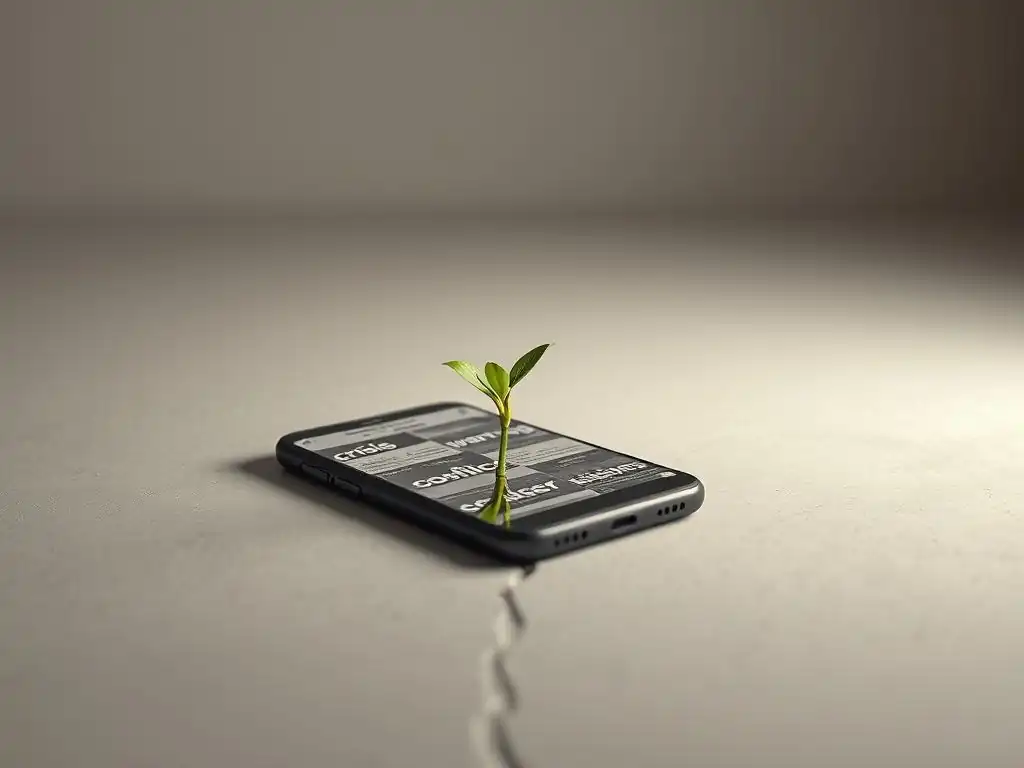
Curating Your Feed: Following Positive and Uplifting Content
A crucial aspect of building healthy digital habits and finding effective Doomscrolling anxiety relief strategies is intentionally curating your online feeds. Instead of passively consuming whatever algorithm or connection serves up, actively seek out and follow accounts that share positive, uplifting, inspiring, or educational content. This could include nature photography accounts, educational pages, humorous content, or profiles dedicated to positive news stories.
The goal isn't to ignore reality entirely, but to balance the negative with positive input. By diversifying the content you see, you reduce the overall proportion of distressing information in your feed. This deliberate curation helps shift your digital environment from a source of anxiety to one that can occasionally provide moments of joy, inspiration, or learning, contributing significantly to mental well-being and reinforcing Doomscrolling anxiety relief strategies.
Engaging in Offline Activities: Reconnecting with the Real World
Counterbalancing online time with meaningful offline activities is essential for mental health and serves as a powerful Doomscrolling anxiety relief strategy. Engaging with the real world provides grounding and perspective that the digital realm often lacks. This could involve spending time in nature, exercising, pursuing hobbies, spending quality time with friends and family (in person or via voice/video calls that aren't endlessly scrolling), or volunteering.
These activities provide a much-needed break from screens and the constant influx of information. They activate different parts of the brain, reduce stress hormones, and foster genuine connections and experiences that contribute to a sense of purpose and well-being. Making a conscious effort to allocate time for offline pursuits helps diminish the reliance on digital devices for stimulation or information, weakening the hold of doomscrolling.
Seeking Support: Connecting with Others and Building a Strong Support System
Building and utilizing a strong support system is a vital Doomscrolling anxiety relief strategy. Talking about your feelings and experiences with trusted friends, family members, or support groups can provide perspective and emotional release. Sharing your struggles with doomscrolling or the anxiety it causes can make you feel less alone and offer practical tips from others facing similar challenges.
Connecting with others also provides a healthy alternative to seeking comfort or stimulation solely from online sources. Real-life interactions offer empathy, understanding, and shared experiences that digital feeds cannot replicate. If doomscrolling is significantly impacting your relationships or social life, consciously prioritizing time with your support network is an important step towards reclaiming your mental health and implementing effective Doomscrolling anxiety relief strategies.
Long-Term Strategies for Managing Anxiety in the Digital Age
Developing Coping Mechanisms for Dealing with Negative News
Developing robust coping mechanisms is crucial for long-term management of anxiety in the digital age, especially when faced with negative news. One effective mechanism is practicing emotional detachment from news stories; acknowledging the information without becoming completely absorbed by the emotional weight of it. This doesn't mean becoming indifferent, but rather learning to process information factually and then consciously choosing to limit how much it impacts your emotional state.
Another strategy is focusing on actionable steps where possible. If a news story highlights a problem, consider if there are concrete, local actions you can take, such as donating to a relevant charity, volunteering, or participating in community efforts. Focusing on tangible actions, however small, can counteract feelings of helplessness. When no direct action is possible, practicing acceptance that some things are beyond your control is a difficult but necessary coping mechanism. These are essential Doomscrolling anxiety relief strategies for sustained well-being.
Prioritizing Mental Health: Making Self-Care a Daily Practice
Prioritizing mental health through consistent self-care is perhaps the most important long-term Doomscrolling anxiety relief strategy. Self-care isn't a luxury; it's a necessity, especially in a world saturated with potential stressors. This involves consciously dedicating time each day to activities that nourish your mind and body. Examples include getting sufficient sleep (aiming for 7-9 hours), maintaining a balanced diet, engaging in regular physical activity, and practicing relaxation techniques like deep breathing or yoga.
Self-care also means setting boundaries, both online and offline. It involves learning to say no to commitments that overextend you and allowing yourself time for rest and rejuvenation. By making self-care a non-negotiable part of your daily routine, you build resilience against the negative impacts of doomscrolling and other digital stressors, creating a stronger foundation for your mental well-being.
While many Doomscrolling anxiety relief strategies can be implemented independently, it's important to recognize when the impact on your mental health warrants professional help. If doomscrolling and the resulting anxiety are significantly interfering with your daily life – affecting your work, relationships, sleep, or ability to function – it's time to consult a mental health professional. Persistent feelings of hopelessness, panic attacks, or overwhelming worry that you cannot manage are also indicators that professional support is needed.
Therapists can provide tailored strategies for managing anxiety, address underlying issues that might contribute to compulsive behaviors like doomscrolling, and help you develop healthier coping mechanisms. Cognitive Behavioral Therapy (CBT), for example, is often effective in helping individuals identify and change problematic thought patterns and behaviors related to anxiety and media consumption. Don't hesitate to reach out; seeking help is a sign of strength and a crucial step in overcoming the negative effects of doomscrolling.
Tips for Staying Informed Without Overwhelming Yourself
Staying informed is important for civic engagement and personal safety, but it doesn't require constant exposure to negative news. To stay informed without overwhelming yourself, apply the Doomscrolling anxiety relief strategies discussed earlier: set strict time limits for news consumption (e.g., 15 minutes once or twice a day), choose reliable news sources known for factual reporting rather than sensationalism, and vary your sources to get different perspectives without getting bogged down in endless details.
Consider getting news digests or summaries instead of constantly checking live feeds. Many reputable news organizations offer daily or weekly newsletters that provide a concise overview of major events. Prioritize headlines and summaries, and only delve deeper into stories that are directly relevant or actionable for you. Remember, your mental health is more important than being instantly aware of every single negative event happening globally.
Promoting a Healthy Relationship with Technology: A Mind Care Guide Perspective
From a Mind Care Guide perspective, promoting a healthy relationship with technology is fundamental to mental well-being in the digital age. This means viewing technology as a tool to be used intentionally, rather than a master to be served compulsively. It involves being mindful of why you are using your devices and how that usage makes you feel. Is it for connection, learning, or creativity, or is it driven by anxiety, boredom, or compulsion?
Developing a healthy relationship requires setting boundaries, being present in offline interactions, and critically evaluating the impact technology has on your mood and behavior. It's about finding a balance where technology enhances your life without dominating it or undermining your mental peace. Implementing Doomscrolling anxiety relief strategies is a key part of this process, helping you regain control over your digital habits.
Reclaiming Your Mental Well-being: Overcoming the Doomscrolling Dilemma
Reclaiming your mental well-being from the clutches of the doomscrolling dilemma is an ongoing process that requires patience and persistence. It involves recognizing the problem, understanding its roots, and actively implementing Doomscrolling anxiety relief strategies. It's about making conscious choices daily to prioritize your peace of mind over the compulsion to consume endless negative information.
This journey includes setting boundaries, practicing mindfulness, engaging in real-world activities, seeking support when needed, and being compassionate with yourself when you slip up. By taking deliberate steps to manage your news consumption and cultivate healthier digital habits, you can significantly reduce anxiety, improve your sleep, and foster a greater sense of control and well-being in your life. Overcoming doomscrolling is not just about stopping a habit; it's about actively choosing a path towards a calmer, more balanced state of mind.
Frequently Asked Questions
How does doomscrolling specifically contribute to anxiety?
Doomscrolling exposes individuals to a relentless stream of negative news, triggering the fight-or-flight response and leading to heightened anxiety levels. The constant barrage overwhelms coping mechanisms.
What are some immediate steps I can take to stop doomscrolling?
A simple strategy is to set time limits for social media use. You can also consciously choose to engage in activities that distract you from your phone.
What are some long-term strategies for reducing doomscrolling anxiety?
Consider a digital detox to reduce overall exposure. Cultivate mindfulness techniques to be more aware of your scrolling habits and emotional responses.
Content related to catastrophic events, political unrest, or personal threats are highly triggering. Be mindful of algorithms that amplify negative content.
If anxiety significantly impacts your daily life, relationships, or ability to function, consult a mental health professional. They can provide personalized strategies and support.
Final Reflection: Breaking Free from the Scroll
The relentless cycle of negative news, amplified by our always-on digital world, is not just a modern inconvenience; it's a significant contributor to widespread anxiety. The sheer volume of distressing information readily available at our fingertips has created a pervasive sense of unease, impacting our mental well-being in profound ways. This isn't about ignoring the world's problems, but about reclaiming our mental health from the grip of constant negativity.
The pervasive influence of doomscrolling on our collective psyche is undeniable. It has reshaped how we consume information, fostering a climate of fear and uncertainty that permeates our daily lives. The problem isn't that we're bombarded with information; it's that we're bombarded with information that's designed to keep us in a state of perpetual anxiety.
This quote perfectly encapsulates the insidious nature of the doomscrolling dilemma, highlighting how algorithms and news cycles often prioritize engagement over well-being. We've become unwitting participants in a system that profits from our anxieties.
You now possess the knowledge and strategies to break free from this cycle. Consider your own relationship with news consumption. Are you consciously choosing your sources? Are you setting boundaries around your screen time? Take control of your digital diet. Prioritize your mental health by actively seeking out positive and uplifting content, practicing mindfulness, and engaging in activities that bring you joy and peace. The path to a calmer, more balanced life begins with a conscious decision to curate your digital experience, one scroll at a time.
Unleash Your Inner Calm: Reclaim Your News Feed
Thanks for taking the time to explore the impact of doomscrolling on your anxiety with us! We hope you gained valuable insights into managing your news consumption for a healthier mental state.
Now it's time to put that knowledge into action. Here's how you can start reclaiming your peace of mind:
- Prioritize positive news sources: Actively seek out and subscribe to news outlets and social media accounts known for balanced and uplifting content. This simple shift can make a big difference.
- Schedule dedicated news time: Instead of passively scrolling throughout the day, set aside specific times to check the news. This creates boundaries and prevents constant exposure.
- Share your experience: Discuss what you've learned with friends and family – you might be surprised at how many others are struggling with the same issue and can benefit from your insights.
Ready to break free from the doomscroll? What's one small change you can implement today to cultivate a more positive and less anxiety-inducing news experience?