
Why Trauma Manifests Differently in Everyone


Welcome to Mind Care Guide, a sanctuary for your mental well-being.
Have you ever wondered why trauma affects each of us so uniquely? It's a question that resonates deeply, and understanding how trauma manifests differently individually is the first step towards healing. Explore this complex landscape with us, and discover insights that can empower you on your journey towards resilience. What hidden factors influence your experience? Let's unravel them together...
Why Trauma Manifests Differently: A Guide to Individual Responses
- Introduction: Understanding the Varied Nature of Trauma Response
- Core Factors Influencing Trauma Manifestation
- Common Manifestations of Trauma: Examples
- The Importance of Individualized Treatment
- Conclusion: Embracing the Unique Healing Journey
-
Frequently Asked Questions
- What does it mean that "Trauma manifests differently individually"?
- What are some factors that might influence how trauma manifests?
- Can someone experience trauma without showing obvious symptoms?
- Why is it important to understand that trauma manifests differently?
- Where can I find resources and support if I'm struggling with trauma?
- Final Reflection: The Unique Landscape of Trauma
- Unlock Your Understanding of Trauma's Impact
Introduction: Understanding the Varied Nature of Trauma Response
Experiencing trauma can profoundly impact an individual's life, yet the way this impact unfolds varies dramatically from person to person. It's a common misconception that everyone who experiences a similar event will react in the same way or develop the same symptoms. The reality is far more complex; how trauma manifests differently individually is a deeply personal and multifaceted process. Understanding this variation is crucial for providing effective support and treatment, recognizing that there is no single blueprint for trauma recovery.
This article delves into the core reasons behind these differences, exploring the intricate interplay of personal history, biological factors, environmental influences, and coping mechanisms. By examining how trauma manifests differently individually, we can gain a more empathetic perspective and appreciate the unique journey each survivor undertakes. We will explore the factors that contribute to the diverse spectrum of reactions and manifestations, from emotional and physical symptoms to behavioral and cognitive changes, highlighting why a one-size-fits-all approach to healing is often ineffective.
Trauma's Impact: Recognizing Individualized Experiences
Trauma is defined as an experience that threatens one's safety or well-being, causing significant distress and potentially long-lasting effects. However, the subjective experience of trauma is paramount. What one person perceives as traumatic, another might process differently based on their unique context and vulnerabilities. This inherent subjectivity is the first layer in understanding why trauma manifests differently individually. The same event – a car accident, a natural disaster, or interpersonal violence – can lead one person to develop Post-Traumatic Stress Disorder (PTSD), while another might experience temporary distress or different psychological challenges.
Recognizing these individualized experiences is vital for mental health professionals, caregivers, and the broader community. It moves away from judgment or comparison ("Why aren't they over it yet?") towards compassion and tailored support. The specific symptoms, their intensity, and their duration are highly variable. Some individuals might primarily experience emotional numbness and dissociation, while others are plagued by flashbacks and hypervigilance. This diversity in presentation underscores the fact that how trauma manifests differently individually is the norm, not the exception.
Why is Trauma Response So Varied? Exploring Influential Factors
The varied response to trauma isn't random; it's the result of a complex interaction between the traumatic event itself and the individual's pre-existing characteristics and circumstances. Think of it as a unique equation for each person, where the variables include genetics, past experiences (including previous trauma), personality traits, physical health, and the quality of their support network. These factors don't just influence whether someone is affected by trauma, but how they are affected, shaping the specific ways trauma manifests differently individually.
Exploring these influential factors allows us to move beyond simply labeling symptoms and towards understanding their roots. For example, someone with a history of anxiety might experience heightened panic responses after trauma, while someone with strong family connections might find resilience through support. This intricate web of influences explains why two people can go through similar events and have vastly different outcomes, reinforcing the understanding that how trauma manifests differently individually is a product of unique personal landscapes meeting challenging external events.
Core Factors Influencing Trauma Manifestation
1. The Traumatic Event: Characteristics and Context
The nature and context of the traumatic event itself play a significant role in how trauma manifests differently individually. Factors such as the type of trauma (e.g., natural disaster vs. interpersonal violence), its duration (single incident vs. chronic), the age at which it occurred, and whether it involved betrayal or violation of trust can all shape the subsequent response.
For instance, trauma inflicted by a trusted caregiver often has profound and complex effects compared to a random, impersonal event. The perceived level of threat, the feeling of helplessness, and whether one was physically injured or witnessed injury to others are all critical aspects of the event's characteristics that influence its impact.
The immediate aftermath and context surrounding the event are also crucial. Was there safety and support available immediately after the trauma, or did the threat and instability continue? Was the event acknowledged and validated by others, or was it minimized or denied? Events occurring in childhood, especially within the family system, can disrupt development and lead to pervasive issues later in life. Understanding these nuances of the traumatic event's characteristics and context is fundamental to grasping why trauma manifests differently individually, as the same 'type' of event can have countless variations in its lived reality.
Single-Incident Trauma vs. Complex Trauma: Differing Impacts
Single-incident trauma refers to a discrete event, such as a car accident, a natural disaster, or a one-time assault. While deeply distressing, the impact is often focused on processing that specific event. Complex trauma, on the other hand, results from repeated or prolonged exposure to traumatic events, often within a specific relationship or context, such as ongoing child abuse, domestic violence, or chronic neglect. The way trauma manifests differently individually is significantly shaped by this distinction. Single-incident trauma might lead to classic PTSD symptoms like flashbacks and avoidance related to that event.
Complex trauma, however, often leads to more pervasive and complex challenges beyond typical PTSD. Individuals might struggle with emotional regulation, identity issues, relationship difficulties, dissociation, and a distorted self-perception. A study involving adults with a history of child abuse found that approximately 50-70% reported struggling with emotional dysregulation in adulthood, a symptom less commonly the primary issue in single-incident trauma survivors. This highlights how the chronicity and relational nature of complex trauma fundamentally alter how trauma manifests differently individually, leading to a broader spectrum of symptoms and challenges.
Impact of Developmental Trauma vs. Adult Trauma
The age at which trauma occurs has a profound impact on how it manifests. Developmental trauma, experienced during critical periods of brain development in infancy, childhood, or adolescence, can disrupt the formation of neural pathways, attachment styles, and the developing sense of self.
Trauma during these formative years can literally wire the brain differently, affecting stress response systems, emotional regulation abilities, and cognitive functioning long-term. For example, early trauma is associated with a higher likelihood of developing mood disorders, anxiety disorders, and personality disorders later in life; studies suggest that individuals with a history of childhood trauma are roughly 2-4 times more likely to be diagnosed with depression or anxiety in adulthood compared to those without such history.
Trauma experienced in adulthood, while devastating, often occurs after the core structures of personality and brain development are more established. Adults typically have more developed coping mechanisms, a stronger sense of identity, and potentially more robust support networks than children.
Therefore, while adult trauma can certainly lead to significant distress and disorders like PTSD, the way it manifests differently individually might involve more focused symptom clusters related to the specific event, rather than the pervasive developmental disruptions seen in early trauma survivors. The impact of trauma is not static; it changes depending on the developmental stage at which the individual encounters it.
2. Pre-Existing Mental and Physical Health Conditions
An individual's mental and physical health status prior to experiencing trauma is a critical factor influencing how trauma manifests differently individually. Someone already managing anxiety, depression, or a chronic illness may have diminished resources – both psychological and physiological – to cope with a traumatic event. Pre-existing mental health conditions can lower the threshold for developing trauma-related disorders or exacerbate symptoms. For instance, individuals with a history of depression might experience more intense feelings of hopelessness and despair following trauma, while those with panic disorder might see an increase in the frequency and severity of panic attacks.
Similarly, underlying physical health conditions can impact trauma response. Chronic pain, autoimmune disorders, or cardiovascular issues can be worsened by the physiological stress response triggered by trauma. Furthermore, individuals dealing with significant physical health challenges may have fewer emotional reserves or physical capacity to engage in recovery activities. The presence of these pre-existing conditions doesn't cause the trauma response, but they significantly shape its trajectory and severity, illustrating another key reason why trauma manifests differently individually.
Influence of Anxiety and Depression on Trauma Manifestation
Individuals with pre-existing anxiety disorders or depression are at a higher risk of developing PTSD or other trauma-related conditions after a traumatic event. This increased vulnerability is partly due to altered brain chemistry and stress response systems already in place. Someone with generalized anxiety disorder, for example, may already have a sensitized amygdala (the brain region involved in fear response), making them more prone to hypervigilance and exaggerated startle responses after trauma. Research indicates that having a pre-trauma anxiety disorder can increase the likelihood of developing PTSD by approximately 30-50%.
Similarly, pre-existing depression can affect trauma manifestation by impacting motivation, energy levels, and emotional processing. Individuals with depression may struggle more with the emotional burden of trauma, experiencing deeper despair or anhedonia (inability to feel pleasure). They might also be less likely to seek support or engage in therapeutic activities crucial for recovery. The interplay between existing mood disorders and trauma highlights how individual psychological profiles significantly determine how trauma manifests differently individually.
Impact of Chronic Illness on Trauma Processing
Living with a chronic illness presents ongoing physical and psychological challenges that can impact how a person processes trauma. Chronic pain, fatigue, and the stress of managing a long-term health condition can deplete an individual's coping resources, making them more vulnerable to the effects of trauma. The constant physiological stress associated with chronic illness can also prime the body's stress response system, potentially leading to more intense or prolonged physical manifestations of trauma.
Furthermore, a chronic illness can sometimes be the context for the trauma, such as traumatic medical procedures or hospitalizations. In these cases, the lines between physical illness and trauma response can blur, leading to complex symptoms. Individuals with chronic fatigue syndrome or fibromyalgia, for example, may see a significant exacerbation of their physical symptoms after trauma, illustrating how the body's pre-trauma state influences how trauma manifests differently individually, often integrating physical and psychological distress.
3. Biological and Genetic Predisposition
Beyond pre-existing conditions, our biological makeup, including our genetic inheritance, plays a role in our vulnerability to trauma and how it manifests. While no single 'trauma gene' exists, variations in certain genes can influence the function of neurotransmitters and stress hormones, affecting how our brains and bodies respond to stress and threat. For example, variations in genes related to the serotonin system or the hypothalamic-pituitary-adrenal (HPA) axis (our primary stress response system) have been linked to increased susceptibility to PTSD and depression following trauma.
Studies, including those on twins, suggest that genetic factors may account for approximately 30-40% of the variance in susceptibility to developing PTSD after trauma. This doesn't mean destiny is predetermined, but rather that some individuals may have a biological predisposition that makes them more reactive to stress or less efficient at recovering from it. This biological blueprint contributes significantly to why trauma manifests differently individually, influencing everything from the intensity of the initial fear response to the likelihood of developing chronic symptoms.
Genetic Factors in Trauma Vulnerability
Specific gene variations have been studied for their potential link to trauma vulnerability. For instance, research on the FKBP5 gene, which is involved in regulating the stress hormone cortisol, has shown that certain variants are associated with increased sensitivity to stress and a higher risk of developing PTSD, particularly in individuals exposed to childhood trauma. People with these specific variants might have an HPA axis that remains hyperactive after a traumatic event, leading to prolonged feelings of stress and hyperarousal.
Other genes involved in neurotransmitter systems, like those affecting serotonin or dopamine, have also been implicated. Variations in these genes can influence mood regulation, anxiety levels, and the brain's reward system, all of which can impact how someone processes and recovers from trauma. While genetics don't provide a complete picture, understanding these potential biological predispositions helps explain some of the inherent differences in how trauma manifests differently individually at a fundamental level.
Neurobiological Responses to Trauma: Brain Activity and Hormones
Trauma triggers a cascade of neurobiological changes in the brain and body. The amygdala becomes hyperactive, leading to heightened fear and anxiety responses. The prefrontal cortex, responsible for rational thought and emotional regulation, can become less active, making it difficult to process the traumatic experience logically or control emotional reactions. The hippocampus, involved in memory formation, can shrink or become dysfunctional, contributing to difficulties in sequencing memories and potentially leading to flashbacks or dissociative symptoms.
Hormonally, the stress response involves the release of cortisol and adrenaline. In healthy recovery, these levels return to normal. However, in individuals who develop chronic trauma responses, the HPA axis can become dysregulated, leading to either persistently high cortisol levels (associated with anxiety, sleep problems) or unusually low levels (sometimes seen in complex trauma, linked to fatigue and dissociation). These distinct patterns of brain activity and hormonal regulation are key biological mechanisms that explain why trauma manifests differently individually, creating varied patterns of psychological and physical symptoms.
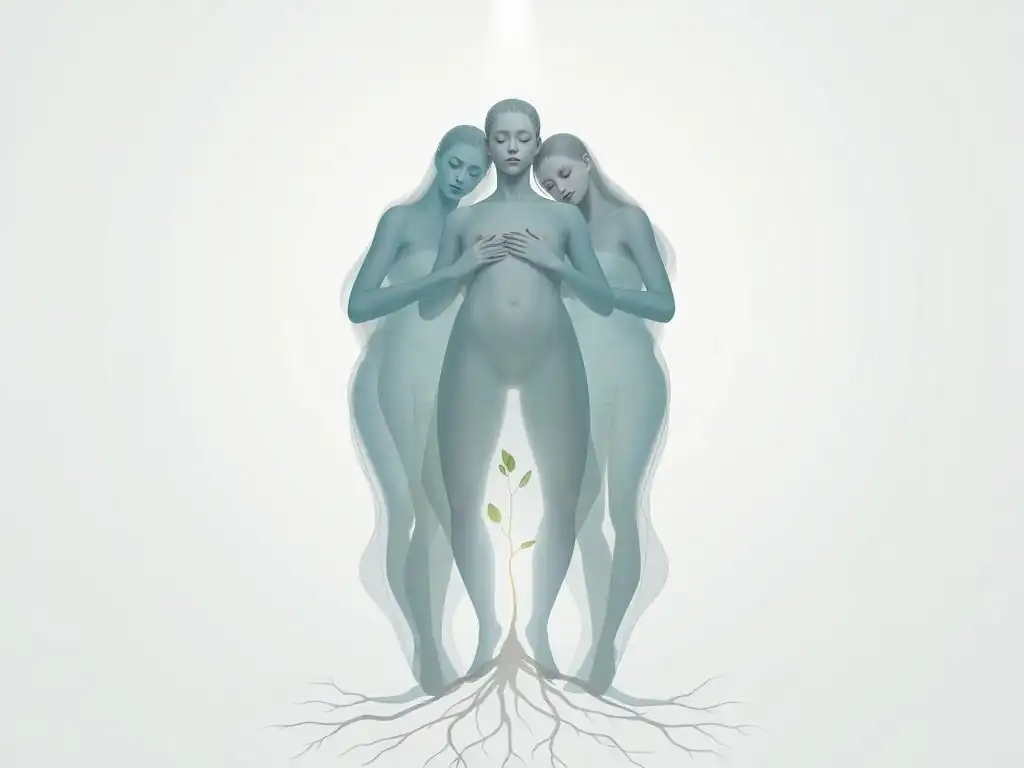
The quality and availability of social support are among the most significant protective factors influencing trauma recovery and how trauma manifests differently individually. Having supportive family, friends, or community connections can provide a buffer against the overwhelming feelings associated with trauma. Support can take many forms: emotional validation, practical assistance, a sense of belonging, and encouragement to seek help. Individuals with strong, reliable support networks tend to have better outcomes, experiencing fewer and less severe trauma symptoms.
Conversely, isolation and lack of support significantly increase vulnerability to chronic trauma responses. Feeling alone or misunderstood can exacerbate feelings of fear, shame, and hopelessness, making it harder to process the trauma and rebuild a sense of safety. The presence or absence of supportive relationships is a powerful external factor that dramatically shapes how trauma manifests differently individually, influencing resilience and the capacity for healing.
The Role of Social Support in Recovery
Social support acts as a vital resource pool for trauma survivors. Confiding in a trusted friend or family member can provide validation and reduce the burden of carrying the trauma alone. Practical support, such as help with daily tasks disrupted by trauma symptoms, can reduce stress and allow the individual to focus on healing.
Studies consistently show that perceived social support is strongly correlated with reduced PTSD symptom severity and improved long-term recovery outcomes. For example, one meta-analysis found that individuals with high levels of social support were approximately 25% less likely to develop chronic PTSD compared to those with low support.
Support groups, whether formal or informal, can also be incredibly beneficial, providing a sense of community and shared understanding among people who have had similar experiences. Knowing that you are not alone in your struggles can be profoundly healing. The positive impact of social connection underscores how external factors, particularly the strength of one's relationships, play a crucial role in determining how trauma manifests differently individually and the path towards recovery.
Impact of Isolation on Trauma Manifestation
Isolation is a significant risk factor that can worsen trauma symptoms and impede recovery. When individuals feel disconnected from others, they lack the emotional buffer and practical assistance that support systems provide. Isolation can lead to increased feelings of fear, hypervigilance (feeling unsafe alone), and a deepening sense of shame or worthlessness. It can also make it harder for individuals to regulate their emotions, as they lack the co-regulation that healthy relationships can offer.
Furthermore, social withdrawal is a common behavioral manifestation of trauma, creating a vicious cycle where trauma leads to isolation, which in turn exacerbates trauma symptoms. This can make it harder to reach out for help, even when needed. The profound negative impact of isolation highlights how the social environment is not just a backdrop but an active participant in shaping how trauma manifests differently individually, often intensifying distress when support is absent.
5. Coping Mechanisms and Resilience
The strategies an individual uses to cope with stress and difficult emotions, as well as their inherent resilience, significantly influence how trauma manifests differently individually. Coping mechanisms can be adaptive (healthy and helpful) or maladaptive (unhealthy and potentially harmful). Adaptive strategies include seeking support, engaging in mindfulness or relaxation techniques, exercising, journaling, or pursuing hobbies. These strategies help individuals process their emotions, manage stress, and maintain a sense of well-being despite the trauma.
Resilience, often described as the ability to bounce back from adversity, is not a fixed trait but a dynamic process influenced by genetics, environment, and learned behaviors. Individuals with higher levels of resilience may be better equipped to navigate the challenges of trauma and experience less severe or shorter-lived symptoms. The interplay between coping strategies, resilience, and the traumatic event is a key determinant of the specific ways trauma manifests differently individually and the trajectory of recovery.
Adaptive vs. Maladaptive Coping Strategies: Effects on Recovery
Adaptive coping strategies promote healing and positive adjustment. For example, someone who practices mindful breathing when experiencing anxiety related to a trauma trigger is using an adaptive strategy to regulate their nervous system. Engaging in regular exercise can help reduce stress hormones and improve mood. Seeking therapy is another crucial adaptive strategy. Individuals who consistently use adaptive coping methods generally experience better mental health outcomes and are more likely to recover from trauma effectively.
Maladaptive coping strategies, such as substance use, avoidance, self-harm, or aggression, may provide temporary relief but ultimately hinder long-term healing and can exacerbate trauma symptoms. For instance, using alcohol to numb emotional pain prevents processing the trauma and can lead to addiction. Avoiding reminders of the trauma might reduce immediate distress but maintains the power of the trauma over the individual and prevents integration of the experience. The choice and pattern of coping strategies profoundly influence how trauma manifests differently individually, often determining whether symptoms become chronic or resolve over time.
Fostering Resilience: Improving Outcomes After Trauma
While resilience is partly influenced by factors outside our control, it can also be actively fostered and strengthened. Building resilience involves developing a positive self-view, cultivating strong relationships, setting realistic goals, practicing self-care, and finding meaning in life. Learning effective problem-solving skills and developing emotional regulation techniques are also key components.
For trauma survivors, fostering resilience can involve actively engaging in therapy that teaches coping skills, building a supportive network, and finding ways to re-establish a sense of safety and control. Even small steps, like re-engaging in a neglected hobby or setting a small, achievable goal, can help rebuild a sense of agency. Focusing on building resilience acknowledges that while trauma manifests differently individually, there are universal strategies that can empower individuals to navigate their unique healing journey more effectively.
Common Manifestations of Trauma: Examples
Understanding the factors that influence trauma response helps explain why trauma manifests differently individually. Now, let's explore some common ways this variation presents itself across different domains of functioning. It's important to remember that individuals may experience a combination of these manifestations, and their intensity and specific presentation will vary widely. These examples illustrate the diverse landscape of trauma's impact.
Emotional Manifestations: A Range of Reactions
Emotional responses to trauma are incredibly varied and often fluctuate over time. While some individuals might experience intense and overwhelming emotions like fear, panic, or rage, others might feel emotionally numb or detached. The specific emotions, their triggers, and their intensity are highly personal. One person might become extremely irritable and quick to anger, while another might struggle with pervasive sadness and hopelessness. This spectrum of emotional responses is a clear illustration of how trauma manifests differently individually.
Emotional manifestations can also include difficulty experiencing positive emotions, feelings of shame or guilt even when not responsible for the trauma, and significant mood swings. The ability (or inability) to regulate these intense emotions is a core challenge for many survivors and directly reflects the unique ways their nervous system and emotional processing have been impacted by the trauma.
Anxiety, Fear, and Panic
Anxiety, fear, and panic are very common emotional responses to trauma, but they manifest differently individually in their severity, triggers, and specific presentation. Some individuals might develop generalized anxiety that pervades all areas of their life, while others experience panic attacks specifically triggered by reminders of the trauma. Hypervigilance, a state of heightened alertness and scanning the environment for danger, is a manifestation of persistent fear that can range from mild unease to debilitating paranoia.
For someone whose trauma involved a car accident, anxiety might manifest as intense fear of driving or riding in cars. For someone who experienced interpersonal violence, anxiety might be triggered by specific sounds, smells, or interactions with certain types of people. The specific content of the fear and the situations that evoke it are highly tailored to the individual's traumatic experience, demonstrating how trauma manifests differently individually even within the broad category of anxiety.
Impact on Emotional Regulation: Identifying Challenges
Difficulty regulating emotions is a hallmark of trauma, particularly complex trauma, but the specific challenges manifest differently individually. Some individuals might struggle with emotional hyper-regulation, where they suppress or shut down their emotions to avoid feeling overwhelmed, leading to emotional numbness or dissociation. Others might experience emotional dysregulation, characterized by intense, rapidly shifting moods, difficulty calming down once upset, and impulsive reactions driven by strong emotions.
For example, one survivor might react to minor stress with explosive anger, while another might collapse into intense despair or withdraw completely. The specific emotions that are difficult to regulate (anger, sadness, fear, shame) and the intensity of the struggle vary greatly. Identifying these specific emotional regulation challenges is crucial for tailored therapeutic interventions, as it highlights the unique ways trauma manifests differently individually in the emotional realm.
Physical Manifestations: The Body's Response
Trauma is not just a psychological phenomenon; it is deeply embodied. The stress and fear experienced during trauma can lead to lasting physiological changes, and these physical manifestations also vary significantly. The body's stress response system can remain on high alert, leading to chronic muscle tension, headaches, digestive issues, or fatigue. Some individuals develop somatic symptoms that seem unrelated to any physical cause but are directly linked to unresolved trauma.
Chronic pain is a common physical manifestation, with studies showing that trauma survivors, particularly those with a history of abuse, are significantly more likely to experience conditions like fibromyalgia, chronic back pain, or irritable bowel syndrome. The specific location and nature of physical symptoms demonstrate how trauma manifests differently individually, often reflecting where and how the body held the tension, fear, or overwhelm of the traumatic experience.
Somatic Symptoms: Understanding the Body-Mind Connection
Somatic symptoms linked to trauma are physical sensations or ailments that don't have a clear medical explanation but are connected to psychological distress. These can include chronic headaches, stomach pain, nausea, dizziness, or generalized aches. The body remembers the trauma, and for some individuals, physical symptoms become the primary way the unresolved stress and emotion are expressed. This highlights the powerful body-mind connection in trauma response.
For instance, someone who experienced trauma involving a threat to their physical safety might develop chronic muscle tension or pain in areas that felt vulnerable during the event. Someone who experienced trauma involving powerlessness might develop digestive issues or a feeling of a lump in their throat. These specific somatic complaints are highly individualized, demonstrating how trauma manifests differently individually through physical pathways, often when emotional expression is blocked or overwhelmed.
Physical Health Challenges: Links to Trauma
Beyond specific somatic symptoms, trauma is associated with an increased risk of developing a range of chronic physical health conditions over the lifespan. This includes cardiovascular disease, autoimmune disorders, chronic respiratory problems, and metabolic syndromes. The chronic activation of the stress response system (HPA axis and sympathetic nervous system) due to unresolved trauma contributes to systemic inflammation and wear-and-tear on the body, increasing susceptibility to illness.
Research on the Adverse Childhood Experiences (ACEs) study, for example, has shown a strong dose-response relationship between the number of traumatic experiences in childhood and the risk of developing serious health problems in adulthood. Individuals with high ACE scores are significantly more likely to suffer from heart disease, cancer, and other chronic illnesses. This long-term impact on physical health is a critical, often overlooked, aspect of how trauma manifests differently individually, extending far beyond psychological symptoms.
Behavioral Manifestations: Changes in Actions and Habits
Trauma can significantly alter an individual's behavior, leading to changes in habits, routines, and interactions with the world. These behavioral manifestations are often attempts, conscious or unconscious, to cope with the distress caused by trauma, regain a sense of control, or avoid triggers. Common behavioral changes include avoidance of people, places, or situations related to the trauma, social withdrawal, increased risk-taking behaviors, or changes in sleep and eating patterns.
The specific behaviors adopted vary widely depending on the individual, the nature of the trauma, and their existing coping repertoire. One person might become hyper-vigilant and constantly scan for danger, while another might become withdrawn and isolated. These distinct behavioral patterns are clear indicators of how trauma manifests differently individually, reflecting the unique ways survivors try to navigate a world that suddenly feels unsafe.
Substance Use and Addictive Behaviors
Substance use and addictive behaviors are common maladaptive coping mechanisms developed in response to trauma. Alcohol, drugs, or compulsive behaviors like gambling or overeating can be used to numb emotional pain, escape intrusive thoughts or memories, or regulate intense emotions. Trauma survivors are significantly more likely to struggle with addiction; studies suggest that up to 70% of individuals seeking treatment for substance use disorders have a history of trauma.
The specific substance or behavior, the pattern of use, and the severity of the addiction vary greatly. For some, it might be occasional use to cope with specific triggers, while for others, it becomes a pervasive and life-controlling addiction. The link between trauma and addiction is a powerful example of how trauma manifests differently individually, often driving specific self-destructive behaviors as a desperate attempt to find relief.
Avoidance and Social Withdrawal
Avoidance is a core symptom of PTSD and a common behavioral manifestation of trauma. This can involve actively avoiding places, people, activities, or conversations that serve as reminders of the trauma. Avoidance can provide temporary relief from distress but prevents processing the trauma and limits life experiences. Social withdrawal is a related behavior, where individuals isolate themselves from friends, family, and social activities.
This withdrawal can stem from difficulty trusting others, feeling misunderstood, shame, or simply a lack of energy or motivation due to trauma symptoms. The extent of avoidance and social withdrawal can range from mild reluctance to engage in certain activities to complete social isolation. How these behaviors manifest differs individually based on the nature of the trauma (e.g., interpersonal vs. natural disaster trauma) and the individual's personality and pre-trauma social patterns.
Cognitive Manifestations: Impact on Thinking and Memory
Trauma can significantly impact cognitive functioning, affecting thinking patterns, memory, concentration, and perception. These cognitive manifestations often contribute to the feeling that one's mind is no longer working correctly or that the world has changed fundamentally. Common cognitive changes include difficulty concentrating, impaired memory (especially regarding the trauma itself or daily life), negative thoughts about oneself, others, or the world, and distorted beliefs about safety or control.
The specific cognitive difficulties and beliefs vary widely. One person might struggle primarily with intrusive thoughts and flashbacks, while another might experience profound memory gaps (amnesia) related to the trauma. These varied cognitive impacts highlight another dimension of how trauma manifests differently individually, shaping the internal landscape of thoughts and memories.
Memory Difficulties and Dissociation
Memory problems are common after trauma but manifest differently individually. Some individuals are plagued by involuntary, intrusive memories or flashbacks that feel as real as if the event is happening again. These can involve vivid sensory details – sights, sounds, smells – related to the trauma. Others experience amnesia, where they are unable to recall parts of the traumatic event, particularly the most distressing moments. This is often linked to dissociation.
Dissociation is a disconnection from one's thoughts, feelings, memories, or sense of self or surroundings. It can range from mild feelings of detachment or 'spacing out' to severe depersonalization (feeling unreal) or derealization (feeling that the world is unreal). Dissociation is often a protective mechanism during overwhelming trauma, but can persist afterward, affecting memory, identity, and the ability to be present. The specific form and severity of memory problems and dissociation are highly individualized aspects of how trauma manifests differently individually.
Negative Thoughts and Beliefs
Trauma can shatter core beliefs about safety, trust, self-worth, and the world. This often leads to pervasive negative thoughts and beliefs that are resistant to change. Common negative beliefs include "The world is a dangerous place," "I can't trust anyone," "It was my fault," or "I am worthless." These beliefs are not just passing thoughts; they become deeply ingrained schemas that influence how an individual interprets new experiences and interacts with others.
The specific content of these negative beliefs is often tied to the nature of the trauma. For example, someone who experienced sexual abuse might develop profound beliefs about their own worthlessness or feeling permanently damaged. Someone who survived a natural disaster might believe the world is inherently unpredictable and unsafe. The specific negative narrative adopted is a powerful demonstration of how trauma manifests differently individually in shaping one's fundamental worldview.
The Importance of Individualized Treatment

Given the vast array of ways trauma manifests differently individually, it is clear that a standardized, one-size-fits-all approach to treatment is often insufficient. Effective trauma recovery requires recognizing and addressing the unique constellation of symptoms, challenges, and strengths each individual brings to the therapeutic process. Treatment needs to be tailored to the specific type of trauma, the individual's age at the time of the trauma, their specific symptoms (emotional, physical, behavioral, cognitive), their coping style, their support system, and their personal goals for recovery.
An individualized approach acknowledges that while certain therapeutic techniques are generally effective for trauma, their application and focus must be adapted to the person. What works for someone with single-incident adult trauma and classic PTSD symptoms might not be appropriate or effective for someone with complex developmental trauma, dissociation, and severe emotional dysregulation. Understanding how trauma manifests differently individually is the foundation for creating truly healing interventions.
Limitations of Standardized Approaches
Standardized treatment protocols, while useful as guidelines, can fall short when applied rigidly to trauma survivors. For example, a protocol designed for single-incident PTSD might focus heavily on exposure therapy, which involves gradually confronting trauma memories or reminders. While effective for many, this approach can be overwhelming or even re-traumatizing for individuals with complex trauma, who may first need to develop skills in emotional regulation, grounding, and building a sense of safety before processing traumatic memories.
Similarly, group therapy might be highly beneficial for some survivors by fostering connection and reducing isolation, but it might be too triggering or overwhelming for others, particularly those who experienced interpersonal trauma involving betrayal or who struggle with social anxiety. The limitations of standardized approaches highlight the necessity of clinical judgment and flexibility in tailoring interventions to the specific ways trauma manifests differently individually.
Tailoring Treatment: Addressing Specific Needs
Tailoring treatment involves a thorough assessment of the individual's trauma history, symptoms, strengths, and current life circumstances. Based on this assessment, a treatment plan is developed that prioritizes the most pressing needs and utilizes techniques best suited to the individual. For example, someone struggling with severe emotional dysregulation might first focus on learning Dialectical Behavior Therapy (DBT) skills before engaging in trauma processing. Someone experiencing significant somatic symptoms might benefit from body-oriented therapies like Somatic Experiencing or Trauma-Sensitive Yoga.
Tailoring also means considering the individual's preferences, cultural background, and level of readiness for different types of therapeutic work. Building a strong therapeutic alliance based on trust and collaboration is paramount. By addressing the specific ways trauma manifests differently individually, treatment becomes more effective, empowering the survivor to heal in a way that respects their unique journey and challenges.
Trauma-Informed Therapies: Applications and Benefits
Several evidence-based therapies have been developed specifically for treating trauma. While the core principles often involve processing the traumatic experience in a safe environment, reducing symptoms, and building coping skills, the specific techniques and focus vary. Understanding these different modalities helps in selecting the most appropriate therapy to address how trauma manifests differently individually.
Trauma-informed therapy is not just about specific techniques, but also about approaching treatment with an understanding of the pervasive impact of trauma and creating an environment of safety, trustworthiness, choice, collaboration, and empowerment. This approach acknowledges that the individual's current struggles are often adaptations to past trauma and focuses on building on strengths rather than just fixing problems.
Eye Movement Desensitization and Reprocessing (EMDR) Therapy
EMDR therapy is a widely recognized treatment for PTSD and other trauma-related conditions. It involves recalling distressing memories while simultaneously experiencing bilateral stimulation, such as side-to-side eye movements. The theory is that this process helps the brain reprocess traumatic memories, making them less emotionally charged and integrating them into more adaptive neural networks. EMDR can be particularly effective for individuals with clear, specific traumatic memories contributing to symptoms.
The application of EMDR is tailored to the individual's specific trauma history and symptoms. The therapist works with the client to identify target memories and negative beliefs, and the processing is guided by the individual's capacity and pace. While research supports its effectiveness, particularly for single-incident trauma, its application may need modification for complex trauma survivors who require more extensive preparation and stabilization before memory processing.
Cognitive Behavioral Therapy (CBT)
Trauma-Focused Cognitive Behavioral Therapy (TF-CBT) is a specific type of CBT adapted for trauma survivors. It helps individuals identify and challenge negative thoughts and beliefs related to the trauma and develop more balanced and realistic perspectives. It also teaches coping skills, such as relaxation techniques and emotional regulation strategies, and may involve gradual exposure to trauma memories or reminders in a controlled way (prolonged exposure).
CBT is versatile and can be adapted to address various ways trauma manifests differently individually. For someone with pervasive negative self-talk, the cognitive restructuring component is key. For someone struggling with avoidance, the exposure component might be central. The specific techniques used and the focus of therapy are tailored to the individual's primary symptoms and cognitive patterns.
Dialectical Behavior Therapy (DBT)
DBT was originally developed for individuals with Borderline Personality Disorder, many of whom have a history of complex trauma. It is highly effective for individuals who struggle with severe emotional dysregulation, impulsivity, interpersonal difficulties, and chronic suicidal ideation or self-harm. DBT teaches skills in mindfulness, distress tolerance, emotional regulation, and interpersonal effectiveness.
While not solely a trauma processing therapy, DBT provides essential foundational skills for individuals whose trauma manifests with significant challenges in managing intense emotions and navigating relationships. It is often used as a preparatory treatment for trauma processing therapies or integrated into a comprehensive treatment plan, demonstrating how therapies can be chosen and combined to address the specific ways trauma manifests differently individually, particularly for those with complex presentations.
Self-Care in Trauma Recovery
Beyond formal therapy, self-care is a critical component of trauma recovery and significantly influences how trauma manifests differently individually and the speed of healing. Self-care involves actively engaging in practices that promote physical, emotional, and mental well-being. This can include getting adequate sleep, eating nutritious food, exercising regularly, practicing relaxation techniques (like deep breathing or meditation), engaging in enjoyable hobbies, and spending time in nature.
Self-care is not selfish; it is essential for building resilience, managing stress, and creating a sense of stability and control. For trauma survivors, who may struggle with feeling safe in their own bodies or minds, self-care practices can help rebuild a sense of connection and agency. The specific self-care activities that are most beneficial will vary from person to person, reflecting the individual's unique needs and preferences, further underscoring the personalized nature of healing and how trauma manifests differently individually even in daily life.
Conclusion: Embracing the Unique Healing Journey
The journey of healing from trauma is as unique and varied as the individuals who undertake it. Understanding why trauma manifests differently individually is not just an academic exercise; it is fundamental to providing compassionate, effective, and personalized support. There is no universal timeline or set of symptoms that applies to everyone. Each person's response is shaped by a complex interplay of their history, biology, environment, and coping resources.
Recognizing this diversity validates the experiences of survivors, assuring them that their unique struggles and manifestations are real and understandable. It challenges the tendency to compare one person's trauma or recovery to another's. Embracing the fact that trauma manifests differently individually allows us to approach healing with patience, empathy, and a commitment to finding the path that is right for each person.
Validating Individual Experiences
One of the most powerful things we can do for trauma survivors is to validate their experiences. This means believing them, acknowledging the reality and impact of what they went through, and accepting that their response is valid, even if it looks different from someone else's. Validation reduces shame and isolation and creates a safe space for healing. Phrases like "It makes sense that you feel that way after what you've been through" or "Your reaction is a normal response to an abnormal event" can be incredibly powerful.
Validation also extends to recognizing the specific ways trauma manifests differently individually for that person – whether it's chronic pain, intense flashbacks, difficulty trusting, or emotional numbness. By validating their unique struggles, we empower them to accept their experience and engage in the healing process without the added burden of feeling misunderstood or judged.
Seeking Support: Finding the Right Path
Given that trauma manifests differently individually, the path to healing also needs to be individualized. Seeking support from mental health professionals who are trained in trauma-informed care is crucial. A good therapist will conduct a thorough assessment and work collaboratively with the individual to develop a treatment plan that addresses their specific needs and goals. This might involve one type of therapy or a combination of approaches.
Finding the "right" therapist or the "right" type of support can take time and effort, and it's okay to try different options. Support can also come from support groups, trusted friends and family, or community resources. The key is finding resources that feel safe, validating, and empowering, recognizing that the journey of healing is personal and requires a tailored approach to navigate the specific ways trauma manifests differently individually.
Resources for Trauma Support
- Mental health professionals specializing in trauma (e.g., psychologists, therapists, counselors)
- Trauma-specific therapy modalities (e.g., EMDR, TF-CBT, Somatic Experiencing, DBT)
- Trauma support groups (in-person or online)
- Crisis hotlines or helplines
- Community mental health centers
- Organizations dedicated to specific types of trauma (e.g., domestic violence shelters, sexual assault support centers)
- Educational resources (books, websites) about trauma and recovery.
Frequently Asked Questions
What does it mean that "Trauma manifests differently individually"?
This means that the symptoms and impact of a traumatic experience are unique to each person. There is no single way that trauma will affect someone; individual factors play a significant role.
What are some factors that might influence how trauma manifests?
Factors include pre-existing mental health conditions, support systems, and coping mechanisms. Also, the nature and severity of the trauma itself plays a crucial role.
Can someone experience trauma without showing obvious symptoms?
Yes, some individuals may internalize their trauma, leading to delayed or subtle manifestations. This doesn't mean the trauma isn't affecting them, but rather that it's being processed differently.
Why is it important to understand that trauma manifests differently?
Understanding this promotes empathy and reduces stigma. It also encourages personalized treatment approaches that address individual needs and experiences.
Where can I find resources and support if I'm struggling with trauma?
Mind Care Guide offers a comprehensive range of resources, including information, support groups, and links to mental health professionals. Remember, seeking help is a sign of strength.
Final Reflection: The Unique Landscape of Trauma
The understanding that trauma manifests differently in every individual is not merely an academic observation; it's a crucial cornerstone for effective healing and compassionate support. Ignoring this fundamental truth perpetuates harmful stereotypes and hinders the development of truly personalized therapeutic approaches. We must move beyond simplistic narratives and embrace the complexity of individual experiences.
The exploration of trauma's diverse manifestations has profoundly impacted my understanding of human resilience and vulnerability. It has underscored the importance of listening deeply, without judgment, to the unique stories of those who have suffered. The journey of healing is intensely personal, and there is no one-size-fits-all solution. The wound is where the Light enters you,
a quote often attributed to Rumi, perfectly encapsulates this idea; the unique expression of trauma, however painful, points towards a path of growth and self-discovery.
Now, consider your own experiences and the experiences of those around you. How can we foster a culture of empathy and understanding that validates the individual expression of trauma? Challenge yourself to move beyond superficial judgments and actively listen to the stories of others. By embracing the unique landscape of trauma, we can create a world where healing is not only possible but also accessible to everyone. Let's work together to build a more compassionate and supportive community.
Unlock Your Understanding of Trauma's Impact
Thanks for taking the time to explore the diverse ways trauma manifests. We hope this article provided valuable insights into this complex topic. Now, let's move from understanding to action.
- Identify your personal trauma triggers: Take a few quiet moments to reflect on situations or emotions that might be linked to past trauma. This self-reflection is the crucial first step toward healing.
- Share this article with someone who might benefit: Trauma is often isolating. Opening a conversation can be a powerful step towards support and understanding.
- Explore additional resources on our website: Discover more helpful articles and guides designed to support your journey towards healing and well-being.
What small step will you take today to better understand and address the impact of trauma in your life?