
Understanding Serotonin Syndrome: A Risk of Some Antidepressants

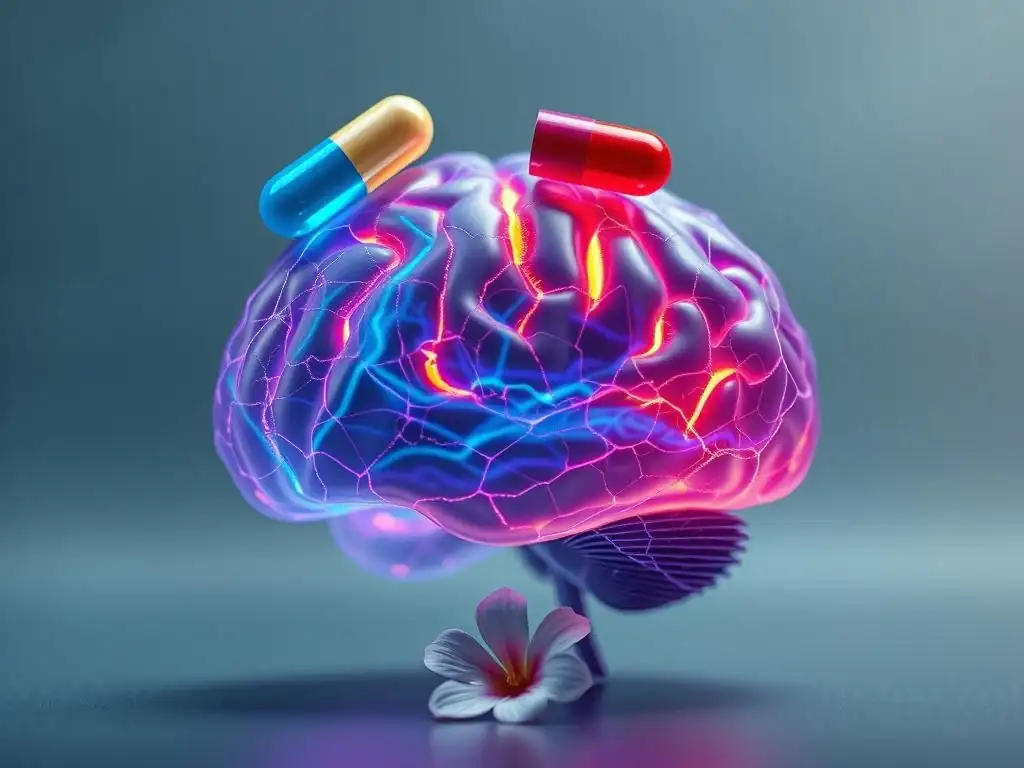
Welcome to Mind Care Guide, a safe space for navigating the complexities of mental well-being.
Are you concerned about the potential risks associated with antidepressants? We understand. In this guide, we delve into a crucial topic: Serotonin Syndrome, exploring its causes, symptoms, and, most importantly, how to mitigate the risks when taking antidepressants. Your well-being is our priority, and we're here to provide you with the knowledge and support you need to make informed decisions about your mental health. Let's explore Serotonin syndrome antidepressant risks together.
Understanding Serotonin Syndrome: A Potentially Serious Drug Reaction
- Serotonin Syndrome: An Overview
- Serotonin Syndrome: Identifying Medications and Substances at Risk
- Recognizing the Symptoms of Serotonin Syndrome
- Diagnosing Serotonin Syndrome: A Clinical Evaluation
- Serotonin Syndrome Treatment and Management
- Preventing Serotonin Syndrome: Strategies for Risk Reduction
- Long-Term Considerations After Serotonin Syndrome
- Serotonin Syndrome vs. Neuroleptic Malignant Syndrome (NMS): Comparative Analysis
- Managing Concerns and Anxiety About Serotonin Syndrome Risk
- Serotonin Toxicity: A Broader Perspective on Serotonin-Related Adverse Effects
-
Frequently Asked Questions
- What exactly is Serotonin Syndrome and how is it related to antidepressants?
- Which types of antidepressants pose the highest risk of causing Serotonin Syndrome?
- What are the common symptoms of Serotonin Syndrome that I should be aware of?
- How is Serotonin Syndrome typically diagnosed and treated?
- Can Serotonin Syndrome be prevented, and what precautions should I take?
- Final Reflection: Navigating the Serotonin Tightrope
- Unlock Your Understanding of Serotonin Syndrome
Serotonin Syndrome: An Overview
What is Serotonin Syndrome? Definition and Key Characteristics
Serotonin syndrome is a potentially life-threatening drug reaction that results from having too much serotonin in the body. This condition occurs when certain medications or combinations of medications cause serotonin levels to become excessively high in the brain and nervous system. It's not an allergic reaction or an infection, but rather a state of serotonin toxicity directly related to drug effects. The syndrome is characterized by a triad of symptoms: mental status changes (like agitation or confusion), autonomic hyperactivity (such as rapid heart rate, sweating, or fever), and neuromuscular abnormalities (like tremor or rigidity).
While often associated with antidepressants, particularly regarding serotonin syndrome antidepressant risks, many other medications and substances can contribute. The severity can range from very mild, almost undetectable symptoms, to severe and critical conditions requiring intensive medical care. Recognizing the early signs is paramount for prompt treatment and preventing more serious complications. The onset of symptoms is typically rapid, often occurring within hours of taking a new drug, increasing a dose, or adding another serotonergic agent.
Serotonin's Role in the Body and Brain
Serotonin, also known as 5-hydroxytryptamine (5-HT), is a crucial neurotransmitter that plays a vital role in regulating numerous bodily functions. In the brain, it influences mood, sleep, appetite, learning, and memory. It's a key target for many psychiatric medications aimed at treating conditions like depression and anxiety, which helps explain the connection between antidepressants and the risk of serotonin syndrome.
Beyond the brain, serotonin is also heavily involved in the peripheral nervous system and other parts of the body. It affects digestion, blood clotting, bone health, and sexual function. Medications that increase serotonin levels, such as those used to manage mood disorders, work by enhancing its availability in the synaptic clefts of neurons. However, when this enhancement is excessive, it can overstimulate serotonin receptors throughout the body, leading to the widespread and potentially dangerous effects seen in serotonin syndrome.
Serotonin Syndrome: Identifying Medications and Substances at Risk
Medications and Substances Known to Increase Serotonin Levels
A wide range of medications and substances can increase serotonin levels and potentially lead to serotonin syndrome. The primary culprits often include psychiatric medications, especially those prescribed for mood disorders, which highlights the serotonin syndrome antidepressant risks. Selective Serotonin Reuptake Inhibitors (SSRIs) like fluoxetine or sertraline, Serotonin-Norepinephrine Reuptake Inhibitors (SNRIs) like venlafaxine or duloxetine, and Monoamine Oxidase Inhibitors (MAOIs) like phenelzine or selegiline are prominent examples. Tricyclic Antidepressants (TCAs) also carry some risk, particularly at higher doses or when combined with other drugs.
However, the list extends far beyond typical antidepressants. Other medications include certain pain relievers (e.g., tramadol, meperidine), anti-nausea drugs (e.g., ondansetron), migraine medications (triptans), some antibiotics (e.g., linezolid), and even some over-the-counter supplements like St. John's Wort. Illicit drugs such as MDMA (ecstasy) and cocaine also significantly increase serotonin release. Awareness of this broad spectrum of potentially interacting substances is critical for both patients and healthcare providers to mitigate serotonin syndrome antidepressant risks and other drug-related risks.
How Drug Interactions Can Lead to Serotonin Overload
Drug interactions are a major cause of serotonin syndrome. This occurs when two or more medications that affect serotonin levels are taken together, leading to an additive or synergistic increase in serotonin activity. For instance, combining an SSRI with an MAOI is particularly dangerous and generally contraindicated due to the high risk of severe serotonin syndrome. Similarly, taking an SSRI or SNRI alongside a triptan for migraines, tramadol for pain, or certain herbal supplements can elevate serotonin to dangerous levels.
The mechanism of interaction varies: some drugs increase serotonin synthesis or release, others inhibit its reuptake (like SSRIs and SNRIs), and some inhibit its metabolism (like MAOIs). When multiple drugs affecting different points in the serotonin pathway are combined, the cumulative effect can overwhelm the body's ability to regulate serotonin, resulting in toxicity. Understanding these interactions is vital for minimizing the serotonin syndrome antidepressant risks associated with polypharmacy, especially in patients with complex medical or psychiatric needs.
Risk Factors Associated with Serotonin Syndrome
Several factors can increase a person's risk of developing serotonin syndrome. The most significant risk factor is the use of multiple serotonergic medications simultaneously or in close succession. This includes combining prescription drugs, over-the-counter medications, herbal supplements, or illicit substances that all impact serotonin levels. For example, a patient taking an SSRI for depression who is then prescribed tramadol for pain without adjusting their antidepressant dose faces a higher risk of serotonin syndrome antidepressant risks.
Other risk factors include rapid increases in the dosage of a serotonergic medication, individual differences in drug metabolism (which can be influenced by genetics or liver/kidney function), and potentially pre-existing conditions affecting the nervous system. Age might also play a role, although serotonin syndrome can occur at any age. Healthcare providers must carefully review all medications and supplements a patient is taking to assess the overall risk profile before prescribing new drugs or adjusting doses, particularly when managing serotonin syndrome antidepressant risks.
Recognizing the Symptoms of Serotonin Syndrome
Mild Symptoms of Serotonin Syndrome
Recognizing the early, mild symptoms of serotonin syndrome is crucial, as prompt intervention can prevent progression to more severe stages. Mild symptoms often include subtle changes that might initially be dismissed. These can manifest as slight mental status changes such as restlessness, mild confusion, or unusual talkativeness. Autonomic signs might include dilated pupils, mild increase in heart rate (tachycardia), slightly elevated blood pressure, or excessive sweating (diaphoresis).
Neuromuscular symptoms in mild cases often involve tremors, particularly in the hands, or mild hyperreflexia (overactive reflexes), especially in the lower extremities. Some individuals might also experience mild gastrointestinal upset like nausea or diarrhea. While these symptoms can be non-specific and overlap with other conditions or even anxiety, their appearance shortly after starting or changing a serotonergic medication should raise suspicion for potential serotonin syndrome antidepressant risks.
Moderate to Severe Serotonin Syndrome Symptoms
As serotonin syndrome progresses, symptoms become more pronounced and potentially life-threatening. Moderate symptoms include more significant mental status changes such as agitation, disorientation, or even hallucinations. Autonomic instability becomes more apparent, with marked increases in heart rate and blood pressure, fever (hyperthermia, potentially reaching 104°F or higher), and significant sweating.
Severe symptoms represent a medical emergency. These include high fever (often exceeding 106°F), severe muscle rigidity (which can lead to rhabdomyolysis, damaging the kidneys), seizures, significant fluctuations in blood pressure, irregular heartbeat (arrhythmias), and loss of consciousness. Severe neuromuscular signs include spontaneous muscle contractions (myoclonus) and sustained muscle rigidity throughout the body. These severe manifestations underscore the critical need for immediate medical attention when serotonin syndrome is suspected, especially given the potential serotonin syndrome antidepressant risks associated with higher doses or combinations.
Conditions That Mimic Serotonin Syndrome
Diagnosing serotonin syndrome can be challenging because its symptoms overlap with several other medical conditions. It is essential for clinicians to consider these differential diagnoses to avoid misidentification. Conditions that can mimic serotonin syndrome include neuroleptic malignant syndrome (NMS), anticholinergic toxicity, malignant hyperthermia, withdrawal syndromes (e.g., alcohol or benzodiazepine withdrawal), sepsis, thyroid storm, and even viral encephalitis.
For example, both serotonin syndrome and NMS involve fever, muscle rigidity, and autonomic instability. However, NMS typically develops more slowly over days, is associated with antipsychotic medications, and muscle rigidity is often more severe and widespread.
Anticholinergic toxicity also causes confusion and autonomic changes but is usually accompanied by dry skin and mucous membranes, dilated pupils, and urinary retention – distinct from the sweating and hyperreflexia seen in serotonin syndrome. A thorough medical history focusing on medication use and the timeline of symptom onset is crucial for distinguishing serotonin syndrome, particularly when evaluating serotonin syndrome antidepressant risks, from these other serious conditions.
Diagnosing Serotonin Syndrome: A Clinical Evaluation

Hunter Serotonin Toxicity Criteria
Diagnosing serotonin syndrome is primarily a clinical process, meaning there's no specific lab test to confirm it. Instead, clinicians rely on a patient's recent medication history and the presence of characteristic signs and symptoms. The Hunter Serotonin Toxicity Criteria are a widely used set of diagnostic guidelines designed to improve the accuracy of diagnosis. These criteria require the patient to be taking a serotonergic agent and then look for the presence of specific clinical features.
According to the Hunter criteria, a diagnosis of serotonin syndrome can be made if a patient is taking a serotonergic agent and meets at least one of the following conditions: spontaneous myoclonus; or inducible myoclonus plus agitation or diaphoresis (sweating); or ocular clonus plus agitation or diaphoresis; or tremor plus hyperreflexia; or hypertonia (muscle rigidity) plus temperature above 100.4°F (38°C) plus ocular clonus or inducible myoclonus.
These criteria provide a structured approach to evaluating the constellation of symptoms, helping clinicians navigate the potential complexities of diagnosing serotonin syndrome, especially when considering serotonin syndrome antidepressant risks in patients on multiple medications.
Physical Examination, Medical History, and Differential Diagnosis
A thorough physical examination is vital in diagnosing serotonin syndrome. Clinicians will assess vital signs, looking for tachycardia, hypertension, or fever. They will also perform a detailed neurological examination, checking for mental status changes, tremors, myoclonus, hyperreflexia, muscle rigidity, and ocular clonus (involuntary, rhythmic eye movements). The presence and severity of these signs provide critical clues.
Equally important is a comprehensive medical history. The clinician must gather a complete list of all medications, including prescription drugs, over-the-counter medications, herbal supplements (like St. John's Wort), and any recreational drug use. Asking about recent changes in dosage or the addition of new medications is paramount. This history, combined with the physical findings, allows the clinician to assess the likelihood of serotonin syndrome and distinguish it from other conditions with similar symptoms, such as NMS or anticholinergic toxicity. This meticulous approach is essential for accurately identifying serotonin syndrome antidepressant risks and managing the patient appropriately.
The Importance of Prompt Recognition and Diagnosis
Prompt recognition and diagnosis of serotonin syndrome are critical for patient safety and recovery. Because the syndrome can rapidly progress from mild symptoms to a severe, life-threatening condition, delays in diagnosis can have serious consequences, including organ failure and death. The sooner the condition is identified, the sooner appropriate treatment can be initiated, which typically involves discontinuing the offending medications and providing supportive care.
Educating healthcare providers about the signs and symptoms, as well as the wide range of medications that can cause the syndrome, is an ongoing effort. Similarly, patient awareness, particularly regarding serotonin syndrome antidepressant risks when starting or changing medications, empowers individuals to report concerning symptoms early to their doctors. A high index of suspicion, particularly when evaluating patients on serotonergic medications who present with unexplained mental status changes, autonomic instability, or neuromuscular abnormalities, is key to timely and effective intervention.
Serotonin Syndrome Treatment and Management
Immediate Medical Intervention and Symptom Control
The cornerstone of serotonin syndrome treatment is the immediate discontinuation of all serotonergic agents suspected of causing the reaction. This is the single most important step. Once medications are stopped, the focus shifts to supportive care aimed at controlling symptoms and stabilizing the patient. This often requires hospitalization, particularly for moderate to severe cases.
Immediate medical interventions often involve managing vital signs. For instance, rapid heart rate and high blood pressure might be treated with short-acting medications like esmolol or nitroprusside. Fever, especially severe hyperthermia (over 104°F or 40°C), needs aggressive management through external cooling methods (like cooling blankets or ice packs) and potentially benzodiazepines to control muscle activity that generates heat. Controlling agitation and muscle rigidity with benzodiazepines (such as lorazepam or diazepam) is also a priority, as this helps reduce fever and prevent complications like rhabdomyolysis.
Medications Used in the Treatment of Serotonin Syndrome
While stopping the offending medications is the primary intervention, certain drugs may be used to counteract the effects of excessive serotonin. Benzodiazepines are frequently used to manage agitation, muscle rigidity, and tremor. They work by calming the central nervous system and reducing muscle activity.
In more severe cases, a serotonin antagonist drug may be administered. Cyproheptadine, an antihistamine with serotonin-blocking effects, is the most commonly used antidote. While not universally effective and typically reserved for moderate to severe cases, it can help block serotonin receptors and alleviate symptoms. In critical situations, other medications may be needed to manage specific complications, such as vasopressors for dangerously low blood pressure that doesn't respond to fluids, or intubation and mechanical ventilation for respiratory failure secondary to severe muscle rigidity or altered mental status. The choice of medication depends on the specific symptoms and their severity.
Supportive Care and Monitoring During Recovery
Supportive care is vital throughout the patient's recovery from serotonin syndrome. This includes close monitoring of vital signs (heart rate, blood pressure, temperature, respiratory rate), neurological status, and fluid and electrolyte balance. Dehydration and electrolyte imbalances can occur due to fever, sweating, and vomiting. Intravenous fluids are often administered to maintain hydration and support kidney function, especially if rhabdomyolysis is suspected.
In cases of severe muscle rigidity and hyperthermia, monitoring for signs of rhabdomyolysis (muscle breakdown) is crucial. This involves checking laboratory values like creatine kinase (CK) and urine myoglobin. Patients with rhabdomyolysis may require aggressive hydration and other interventions to protect the kidneys. Recovery time varies depending on the severity of the syndrome, but symptoms typically begin to resolve within 24-72 hours after discontinuing the offending agents and initiating supportive care. Continued monitoring is necessary until symptoms have completely subsided.
Preventing Serotonin Syndrome: Strategies for Risk Reduction
Medication Management and Monitoring by Healthcare Providers
Preventing serotonin syndrome largely relies on careful medication management by healthcare providers. This involves a thorough review of all medications, including prescription drugs, over-the-counter products, and herbal supplements, before prescribing a new serotonergic agent or increasing a dose. Awareness of the potential serotonin syndrome antidepressant risks is paramount when initiating or adjusting treatment for mood disorders.
Healthcare providers should avoid prescribing multiple serotonergic drugs simultaneously unless absolutely necessary, and if combinations are required, they should start with the lowest effective doses and monitor the patient closely for any signs of serotonin toxicity. They must also be mindful of washout periods when switching between certain classes of serotonergic medications, particularly when transitioning from an MAOI to another antidepressant, which requires a significant drug-free interval (often 2 weeks or longer). Regular monitoring of patients on serotonergic regimens is key to early detection of potential issues.
Considerations for Combining Serotonergic Agents
Combining serotonergic agents significantly increases the risk of serotonin syndrome. Healthcare providers must carefully weigh the potential benefits of such combinations against the increased serotonin syndrome antidepressant risks and risks from other drug classes. For example, combining an SSRI with a triptan for migraine treatment is common and generally safe for most people, but it does carry a small, increased risk and requires vigilance for symptoms.
Combinations that are generally considered high-risk and should be avoided include MAOIs with SSRIs, SNRIs, TCAs, or other drugs like meperidine or tramadol. When combinations are deemed necessary, such as using an antidepressant with a medication for pain or nausea that also affects serotonin, the clinician should select agents that have the least potential for interaction, use the lowest effective doses of each drug, and educate the patient about the warning signs of serotonin syndrome. A comprehensive understanding of pharmacokinetic and pharmacodynamic interactions is essential for safe prescribing.
Patient Education and Open Communication with Healthcare Professionals
Patient education is a critical component of preventing serotonin syndrome. Patients taking any serotonergic medication, especially antidepressants, should be informed about the potential serotonin syndrome antidepressant risks. They should know:
- The name of their medication and how it works.
- The signs and symptoms of serotonin syndrome, from mild to severe.
- Which other medications, supplements, or substances could interact dangerously.
- The importance of informing all their healthcare providers (doctors, dentists, pharmacists) about all medications and supplements they are taking.
Patients should be encouraged to report any unusual symptoms immediately to their doctor. They should not stop taking prescribed medications abruptly without consulting their healthcare provider, but they should know what symptoms warrant seeking urgent medical care. Open and honest communication between patients and healthcare professionals is the best defense against potentially serious drug reactions like serotonin syndrome.
Long-Term Considerations After Serotonin Syndrome

Potential Long-Term Effects and Management
For most individuals who experience serotonin syndrome and receive prompt medical attention, the long-term outlook is positive. Symptoms typically resolve completely within 24 to 72 hours after stopping the offending medications and receiving supportive care. However, recovery time can vary depending on the severity of the syndrome and the half-life of the drugs involved.
In rare cases, particularly following severe episodes that involved complications like prolonged hyperthermia or rhabdomyolysis, there could be potential long-term effects. These might include residual muscle weakness, kidney damage (if rhabdomyolysis was severe and untreated), or cognitive issues, although these are uncommon outcomes. Ongoing medical follow-up may be necessary to monitor recovery and address any lingering physical or cognitive issues. The primary long-term consideration is usually the management of the underlying condition for which the serotonergic medication was originally prescribed, often requiring the selection of alternative treatments.
Psychological Support and Recovery
Experiencing a medical emergency like serotonin syndrome can be a frightening and traumatic event. Patients may experience significant anxiety about their health, the medications they were taking, and the possibility of future reactions. Providing psychological support during and after recovery is important.
This support can include reassurance from medical staff about their recovery, counseling to process the experience, and guidance on managing anxiety related to future medication use. For patients whose serotonin syndrome arose from medications for a mental health condition, like depression or anxiety, addressing the psychological impact of the event while navigating alternative treatment options for their mood disorder is crucial. Ensuring patients feel heard and supported in making future treatment decisions is essential for their overall well-being.
Serotonin Syndrome vs. Neuroleptic Malignant Syndrome (NMS): Comparative Analysis
Key Differences Between Serotonin Syndrome and NMS
Distinguishing between serotonin syndrome and neuroleptic malignant syndrome (NMS) is critical because they require different management strategies, although both are potentially life-threatening drug reactions affecting the nervous system and muscles. While both involve fever, muscle rigidity, and autonomic instability, key differences exist.
| Feature | Serotonin Syndrome | Neuroleptic Malignant Syndrome (NMS) |
|---|---|---|
| Cause | Excess serotonin from serotonergic drugs (e.g., SSRIs, MAOIs, triptans, tramadol) | Dopamine blockade, typically from antipsychotics |
| Onset | Rapid (hours) | Gradual (days to weeks) |
| Neuromuscular | Hyperreflexia, inducible/spontaneous myoclonus, tremor, rigidity (often lower limbs first) | Severe generalized "lead pipe" rigidity, bradyreflexia (reduced reflexes) |
| Autonomic | Tachycardia, hypertension, hyperthermia, diaphoresis | Tachycardia, labile blood pressure, hyperthermia, diaphoresis |
| Mental Status | Agitation, confusion, hyperalertness | Altered consciousness, stupor, catatonia |
| Pupils | Often dilated | Usually normal or constricted |
| Bowel Sounds | Hyperactive | Hypoactive |
| Creatine Kinase (CK) | Mild to moderate elevation | Markedly elevated |
These distinctions, particularly regarding the type of muscle rigidity, reflexes, mental status changes, and offending drug class, are vital for accurate diagnosis. Understanding these differences helps clinicians navigate complex presentations, especially when considering potential serotonin syndrome antidepressant risks versus risks associated with antipsychotic use.
Diagnostic Considerations for Distinguishing Between the Two Conditions
Given the overlapping symptoms, accurately diagnosing serotonin syndrome versus NMS requires careful consideration of several factors beyond the symptom list. The patient's medication history is paramount. A recent history of starting or increasing a serotonergic drug strongly points towards serotonin syndrome, while recent exposure to a dopamine-blocking agent (like an antipsychotic) suggests NMS.
The timeline of symptom onset is also a key differentiator; the rapid onset of symptoms (within hours) is characteristic of serotonin syndrome, contrasting with the slower, more gradual development of NMS (over days). Physical examination findings regarding muscle tone and reflexes are particularly helpful. Hyperreflexia and myoclonus are hallmarks of serotonin syndrome, whereas the severe, widespread "lead pipe" rigidity and often reduced reflexes are more indicative of NMS.
While there are no definitive laboratory tests for either condition, markedly elevated creatine kinase levels are more commonly seen in NMS due to severe muscle breakdown. Ultimately, distinguishing between these syndromes relies on a comprehensive clinical assessment combining history, physical exam, and careful consideration of differential diagnoses.
Managing Concerns and Anxiety About Serotonin Syndrome Risk
Strategies for Patients Taking Serotonergic Medications
It is understandable for patients to feel concerned or anxious about the potential serotonin syndrome antidepressant risks or risks associated with other serotonergic medications, especially after learning about the condition. However, it's important to remember that while the risk exists, severe serotonin syndrome is relatively rare, particularly when medications are prescribed and monitored carefully.
Patients can manage their concerns by becoming informed partners in their care. This includes maintaining an accurate list of all medications and supplements they take and sharing it with every healthcare provider. Asking questions about potential interactions when a new medication is prescribed is also a proactive step.
Being aware of the mild symptoms of serotonin syndrome (like restlessness, tremor, or increased sweating) allows patients to seek medical advice early, before symptoms become severe. It's crucial not to stop taking prescribed medications abruptly without consulting a doctor, as this can lead to other serious issues like withdrawal symptoms or relapse of the underlying condition.
Resources for Information and Support
Navigating mental health treatment and understanding potential medication risks can be challenging. Patients seeking more information or support regarding serotonin syndrome antidepressant risks or other concerns about their treatment have several avenues. Their prescribing healthcare provider (psychiatrist, general practitioner, etc.) is the primary and most important resource. They can provide personalized information based on the patient's specific medications and health history.
Pharmacists are also excellent resources for information about drug interactions and side effects. They can often spot potential issues and provide guidance. Reputable medical websites (like those from major health organizations or government health bodies) can offer general information, but it's important to discuss this information with a healthcare professional. Support groups or patient advocacy organizations focused on mental health can also provide emotional support and shared experiences, helping patients feel less alone in managing their treatment journey.
Serotonin syndrome is often discussed as the primary adverse effect of excess serotonin, but it exists on a spectrum of serotonin toxicity. Serotonin toxicity encompasses a range of adverse effects, from mild, often transient side effects experienced by some individuals starting serotonergic medications, to the severe, life-threatening syndrome.
Common, milder serotonin-related side effects often experienced when starting or adjusting antidepressants include nausea, diarrhea, headache, restlessness, and sleep disturbances. These are generally manageable and may subside with continued use. Serotonin syndrome represents the severe end of this toxicity spectrum, characterized by the distinct triad of mental status changes, autonomic hyperactivity, and neuromuscular abnormalities. Understanding this spectrum is important for both patients and clinicians. It helps differentiate expected, manageable side effects from the warning signs of a potentially serious condition, providing a broader context for discussing serotonin syndrome antidepressant risks and the overall safety profile of serotonergic medications.
Frequently Asked Questions
Serotonin Syndrome is a potentially life-threatening condition caused by having too much serotonin in the brain. It's most often associated with taking certain antidepressants that affect serotonin levels.
Which types of antidepressants pose the highest risk of causing Serotonin Syndrome?
The risk is generally higher with antidepressants that significantly increase serotonin, such as SSRIs and SNRIs, especially when combined with other medications. Some MAOIs also present a higher risk.
What are the common symptoms of Serotonin Syndrome that I should be aware of?
Symptoms can range from mild to severe and include agitation, confusion, rapid heart rate, dilated pupils, muscle rigidity, and loss of coordination. Seek immediate medical attention if suspected.
How is Serotonin Syndrome typically diagnosed and treated?
Diagnosis is usually based on a physical exam and assessment of symptoms, as well as a medication review. Treatment often involves stopping the offending medication, providing supportive care, and potentially using medications to block serotonin production.
Can Serotonin Syndrome be prevented, and what precautions should I take?
Prevention involves careful medication management with a healthcare professional. Always inform your doctor about all medications and supplements you are taking, and never exceed prescribed dosages.
Understanding the risks associated with serotonin syndrome, a potentially life-threatening condition linked to certain antidepressants, is not just a medical imperative; it's a matter of life and death. The information presented in this article highlights the crucial need for open communication between patients and healthcare providers, emphasizing the importance of careful monitoring and prompt intervention when symptoms arise. Ignoring these risks can have devastating consequences.
The impact of serotonin syndrome extends far beyond the individual patient; it shapes the landscape of mental health care, influencing prescribing practices, patient education, and the development of safer medications. The fear of this potentially fatal side effect can understandably create anxiety for both patients and doctors, leading to difficult conversations about treatment options. The goal of treatment is not merely to alleviate symptoms, but to foster a partnership between patient and physician, built on trust and mutual understanding.
This quote underscores the importance of a collaborative approach to managing mental health, one that prioritizes safety and informed consent.
You, the reader, now possess a deeper understanding of serotonin syndrome and its potential connection to antidepressant use. This knowledge empowers you to engage in more informed conversations with your healthcare provider, advocating for your well-being and safety. Don't hesitate to ask questions, express your concerns, and actively participate in your treatment plan. By understanding the risks, we can collectively work towards a future where mental health treatment is both effective and safe, allowing individuals to navigate the complexities of mental illness with confidence and hope.
Unlock Your Understanding of Serotonin Syndrome
Thanks for taking the time to learn about the important topic of Serotonin Syndrome. We hope this article equipped you with valuable knowledge to better understand potential risks associated with some antidepressants. Now, let's take the next step!
- Share this crucial information: Help protect others by forwarding this article to friends, family, or anyone who might benefit from understanding Serotonin Syndrome. This simple action could make a real difference.
- Deepen your knowledge: Explore Mind Care Guide's extensive library of articles on mental health and medication safety for a more comprehensive understanding.
- Consider consulting a professional: If you have any concerns about your medication or experience symptoms of Serotonin Syndrome, schedule an appointment with your doctor or psychiatrist immediately.
Ready to prioritize your mental wellbeing? What proactive steps will you take today to ensure your medication safety?