
The Silent Battle: Veterans Hiding Their Mental Health Struggles

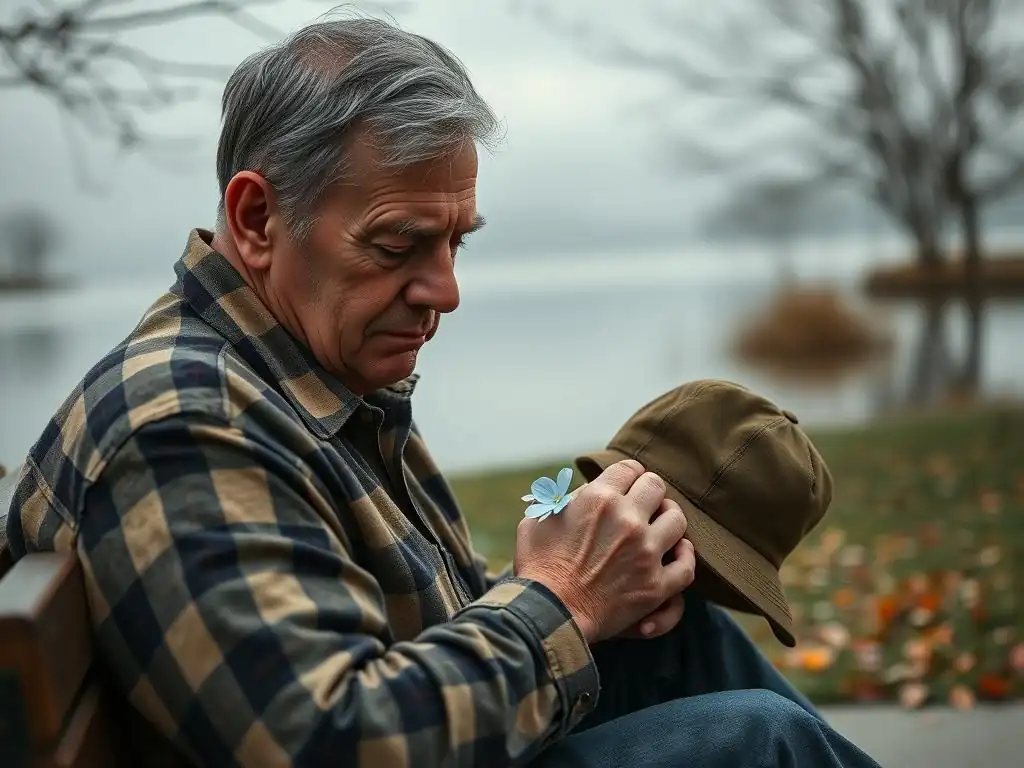
Welcome to Mind Care Guide, a safe space dedicated to nurturing your mental well-being. It takes immense courage to acknowledge inner struggles, and we commend you for being here. Are you, or someone you know, grappling with the invisible wounds of service? In this article, " The Silent Battle: Veterans Hiding Their Mental Health Struggles," we delve into the unique challenges faced by our veterans and, more importantly, provide a comprehensive guide to veteran mental health treatment resources. We understand that seeking help can feel daunting; let us guide you towards the support you deserve.
- The Silent Battle: Veterans Hiding Their Mental Health Struggles
- Why Veterans Often Hide Their Mental Health Struggles
- The Impact of Untreated Mental Health Issues on Veterans
- Recognizing the Signs of Mental Health Struggles in Veterans
- Veteran Mental Health Treatment Resources: A Comprehensive Guide
- Supporting a Veteran Struggling with Mental Health
- Breaking the Stigma: Promoting Mental Well-being in the Veteran Community
- Mental Health Resources for Military Families
- Long-Term Mental Health Care and Recovery for Veterans
- Finding the Right Veteran Mental Health Treatment Resources for You
-
Frequently Asked Questions
- What are some common mental health challenges faced by veterans?
- Why do some veterans hesitate to seek mental health treatment?
- What types of mental health treatment resources are specifically available for veterans?
- How can family and friends support a veteran struggling with their mental health?
- Where can I find more information and support for veterans' mental health?
- Final Reflection: Unmasking the Silent Battle: A Call to Action for Veteran Well-being
- Unveil Your Support: Help Our Veterans Thrive
The Silent Battle: Veterans Hiding Their Mental Health Struggles
Understanding the Unique Mental Health Challenges Faced by Veterans
Veterans often navigate a complex landscape of mental health challenges stemming directly from their military service and the transition back to civilian life. Experiences such as combat exposure, witnessing traumatic events, the stress of deployment, and the inherent demands of military culture can leave lasting psychological impacts. Conditions like Post-Traumatic Stress Disorder (PTSD), depression, anxiety disorders, and substance use disorders are significantly more prevalent among veterans compared to the general population. For instance, estimates suggest that between 11% and 20% of veterans who served in Operations Iraqi Freedom (OIF) and Enduring Freedom (OEF) experience PTSD in a given year.
Beyond the direct impact of operational stress, the transition from military to civilian life presents its own set of hurdles. Veterans may struggle with finding employment, adapting to different social norms, reconnecting with family, and losing the structured environment and camaraderie of military service. These transitional stresses can exacerbate existing mental health issues or trigger new ones. Accessing appropriate veteran mental health treatment resources is crucial during this period, yet many face barriers, including difficulty navigating complex systems or locating services that truly understand their unique experiences.
Why Veterans Often Hide Their Mental Health Struggles
The Stigma Surrounding Mental Health in the Military
Within the military, there has historically been a strong culture that equates seeking help for mental health issues with weakness or inability to handle stress. This deeply ingrained stigma makes many service members and veterans hesitant to admit they are struggling. The fear of being seen as "broken" or incapable by peers and leadership is a significant deterrent to seeking support. This internal and external pressure often leads individuals to suffer in silence, believing they should be able to manage their difficulties on their own.
This pervasive stigma is a major barrier to veterans accessing necessary veteran mental health treatment resources. Many veterans worry that acknowledging a mental health condition could negatively impact their reputation, their ability to perform certain jobs, or even their standing within the veteran community itself. The perception that mental health challenges are a character flaw rather than a medical condition is a powerful force that encourages concealment and isolation.
Fear of Impact on Career and Relationships
Concerns about how disclosing mental health struggles could affect their professional lives are very real for veterans. For those still serving or in careers requiring security clearances, there is a legitimate fear that seeking mental health care could jeopardize their job or future advancement. This fear is often amplified by a lack of clear information about how mental health treatment records are used or protected. Veterans entering the civilian workforce may also worry that potential employers will discriminate against them if their mental health history becomes known.
The fear extends to personal relationships as well. Veterans may worry about burdening their families, being misunderstood by friends, or facing judgment from loved ones. They might fear that admitting they are struggling will change how their family sees them or that their difficulties will strain relationships already impacted by deployments and transitions. This fear of negative repercussions, both professional and personal, significantly contributes to the silent battle many veterans fight.
The "Toughen Up" Culture and its Effects
The military environment inherently fosters a "toughness" and resilience needed to face challenging and dangerous situations. While this culture is essential for military effectiveness, it can inadvertently create an expectation that individuals should suppress emotions, push through psychological pain, and never show vulnerability. This "toughen up" mentality, often reinforced through training and peer interactions, teaches service members to internalize their struggles rather than seek help.
This cultural conditioning doesn't simply disappear when a service member transitions out of the military. Veterans often carry this mindset into civilian life, believing that seeking help for mental health issues is a sign of personal failure or a betrayal of the values they were taught. This makes it incredibly difficult for them to reach out for veteran mental health treatment resources, as it conflicts with their ingrained sense of self-reliance and stoicism. The psychological cost of constantly suppressing emotions can be immense, leading to delayed treatment and worsening conditions.
The Impact of Untreated Mental Health Issues on Veterans
Increased Risk of Suicide Among Veterans
One of the most tragic consequences of untreated mental health issues in the veteran community is the significantly elevated risk of suicide. Data consistently shows that veterans are more likely to die by suicide than their civilian counterparts. For example, a 2022 VA report indicated that the suicide rate for veterans was 57% higher than for non-veteran adults in 2020. This disparity highlights the critical need for effective identification and access to veteran mental health treatment resources tailored to their unique needs.
The factors contributing to this increased risk are complex and often intertwined with untreated mental health conditions like PTSD, depression, and substance abuse. Isolation, financial difficulties, chronic pain, and difficulty transitioning to civilian life also play significant roles. Ensuring veterans have timely access to comprehensive mental health care and crisis support is paramount in preventing these devastating outcomes.
Substance Abuse and Addiction in the Veteran Community
Untreated mental health conditions frequently co-occur with substance abuse among veterans. Many veterans turn to alcohol or drugs as a way to self-medicate symptoms of PTSD, anxiety, or depression, attempting to numb emotional pain or cope with sleep disturbances. This can lead to the development of substance use disorders, creating a dangerous cycle that exacerbates underlying mental health issues and makes recovery more challenging.
Studies have shown that veterans with PTSD are significantly more likely to also struggle with substance use disorders. For instance, some estimates indicate that nearly 1 in 3 veterans seeking treatment for substance use disorder also have PTSD. Addressing both conditions simultaneously through integrated veteran mental health treatment resources is crucial for effective recovery and preventing relapse.
The symptoms of untreated mental health issues can severely strain a veteran's relationships with family and friends. Irritability, emotional numbness, withdrawal, and difficulty communicating can lead to conflict and disconnection. Partners and children may struggle to understand the veteran's behavior, leading to frustration, resentment, and breakdown in communication.
This breakdown in relationships often results in social isolation, which is both a symptom and a risk factor for worsening mental health. Veterans may withdraw from social activities, avoid friends, and feel disconnected from their community. This isolation deprives them of crucial social support networks that are vital for mental well-being and can make it harder for them to seek or utilize veteran mental health treatment resources when needed.
Recognizing the Signs of Mental Health Struggles in Veterans
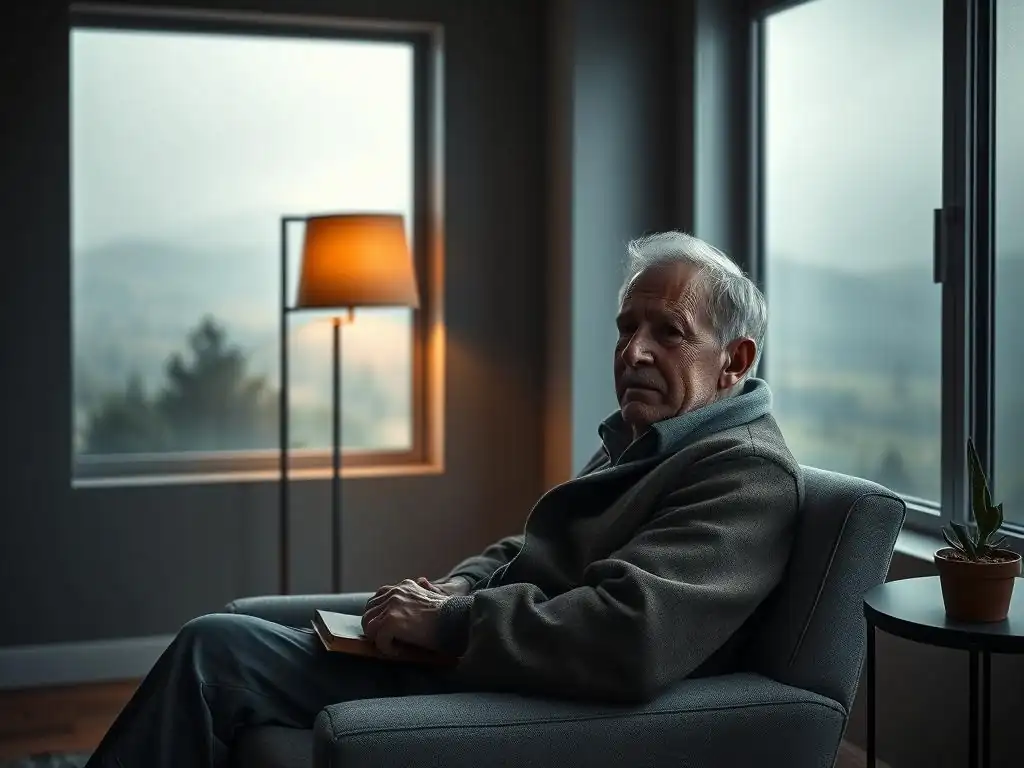
Changes in Behavior and Mood
Recognizing that a veteran may be struggling with their mental health often begins with observing changes in their typical behavior and mood. These shifts can manifest in various ways, such as increased irritability or anger outbursts that seem out of character. A veteran might become withdrawn, losing interest in activities they once enjoyed or spending significantly more time alone. They may also exhibit noticeable shifts in mood, appearing persistently sad, anxious, or emotionally flat.
These behavioral and mood changes are not simply personality quirks; they can be significant indicators that a veteran is grappling with internal distress. It's important to approach these observations with empathy and concern, understanding that they may signal a need for support and access to appropriate veteran mental health treatment resources. Noticing these signs is the first step toward offering help.
Increased Anxiety and Irritability
Veterans experiencing mental health challenges, particularly those related to trauma like PTSD, often exhibit heightened levels of anxiety and irritability. They might seem constantly on edge, easily startled, or have difficulty relaxing. Small inconveniences can trigger disproportionate reactions of anger or frustration. This increased state of arousal can make everyday interactions difficult and exhausting for both the veteran and those around them.
This persistent anxiety and irritability can stem from hypervigilance, a state of being constantly on guard that is common after experiencing traumatic events. It's a protective mechanism that becomes maladaptive in civilian life. Recognizing these signs as potential symptoms of a treatable condition, rather than simply personality flaws, is vital for guiding veterans toward helpful veteran mental health treatment resources.
Sleep Disturbances and Nightmares
Sleep problems are a very common symptom among veterans struggling with mental health issues, especially PTSD and anxiety. This can include difficulty falling asleep, staying asleep, or experiencing frequent nightmares related to traumatic experiences. Poor sleep quality significantly impacts overall well-being, exacerbating symptoms of depression, anxiety, and irritability.
Chronic sleep disturbances can become a debilitating issue, affecting a veteran's ability to function during the day and contributing to a cycle of distress. Nightmares, in particular, can be vivid and disturbing, causing fear and reluctance to sleep. Addressing sleep issues is often a critical component of effective veteran mental health treatment resources and recovery plans.
A noticeable sign that a veteran may be struggling is a tendency to withdraw from social activities and isolate themselves. This can involve avoiding friends and family, declining invitations to social events, or spending less time engaging with others. They might lose interest in hobbies or group activities they previously enjoyed. This withdrawal can stem from various factors, including difficulty connecting with civilians who don't understand their experiences, feeling emotionally numb, or fearing that their symptoms might surface in social settings.
Social isolation is detrimental to mental health and can make it harder for veterans to find support. It's important to recognize this withdrawal not as indifference but as a potential sign of distress. Encouraging connection, even in small ways, and gently suggesting that veteran mental health treatment resources are available can make a significant difference.
Veteran Mental Health Treatment Resources: A Comprehensive Guide
Identifying and Accessing Mental Health Services for Veterans
Navigating the landscape of mental health services can be daunting for anyone, and veterans face unique challenges in finding the right support. The first step is often acknowledging the need for help, which, as discussed, is a significant hurdle due to stigma and other factors. Identifying suitable veteran mental health treatment resources involves understanding the types of services available and determining eligibility. It's crucial to remember that seeking help is a sign of strength, not weakness, and numerous effective options exist.
Accessing these services requires persistence and knowing where to look. While the Department of Veterans Affairs (VA) is a primary source, many non-governmental organizations and private providers also specialize in veteran care. Overcoming practical barriers like transportation, appointment availability, and understanding paperwork are also part of the process. Connecting with experienced navigators or peer support specialists can greatly assist veterans in finding and utilizing appropriate veteran mental health treatment resources.
Government Resources: VA Mental Health Services Overview
The Department of Veterans Affairs (VA) is the largest integrated healthcare system in the United States and a primary provider of veteran mental health treatment resources. The VA offers a wide range of mental health services designed specifically for veterans, addressing conditions such as PTSD, depression, anxiety, substance use disorders, and more. These services are available at VA medical centers, community-based outpatient clinics (CBOCs), Vet Centers, and via telehealth.
The VA's approach to mental health care is often integrated, meaning mental health services are connected with primary care and other health services. They employ mental health professionals who are often trained to understand the unique experiences of military service. Accessing these services is a key pathway for many veterans seeking support, and understanding eligibility and the scope of available care is the first step in utilizing these crucial veteran mental health treatment resources.
Eligibility for VA Mental Health Care
Eligibility for VA mental health care is primarily based on veteran status, discharge status, and specific service history. Generally, veterans who served in active duty and were discharged under conditions other than dishonorable are eligible. Priority groups determine the level of access and potential costs, if any. For instance, veterans with service-connected conditions, those who served in combat zones, or those with lower incomes may have higher priority and receive free care for certain conditions.
While specific eligibility rules can be complex and depend on individual circumstances, the VA aims to provide care to a broad range of veterans. Even veterans who may not be eligible for full VA healthcare benefits might still be eligible for mental health services through specific programs, such as those for combat veterans within a certain timeframe after discharge or for those experiencing military sexual trauma. Checking with the VA directly or consulting with a veteran service officer is the best way to confirm individual eligibility for these vital veteran mental health treatment resources.
Types of Mental Health Treatment Available at the VA
The VA offers a comprehensive suite of mental health treatments. These include individual therapy, group therapy, family counseling, and various evidence-based psychotherapies like Cognitive Behavioral Therapy (CBT) for depression and anxiety, Trauma-Focused Cognitive Behavioral Therapy (TF-CBT), Prolonged Exposure (PE), and Eye Movement Desensitization and Reprocessing (EMDR) for PTSD. Medication management is also available through VA psychiatrists.
Beyond outpatient services, the VA provides more intensive levels of care, such as residential treatment programs for substance use disorders or PTSD, and inpatient psychiatric hospitalization for acute crises. Vet Centers offer counseling, outreach, and referral services in a less formal setting, often staffed by veterans. This wide array of options ensures that veterans can find veteran mental health treatment resources tailored to their specific needs and severity of symptoms.
Non-Governmental Organizations (NGOs) Providing Support
Alongside government services, a robust network of non-governmental organizations (NGOs) plays a critical role in providing veteran mental health treatment resources and support. These organizations often complement VA services, offering specialized programs, peer support networks, crisis intervention, and assistance with navigating the complexities of seeking care. NGOs can provide alternative avenues for veterans who may face challenges accessing VA care or who prefer a non-governmental setting.
Many of these organizations were founded by veterans or military families and possess a deep understanding of the unique challenges faced by the community. They often provide services free of charge or at a low cost, funded through donations and grants. Exploring the offerings of reputable NGOs is an important step for veterans and their families seeking comprehensive veteran mental health treatment resources.
Wounded Warrior Project: Programs and Services
Wounded Warrior Project (WWP) is a prominent NGO dedicated to serving post-9/11 veterans and service members. WWP offers a range of programs focused on mental wellness, physical health, career counseling, and peer support. Their mental wellness programs include clinical care through partnerships like the Warrior Care Network, which provides intensive, multi-week outpatient programs for veterans dealing with PTSD and other trauma-related conditions.
Beyond clinical treatment, WWP provides various programs designed to foster connection and reduce isolation, such as adaptive sports, outdoor retreats, and peer support groups. These initiatives help veterans build camaraderie and support networks, which are vital components of mental health recovery. WWP's focus on holistic well-being makes them a significant provider among veteran mental health treatment resources.
Stop Soldier Suicide: Programs and Services
Stop Soldier Suicide is an organization specifically focused on preventing military and veteran suicide. They provide confidential, free support to veterans, service members, and their families who are struggling with difficult challenges. Their services include crisis intervention, access to a team of care coordinators who help individuals navigate the complex mental health care system, and referrals to appropriate veteran mental health treatment resources and support services.
The organization emphasizes a proactive approach, aiming to reach individuals before they reach a point of crisis. Their care coordinators work one-on-one with clients to develop personalized action plans and connect them with local and national resources, including mental health providers, financial assistance, and housing support. Stop Soldier Suicide is a critical component of the network of veteran mental health treatment resources focused on preventing tragic outcomes.
Understanding Different Types of Therapy for Veterans
Various therapeutic approaches have proven effective in treating mental health conditions commonly experienced by veterans. Understanding the different types of therapy available can help veterans and their families make informed decisions about which veteran mental health treatment resources might be the best fit. Therapy provides a safe space to process experiences, develop coping skills, and work towards recovery.
While individual therapy is common, group therapy and peer support offer unique benefits through shared experiences and mutual understanding. The choice of therapy often depends on the specific condition being treated, the veteran's preferences, and the therapist's expertise. Many effective veteran mental health treatment resources incorporate several different therapeutic modalities.
Cognitive Behavioral Therapy (CBT) for Trauma
Cognitive Behavioral Therapy (CBT) is a widely used and evidence-based therapy that helps individuals identify and challenge negative thought patterns and behaviors that contribute to their mental health struggles. When applied to trauma, such as in Trauma-Focused CBT (TF-CBT) or Prolonged Exposure (PE), the therapy helps veterans process traumatic memories in a safe, controlled environment. This involves gradually confronting thoughts, feelings, and situations associated with the trauma to reduce their power and impact.
CBT teaches veterans practical coping strategies, such as relaxation techniques and ways to manage distressing thoughts and emotions. It focuses on the connection between thoughts, feelings, and behaviors, empowering veterans to change maladaptive patterns that developed as a result of trauma or stress. CBT is a cornerstone of many veteran mental health treatment resources offered by the VA and other providers.
Eye Movement Desensitization and Reprocessing (EMDR) Therapy
Eye Movement Desensitization and Reprocessing (EMDR) is another evidence-based therapy often used for treating PTSD and other trauma-related conditions. The theory behind EMDR is that traumatic memories can become "stuck" in the brain, leading to distressing symptoms. EMDR uses guided eye movements or other forms of bilateral stimulation (like tapping or tones) while the individual recalls the traumatic event.
This process is believed to help the brain reprocess the traumatic memory, allowing it to be stored in a less distressing way. Many veterans have found EMDR to be effective in reducing the intensity of their trauma-related symptoms, such as flashbacks, nightmares, and hypervigilance. EMDR is available through many veteran mental health treatment resources, including the VA.
Group Therapy and Peer Support
Group therapy and peer support programs offer a unique and powerful form of veteran mental health treatment resources. Participating in a group with other veterans who have shared similar experiences can reduce feelings of isolation and provide a sense of camaraderie that many miss after leaving the military. In group therapy led by a clinician, veterans can learn coping skills, practice new behaviors, and receive feedback in a supportive setting.
Peer support groups, often facilitated by veterans themselves, offer a space for sharing stories, offering mutual encouragement, and providing practical advice on navigating challenges like seeking care or transitioning to civilian life. The validation and understanding gained from connecting with others who truly "get it" can be incredibly healing and are a vital complement to individual clinical care.
Supporting a Veteran Struggling with Mental Health
How to Start a Conversation About Mental Health
Approaching a veteran you suspect is struggling with their mental health requires sensitivity, patience, and empathy. Instead of directly asking if they "have a problem," start by expressing your care and concern for their well-being. Choose a private, comfortable setting and a time when you both feel relaxed. You might begin by mentioning specific changes you've observed, such as "I've noticed you seem a bit withdrawn lately, and I'm concerned about you," rather than making accusations or judgments.
The goal is to open the door for them to share if they choose, without pressure. Let them know you are there to listen without judgment. It's important to be prepared for the possibility that they may not be ready to talk or may deny having any issues. Respect their boundaries, but leave the door open for future conversations. Your willingness to approach the topic is a crucial first step in helping them consider veteran mental health treatment resources.
Active Listening and Validation Techniques
When a veteran does open up about their struggles, practicing active listening is essential. This means focusing fully on what they are saying, both verbally and nonverbally, without interrupting or formulating your response while they are still speaking. Show you are engaged by nodding, maintaining eye contact, and using brief verbal affirmations like "I see" or "Go on." Avoid offering quick fixes or telling them they "should" feel or do something.
Validating their feelings is equally important. Let them know that their experiences and emotions are understandable, given what they have been through. Phrases like "That sounds incredibly difficult" or "It makes sense that you would feel that way after that experience" can be very powerful. Validation doesn't mean you have to agree with everything they say, but it shows you respect their feelings and perspective. This supportive environment can make the idea of seeking professional veteran mental health treatment resources less intimidating.
Encouraging Professional Help and Treatment Options
If a veteran shares that they are struggling, gently encouraging them to seek professional help is a crucial next step. Frame it as seeking support from experts who understand veteran experiences, rather than admitting failure. You can offer to help them research veteran mental health treatment resources, look up contact information for the VA or veteran-specific NGOs, or even offer to accompany them to an initial appointment if they are comfortable.
Present professional help as a positive step towards feeling better and regaining control. Share information about the effectiveness of therapies like CBT or EMDR for conditions like PTSD, or mention the comprehensive services available through the VA or organizations like WWP. Empower them by providing information about different veteran mental health treatment resources and letting them know they have options and support in navigating the process.
Breaking the Stigma: Promoting Mental Well-being in the Veteran Community
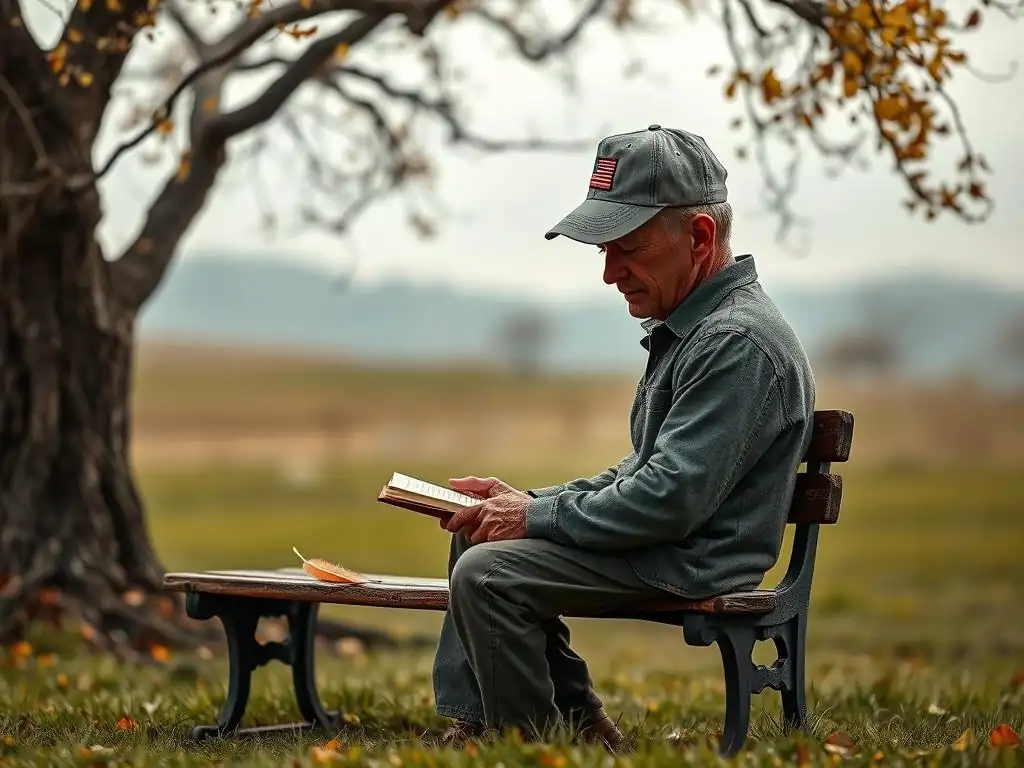
Education and Awareness Campaigns
Breaking the stigma surrounding veteran mental health requires ongoing efforts in education and awareness. Campaigns aimed at both the military and civilian populations can help change perceptions and encourage help-seeking behavior. Sharing accurate information about common veteran mental health challenges, the signs to look for, and the effectiveness of available treatments can dispel myths and reduce fear.
Highlighting stories of veterans who have successfully sought help and are living fulfilling lives can provide hope and demonstrate that recovery is possible. These campaigns should emphasize that mental health care is just as important as physical health care and is a sign of resilience, not weakness. Increased awareness can normalize the conversation around veteran mental health treatment resources.
Providing safe, confidential spaces where veterans feel comfortable sharing their experiences is vital for breaking down the walls of silence. This can take many forms, including peer support groups specifically for veterans, veteran-only therapy groups, or informal gatherings at veteran organizations or community centers. These spaces allow veterans to connect with others who have similar backgrounds and challenges, reducing feelings of isolation and fostering a sense of belonging.
In these environments, veterans can talk openly about their struggles without fear of judgment from those who may not understand military culture or combat experiences. Facilitating these safe spaces is a critical component of supporting veteran mental health and encouraging the utilization of veteran mental health treatment resources.
The Role of Community Support in Veteran Mental Health
Community support plays a crucial role in fostering the mental well-being of veterans. This includes the support of civilian communities, fellow veterans, families, and local organizations. Integrating veterans into community life, providing opportunities for connection, and raising local awareness about veteran issues can create a more supportive environment.
Local veteran service organizations, community centers, and faith-based groups can offer invaluable support networks, recreational activities, and assistance navigating resources. When communities actively welcome and support their veteran members, it reduces isolation and makes it easier for veterans to access and benefit from veteran mental health treatment resources available locally and nationally.
Mental Health Resources for Military Families
Supporting the Supporters: Addressing Secondary Trauma
Military families often face unique challenges, including frequent moves, long separations during deployments, and the stress of welcoming a service member back who may have changed. When a veteran struggles with mental health issues, their family members, particularly spouses and children, can experience significant stress and even secondary trauma. They may witness the veteran's symptoms, take on increased responsibilities, and experience their own emotional distress.
Recognizing and addressing the mental health needs of military families is just as important as supporting the veteran. Resources are available to help families cope with the impact of military life and a veteran's mental health challenges. Supporting the "supporters" is essential for the well-being of the entire family unit and contributes to a more stable environment for the veteran's recovery.
Family Therapy and Counseling Options
Family therapy and counseling are valuable veteran mental health treatment resources that can help the entire family unit cope with the effects of military service and mental health challenges. Therapy provides a space for family members to improve communication, understand each other's perspectives, and develop healthier ways of interacting. It can help partners and children understand the veteran's symptoms and learn how to support them effectively while also addressing their own needs.
Many VA facilities offer family counseling, and numerous NGOs specialize in providing support to military families. Seeking help as a family can strengthen relationships, reduce conflict, and create a more supportive home environment, which is crucial for the veteran's long-term recovery and well-being.
Long-Term Mental Health Care and Recovery for Veterans
Maintaining Mental Wellness After Treatment
Recovery from mental health challenges is often an ongoing process, not a one-time event. For veterans, maintaining mental wellness after initial treatment involves implementing the coping skills learned in therapy, adhering to medication regimens if prescribed, and engaging in healthy lifestyle practices. This phase requires commitment and a proactive approach to managing potential stressors and symptoms.
Developing a relapse prevention plan with a therapist is a key step. This plan helps veterans identify warning signs that their symptoms might be returning and outline specific steps to take to address them before they escalate. Ongoing access to follow-up care and veteran mental health treatment resources like therapy or support groups is often necessary to support long-term recovery.
Building a Support Network for Ongoing Recovery
A strong support network is invaluable for veterans in maintaining long-term mental wellness. This network can include family, friends, fellow veterans, peer support groups, and mental health professionals. Staying connected with others who understand their experiences provides emotional support, reduces isolation, and offers accountability.
Engaging with veteran organizations or community groups can provide continued camaraderie and opportunities for meaningful activity. Building and nurturing these relationships is a vital part of the recovery journey and provides a buffer against potential setbacks. Relying on this network complements the formal veteran mental health treatment resources they may continue to access.
The Importance of Self-Care for Veterans' Mental Health
Self-care is not a luxury but a fundamental component of maintaining mental health, especially for veterans managing ongoing conditions. This includes prioritizing adequate sleep, eating nutritious food, engaging in regular physical activity, and practicing stress-reduction techniques like mindfulness or meditation. Finding healthy hobbies and activities that bring joy and a sense of purpose is also crucial.
Self-care empowers veterans to take an active role in their own well-being and helps them build resilience. It's about recognizing their own needs and taking steps to meet them consistently. Incorporating self-care practices into their daily routine is a vital part of leveraging veteran mental health treatment resources for lasting recovery and improved quality of life.
Finding the Right Veteran Mental Health Treatment Resources for You
Frequently Asked Questions
What are some common mental health challenges faced by veterans?
Many veterans experience Post-Traumatic Stress Disorder (PTSD), depression, and anxiety due to their experiences during service. These challenges often stem from combat exposure or other traumatic events.
Why do some veterans hesitate to seek mental health treatment?
Veterans may hesitate due to stigma surrounding mental health, fear of career repercussions, or a feeling of weakness or shame. They might also worry about burdening their families.
What types of mental health treatment resources are specifically available for veterans?
There are numerous Veteran mental health treatment resources including the Department of Veterans Affairs (VA), which offers specialized mental healthcare, and various non-profit organizations providing support and counseling.
How can family and friends support a veteran struggling with their mental health?
Offer unconditional support and encourage the veteran to seek professional help. Educate yourself about mental health challenges and learn how to actively listen and validate their feelings.
Where can I find more information and support for veterans' mental health?
The VA website is a valuable resource, as are organizations like the Wounded Warrior Project and the National Center for PTSD. Search online for Veteran mental health treatment resources in your local area.
Final Reflection: Unmasking the Silent Battle: A Call to Action for Veteran Well-being
The pervasive silence surrounding veteran mental health is not just a statistic; it's a crisis demanding immediate attention. The struggles faced by our veterans, often hidden beneath a veneer of stoicism, represent a profound societal failure to adequately support those who have sacrificed so much for our nation. This article has highlighted the critical need for accessible and effective mental health treatment resources, a need that tragically continues to grow.
The impact of untreated PTSD, depression, and other mental health conditions on veterans extends far beyond the individual; it ripples through families, communities, and the nation as a whole. The emotional toll is immeasurable, and the societal cost is staggering. The price of silence is far greater than the price of speaking out.
This quote rings true for veterans grappling with their inner demons, and for a society that must actively listen and provide support. The ongoing struggle to destigmatize mental illness within the veteran community, and to foster a culture of open communication and care, remains a crucial battle to be won.
You, the reader, now hold the power to make a difference. Take a moment to reflect on the stories shared within this article. Consider how you can contribute to a more supportive environment for veterans in your life and community. Whether it's simply offering a listening ear, sharing resources with those who need them, or advocating for better mental health policies, your actions can have a profound impact. Let's work together to ensure that the silent battle waged by our veterans becomes a story of healing, resilience, and hope.
Unveil Your Support: Help Our Veterans Thrive
Thanks for taking the time to learn about the often-unseen challenges faced by our veterans. Understanding their struggles is the first step towards making a real difference. Now, let's turn that understanding into action:
- Reach out to a veteran in your life. A simple phone call, email, or even a cup of coffee can mean the world. Let them know you care and are there for them. This is the most impactful action you can take today.
- Share this article. Help spread awareness and encourage others to learn about the resources available to support veterans' mental well-being.
- Consider volunteering your time at a local veterans' support organization. Learn how you can make a tangible difference in their lives.
What small act of support will you take today to help a veteran find the strength they deserve?