
Mood Tracking: A Powerful Tool for Bipolar Management


Welcome to Mind Care Guide, your sanctuary for understanding and navigating the complexities of mental well-being. Feeling overwhelmed by the unpredictable nature of bipolar disorder? You're not alone. Many find solace and control through proactive measures, and in this article, we'll delve into how bipolar mood tracking strategies help you reclaim your life. Discover practical techniques and gain valuable insights to manage your moods effectively. Ready to embark on a journey towards greater stability and self-awareness? Let's begin.
Mood Tracking: A Powerful Tool for Bipolar Management
- Understanding Bipolar Disorder and the Importance of Mood Tracking
- Implementing Bipolar Mood Tracking Strategies
- Effective Bipolar Mood Tracking Techniques
- Analyzing Your Mood Tracking Data: Gaining Insights
- Using Mood Tracking Data to Collaborate with Your Healthcare Provider
- Overcoming Challenges in Bipolar Mood Tracking
- Advanced Bipolar Mood Tracking Techniques
- Resources for Bipolar Mood Tracking
-
Frequently Asked Questions
- How can mood tracking specifically aid in managing bipolar disorder?
- What types of information should I record when tracking my mood?
- Are there specific apps or tools recommended for bipolar mood tracking?
- How frequently should I track my mood for it to be effective in managing bipolar disorder?
- How can I use the mood tracking data to improve my overall mental well-being and treatment plan?
- Final Reflection: Unlocking Stability Through Self-Awareness
- Unlock Your Mood's Potential: Take Control Now!
Understanding Bipolar Disorder and the Importance of Mood Tracking
What is Bipolar Disorder? A Brief Overview
Bipolar disorder is a complex mental health condition characterized by significant shifts in mood, energy, activity levels, and the ability to carry out daily tasks. These mood episodes range from periods of elevated, expansive, or irritable mood (known as mania or hypomania) to periods of intense sadness, hopelessness, and loss of interest (depression). The severity and frequency of these episodes vary greatly from person to person, making consistent self-awareness a critical component of managing the condition effectively.
Unlike typical mood swings, the mood changes in bipolar disorder are often intense and can last for days, weeks, or even months. These shifts can significantly impact a person's life, affecting relationships, work, school, and overall functioning. Understanding the distinct phases of bipolar disorder – depressive episodes, manic or hypomanic episodes, and periods of stable mood (euthymia) – is fundamental to recognizing the illness and developing effective coping and management techniques.
Why Bipolar Mood Tracking is Essential for Effective Management
Effective management of bipolar disorder relies heavily on identifying patterns and triggers that influence mood shifts. This is where bipolar mood tracking strategies help significantly. By systematically recording daily mood states, sleep patterns, activity levels, medication adherence, and potential stressors, individuals can begin to see correlations that might not be apparent otherwise. This data provides a personalized map of their unique experience with the disorder.
Without tracking, recognizing the subtle shifts that precede a full-blown episode can be challenging. For instance, a slight increase in energy or decrease in sleep might be dismissed as minor variations, but consistent tracking could reveal these as early warning signs of an impending hypomanic phase. Similarly, tracking helps distinguish between typical bad days and the onset of a depressive episode, enabling earlier intervention. These bipolar mood tracking strategies help individuals and their healthcare providers make informed decisions about treatment adjustments and lifestyle changes.
The Benefits of Consistent Mood Monitoring for Bipolar Disorder
Consistent mood monitoring offers a multitude of benefits for individuals living with bipolar disorder. Firstly, it enhances self-awareness, empowering individuals to recognize their own patterns and potential triggers. This increased insight can lead to a greater sense of control over the condition, reducing feelings of helplessness that can often accompany unpredictable mood swings.
Secondly, detailed mood logs provide invaluable data for healthcare providers. During a typical brief appointment, it's difficult to recall weeks or months of subtle mood fluctuations accurately. A well-maintained mood chart offers an objective overview of mood stability, episode frequency, and the impact of various factors. This allows doctors and therapists to tailor treatment plans more effectively, potentially adjusting medication dosages, recommending specific therapies, or suggesting lifestyle interventions based on concrete evidence from the individual's daily life. Studies have shown that individuals who consistently track their mood often experience fewer hospitalizations and report a better quality of life.
Implementing Bipolar Mood Tracking Strategies
Choosing the Right Mood Tracking Method for You
Selecting the appropriate method for tracking your mood is a personal decision, as consistency is key. What works well for one person might be cumbersome or ineffective for another. The goal is to find a system that is easy to use daily and captures the information you need to identify patterns and triggers. Consider your lifestyle, technological comfort level, and what level of detail you wish to record when making your choice.
There are several popular approaches to bipolar mood tracking strategies, each with its own advantages and disadvantages. Exploring different methods initially can help you determine which one best fits your needs and preferences. Some people find a simple pen-and-paper journal sufficient, while others benefit from the features offered by digital applications or even wearable technology that passively collects data like sleep and activity, which can correlate with mood.
Paper-Based Mood Journals: Pros and Cons
Paper-based mood journals are a traditional and straightforward method of tracking. They offer flexibility, allowing you to write as much or as little as you like about your day, feelings, and experiences. Many people find the act of writing therapeutic and more engaging than typing or tapping. A simple notebook can be used, or specialized journals with pre-designed templates can be purchased, often including sections for mood, sleep, medications, and notes.
However, paper journals can be less convenient for analysis. Looking back over weeks or months to find patterns requires manually scanning through pages. They are also prone to being lost or damaged, and cannot easily generate charts or graphs for a quick visual overview. Sharing data with a healthcare provider means physically bringing the journal or transcribing information, which can be time-consuming. Despite these drawbacks, for those who prefer a non-digital approach, a paper journal remains a viable and accessible option for bipolar mood tracking strategies.
Digital Mood Tracking Apps: Features and Functionality
Digital mood tracking apps are widely available for smartphones and tablets and are a popular tool for bipolar mood tracking strategies. These apps typically allow users to rate their mood on a scale (e.g., 1-10, or using descriptive terms like "depressed," "low," "neutral," "high," "manic"), log sleep duration, record medication taken, note triggers (like stress, social events, diet), and add journal entries. Many apps offer customizable tracking categories.
A major advantage of digital apps is their ability to quickly generate charts and graphs visualizing mood fluctuations over time, making it easier to spot patterns and trends. They often include reminders to track daily, helping maintain consistency. Data can usually be exported or shared electronically with healthcare providers. Some apps also offer additional features like goal setting, coping skill suggestions, or integration with other health tracking tools. However, relying on a device means you need battery power, and some people find the interface less personal than writing.
Wearable Technology for Tracking Mood and Activity
Wearable technology, such as smartwatches and fitness trackers, can complement traditional mood tracking by passively collecting objective data related to factors that influence mood. While these devices don't directly measure mood, they can track sleep duration and quality, heart rate, physical activity levels, and sometimes even stress levels (via heart rate variability).
This objective data can provide valuable context for the subjective mood ratings recorded in a journal or app. For example, if your tracker shows you only got 4 hours of sleep, and your mood log indicates increased irritability, this correlation becomes clear. This type of data is particularly useful for identifying physiological signs that might precede or accompany mood shifts. However, wearable tech data should be used in conjunction with self-reported mood, as it doesn't capture the full picture of emotional state and cognitive symptoms.
Setting Up Your Bipolar Mood Tracking System
Once you've chosen your preferred method, setting up your system is the next crucial step. This involves defining what you will track and establishing a routine that makes tracking sustainable. A well-structured system ensures you collect consistent and relevant data that will be useful for identifying patterns and informing your management plan.
The setup process should be personalized. Think about the specific aspects of your bipolar disorder that you want to understand better. Are sleep disturbances a major issue? Do certain social situations reliably trigger shifts? Are you trying to see how medication adjustments are affecting you? Tailoring your tracking setup to answer these questions will make the data you collect far more meaningful and directly applicable to your life.
Defining Your Mood States: Creating a Mood Scale
A fundamental part of bipolar mood tracking strategies is defining how you will measure your mood. Using a consistent scale or set of categories allows you to track changes over time in a quantifiable way. A simple numerical scale, like 1-10 (with 1 being severely depressed, 5 neutral, and 10 severely manic), is common. Alternatively, you can use descriptive categories such as "Severe Depression," "Moderate Depression," "Low Mood," "Stable/Euthymia," "Elevated Mood," "Hypomania," and "Mania."
It's helpful to define what each point on your scale or each category means for you. For example, what specific feelings, thoughts, or behaviors characterize a "7" on your scale, or what distinguishes "Elevated Mood" from "Hypomania"? Writing down these personal definitions can help ensure consistency in your daily ratings. Some systems also use a separate scale for anxiety or irritability, as these can be prominent symptoms that don't always fit neatly into a simple depression-to-mania scale.
Identifying Triggers and Contributing Factors
Beyond just logging your mood, tracking potential triggers and factors that influence your mood is vital for effective bipolar mood tracking strategies. These can include sleep duration, stress levels, major life events, minor daily hassles, social interactions, diet, exercise, substance use (including caffeine and alcohol), and medication timing or dosage.
Create a list of factors that you suspect might affect your mood, or common triggers you've identified in the past. Your tracking system should have a way to log these daily. For example, you might note "3 hours sleep," "Argument with boss," "Went to the gym," "Ate fast food," or "Missed evening medication." Over time, analyzing this data alongside your mood ratings will help confirm which factors are genuinely correlated with your mood shifts, allowing you to develop strategies to manage or avoid negative influences.
Establishing a Regular Tracking Schedule
Consistency is paramount in bipolar mood tracking strategies. Establishing a regular schedule for logging your mood and other data points helps ensure you don't miss entries and makes the process a routine habit. Many people find it helpful to track their mood at least once daily, often in the evening, to reflect on the day as a whole. Others prefer tracking multiple times a day, perhaps morning, noon, and evening, to capture fluctuations throughout the day.
Choose a time or times that are realistic for you to commit to daily. Setting reminders on your phone or integrating tracking into an existing routine (like before bed or after breakfast) can help. Don't aim for perfection; missing a day or two occasionally is okay. The key is to get back on track as soon as possible. A consistent schedule provides the dense data needed to identify reliable patterns over weeks and months.
Effective Bipolar Mood Tracking Techniques
Daily Mood Logging: Capturing Your Emotional State
The cornerstone of bipolar mood tracking strategies is the daily logging of your emotional state. This involves rating your mood on your chosen scale or selecting the appropriate category, typically at least once per day. Be as honest and objective as possible when rating your mood, even if it feels difficult during extreme states. Try to capture the predominant mood state for the period you are logging, or note significant shifts if tracking multiple times a day.
In addition to the numerical or categorical rating, adding brief notes about why you think your mood is where it is can be incredibly insightful. Did something specific happen? How were your energy levels? What were your thoughts like? These qualitative notes provide context for the quantitative data and are crucial for understanding the nuances of your mood experience. For example, logging "Mood: 8 (Hypomanic)" alongside notes like "Couldn't stop talking, felt restless, started three new projects" is far more informative than just the number "8."
Identifying Patterns and Trends in Your Mood
The power of bipolar mood tracking strategies lies in identifying patterns and trends over time. After consistently tracking for a few weeks, and especially after several months, you can begin to look for recurring sequences of events or fluctuations. Are your mood highs always followed by lows? Is there a seasonal pattern to your episodes? Do certain days of the week tend to be better or worse?
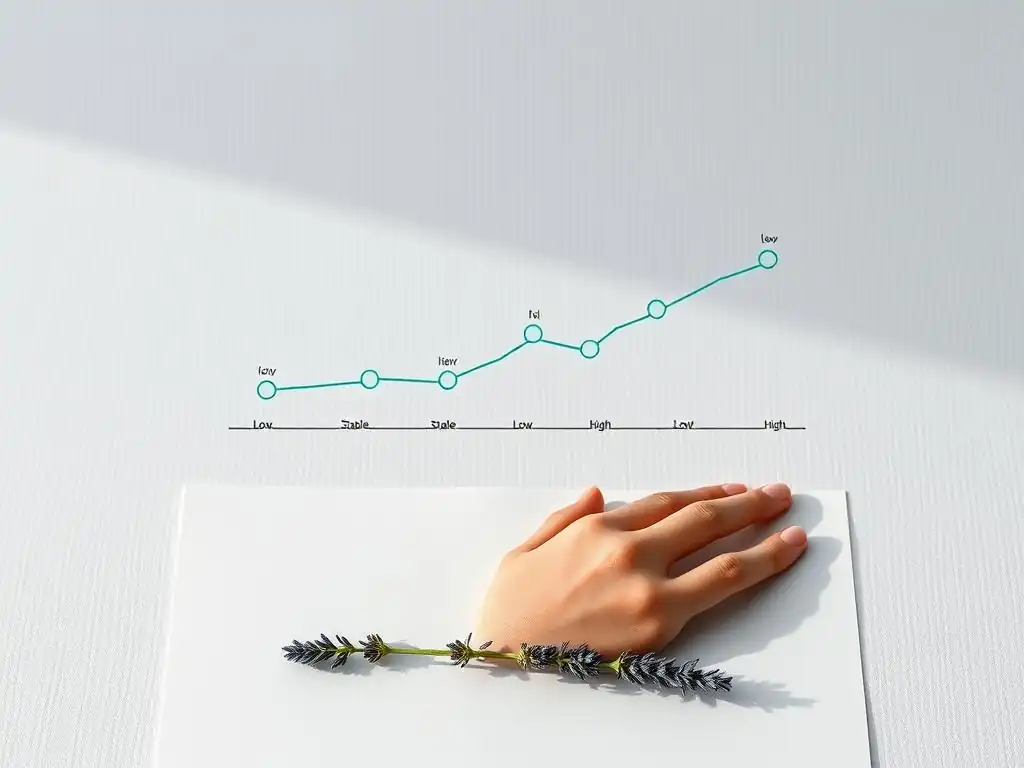
Analyzing your data visually, through charts or graphs (if using a digital tool), makes these patterns much easier to spot than sifting through raw numbers or text. Look for correlations between your mood ratings and the factors you've been tracking, such as sleep, stress, or social activity. For instance, you might notice that periods of increased irritability consistently occur when you've had less than six hours of sleep for two consecutive nights. Recognizing these patterns is a proactive step in managing your bipolar disorder.
Recognizing Early Warning Signs of Mood Episodes
One of the most critical benefits of effective bipolar mood tracking strategies is learning to recognize the subtle early warning signs of an impending mood episode before it becomes severe. These signs are highly individual and can be behavioral, cognitive, or physical. For example, early signs of hypomania/mania might include decreased need for sleep, increased talkativeness, racing thoughts, or impulsivity. Early signs of depression might involve withdrawal from social activities, changes in appetite, difficulty concentrating, or increased fatigue.
By tracking your mood and associated factors daily, you become more attuned to these subtle shifts in your own behavior and feelings. When you notice a cluster of these early signs appearing in your tracking data, it serves as a signal to implement your coping strategies, reach out to your support system, and potentially contact your healthcare provider. Acting early can sometimes help mitigate the severity or duration of an episode.
Analyzing Your Mood Tracking Data: Gaining Insights
Interpreting Your Mood Charts and Graphs
If your tracking method generates charts or graphs, take time regularly to review them. These visual representations make it much easier to see your mood trajectory over weeks or months. Look for peaks and valleys, how long different mood states last, and how frequently you experience shifts. Many apps provide different views (daily, weekly, monthly, yearly) to help you see both short-term fluctuations and long-term trends.
Interpreting these visuals involves looking beyond just the lines or bars. Correlate the dates of significant mood shifts with the notes you've taken about events, triggers, or lifestyle factors on those days. For example, a sharp drop in mood might coincide with a stressful work deadline, or a period of elevated mood might follow a change in medication dosage. This analysis transforms raw data into actionable insights about your personal experience with bipolar disorder.
Identifying Correlations Between Mood and Lifestyle Factors
Detailed analysis of your mood tracking data involves looking for specific correlations between your mood ratings and the various lifestyle factors you've recorded. Effective bipolar mood tracking strategies help uncover these links, which are often unique to each individual. For instance, one person might find that even one alcoholic drink severely destabilizes their mood, while another might tolerate occasional, moderate consumption without issue.
Systematically review your data to answer questions like:
- Does getting less than a certain amount of sleep reliably precede a specific mood state?
- Do periods of high stress always lead to a depressive episode?
- Does regular exercise correlate with more stable periods?
- Does missing medication doses directly impact your mood within a specific timeframe?
- Are there certain foods or substances that seem to affect you?
Understanding these correlations is key to developing effective coping strategies and making lifestyle adjustments that support mood stability.
Sleep Patterns and Mood Stability
Sleep is a profoundly influential factor in bipolar disorder, and tracking sleep duration and quality is a critical component of bipolar mood tracking strategies. Disruptions in sleep, whether too little or too much, can often act as a trigger for mood episodes. For example, insufficient sleep is a well-known precursor to hypomanic or manic episodes for many individuals.
Analyzing your mood data alongside your sleep logs can vividly illustrate this connection. You might notice a clear pattern where periods of reduced sleep hours consistently precede upward shifts in your mood scale, or periods of excessive sleep correlate with depressive phases. This insight empowers you to prioritize sleep hygiene and recognize sleep disturbances as a potential warning sign requiring immediate attention. Many individuals find that maintaining a consistent sleep schedule, even on weekends, is one of the most impactful strategies for preventing episodes.
Diet and Nutrition's Impact on Bipolar Symptoms
While not as universally impactful as sleep, diet and nutrition can play a role in managing bipolar symptoms for some individuals. Tracking your food intake, paying attention to factors like meal timing, blood sugar fluctuations, caffeine consumption, and processed food intake, alongside your mood, can reveal potential sensitivities or correlations.
For example, some individuals report increased anxiety or irritability after consuming large amounts of sugar or caffeine. Others find that regular, balanced meals help maintain energy levels and prevent mood crashes. While specific dietary recommendations for bipolar disorder are still an area of research, using bipolar mood tracking strategies to observe your personal reactions to different foods or eating patterns can help you identify dietary choices that support your mood stability.
Stress Management and Mood Regulation
Stress is a significant trigger for mood episodes in bipolar disorder. Tracking your stress levels and specific stressors alongside your mood is essential for identifying patterns and developing effective coping mechanisms. Stress can come from various sources, including work, relationships, finances, or major life changes.
Your mood tracking data can highlight how different types or levels of stress impact your mood. You might notice that chronic low-level stress erodes your mood stability over time, or that acute, high-impact stressors immediately trigger a shift. By identifying these links, you can proactively implement stress-reducing strategies, such as mindfulness, exercise, or setting boundaries, especially during periods when your tracking indicates rising stress levels are impacting your mood. Recognizing the connection between stress and mood is a powerful step towards better regulation.
Using Mood Tracking Data to Collaborate with Your Healthcare Provider
Your mood tracking data is a powerful communication tool to use with your psychiatrist, therapist, or other members of your healthcare team. Instead of trying to recall weeks or months of emotional fluctuations during a brief appointment, you can present a clear, data-driven summary of your experience. This allows for a more accurate and productive conversation about your current state and how your treatment plan is working.
Many digital tracking apps have features that allow you to generate reports or export your data in a format that can be easily shared with your provider, such as a PDF or spreadsheet. If using a paper journal, summarizing key trends or bringing the journal itself can be helpful. Be prepared to discuss the patterns you've identified and ask questions about how the data informs your treatment. This collaborative approach, facilitated by effective bipolar mood tracking strategies, ensures your care is tailored to your specific needs.
Adjusting Treatment Plans Based on Mood Tracking Results
Detailed mood tracking data provides objective evidence that can guide adjustments to your treatment plan. For instance, if your tracking shows a consistent pattern of depressive symptoms appearing despite your current medication regimen, your doctor might consider adjusting your dosage, adding a new medication, or exploring alternative therapies. Similarly, if tracking reveals frequent hypomanic episodes, it might indicate a need to increase the dose of a mood stabilizer or make other medication changes.
Beyond medication, your tracking data can inform other aspects of treatment. If tracking consistently shows that lack of sleep triggers episodes, your therapist might focus on developing better sleep hygiene strategies with you. If stress is a clear trigger, stress management techniques might become a central part of your therapy. Using bipolar mood tracking strategies helps ensure that treatment decisions are based on real-world data from your daily life, leading to more effective interventions.
The Role of Mood Tracking in Medication Management
Medication is a cornerstone of bipolar disorder treatment, and mood tracking plays a vital role in optimizing medication management. By tracking your mood, along with the timing and dosage of your medications, you and your doctor can assess the effectiveness of your current regimen. Is the medication successfully preventing episodes? Are there breakthrough symptoms?
Furthermore, tracking can help identify potential side effects. If you start a new medication or change a dose and subsequently notice a new symptom (e.g., increased fatigue, tremor, changes in appetite) appearing consistently in your notes or correlating with that change, it's important information to share with your doctor. Effective bipolar mood tracking strategies help you become an active participant in finding the right medication balance, ensuring your treatment is both effective and tolerable.
Overcoming Challenges in Bipolar Mood Tracking

Maintaining Consistency and Avoiding Burnout
One of the biggest challenges in bipolar mood tracking strategies is maintaining consistency over the long term. It's easy to start tracking with enthusiasm but find it difficult to keep up daily, especially during mood episodes when motivation might be low. This inconsistency can lead to incomplete data, making pattern identification difficult.
Strategies to overcome this include:
- Start small: Don't try to track everything at once. Begin with just mood and sleep, then add other factors gradually.
- Integrate into routine: Link tracking to an existing daily habit (e.g., brushing teeth, eating dinner).
- Use reminders: Set alarms or use app notifications.
- Be kind to yourself: If you miss a day or a week, don't give up. Just start again.
- Focus on the benefits: Remind yourself why you are tracking and how the data helps you manage your condition.
Avoiding burnout is also key. If tracking feels like a chore, consider simplifying your system or taking a short break if absolutely necessary, while understanding the potential impact on data completeness.
Dealing with Subjectivity and Bias in Mood Reporting
Mood reporting is inherently subjective; how you feel on a given day is influenced by many factors, including your current mood state. During a depressive episode, you might rate your mood lower than an objective observer would, or during hypomania, you might minimize irritability or impulsivity. This subjectivity can introduce bias into your data.
To mitigate this:
- Define your scale clearly: Refer back to your personal definitions of each mood level.
- Track multiple indicators: Don't rely solely on a single mood number. Include notes on energy levels, thoughts, behaviors, and physical symptoms to provide a more rounded picture.
- Review past entries: Look back at entries from different mood states to calibrate your ratings.
- Seek feedback: If comfortable, discuss your tracking with a trusted friend or family member who knows you well, or with your therapist, to gain an external perspective.
While complete objectivity is impossible, being aware of potential biases and using these techniques can improve the reliability of your bipolar mood tracking strategies.
Adapting Your Tracking System to Changing Needs
Bipolar disorder is a dynamic condition, and your needs for tracking may change over time. What was useful when you were first diagnosed might be less relevant after years of experience. For example, once you've clearly identified certain triggers like sleep deprivation, you might shift your focus to tracking the effectiveness of your coping strategies when those triggers occur.
Be open to adapting your tracking system. Review periodically what you are tracking and why. Are you still gaining new insights? Is there anything new happening in your life (e.g., starting a new medication, a major life change) that you should start tracking? Don't be afraid to modify your scale, add or remove categories, or even switch tracking methods if your current one is no longer serving you effectively. Your bipolar mood tracking strategies should evolve with you.
Advanced Bipolar Mood Tracking Techniques
Tracking Co-occurring Symptoms (Anxiety, Depression)
Many individuals with bipolar disorder also experience co-occurring conditions or symptoms, most commonly anxiety. Tracking these alongside your primary mood state can provide a more comprehensive picture of your overall mental well-being and how different symptoms interact. For example, you might notice that periods of high anxiety often precede or accompany depressive episodes, or that anxiety spikes occur during hypomanic phases.
You can add separate scales or categories within your tracking system for anxiety levels, irritability, or specific symptoms like panic attacks or obsessive thoughts. Monitoring these co-occurring symptoms using bipolar mood tracking strategies allows you to identify their own patterns and triggers, which may differ from your primary mood triggers, and discuss them specifically with your healthcare provider for targeted interventions.
Monitoring Medication Side Effects
Medications for bipolar disorder can have various side effects, ranging from mild to significant. Tracking these side effects is just as important as tracking your mood, especially when starting a new medication or adjusting a dose. Some side effects, like fatigue or changes in appetite, can also be symptoms of bipolar episodes, making accurate tracking crucial for distinguishing between the two.
Create specific categories in your tracking system to note any potential side effects you experience, such as tremor, nausea, weight changes, cognitive difficulties, or changes in sleep patterns. Note the severity and duration of the side effect daily. This data provides concrete information to discuss with your doctor, helping them weigh the benefits of a medication against its impact on your quality of life and make necessary adjustments. Effective bipolar mood tracking strategies include vigilant side effect monitoring.
Using Mood Tracking for Self-Advocacy
Your detailed mood tracking data is a powerful tool for self-advocacy in your healthcare journey. When you can present clear, documented patterns and correlations, you are better equipped to communicate your needs and experiences to your healthcare team. This data supports your subjective reports with objective trends, making your observations more impactful.
For example, if you believe a certain trigger consistently leads to episodes, your tracking data can provide the evidence to support this. If you feel a medication isn't working effectively or is causing problematic side effects, your logs can back up your claims. Using bipolar mood tracking strategies empowers you to be an active, informed partner in your treatment, ensuring your voice is heard and your care plan is truly personalized and effective.
Resources for Bipolar Mood Tracking
Recommended Apps and Tools for Mood Tracking
Numerous digital tools are available that can assist with bipolar mood tracking strategies. Popular apps often recommended include Daylio, Moodpath, eMoods Bipolar Mood Tracker (specifically designed for bipolar disorder), and Bearable. Each app offers different features, interfaces, and levels of detail, so it's worth exploring a few options to find the one that best suits your needs and is easiest for you to use consistently.
Many of these apps offer features like customizable tracking points, graphical data representation, and report generation for sharing with healthcare providers. Some are free, while others require a subscription for full functionality. Reading reviews and perhaps trying a free version or trial can help you decide which tool is the best fit for your personal bipolar mood tracking strategies.
Support Groups and Online Communities for Bipolar Disorder
Connecting with others who understand the challenges of bipolar disorder can provide invaluable support and practical advice, including tips on bipolar mood tracking strategies. Support groups, whether in-person or online, offer a safe space to share experiences, learn from others' journeys, and gain encouragement. Organizations like the Depression and Bipolar Support Alliance (DBSA) or the National Alliance on Mental Illness (NAMI) often host local and online support groups.
Online communities and forums dedicated to bipolar disorder can also be a source of information and connection. Hearing how others implement their tracking systems, overcome challenges, and use their data can provide motivation and new ideas for your own approach. Sharing your own experiences can also be empowering and helpful to others just starting their tracking journey.
Further Reading on Bipolar Disorder and Mood Management
To deepen your understanding of bipolar disorder and enhance your mood management skills, including effective bipolar mood tracking strategies, consider exploring reputable books and websites. Resources from established mental health organizations provide evidence-based information on the condition, treatment options, coping strategies, and the role of self-management tools like tracking.
Books like "The Bipolar Handbook" or works by experts in the field can offer detailed insights into living well with bipolar disorder. Websites from organizations like the National Institute of Mental Health (NIMH), Mayo Clinic, or the aforementioned DBSA and NAMI are excellent sources of reliable information. Continuously learning about your condition empowers you to utilize tools like mood tracking to their fullest potential.
Frequently Asked Questions
How can mood tracking specifically aid in managing bipolar disorder?
Mood tracking helps identify mood patterns and triggers specific to your bipolar disorder. This allows for proactive intervention and better management of episodes.
What types of information should I record when tracking my mood?
Record your mood state (e.g., depression, mania, euthymia), sleep patterns, medication adherence, and any significant life events that might be influencing your mood.
Are there specific apps or tools recommended for bipolar mood tracking?
Yes, several apps like Daylio, Moodpath, and eMoods Bipolar Mood Tracker are designed for this purpose. Consider also using a simple journal or spreadsheet for tracking.
How frequently should I track my mood for it to be effective in managing bipolar disorder?
Ideally, track your mood daily or even multiple times a day, especially during periods of instability. Consistency is key to identifying trends and patterns.
How can I use the mood tracking data to improve my overall mental well-being and treatment plan?
Share your tracking data with your mental health professional. This allows for data-driven adjustments to your medication or therapy, leading to a more effective treatment plan and improved overall well-being.
Final Reflection: Unlocking Stability Through Self-Awareness
The consistent tracking of mood fluctuations is no longer a niche practice; it's a vital strategy for navigating the complexities of bipolar disorder. Understanding your own patterns, triggers, and responses empowers you to take proactive steps towards stability and a higher quality of life. This isn't just about managing symptoms; it's about reclaiming control and building a stronger, more resilient self.
The impact of mood tracking extends far beyond the individual. By openly discussing our experiences and sharing effective strategies, we foster a more compassionate and understanding community. This shared knowledge helps break down the stigma surrounding mental health, creating space for open dialogue and mutual support. The greatest glory in living lies not in never falling, but in rising every time we fall.
– Nelson Mandela. This quote resonates deeply because mood tracking provides the tools to rise again, to learn from setbacks, and to build a more stable future.
You hold the power to shape your narrative. Consider how incorporating a consistent mood tracking routine into your life can enhance your self-awareness and provide invaluable insights into your own unique patterns. Don't hesitate to experiment with different methods – journaling, apps, or even simple charts – to find what works best for you. Embrace this journey of self-discovery, and remember that every step you take towards understanding your bipolar disorder is a step towards a brighter, more fulfilling life.
Unlock Your Mood's Potential: Take Control Now!
Thanks for taking the time to learn about mood tracking and its power in managing bipolar disorder. You've gained valuable insights into a tool that can significantly improve your well-being. Now it's time to put this knowledge into action!
- Start your mood tracking journey today! Grab a journal, download an app, or even use a simple spreadsheet – find the method that best suits you and begin recording your moods. This is your first step to greater self-awareness.
- Share your experience! Connect with others in our online community (MindCareGuide.org Forum – in development) and share your tips and challenges. Supporting each other is key to successful mood management.
- Explore additional resources on our website (MindCareGuide.org - coming soon) to discover more strategies for coping with bipolar disorder.
Ready to transform your understanding of your moods and take control of your well-being? What's your first step towards consistent mood tracking?