
The Future of Mood Disorder Treatment: Targeting Specific Brain Circuits

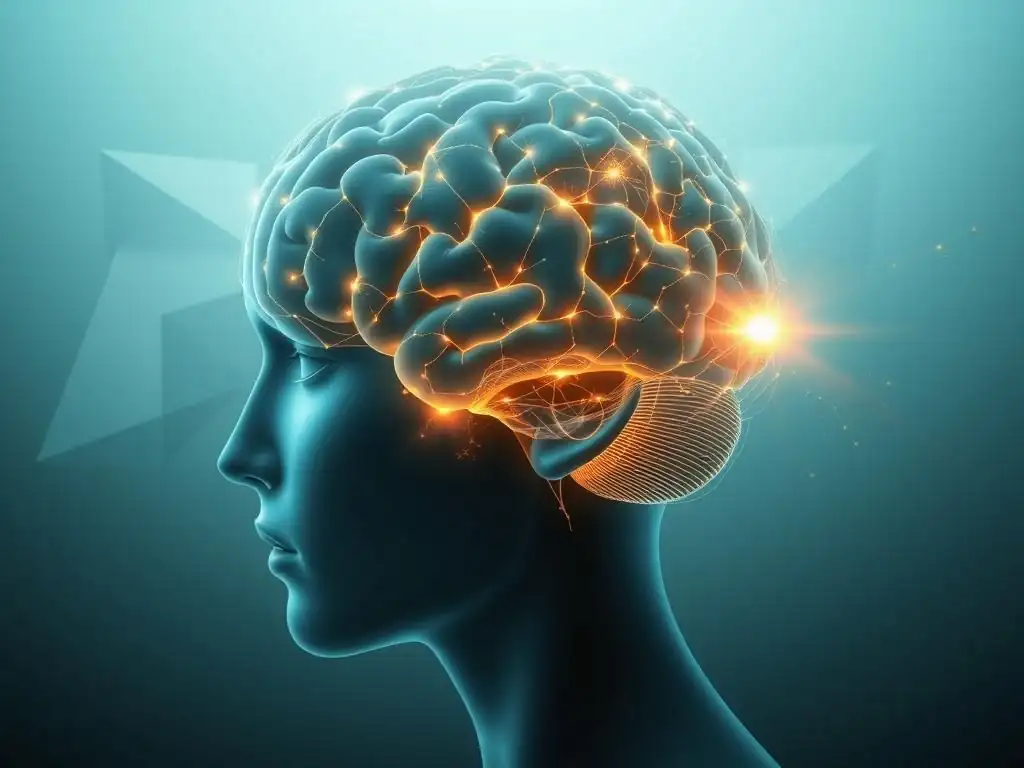
Welcome to Mind Care Guide, a safe space to explore and understand the intricate world of mental well-being. Feeling overwhelmed by mood disorders? You're not alone. Imagine a future where treatment is precisely tailored to your unique needs. Our article, "The Future of Mood Disorder Treatment: Targeting Specific Brain Circuits," delves into promising advancements in brain circuit mood disorder treatment, offering a glimpse of hope and a deeper understanding of how science is paving the way for more effective and personalized care. Ready to uncover the potential for a brighter tomorrow? Let's begin.
The Future of Mood Disorder Treatment: Targeting Specific Brain Circuits
- Understanding Mood Disorders and the Brain
- Brain Circuit Mood Disorder Treatment: A New Frontier
- Targeted Therapies: Precision Medicine for Mood Disorders
- The Promise of Personalized Treatment Plans
- Challenges and Future Directions in Brain Circuit Mood Disorder Treatment
- The Mind Care Guide Perspective on Brain Circuit Therapies
-
Frequently Asked Questions
- What exactly are brain circuits, and how are they related to mood disorders?
- How does "Brain circuit mood disorder treatment" differ from traditional approaches like medication and therapy?
- What are some examples of "Brain circuit mood disorder treatments" currently being explored or used?
- Is "Brain circuit mood disorder treatment" a cure, or does it primarily manage symptoms?
- Are there any risks or side effects associated with "Brain circuit mood disorder treatment"?
- Final Reflection: Rewiring Resilience: The Future of Mood Disorder Treatment
- Unlock Your Brain's Potential: Take Charge of Your Mood
Understanding Mood Disorders and the Brain
Mood disorders, such as major depressive disorder and anxiety disorders, represent significant global health challenges. These conditions go beyond temporary feelings of sadness or worry; they are complex illnesses that impact how individuals think, feel, and function in daily life. Affecting millions worldwide, these disorders are often chronic and can significantly impair quality of life, relationships, and work productivity. While current treatments, including psychotherapy and antidepressant medications, have helped many, a substantial number of individuals do not achieve full remission, highlighting the need for more effective and personalized approaches.
The complexity of mood disorders stems from their multifaceted origins, involving a blend of genetic predisposition, environmental factors, and crucially, dysfunctions within the brain. For decades, research primarily focused on imbalances of specific neurotransmitters like serotonin and norepinephrine. While this perspective led to the development of many current medications, it has become increasingly clear that the picture is far more intricate.
The focus is now shifting towards understanding how entire networks of brain regions, or "circuits," interact and how disruptions in these circuits contribute to the diverse symptoms observed in mood disorders. This evolving understanding is paving the way for revolutionary new treatment strategies.
The Role of Brain Circuits in Mood Regulation
The brain is an incredibly complex network of interconnected regions, and mood is not regulated by a single area but by the coordinated activity of distributed neural circuits. Key circuits involved in mood regulation include those linking the prefrontal cortex (involved in executive functions and emotional regulation), the amygdala (processing emotions, especially fear), the hippocampus (memory and context), the anterior cingulate cortex (conflict monitoring and emotional processing), and subcortical structures like the striatum (reward and motivation). These circuits work together to process emotional stimuli, regulate responses, and integrate emotional experiences with cognition.
Dysfunction within these circuits is strongly implicated in mood disorders. For example, studies using neuroimaging have consistently shown altered activity and connectivity within the circuit involving the prefrontal cortex and amygdala in individuals with depression and anxiety. The amygdala might show heightened reactivity to negative stimuli, while the prefrontal cortex might show reduced activity, impairing its ability to regulate these emotional responses.
Furthermore, disruptions in circuits related to reward processing, such as those involving the striatum, are linked to anhedonia, a core symptom of depression characterized by a loss of interest or pleasure. Understanding these specific circuit-level abnormalities offers precise targets for therapeutic intervention.
Current Limitations in Mood Disorder Treatments
Despite the availability of various treatments, a significant challenge remains: achieving full remission for all patients. Antidepressant medications, while effective for many, often take several weeks to show benefits, and response rates vary considerably.
Large studies, such as the STAR*D trial in the United States, have shown that only about one-third of patients with major depression achieve remission with the first antidepressant they try. Subsequent treatment steps, involving switching medications or adding new ones, increase remission rates but also come with a higher burden of side effects and still leave a substantial percentage of patients (around 30-40%) with residual symptoms or treatment resistance.
Furthermore, current treatments often have significant side effects, including weight gain, sleep disturbances, sexual dysfunction, and emotional blunting, which can impact adherence and overall quality of life. Psychotherapy is also an effective treatment, but access can be limited, and it requires significant time commitment.
The trial-and-error approach often needed to find the right medication or combination of treatments can be a frustrating and lengthy process for patients, prolonging suffering and increasing the risk of chronicity. These limitations underscore the urgent need for more precise, rapid-acting, and effective interventions, which the focus on brain circuit mood disorder treatment aims to address.
Brain Circuit Mood Disorder Treatment: A New Frontier
The emerging field of brain circuit mood disorder treatment represents a paradigm shift in how we approach these conditions. Instead of broadly targeting neurotransmitter systems across the entire brain, this approach seeks to identify and modulate the specific neural pathways and networks that are dysfunctional in individual patients. This allows for more precise intervention, potentially leading to higher efficacy, fewer side effects, and faster relief of symptoms. It moves treatment from a generalized approach towards a more personalized form of neuropsychiatric care.
This frontier is being propelled by significant advances in neuroscience, particularly in our ability to map and understand the intricate connections within the human brain. By pinpointing the exact "wires" and "hubs" that are misfiring in conditions like depression and anxiety, researchers and clinicians can develop therapies designed to specifically repair or recalibrate these circuits.
This could involve using technologies that directly stimulate or inhibit brain activity, or developing medications that act more selectively on components within these specific circuits. The promise of brain circuit mood disorder treatment lies in its potential to offer hope to those who haven't responded to traditional therapies and to improve outcomes for all.
What are Brain Circuits and How Do They Relate to Mood Disorders?
Brain circuits are pathways formed by interconnected neurons that transmit information between different brain regions. Think of them as sophisticated communication networks. These circuits are responsible for processing information, regulating emotions, making decisions, and controlling behavior. They are dynamic, constantly adapting and changing based on experiences, a property known as plasticity. Complex functions like mood, cognition, and social interaction rely on the coordinated activity of multiple interacting circuits.
In the context of mood disorders, these circuits are believed to be malfunctioning. For instance, the circuit involving the amygdala and the ventromedial prefrontal cortex plays a crucial role in evaluating threats and regulating fear responses. In anxiety disorders, this circuit might be hyperactive, leading to excessive worry and fear. In depression, circuits related to reward processing and motivation, such as the mesolimbic pathway involving the ventral tegmental area and the nucleus accumbens, might show reduced activity, contributing to anhedonia and lack of motivation. Identifying these specific circuit-level deficits is foundational to developing targeted brain circuit mood disorder treatment.
Identifying Key Brain Circuits Involved in Depression and Anxiety
Research has identified several key brain circuits consistently implicated in the pathophysiology of depression and anxiety. These include the limbic-cortical circuits, which connect emotional centers like the amygdala and hippocampus with regulatory areas in the prefrontal cortex and anterior cingulate cortex. Dysregulation here is linked to altered emotional processing and difficulty regulating negative affect. Another critical network is the reward circuit, involving the ventral striatum and prefrontal areas, which is often hypoactive in depression, explaining the loss of pleasure.
Beyond specific pathways, researchers are also exploring large-scale brain networks, such as the Default Mode Network (DMN), the Salience Network (SN), and the Central Executive Network (CEN). The DMN is active during rest and self-referential thought; the SN detects and directs attention to salient stimuli; and the CEN is involved in goal-directed tasks. In mood disorders, there is often abnormal connectivity and balance between these networks.
For example, the DMN can be hyperactive and poorly connected with the CEN in depression, leading to excessive rumination and difficulty engaging with external tasks. Pinpointing these network-level abnormalities provides further targets for brain circuit mood disorder treatment.
Mapping Brain Circuitry: Advanced Neuroimaging Techniques
Understanding the intricate architecture and activity of brain circuits relies heavily on advanced neuroimaging techniques. These non-invasive methods allow researchers to peer inside the living brain and visualize its structure, function, and connectivity. Techniques like Magnetic Resonance Imaging (MRI) have revolutionized our ability to study the brain's role in mood disorders, providing the foundation for the field of brain circuit mood disorder treatment.
Functional MRI (fMRI) in Mood Disorder Research
Functional Magnetic Resonance Imaging (fMRI) measures brain activity by detecting changes in blood flow. When a brain region is more active, it requires more oxygen, leading to increased blood flow to that area. fMRI captures these changes, providing a dynamic map of which brain regions are engaged during specific tasks, emotional states, or even at rest. In mood disorder research, fMRI is used to identify patterns of abnormal activity within specific brain regions and to assess how different regions communicate with each other within circuits.
For instance, fMRI studies have shown reduced activity in certain prefrontal cortex areas and increased activity in the amygdala when individuals with depression are shown negative images. Resting-state fMRI, which examines brain activity when a person is not performing a specific task, has been particularly useful in identifying abnormal connectivity within large-scale networks like the DMN, SN, and CEN in individuals with mood disorders compared to healthy controls. These findings provide critical insights into which circuits are dysfunctional and could be targeted by therapy.
Diffusion Tensor Imaging (DTI) and Brain Connectivity
Diffusion Tensor Imaging (DTI), a specialized type of MRI, provides information about the structural connectivity of the brain – essentially, the white matter tracts that act as the brain's wiring. DTI measures the diffusion of water molecules, which tend to move more freely along the direction of nerve fibers. By tracking the direction of water diffusion across the brain, researchers can map the pathways of these fiber bundles, revealing the structural connections between different brain regions.
DTI studies in mood disorders have shown abnormalities in the integrity of white matter tracts connecting key regions within mood-regulating circuits. For example, studies have found reduced integrity in fiber tracts connecting the prefrontal cortex and the amygdala in individuals with depression, suggesting impaired communication between these regions. By visualizing these structural wiring issues, DTI complements functional imaging and helps build a more complete picture of the brain circuit dysfunction underlying mood disorders, guiding the development of targeted brain circuit mood disorder treatment strategies.
Targeted Therapies: Precision Medicine for Mood Disorders
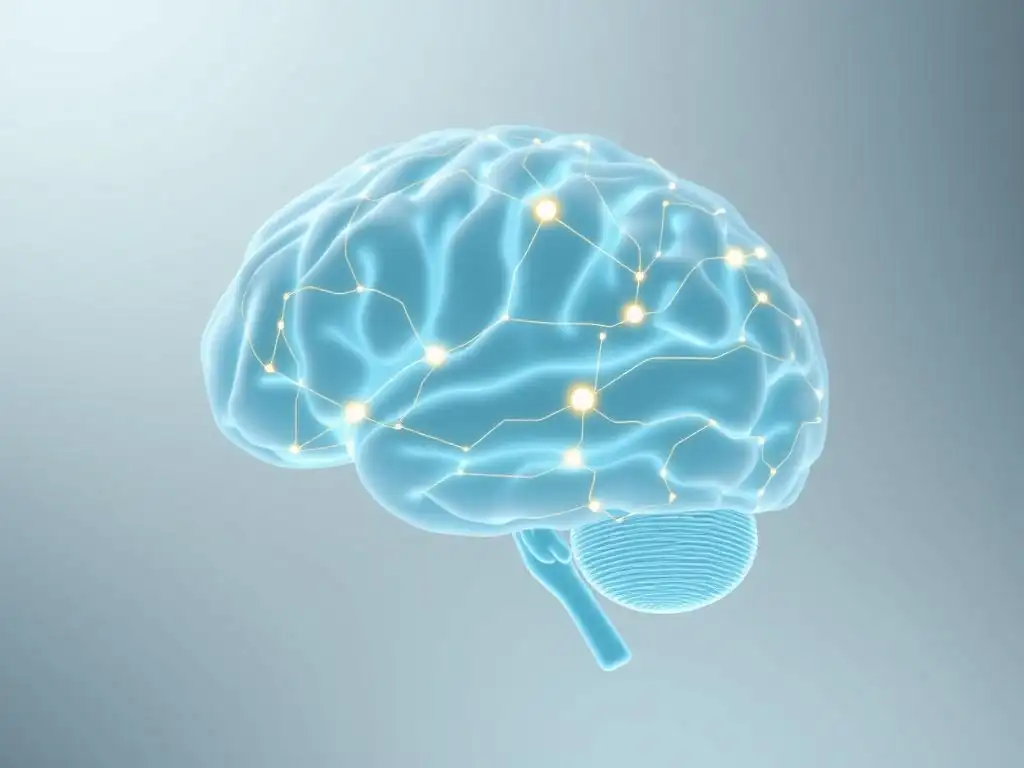
Based on the growing understanding of brain circuit dysfunction, researchers are developing targeted therapies aimed at directly modulating the activity of these specific networks. This represents a move towards precision medicine in psychiatry, where treatments are tailored not just to a diagnosis but to the underlying neural mechanisms believed to be driving an individual's symptoms. These novel approaches offer hope for patients who have not responded to traditional treatments and aim for more robust and lasting effects.
These targeted therapies broadly fall into two categories: neuromodulation techniques, which use electrical or magnetic stimulation to alter brain activity, and pharmacological approaches that aim to act more specifically on components within dysfunctional circuits. Both avenues are actively being explored and refined, pushing the boundaries of what is possible in brain circuit mood disorder treatment. The goal is to restore normal, healthy patterns of activity within the affected brain circuits.
Neuromodulation Techniques: Reshaping Brain Circuit Activity
Neuromodulation techniques are non-invasive or minimally invasive procedures that use physical means, such as magnetic fields or electrical currents, to stimulate or inhibit activity in specific brain regions or circuits. These methods offer a way to directly intervene in the brain's electrical signaling, aiming to recalibrate dysfunctional neural networks. They represent a significant departure from systemic medications and are proving particularly useful for treatment-resistant cases.
The application of neuromodulation is growing rapidly, with several techniques already approved for clinical use for certain mood disorders, while others are still under investigation. These techniques allow for a degree of spatial specificity, meaning they can be directed at particular areas of the brain known to be part of the affected circuits, offering a more focused approach to brain circuit mood disorder treatment.
Transcranial Magnetic Stimulation (TMS) for Depression
Transcranial Magnetic Stimulation (TMS) is a non-invasive neuromodulation technique that uses magnetic pulses delivered to the scalp to stimulate nerve cells in the brain. Specifically, repetitive TMS (rTMS) involves delivering a series of magnetic pulses. For depression, rTMS is typically applied to the dorsolateral prefrontal cortex (DLPFC), a region known to have reduced activity in many individuals with depression and a key node in mood-regulating circuits. The magnetic pulses induce small electrical currents in the brain tissue beneath the coil, which can modulate the activity of neurons in that area and connected circuits.
rTMS is an FDA-approved treatment for major depressive disorder in adults who have not responded to antidepressant medication. Clinical trials have shown remission rates of around 30% and response rates (significant symptom reduction) of 50-60% in treatment-resistant patients, offering a valuable option when medications fail. A typical course involves daily sessions for several weeks. While the exact mechanisms are still being studied, it is believed that rTMS helps to restore normal activity patterns and connectivity within the prefrontal-limbic circuits implicated in depression.
Deep Brain Stimulation (DBS) for Treatment-Resistant Mood Disorders
Deep Brain Stimulation (DBS) is a more invasive neuromodulation technique reserved for severe, treatment-resistant cases of certain neurological and psychiatric conditions. It involves surgically implanting electrodes in specific, deep brain regions. These electrodes are connected to a pulse generator implanted under the skin, which delivers continuous electrical stimulation. For mood disorders, DBS has been explored in targets such as the subgenual anterior cingulate cortex (sgACC) and the ventral capsule/ventral striatum (VC/VS), regions identified as key nodes in circuits involved in processing emotion and reward, which are often dysfunctional in severe depression.
While still considered experimental for most mood disorders and not yet FDA-approved for this indication, research in highly refractory patients has shown promising results in some individuals, with some studies reporting significant and sustained symptom improvement in a subset of patients who had failed all other treatments. However, response rates vary widely across studies and target sites, and the invasive nature carries surgical risks. DBS represents a powerful, albeit complex, form of brain circuit mood disorder treatment targeting deep structures.
Transcranial Direct Current Stimulation (tDCS)
Transcranial Direct Current Stimulation (tDCS) is another non-invasive neuromodulation technique that involves applying a weak electrical current to the scalp using electrodes. Unlike TMS, which uses pulsed magnetic fields to induce activity, tDCS uses a constant, low-level electrical current to modulate the excitability of neurons in the targeted area. Depending on the direction of the current flow (anodal or cathodal stimulation), tDCS can either increase or decrease neuronal excitability, potentially altering activity within specific brain circuits.
tDCS is being explored for a variety of conditions, including depression. Similar to TMS, it is often applied over the prefrontal cortex. While generally considered safe and well-tolerated, the evidence for its efficacy in treating mood disorders is less robust and more variable compared to rTMS, with ongoing research needed to optimize parameters like electrode placement, current intensity, and duration. It holds promise as a potentially accessible and low-cost form of brain circuit mood disorder treatment, but its place in clinical practice is still evolving.
Pharmacological Approaches: Targeting Specific Neurotransmitters and Receptors within Brain Circuits
While neuromodulation offers direct circuit intervention, pharmacology continues to evolve with the goal of developing medications that act more selectively on components within specific dysfunctional circuits rather than broadly affecting multiple systems. This involves understanding the complex interplay of neurotransmitters and their receptors within these circuits and designing drugs that can precisely modulate their activity.
This approach seeks to move beyond the current generation of antidepressants, which primarily target serotonin, norepinephrine, or dopamine reuptake, towards agents that might influence other neurotransmitter systems, neuromodulators, or even intracellular signaling pathways that are particularly relevant to the function of specific mood circuits. This precision pharmacology is a key component of future brain circuit mood disorder treatment.
The Future of Antidepressants: Precision Pharmacology
The next generation of pharmacological treatments for mood disorders is likely to focus on greater specificity and faster action. Instead of simply increasing the overall levels of certain neurotransmitters, future drugs might target specific receptor subtypes located in key brain regions within mood circuits. For example, different serotonin receptor subtypes (e.g., 5-HT1A, 5-HT2A, 5-HT7) have distinct distributions and roles in different circuits; a drug targeting a specific subtype in a relevant circuit might yield more targeted effects with fewer side effects.
Furthermore, researchers are exploring compounds that modulate neuroplasticity within these circuits, aiming to facilitate the brain's ability to adapt and strengthen healthy connections. This could involve drugs that influence growth factors or signaling pathways important for synaptic function. The goal is to develop agents that not only alleviate symptoms but also help "rewire" the dysfunctional circuits, providing more sustained benefits. This precision pharmacology approach is integral to the advancement of brain circuit mood disorder treatment.
Targeting the Glutamate System
Beyond the monoamines (serotonin, norepinephrine, dopamine), the excitatory neurotransmitter glutamate and its primary receptor, NMDA (N-methyl-D-aspartate), have emerged as critical players in the pathophysiology of mood disorders and promising targets for treatment. The glutamate system is widely distributed and plays a crucial role in synaptic plasticity, learning, and memory, processes often impaired in depression. Research suggests that dysfunction in glutamatergic signaling within prefrontal-limbic circuits contributes significantly to mood disorder symptoms.
The most notable example of a glutamate-targeting treatment is ketamine, an NMDA receptor antagonist, which has shown rapid and robust antidepressant effects in many patients with treatment-resistant depression, often within hours or days, contrasting sharply with the weeks needed for traditional antidepressants. This rapid action is thought to involve complex effects on glutamate release and subsequent changes in synaptic connectivity and function within key mood circuits.
While ketamine's use requires careful medical supervision due to potential side effects and abuse potential, its success has spurred intensive research into other compounds that modulate the glutamate system more selectively, offering a novel pathway for brain circuit mood disorder treatment.
The Promise of Personalized Treatment Plans
One of the most exciting aspects of focusing on brain circuits is the potential for truly personalized treatment plans. Mood disorders are highly heterogeneous; two individuals with the same diagnosis might have different underlying brain circuit dysfunctions. By identifying these specific differences using advanced tools, clinicians could potentially tailor interventions to match the individual's unique neural profile, moving away from a one-size-fits-all approach.
This personalized approach holds the promise of not only selecting the most likely effective treatment from the outset but also potentially predicting who will respond best to specific therapies, minimizing the time spent on ineffective interventions. Integrating data from various sources will be key to unlocking this level of precision in brain circuit mood disorder treatment.
Biomarkers for Predicting Treatment Response in Mood Disorders
Identifying reliable biomarkers – measurable indicators of a biological state – is a critical step towards personalized medicine in psychiatry. Biomarkers could help predict an individual's risk for developing a mood disorder, stratify patients based on the specific type of brain circuit dysfunction they have, and most importantly for treatment, predict how likely they are to respond to a particular therapy. Neuroimaging measures, genetic profiles, and even specific patterns of brain activity or connectivity are being investigated as potential biomarkers.
For example, specific patterns of resting-state functional connectivity within the DMN or SN have shown some promise in predicting response to treatments like TMS or psychotherapy in small studies. Genetic variations in genes related to neurotransmitter systems or neural plasticity might also influence treatment response. While no single biomarker is currently used routinely in clinical practice to guide mood disorder treatment selection, this is an active area of research aiming to provide clinicians with objective tools to inform treatment decisions and improve outcomes in brain circuit mood disorder treatment.
Integrating Neuroimaging and Genetic Data for Tailored Interventions
The future of personalized brain circuit mood disorder treatment likely involves integrating multiple types of data. Combining insights from advanced neuroimaging (to understand current circuit structure and function) with genetic information (to understand potential predispositions and variations in treatment metabolism or target sensitivity) could provide a comprehensive picture of an individual's brain profile. This integrated data could then be used to select the most appropriate intervention, whether it's a specific type of neuromodulation, a particular class of medication, or even a tailored form of psychotherapy designed to target specific cognitive or emotional processes linked to the identified circuit dysfunction.
Developing computational models that can analyze and synthesize this complex data will be crucial. These models could help predict an individual's likely response to different interventions based on their unique biological signature. While still largely in the research phase, the integration of neuroimaging and genetic data holds immense potential to transform the current trial-and-error process into a more precise, data-driven approach to brain circuit mood disorder treatment.
Addressing Individual Variability in Brain Circuit Function
A key challenge and opportunity in personalized brain circuit mood disorder treatment is addressing the significant variability observed among individuals, even those with the same diagnosis. Brain circuits are not wired identically in everyone; there are natural variations in connectivity, activity levels, and responsiveness to stimuli. Furthermore, individual experiences, environmental factors, and the presence of co-occurring conditions can shape brain circuitry in unique ways.
Acknowledging and accounting for this individual variability is paramount. This means that standardized treatment protocols based on group averages may not be optimal for everyone. Future brain circuit mood disorder treatment approaches will need to incorporate methods for assessing an individual's specific circuit profile and tailoring the intervention accordingly. This might involve using patient-specific neuroimaging data to guide the precise placement of TMS coils or DBS electrodes, or selecting medications based on genetic markers that influence drug metabolism or receptor expression within relevant circuits. Understanding and leveraging this variability is essential for maximizing the effectiveness of targeted therapies.
Challenges and Future Directions in Brain Circuit Mood Disorder Treatment
While the focus on brain circuits offers exciting possibilities, this field is still relatively young and faces significant challenges. The complexity of brain circuits, the variability across individuals, and the need for sophisticated technologies all present hurdles that must be overcome to translate research findings into widespread clinical practice. Addressing these challenges is crucial for realizing the full potential of brain circuit mood disorder treatment.
Future directions involve refining our understanding of circuit mechanisms, improving treatment technologies, ensuring ethical implementation, and making these advanced therapies accessible. Continued investment in research and collaboration across disciplines will be essential to advance this frontier and bring new hope to individuals struggling with mood disorders.
Ethical Considerations in Neuromodulation
As neuromodulation techniques become more powerful and precise in their ability to alter brain activity, important ethical considerations arise. Questions about patient autonomy, potential personality changes, equitable access to expensive technologies, and the responsible use of interventions that directly influence mood and cognition need careful consideration. For example, if DBS can alleviate severe depression but also potentially alter aspects of personality or decision-making, how do we weigh these outcomes?
Ensuring informed consent is particularly complex when dealing with severe mood disorders that can impair a person's capacity for decision-making. There is also the ethical challenge of ensuring that these potentially transformative, but often costly and specialized, treatments are accessible to all who could benefit, regardless of socioeconomic status or geographic location. Open dialogue among researchers, clinicians, patients, policymakers, and the public is necessary to navigate these complex ethical landscapes as brain circuit mood disorder treatment advances.
The Importance of Long-Term Follow-Up and Monitoring
Given that brain circuit mood disorder treatment approaches like neuromodulation are relatively new compared to traditional pharmacotherapy, understanding their long-term efficacy and safety profile is paramount. Research is needed to determine how durable the effects of treatments like TMS or DBS are over many years and whether repeated treatments or maintenance strategies are necessary. Long-term studies are also crucial for identifying any potential delayed side effects or cumulative impacts of altering brain circuit activity.
Establishing robust systems for long-term follow-up and monitoring of patients receiving these advanced therapies is essential for gathering this critical data. This includes tracking symptom severity, functional outcomes, side effects, and potential changes in brain structure or activity over time. This ongoing monitoring will not only help ensure patient safety but also provide valuable data to refine treatment protocols, identify predictors of long-term success or relapse, and further advance the field of brain circuit mood disorder treatment.
Research Gaps and Opportunities in Brain Circuit Research
Despite significant progress, many gaps remain in our understanding of brain circuits and their role in mood disorders. We need more detailed maps of how specific symptoms (e.g., anhedonia vs. anxiety vs. cognitive difficulties) map onto specific circuit dysfunctions. Research is needed to understand the dynamic nature of these circuits and how they change over the course of illness or in response to treatment. The role of different cell types (e.g., interneurons, glial cells) within circuits also needs further exploration.
Opportunities lie in leveraging new technologies, such as optogenetics and advanced imaging techniques with higher resolution, to study circuits in greater detail. Developing better computational models to integrate complex datasets and simulate circuit activity is also a key area. Further research into biomarkers is needed to move personalized brain circuit mood disorder treatment from concept to clinical reality. Investing in these areas will accelerate the development of more effective and targeted interventions.
The Mind Care Guide Perspective on Brain Circuit Therapies
At Mind Care Guide, we recognize the profound impact that mood disorders have on individuals and their families. We are committed to providing comprehensive, up-to-date information on the full spectrum of available treatments, including these cutting-edge approaches targeting brain circuits. While traditional therapies remain the first line of defense for many, we believe it is essential for individuals to be aware of the exciting advancements happening in the field of brain circuit mood disorder treatment, particularly for those who have not found relief through conventional means.
Our perspective is one of informed optimism. We believe that a deeper understanding of brain circuits is leading to more precise and effective therapies. However, we also emphasize that these advanced treatments are not a universal cure and may not be suitable for everyone. We advocate for a holistic approach to mental well-being that considers biological factors alongside psychological and social ones. Our goal is to empower you with knowledge to have informed conversations with your healthcare providers about all potential treatment options, including those focused on brain circuits.
Empowering Individuals with Knowledge about Advanced Treatments
Navigating the landscape of mental health treatment can be challenging, especially when considering advanced or experimental therapies. Mind Care Guide aims to demystify complex topics like brain circuits and neuromodulation, presenting information in an accessible and understandable way. We provide detailed explanations of how treatments like TMS and DBS work, who might be a candidate, what the potential benefits and risks are, and what the treatment process typically involves.
By empowering individuals with accurate and comprehensive knowledge about brain circuit mood disorder treatment options, we hope to reduce anxiety surrounding these novel approaches and enable patients to actively participate in decisions about their care. Understanding the 'why' behind these treatments – how they aim to correct specific brain circuit dysfunctions – can also foster a sense of hope and agency for those who have felt stuck in their treatment journey.
Connecting Patients with Cutting-Edge Clinical Trials
For individuals with treatment-resistant mood disorders, participation in clinical trials investigating new brain circuit mood disorder treatment approaches can offer access to therapies that are not yet widely available. Mind Care Guide strives to provide information about ongoing research and clinical trials in this area. While we do not directly enroll patients, we aim to serve as a resource to help individuals understand what clinical trials are, who conducts them, and where they can find information about studies that might be relevant to their condition.
Participating in a clinical trial is a significant decision and involves careful consideration of potential benefits and risks. We encourage individuals interested in this path to discuss it thoroughly with their current healthcare providers and the research team conducting the trial. Connecting patients with information about cutting-edge research opportunities is one way we support progress in the field and offer potential new avenues for those seeking effective brain circuit mood disorder treatment.
Find Support and Resources for Mood Disorders
Living with a mood disorder can be isolating, but help and support are available. Whether you are exploring traditional therapies, considering advanced brain circuit mood disorder treatment, or simply seeking to understand your condition better, connecting with resources is vital. Mind Care Guide offers information about various support systems, including therapy options, support groups, helplines, and educational materials.
Remember, you are not alone. Reaching out to mental health professionals, connecting with peer support networks, and utilizing reliable information resources are crucial steps in managing a mood disorder and working towards recovery. As the field of brain circuit mood disorder treatment continues to evolve, staying informed and connected will help you navigate your path to well-being.
Frequently Asked Questions
Brain circuits are networks of neurons that communicate with each other. In mood disorders, these circuits can become dysfunctional, leading to imbalances in mood regulation.
How does "Brain circuit mood disorder treatment" differ from traditional approaches like medication and therapy?
Traditional treatments often address symptoms broadly. Brain circuit-based treatments aim to directly modulate the activity of specific circuits implicated in mood disorders.
What are some examples of "Brain circuit mood disorder treatments" currently being explored or used?
Examples include Transcranial Magnetic Stimulation (TMS), Deep Brain Stimulation (DBS), and other neuromodulation techniques that target specific brain regions.
Is "Brain circuit mood disorder treatment" a cure, or does it primarily manage symptoms?
The goal is often to restore healthy circuit function, which can lead to significant and lasting symptom relief. However, it's not always a "cure" and may require ongoing management.
Are there any risks or side effects associated with "Brain circuit mood disorder treatment"?
Like any medical intervention, there can be risks. These vary depending on the specific technique but can include headaches, seizures, or changes in mood. Careful patient selection and monitoring are crucial.
Final Reflection: Rewiring Resilience: The Future of Mood Disorder Treatment
The targeted manipulation of specific brain circuits offers not just a new frontier in mood disorder treatment, but a potential revolution in mental healthcare. This is no longer a distant possibility; breakthroughs in neuroscience are rapidly translating into innovative therapies, offering hope to millions currently struggling with debilitating conditions like depression and anxiety. The implications for personalized medicine and improved treatment outcomes are profound and far-reaching.
The journey towards understanding the intricate neural pathways underlying mood disorders has been long and complex, but the progress made in recent years is truly inspiring. It underscores the power of scientific inquiry and the importance of continued investment in research. This progress is not merely about developing new drugs; it's about fundamentally shifting our understanding of the brain and its capacity for healing. The brain is the most complex organ in the body, and understanding its intricacies is key to unlocking the secrets of mental health.
This quote highlights the ongoing need for research and the potential for transformative change.
Now, consider this: what if personalized treatments, tailored to the unique neural architecture of each individual, became the standard of care? What if the stigma surrounding mental illness was significantly reduced by the demonstrable effectiveness of these targeted therapies? This future is not a fantasy; it is within our grasp. I urge you to engage with this evolving field, to advocate for continued research, and to share this information with those who may benefit from it. The future of mood disorder treatment is bright, and your participation is crucial in shaping its trajectory.
Unlock Your Brain's Potential: Take Charge of Your Mood
Thank you for taking the time to explore the exciting advancements in mood disorder treatment! We hope this article shed light on the promising future of targeted brain circuit therapies. Now, let's turn this knowledge into action.
- Dive deeper: Research a specific brain circuit mentioned in the article and explore its connection to your own experiences with mood. This could involve a quick online search or looking up relevant studies.
- Share your thoughts: Join the conversation! Share this article with a friend or family member who might find it helpful, sparking discussion and increasing awareness around mood disorders.
- Consider a consultation: Schedule a consultation with your doctor or a mental health professional to discuss the possibilities of personalized treatment approaches discussed. This could be the first step towards discovering what works best for you.
Ready to explore how these advancements might impact your mental well-being? What specific brain circuit are you most curious to learn more about?