
The Future of Access: Innovations Shaping Mental Healthcare Delivery


Welcome to Mind Care Guide, a sanctuary dedicated to nurturing your mental well-being. Are you ready to explore how cutting-edge advancements are breaking down barriers to care? This week, we delve into the mental healthcare innovation accessibility trends that are revolutionizing the landscape of mental health support. Discover how technology, policy changes, and community initiatives are converging to create a future where everyone can access the help they deserve. Intrigued? Let's unravel these pivotal shifts together and understand how they impact you.
Innovations in Mental Healthcare Delivery: Expanding Access and Improving Outcomes
Mental healthcare stands at a pivotal juncture, grappling with escalating demand and persistent challenges in ensuring equitable access for all. The traditional models of delivery, often constrained by geographical barriers, stigma, and workforce shortages, are proving insufficient to meet the current global need. This requires a fundamental shift, driven by forward-thinking mental healthcare innovation accessibility trends.
- Introduction: Addressing the Mental Health Crisis Through Innovative Solutions
- Telehealth: Expanding Reach and Convenience in Mental Healthcare
- Digital Mental Health Platforms and Mobile Applications
- Integrated Care Models: Bridging the Gap Between Physical and Mental Health
- Addressing Disparities in Access: Innovations for Underserved Populations
- Policy and Funding: Supporting Innovation and Expanding Access
- Impact on the Mental Healthcare Workforce: Training, Support, and Efficiency
- Emerging Technologies: Transforming Mental Healthcare Delivery
- Case Studies: Successful Implementations and Impactful Outcomes
- Conclusion: Towards a More Accessible and Equitable Mental Healthcare System
-
Frequently Asked Questions
- How is technology improving access to mental healthcare?
- What are some current innovations in mental healthcare?
- What are the main barriers to accessing mental healthcare, and how are they being addressed?
- What are the key accessibility trends impacting mental healthcare delivery?
- How can I stay informed about new developments in mental healthcare innovation?
- Final Reflection: Reimagining Access: The Future of Mental Healthcare
- Unlock Your Mental Wellness Journey Today!
Introduction: Addressing the Mental Health Crisis Through Innovative Solutions
The global mental health crisis necessitates urgent and transformative action. Millions worldwide lack access to essential care, facing long wait times, high costs, and a scarcity of providers, particularly in underserved areas. Innovative solutions are not merely supplementary; they are becoming indispensable tools to bridge these gaps and reshape the landscape of mental health support.
The Growing Demand for Mental Health Services and Existing Access Gaps
The demand for mental health services has surged dramatically in recent years, exacerbated by global events like the COVID-19 pandemic. Studies indicate that approximately one in five adults experiences a mental illness in any given year, yet a significant portion of these individuals do not receive treatment. For instance, data from the National Alliance on Mental Illness (NAMI) often highlights that only around 46% of adults with mental illness received care in a given year in the U.S. This leaves millions untreated, facing potential worsening of symptoms and reduced quality of life.
Geographical location plays a critical role in these access gaps. Individuals in rural areas, for example, may live hundreds of miles from the nearest mental health specialist. Financial barriers also remain substantial; even with insurance, high co-pays and deductibles can make regular therapy unaffordable for many. Furthermore, cultural stigma surrounding mental health continues to prevent individuals from seeking help, even when resources are available. These multifaceted barriers underscore the urgent need for innovative strategies that dismantle traditional obstacles and foster greater mental healthcare innovation accessibility trends.
Overview of Innovative Approaches to Improve Mental Healthcare Accessibility
A wave of innovation is sweeping across the mental healthcare sector, leveraging technology and new care models to expand reach and improve efficiency. These approaches range from the widespread adoption of telehealth to the development of sophisticated digital platforms and integrated care strategies. The goal is to make mental health support more available, affordable, and acceptable to diverse populations.
Key areas of innovation include the proliferation of teletherapy services, allowing remote consultations via video or phone; the rise of digital mental health applications offering self-guided support, symptom tracking, and connection to resources; and the integration of mental health services into primary care settings, making it easier for individuals to access initial support within a familiar environment. These advancements represent significant steps towards a future where mental health care is not a privilege for the few but an accessible right for all, driving positive mental healthcare innovation accessibility trends.
Telehealth: Expanding Reach and Convenience in Mental Healthcare
Telehealth, particularly teletherapy, has rapidly moved from a niche option to a mainstream method of delivering mental health services. Its growth trajectory accelerated dramatically during recent public health crises, demonstrating its potential to overcome geographical and logistical barriers. This technology is fundamentally altering how individuals connect with mental health professionals, making care more immediate and flexible.
The widespread adoption of telehealth reflects a significant shift in mental healthcare innovation accessibility trends. It leverages existing communication technologies to extend the reach of therapists, psychiatrists, and counselors beyond the confines of traditional brick-and-mortar clinics. This expansion is crucial for populations living in areas with few providers or those who face challenges attending in-person appointments due to physical limitations, transportation issues, or demanding schedules.
Benefits of Teletherapy: Accessibility, Affordability, and Convenience
One of the most significant benefits of teletherapy is its ability to dramatically improve accessibility. For individuals living in rural or remote regions, where mental health specialists are scarce, teletherapy provides a lifeline, connecting them to licensed professionals regardless of distance. This is particularly impactful in states with vast rural areas, where travel to a specialist could take hours. Furthermore, teletherapy can reduce the time and cost associated with travel, such as gas expenses or public transport fares, and eliminate the need for time off work for commuting to appointments.
While costs can vary, teletherapy platforms often present more affordable options compared to traditional in-person sessions, sometimes offering subscription models or sliding scale fees. The sheer convenience of attending a therapy session from the comfort and privacy of one's home or a safe, private location cannot be overstated. This ease of access encourages consistent engagement in therapy, potentially leading to better treatment adherence and outcomes. These factors collectively contribute to positive mental healthcare innovation accessibility trends.
Challenges of Teletherapy: Digital Divide, Privacy Concerns, and Regulatory Issues
Despite its numerous advantages, teletherapy faces several significant challenges. The "digital divide" remains a major hurdle; individuals in low-income brackets, certain rural areas, or older populations may lack reliable internet access, necessary devices (like smartphones or computers), or the digital literacy required to effectively utilize teletherapy platforms. For example, an estimated 19 million Americans still lack access to fixed broadband service at threshold speeds, disproportionately affecting rural communities.
Privacy and security are also critical considerations. Ensuring the confidentiality of sensitive health information transmitted electronically requires robust encryption and secure platforms. While regulations like HIPAA (Health Insurance Portability and Accountability Act) in the U.S. provide a framework, vigilance is necessary. Regulatory landscapes surrounding teletherapy licensure vary significantly by state or region, sometimes restricting practitioners from providing services across borders. These issues require ongoing attention to ensure that teletherapy fulfills its promise of expanding access equitably and securely, influencing the trajectory of mental healthcare innovation accessibility trends.
Remote Monitoring Technologies: Enhancing Patient Engagement and Outcomes
Beyond live video sessions, remote monitoring technologies are emerging as valuable tools in mental healthcare. These technologies often involve wearable devices or smartphone apps that track various data points relevant to mental well-being, such as sleep patterns, activity levels, heart rate, and even vocal tone or typing speed as potential indicators of mood or distress. This passive data collection can provide clinicians with a more comprehensive, real-time understanding of a patient's daily life and symptoms outside of therapy sessions.
For instance, some apps allow patients to log their mood, anxiety levels, or specific behaviors daily. This self-monitoring empowers patients and provides valuable data for clinicians to tailor treatment plans more effectively. While still developing, the integration of remote monitoring holds promise for early detection of symptom worsening, enabling timely intervention. This continuous feedback loop between patient and provider, facilitated by technology, represents an important aspect of evolving mental healthcare innovation accessibility trends, moving towards more proactive and personalized care.
Digital Mental Health Platforms and Mobile Applications
The proliferation of smartphones and increased internet access has fueled the rapid growth of digital mental health platforms and mobile applications. These tools offer a wide spectrum of support, from mindfulness exercises and meditation guides to sophisticated cognitive behavioral therapy (CBT) programs and peer support networks. They provide accessible entry points to mental wellness resources, often available 24/7.
This digital landscape is a key driver of mental healthcare innovation accessibility trends, offering options that can be used independently or as supplements to traditional therapy. The convenience and anonymity offered by many apps can lower the barrier for individuals who might be hesitant to seek in-person help due to stigma or logistical constraints.
The Evolving Landscape of Mental Health Apps: Features and Functionality
The mental health app market is vast and diverse, with thousands of applications available. These apps range significantly in their features and functionality. Some focus on specific techniques, like guided meditation (e.g., Calm, Headspace) or journaling, while others offer structured therapeutic programs, such as digital CBT courses for anxiety or depression (e.g., Woebot, Ieso Digital Health). Many include mood tracking, goal setting, and mindfulness exercises.
More advanced platforms offer connections to licensed therapists for messaging or video sessions, integrating the app experience with professional support. Some apps incorporate gamification elements to encourage engagement or provide access to moderated peer support forums. This constant evolution in features reflects an effort to cater to diverse needs and preferences, pushing the boundaries of mental healthcare innovation accessibility trends.
AI-Powered Chatbots and Virtual Assistants: Providing Accessible Support
Artificial intelligence (AI) is increasingly being integrated into digital mental health tools, notably in the form of chatbots and virtual assistants. These AI companions are designed to provide immediate, on-demand support, often using natural language processing to understand user input and respond with empathetic, helpful messages derived from therapeutic principles. While not substitutes for human therapists, they can offer initial support, coping strategies, and psychoeducation.
Chatbots like Woebot, for example, utilize principles of CBT to engage users in brief check-ins and exercises, aiming to challenge negative thought patterns. These tools can be particularly valuable for individuals needing support outside of therapy hours or those who are not yet ready or able to access traditional care. They represent a scalable way to offer a baseline level of mental health support to a large population, influencing mental healthcare innovation accessibility trends by providing easily available, low-barrier resources.
Evaluating the Efficacy and Safety of Digital Mental Health Interventions
While the potential of digital mental health tools is immense, rigorous evaluation of their efficacy and safety is crucial. The market is largely unregulated, meaning the quality and evidence base behind apps vary widely. While some apps are based on established therapeutic techniques and have undergone clinical trials demonstrating positive outcomes (e.g., some digital CBT programs showing comparable effectiveness to in-person therapy for mild to moderate conditions in certain studies), many others lack empirical support.
Users need to exercise caution and look for apps developed with clinical input and ideally backed by research. Ensuring data privacy and security is also paramount, as users share sensitive personal information. Regulatory bodies are beginning to grapple with how to oversee these tools to ensure they are safe, effective, and ethically designed. Building trust in these platforms through transparency and validation is essential for them to truly contribute positively to mental healthcare innovation accessibility trends.
Integrated Care Models: Bridging the Gap Between Physical and Mental Health

Historically, physical and mental healthcare have often operated in silos, leading to fragmented care and missed opportunities for early intervention. Integrated care models seek to break down these barriers by embedding mental health services within primary care settings or fostering close collaboration between primary care physicians and mental health specialists. This holistic approach recognizes the intrinsic link between physical and mental well-being.
Integrating care makes mental health support more accessible by locating it in familiar, less stigmatizing environments like a doctor's office. This approach is a significant factor in improving mental healthcare innovation accessibility trends, particularly for individuals who might not otherwise seek specialized mental health services.
Collaborative Care: Improving Outcomes Through Integrated Treatment
Collaborative care is a specific, evidence-based model of integrated care that focuses on treating common mental health conditions like depression and anxiety in primary care settings. It typically involves a primary care physician, a care manager (often a nurse or social worker), and a consulting psychiatrist or mental health specialist. The care manager works directly with the patient, providing support, monitoring symptoms, and facilitating treatment plans developed in consultation with the physician and specialist.
Studies have consistently shown that collaborative care can lead to improved patient outcomes, including greater symptom reduction and higher rates of remission, compared to usual care in primary settings. For example, research funded by the Agency for Healthcare Research and Quality (AHRQ) has highlighted the effectiveness of collaborative care models in improving depression outcomes by as much as 20-30% in primary care patients. This model effectively leverages the primary care setting to expand the reach of mental health support, contributing positively to mental healthcare innovation accessibility trends.
Integrating Mental Health Screening into Primary Care Settings
Routine mental health screening in primary care settings is a simple yet powerful strategy for early detection and intervention. By incorporating standardized screening tools (such as the PHQ-9 for depression or the GAD-7 for anxiety) into regular check-ups, primary care providers can identify individuals who may be experiencing mental health challenges but have not sought help. This proactive approach normalizes discussions about mental well-being within the context of overall health.
Screening can lead to timely referrals to integrated mental health staff within the clinic or to external specialists, depending on the severity of need. While screening rates vary, efforts to increase routine screening are gaining traction as a fundamental step in improving access. Integrating mental health screening is a foundational piece of many integrated care models and a key component in improving mental healthcare innovation accessibility trends by identifying needs early in a familiar healthcare setting.
Training and Support for Primary Care Providers in Mental Health
A critical component of successful integrated care is providing primary care providers (PCPs) with adequate training and support in recognizing and managing common mental health conditions. PCPs are often the first, and sometimes only, healthcare professionals individuals interact with. Equipping them with the skills to conduct basic mental health assessments, initiate treatment for mild to moderate conditions, and understand when to refer to specialists is essential.
Training programs can range from brief workshops to more extensive certificate programs focusing on psychopharmacology, basic counseling techniques, and how to work effectively with integrated mental health staff. Ongoing support, such as access to psychiatric consultation or embedded mental health professionals, is also crucial to prevent burnout and ensure PCPs feel confident addressing mental health needs. Investing in this training is vital for scaling integrated care and advancing mental healthcare innovation accessibility trends.
Addressing Disparities in Access: Innovations for Underserved Populations
Access to mental healthcare is not uniform; significant disparities exist based on geography, socioeconomic status, race, ethnicity, and cultural background. Underserved populations often face compounded barriers, including lack of nearby services, financial constraints, cultural mistrust of healthcare systems, and a scarcity of culturally competent providers. Innovative approaches must be specifically designed or adapted to address these inequities directly.
Targeted mental healthcare innovation accessibility trends are crucial for ensuring that technological advancements and new care models do not inadvertently widen existing disparities but instead serve as tools for equity. This requires intentional design and implementation strategies focused on reaching those who have been historically marginalized or excluded from traditional care systems.
Telehealth and Digital Solutions for Rural and Remote Communities
Rural and remote communities face some of the most significant challenges in accessing specialized mental healthcare due to vast distances and limited local providers. Telehealth has proven particularly impactful in these areas, connecting individuals to therapists and psychiatrists located in urban centers. For example, studies have shown that telehealth can effectively deliver evidence-based therapies like CBT to rural populations with comparable outcomes to in-person care.
Beyond live sessions, digital platforms offering asynchronous support (like messaging with a therapist) or self-guided programs can provide flexible options for individuals with limited connectivity or busy schedules. Initiatives to provide subsidized internet access or public access points (e.g., in libraries or community centers) are often necessary alongside technology solutions to overcome the digital divide in these areas. These targeted efforts are essential for advancing mental healthcare innovation accessibility trends in hard-to-reach populations.
Culturally Adapted Mental Health Interventions: Addressing Specific Needs
Effective mental healthcare must be culturally relevant and sensitive. Innovations must consider how to adapt interventions to meet the specific needs, beliefs, and experiences of diverse racial, ethnic, and cultural groups. This involves translating materials, using culturally appropriate language and examples, and incorporating cultural frameworks into therapeutic approaches.
For example, a digital CBT program might need to be adapted to address specific cultural stressors or incorporate community-based coping strategies prevalent in a particular group. Similarly, teletherapy services must ensure providers are trained in cultural competence and humility. Developing and disseminating culturally adapted interventions is a vital aspect of ensuring that mental healthcare innovation accessibility trends lead to truly equitable outcomes, building trust and effectiveness within diverse communities.
Affordable Mental Health Services: Reducing Financial Barriers to Access
Financial barriers are among the most significant obstacles to accessing mental healthcare. Innovations aimed at increasing affordability include the development of low-cost or free digital mental health tools, the expansion of services covered by insurance (parity), and the creation of innovative payment models. Some digital platforms offer tiered pricing, with free basic versions and subscription options for premium features, making some level of support available to those with limited means.
Community-based programs leveraging technology, such as peer support networks facilitated through online platforms, can also offer cost-effective alternatives or supplements to professional care. Advocating for robust insurance coverage that treats mental health on par with physical health is also crucial. Exploring models like value-based care, which focuses on outcomes rather than fee-for-service, could also incentivize efficient, accessible care delivery. Addressing the cost factor is fundamental to realizing the full potential of mental healthcare innovation accessibility trends.
Policy and Funding: Supporting Innovation and Expanding Access
The pace and scale of adopting mental healthcare innovations are heavily influenced by policy decisions and funding priorities. Governments and regulatory bodies play a crucial role in creating an environment that encourages the development and dissemination of effective solutions while ensuring patient safety and equity. Without supportive policies and adequate investment, even the most promising innovations may fail to reach the populations who need them most.
Policies that streamline regulations, allocate resources, and promote research are essential catalysts for advancing mental healthcare innovation accessibility trends. This involves proactive legislative action and dedicated funding streams to support pilot programs, infrastructure development, and workforce training.
Government Initiatives to Promote Mental Health Innovation and Access
Governments at various levels have launched initiatives to stimulate innovation and expand access to mental healthcare. This includes funding for research into digital therapeutics, grants to healthcare providers for implementing telehealth infrastructure, and programs aimed at integrating mental health into primary care. For instance, in response to the increased demand during the pandemic, many governments temporarily relaxed regulations around telehealth reimbursement, which significantly boosted its adoption.
Permanent policy changes are now being considered or implemented to maintain this expanded access. Funding bodies often issue calls for proposals focused on specific areas of need, such as developing culturally competent digital tools or improving access in rural areas. These targeted investments signal priorities and help direct the course of mental healthcare innovation accessibility trends towards addressing critical gaps.
Advocating for Mental Health Parity and Comprehensive Insurance Coverage
Mental health parity laws require insurance providers to cover mental health conditions and substance use disorders at the same level as physical health conditions. Despite parity laws being in place in many regions, enforcement and comprehensive coverage remain ongoing challenges. Advocacy efforts are crucial to ensure that innovations like teletherapy, digital platforms, and integrated care services are fully covered by insurance plans, reducing out-of-pocket costs for patients.
Comprehensive insurance coverage that includes a wide range of evidence-based mental health services, regardless of delivery method, is essential for making innovative care models financially accessible. Patient advocacy groups, professional organizations, and policymakers continue to work towards strengthening parity laws and expanding coverage to ensure that insurance does not become a barrier to accessing innovative mental health support, thereby supporting positive mental healthcare innovation accessibility trends.
Addressing Regulatory Barriers to Telehealth and Digital Mental Health Adoption
Regulatory frameworks often struggle to keep pace with rapid technological advancements. Barriers such as differing state licensure requirements for telehealth providers, unclear guidelines for the approval and oversight of digital mental health tools, and reimbursement uncertainties can hinder the widespread adoption of innovations. For example, a therapist licensed in one state may be unable to provide teletherapy to a patient who travels to another state, creating continuity-of-care issues.
Efforts are underway to address these challenges, including interstate licensing compacts for mental health professionals and discussions around federal standards for digital health tools. Clarity on issues like data security, clinical validation, and appropriate use cases for AI in mental health is also needed. Streamlining regulations while ensuring patient safety is vital for unlocking the full potential of mental healthcare innovation accessibility trends.
Impact on the Mental Healthcare Workforce: Training, Support, and Efficiency
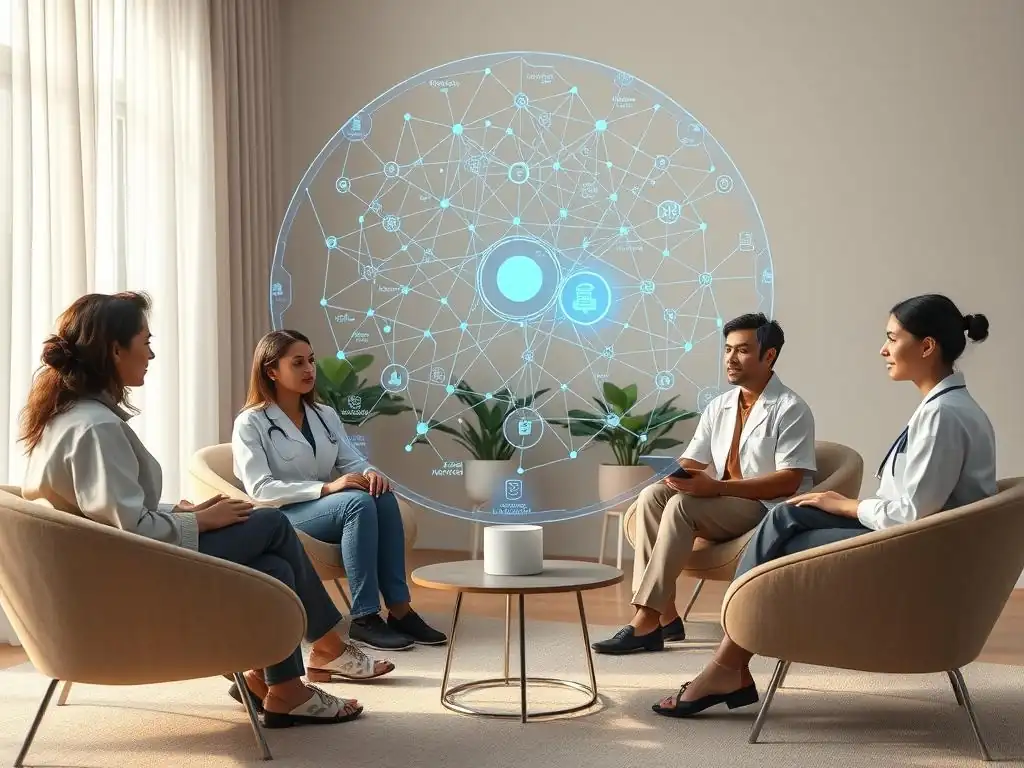
The introduction of new technologies and care models profoundly impacts the mental healthcare workforce. While innovations offer potential solutions to workforce shortages and burnout, they also require practitioners to adapt, learn new skills, and navigate evolving workflows. Ensuring the workforce is adequately trained, supported, and equipped to utilize these tools is critical for successful implementation and scaling of innovative practices.
Addressing the needs of mental health professionals is integral to realizing the benefits of mental healthcare innovation accessibility trends. Technology should be seen as a tool to augment human expertise, not replace it entirely, and its implementation must consider the practical realities faced by clinicians.
Training and Education for Mental Health Professionals in Telehealth and Digital Tools
Integrating telehealth and digital tools into practice requires specific training for mental health professionals. This includes technical proficiency in using platforms securely, understanding the ethical and legal considerations of virtual care, and adapting therapeutic techniques for remote delivery. For example, building rapport via video can require different skills than in-person interactions.
Many training programs for new clinicians now include modules on telehealth, and continuing education opportunities are available for experienced practitioners. However, widespread access to high-quality, standardized training is still needed. Furthermore, understanding how to effectively incorporate data from digital tools (like mood tracking apps) into clinical decision-making is another emerging skill requirement. Investing in this training is essential for the workforce to effectively leverage mental healthcare innovation accessibility trends.
Technology Solutions to Reduce Burnout and Improve Workflow Efficiency
Mental healthcare professionals often face heavy workloads and administrative burdens, contributing to burnout. Technology can potentially alleviate some of these pressures by improving workflow efficiency. Electronic health records (EHRs) designed for mental health can streamline documentation; scheduling software can optimize appointments; and secure messaging platforms can improve communication with patients and other providers.
AI-powered tools could potentially automate some administrative tasks or assist with drafting progress notes, freeing up clinician time for direct patient care. While the implementation of new technologies can initially require adjustment, the long-term goal is to reduce administrative overhead and allow professionals to focus on what they do best – providing care. This focus on efficiency is a critical, though sometimes overlooked, aspect of mental healthcare innovation accessibility trends.
Addressing Workforce Shortages: Leveraging Technology to Expand Capacity
The shortage of mental health professionals, particularly psychiatrists and child psychologists, is a significant barrier to access in many areas. Technology can help mitigate these shortages by expanding the reach and capacity of the existing workforce. Telehealth allows providers to see patients in geographically distant locations without needing to relocate. Digital platforms can offer self-guided support, reducing the demand on clinicians for less severe cases.
Furthermore, technology can support task-shifting models, where mental health specialists supervise primary care providers or care managers who deliver front-line mental health support in integrated settings. For example, a single psychiatrist might consult on cases for multiple primary care clinics using teleconsultation. Leveraging technology to optimize the existing workforce and enable new models of care delivery is a key strategy in advancing mental healthcare innovation accessibility trends to meet the growing demand.
Emerging Technologies: Transforming Mental Healthcare Delivery
Beyond the established use of telehealth and digital apps, several cutting-edge technologies are poised to further transform mental healthcare delivery. While some are still in early stages of development or adoption, they hold significant promise for offering novel therapeutic approaches, enhancing personalization, and improving the efficiency of care. These emerging technologies represent the frontier of mental healthcare innovation accessibility trends.
Their potential lies in offering immersive experiences, data-driven insights, and highly tailored interventions that were previously impossible. As research progresses and technologies become more affordable and user-friendly, their impact on expanding access and improving outcomes is expected to grow.
Virtual and Augmented Reality (VR/AR) for Mental Health Treatment
Virtual Reality (VR) and Augmented Reality (AR) are being explored as powerful tools for mental health treatment, particularly for conditions like phobias, PTSD, and anxiety disorders. VR can create immersive, controlled environments that allow patients to confront fears or reprocess traumatic memories in a safe setting. For example, VR exposure therapy for fear of heights allows a patient to gradually ascend a virtual building, managing their anxiety in a simulated environment.
AR overlays digital information onto the real world, which could potentially be used for in-vivo exposure therapy with digital prompts or for providing real-time coping strategy reminders in challenging situations. While requiring specialized equipment, the increasing affordability of VR/AR headsets makes these therapies more feasible. Their ability to create realistic, customizable scenarios offers a unique therapeutic avenue, contributing to future mental healthcare innovation accessibility trends.
Artificial Intelligence (AI) for Personalized Mental Health Interventions
Artificial Intelligence has the potential to revolutionize personalized mental health interventions. AI algorithms can analyze vast amounts of data – including patient demographics, symptom reports, treatment history, and even data from wearable devices – to identify patterns and predict treatment responses. This can help clinicians tailor treatment plans more effectively, selecting the most likely successful therapy or medication for an individual.
AI can also power sophisticated digital therapeutics that adapt their content and intensity based on a user's real-time input and progress. For example, an AI-driven app could adjust the difficulty of CBT exercises or recommend specific coping strategies based on the user's reported mood and activity. While ethical considerations around data privacy and algorithmic bias are paramount, AI's ability to provide data-driven personalization is a significant development in mental healthcare innovation accessibility trends.
Data Analytics for Improving Outcomes and Optimizing Resource Allocation
Beyond individual patient care, aggregating and analyzing de-identified mental health data can yield powerful insights for improving outcomes and optimizing resource allocation at a systemic level. Big data analytics can identify trends in mental health prevalence, pinpoint areas with the greatest unmet need, and evaluate the effectiveness of different treatment approaches across large populations.
Healthcare systems and policymakers can use this data to inform decisions about where to allocate resources, which innovative programs to invest in, and how to design public health campaigns. For instance, analyzing data might reveal that a specific demographic group in a certain region has low engagement with traditional services but high adoption of a particular digital tool, suggesting where to focus future efforts. This data-driven approach is becoming increasingly important in shaping effective mental healthcare innovation accessibility trends and ensuring resources are used efficiently.
Case Studies: Successful Implementations and Impactful Outcomes
Examining real-world examples of how mental healthcare innovations are being implemented provides valuable insights into their practical application and impact. These case studies illustrate how technology and new care models are making a tangible difference in expanding access, improving patient engagement, and achieving positive clinical outcomes. They offer concrete examples of successful mental healthcare innovation accessibility trends in action.
While specific names of organizations might be generalized for illustrative purposes, these examples reflect common models being successfully deployed in various settings, demonstrating the potential for widespread adoption.
Telehealth Expansion at Community Health Centers: Reaching Underserved Populations
A community health center serving a mix of rural and urban low-income populations implemented a significant expansion of its telehealth mental health services. Prior to the expansion, patients faced long wait times for in-person appointments, and those in rural areas often had to travel for over an hour. The center invested in secure video conferencing technology and trained its existing therapists to provide remote sessions.
Within the first year, the center saw a 40% increase in the number of patients accessing mental health services. Wait times for initial appointments decreased by half, from an average of 8 weeks to 4 weeks. Patients reported greater convenience and reduced travel costs. The initiative specifically targeted outreach to rural residents, offering assistance with technology setup. This case demonstrates how telehealth can be a powerful tool for improving mental healthcare innovation accessibility trends in underserved communities.
Digital CBT Platform for Anxiety Management: Improving Patient Outcomes
A large employer partnered with a provider of a clinically validated digital Cognitive Behavioral Therapy (CBT) platform to offer accessible anxiety management support to its employees. The platform provided structured, self-guided CBT modules, exercises, and symptom tracking accessible via a web browser or mobile app. Employees could use the platform anonymously and independently.
Studies on the platform's usage showed that employees who actively engaged with the program for at least 6-8 weeks reported a significant reduction in anxiety symptoms, comparable to outcomes seen in face-to-face therapy for mild to moderate anxiety. Approximately 55% of users who completed the core modules reported clinically significant improvement. The low barrier to entry and flexibility of the digital format made it appealing to employees who might not have sought traditional therapy, highlighting the potential of digital tools in driving mental healthcare innovation accessibility trends.
Collaborative Care Model in a Primary Care Setting: Enhancing Access and Coordination
A large primary care clinic integrated a collaborative care model into its practice. They hired care managers (social workers) and established a consulting relationship with a remote psychiatrist. Primary care physicians routinely screened patients for depression and anxiety. Patients who screened positive were offered enrollment in the collaborative care program.
Patients enrolled in the program received regular follow-up from the care manager, including brief counseling and symptom monitoring, with treatment adjustments guided by the consulting psychiatrist. Data showed that patients in the collaborative care model had higher rates of follow-up for mental health concerns compared to those who received standard referrals. They also showed greater improvement in depression scores over six months. This example illustrates how integrated models improve coordination and access within a familiar setting, advancing mental healthcare innovation accessibility trends.
Conclusion: Towards a More Accessible and Equitable Mental Healthcare System
The journey towards a truly accessible and equitable mental healthcare system is ongoing, but the innovations discussed represent significant strides forward. From the widespread adoption of telehealth to the development of sophisticated digital tools and the integration of care models, the landscape of mental health delivery is being reshaped. These advancements are not just about adopting new technologies; they are about fundamentally rethinking how care is delivered to reach more people, overcome barriers, and provide support that is timely, effective, and tailored to individual needs.
The future of mental health care hinges on our ability to harness these mental healthcare innovation accessibility trends effectively, ensuring they benefit all populations, especially those who have been historically underserved.
Key Innovations Driving Improved Access to Mental Healthcare
Several key innovations are currently driving improved access to mental healthcare. Telehealth has dramatically expanded geographical reach and convenience. Digital mental health platforms and apps provide scalable, accessible resources for self-help and support. Integrated care models embed mental health services within primary care, making detection and initial support easier. Emerging technologies like VR/AR and AI offer novel therapeutic avenues and the promise of highly personalized interventions.
These innovations, when supported by appropriate policy, funding, and workforce training, have the potential to dismantle many of the traditional barriers to care, including distance, cost, and stigma. They represent a multi-pronged approach to increasing the availability and uptake of mental health support.
The Future of Mental Health: Personalized, Integrated, and Technology-Enabled
Looking ahead, the future of mental health care appears increasingly personalized, integrated, and technology-enabled. We are moving towards a model where care is not a one-size-fits-all approach but is tailored to an individual's specific needs, preferences, and even genetic or lifestyle factors, potentially guided by AI and data analytics. Care will become more seamlessly integrated with physical health, recognizing the whole person.
Technology will serve as a foundational layer, enabling continuous monitoring, providing on-demand support, facilitating connections with providers regardless of location, and delivering interventions in novel and engaging ways. This vision of the future is driven by the accelerating mental healthcare innovation accessibility trends, aiming to create a system that is not only more effective but also inherently more accessible and responsive to the diverse needs of the population.
Call to Action: Investing in Innovation and Expanding Access to Quality Mental Healthcare
Realizing the full potential of these innovations requires collective action. It necessitates continued investment in research and development to build the evidence base for new tools and approaches. It demands policies that support the equitable adoption of technology, address regulatory hurdles, and ensure comprehensive insurance coverage for innovative services. It requires investing in the mental healthcare workforce, providing the training and support needed to utilize these tools effectively.
Ultimately, expanding access to quality mental healthcare through innovation is a societal imperative. By embracing and investing in these mental healthcare innovation accessibility trends, we can move closer to a future where everyone has the opportunity to receive the mental health support they need, when and how they need it, fostering greater well-being for individuals and communities alike.
Frequently Asked Questions
How is technology improving access to mental healthcare?
Technology is expanding access through teletherapy and online mental health platforms, making services available remotely and at flexible times. This reduces geographical barriers and can offer more affordable options.
What are some current innovations in mental healthcare?
Current innovations include AI-powered chatbots for initial assessments and support, virtual reality therapy for treating phobias and PTSD, and the use of wearable sensors to monitor mental health indicators.
What are the main barriers to accessing mental healthcare, and how are they being addressed?
Barriers include cost, stigma, and lack of providers. These are being addressed through innovative funding models, public awareness campaigns, and training more mental health professionals.
What are the key accessibility trends impacting mental healthcare delivery?
Key trends include the increasing use of mobile apps for mental health management, the integration of mental healthcare into primary care settings, and a growing focus on personalized mental healthcare plans.
How can I stay informed about new developments in mental healthcare innovation?
You can stay informed by following reputable mental health organizations, subscribing to industry newsletters, and seeking out research-backed resources like those offered by Mind Care Guide.
Final Reflection: Reimagining Access: The Future of Mental Healthcare
The accessibility of mental healthcare is no longer a luxury; it's a fundamental human right, and the innovations discussed throughout this article represent a critical turning point in achieving equitable access for all. The convergence of telehealth, AI-driven diagnostics, and personalized treatment plans is not merely a technological advancement; it's a powerful force reshaping the landscape of mental health support, dismantling geographical barriers and reducing the stigma that has long plagued this crucial area of healthcare.
The shift towards more accessible mental healthcare is profoundly impacting our cultural understanding of mental well-being. We are moving away from a model that isolates individuals struggling with mental health challenges towards one that fosters community, support, and proactive care. This evolution is deeply personal to me, witnessing firsthand the transformative power of readily available, personalized mental health resources. The greatest barrier to mental health care is not the lack of treatment, but the lack of access to it.
This quote underscores the urgency and importance of the innovations explored in this article.
Consider the implications of these advancements for your own life and the lives of those around you. What role can you play in advocating for increased access to mental healthcare? Perhaps you can share this article, volunteer with a local mental health organization, or simply engage in open and honest conversations about mental well-being with your friends and family.
The future of mental healthcare is not predetermined; it is being shaped by our collective actions and commitment to a more equitable and supportive world. Let's work together to ensure that everyone has the access they deserve to the mental health support they need.
Unlock Your Mental Wellness Journey Today!
Thanks for taking the time to explore the future of mental healthcare with us! We hope you gained valuable insights into the innovative approaches shaping access to better care. Now it's time to take the next steps toward a healthier you.
- Schedule a consultation with a provider: This is the most impactful step you can take to begin your personalized mental wellness journey. Explore different therapeutic approaches and find the right fit for your needs.
- Share this article with someone who might benefit: Help spread awareness of these groundbreaking innovations and empower others to seek support.
- Explore resources mentioned: Dive deeper into specific technologies or programs highlighted in the article to learn more about how they can help you or someone you know.
Ready to make a positive change in your mental wellbeing? What initial step resonates most with you and why?