
Performance Anxiety vs. Social Anxiety: Understanding the Nuances


Welcome to Mind Care Guide, where we understand the complexities of mental well-being.
Feeling overwhelmed by the spotlight? It's more common than you think. You're not alone if the thought of public speaking or performing fills you with dread. But is it performance anxiety or social anxiety driving that fear? This guide dives deep into the nuances, offering insights and strategies for social anxiety performance pressure relief. We'll help you understand the difference and, more importantly, find practical ways to manage your anxiety and reclaim your confidence. Intrigued? Let's explore the path to a calmer, more empowered you.
Social Anxiety vs. Performance Anxiety: Understanding the Nuances
- Introduction: Differentiating Social Anxiety and Performance Anxiety
- Key Differences Between Social Anxiety and Performance Anxiety
- Social Anxiety and Performance Anxiety: Exploring the Underlying Causes
- Managing Social Anxiety and Performance Anxiety: Practical Strategies
- Overcoming Performance Pressure: Specific Strategies for Performance Anxiety
- Seeking Professional Help: When to Consult a Therapist or Counselor
- Long-Term Management and Prevention
- Conclusion: Empowering Yourself to Overcome Anxiety
-
Frequently Asked Questions
- What is the primary difference between performance anxiety and social anxiety, especially regarding social anxiety performance pressure relief?
- How can someone distinguish if they are experiencing performance anxiety or a more general form of social anxiety?
- What are some effective strategies for social anxiety performance pressure relief that can be applied to both performance anxiety and social anxiety?
- Where can I find resources and support, mentioned in Mind Care Guide, for managing performance anxiety and social anxiety?
- How does understanding the nuances between performance anxiety and social anxiety contribute to better treatment and social anxiety performance pressure relief?
- Final Reflection: Unmasking the Fear, Embracing the Stage
- Unleash Your Confidence: Take Control of Your Anxiety Now!
Social Anxiety Disorder (SAD), also known as social phobia, is a common mental health condition characterized by intense fear of being watched and judged by others. This fear can be so overwhelming that it interferes with daily activities, work, school, and relationships. Studies suggest that Social Anxiety Disorder affects a significant portion of the population, with lifetime prevalence estimates ranging between 7% and 13% in various studies across different countries. The anxiety stems from a deep-seated worry about embarrassing oneself, being humiliated, or being rejected in social situations.
The scope of social anxiety is broad, impacting a wide array of interpersonal contexts. This can include seemingly simple acts like making phone calls in front of others, signing a check, eating or drinking in public, or initiating conversations. More complex situations like attending parties, going on dates, or participating in group activities can trigger profound distress.
The core fear revolves around negative evaluation of the person themselves in a social setting, leading to avoidance of these situations, which, while providing temporary relief, ultimately reinforces the anxiety and limits life opportunities. Understanding social anxiety is the first step towards finding relief.
Defining Performance Anxiety: Beyond Stage Fright
Performance anxiety is a form of anxiety that arises in situations where an individual feels they are being evaluated on a specific task or skill. While often associated with public speaking or artistic performances (like music or acting), its reach extends far beyond the stage. This type of anxiety can manifest in athletes before a game, students before an exam, employees before a presentation or job interview, or even individuals in intimate settings. The defining characteristic is the fear of failing, making mistakes, or not meeting expectations related to a specific action or task.
Unlike the broader fear of social judgment in general interactions, performance anxiety is tied to the outcome of a particular performance. For a musician, the fear might be hitting a wrong note; for a student, it could be failing a test; for an athlete, it might be missing a crucial shot. This pressure to perform well can trigger significant distress, impacting concentration, motor skills, and overall execution. Recognizing performance anxiety as distinct from general social fears is vital for developing targeted strategies for performance pressure relief.
While distinct, social anxiety and performance anxiety often overlap, particularly in situations that involve both social interaction and evaluation. Public speaking is a classic example where both fears can converge: an individual might fear not only the judgment of the audience on their speaking skills (performance anxiety) but also the judgment of the audience on their person – fearing they will be seen as awkward, incompetent, or unlikable (social anxiety). Job interviews are another common intersection point, where the fear of performing poorly on questions (performance) intertwines with the fear of being judged negatively as a candidate (social).
Understanding this overlap is key because strategies that address one type of anxiety can often provide benefits for the other, contributing to broader social anxiety performance pressure relief. For instance, building confidence in one's ability to perform a task can reduce the associated social fear of being judged for poor performance. Conversely, reducing the general fear of social judgment can make performance situations less daunting. Identifying which fear is primary in a given situation is important, but acknowledging their potential co-occurrence is crucial for comprehensive management.
Trigger Specificity: Identifying the Root of Your Anxiety
Identifying the specific situations that trigger anxiety is a primary way to differentiate between social anxiety and performance anxiety. Social anxiety is typically triggered by a wide range of social interactions where the individual feels exposed to potential scrutiny or judgment from others based on their presence or behavior in a group. This can include casual encounters, formal gatherings, or even brief interactions.
Performance anxiety, in contrast, is triggered by specific situations where an individual is required to perform a task or demonstrate a skill that will be evaluated. The anxiety is centered around the act of performing and the potential negative consequences of failing that specific act. While a person with social anxiety might feel anxious simply walking into a crowded room, someone with performance anxiety might only feel intense anxiety moments before they have to speak in that room or play an instrument for the group.
Social Anxiety Triggers: Everyday Social Interactions
Triggers for social anxiety are pervasive and rooted in the fear of negative evaluation in general social contexts. These can range from low-stakes interactions to more involved social events. Examples include making small talk, being introduced to new people, joining a conversation already in progress, expressing an opinion in a group, returning items to a store, making eye contact, or even just walking down a street where others are present.
The fear is often less about what is being done and more about how one is perceived while doing it or simply being in that situation. For instance, someone with social anxiety might dread eating in a restaurant not because they fear choking (though that could be a secondary fear), but because they worry about how others will judge their eating habits or simply their presence at the table.
Performance Anxiety Triggers: Specific Evaluative Situations
Performance anxiety triggers are highly specific to situations requiring a demonstrable output or skill under scrutiny. These triggers are directly linked to the act of performing a defined task. Examples include taking a test (academic performance), giving a speech or presentation (public speaking performance), competing in a sport (athletic performance), playing a musical instrument or singing (artistic performance), or undergoing a job interview (evaluative performance).
The anxiety is focused on the potential for error or failure in the execution of the task itself. A student might feel fine talking to classmates but experience severe anxiety right before starting a timed exam. An athlete might be comfortable socializing with teammates but feel crippling fear just before stepping onto the field or court. The trigger is the impending performance and the perceived stakes of its outcome.
Fear of Judgment: A Common Thread, Different Manifestations
Both social anxiety and performance anxiety involve a fear of judgment, but the focus and source of that feared judgment differ significantly. In social anxiety, the fear is primarily centered on being judged negatively as a person in general social settings.
With performance anxiety, the fear is specifically about being judged negatively based on the outcome or quality of a particular performance. While this can lead to feeling judged as a person, the initial and primary fear is tied to the task's success or failure, highlighting the impact of performance pressure.
Social Anxiety: Fear of Negative Evaluation in General Social Settings
The fear of negative evaluation in social anxiety is broad and personal. Individuals worry about being perceived as awkward, boring, unintelligent, unattractive, or simply "not good enough" in the eyes of others during everyday interactions. This fear can lead to hyper-vigilance to perceived signs of disapproval (a frown, a brief glance away) and an intense desire to avoid embarrassment.
The judgment feared is often about one's character, social skills, or inherent worth as seen by others. For example, someone might avoid a work social event because they fear they won't know what to say, will stand awkwardly alone, and will be seen as strange or unpopular by colleagues. The focus is on the social self and its perceived flaws.
Performance Anxiety: Fear of Failing to Meet Expectations
In performance anxiety, the fear of judgment is tied to the ability to execute a specific task successfully and meet perceived standards or expectations. The primary worry is about making mistakes, forgetting lines, performing poorly, or ultimately failing the task. The feared judgment is often about one's competence, skill, or preparedness in that specific domain.
For instance, a student with performance anxiety about exams might fear receiving a low grade, not just for the grade itself, but because they believe it reflects poorly on their intelligence or future potential. The judgment feared is directly linked to the quality of the performance and the potential negative consequences, such as criticism, disappointment from others (or self), or missed opportunities. This is the core of the "performance pressure" experienced.
Physical Symptoms: Recognizing the Body's Response
Anxiety disorders often manifest with physical symptoms, as the body activates its "fight or flight" response. Both social anxiety and performance anxiety can trigger a range of physical reactions, reflecting the body's preparation for a perceived threat. While there is significant overlap, the intensity, timing, and specific combination of symptoms can sometimes offer clues about the underlying anxiety type.
Understanding these bodily responses is crucial for developing strategies for social anxiety performance pressure relief. Techniques aimed at calming the nervous system can be effective regardless of whether the anxiety is primarily social or performance-related, but recognizing the triggers that initiate them helps in applying these techniques proactively.
Physical Symptoms Associated with Social Anxiety
Common physical symptoms associated with social anxiety include blushing, sweating (especially in the palms or face), trembling or shaking, rapid heartbeat (palpitations), nausea or stomach upset, muscle tension, shortness of breath, dizziness, and a feeling of the mind going blank. These symptoms can be triggered by the anticipation of a feared social situation or occur during the interaction itself.
For individuals with social anxiety, these physical symptoms often become part of the feared outcome – they worry not only about being judged for what they say or do but also for visibly appearing anxious (e.g., worrying about others seeing them blush or shake). This creates a feedback loop where the fear of showing symptoms exacerbates the symptoms themselves.
Physical Symptoms Associated with Performance Anxiety
Physical symptoms of performance anxiety are very similar to those of social anxiety, reflecting the same underlying physiological stress response. These can include sweating, shaking (particularly hands or voice), rapid heart rate, butterflies in the stomach, dry mouth, and shortness of breath. A key difference is that these symptoms are often most intense in the moments immediately before or during the specific performance or task.
In performance anxiety, symptoms can also sometimes interfere directly with the task itself. For example, shaky hands can impact a surgeon or musician, a racing heart can hinder an athlete's endurance, or a blank mind can affect a student taking an exam. The physical response is directly linked to the pressure of execution and the fear of failure, contributing significantly to the experience of performance pressure.
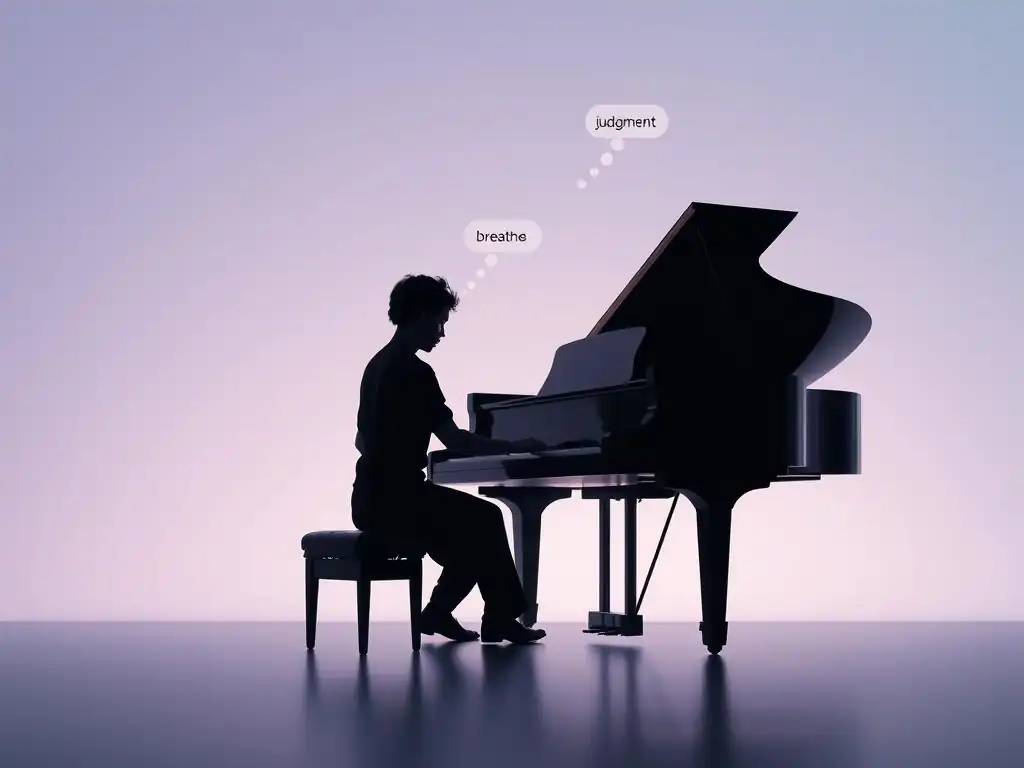
Genetic Predisposition and Environmental Factors
Research suggests that both social anxiety and performance anxiety can have roots in a combination of genetic vulnerability and environmental influences. Studies on twins and families indicate a genetic component to anxiety disorders, meaning that having a family history of anxiety, depression, or related conditions can increase an individual's predisposition. Specific genes related to neurotransmitter function and stress response pathways may play a role. Heritability estimates for anxiety disorders, including social anxiety, are often cited in the range of 30-40%, indicating a moderate genetic influence.
Environmental factors are also critical in the development of these anxieties. This can include early life experiences such as overprotective or critical parenting styles, which might hinder a child's development of coping skills or increase their fear of making mistakes or being judged. Traumatic social experiences, such as being bullied or ridiculed in childhood or adolescence, can profoundly shape an individual's perception of social situations and their own competence, contributing to both social anxiety and performance pressure sensitivity later in life.
The Role of Past Experiences and Learned Behaviors
Past experiences, particularly negative ones, play a significant role in shaping anxiety responses. A single humiliating experience during a presentation in school, a significant failure on an exam, or a painful social rejection can become a foundational memory that fuels future anxiety in similar situations. The brain learns to associate these contexts with danger or negative outcomes, triggering the anxiety response proactively in anticipation.
Learned behaviors, often developed as coping mechanisms, can also perpetuate anxiety. Avoidance is a common learned behavior – if avoiding presentations reduces immediate anxiety, the individual learns that avoidance is "effective," reinforcing the fear and preventing them from learning that the situation is manageable. Similarly, safety behaviors (like over-rehearsing lines, speaking very softly, or avoiding eye contact) provide temporary comfort but prevent the individual from challenging their core fears and contribute to the maintenance of both social anxiety and performance pressure.
Cognitive Distortions: Understanding Negative Thought Patterns
Cognitive distortions, or irrational and unhelpful ways of thinking, are central to both social anxiety and performance anxiety. These thought patterns filter reality through a negative lens, exaggerating threats, minimizing strengths, and leading to feelings of inadequacy and fear. Identifying and challenging these distortions is a key part of therapy for anxiety relief.
While the underlying mechanism of distorted thinking is similar, the content of these thoughts differs depending on whether the anxiety is primarily social or performance-related. Understanding these specific patterns helps in applying targeted cognitive restructuring techniques for social anxiety performance pressure relief.
Cognitive Distortions in Social Anxiety
In social anxiety, cognitive distortions often revolve around predicting negative social outcomes and personalizing perceived failures. Common examples include "mind reading" (assuming others are thinking negatively about you without evidence), "fortune-telling" (predicting that a social interaction will go badly), "catastrophizing" (believing that a minor social misstep will lead to a terrible outcome, like being completely rejected), and "all-or-nothing thinking" (believing that a social interaction was a total failure if it wasn't perfect).
These thought patterns fuel the fear of negative evaluation by constantly highlighting potential threats in the social environment. For instance, someone might spill a drink at a party and immediately think, "Everyone saw that, they think I'm clumsy and stupid," and catastrophize, "Now no one will talk to me for the rest of the night." These distortions maintain the belief that social situations are inherently dangerous.
Cognitive Distortions in Performance Anxiety
Cognitive distortions in performance anxiety focus on predicting failure in the task and exaggerating the consequences of mistakes. Examples include "all-or-nothing thinking" (believing that anything less than perfect performance is a complete failure), "magnification" (blowing minor errors out of proportion), "predicting failure" (being convinced you will mess up before the performance even starts), and "emotional reasoning" (believing that because you feel like you will fail, you will fail).
These thoughts amplify the pressure to perform perfectly and increase the fear of making mistakes. A student taking an exam might think, "If I get one question wrong, I'm going to fail the whole test and ruin my future." A public speaker might think, "If I stumble over one word, I'll lose all credibility and the audience will think I'm incompetent." These distortions maintain the belief that performance situations are high-stakes and unforgiving, contributing significantly to performance pressure.
Cognitive Behavioral Therapy (CBT) Techniques
Cognitive Behavioral Therapy (CBT) is one of the most effective evidence-based treatments for anxiety disorders, including both social anxiety and performance anxiety. CBT helps individuals identify and challenge the negative thought patterns and behaviors that maintain their anxiety. It provides practical tools for changing how one thinks and reacts to anxiety-provoking situations, offering a structured path towards social anxiety performance pressure relief.
A typical course of CBT involves working with a therapist to understand the connection between thoughts, feelings, and behaviors, and then applying specific techniques to modify unhelpful patterns. The focus is on developing healthier coping mechanisms and gradually facing feared situations to build confidence and reduce anxiety over time.
CBT for Social Anxiety: Challenging Negative Social Thoughts
CBT for social anxiety focuses on identifying and challenging the core fears of negative evaluation in social settings. Techniques include cognitive restructuring, where individuals learn to recognize their automatic negative thoughts ("They think I'm boring," "I'm going to say something stupid") and evaluate the evidence for and against them. They learn to replace these distorted thoughts with more realistic and balanced perspectives.
Behavioral components of CBT for social anxiety involve gradually exposing oneself to feared social situations in a controlled and systematic way (exposure therapy, discussed later). This allows individuals to test their negative predictions and learn that feared outcomes are unlikely or manageable. For instance, practicing initiating small talk or expressing an opinion in a low-stakes setting helps desensitize the anxiety response.
CBT for Performance Anxiety: Building Confidence and Reframing
CBT for performance anxiety targets the specific fears related to failing a task or not meeting expectations. Cognitive restructuring helps individuals challenge perfectionistic thinking ("I must be perfect") and catastrophic predictions ("If I make one mistake, it's a disaster"). They learn to reframe performance in terms of effort and learning rather than solely outcome, and to accept that mistakes are a normal part of any performance.
Behavioral strategies often involve graded exposure to performance situations, starting with less anxiety-provoking scenarios and gradually moving towards more challenging ones (also discussed under exposure therapy). This could involve practicing a presentation in front of a mirror, then a friend, then a small group. The goal is to build confidence in one's ability to perform even with some anxiety and to learn that feared consequences are often less severe than imagined, providing significant performance pressure relief.
Relaxation Techniques: Calming the Mind and Body
Relaxation techniques are valuable tools for managing the physical symptoms of anxiety and can be used acutely before or during a triggering situation, or regularly as part of a broader anxiety management plan. These techniques help activate the body's relaxation response, counteracting the physiological effects of the fight-or-flight reaction.
Incorporating relaxation into a routine can lower overall anxiety levels and provide immediate relief when anxiety spikes, aiding in achieving social anxiety performance pressure relief. Practicing these techniques regularly, even when not anxious, makes them more effective when needed.
Deep Breathing Exercises for Anxiety Relief
Deep breathing is a simple yet powerful technique for calming the nervous system. When anxious, breathing often becomes shallow and rapid. Deep, diaphragmatic breathing signals to the brain that the body is safe, helping to slow the heart rate and reduce muscle tension.
A common technique is the 4-7-8 method: inhale deeply through the nose for a count of 4, hold the breath for a count of 7, and exhale slowly through the mouth for a count of 8. Repeating this several times can quickly help regulate the body's stress response. This can be particularly useful moments before entering a social situation or starting a performance, providing immediate performance pressure relief.
Progressive Muscle Relaxation (PMR) for Tension Reduction
Progressive Muscle Relaxation (PMR) involves systematically tensing and then releasing different muscle groups in the body. This process increases awareness of physical tension and helps the body learn to relax more deeply. Anxiety often manifests as muscle tightness (shoulders, jaw, stomach), and PMR directly addresses this.
By guiding oneself through tensing and releasing muscles from head to toe (or vice versa), individuals can release built-up tension. Practicing PMR regularly can help individuals recognize the early signs of muscle tension associated with anxiety and proactively relax those areas, contributing to overall anxiety and performance pressure relief.
Exposure Therapy: Facing Your Fears Gradually
Exposure therapy is a highly effective behavioral technique used in CBT that involves gradually confronting feared situations in a safe and controlled environment. The principle is that by repeatedly facing a fear without the feared outcome occurring, or by learning to cope with the anxiety in the situation, the anxiety response diminishes over time. This process, called habituation, is crucial for overcoming both social and performance anxiety.
Exposure therapy is typically done gradually, starting with situations that cause only mild anxiety and working up a hierarchy to the most feared situations. This systematic approach makes the process manageable and builds confidence at each step, directly contributing to social anxiety performance pressure relief.
Exposure Therapy for Social Anxiety: Social Interaction Practice
Exposure therapy for social anxiety involves gradually engaging in feared social interactions. An individual might create a hierarchy of feared situations, perhaps starting with making eye contact with strangers, then asking a store clerk a question, progressing to making small talk with an acquaintance, joining a group conversation, and eventually giving a short presentation or attending a large social gathering.
The goal is not necessarily to eliminate anxiety entirely but to learn that anxiety is tolerable, the feared negative outcomes are unlikely to happen or are less severe than imagined, and that one can cope with the situation even while feeling anxious. This repeated practice helps desensitize the social fear response.
Exposure Therapy for Performance Anxiety: Simulated Performance Scenarios
Exposure therapy for performance anxiety involves gradually practicing the feared performance or task under increasing levels of pressure or scrutiny. A student with test anxiety might start by taking practice quizzes in a quiet room, then timed practice tests, then practice tests in a simulated classroom environment. A public speaker might practice in front of a mirror, then a family member, then a small group of friends, then a larger, less familiar group.
This systematic exposure helps individuals get used to the physical sensations of anxiety during performance and learn that they can still function and perform effectively despite feeling nervous. It directly challenges the fear of failure by providing opportunities for successful or non-catastrophic experiences, significantly reducing performance pressure over time.
Medication Options: Consulting with a Healthcare Professional
For some individuals, medication can be a helpful component of an overall anxiety management plan, particularly when anxiety is severe or significantly impacting daily functioning. However, medication should always be discussed with and prescribed by a qualified healthcare professional, such as a psychiatrist or primary care physician, as part of a comprehensive treatment strategy that may also include therapy.
Medication is not a standalone cure but can help manage symptoms, making it easier for individuals to engage in therapy and practice coping strategies. The decision to use medication depends on the severity of symptoms, the specific type of anxiety, other health conditions, and individual preferences.
Selective Serotonin Reuptake Inhibitors (SSRIs) are often the first-line medication prescribed for chronic anxiety disorders, including social anxiety. They work by affecting serotonin levels in the brain and can help reduce overall anxiety levels over time. Beta-blockers, such as propranolol, are sometimes prescribed off-label for performance anxiety symptoms like trembling and rapid heart rate, particularly for single, specific events like a presentation or performance, as they block the physical effects of adrenaline. Benzodiazepines may be used for short-term, acute relief of severe anxiety, but they carry risks of dependence and are generally not recommended for long-term use.
Overcoming Performance Pressure: Specific Strategies for Performance Anxiety
Beyond the general strategies for managing anxiety, several techniques are particularly effective for addressing the specific challenges of performance pressure. These strategies focus on building confidence, managing physiological arousal during performance, and shifting focus away from evaluation and towards execution. Implementing these can provide targeted performance pressure relief.
These techniques are often used in conjunction with therapy or learned through coaching focused on performance enhancement, such as in sports psychology or performance coaching. They empower individuals to feel more in control and capable in high-stakes situations.
Preparation and Practice: Mastering the Material
One of the most powerful antidotes to performance anxiety is thorough preparation and practice. When an individual is deeply familiar with the material, task, or skill they need to perform, their confidence naturally increases, and the fear of making mistakes decreases. This isn't just about knowing the content; it's about internalizing it to the point where execution feels more automatic.
For a public speaker, this means not just knowing the facts but rehearsing the delivery multiple times, perhaps even anticipating potential questions. For a musician, it's hours of practice to ensure muscle memory takes over. For a student, it's diligent studying and completing practice problems under simulated test conditions. Feeling truly prepared reduces the cognitive load during the performance, allowing the individual to focus on execution rather than worrying about forgetting or failing. This is a foundational strategy for social anxiety performance pressure relief in performance contexts.
Visualization Techniques: Imagining Success
Visualization is a mental rehearsal technique used by athletes, performers, and speakers to improve performance and reduce anxiety. It involves creating vivid mental images of the performance going successfully, focusing on the process and the desired outcome. This technique helps to train the brain and body to feel more comfortable and confident in the performance situation.
Individuals can visualize themselves performing calmly and effectively, handling any minor challenges smoothly, and achieving their goal. They can focus on the sensory details – the feeling of their instrument, the sound of their voice, the sight of the audience reacting positively. Regularly practicing positive visualization can help override negative mental rehearsal loops that fuel anxiety and build a mental blueprint for success, contributing to performance pressure relief.
Mindfulness and Present Moment Awareness
Mindfulness involves paying attention to the present moment without judgment. In the context of performance anxiety, this means focusing on the task at hand rather than getting lost in worries about the future outcome or dwelling on past mistakes. Anxiety often pulls the mind into catastrophic "what-ifs," diverting attention and energy away from the performance itself.
By practicing mindfulness, individuals can learn to notice anxious thoughts and physical sensations without getting consumed by them. They can gently redirect their attention back to the immediate task – focusing on their breathing, the feel of their fingers on the piano keys, the weight of the pen on the paper, or the connection with the audience. This present moment focus reduces rumination and allows for better concentration and execution, helping to manage the internal experience of performance pressure.
Seeking Professional Help: When to Consult a Therapist or Counselor

While self-help strategies can be beneficial, there are times when professional help is necessary and highly recommended for managing anxiety. Mental health professionals, such as therapists, counselors, psychologists, or psychiatrists, are trained to diagnose anxiety disorders and provide evidence-based treatments tailored to individual needs.
Knowing when to seek professional support is crucial for effective and lasting anxiety relief. It's not a sign of weakness but a proactive step towards well-being and gaining control over challenging symptoms that impact quality of life.
Identifying Red Flags: Recognizing When Anxiety Interferes with Daily Life
It's time to consider seeking professional help if anxiety symptoms are persistent, severe, and significantly interfering with your ability to function in important areas of life. This includes avoiding social situations, school, work, or activities you once enjoyed due to fear. Other red flags include experiencing intense physical symptoms that cause distress, using unhealthy coping mechanisms (like alcohol or drugs) to manage anxiety, or feeling overwhelmed, hopeless, or unable to cope on your own.
If your anxiety about social situations or performances is preventing you from pursuing goals, maintaining relationships, or simply living a fulfilling life, it's a clear indication that professional intervention could provide the necessary tools and support for social anxiety performance pressure relief and overall recovery.
Finding a Qualified Mental Health Professional
Finding the right mental health professional is an important step. Look for licensed therapists, counselors, or psychologists with experience treating anxiety disorders. Psychiatrists are medical doctors who can diagnose mental health conditions and prescribe medication if needed.
You can search for professionals through your insurance provider's network, professional organizations (like the American Psychological Association or the Anxiety & Depression Association of America), or directories like Psychology Today. Don't hesitate to ask potential therapists about their experience with social anxiety or performance anxiety and their approach to treatment, such as their use of CBT or exposure therapy. Finding someone you feel comfortable with is key.
The Benefits of Therapy for Anxiety Relief
Therapy, particularly CBT and exposure therapy, offers numerous benefits for individuals struggling with social anxiety and performance anxiety. A therapist provides a safe and supportive space to explore the roots of your anxiety, challenge negative thought patterns, and learn effective coping strategies.
Through therapy, individuals gain a deeper understanding of their anxiety, develop practical skills to manage symptoms, and gradually confront feared situations to build confidence and resilience. Therapy helps break the cycle of avoidance and negative thinking, empowering individuals to regain control over their lives and achieve lasting social anxiety performance pressure relief. It provides the structure and guidance needed for significant progress.
Long-Term Management and Prevention
Managing social anxiety and performance anxiety is often an ongoing process that involves integrating learned strategies into daily life and building resilience. While therapy provides foundational skills, long-term well-being relies on consistent effort and lifestyle choices that support mental health.
Focusing on long-term management helps maintain the gains made in therapy and prevents relapse. These strategies contribute to a more stable emotional state and increased capacity to handle future challenges, reinforcing social anxiety performance pressure relief.
Building a Support System
Having a strong support system is invaluable for managing anxiety. This includes trusted friends, family members, or partners who understand and offer encouragement. Sharing your experiences with supportive individuals can reduce feelings of isolation and shame often associated with anxiety.
Support groups, either in-person or online, can also provide a sense of community and validation, connecting you with others who face similar challenges. Knowing you are not alone and having people to talk to during difficult moments provides crucial emotional support and practical help in navigating anxiety-provoking situations.
Developing Self-Compassion and Acceptance
Anxiety often comes with harsh self-criticism. Developing self-compassion involves treating yourself with the same kindness, understanding, and acceptance you would offer a friend facing similar difficulties. It means acknowledging that anxiety is a challenging experience and that it's okay to struggle.
Self-acceptance involves recognizing that having anxiety or making mistakes in social or performance situations does not define your worth as a person. Practicing self-compassion and acceptance helps reduce the intensity of self-judgment and allows for a more balanced perspective on experiences, easing the internal performance pressure and fear of social judgment.
Maintaining a Healthy Lifestyle
Lifestyle factors significantly impact mental health and can influence the severity and frequency of anxiety symptoms. Prioritizing physical well-being is a key component of long-term anxiety management.
Regular physical exercise, even moderate activity like walking, has been shown to reduce stress hormones and improve mood. A balanced diet, adequate sleep (typically 7-9 hours per night for adults), and limiting stimulants like caffeine and alcohol can help stabilize mood and reduce physiological arousal associated with anxiety. These healthy habits build resilience, making it easier to manage daily stressors and reducing vulnerability to both social anxiety and performance pressure.
Conclusion: Empowering Yourself to Overcome Anxiety
Key Takeaways: Understanding and Managing Anxiety
Understanding the nuances between social anxiety and performance anxiety is the first step toward effective management. While distinct in their primary triggers and fears, they share common underlying causes and often overlap. Recognizing your specific patterns of anxiety, whether it's a broad fear of social judgment or a focused fear of performance failure, is crucial.
Fortunately, both social anxiety and performance anxiety are highly treatable. Evidence-based strategies like Cognitive Behavioral Therapy (CBT), exposure therapy, relaxation techniques, and lifestyle adjustments offer powerful tools for reducing symptoms and regaining control. Seeking professional help when anxiety is overwhelming provides access to tailored, effective interventions for social anxiety performance pressure relief.
Resources for Further Learning and Support
Empowering yourself involves continuous learning and utilizing available support systems. Reputable mental health organizations offer extensive information and resources on anxiety disorders. Self-help books based on CBT principles can provide additional tools and exercises.
Consider exploring local or online support groups specifically for anxiety, which offer a space to share experiences and gain peer support. Most importantly, maintain an ongoing relationship with healthcare providers – your primary care physician or a mental health professional – who can provide personalized guidance and support on your journey towards lasting social anxiety performance pressure relief and overall well-being.
Frequently Asked Questions
Performance anxiety is specifically related to fear of judgment during a performance or task, while social anxiety is a broader fear of social situations and interactions. Both can benefit from techniques aimed at reducing pressure.
Consider the context of your anxiety. If it's primarily triggered by evaluative situations like presentations or performances, it's likely performance anxiety. Generalized fear of social interaction across various settings suggests social anxiety.
Techniques like deep breathing, mindfulness meditation, and cognitive restructuring can help manage both. Focusing on the process rather than the outcome is crucial for reducing performance pressure.
Mind Care Guide offers articles, tools, and resources on topics like cognitive behavioral therapy (CBT) and relaxation techniques for both anxieties. Look for sections dedicated to social anxiety performance pressure relief.
Accurate identification allows for tailored treatment approaches. Understanding the root cause of the anxiety, whether it's performance-specific or socially-driven, helps target interventions for effective anxiety reduction.
Final Reflection: Unmasking the Fear, Embracing the Stage
The anxieties surrounding performance and social interaction are not merely isolated incidents; they are deeply intertwined threads woven into the fabric of our modern lives. The pressure to succeed, to impress, to be perceived as "perfect" permeates every aspect of our existence, from job interviews to casual conversations, creating a pervasive sense of unease for many. This constant pressure demands a deeper understanding of its roots and a proactive approach to managing its debilitating effects.
The exploration of performance anxiety and social anxiety, as distinct yet interconnected phenomena, reveals a profound truth about the human condition: our inherent vulnerability in the face of judgment. The fear of failure, of not measuring up, is a universal experience. It's a fear that has shaped our cultural narratives for centuries, from the tragic hero's downfall to the everyday anxieties of navigating social situations. The only thing we have to fear is fear itself,
– Franklin D. Roosevelt – while often misinterpreted, speaks to the paralyzing power of anxiety, reminding us that confronting our fears is the first step towards overcoming them. This article has hopefully provided a framework for understanding and addressing these fears.
You now possess a deeper understanding of the nuances between performance and social anxiety. This knowledge is not merely academic; it's a tool for empowerment. Take a moment to reflect on your own experiences. Identify the triggers that amplify your anxieties, and consciously develop strategies to manage them. Whether it's practicing mindfulness, seeking professional help, or simply acknowledging your feelings, remember that you are not alone in this journey. Embrace the opportunity to redefine your relationship with performance and social interaction, transforming fear into confidence and vulnerability into strength.
Unleash Your Confidence: Take Control of Your Anxiety Now!
Thanks for taking the time to explore the differences between performance and social anxiety with us! We hope you gained valuable insights into understanding and managing these challenges. Now, let's put that knowledge into action:
- Prioritize one small step: Identify a specific situation causing you anxiety (a presentation, social gathering, etc.) and plan one small, manageable step to address it this week. This is your key takeaway!
- Share your thoughts: Comment below and share a small win or a challenge you're facing. Let's support each other!
- Explore additional resources: Dive deeper into our website's anxiety management section for more tips and techniques.
Ready to start feeling more confident and in control? What's that one small step you'll take today to conquer your anxiety?