
Breaking the Stigma: Encouraging Older Adults to Seek Help for Anxiety

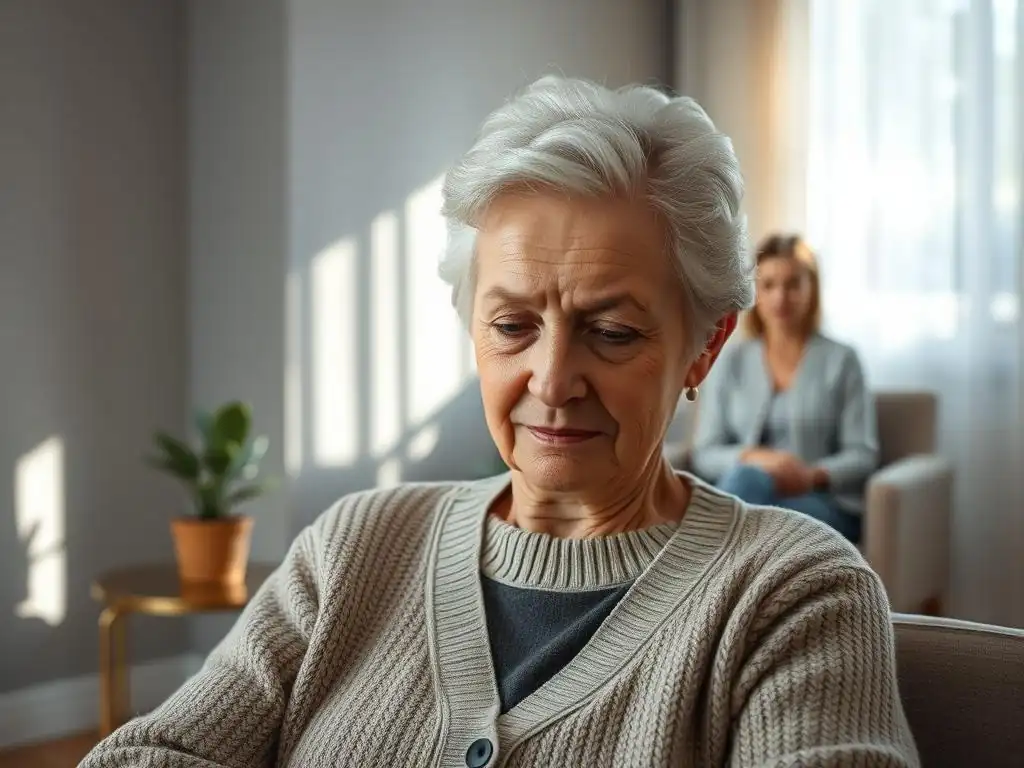
Welcome to Mind Care Guide, a space dedicated to nurturing your mental well-being.
Feeling overwhelmed by anxiety as you navigate the golden years? You're not alone, and help is within reach. Our latest article, " Breaking the Stigma: Encouraging Older Adults to Seek Help for Anxiety," delves into the unique challenges faced by older adults and offers practical strategies for finding relief. Discover compassionate advice and empowering resources designed to help you, or a loved one, reclaim peace of mind. Curious to learn more about older adults anxiety help and how to break free from its grip? Let's explore together...
Breaking the Stigma: Encouraging Older Adults to Seek Help for Anxiety
- Understanding Anxiety in Older Adults: A Mind Care Guide Perspective
- The Stigma Surrounding Mental Health: A Barrier to Older Adults Anxiety Help
- Debunking Myths About Anxiety and Aging: Separating Fact from Fiction
- Identifying Anxiety Symptoms in Older Adults: Knowing When to Seek Support
- The Benefits of Seeking Professional Help for Anxiety: Improving Quality of Life
- Practical Steps to Encourage Older Adults to Seek Anxiety Treatment
- Resources for Older Adults Anxiety Help: Accessing Support and Information
- Creating a Supportive Environment: Fostering Mental Well-being in Older Adults
- Conclusion: Empowering Older Adults to Prioritize Their Mental Health and Seek Anxiety Relief
-
Frequently Asked Questions
- How prevalent is anxiety among older adults?
- What are some unique challenges older adults face when seeking help for anxiety?
- What are some effective treatment options for anxiety in older adults?
- How can family members and caregivers support older adults experiencing anxiety?
- Where can older adults find Older Adults Anxiety Help and resources specifically tailored to their needs?
- Final Reflection: The Unfolding Power of Openness in Later Life
- Unleash Your Inner Calm: Take Charge of Your Anxiety Today
Understanding Anxiety in Older Adults: A Mind Care Guide Perspective
Recognizing Anxiety Disorders in Senior Citizens: More Than Just Worry
Anxiety in older adults is a significant mental health concern that often goes unrecognized or is dismissed as a natural part of aging. However, it's crucial to understand that clinical anxiety disorders, such as Generalized Anxiety Disorder (GAD), Panic Disorder, or Specific Phobias, are distinct from typical worries about aging. These conditions involve persistent, excessive worry and fear that significantly impact daily functioning and quality of life. Unlike the occasional stress everyone experiences, pathological anxiety in seniors can manifest as overwhelming dread, constant restlessness, difficulty concentrating, and physical symptoms that mimic other health issues.
Studies indicate that while depression is frequently diagnosed in older adults, anxiety disorders are also prevalent, affecting an estimated 10-20% of the senior population, though figures vary. This makes seeking timely older adults anxiety help essential. Recognizing these disorders requires looking beyond common aging concerns and identifying patterns of intense, uncontrollable worry that are disproportionate to the situation and interfere with activities like social engagement, self-care, or managing finances. Healthcare providers and family members play a vital role in spotting these signs and understanding that effective treatment is available, making a significant difference in a senior's life.
The Unique Challenges of Anxiety for Older Adults: Loss of Independence, Chronic Pain, Financial Strain
Older adults face a unique set of challenges that can trigger or exacerbate anxiety. One significant factor is the loss of independence, which can stem from physical limitations, cognitive changes, or the need to rely on others for daily tasks like driving, shopping, or managing household affairs. This transition can evoke feelings of vulnerability, helplessness, and fear of losing control over one's life, fueling anxiety about the future and personal capabilities. The shift from being a primary caregiver or provider to needing care can be particularly challenging.
Furthermore, chronic pain and multiple health conditions are common in later life, often contributing to increased anxiety. Persistent pain can lead to worries about future physical decline, inability to manage daily activities, and dependence on medication. Financial strain is another major stressor; many older adults live on fixed incomes, facing rising costs of living, healthcare expenses, and potential unforeseen costs. Worries about outliving savings, affording necessary medications, or leaving debt behind can create intense, ongoing anxiety, highlighting the need for targeted older adults anxiety help that addresses these specific life circumstances.
The Stigma Surrounding Mental Health: A Barrier to Older Adults Anxiety Help
Why Older Adults Hesitate to Seek Anxiety Treatment: Fear of Judgment, Belief in Self-Reliance
The pervasive stigma surrounding mental health is a significant barrier preventing many older adults from seeking necessary anxiety treatment. For a generation raised in a time when mental health issues were often considered a sign of weakness or moral failing, admitting to struggling with anxiety can feel deeply shameful. There is a profound fear of being judged by family, friends, or even healthcare providers. This fear can lead seniors to hide their symptoms, minimize their distress, or avoid discussing their feelings altogether, reinforcing the silent suffering associated with anxiety in later life.
Adding to this, many older adults hold a strong belief in self-reliance and resilience, having navigated numerous life challenges independently. They may view anxiety as something they should be able to manage on their own through sheer willpower or by "toughing it out."
This mindset, while rooted in past experiences of overcoming adversity, can become a detrimental obstacle when dealing with a clinical condition like an anxiety disorder. The idea of needing professional older adults anxiety help might be seen as a personal failure rather than a proactive step towards improving well-being, making it difficult for them to initiate the conversation or accept support.
The reluctance to seek older adults anxiety help due to stigma has serious repercussions for their overall mental well-being. Untreated anxiety can significantly increase the risk of developing other mental health conditions, most notably depression. The constant worry, physical symptoms, and functional impairment caused by anxiety can lead to feelings of hopelessness, sadness, and a loss of interest in activities once enjoyed, creating a complex co-occurrence of conditions that are harder to treat.
Moreover, the shame and fear associated with anxiety can lead to social withdrawal and isolation. Older adults struggling with anxiety may avoid social gatherings, group activities, or even visits from loved ones because of excessive worry about how they will appear, potential panic symptoms, or simply lacking the energy. This reduced social interaction exacerbates loneliness, which is a known risk factor for both anxiety and depression in seniors. Breaking the stigma is therefore not just about treating anxiety but also about preserving social connections and preventing a cascade of negative impacts on mental and physical health.
Debunking Myths About Anxiety and Aging: Separating Fact from Fiction
Myth: Anxiety is a Normal Part of Aging. Reality: Treatable Condition.
One of the most persistent myths is that feeling anxious is simply a natural and unavoidable consequence of growing older. This misconception often leads to anxiety symptoms being overlooked, misattributed to physical ailments, or accepted as an inevitable part of later life. While it's true that older adults face unique stressors, clinical anxiety disorders are not a normal part of the aging process. They are distinct mental health conditions characterized by excessive, persistent, and debilitating worry that significantly impairs functioning.
The reality is that anxiety in older adults is a treatable condition. Effective therapies, such as cognitive behavioral therapy (CBT), and appropriate medication management can significantly reduce symptoms and improve quality of life. Dismissing anxiety as "just old age" prevents individuals from accessing the older adults anxiety help they need. Recognizing that anxiety is a treatable illness, much like diabetes or heart disease, is the first step in encouraging seniors and their families to seek professional support and intervention.
Myth: Older Adults are Too Set in Their Ways to Benefit from Anxiety Treatment. Reality: Effective Therapies Exist.
Another harmful myth is that older adults are resistant to change or too "set in their ways" to benefit from mental health therapies. This stereotype suggests that therapeutic approaches like talking therapy are ineffective for seniors. This is simply not true. While some adaptations might be necessary to accommodate age-related factors like hearing or mobility issues, older adults are capable of engaging in and benefiting significantly from various psychotherapies.
Evidence shows that therapies like Cognitive Behavioral Therapy (CBT) and Acceptance and Commitment Therapy (ACT) are highly effective in treating anxiety disorders in older adults. These therapies help seniors identify and challenge negative thought patterns, develop coping strategies, and gradually confront fears.
Furthermore, many older adults possess valuable life experience and wisdom that can be leveraged in therapy. The belief that older adults cannot change their ways is a barrier to seeking older adults anxiety help; the reality is that with the right approach and support, seniors can learn new skills and make meaningful changes to manage their anxiety effectively.
Identifying Anxiety Symptoms in Older Adults: Knowing When to Seek Support
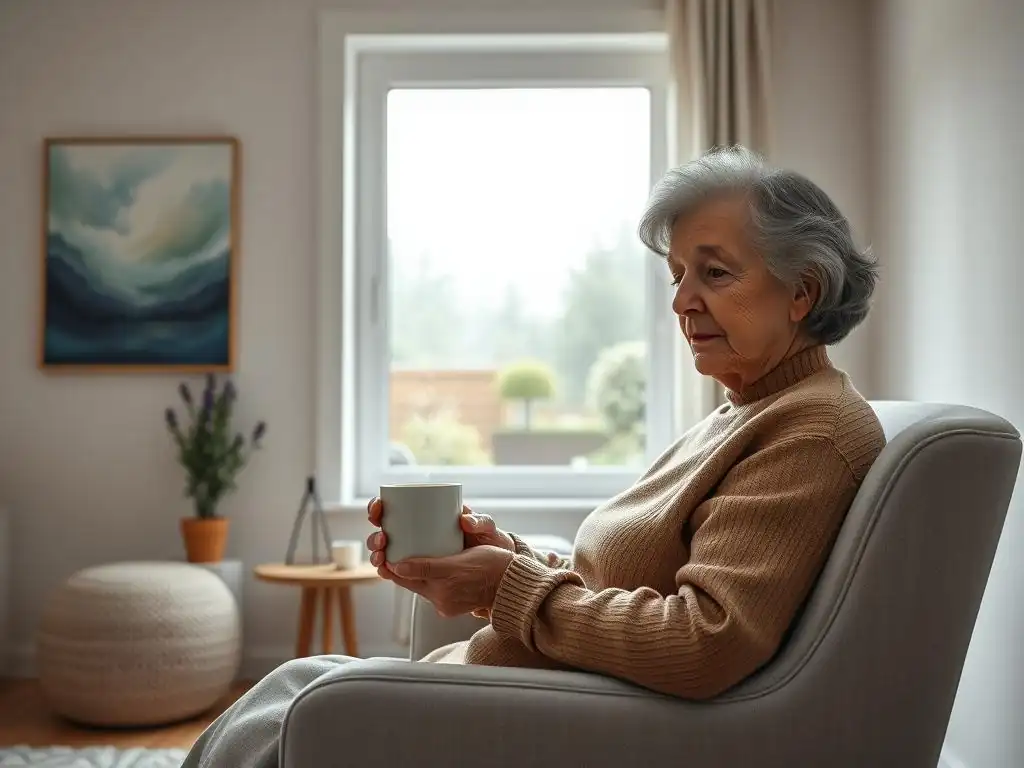
Physical Symptoms of Anxiety in Seniors: Fatigue, Sleep Disturbances, Muscle Tension
Identifying anxiety in older adults can be challenging because symptoms may overlap with or be masked by physical health conditions common in this age group. However, paying attention to key physical indicators is crucial for recognizing the need for older adults anxiety help. Persistent fatigue, even without significant exertion, can be a sign, as the constant state of worry and heightened physiological arousal is draining. Sleep disturbances are also highly common, including difficulty falling asleep, staying asleep, or experiencing restless sleep, leading to daytime tiredness and irritability.
Other physical manifestations include muscle tension, often felt in the neck, shoulders, or back, which can contribute to aches and pains. Seniors with anxiety might also report headaches, digestive issues like nausea or stomach upset, and increased heart rate or shortness of breath, which can sometimes be mistaken for cardiac problems. While these symptoms warrant medical investigation to rule out physical causes, recognizing them as potential signs of anxiety is vital for ensuring that the mental health component is not overlooked and appropriate older adults anxiety help is sought.
Beyond physical symptoms, several emotional and behavioral signs can indicate anxiety in older adults. Excessive worry is a hallmark symptom, characterized by uncontrollable and persistent concerns about various topics, such as health, finances, family, or safety, often disproportionate to the actual risk. This worry can consume their thoughts and make it difficult to focus on other things. Increased irritability and restlessness are common behavioral signs; seniors might become easily agitated, impatient, or unable to relax.
Anxiety can also manifest as difficulty concentrating or making decisions, feeling on edge, or exhibiting avoidance behaviors. Social withdrawal is a significant red flag; seniors might stop participating in hobbies, group activities, or visiting friends and family due to anxiety related to social situations or leaving their home. Changes in eating habits or increased reliance on alcohol or sedatives (if prescribed) to manage nerves can also be indicators. Recognizing these emotional and behavioral shifts is key to initiating conversations and exploring options for older adults anxiety help.
The Benefits of Seeking Professional Help for Anxiety: Improving Quality of Life
Effective Treatment Options for Older Adults Anxiety Help: Therapy and Medication
Seeking professional older adults anxiety help offers significant benefits, leading to reduced symptoms and a dramatically improved quality of life. The primary treatment approaches for anxiety in older adults typically involve psychotherapy, medication, or a combination of both, tailored to the individual's specific needs, health status, and preferences. These interventions are supported by research and have proven effective in managing anxiety symptoms in this age group.
Therapy provides seniors with tools and strategies to understand and manage their anxiety. Medication, when used appropriately and carefully monitored, can help alleviate severe symptoms, making it easier for individuals to engage in therapy and daily activities. The goal of professional intervention is not just symptom reduction but empowering older adults to regain control over their lives, participate in activities they enjoy, and reduce the burden that anxiety places on themselves and their families.
Cognitive Behavioral Therapy (CBT) for Anxiety in Seniors: Understanding Thoughts, Feelings, and Behaviors
Cognitive Behavioral Therapy (CBT) is one of the most well-established and effective psychotherapies for anxiety disorders across age groups, including seniors. CBT operates on the principle that our thoughts, feelings, and behaviors are interconnected. For older adults with anxiety, CBT helps them identify negative or distorted thought patterns that contribute to their worries (e.g., "I'm going to fall and break something every time I leave the house," or "I'll run out of money").
Through structured sessions, a therapist helps the senior challenge these unhelpful thoughts, evaluate their validity, and replace them with more realistic and balanced perspectives. CBT also teaches coping skills like relaxation techniques, mindfulness, and gradual exposure to feared situations in a safe and controlled manner. By understanding the link between their thoughts, feelings of anxiety, and avoidance behaviors, older adults can learn to break negative cycles and develop healthier ways of responding to situations that trigger anxiety.
Medication Management for Anxiety in Older Adults: Careful Selection and Monitoring of Medications
Medication can be a valuable component of older adults anxiety help, particularly for severe or persistent symptoms. However, medication management in seniors requires careful consideration and monitoring due to potential interactions with other medications they may be taking for chronic health conditions, age-related changes in metabolism, and increased sensitivity to side effects. A thorough medical evaluation is essential before prescribing any anxiety medication.
Common classes of medications used include Selective Serotonin Reuptake Inhibitors (SSRIs) and Serotonin-Norepinephrine Reuptake Inhibitors (SNRIs), which are often preferred as they are generally well-tolerated. Benzodiazepines are sometimes used for short-term relief of acute anxiety but are typically avoided for long-term use in older adults due to risks of dependence, cognitive impairment, and falls. A healthcare provider specializing in geriatrics or mental health for older adults can select the most appropriate medication, starting with a low dose and carefully monitoring for effectiveness and any adverse effects, adjusting the plan as needed.
Practical Steps to Encourage Older Adults to Seek Anxiety Treatment
Open and Honest Communication: Talking About Mental Health with Loved Ones
Encouraging older adults to seek older adults anxiety help often begins with open and honest communication from family members or trusted friends. Approaching the topic with empathy, patience, and non-judgment is crucial. Instead of directly stating "You need help," try expressing concern about specific observations, such as changes in sleep, increased worry, or withdrawal from activities. Phrases like, "I've noticed you seem more worried lately, and I'm concerned about you," can open the door to a conversation.
Share information about anxiety as a treatable condition, emphasizing that it's common and nothing to be ashamed of. Listen actively to their feelings and fears without dismissing them. Validate their experiences and acknowledge that facing anxiety is difficult. Offering to help them find information, research options for older adults anxiety help, or simply being a supportive presence can significantly reduce their hesitation and make the idea of seeking professional help feel less daunting.
Finding the Right Mental Health Professional for Seniors: Considering Experience and Specialization
Once an older adult is open to the idea of seeking help, finding the right mental health professional is a critical step. It's beneficial to look for therapists, psychologists, or psychiatrists who have experience working with older adults or specialize in geriatric mental health. Professionals with this background are more likely to understand the unique challenges of this age group, including the interplay between physical health, cognitive changes, social factors, and anxiety.
Consider practical factors like location, accessibility (is the office easy to get to? are there stairs? ), and whether they accept their insurance. Some therapists offer teletherapy options, which can be convenient for seniors with mobility issues. Encourage the older adult to participate in the selection process if they are comfortable, perhaps by reviewing potential profiles together or even having an initial brief phone call to see if they feel a connection. Finding a good therapeutic match is vital for successful older adults anxiety help.
Supporting Older Adults Through the Treatment Process: Providing Transportation and Accompaniment
Seeking and attending therapy or doctor's appointments can be challenging for older adults, especially if they have mobility issues, no longer drive, or feel anxious about going alone. Offering practical support, such as providing transportation to appointments, can remove a significant barrier. Being present during the appointment, if the older adult is comfortable with it, can also be helpful. You can assist with remembering information, asking questions, or simply offering moral support.
Beyond appointments, support involves being patient and understanding as they navigate the treatment process. Recovery from anxiety is not always linear. Celebrate small victories, listen without judgment if they express frustrations, and gently encourage them to practice the coping strategies they are learning in therapy. Your consistent support reinforces the message that seeking older adults anxiety help is a positive step and that they are not alone in this journey.
Resources for Older Adults Anxiety Help: Accessing Support and Information
Mental Health Organizations and Helplines: National Institute of Mental Health (NIMH), Anxiety & Depression Association of America (ADAA)
Numerous reputable national organizations offer valuable resources and support for older adults and their families seeking older adults anxiety help. The National Institute of Mental Health (NIMH) provides comprehensive information about anxiety disorders, including signs, symptoms, and treatment options, often with specific considerations for older adults. Their website offers accessible articles and research updates.
The Anxiety & Depression Association of America (ADAA) is another excellent resource, offering information on anxiety disorders, finding therapists, and support communities. While not exclusively for seniors, their resources on managing anxiety are broadly applicable, and they may have specific information or links relevant to older adults. Helplines provided by national or local mental health organizations can also offer immediate support, information, and referrals to local services.
Online Resources and Support Groups for Seniors with Anxiety: Senior Centers and Online Forums
In addition to national organizations, various local and online resources cater specifically to older adults. Local senior centers often provide a range of services, including social activities, health and wellness programs, and sometimes even access to mental health support groups or counseling services designed for their age group. These centers offer a familiar and accessible environment for seeking older adults anxiety help and connecting with peers who may share similar experiences.
Online resources and support groups can also be incredibly beneficial, especially for seniors who are homebound or live in rural areas. Websites dedicated to senior health and mental well-being may offer articles, forums, or virtual support groups. Platforms connecting individuals with therapists who specialize in teletherapy for seniors are also available. While online resources can provide valuable information and connection, it's important to ensure they are from credible sources and to consult with a healthcare professional for personalized older adults anxiety help.
Creating a Supportive Environment: Fostering Mental Well-being in Older Adults
Creating a supportive environment is fundamental to fostering mental well-being and managing anxiety in older adults. Encouraging community involvement and social engagement is crucial, as isolation and loneliness are significant risk factors for anxiety and depression. Participating in activities at senior centers, joining clubs or hobby groups, volunteering, or simply spending regular time with family and friends can provide a sense of belonging, purpose, and support.
Social connections offer opportunities for emotional support, shared experiences, and distraction from worries. They also help maintain cognitive function and physical activity. For older adults struggling with social anxiety or finding it difficult to leave home, starting with small, manageable steps, such as a brief phone call with a friend or a short outing to a familiar place, can be helpful. Gradually increasing social interaction can be a powerful component of managing anxiety and promoting overall mental health.
Promoting Healthy Lifestyle Choices: Exercise, Nutrition, and Sleep for Anxiety Management
Promoting healthy lifestyle choices plays a vital role in managing anxiety and supporting the overall mental well-being of older adults. Regular physical activity, even moderate exercise like walking, gentle yoga, or chair exercises, can significantly reduce anxiety symptoms by releasing endorphins and reducing stress hormones. Aiming for about 150 minutes of moderate-intensity activity per week, as recommended by health guidelines, can have profound mental health benefits.
Nutrition also impacts mood and energy levels. Encouraging a balanced diet rich in fruits, vegetables, whole grains, and lean proteins can support brain health. Limiting caffeine and alcohol intake, especially in the evening, is important as these substances can exacerbate anxiety and disrupt sleep. Prioritizing good sleep hygiene – maintaining a regular sleep schedule, creating a relaxing bedtime routine, and ensuring a comfortable sleep environment – is critical, as sleep disturbances are closely linked to anxiety. Supporting these healthy habits complements professional older adults anxiety help and empowers seniors to take an active role in their well-being.
Conclusion: Empowering Older Adults to Prioritize Their Mental Health and Seek Anxiety Relief
The Importance of Early Intervention for Anxiety in Later Life
Recognizing and addressing anxiety in older adults early is paramount. Early intervention can prevent symptoms from worsening, reduce the risk of co-occurring conditions like depression, and mitigate the negative impact on physical health and cognitive function. Just as with physical ailments, timely diagnosis and treatment for anxiety can lead to better outcomes and a higher quality of life. Encouraging older adults to seek older adults anxiety help at the first signs of persistent worry or distress is a critical step in supporting their well-being.
Dismissing anxiety as a normal part of aging or allowing stigma to prevent seeking help only prolongs suffering and limits opportunities for effective management. Educating seniors, their families, and healthcare providers about the treatability of anxiety disorders in later life is essential to fostering a culture where seeking mental health support is viewed as a sign of strength and self-care, not weakness.
Breaking the Cycle of Stigma: Building a Future of Mental Well-being for All Ages
Breaking the cycle of stigma surrounding mental health is a collective responsibility that benefits people of all ages, particularly older adults who have often faced significant barriers to seeking help. By talking openly about mental health, sharing stories of recovery, and promoting the availability and effectiveness of older adults anxiety help, we can create a more supportive and understanding environment.
Ultimately, empowering older adults means ensuring they feel comfortable and confident prioritizing their mental health. It means providing accessible resources, supportive communities, and healthcare that recognizes and effectively treats anxiety. Building a future where mental well-being is valued and supported throughout the lifespan allows older adults to live their later years with reduced anxiety, greater independence, and a higher quality of life.
Frequently Asked Questions
How prevalent is anxiety among older adults?
Anxiety is surprisingly common in older adults, affecting a significant portion of this population. It's often underdiagnosed and undertreated, leading to a diminished quality of life.
What are some unique challenges older adults face when seeking help for anxiety?
Older adults may face barriers such as stigma, limited access to transportation, and a reluctance to acknowledge their mental health struggles. They may also believe anxiety is a normal part of aging.
What are some effective treatment options for anxiety in older adults?
Treatment options include therapy (such as Cognitive Behavioral Therapy or CBT), medication, and lifestyle changes like regular exercise and social engagement. A combination of these approaches is often most effective.
How can family members and caregivers support older adults experiencing anxiety?
Family members can offer emotional support, help older adults find resources, and encourage them to seek professional help. Creating a safe and understanding environment is crucial.
Where can older adults find Older Adults Anxiety Help and resources specifically tailored to their needs?
Mind Care Guide offers a comprehensive guide with information, support, and resources. Local senior centers, community mental health clinics, and online directories can also provide assistance.
Final Reflection: The Unfolding Power of Openness in Later Life
The pervasive silence surrounding anxiety in older adults is a crisis demanding immediate attention. Ignoring the mental health needs of this growing population not only diminishes their quality of life but also perpetuates a cycle of suffering that impacts families and communities. We must actively dismantle the barriers preventing older adults from seeking the help they deserve.
The societal stigma attached to mental health, particularly in older generations, is deeply ingrained. It's a legacy of outdated beliefs and a lack of understanding that has silenced countless individuals. This silence, however, is slowly being broken as more people openly discuss their struggles. The greatest barrier to mental health care is not a lack of resources, but a lack of conversation.
This quote highlights the crucial role of open dialogue in fostering a culture of support and understanding. My own research for this article revealed countless stories of resilience and hope, proving that with the right support, older adults can navigate anxiety and reclaim their well-being.
You, the reader, now hold the power to contribute to this vital shift. Consider the older adults in your life – your parents, grandparents, neighbors, or friends. Reach out, listen without judgment, and offer your support. Educate yourself on the signs and symptoms of anxiety in older adults, and encourage them to seek professional help if needed. By breaking the silence, one conversation at a time, we can create a future where every older adult feels empowered to prioritize their mental health and live a fulfilling life, free from the shadows of anxiety.
Unleash Your Inner Calm: Take Charge of Your Anxiety Today
Thank you for taking the time to learn about anxiety in older adults. We hope this article has provided valuable insights and empowered you to understand this often-overlooked challenge. Now's the time to put that knowledge into action!
- Schedule a consultation with your doctor or a mental health professional: This is the most important step in managing your anxiety. Don't hesitate—your well-being is a priority.
- Share this article with someone you care about: Breaking the stigma around anxiety starts with open conversations. Let's support each other.
- Explore relaxation techniques: Try mindful breathing exercises or gentle yoga – even small changes can make a big difference in how you feel.
What small step will you take today to prioritize your mental well-being?