
The Science Behind Performance Anxiety: Why Your Brain Triggers Panic

Welcome to Mind Care Guide, a safe space to navigate the complexities of mental well-being.
Ever feel like your brain is sabotaging your performance? You're not alone. We understand the crushing weight of performance anxiety. In this guide, we delve into the science behind it, specifically exploring how your performance anxiety brain triggers panic, and what you can do to regain control. Ready to understand the root of your anxiety and discover practical strategies for overcoming it? Let's begin.
The Science Behind Social Anxiety: Why Your Brain Triggers Fear
- Understanding Social Anxiety and Its Neurological Roots
- The Brain's Response to Perceived Social Threats: The Amygdala's Role
- The Stress Hormone Cascade: Cortisol and Adrenaline in Social Anxiety
- Cognitive Distortions and Social Anxiety: Negative Thought Patterns
- The Impact of Past Experiences on Social Anxiety Brain Triggers
- Neurotransmitters and Social Anxiety: Serotonin, Dopamine, and GABA
- The Prefrontal Cortex and Social Anxiety: Executive Function and Control
- Genetic Predisposition and Environmental Factors in Social Anxiety
- Managing Social Anxiety: Strategies for Calming the Brain
- Practical Tips for Overcoming Social Anxiety Triggers
- Breaking the Cycle: Long-Term Strategies for Reducing Social Anxiety
-
Frequently Asked Questions
- What are the primary brain regions involved in triggering performance anxiety?
- How does the "fight or flight" response contribute to performance anxiety?
- What are some common cognitive distortions that can worsen performance anxiety?
- What role do neurotransmitters like serotonin and dopamine play in performance anxiety?
- Can specific brain training techniques or therapies help manage performance anxiety and panic?
- Final Reflection: Understanding and Overcoming the Performance Anxiety Paradox
- Unlock Your Peak Performance: Conquer Anxiety Today!
Social anxiety disorder, also known as social phobia, is a persistent, intense fear of being watched, judged, and scrutinized by others. This fear can be so overwhelming that it interferes with daily activities, work, school, and relationships. It's more than just shyness; it's a debilitating condition where the thought of social interaction triggers significant distress and avoidance behaviors.
Common situations that can provoke this fear include speaking in public, meeting new people, eating or drinking in front of others, or even using a public restroom. The core fear revolves around potential humiliation or embarrassment, leading to a strong desire to avoid such encounters altogether.
Individuals experiencing this type of anxiety often anticipate social situations with dread for days or weeks in advance. During or before a feared event, they might experience physical symptoms like blushing, sweating, trembling, a racing heart, or nausea. After the event, they may spend considerable time analyzing their performance and focusing on perceived flaws. Studies suggest that social anxiety affects approximately 7% of U.S. adults in any given year, making it one of the most common mental health conditions. Understanding what is happening in the brain when social anxiety triggers panic is crucial for effective management.
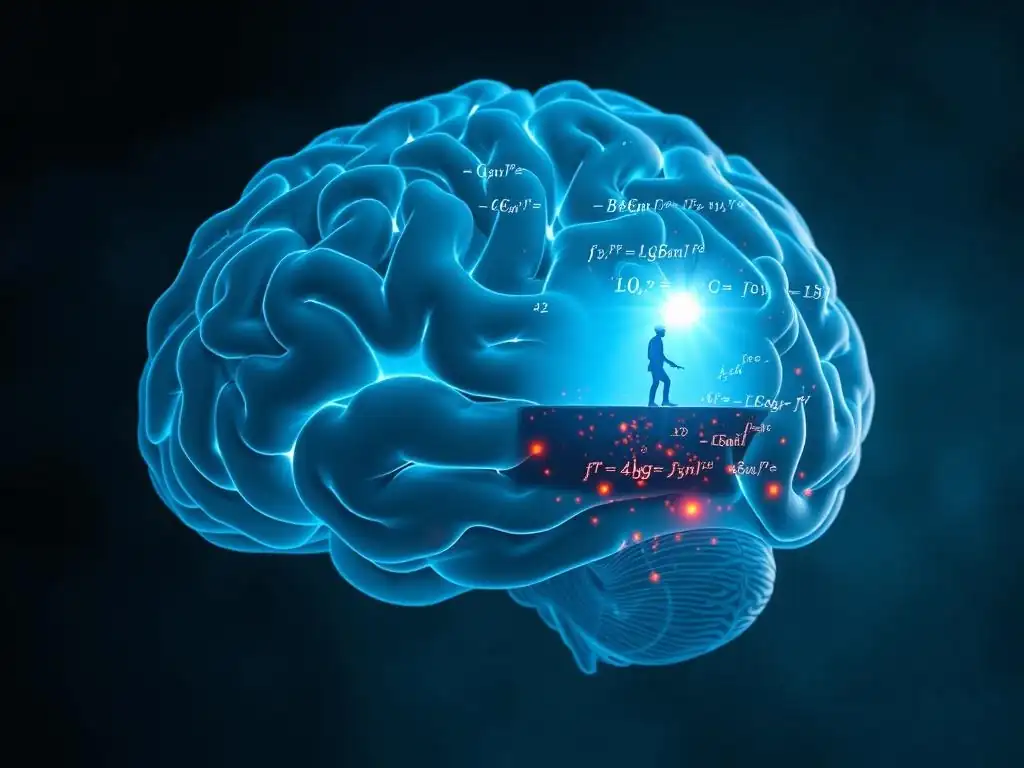
The brain plays a central role in initiating and maintaining social anxiety. Several regions and systems are particularly implicated, including the amygdala, prefrontal cortex, and various neurotransmitter systems. When someone with social anxiety anticipates or enters a social situation they perceive as threatening, a cascade of neural activity is initiated. This involves rapid threat detection by the amygdala, followed by complex processing (or lack thereof) in areas like the prefrontal cortex, and the release of stress hormones.
Research using functional magnetic resonance imaging (fMRI) has shown that individuals with social anxiety disorder often exhibit heightened activity in the amygdala when exposed to social stimuli, such as viewing faces with negative expressions. Furthermore, there appears to be altered connectivity between the amygdala and other brain regions responsible for regulating emotions and evaluating social cues. This intricate interplay of different brain areas helps explain why social anxiety brain triggers panic responses that feel uncontrollable and overwhelming.
The amygdala, a pair of almond-shaped structures deep within the brain's temporal lobes, is a key player in processing emotions, particularly fear and threat. In individuals with social anxiety, the amygdala appears to be hyper-responsive to social cues that are perceived as potentially negative or threatening. When faced with a social situation – perhaps giving a presentation or attending a party – the amygdala can interpret subtle signals, like a neutral facial expression or a perceived critical glance, as significant danger. This rapid, often subconscious, threat assessment bypasses slower, more rational processing pathways.
This hypersensitivity means that the amygdala effectively sounds a false alarm in the brain, initiating the body's fear response. Studies have shown that people with social anxiety disorder exhibit greater amygdala activation when anticipating or engaging in social interactions compared to those without the disorder. For example, one neuroimaging study found that viewing pictures of strangers' faces led to significantly higher amygdala activity in socially anxious individuals. This heightened activity is a core reason why social anxiety brain triggers panic and intense fear in situations that others might find mildly uncomfortable or even enjoyable.
When the amygdala detects a perceived threat, it can effectively hijack the brain's resources, prioritizing immediate survival responses over rational thought processes. This is mediated through its connections to other brain regions, including the prefrontal cortex. While the prefrontal cortex is responsible for higher-level cognitive functions like reasoning, planning, and emotional regulation, the amygdala's rapid activation can suppress its ability to modulate the fear response. In a moment of intense social anxiety, the amygdala's "panic button" gets pushed, leading to a surge of fear and physiological symptoms.
This override explains why logical reassurances or attempts to reason with oneself during a moment of intense social fear often fail. The brain is operating on a more primal, fear-driven pathway. The amygdala's strong signal can overwhelm the prefrontal cortex's attempts to evaluate the social situation more realistically and recognize that the perceived threat is not life-threatening. This neurological dynamic is central to understanding why social anxiety brain triggers panic that feels irrational but is rooted in a powerful biological response.
Cortisol is a glucocorticoid stress hormone released by the adrenal glands in response to stress signals originating from the brain, specifically the hypothalamus and pituitary gland (the HPA axis). While cortisol is essential for regulating many bodily functions, chronic exposure to elevated levels, often seen in individuals with persistent anxiety like social anxiety, can have detrimental effects. In social situations perceived as threatening, the HPA axis is activated, leading to cortisol release. This hormone prepares the body for prolonged stress, affecting metabolism, immune function, and even brain structure over time.
Sustained high cortisol levels can exacerbate anxiety symptoms and may even contribute to structural changes in the brain areas involved in emotion regulation and memory, such as the hippocampus and prefrontal cortex. Research has indicated that individuals with social anxiety disorder may show altered cortisol responses, sometimes exhibiting higher baseline levels or different reactivity patterns to social stressors compared to non-anxious individuals. This chronic stress state makes navigating social interactions even more challenging and contributes to the feeling of being constantly on edge, significantly impacting how social anxiety brain triggers panic and distress.
Adrenaline, also known as epinephrine, is another crucial stress hormone released rapidly by the adrenal medulla in response to perceived danger. It is the primary driver of the body's immediate "fight-or-flight" response. When the amygdala signals a social situation as a threat, the sympathetic nervous system is activated, triggering the release of adrenaline. This hormone causes a cascade of physiological changes designed to prepare the body to either confront or flee the perceived danger.
These changes include increased heart rate, rapid breathing, sweating, trembling, muscle tension, and dilated pupils. While these responses are adaptive in genuinely life-threatening situations, they are highly distressing and disruptive in social settings where there is no physical danger. The physical symptoms of an adrenaline surge are often what people describe as a panic attack in a social context. The intense physical sensations reinforce the brain's perception of danger, creating a vicious cycle where the social anxiety brain triggers panic, and the physical panic symptoms further amplify the anxiety.
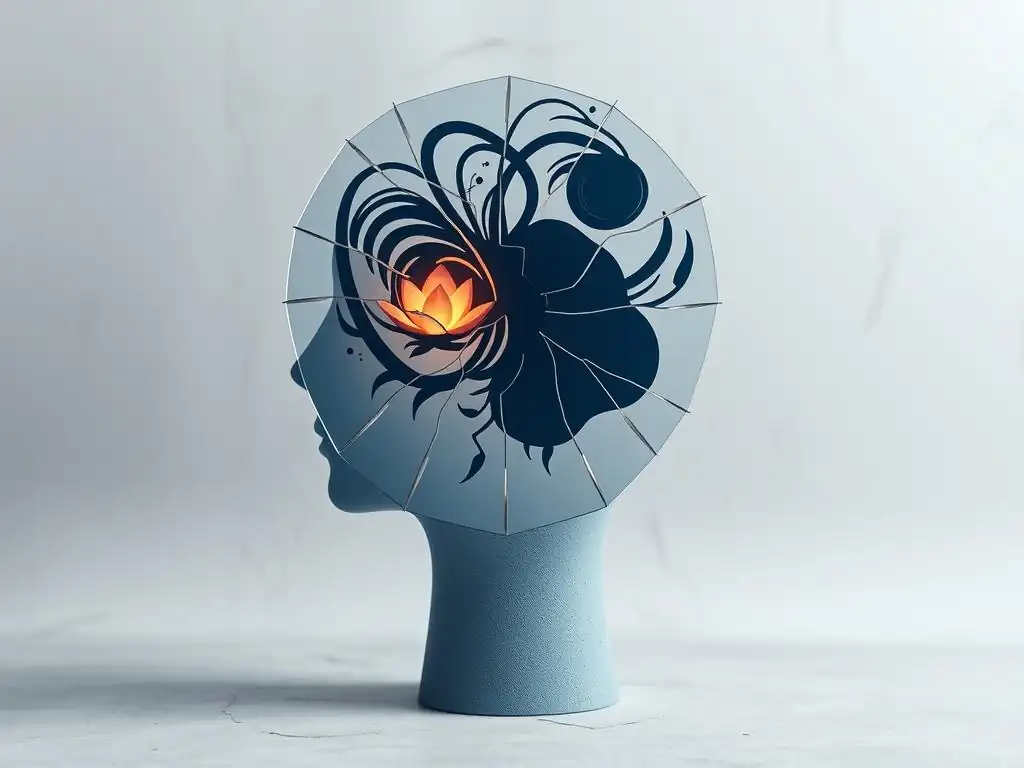
Cognitive distortions are irrational or inaccurate thought patterns that are common in individuals with anxiety disorders, including social anxiety. These distorted thoughts are not based on reality but are interpreted by the brain as absolute truths, significantly contributing to the intensity of fear and avoidance. Two prevalent distortions in social anxiety are mind-reading and fortune-telling.
Mind-reading involves assuming you know what others are thinking, typically negatively – for instance, believing everyone in the room thinks you look foolish, even without evidence. Fortune-telling is predicting future negative outcomes, such as being convinced you will stumble over your words and embarrass yourself during a presentation.
Other common cognitive distortions include catastrophizing (assuming the worst possible outcome), all-or-nothing thinking (seeing situations in extremes, like a conversation being either a complete success or a total failure), and filtering (focusing only on the negative aspects of an interaction while ignoring the positive). These ingrained patterns of negative thinking act as internal triggers, constantly feeding the anxiety and making social situations feel far more dangerous than they are. They are a critical component in how social anxiety brain triggers panic by misinterpreting social cues and potential outcomes.
These cognitive distortions don't just reflect anxiety; they actively amplify it. When someone with social anxiety automatically engages in mind-reading or fortune-telling, their brain processes these distorted thoughts as real threats. If you predict you will be rejected or judged negatively, your amygdala is likely to respond as if that rejection is already happening or imminent, triggering the fear response. This creates a feedback loop: the anxiety leads to negative thoughts, and the negative thoughts intensify the anxiety and physical symptoms.
For example, someone might go into a social gathering thinking, "Everyone here is judging my appearance" (mind-reading). This thought activates the fear response, leading to physical symptoms like sweating or blushing. Noticing these physical symptoms, the person might then think, "Now everyone can see I'm anxious; this is a disaster" (catastrophizing), further escalating the panic. These negative thought cycles are powerful drivers of the distress experienced in social situations and are a key target for therapeutic interventions aimed at interrupting how social anxiety brain triggers panic.
Past negative social experiences, particularly perceived rejections or embarrassments, can have a profound and lasting impact on the brain's response to future social situations. When a social interaction results in a painful outcome – whether it's being laughed at during a speech, feeling excluded by peers, or receiving harsh criticism – the brain creates a strong association between the social context and the negative emotional and physical response. This association is often stored implicitly, meaning it can trigger reactions without conscious recall of the specific event.
This learned association can prime the amygdala to be more reactive to similar social cues in the future. Even subtle reminders of the past negative experience can trigger a rapid fear response. For instance, someone who was mocked while speaking in class as a child might develop an intense fear of public speaking later in life. Their brain, having learned to associate speaking in front of others with danger and humiliation, will automatically activate the fear circuitry when faced with a similar situation. This makes past experiences powerful catalysts for how social anxiety brain triggers panic in the present.
The brain is an incredible learning machine, and it quickly forms associations between stimuli and responses. In the context of social anxiety, the brain learns to associate social situations (stimulus) with fear and discomfort (response). This learning is reinforced each time a negative social experience occurs or is strongly anticipated. These learned associations are stored in neural pathways, making the fear response almost automatic. For example, if attending parties has consistently resulted in feelings of isolation and intense anxiety, the brain learns to associate the stimulus "party" with the response "panic."
These learned associations are powerful drivers of avoidance behavior, as the brain signals that the best way to avoid the predicted negative outcome and accompanying distress is to simply avoid the situation altogether. This avoidance prevents new, positive associations from being formed, trapping the individual in a cycle of fear and isolation. Breaking these learned associations is a core goal of therapies like exposure therapy, which aims to teach the brain that the perceived threat in social situations is not real and that the social anxiety brain triggers panic based on outdated or inaccurate learning.
Serotonin is a neurotransmitter that plays a significant role in regulating mood, sleep, appetite, and social behavior. Imbalances in serotonin levels or impaired serotonin signaling are strongly implicated in various mood and anxiety disorders, including social anxiety. Lower levels of serotonin or reduced sensitivity of serotonin receptors in certain brain areas, particularly those involved in emotional processing like the amygdala and prefrontal cortex, may contribute to increased vulnerability to anxiety and negative mood states in social situations.
Many common medications used to treat social anxiety, such as Selective Serotonin Reuptake Inhibitors (SSRIs), work by increasing the availability of serotonin in the brain. By enhancing serotonin signaling, these medications can help modulate the activity of brain regions involved in fear and anxiety, potentially reducing the intensity of the panic response triggered by social situations. While the exact mechanisms are complex, optimizing serotonin function is a key strategy for managing the neurochemical imbalances that contribute to how social anxiety brain triggers panic.
Dopamine is a neurotransmitter associated with the brain's reward system, motivation, and pleasure. It plays a role in how we perceive and react to social interactions. For individuals with social anxiety, there may be alterations in dopamine signaling. Some research suggests that people with social anxiety may have a reduced response in the brain's reward pathways when experiencing positive social interactions, or conversely, a heightened sensitivity to potential social punishment or rejection, which is also influenced by dopamine.
This altered dopamine function might contribute to the lack of motivation to seek out social interactions or the failure to experience the same level of pleasure or reward from positive social engagements that non-anxious individuals do. Furthermore, the anticipation of social interaction might trigger a stress response rather than the mild sense of reward or anticipation experienced by others. Understanding the role of dopamine helps illuminate another facet of the complex neurochemical landscape underlying why social anxiety brain triggers panic and avoidance behaviors.
Gamma-aminobutyric acid (GABA) is the primary inhibitory neurotransmitter in the brain. Its main function is to reduce neuronal excitability, effectively acting as the brain's natural calming agent. GABA counteracts the effects of excitatory neurotransmitters, helping to regulate anxiety and promote relaxation. Deficiencies in GABA or impaired GABAergic signaling are thought to contribute to increased neuronal activity and heightened states of anxiety.
In individuals with social anxiety, there may be reduced GABAergic tone, meaning the brain's ability to put the brakes on excitatory signals is diminished. This could lead to the amygdala and other fear-related brain regions being more easily activated and less effectively inhibited, contributing to the intense and often persistent anxiety experienced in social situations. Some anti-anxiety medications, such as benzodiazepines, work by enhancing the effects of GABA. While often used for short-term relief, understanding GABA's role highlights the importance of the brain's inhibitory systems in regulating how social anxiety brain triggers panic responses.
The prefrontal cortex (PFC), located at the front of the brain, is the center of executive functions, including planning, decision-making, working memory, and, crucially, emotional regulation. It plays a vital role in evaluating social situations, interpreting complex social cues, and modulating the activity of subcortical regions like the amygdala. A healthy PFC can help individuals appraise a social situation realistically, inhibit inappropriate responses, and manage their emotional reactions, even in potentially stressful interactions. It allows us to consider consequences and choose appropriate behaviors rather than acting solely on immediate emotional impulses.
In social settings, the PFC helps us navigate nuanced interactions, understand social norms, and control impulses that might lead to embarrassment. It allows us to think before we speak, interpret others' intentions, and adjust our behavior accordingly. This top-down control from the PFC is essential for inhibiting the raw fear signals originating from the amygdala. It provides the cognitive resources to evaluate whether a perceived social threat is real or imagined, and to manage the resulting anxiety.
Chronic anxiety, and particularly the acute stress experienced during a social panic episode, can impair the optimal functioning of the prefrontal cortex. High levels of stress hormones like cortisol and adrenaline can negatively impact PFC activity, particularly its ability to exert top-down control over the amygdala. When someone is overwhelmed by social anxiety, their PFC may struggle to perform its regulatory functions effectively. This means it becomes harder to think rationally, evaluate the situation accurately, or control the emotional and physiological responses.
This impairment can manifest as difficulty concentrating during conversations, struggling to articulate thoughts clearly, or finding it hard to suppress the urge to flee the situation. The reduced capacity of the PFC to regulate the amygdala creates a vicious cycle: the amygdala triggers intense fear, which floods the system with stress hormones, further hindering the PFC's ability to regain control. Understanding this dynamic is crucial because strengthening PFC function through therapy and other strategies is a key pathway to gaining better control over how social anxiety brain triggers panic.

The Influence of Genetics on Anxiety Vulnerability
Research strongly suggests that there is a genetic component to the vulnerability to develop anxiety disorders, including social anxiety. While there isn't a single "social anxiety gene," inherited genetic factors can influence brain structure, function, and neurotransmitter systems in ways that increase a person's predisposition to anxiety. Studies involving twins and families have shown that social anxiety tends to run in families, with individuals having a first-degree relative with the disorder being at a higher risk.
Specific genes that influence the serotonin transporter protein or receptors for neurotransmitters like GABA have been areas of research interest. Variations in these genes can affect how efficiently neurotransmitters are produced, transported, or utilized in the brain, potentially impacting the regulation of mood and anxiety. While genetics can load the dice, they do not determine destiny. A genetic predisposition means an individual may be more vulnerable to developing social anxiety, but environmental factors and life experiences also play a critical role.
Environmental factors and life experiences interact with genetic predisposition to shape whether social anxiety develops and how severe it becomes. Adverse childhood experiences, such as bullying, social isolation, family conflict, or critical parenting styles, are significant environmental risk factors. Growing up in an environment where social mistakes were heavily criticized or punished can teach the brain to associate social situations with danger and negative outcomes, reinforcing the learned associations discussed earlier.
Traumatic social events, like a public humiliation or a significant rejection, can also be powerful triggers for the onset of social anxiety, especially in genetically vulnerable individuals. Furthermore, cultural factors and societal emphasis on performance and appearance can contribute to social pressures that exacerbate anxiety. This interplay between genetic vulnerability and environmental stressors highlights that social anxiety is a complex condition resulting from a combination of biological and experiential factors, all contributing to how social anxiety brain triggers panic in affected individuals.
Cognitive Behavioral Therapy (CBT) is one of the most effective psychological treatments for social anxiety disorder. CBT targets the maladaptive thought patterns (cognitive distortions) and avoidance behaviors that maintain the anxiety. The core principle is that our thoughts, feelings, and behaviors are interconnected, and changing one can influence the others. A key component of CBT for social anxiety involves identifying and challenging negative automatic thoughts related to social situations. For example, learning to question the assumption "Everyone thinks I'm boring" and consider alternative perspectives.
CBT also incorporates behavioral techniques, most notably exposure therapy (discussed below), to gradually confront feared social situations. By safely and systematically facing feared scenarios, individuals learn that their predicted negative outcomes rarely occur and that they can tolerate the discomfort. Through repeated practice, CBT helps to "retrain" the brain, weakening the learned associations between social cues and panic, and strengthening the prefrontal cortex's ability to regulate the amygdala. This process directly addresses how social anxiety brain triggers panic and teaches new, healthier responses.
Relaxation Techniques: Mindfulness and Breathing Exercises to Reduce Anxiety
Relaxation techniques can be valuable tools for managing the physical symptoms of social anxiety and calming the overactive nervous system. Practices like deep diaphragmatic breathing and mindfulness meditation can help activate the body's parasympathetic nervous system, which is responsible for the "rest and digest" state, counteracting the fight-or-flight response. Deep breathing exercises, for instance, slow the heart rate and can interrupt the adrenaline surge associated with panic.
Mindfulness involves paying attention to the present moment without judgment. For social anxiety, this can mean observing anxious thoughts and physical sensations without getting carried away by them. By practicing mindfulness, individuals can develop greater awareness of their internal state and learn to detach from anxious thoughts, preventing them from escalating into full-blown panic. Regularly incorporating these techniques can help lower overall anxiety levels and provide coping strategies for moments when social anxiety brain triggers panic.
For many individuals, medication can be a helpful adjunct to therapy, particularly when social anxiety symptoms are severe and significantly impairing. Medications primarily target the neurochemical imbalances that contribute to the condition. Selective Serotonin Reuptake Inhibitors (SSRIs) and Serotonin-Norepinephrine Reuptake Inhibitors (SNRIs) are commonly prescribed and are effective for many people with social anxiety disorder. As mentioned earlier, SSRIs work by increasing serotonin levels, which can help regulate mood and anxiety.
Other medication options may include benzodiazepines for short-term relief of acute anxiety symptoms (though their long-term use is generally discouraged due to dependence risk) and beta-blockers, which can help manage the physical symptoms of performance anxiety, such as trembling or rapid heart rate, by blocking the effects of adrenaline. Medication can help reduce the intensity of the panic response, making it easier for individuals to engage in therapy and practice new coping skills, thereby interrupting the cycle where social anxiety brain triggers panic.
One aspect of social anxiety involves feeling uncertain or inadequate in social interactions, particularly conversations. Conversational skills training can be a practical and empowering strategy. This involves learning and practicing fundamental social skills, such as initiating conversations, maintaining eye contact, active listening, asking open-ended questions, and appropriately responding to cues.
Training often involves role-playing and receiving feedback in a safe, supportive environment. By developing greater confidence in their ability to navigate conversations, individuals can reduce the fear of saying the "wrong" thing or being perceived as awkward. This practical skill-building directly addresses some of the specific fears that contribute to how social anxiety brain triggers panic in interpersonal exchanges.
Exposure therapy is a core behavioral technique used in CBT and other anxiety treatments. It involves gradually and systematically exposing oneself to feared social situations in a controlled and safe manner. The goal is to help the brain learn that the feared situation is not actually dangerous and that the anxiety will eventually decrease without resorting to avoidance or safety behaviors (like excessively apologizing or staying silent).
Exposure typically starts with less challenging situations and progresses to more difficult ones. For example, someone might start by making eye contact with strangers, then asking a store clerk a question, then participating in a small group discussion, and eventually giving a presentation. Through repeated exposure, the brain habituates to the situation, the fear response diminishes, and new, non-anxious associations are formed, directly counteracting how social anxiety brain triggers panic based on learned fear.
Role-playing is a highly effective way to practice social skills and prepare for feared situations in a safe, simulated environment. It involves acting out social scenarios with a therapist, a trusted friend, or in a group setting. This allows individuals to practice initiating conversations, asserting themselves, handling criticism, or navigating other challenging interactions without the pressure of a real-life situation.
Role-playing provides an opportunity to experiment with different responses, receive constructive feedback, and build confidence. It helps desensitize the individual to the anxiety associated with the situation and strengthens their sense of self-efficacy. By rehearsing responses and becoming more comfortable with the dynamics of social interaction, role-playing helps to reduce the element of surprise and unpredictability, making it less likely that social anxiety brain triggers panic when the real situation arises.
Breaking the cycle of social anxiety requires building social confidence and self-efficacy – the belief in one's ability to succeed in specific situations or accomplish a task. This isn't about becoming an extrovert; it's about feeling capable of handling social interactions despite potential discomfort. Building confidence is a gradual process that involves setting small, achievable social goals and celebrating successes. Each positive social experience, no matter how small, reinforces the brain's capacity for positive social associations and helps counteract the learned fear responses.
Strategies include intentionally seeking out low-stakes social interactions, volunteering, joining groups centered around shared interests, or simply practicing initiating brief conversations with people you encounter daily (e.g., baristas, cashiers). Focusing on genuine connection and mutual interest rather than self-performance can also shift the focus away from self-scrutiny. Over time, accumulating positive experiences and successful navigation of social challenges helps rewrite the brain's narrative, reducing the likelihood that social anxiety brain triggers panic.
Seeking Professional Help: When to Consult a Therapist or Psychiatrist
Recognizing when to seek professional help is a crucial step in managing social anxiety. If your social anxiety is persistent, causes significant distress, interferes with your ability to function in important areas of your life (work, school, relationships), or leads to avoidance behaviors that limit your opportunities, it's time to consult a mental health professional. A therapist (such as a psychologist, social worker, or counselor) specializing in anxiety disorders can provide evidence-based treatments like CBT and exposure therapy tailored to your specific needs.
A psychiatrist, a medical doctor specializing in mental health, can assess whether medication might be beneficial, especially if anxiety symptoms are severe or co-occurring with other conditions like depression. They can discuss medication options, potential side effects, and monitor your response. Seeking professional guidance is a sign of strength and is often necessary to effectively address the complex interplay of brain function, thought patterns, and learned behaviors that contribute to how social anxiety brain triggers panic and impacts your life.
Frequently Asked Questions
What are the primary brain regions involved in triggering performance anxiety?
The amygdala and prefrontal cortex play crucial roles. The amygdala processes fear, while the prefrontal cortex attempts to regulate anxiety responses, sometimes unsuccessfully leading to panic.
How does the "fight or flight" response contribute to performance anxiety?
Performance anxiety activates the "fight or flight" response, releasing adrenaline and cortisol. This leads to physical symptoms like increased heart rate and sweating, exacerbating anxiety.
What are some common cognitive distortions that can worsen performance anxiety?
Catastrophizing and overgeneralization are common. Individuals might exaggerate the potential for failure or believe one mistake will ruin their entire performance.
What role do neurotransmitters like serotonin and dopamine play in performance anxiety?
Imbalances in neurotransmitters can influence mood and anxiety. Low serotonin levels are often associated with increased anxiety, while dopamine pathways affect motivation and reward anticipation, which can be stressful.
Can specific brain training techniques or therapies help manage performance anxiety and panic?
Yes, techniques like Cognitive Behavioral Therapy (CBT) and Mindfulness-Based Stress Reduction (MBSR) can help. These therapies aim to reframe negative thoughts, regulate emotions, and reduce the physiological symptoms of anxiety.
Final Reflection: Understanding and Overcoming the Performance Anxiety Paradox
The science of performance anxiety isn't just an academic pursuit; it's a crucial key to unlocking potential and well-being in our increasingly performance-driven world. The intricate interplay between our brains, bodies, and environments, as explored in this article, directly impacts our ability to thrive, not just on stage or in the spotlight, but in everyday life. Understanding these neurological triggers is the first step towards reclaiming control and achieving peak performance.
The pervasive nature of performance anxiety, its subtle yet powerful influence on our choices and actions, is something I've personally witnessed and experienced. It's not simply about avoiding public speaking; it's about the fear of judgment that permeates so many aspects of modern life, from job interviews to social interactions. The greatest obstacle to success is the fear of failure.
This quote, though often attributed to various sources, perfectly encapsulates the paralyzing effect of performance anxiety. It's a fear that prevents us from taking risks, from embracing challenges, and from fully realizing our potential.
You now possess a deeper understanding of the biological mechanisms fueling your performance anxiety. This knowledge is power. Don't let this information remain passive; actively use it. Explore the coping mechanisms discussed, seek professional help if needed, and remember that you are not alone in this struggle. Embrace the challenge, confront your fears, and discover the incredible strength and resilience you possess. The journey to overcoming performance anxiety is a personal one, but with self-awareness and the right tools, you can transform your relationship with pressure and unlock a life filled with confidence and achievement.
Unlock Your Peak Performance: Conquer Anxiety Today!
Thanks for diving deep into the science of performance anxiety with us! We hope you gained valuable insights into why your brain triggers panic and discovered practical strategies to manage it. Now it's time to put that knowledge into action.
- Implement one new coping mechanism from the article this week. This could be deep breathing, positive self-talk, or a specific visualization technique – choose what resonates most with you.
- Share this article with someone who might benefit from understanding performance anxiety better. A little understanding can go a long way!
- Consider journaling your anxiety triggers and responses for a week. This simple act can reveal powerful patterns and help you proactively manage future situations.
Ready to take control and perform at your best? What's the one small step you'll take this week to begin conquering performance anxiety?